Get 20% OFF All Premium 3D & STL Models!

The world of digital visualization has revolutionized how we interact with products, especially in the highly visual realm of automotive design. From breathtaking cinematic renders to immersive real-time simulations, 3D car models are the fundamental building blocks that bring these visions to life. They are more than just virtual representations; they are intricate data sets that convey design intent, engineering precision, and aesthetic appeal. For professionals in game development, architectural visualization, marketing, and even industrial design, having access to accurate, optimized, and versatile 3D car models is paramount. It’s about bridging the gap between imagination and tangible digital reality.
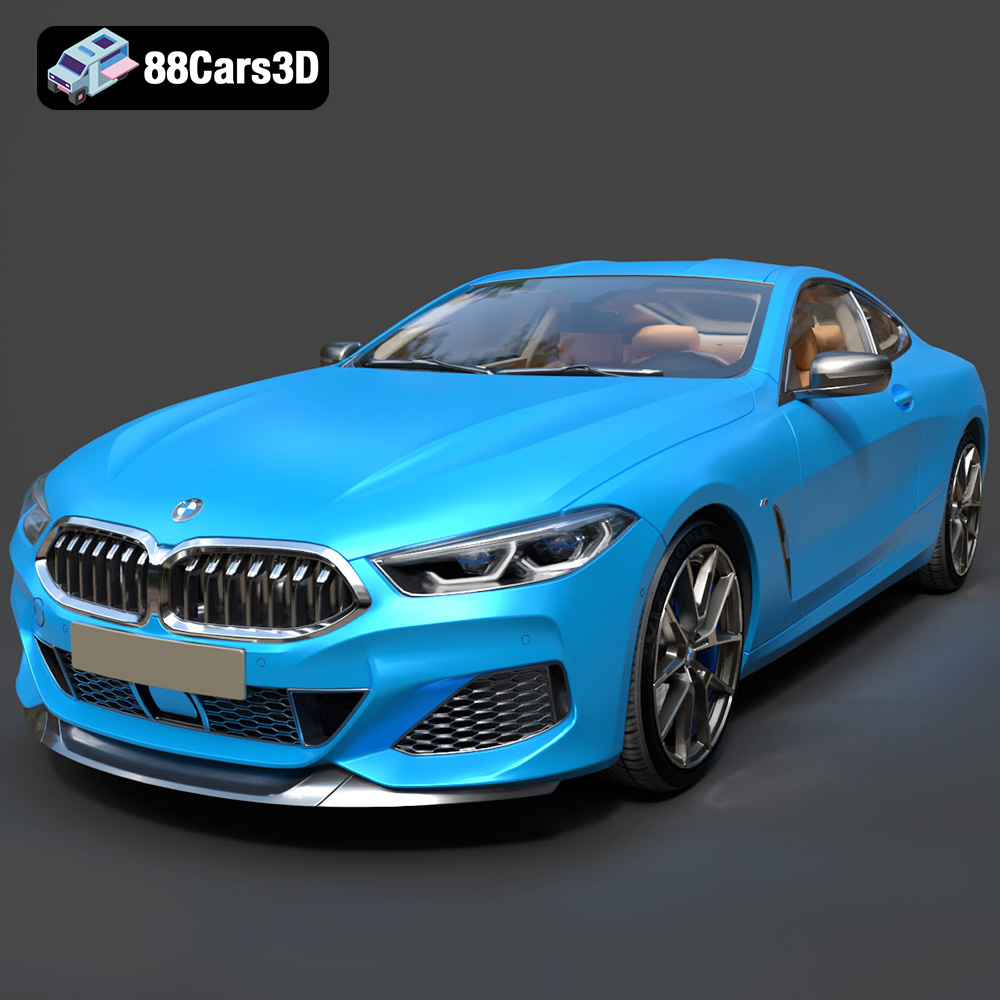
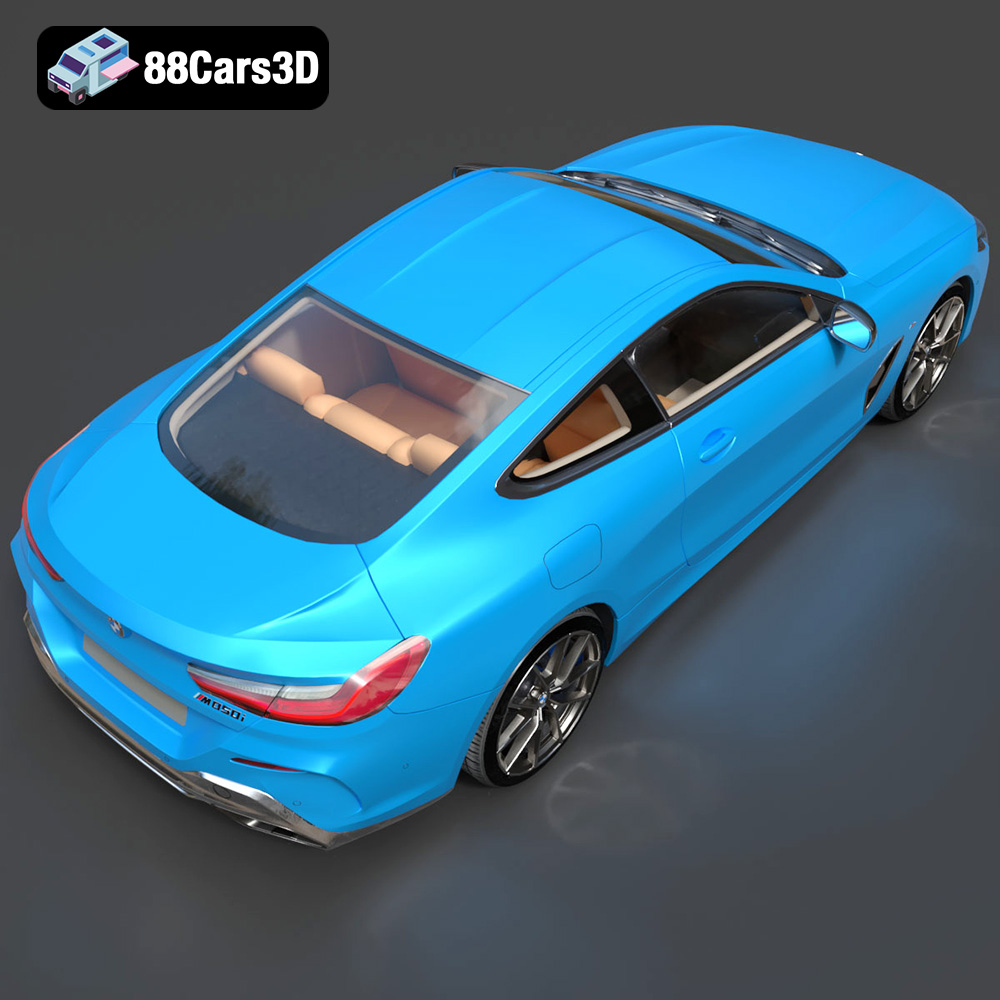
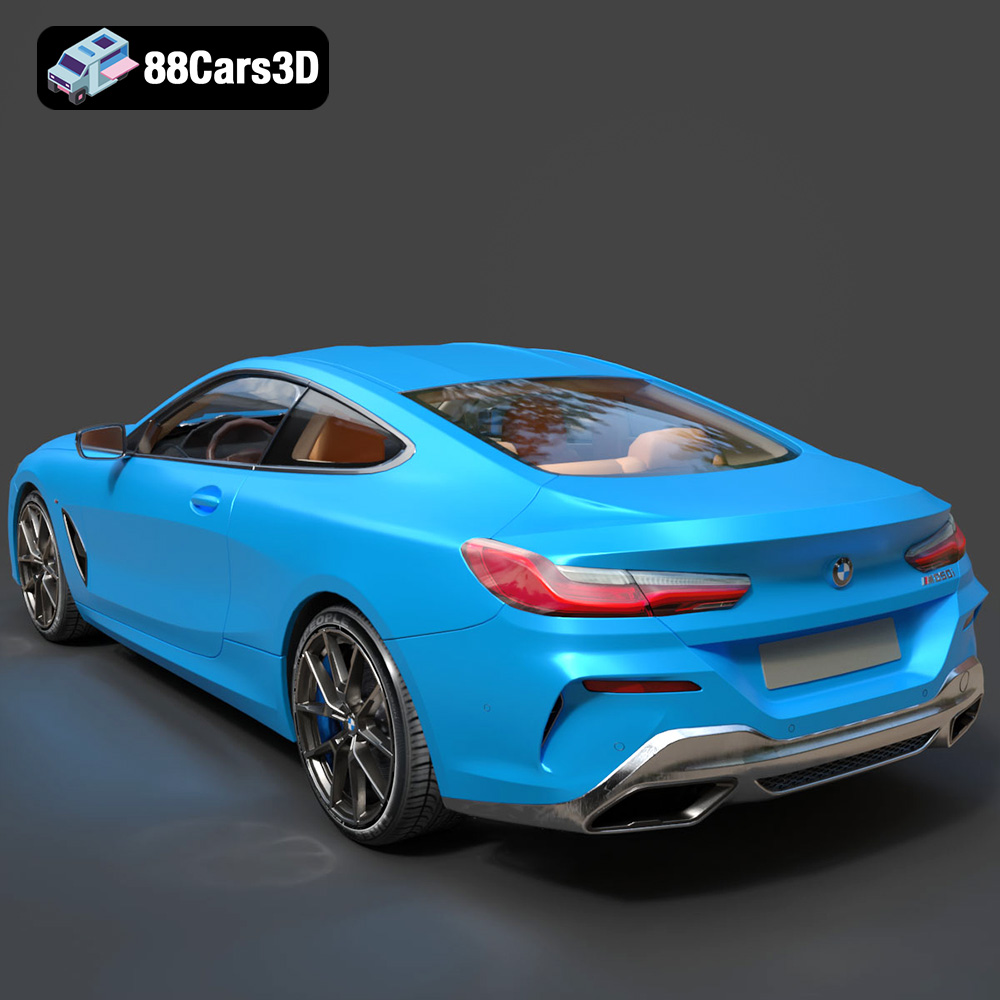
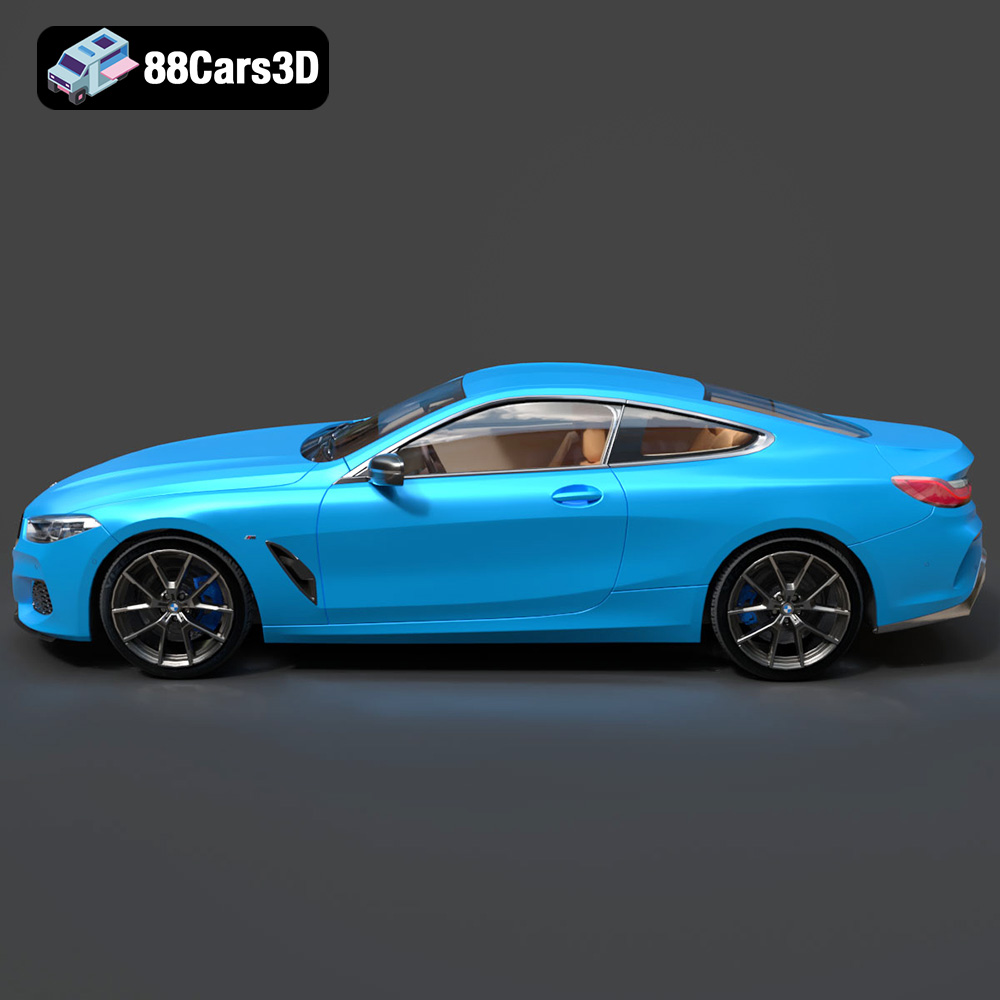
One exemplary illustration of such meticulous craftsmanship is the **BMW M850i 3D Model**, available for download on 88cars3d.com. This model perfectly encapsulates the blend of luxury, performance, and aggressive styling that defines the real-world M850i, making it an invaluable asset for a myriad of digital applications. It’s not just a model; it’s a meticulously engineered digital twin designed to perform flawlessly across various platforms, from high-fidelity rendering engines to demanding real-time environments.
Creating a truly excellent 3D car model is an intricate process that demands a deep understanding of both artistic form and technical constraints. It starts with capturing the essence of the vehicle’s design language, ensuring every curve, crease, and panel gap reflects the original. This artistic interpretation must then be translated into robust, clean geometry that is both visually stunning and functionally optimized.
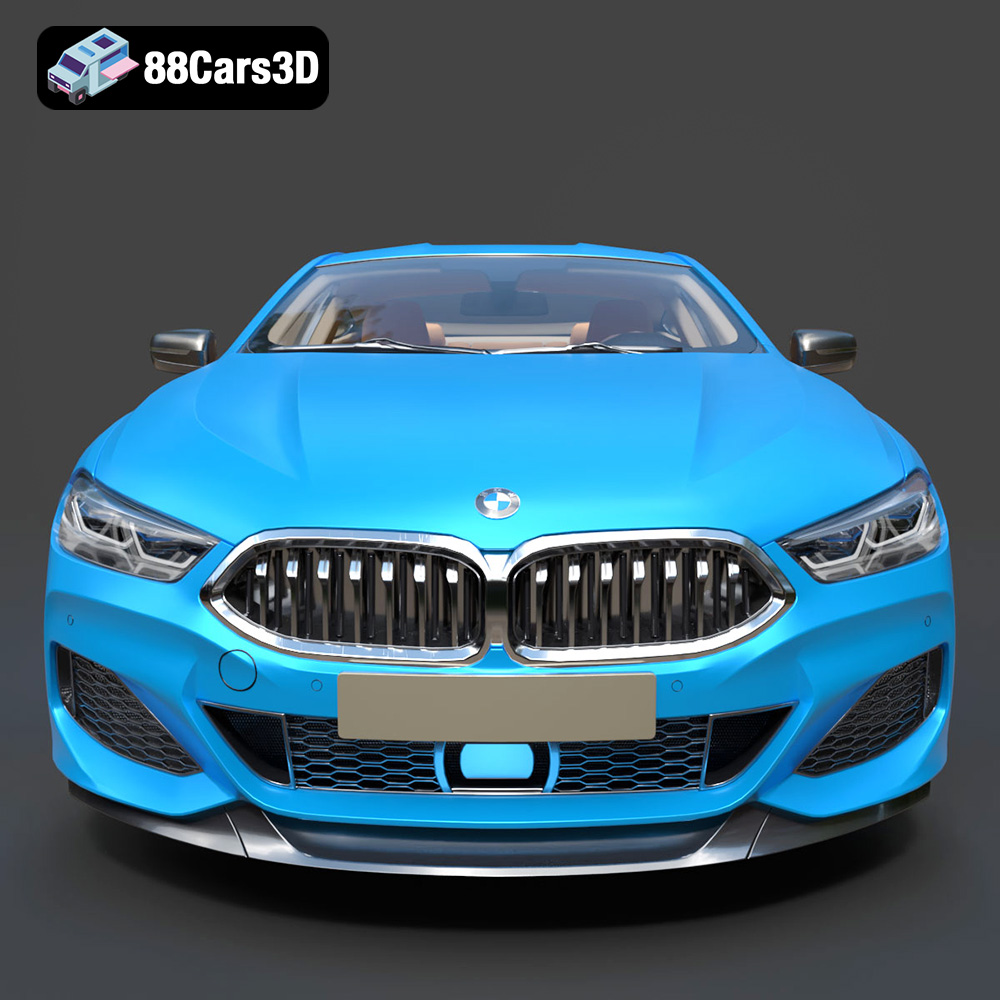
The initial phase involves meticulous referencing from blueprints, photographs, and real-world vehicle scans to ensure anatomical accuracy. For a vehicle like the BMW M850i, this means faithfully reproducing its muscular silhouette, the iconic wide kidney grilles, the aggressive M-sport bumper, and the distinctive laser-light style headlamps. Each detail, down to the quad-tipped exhaust system, contributes to the model’s authenticity and visual impact.
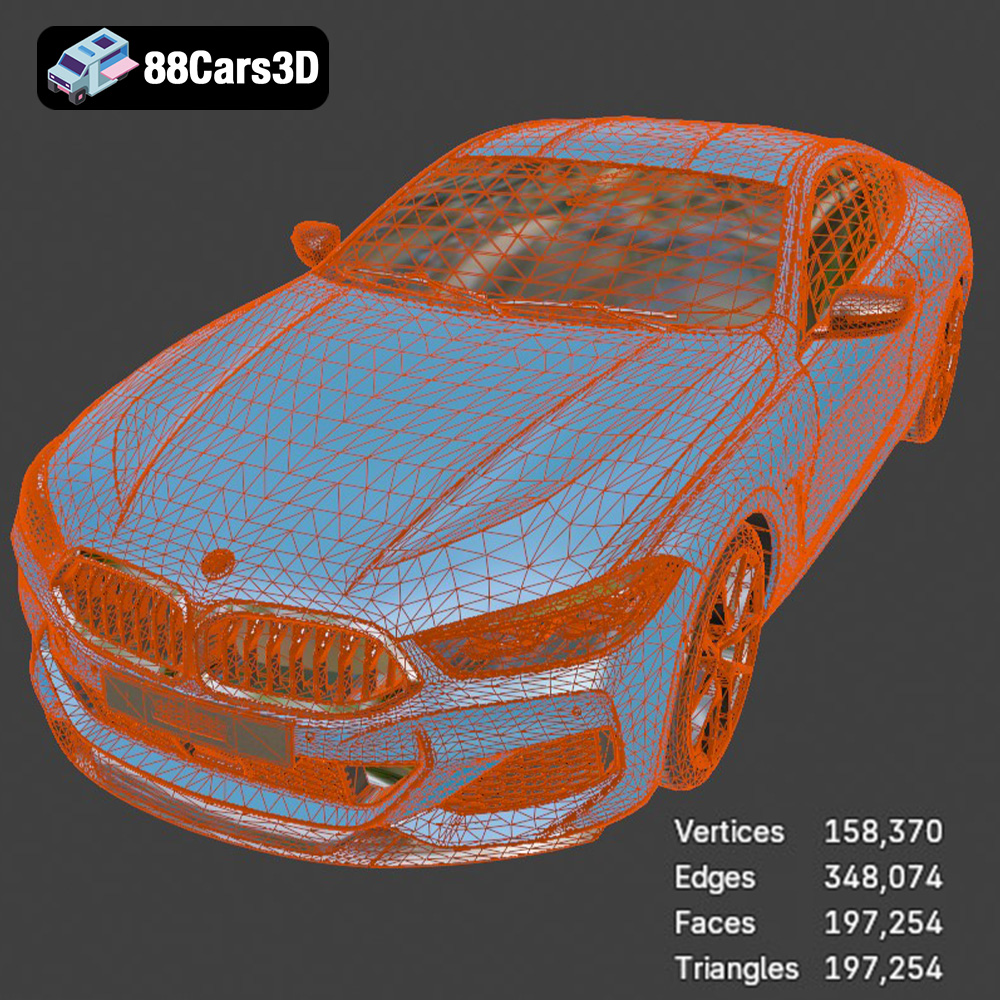
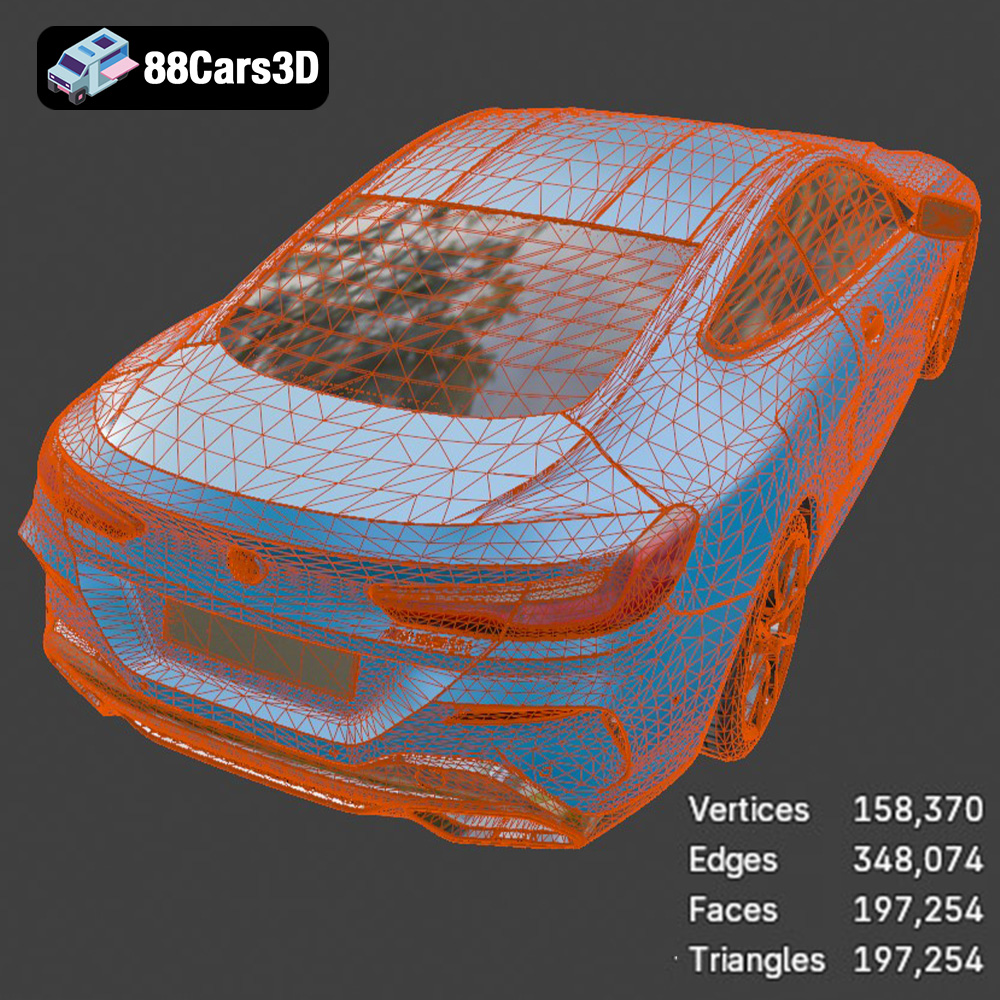
Beyond visual accuracy, the underlying mesh topology is critical. A well-constructed mesh ensures smooth deformation during animation, prevents shading artifacts, and allows for efficient UV mapping. For assets intended for real-time engines, a balanced polycount is essential. The BMW M850i 3D model, with its optimized topology boasting 197,254 triangles, demonstrates this balance, delivering high visual fidelity without compromising performance, a crucial factor for game-ready assets.
The versatility of a 3D model often depends on the file formats it supports. Each format is designed with specific use cases in mind, offering different levels of data preservation, compatibility, and optimization. Understanding these distinctions is crucial for anyone working with 3D assets, ensuring smooth integration into diverse workflows and applications. The BMW M850i 3D model is thoughtfully provided in a comprehensive array of formats, maximizing its utility.
The `.blend` format is native to Blender, a powerful open-source 3D creation suite. When you download a `.blend` file, you’re not just getting the model geometry; you’re often receiving a complete scene, including materials, textures, lighting setups, and even animation data, all editable within Blender. This format is ideal for users who primarily work in Blender and need full control over the asset for modifications, scene integration, or further development. It offers the highest degree of flexibility for customization and advanced rendering within the Blender ecosystem.
Developed by Autodesk, the `.fbx` (Filmbox) format is an industry-standard for 3D data exchange, particularly prevalent in game development. It efficiently stores models, textures, animations, and rigs in a single file, making it perfect for transferring assets between different 3D software and into game engines like Unreal Engine and Unity. Its robust support for skeletal animations and material properties makes it the go-to choice for complex animated characters and vehicles, ensuring assets like the BMW M850i can be dropped directly into a real-time environment with minimal fuss.
The `.obj` (Wavefront OBJ) format is one of the oldest and most universally supported 3D file formats. It primarily stores geometric data (vertices, faces, normals, UV coordinates) and can reference external material files (.mtl). While it doesn’t support animation or rigging like FBX, its simplicity and widespread compatibility make it an excellent choice for basic mesh transfer between virtually any 3D software. For simple static renders or when starting a new project in an unfamiliar software, `.obj` provides a reliable foundation.
`.glb` (GL Transmission Format Binary) is the binary version of glTF, a royalty-free specification for the efficient transmission and loading of 3D scenes and models by applications. It packages geometry, materials, textures, and animation into a single compact file, optimized for web-based 3D, AR (Augmented Reality), and VR (Virtual Reality) experiences. Its efficient design means models like the BMW M850i can load quickly and render smoothly on mobile devices or within web browsers, making it perfect for interactive virtual showrooms or product configurators.
The `.stl` (Stereolithography) format is the de facto standard for 3D printing. It represents a 3D model as a collection of unconnected triangular facets, defining only the surface geometry without color, texture, or material information. While not ideal for visual rendering, it’s essential for transforming a digital model into a physical object. The BMW M850i 3D model’s availability in `.stl` format allows hobbyists and professionals to 3D print scaled replicas, requiring careful consideration of print settings like layer height and support structures for optimal results.
`.ply` (Polygon File Format) is another format for storing 3D data, often used for scanned data or models with precise polygonal meshes. It can store various properties beyond just geometry, such as color, transparency, and even normal vectors for each vertex. While less common for general animation or game development compared to FBX, it’s valuable in applications requiring high geometric accuracy, like reverse engineering, CAD (Computer-Aided Design), or scientific data visualization.
While not a universally recognized standalone file extension in the same vein as FBX or OBJ, `.unreal` here signifies an asset specifically pre-configured or prepared for direct import and optimal performance within Unreal Engine. This often implies that the asset has undergone specific optimization, material setup, and possibly collision mesh generation tailored for Unreal’s architecture, saving developers significant time and effort in integrating the model into their projects.
The `.max` format is the native file type for Autodesk 3ds Max, a leading software for 3D modeling, animation, and rendering in architectural visualization, broadcast, and game development. A `.max` file contains the complete scene data, including all geometry, materials, lighting, cameras, and animation data. Providing the BMW M850i in this format means users of 3ds Max can access the model in its original working environment, allowing for full editability, complex rendering setups with V-Ray or Corona, and advanced animation sequences.
The true measure of a high-quality 3D car model lies in its ability to convincingly replicate the real-world vehicle. This isn’t just about getting the shape right; it’s about capturing the nuances of industrial design, the interplay of light on surfaces, and the intricate details that contribute to a luxury vehicle’s appeal. The BMW M850i 3D model excels in this regard, offering a level of fidelity that makes it suitable for even the most demanding visualization projects.
Every exterior element of the BMW M850i has been meticulously modeled. This includes the distinct active kidney grilles, a hallmark of modern BMWs, and the aggressive M-Sport aerodynamic vents that not only define its aesthetic but also hint at its performance capabilities. The laser-light style headlights and high-fidelity LED taillights are rendered with precision, ensuring realistic light refraction and emission. Even the intricately modeled M-style alloy wheels with low-profile tires and detailed brake calipers receive exceptional attention, providing realism for close-up shots and dynamic camera angles. The separation of wheels, suspension, and steering components is a critical technical advantage, allowing for complex animation like realistic turning, suspension travel, and wheel rotation without needing to reconstruct the model.
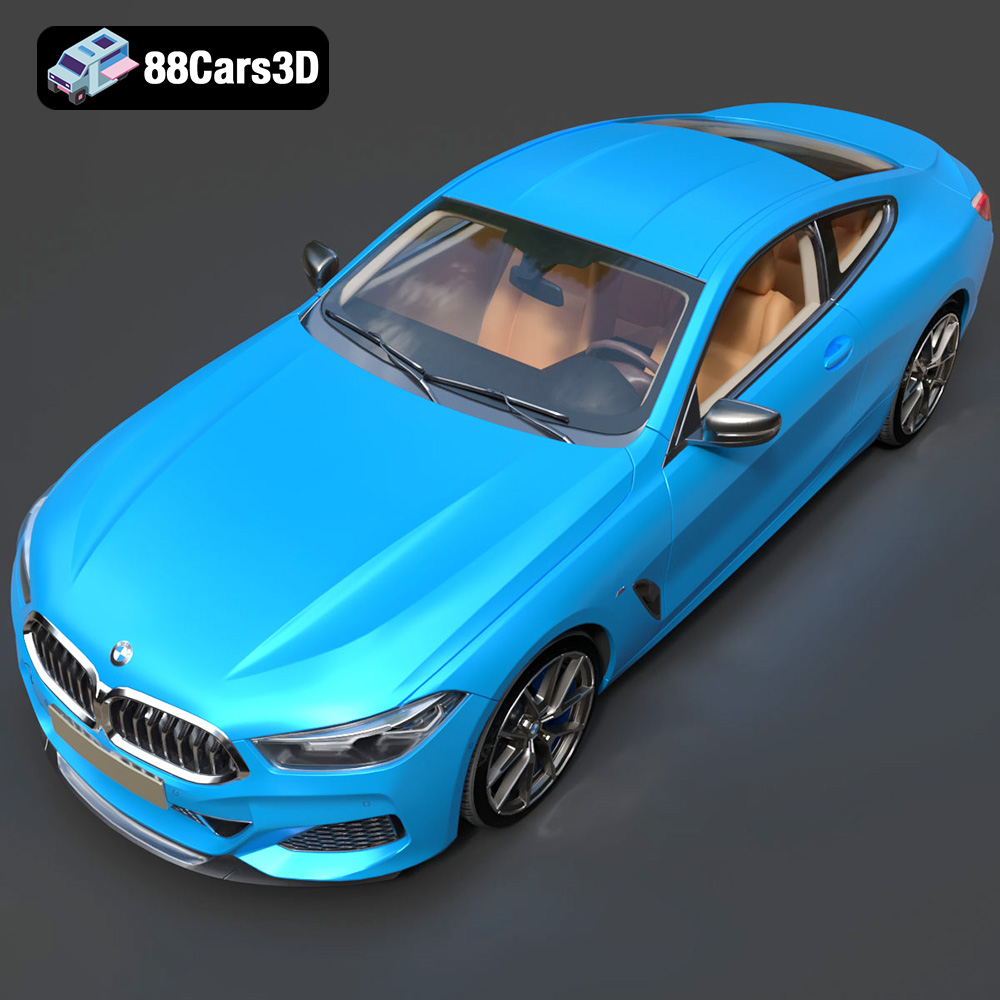
A truly comprehensive automotive 3D model extends beyond the exterior. The interior, often overlooked in basic models, is crucial for first-person perspectives in games, VR experiences, or detailed cinematic sequences. The BMW M850i model features a luxurious sculpted sport seating with detailed stitching geometry, a testament to its high-end origins. The M-Sport leather-wrapped steering wheel with paddle shifters, high-resolution digital instrument cluster, and central infotainment display housing are all accurately represented. The detailed center console, complete with a precise gear selector, iDrive controller, and pedals, ensures that the cockpit is perfect for immersive VR experiences or close-up rendering, providing a complete and believable environment.
In today’s fast-paced digital environments, raw detail is only part of the equation. Optimization is key, particularly for interactive applications like video games, AR/VR experiences, and real-time configurators. A high-quality 3D car model must strike a delicate balance between visual fidelity and computational efficiency.
The BMW M850i model’s triangle count of 197,254 is a prime example of strategic optimization. This polycount is sufficiently high to convey intricate details and smooth surfaces for realistic rendering, yet low enough to ensure excellent performance in real-time engines like Unreal Engine and Unity. This careful balance prevents unnecessary strain on GPUs, leading to higher frame rates and a smoother user experience, which is paramount for immersive interactive applications.
Accuracy extends beyond visual likeness to physical properties. The model’s real-world scale accuracy, based on actual vehicle chassis dimensions, ensures that it integrates seamlessly into virtual environments without requiring tedious adjustments. Furthermore, the proper pivot setup for steering, wheel rotation, and suspension travel is a critical technical advantage. It means animators and game developers can instantly implement realistic vehicle physics and movements, saving countless hours of rigging and setup time. These details make the **BMW M850i 3D Model** truly game-ready and production-friendly.
The utility of a high-quality 3D car model extends far beyond traditional rendering. Emerging technologies like Augmented Reality (AR), Virtual Reality (VR), and 3D printing are opening up new avenues for interaction and production, and well-structured 3D assets are at the heart of these innovations.
For industries from automotive marketing to educational simulations, AR/VR offers unparalleled immersive experiences. Imagine a potential buyer exploring the BMW M850i in a virtual showroom, walking around it, opening doors, and even sitting inside, all before the physical car is ever seen. Or a designer reviewing a new color scheme in a mobile AR app, projecting the car onto their driveway. The optimized interior geometry of the BMW M850i 3D model makes it perfect for first-person POV in gaming or VR, allowing for truly engaging virtual interactions. Its `.glb` format ensures compatibility and performance across these platforms.
The `.stl` format included with the BMW M850i 3D model enables another fascinating application: 3D printing. Hobbyists, collectors, or even professional designers can bring a tangible, scaled replica of the M850i into the physical world. While requiring careful attention to print settings – such as recommended scales (1:12 / 1:18 / 1:24), layer height (0.04–0.12 mm for resin printing), and specific support structures for delicate parts – the ability to transition from digital to physical showcases the versatility of a well-engineered 3D asset. Post-processing with sanding, primer, and authentic factory colors can result in stunning display models.
A truly professional 3D asset isn’t just about its raw quality; it’s about how easily it integrates into existing professional workflows. Artists and developers use a diverse range of software, and the ability to seamlessly import, modify, and render a model is a significant time-saver. The BMW M850i 3D model, with its multiple file formats, is designed for this very purpose.
Blender users benefit from the native `.blend` file, which means the model can be opened directly with all its materials and textures intact. This allows for immediate integration into larger scenes, lighting setups, or even custom animations. Artists can easily modify materials, adjust the environment, or add additional elements to create bespoke renders or game levels featuring the M850i. Blender’s robust toolset for modeling, sculpting, and texturing also means the model can be further customized if needed, although its high quality means little intervention is typically required.
For those working in architectural visualization, product marketing, or cinematic animation, the `.max` file is invaluable. 3ds Max users can leverage its powerful rendering engines like V-Ray or Corona to produce photorealistic images and animations of the BMW M850i. The model’s separate components for wheels and suspension are particularly useful here, enabling realistic vehicle dynamics for complex animation sequences. Artists can place the car in a dynamic cityscape, a luxurious garage, or a sprawling landscape, confident that the model’s geometry and material setup will hold up under extreme scrutiny.
Game developers and real-time visualization specialists using Unreal Engine will find the `.fbx` and the specifically prepared `.unreal` assets to be immediate time-savers. Importing the model into Unreal Engine allows for quick setup of physics, material instances for customization, and integration into gameplay mechanics. The optimized polycount ensures the M850i can be featured prominently in open-world racing games, dynamic urban environments, or interactive vehicle configurators without impacting performance. Its real-world scale and proper pivot points are foundational for realistic vehicle blueprints and interactions within the engine.
Even with a highly detailed model, the ability to customize and iterate upon it is essential for creative freedom and project-specific requirements. The BMW M850i 3D model is designed with customization in mind, allowing artists to adapt it to various scenarios and brand requirements.
The model’s structure facilitates numerous customization options. Users can easily change body colors, choosing from authentic factory hues, applying custom metallic finishes, or even experimenting with matte wraps and unique liveries. Modifying tire textures from street variants to track slicks can instantly transform the car’s character for different game modes or visual narratives. Adjusting material finishes, such as applying carbon fiber accents or different gloss levels, can further enhance realism and brand alignment. Additionally, adapting the lighting for different environments – be it a moody evening street, a brightly lit studio, or a sunny track – can dramatically alter the car’s perceived mood and presence.
In professional pipelines, especially in automotive design and advertising, constant iteration is the norm. A flexible 3D model like the BMW M850i allows designers to quickly explore different design variations, material palettes, and lighting scenarios. This iterative capability significantly speeds up the review process and helps achieve the desired visual outcome with greater efficiency. The ability to modify parts, change textures, and adjust materials without starting from scratch makes it an invaluable tool for designers aiming for perfection.
The landscape of digital visualization is constantly evolving, demanding higher fidelity, greater optimization, and seamless integration from its core assets. The **BMW M850i 3D Model** stands as a testament to these demands, offering an exceptional blend of artistic detail and technical prowess. From its meticulously crafted exterior and immersive interior to its optimized geometry and broad file format support, this model is built for performance across a spectrum of professional applications.
Whether you are a game developer crafting the next open-world racer, an architect enhancing a visualization with a touch of luxury, a marketer creating an engaging AR experience, or a hobbyist bringing a digital design to life through 3D printing, this model provides the foundation for success. Its versatility, coupled with its stunning realism, makes it an invaluable addition to any digital asset library. Explore the potential of premium 3D car models and elevate your projects today by visiting 88cars3d.com, where quality meets performance.
The BMW M850i represents the pinnacle of modern grand touring luxury and aggressive performance. As the flagship of the 8 Series, it boasts a sleek, muscular silhouette, striking aerodynamic lines, and a commanding presence on the road. This 3D model meticulously captures the vehicle’s heritage, highlighting its iconic wide kidney grilles, aggressive M-sport front bumper, laser-light style headlamps, and quad-tipped exhaust system. The model accurately reflects the sheer power and elegance that define this elite sports coupe.
$24.50
.blend
.bmw
.fbx
.glb
.m850i
.max
.obj
.ply
.rendering
.sports car
.stl
.unreal
8-series
car-3d-model
game asset
game-ready
grand-tourer
low-poly
luxury-coupe
optimized
VR/AR