Get 20% OFF All Premium 3D & STL Models!

In the dynamic worlds of game development, cinematic rendering, architectural visualization, and immersive AR/VR experiences, the quality of 3D assets is paramount. Nowhere is this more evident than with vehicles, which often serve as focal points for realism, interaction, and narrative. A meticulously crafted 3D car model isn’t just a prop; it’s a statement of technical prowess and artistic dedication, capable of elevating an entire project.
High-fidelity 3D car models provide the foundation for breathtaking visualizations, engaging gameplay, and realistic simulations. They embody complex geometry, intricate material properties, and often, sophisticated rigging for animation. The demand for such assets spans from AAA game studios seeking authentic virtual fleets to automotive designers visualizing future concepts, and even hobbyists bringing their dream cars to life through 3D printing.
Today, we delve into the intricate details and vast applications of professional-grade 3D automotive models, exemplified by a standout asset from 88cars3d.com: the BMW X1 2013 3D Model. This particular model serves as an excellent case study to explore the technical considerations, workflow efficiencies, and creative possibilities that a well-engineered 3D vehicle can unlock across diverse platforms and use cases.
The choice of file format for a 3D model is a critical decision that dictates compatibility, functionality, and optimization across various software and platforms. Each format is designed with specific strengths and limitations, making it essential for artists, developers, and designers to understand their nuances. The BMW X1 2013 3D Model from 88cars3d.com, for instance, is offered in a comprehensive range of formats, ensuring maximum flexibility for any project.
The .blend format is Blender’s native file type, representing a complete Blender scene. This is a powerful choice for users deeply integrated into the Blender ecosystem, as it preserves all aspects of the 3D project. This includes not only the mesh geometry, UV maps, and materials, but also lighting setups, cameras, animations, physics simulations, and even scene nodes. For the BMW X1 2013 3D Model, receiving it in .blend format means you get a fully editable, ready-to-render scene, allowing for immediate modifications, material adjustments, or integration into a larger Blender project without any conversion losses.
Autodesk’s Filmbox, or .fbx, is arguably the most widely adopted interchange format in the 3D industry. Its strength lies in its ability to encapsulate a vast amount of data beyond just geometry, including animation, rigging, skinning, blend shapes, lights, and cameras. This makes .fbx an ideal bridge between different Digital Content Creation (DCC) applications like 3ds Max, Maya, and Blender, and crucially, for exporting to real-time game engines such as Unreal Engine and Unity. When working with a complex asset like the BMW X1 2013, .fbx ensures that all its components, from separate wheels to suspension parts, maintain their hierarchical relationships and pivot points for animation, making it truly “game-ready.”
Wavefront’s .obj format is a universal standard for storing 3D geometry. It’s renowned for its simplicity and widespread compatibility across almost every 3D software. An .obj file primarily contains vertex positions, UV coordinates, vertex normals, and polygonal faces. It can reference an accompanying .mtl (material) file for basic color and texture information. While it doesn’t support animation, rigging, or advanced material properties, its ubiquity makes it an excellent choice for static meshes or as a fallback format for cross-software compatibility. For the BMW X1 2013, the .obj version provides a clean geometric base that can be easily imported into any application for texturing and rendering.
The Graphics Library Transmission Format Binary, or .glb, is the binary version of glTF, specifically designed for efficient transmission and loading of 3D scenes and models in web-based, AR, and VR applications. It’s a self-contained file, embedding all textures and data within a single file, which significantly simplifies deployment. .glb supports physically based rendering (PBR) materials, animations, and skeletal structures, making it perfect for interactive online configurators or mobile AR experiences where the BMW X1 2013 could be explored in real-time on a smartphone or tablet.
.stl (Stereolithography) is the de facto standard for 3D printing. It represents a 3D model as a collection of triangles that define its surface geometry, effectively creating a “shell.” Crucially, .stl files do not contain color, texture, or material information – only the shape. For projects like 3D printing a scale model of the BMW X1 2013, the .stl format is indispensable. The product description highlights its suitability for 3D printing, with recommended scales and settings, demonstrating how a digital asset transcends the screen to become a tangible object.
The Polygon File Format (.ply) is often used for storing 3D data from 3D scanners, CAD, and scientific applications. Unlike .obj, it can store a wider range of properties, including color, transparency, and even properties for individual vertices and faces, making it suitable for representing complex and precise scan data. While less common for general 3D asset exchange than .fbx or .obj, its ability to store detailed mesh properties makes it valuable in specific workflows, such as reverse engineering or detailed analysis of the BMW X1 2013’s structure.
The .unreal format, while not a universal file extension in the same way as .fbx or .obj, signifies an asset specifically optimized and prepared for direct import and use within Unreal Engine. This often implies that the model, perhaps originally an .fbx, has undergone specific processes such as proper material setup, collision mesh generation, LOD (Level of Detail) implementation, and potentially even blueprinting for interactive elements. For a game-ready asset like the BMW X1 2013, an .unreal version means faster integration and superior performance within an Unreal Engine project, offering seamless deployment into high-fidelity real-time environments.
Similar to .blend for Blender, the .max format is Autodesk 3ds Max’s native file type. It saves the entire scene, including geometry, modifiers, materials, textures, lighting, cameras, animations, and all scene settings. For 3ds Max users, this format provides the most comprehensive and editable version of the BMW X1 2013 3D Model, allowing for full artistic control over every aspect of the project, from rendering cinematic sequences to detailed architectural visualizations.
The creation of a high-quality 3D car model is a complex endeavor that demands meticulous attention to detail, a deep understanding of automotive design, and expert technical execution. The BMW X1 2013 3D Model available on 88cars3d.com exemplifies these principles, offering an asset that balances visual fidelity with performance optimization.
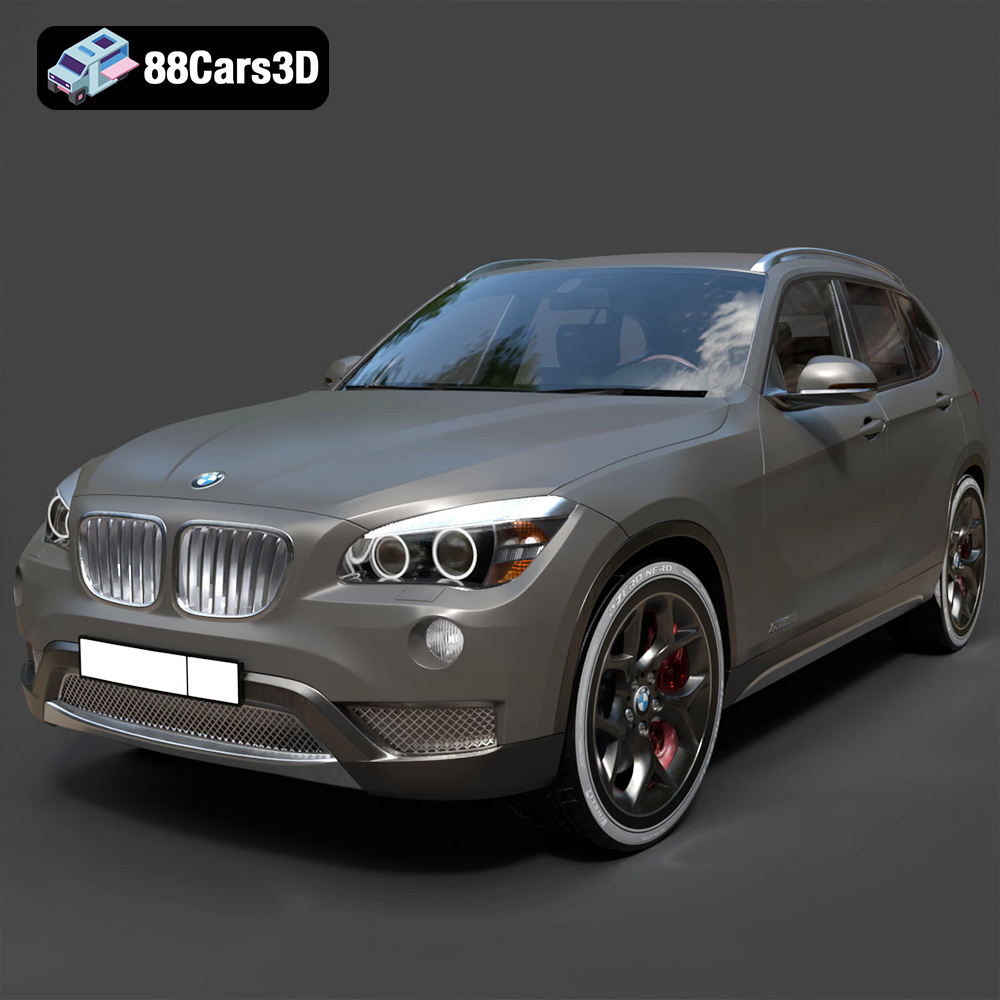
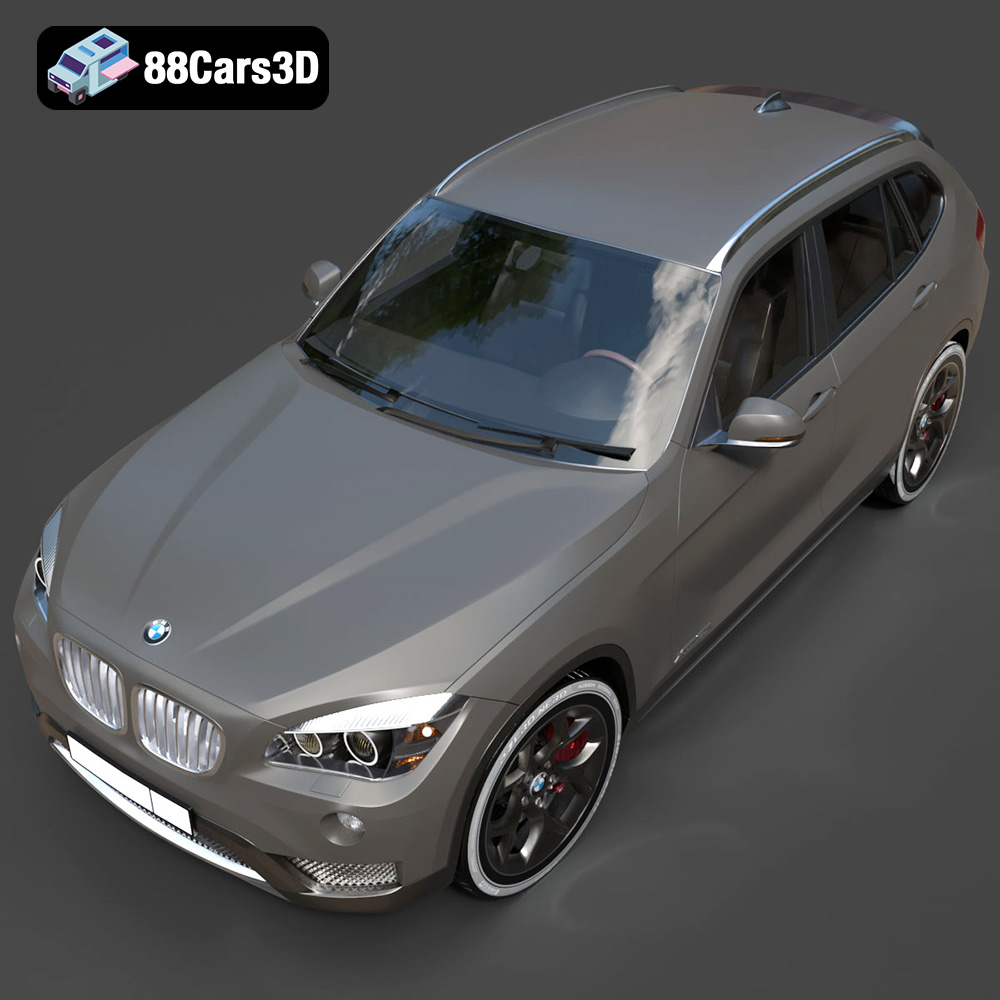
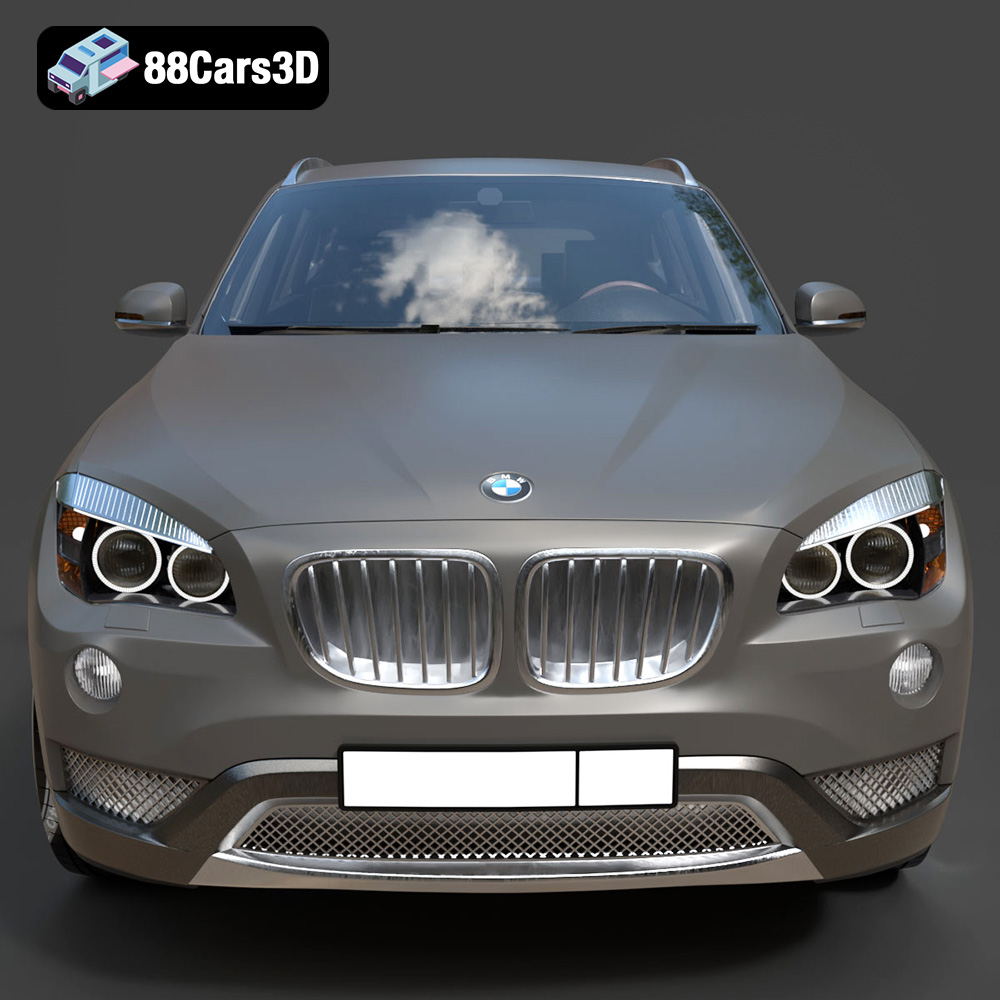
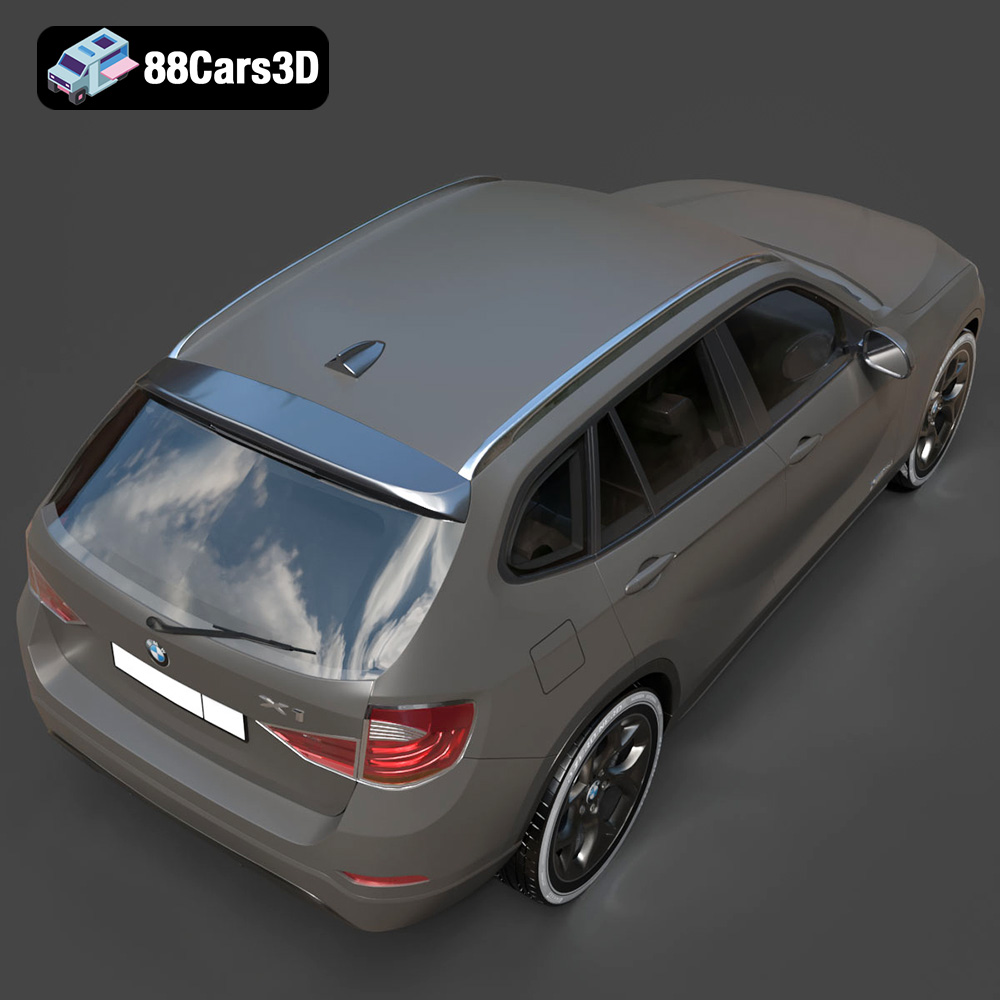
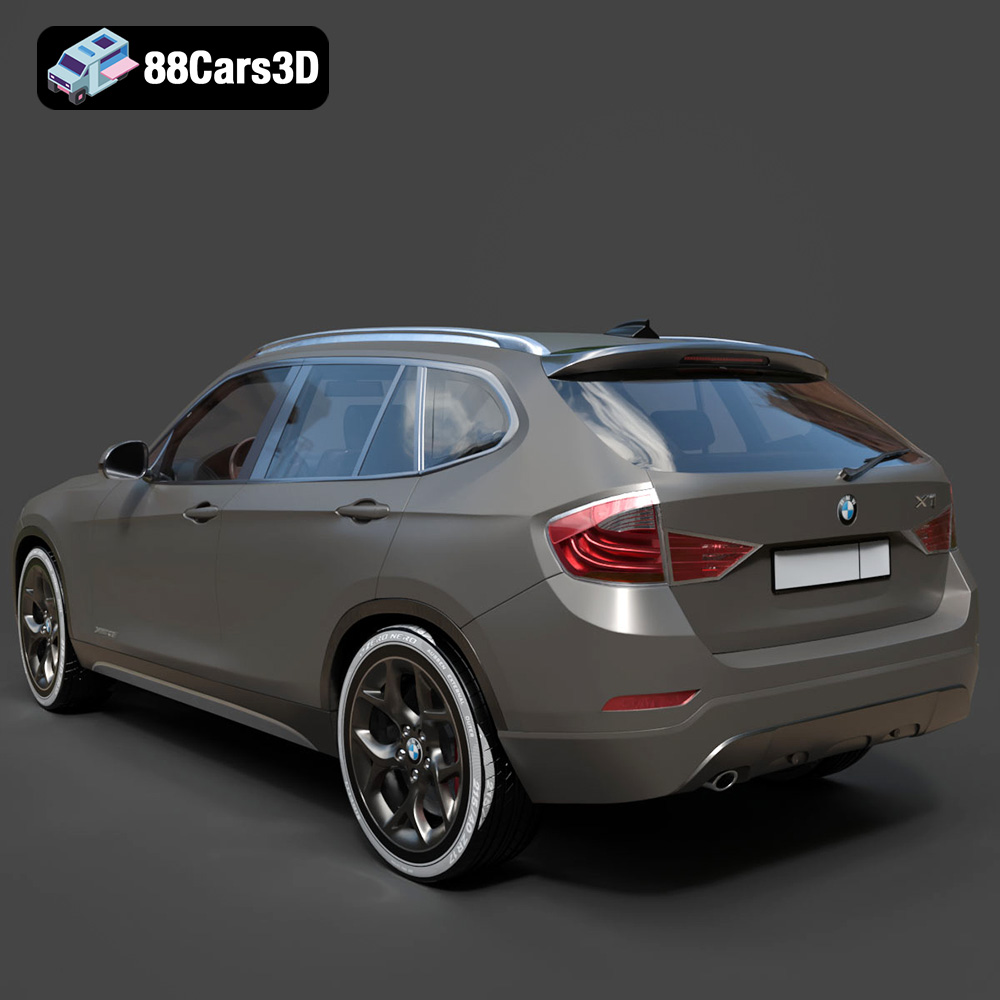
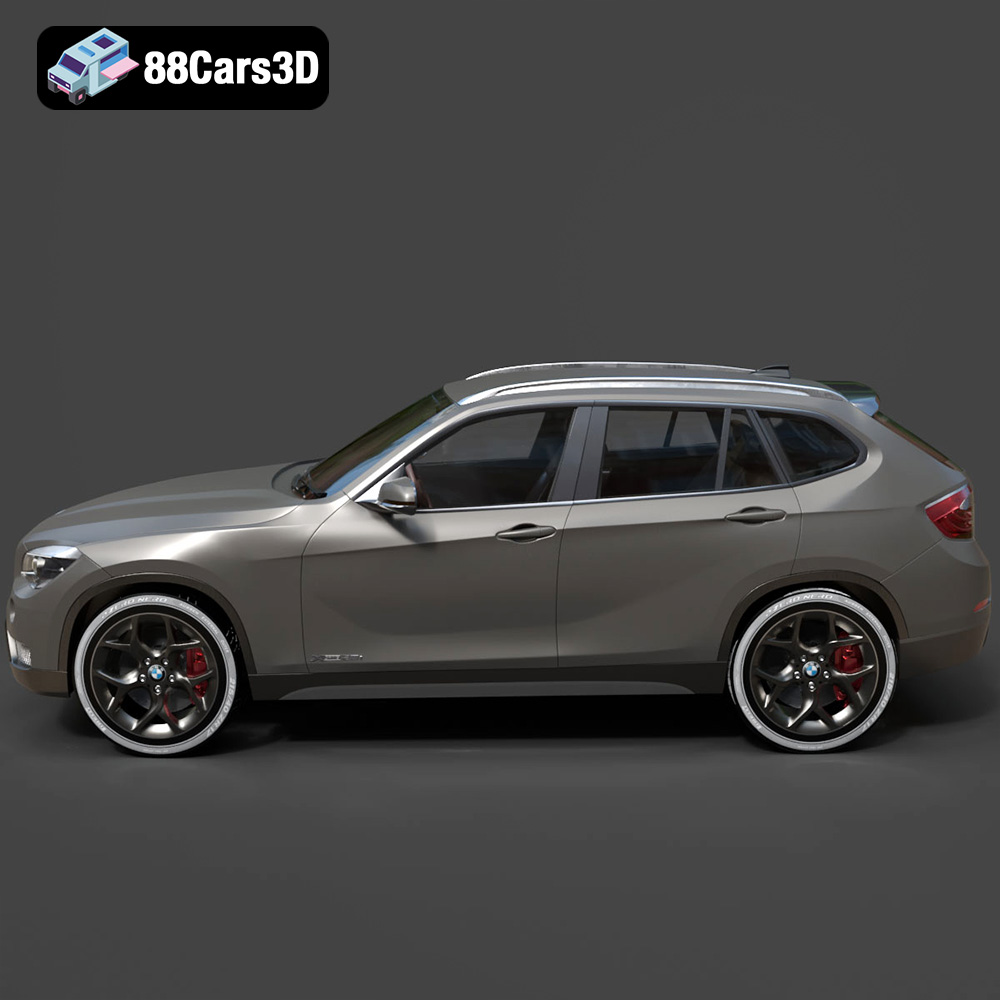
True automotive realism begins with an accurate representation of the vehicle’s exterior. The BMW X1 2013 model perfectly captures the first-generation E84’s distinctive character. Every iconic visual element, from the signature kidney grille and sculpted hood to the unmistakable twin-circular headlights and L-shaped taillights, has been meticulously recreated. This isn’t merely about aesthetics; it’s about structural authenticity. The model includes detailed engine bay and undercarriage components, a realistic exhaust system based on original trim specifications, and high-resolution alloy wheels with detailed tire treads and sidewalls. Crucially, accurate independent suspension representations and separate components for wheels, suspension, and steering ensure that the model is not just visually appealing but also functionally ready for complex animations, driving simulations, and physics-driven interactions.
Beyond the gleaming exterior, the interior of a vehicle significantly contributes to immersion, particularly in first-person experiences or detailed cinematic shots. The BMW X1 2013 3D model does not shy away from this challenge. It features an authentic multi-adjustable front seats and rear bench, a precisely modeled driver-oriented dashboard, and a classic 3-spoke steering wheel. The dual-dial analog instrument cluster, center console, iDrive controller, and gear shifter are all rendered with high fidelity. This level of interior detail is critical for game development, where players might experience the cockpit from a first-person perspective, or for AR/VR applications where users can virtually “sit inside” the car and interact with its features.
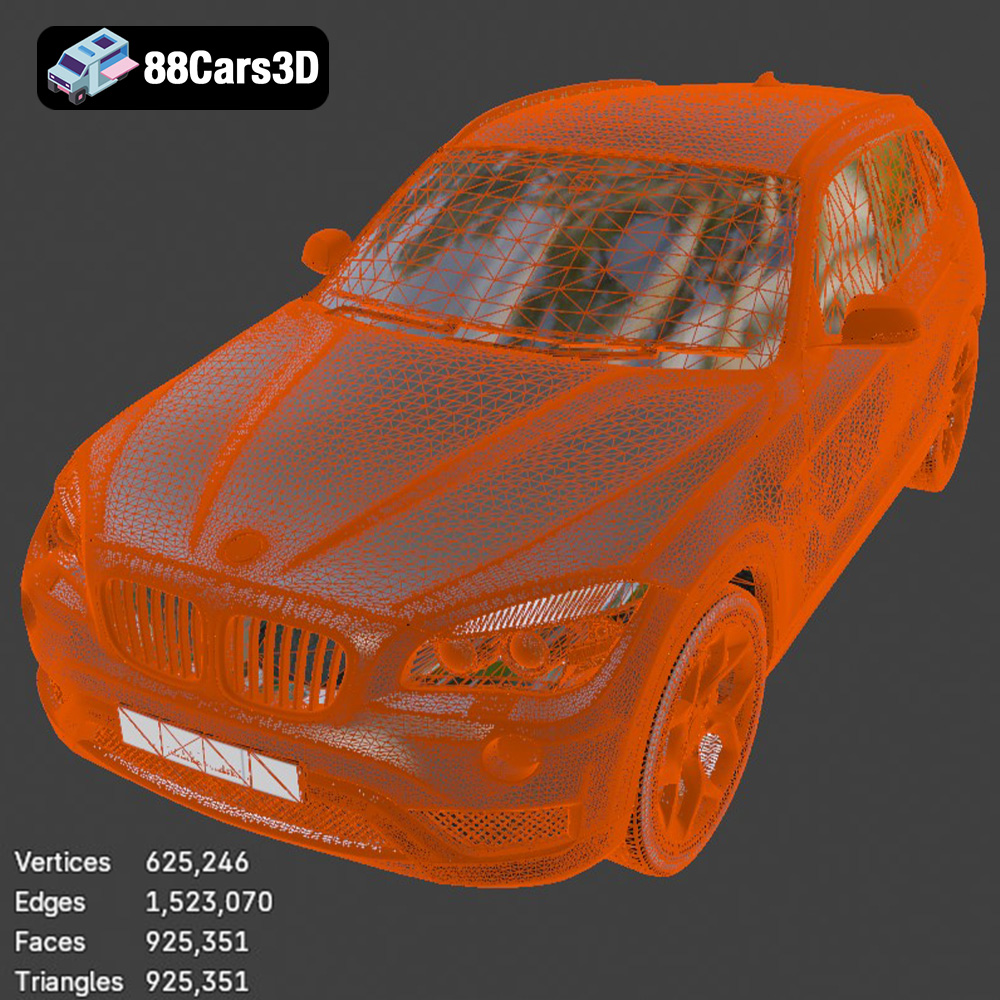
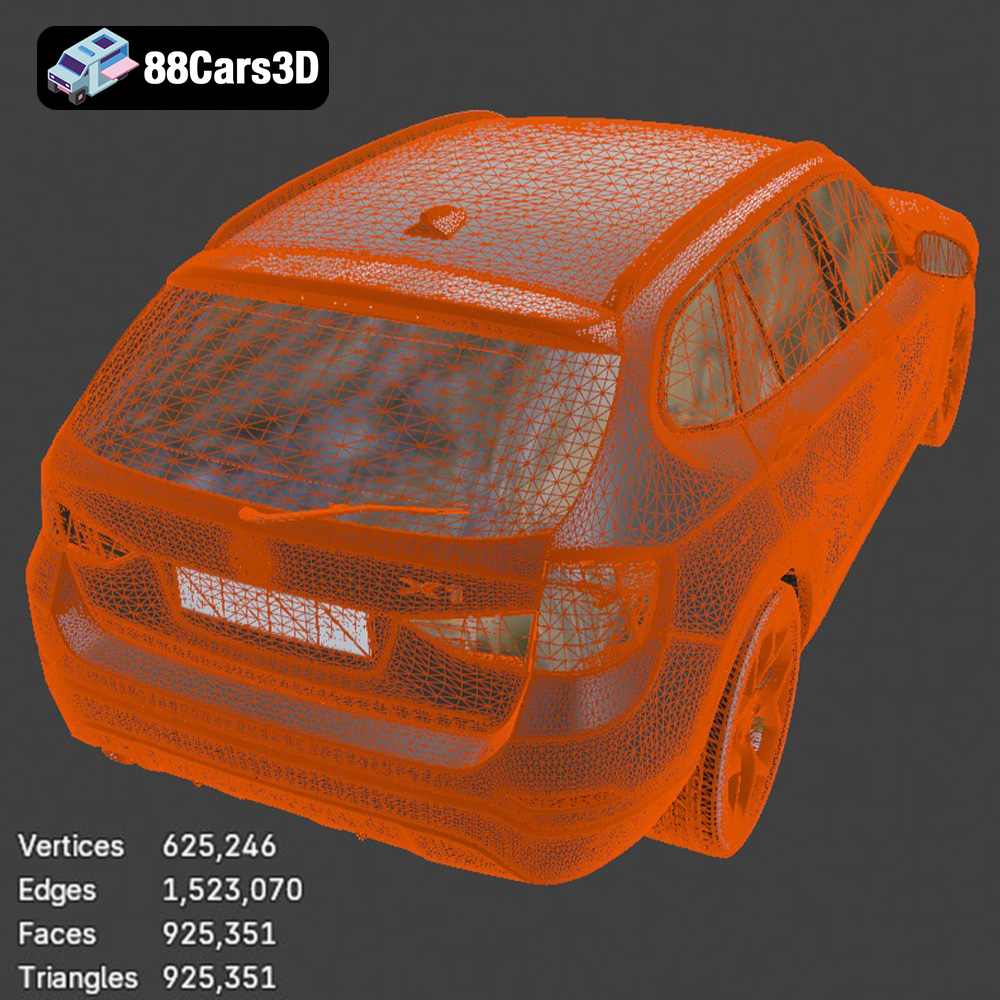
A key technical advantage of this 3D car model is its optimization for both high-end visual realism and real-time performance. With a triangle count of 925,351, it strikes an ideal balance. This poly count is sufficient to deliver exceptional visual fidelity and smooth surface reflections, making it suitable for up-close cinematic shots and high-resolution rendering. Simultaneously, it remains optimized enough for seamless integration into modern real-time rendering engines like Unreal Engine and Unity, where efficient poly counts are crucial for maintaining high frame rates. Furthermore, the model is built to real-world scale accuracy, based on actual vehicle chassis dimensions, and boasts a proper pivot setup for steering, wheel rotation, and suspension travel. These technical specifications ensure that the BMW X1 2013 3D model is not only visually stunning but also robust and versatile across a multitude of professional applications.
The true power of a high-quality 3D car model like the BMW X1 2013 lies in its seamless integration into diverse professional pipelines. Whether you are an architectural visualizer, a game developer, or an automotive designer, these assets are designed to accelerate and enhance your projects.
For artists and designers leveraging Blender or 3ds Max, the inclusion of native .blend and .max formats, alongside universal .fbx and .obj, offers unparalleled creative freedom. In Blender, for example, the imported BMW X1 2013 model can be immediately integrated into a scene. Artists can customize materials using Cycles or Eevee, adapt lighting to create different moods (e.g., studio photography or outdoor street scenes), and even modify body/tank colors or tire textures to explore various configurations. The separate components – wheels, suspension, steering – mean advanced users can rig the vehicle for complex animations, creating realistic driving sequences for commercials or virtual test drives. Similarly, in 3ds Max, the model becomes a highly flexible asset for creating sophisticated architectural visualizations, placing the X1 into a photorealistic street scene or a futuristic garage rendering. Its optimized geometry ensures smooth viewport navigation even in complex environments.
The “game-ready” optimization of the BMW X1 2013 3D model makes it invaluable for game development. Its 925,351 triangle count is an excellent sweet spot, providing enough detail for modern games without overburdening the engine. When imported into Unreal Engine or Unity via the .fbx or .unreal formats, developers can quickly set up physically based materials, add collision meshes, and implement vehicle physics. The proper pivot setup for steering and wheel rotation drastically reduces setup time for vehicle rigging, allowing developers to focus on gameplay mechanics and environmental design. From open-world games and racing titles to sophisticated driving simulators, this model provides a high-fidelity base asset that can be further optimized with LODs (Levels of Detail) for different viewing distances, ensuring optimal performance across a range of hardware configurations.
The immersive potential of AR/VR is rapidly transforming how consumers interact with products, and automotive experiences are at the forefront. The BMW X1 2013 3D model, especially in the .glb format, is perfectly suited for creating interactive virtual showrooms or augmented reality car configurators. Imagine a user holding their phone, and through AR, seeing the X1 appear life-sized in their driveway, able to walk around it, change its color, or even “open” the doors to glimpse the interior. In VR, a user could virtually sit inside the car, explore its features, and experience its presence in a highly engaging way. The optimized geometry and PBR-ready materials ensure these experiences are fluid, realistic, and highly impactful, allowing brands to showcase their vehicles in novel and compelling ways.
Automotive rendering is a specialized skill that combines technical knowledge with artistic flair. It’s about more than just lighting a model; it’s about evoking emotion, highlighting design, and telling a story. High-quality 3D car models are the canvas upon which these narratives are painted.
For still renders, the goal is often absolute photorealism. The detailed topology and accurate proportions of the BMW X1 2013 3D model provide an excellent foundation. Artists can utilize advanced rendering engines like V-Ray, Corona Renderer, or Blender’s Cycles to simulate real-world light physics. Techniques include HDR (High Dynamic Range) imaging for accurate environmental lighting, complex material setups for paint (metallic flakes, clear coat reflections), glass (refraction, tint), and tires (subtle rubber textures, sidewall details). The model’s intricate exterior features, such as the detailed headlights and taillights, come alive with proper shader work, creating stunning reflections and depth. The ability to customize body colors and material finishes allows for endless variations, from sleek metallic paints to robust matte finishes, catering to diverse client needs for advertising and marketing campaigns.
Beyond static images, the BMW X1 2013 3D model is built for motion. With separate wheels, suspension, and steering components, animators can rig the vehicle for realistic driving animations. This includes accurate suspension compression over bumps, steering wheel rotation synchronized with wheel turns, and realistic tire deformation. Such detailed animation capabilities are crucial for cinematic sequences, product launch videos, or dynamic scenes in game trailers. The precise pivot setup simplifies the animation process, ensuring that the movements are physically plausible. Combining these animated vehicles with dynamic environments, volumetric effects for smoke or dust, and sophisticated camera movements can create truly breathtaking automotive narratives that captivate audiences.
The perceived realism of a 3D car model heavily relies on its materials and textures. For the BMW X1 2013, this means crafting shaders that accurately represent chrome, glass, various plastics, leathers, and fabrics found in the real vehicle. Physically Based Rendering (PBR) workflows are essential here, defining properties like albedo, roughness, metallicness, and normal maps to simulate how light interacts with different surfaces. High-resolution textures for tire treads, interior fabrics, and dashboard details further enhance authenticity. The product’s customization options – such as modifying tire textures for off-road vs. street variants, or adjusting material finishes – empower artists to create contextually appropriate visuals without having to remodel the base geometry, saving significant production time and resources.
The utility of high-quality 3D car models extends beyond digital environments, finding practical application in the realm of physical creation through 3D printing. The BMW X1 2013 3D Model, specifically its .stl format, is a prime example of an asset ready for this transition.
3D printing allows designers, hobbyists, and professionals to transform complex digital geometries into physical objects. For automotive enthusiasts or product designers, having a highly accurate 3D model like the BMW X1 2013 that is ready for 3D printing opens up possibilities for creating display models, architectural scale models, or even functional prototypes. The .stl format, which triangulates the model’s surface, is the standard input for most 3D printers. The level of detail present in the original digital model, from the intricate headlights to the detailed alloy wheels, translates directly into the fidelity of the printed object, given appropriate printing techniques and equipment. This tangible output offers a unique way to appreciate the design and engineering of the vehicle in a physical form.
To achieve the best results when 3D printing a complex model like the BMW X1 2013, adherence to specific print settings is crucial. The product description provides excellent guidance: recommended scales (1:12, 1:18, 1:24) ensure a balance between detail and printability. A layer height of 0.04–0.12 mm, particularly with resin printing, is suggested for capturing the fine details and smooth surfaces inherent in the model. Adequate wall thickness (1.2–2.0 mm) and infill (20–30%) are necessary for structural integrity. Critically, supports will be required for detailed parts such as the exhaust system, mirrors, and any overhangs. The advice to print the frame angled and wheels separately is a best practice for minimizing warping and maximizing detail retention. Post-processing, including sanding, priming, and painting with authentic factory colors, can elevate a 3D print into a showroom-quality miniature replica, further demonstrating the versatility of quality 3D car models.
In the rapidly evolving landscape of digital content creation, the importance of high-quality 3D car models cannot be overstated. They are the essential building blocks for immersive games, captivating cinematic experiences, precise visualizations, and tangible physical replicas. The BMW X1 2013 3D Model stands as a testament to the meticulous craftsmanship and technical expertise required to create such versatile assets.
From its optimized geometry and detailed exterior and interior features to its compatibility across a wide array of software and its readiness for real-time engines and 3D printing, this model offers immense value to professionals across various industries. Understanding the nuances of different file formats – from .blend and .max for comprehensive scene management to .fbx for seamless engine integration, .glb for web and AR/VR, and .stl for physical production – empowers creators to select the right tool for every task. By leveraging such premium assets, developers and artists can significantly reduce production times, enhance visual fidelity, and push the boundaries of realism in their projects.
Whether you are designing a cutting-edge game, rendering a breathtaking architectural scene, or simply creating a display model for your desk, investing in high-quality 3D car models, like those found on 88cars3d.com, is an investment in the success and visual impact of your work. The BMW X1 2013 is more than just a model; it’s a gateway to limitless creative possibilities in the digital and physical realms.
Discover the pioneer of the premium compact SUV segment with our highly accurate BMW X1 2013 3D model. This meticulously crafted digital asset captures the sporty, versatile essence of the first-generation E84 X1, blending the dynamic driving characteristics of a sports sedan with the commanding stance of an SAV (Sports Activity Vehicle). Highlighting iconic visual elements such as the signature kidney grille, sculpted hood, and unmistakable twin-circular headlights, this model brings authentic Bavarian styling to your virtual environment.
$26.00
.2013
.blend
.bmw
.fbx
.glb
.max
.obj
.ply
.rendering
.stl
.unreal
car-3d-model
compact-suv
game asset
game-ready
optimized
SUV
VR/AR
x1