Get 20% OFF All Premium 3D & STL Models!

In the dynamic world of 3D visualization, automotive rendering, and game asset development, the demand for exceptionally detailed and versatile 3D car models has never been higher. Whether you’re an architect integrating a luxury vehicle into a photorealistic scene, a game developer populating an open-world environment, or a product designer showcasing a new accessory, the quality of your 3D assets is paramount. It’s not just about aesthetics; it’s about technical precision, optimized performance, and seamless integration across various software platforms.
Today, we delve deep into the technical intricacies and professional applications of a truly iconic vehicle: the Mercedes-Benz G63 AMG. Revered globally for its distinctive blend of rugged military heritage and opulent performance, the G-Wagon holds a unique position in automotive culture. When translating such a machine into a digital asset, every curve, every texture, and every engineering detail must be meticulously captured. This particular Mercedes-Benz G63 AMG 3D model available on 88cars3d.com is designed to meet these exacting standards, offering a comprehensive solution for professionals seeking the pinnacle of digital automotive craftsmanship.
The choice of file format is often as critical as the model’s geometry itself, dictating compatibility, feature retention, and overall workflow efficiency. For a premium asset like the Mercedes-Benz G63 AMG 3D model, understanding the nuances of each included format is key to maximizing its potential in your specific pipeline. This model is delivered with an impressive array of options to ensure universal usability:
The .blend file is the native format for Blender, a powerful open-source 3D creation suite. When you download the G63 AMG model in .blend format, you’re not just getting geometry; you’re receiving a fully editable Blender scene. This typically includes pre-configured materials using Blender’s Cycles or Eevee render engines, scene lighting, and potentially even animation setups. For Blender artists, this means immediate access to the model in its original context, allowing for easy modification of textures, shaders, and scene elements without needing to import or re-setup anything. It’s ideal for in-depth customization and leveraging Blender’s robust toolset.
Similar to .blend, the .max file is the proprietary format for Autodesk 3ds Max, a long-standing industry standard for architectural visualization, game development, and animation. A .max file contains the complete scene data, including object hierarchies, materials (often V-Ray or Corona specific), lights, cameras, and animation data. For professionals working in 3ds Max, this provides the most comprehensive and editable version of the G63 AMG, ensuring all original scene configurations and material definitions are preserved for high-end rendering and complex animation tasks.
Autodesk’s .fbx (Filmbox) format is arguably the most widely adopted 3D interchange format, particularly in game development. It’s celebrated for its ability to store not just geometry, but also materials, textures, animations, rigging, and even scene hierarchy, making it ideal for transferring complex models between different software packages. For the Mercedes-Benz G63 AMG, the .fbx version is your go-to for importing into Unreal Engine, Unity, Maya, Cinema 4D, and other major DCC applications. Its efficiency and robust feature support make it perfect for real-time pipelines where accurate data transfer is paramount.
The .obj (Wavefront OBJ) format is a universal standard for 3D geometry. While it doesn’t typically store advanced features like animation or complex material nodes, it’s exceptionally reliable for transferring polygonal mesh data, UV coordinates, and basic material definitions (via an accompanying .mtl file). Its simplicity ensures maximum compatibility across virtually every 3D software on the market, from ZBrush to Houdini. If your primary need is robust geometry for sculpting, retopology, or applications that prefer clean mesh data, the .obj version of the G63 AMG is an excellent choice for cross-software compatibility.
.glb (GLB format, derived from glTF) is the modern standard for 3D models optimized for web-based applications, augmented reality (AR), and virtual reality (VR). It’s a binary file format that encapsulates geometry, materials, textures, and animation into a single, compact file, making it incredibly efficient for streaming and displaying 3D content online or in mobile AR/VR experiences. The G63 AMG in .glb format is perfect for virtual showrooms, interactive product configurators on websites, or integrating into AR apps where file size and loading speed are critical considerations.
The .stl (Stereolithography) format is the ubiquitous standard for 3D printing. It represents a 3D model as a collection of triangulated surfaces, defining the external geometry of the object. While it lacks color or texture information, its simplicity makes it universally compatible with 3D printers and slicing software. For those wishing to bring the Mercedes-Benz G63 AMG into the physical world, the .stl version provides the necessary data for creating tangible models, whether for display, prototyping, or scale model hobbies. Its structure is optimized for manufacturing.
The .ply (Polygon File Format) is another popular format for storing 3D data, particularly known for its ability to store properties beyond just geometry, such as color, transparency, and even normal vectors per vertex or face. It’s often used in applications dealing with scanned data, scientific visualization, and CAD/CAM. While less common for everyday artistic exchange than FBX or OBJ, its precision makes it valuable for specialized tasks where detailed surface information is critical, providing another layer of versatility for the G63 AMG model in analytical or engineering contexts.
The .unreal format isn’t a single file type but rather signifies a set of assets specifically packaged and optimized for direct integration into Unreal Engine. This often implies proper pivot points, collision meshes, material instances, and even blueprint setups that allow the model to function immediately within the engine’s ecosystem. For the Mercedes-Benz G63 AMG, having an .unreal package means game developers and real-time visualization artists can drag-and-drop the model into their projects with minimal setup, saving significant development time and ensuring engine-native performance. This is a huge advantage for professional pipelines.
The essence of a high-quality 3D asset lies in its fidelity to the real-world object it represents, combined with technical optimization for its intended application. The Mercedes-Benz G63 AMG 3D model excels in both these areas, meticulously recreating the luxury SUV’s distinctive presence while being structured for performance across various professional workflows, including those at 88cars3d.com.
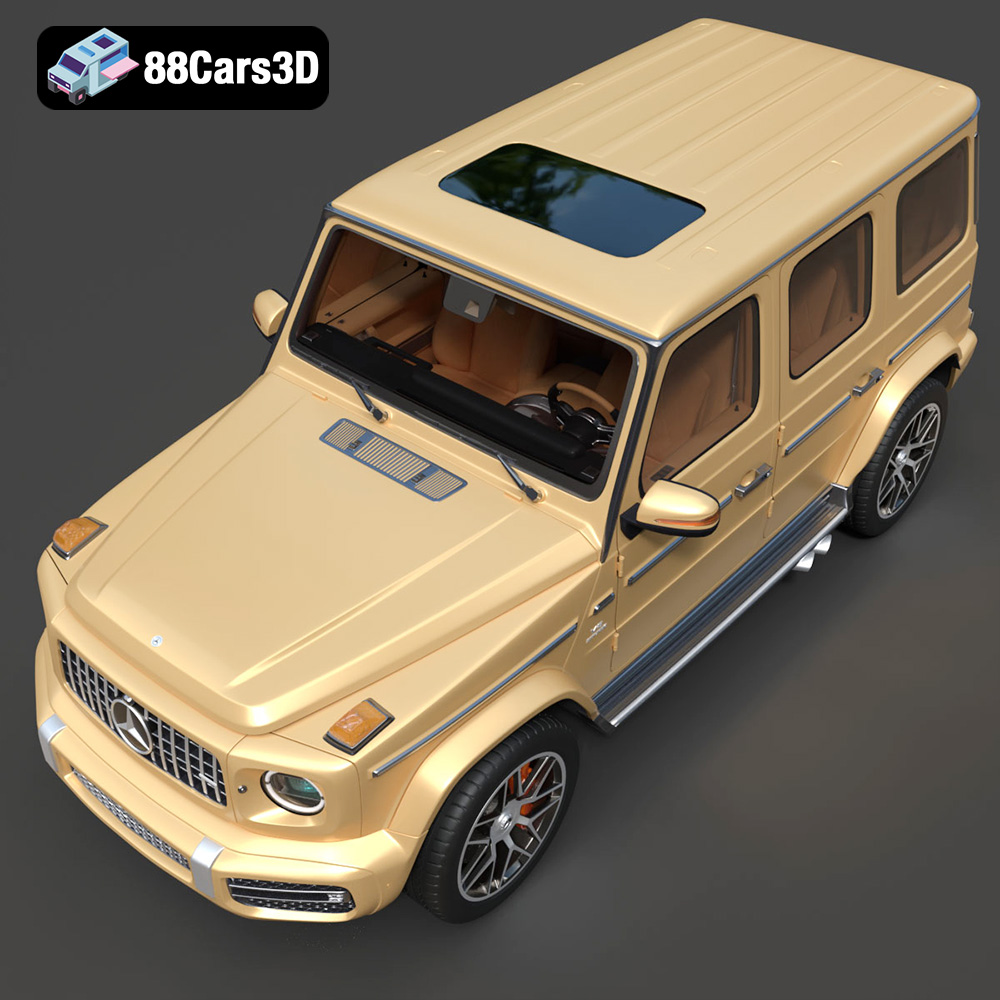
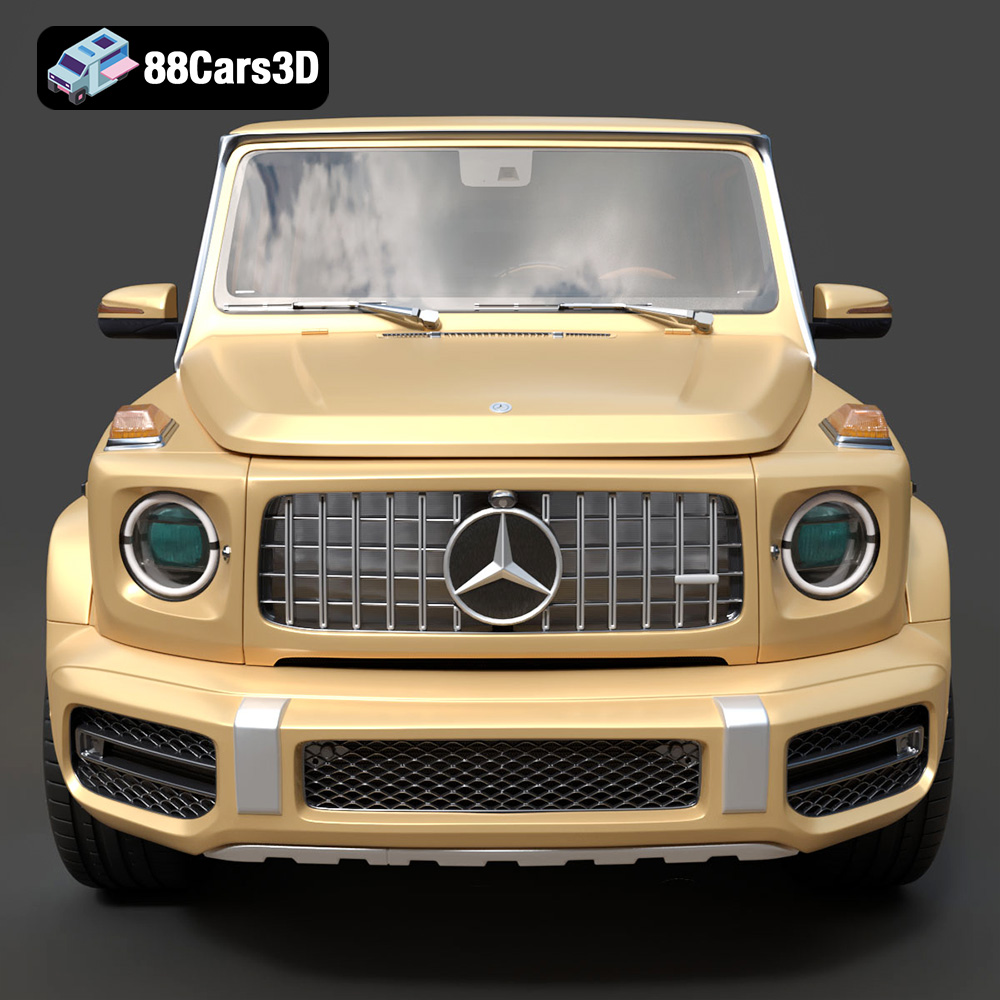
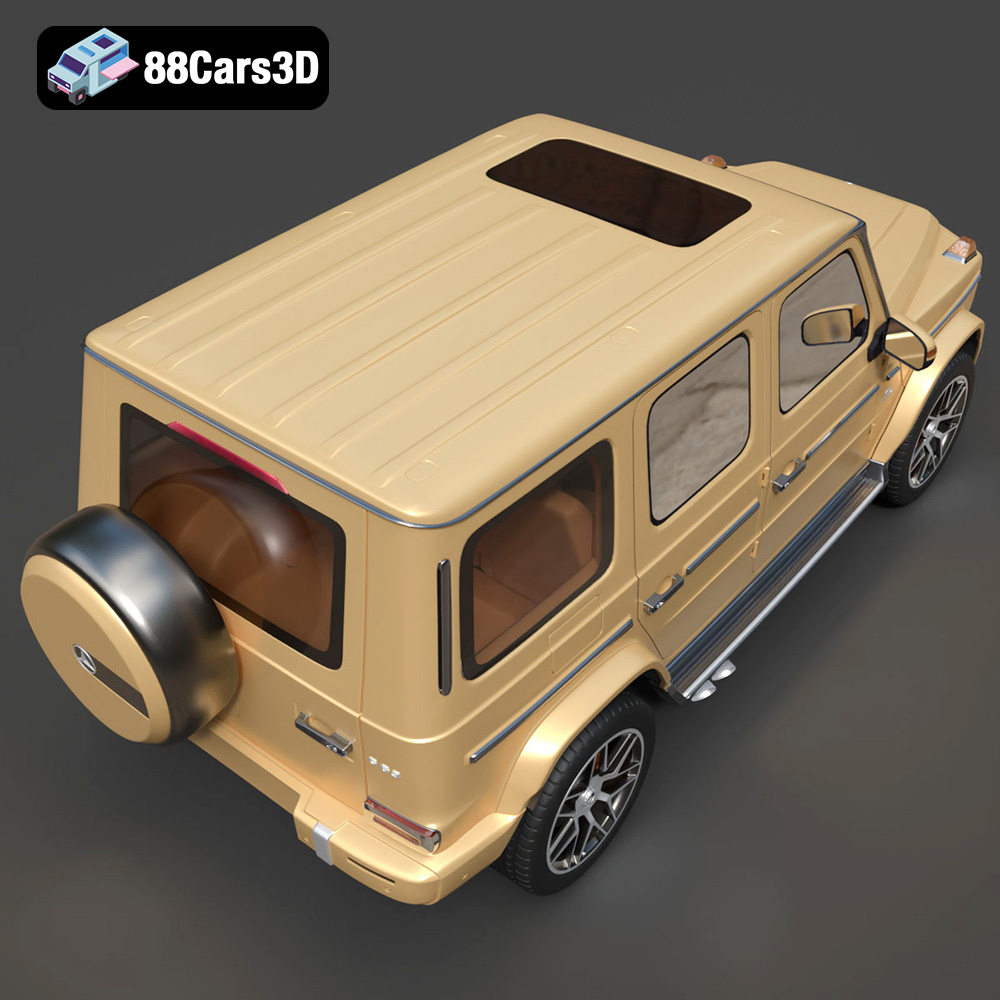
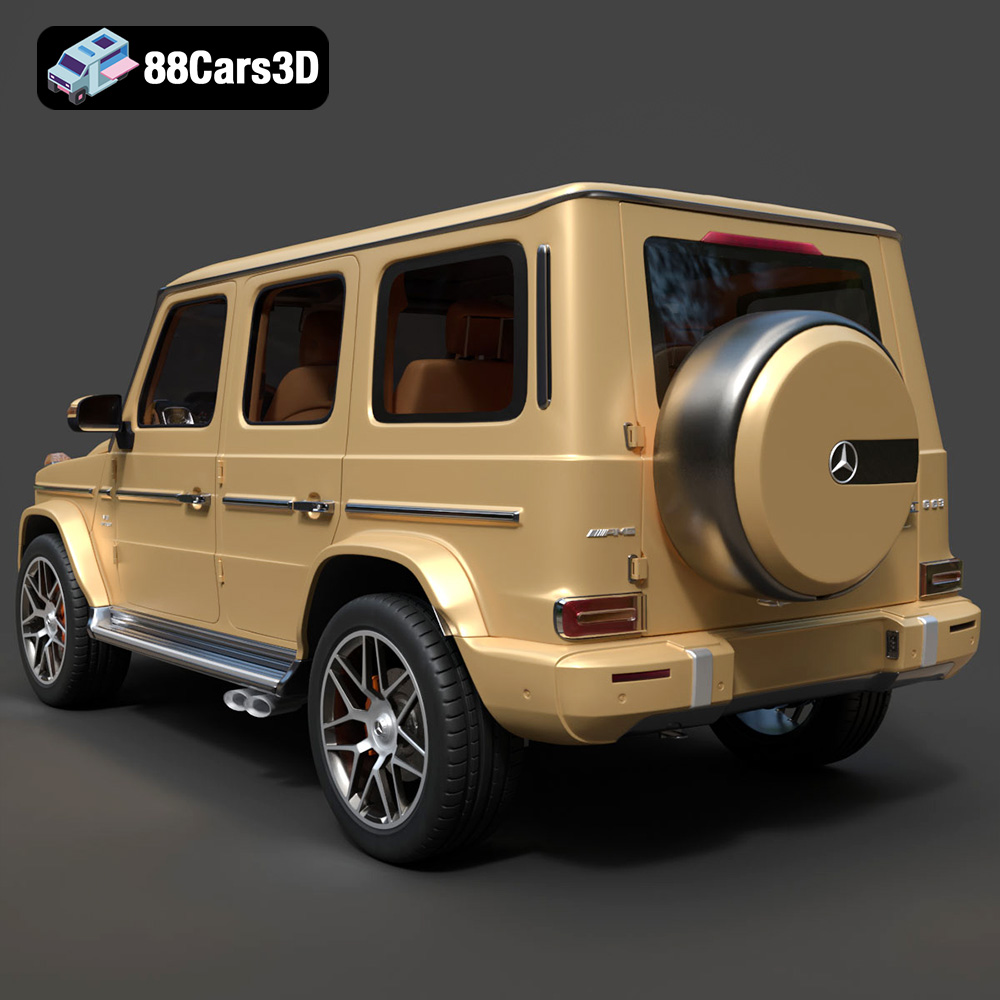
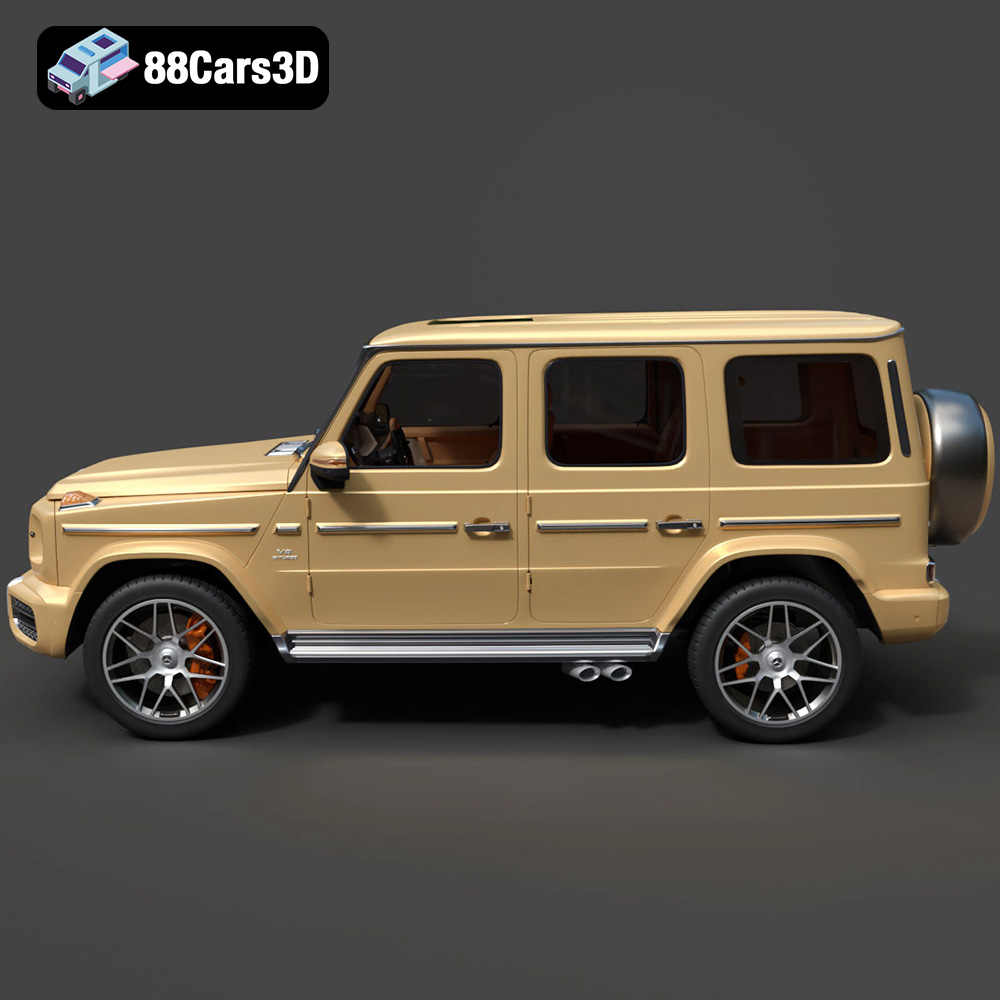
The G63 AMG’s unmistakable boxy silhouette, a legacy of its military heritage, is the cornerstone of its design. This 3D model captures these iconic proportions with exceptional accuracy. From the aggressive Panamericana front grille, which signifies its AMG pedigree, to the signature circular LED headlights and sleek rear taillights, every exterior feature is faithfully rendered. Details extend to the massive AMG alloy wheels, high-performance tires, and precisely modeled brake calipers – elements critical for extreme close-ups in automotive rendering. Even the intricate ladder-frame chassis and suspension details are present, allowing for unprecedented realism in simulations or breakdown shots.
One of the standout technical features for animators and simulation specialists is the provision of separate wheels, suspension, and steering components. This crucial detail allows for realistic wheel rotation, suspension travel, and steering articulation, enabling the creation of dynamic driving sequences or intricate mechanical demonstrations without extensive rigging work. The attention to these functional components elevates the model beyond a mere visual prop into a truly interactive and versatile asset.
The G63 AMG’s interior is a testament to luxury and advanced technology, and the 3D model does not disappoint. The cockpit boasts premium diamond-stitched luxury leather seating details, meticulously recreated to convey the texture and comfort of the real vehicle. The widescreen digital cockpit and instrument cluster are highly detailed, ready to display custom UI elements for game development or to showcase the vehicle’s advanced infotainment system in a virtual showroom. The AMG performance steering wheel with integrated controls, the accurate center console, dashboard, pedals, and shifter are all modeled with precision, ensuring a truly immersive experience, especially for first-person POV in gaming scenarios. This level of interior detail is vital for creating believable virtual environments and convincing product showcases.
The versatility of a 3D car model is defined by its adaptability across diverse professional applications. The Mercedes-Benz G63 AMG 3D model’s technical specifications and multi-format availability make it a powerhouse for automotive rendering, game development, and architectural visualization.
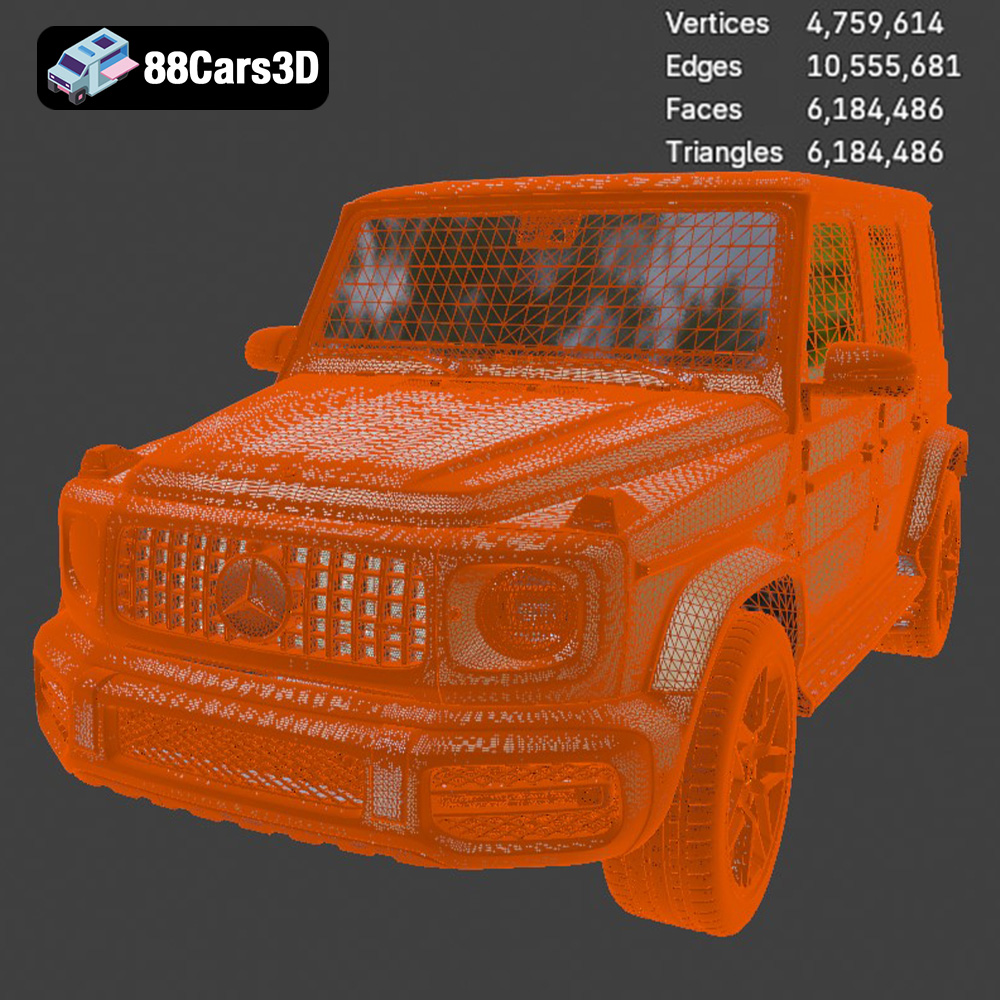
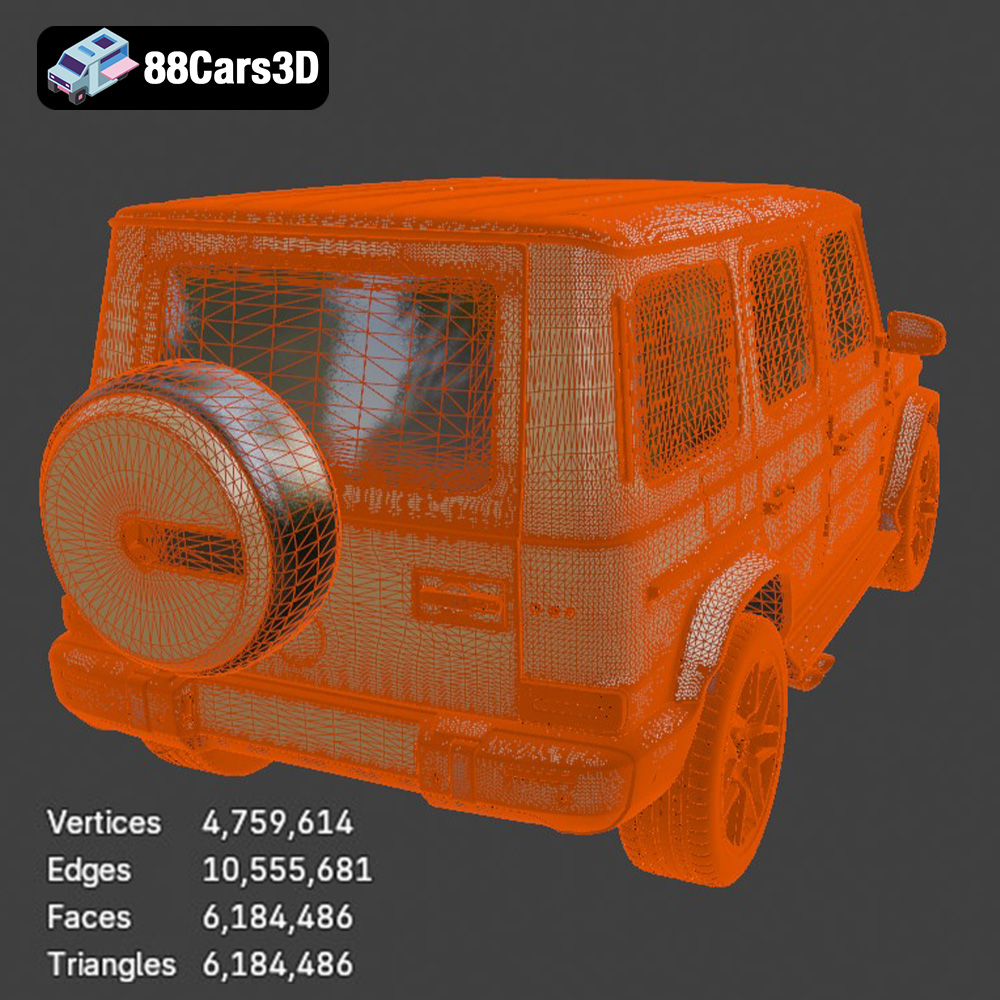
For high-end automotive rendering, the model’s 6,184,486 triangles provide the necessary density for stunning visual fidelity, making it perfect for cinematic renders, advertising campaigns, and luxury lifestyle scenes. In software like 3ds Max or Blender, artists can leverage its detailed topology to create photorealistic images. This involves setting up complex material shaders – think glossy paints with metallic flakes, realistic tire rubber, intricate headlight refractive elements, and the subtle sheen of interior leather. With the .max and .blend formats, scene artists have access to the original setups, allowing for direct manipulation of materials, lighting (using V-Ray, Corona, Cycles, or Eevee), and camera angles to achieve the desired mood and realism. The real-world scale accuracy ensures that the vehicle sits correctly within architectural visualizations or studio lighting environments, preventing scale issues that can break immersion.
Case Study: An architectural firm designing a luxury villa could drop the G63 AMG model into their exterior renders. Its high detail allows for extreme close-ups, showcasing the vehicle parked elegantly in the driveway or pulling up to the entrance, adding a touch of prestige and realism to the property’s visualization. The separate components facilitate simple animation of the vehicle entering or exiting the scene, bringing the architectural vision to life dynamically.
Despite its high polycount, the G63 AMG model is described as “Game-Ready & Optimized.” This isn’t a contradiction; it speaks to the expert structuring of the geometry. While 6 million triangles might seem high for some real-time applications, modern game engines like Unreal Engine 5 can handle such detail, especially for hero vehicles or close-up shots. More importantly, “optimized” means the geometry is clean, efficiently mapped, and structured to allow for seamless integration and potential Level of Detail (LOD) generation. The included .fbx and dedicated .unreal formats are critical here. The proper pivot setup for steering, wheel rotation, and suspension travel is a massive time-saver for game developers, eliminating the need for complex rigging from scratch.
Developers working on open-world games, racing simulators, or vehicular combat titles can directly implement this asset. The detailed interior is optimized for first-person POV, crucial for immersive driving experiences. The model’s quality means less time spent on asset creation and more time on gameplay mechanics, allowing studios to deliver high-fidelity visuals without compromising on performance or development timelines.
The utility of a meticulously crafted 3D model extends far beyond traditional rendering and gaming. With the advent of augmented reality, virtual reality, and accessible 3D printing, high-quality 3D car models like the G63 AMG are finding innovative new applications, expanding the possibilities for digital artists and professionals.
The .glb format inclusion specifically targets the burgeoning fields of AR and VR. This compact, efficient format is ideal for showcasing the Mercedes-Benz G63 AMG in interactive virtual showrooms, mobile augmented reality applications, or virtual configurators. Imagine a potential buyer using a smartphone to project the G63 AMG onto their driveway, allowing them to walk around it, change colors, and even peek inside, all in real-time. The optimized nature of .glb ensures fast loading times and smooth performance on various devices, making it perfect for client presentations or innovative marketing campaigns. The high fidelity of the original model translates into a convincing and engaging immersive experience, bringing the luxury SUV directly to the user in a new and exciting way.
For VR experiences, the G63 AMG can be placed in virtual environments, allowing users to explore the car’s interior from a first-person perspective, interacting with the dashboard and controls. This level of engagement significantly enhances product understanding and appreciation, offering a powerful tool for automotive brands or training simulations.
The availability of the .stl format for the G63 AMG 3D model opens up a fascinating avenue: physical creation. Hobbyists, collectors, and even automotive enthusiasts can leverage 3D printing technology to bring a scaled version of this iconic vehicle to life. The product description provides highly specific 3D print settings, which is invaluable for successful output. Recommended scales (1:12, 1:18, 1:24) cater to popular model sizes, while details like layer height (0.04–0.12 mm, with resin printing recommended for fine details) indicate a commitment to quality in the printable asset.
Further technical guidance, such as wall thickness (1.2–2.0 mm), infill (20–30%), and the necessity for supports on intricate parts like the exhaust and mirrors, demonstrates a thorough understanding of 3D printing best practices. The recommendation to print the frame angled for structural integrity and wheels separately highlights design considerations for maximizing print success and detail. Post-processing suggestions, including sanding, primer, and authentic factory colors with metallic finishes, guide users towards achieving a professional, display-worthy physical model, truly bridging the gap between digital and physical artistry.
A high-quality 3D asset is not just a static model; it’s a foundational component that can be adapted and evolved to meet changing project requirements and creative visions. The Mercedes-Benz G63 AMG 3D model offers significant scope for customization and long-term utility, ensuring it remains a valuable part of your digital toolkit for years to come.
The ability to customize a 3D model is crucial for fitting it seamlessly into diverse creative contexts. This G63 AMG model provides ample opportunities for aesthetic personalization. Artists can easily change body colors, experimenting with a range of factory colors or custom finishes to match specific branding or artistic styles. Modifying tire textures from off-road variants to sleek street-performance options can instantly alter the vehicle’s character and intended use. Furthermore, adjusting material finishes – switching between matte, gloss, or metallic looks for various components – allows for fine-tuning the visual impact and realism. These customization options are paramount for creating unique renders or game assets that stand out, ensuring the model’s versatility across countless scenarios, from a gritty urban scene to a pristine luxury showroom.
Lighting adjustments for different environments are also a fundamental part of integrating any 3D asset. The G63 AMG model’s robust geometry and clean UVs facilitate easy re-lighting, whether you’re working in a physically based rendering (PBR) pipeline in Unreal Engine or setting up complex studio lighting in 3ds Max. This flexibility is key to achieving consistent visual quality across varied lighting conditions and stylistic choices.
Investing in a meticulously crafted 3D car model from a reputable source like 88cars3d.com is an investment in efficiency and future-proofing. Such an asset can serve as a strong base for further development, reducing the need to create complex models from scratch. For instance, an existing detailed G63 AMG could be modified to represent different model years, custom builds, or even concept variants with relatively less effort. The clean topology and proper pivot setups provide a solid foundation for adding custom accessories, damage states, or even converting it into a drivable vehicle for a simulator with advanced physics.
Furthermore, having an extensive library of high-quality 3D car models, like those offered by 88cars3d.com, allows studios and individual artists to scale their projects effectively. When a new project demands a specific vehicle, having a game-ready and render-optimized asset immediately available saves valuable time and resources, enabling faster turnaround times and higher quality outputs. The comprehensive file format support ensures that the model can integrate into virtually any existing professional workflow, making it a truly scalable and adaptable asset for any automotive-centric visualization or interactive project.
The realm of 3D modeling demands a synergy of artistic vision and technical precision. The Mercedes-Benz G63 AMG 3D model exemplifies this fusion, offering unparalleled detail, robust optimization, and expansive versatility across a multitude of professional applications. From high-end automotive rendering in 3ds Max and Blender to seamless integration into game engines like Unreal, and innovative uses in AR/VR and 3D printing, this model is designed to empower creators.
Its meticulously recreated exterior and interior features, coupled with a diverse array of file formats, ensure that artists and developers can integrate it effortlessly into their pipelines. The detailed technical specifications, including its substantial yet optimized polycount and critical animation-ready pivot points, underscore its value as a premium asset. Whether you’re crafting a cinematic masterpiece, building an immersive virtual world, or bringing a digital design to tangible reality, this G63 AMG model from 88cars3d.com stands as a testament to what a truly high-quality 3D asset can achieve. It’s more than just a model; it’s a foundation for innovation and a catalyst for breathtaking digital experiences.
The Mercedes-Benz G63 AMG stands as the pinnacle of luxury SUVs, blending rugged military heritage with modern high-performance engineering. This 3D model captures the unmistakable boxy silhouette, iconic circular LED headlights, and aggressive Panamericana front grille that make the G-Wagon a global status symbol. Boasting a highly detailed topology of 6,184,486 triangles, this model delivers unparalleled visual fidelity designed for extreme close-ups, high-end visualization, and next-generation game engines, while being expertly structured for seamless integration into advanced real-time applications.
$37.50
.blend
.fbx
.glb
.luxury suv
.max
.obj
.ply
.rendering
.stl
.unreal
car-3d-model
g63-amg
game asset
game-ready
mercedes-benz
off-road
optimized
SUV
VR/AR