Get 20% OFF All Premium 3D & STL Models!

In the fast-paced world of digital creation, the demand for high-fidelity 3D assets is ever-growing. From photorealistic automotive rendering to immersive game development and cutting-edge AR/VR experiences, the quality of your 3D models directly impacts the final output. For professionals and enthusiasts alike, sourcing meticulously crafted 3D car models is a cornerstone of success.
Imagine needing to showcase a brand new vehicle, develop a realistic racing simulator, or populate a virtual city with authentic cars. The painstaking process of modeling every curve, every headlight, and every interior detail from scratch can be incredibly time-consuming and resource-intensive. This is where pre-made, high-quality assets become invaluable. They offer a significant advantage, allowing creators to focus on scene composition, animation, and interaction rather than foundational modeling.
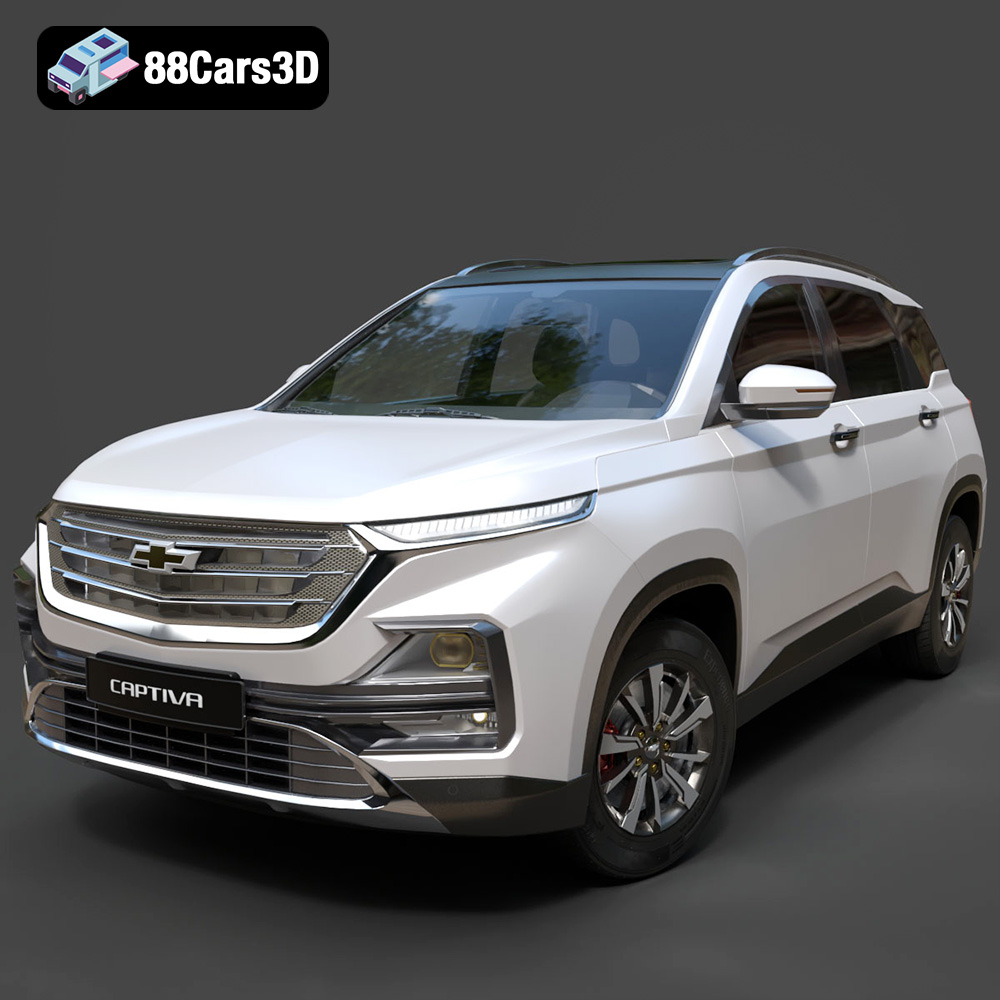
Today, we’re taking a deep dive into the capabilities and applications of one such exceptional asset: the Chevrolet Captiva Premier 2021 3D Model, available on 88cars3d.com. This model represents the modern versatility and striking design of the Captiva Premier, meticulously captured for a wide array of digital environments. Its optimized topology and comprehensive detailing make it a prime example of what a professional-grade 3D car model should be, seamlessly fitting into diverse workflows from studio renders to real-time simulations.
The choice of file format for a 3D model is far more than a technicality; it’s a strategic decision that dictates compatibility, performance, and the scope of potential applications. When acquiring a premium 3D car model like the Chevrolet Captiva Premier 2021, understanding the strengths of each included format is crucial for integrating it seamlessly into your project pipeline. The Captiva model from 88cars3d.com comes with an impressive array of formats, ensuring maximum flexibility.
The .blend format is Blender’s native file type, offering a complete, editable scene with all materials, textures, lighting, and animation data intact. For Blender users, this is the most powerful format as it preserves the original artist’s setup, allowing for extensive customization without loss of data. You can easily modify geometry, adjust shaders, or re-rig components of the Chevrolet Captiva Premier directly within Blender, making it ideal for those who prefer an open-source workflow and need granular control over every aspect of the model.
Autodesk’s .fbx (Filmbox) format is a widely adopted standard for 3D data exchange, especially prevalent in game development (Unreal Engine, Unity) and animation pipelines. It excels at transferring geometry, materials, animations, and rigs across different software packages with high fidelity. The .fbx version of the Captiva model is often optimized for real-time engines, with clean mesh topology and embedded PBR (Physically Based Rendering) materials, ensuring it’s game-ready and visually consistent when imported into engines like Unreal. Its robust handling of hierarchies and animations makes it a go-to for complex animated scenes.
The .obj (Wavefront OBJ) format is one of the oldest and most universally supported 3D file formats. While it doesn’t typically store animation or rigging data, it’s excellent for transferring static mesh geometry and basic material information (through an accompanying .mtl file). Its simplicity ensures high compatibility across virtually all 3D software. For the Chevrolet Captiva Premier, the .obj version is perfect for users who need a clean, stable mesh for sculpting, retopology, or rendering in less common software where .fbx might pose compatibility challenges. It’s a reliable choice for cross-software compatibility when the primary goal is static visual representation.
.glb (GLB format, a binary form of glTF) is rapidly becoming the standard for 3D models on the web, in augmented reality (AR), and virtual reality (VR). This format is highly optimized for fast loading and efficient rendering, packaging geometry, textures, and animation into a single, compact file. Its lightweight nature makes it perfect for interactive web experiences, mobile AR apps, and immersive VR environments. The .glb version of the Captiva Premier is therefore ideal for virtual car showrooms, interactive product configurators on websites, or integrating into mobile AR visualization tools.
The .stl (Stereolithography) format is the de facto standard for 3D printing. It represents a 3D model as a series of connected triangles (facets) without color or texture information. For hobbyists or professionals looking to bring the Chevrolet Captiva Premier into the physical world, the .stl version provides the necessary geometric data for slicing software. While it lacks visual attributes, its precision in defining surface geometry is paramount for successful physical replication. The Captiva’s .stl file is convertible for display-scale prints, complete with recommended print settings for optimal results.
The .ply (Polygon File Format, or Stanford Triangle Format) is often used for storing 3D data from 3D scanners, CAD software, and for scientific applications. It can store various properties like color, transparency, and normal vectors for each vertex, making it useful for high-precision modeling and analysis. For engineers or designers needing to integrate the Captiva model into CAD pipelines or perform detailed surface analyses, the .ply format offers a robust, precision mesh representation.
While not a standalone file extension in the traditional sense, the “.unreal” designation often refers to assets specifically prepared and optimized for direct import into Unreal Engine. This typically means the .fbx file has been pre-configured with collision meshes, LODs (Levels of Detail), and appropriate material setups to minimize import issues and maximize performance within Unreal’s real-time rendering pipeline. For developers working with the Captiva Premier 2021 in Unreal Engine, this ensures a streamlined workflow from download to in-engine usage, without the need for extensive re-optimization.
The .max format is Autodesk 3ds Max’s native file type, similar to Blender’s .blend. It contains a complete 3ds Max scene, including geometry, materials, textures, lighting, cameras, and animation. For those entrenched in 3ds Max workflows for high-end rendering, architectural visualization, or cinematic animation, the .max file provides the full, editable project. This allows for deep customization of the Chevrolet Captiva Premier, from intricate material adjustments to complex animation sequences, leveraging all the powerful tools 3ds Max has to offer.
Each of these formats serves a distinct purpose, and the inclusion of such a comprehensive set with the Chevrolet Captiva Premier 2021 3D Model highlights its versatility and value for any professional digital artist or developer.
The true measure of a premium 3D car model lies in its fidelity to the real-world vehicle, combined with optimal performance for its intended application. The Chevrolet Captiva Premier 2021 3D Model exemplifies this balance, meticulously designed to capture the essence of the popular SUV while being highly functional across various platforms.
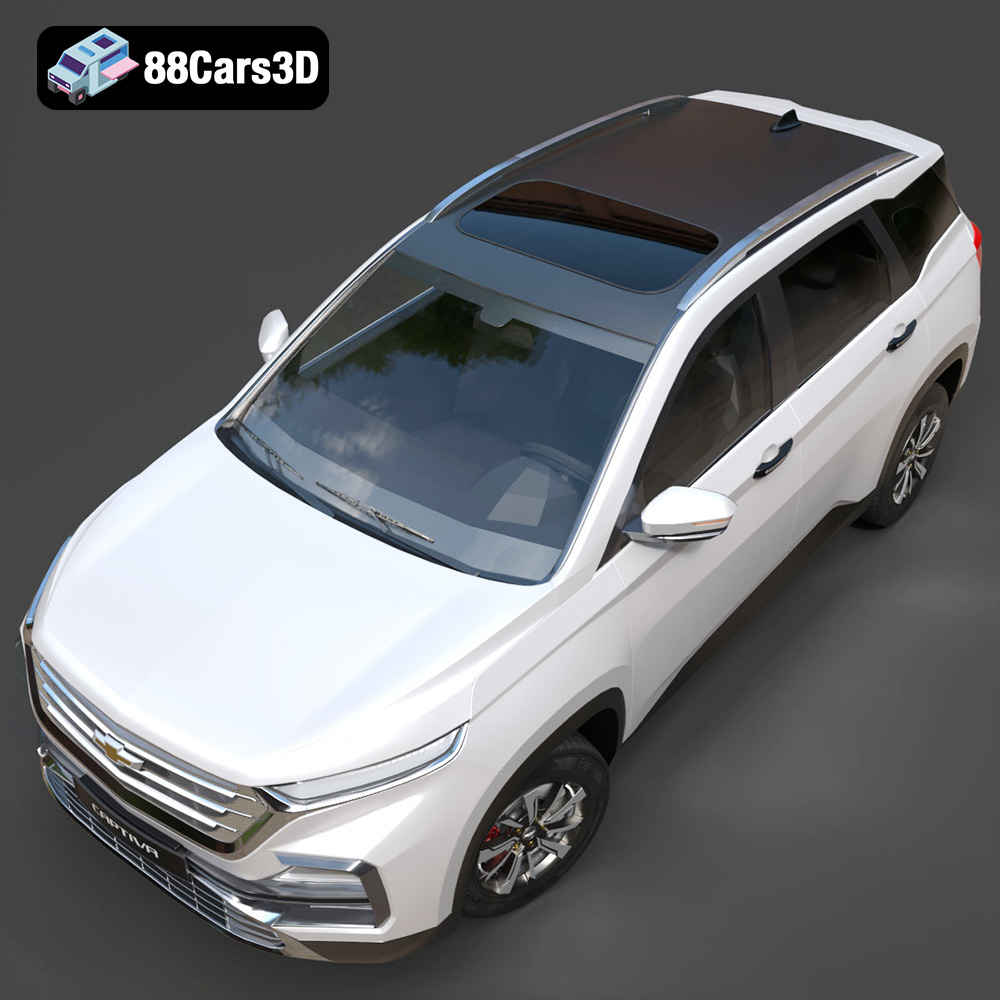
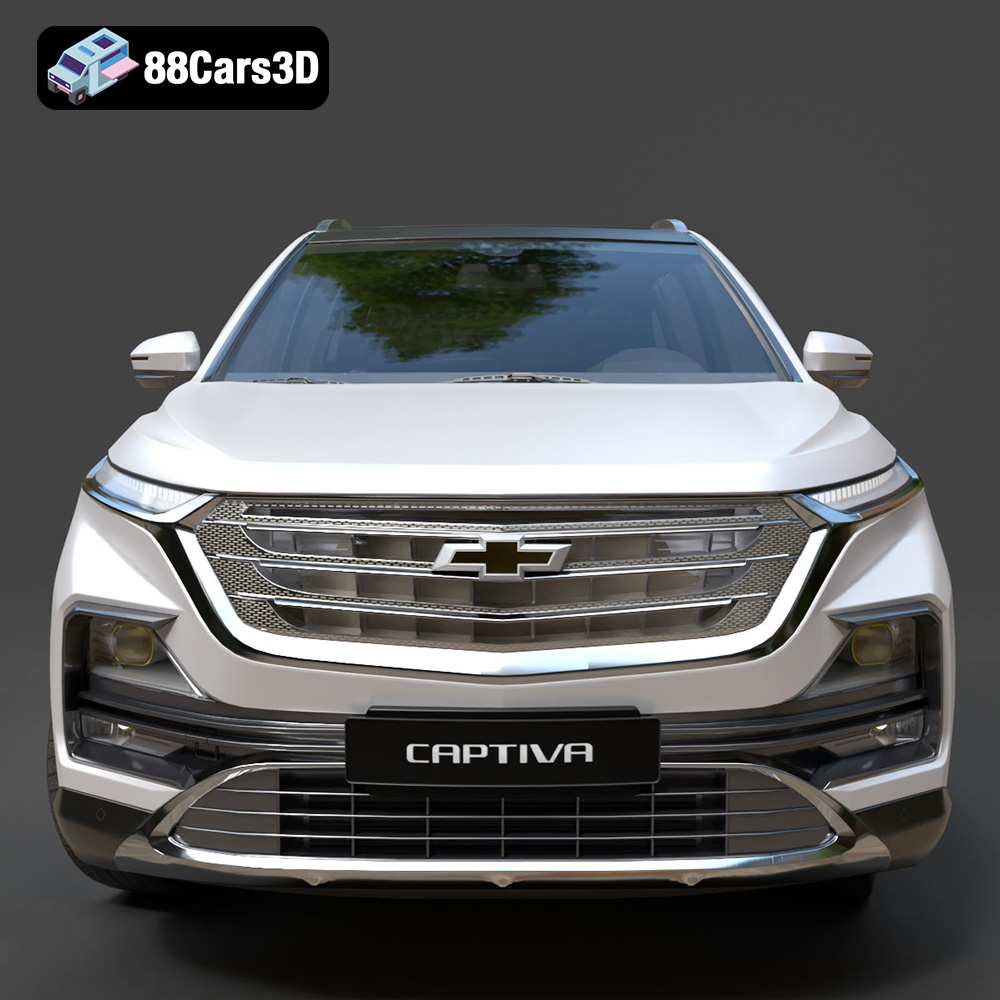
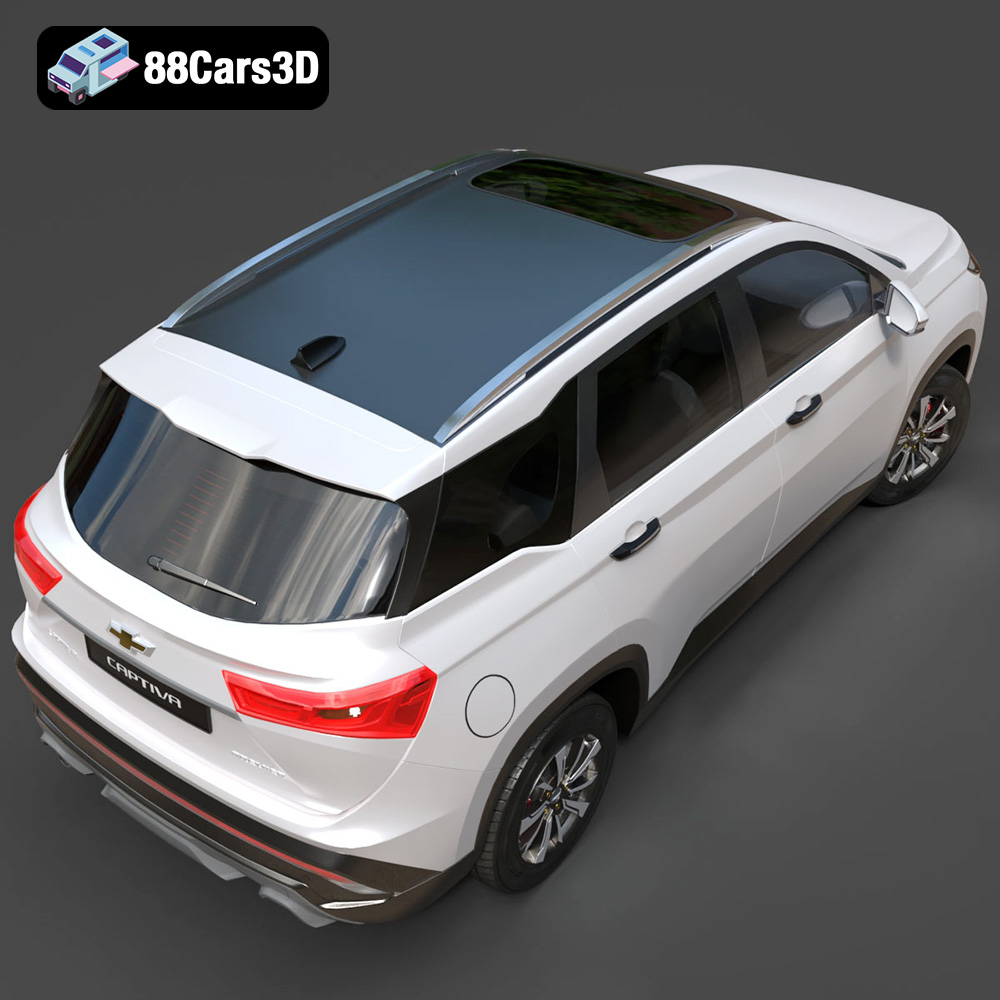
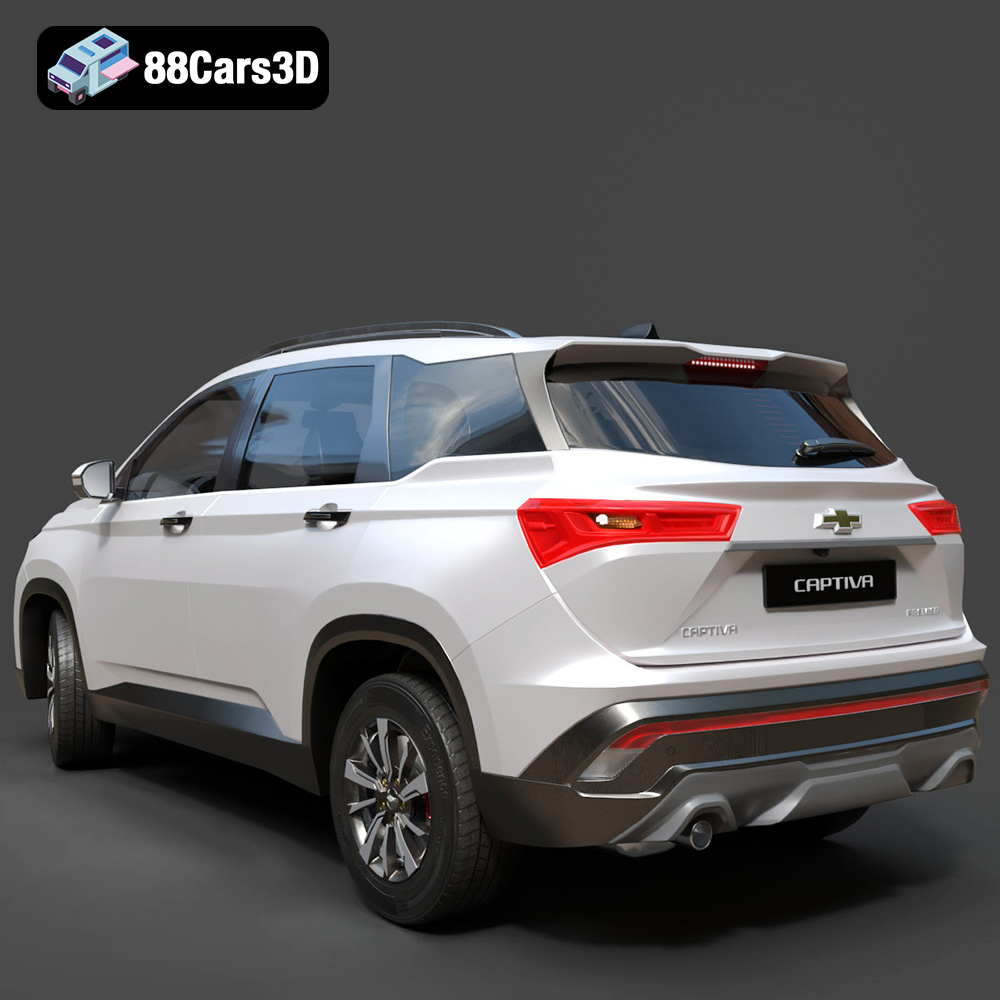
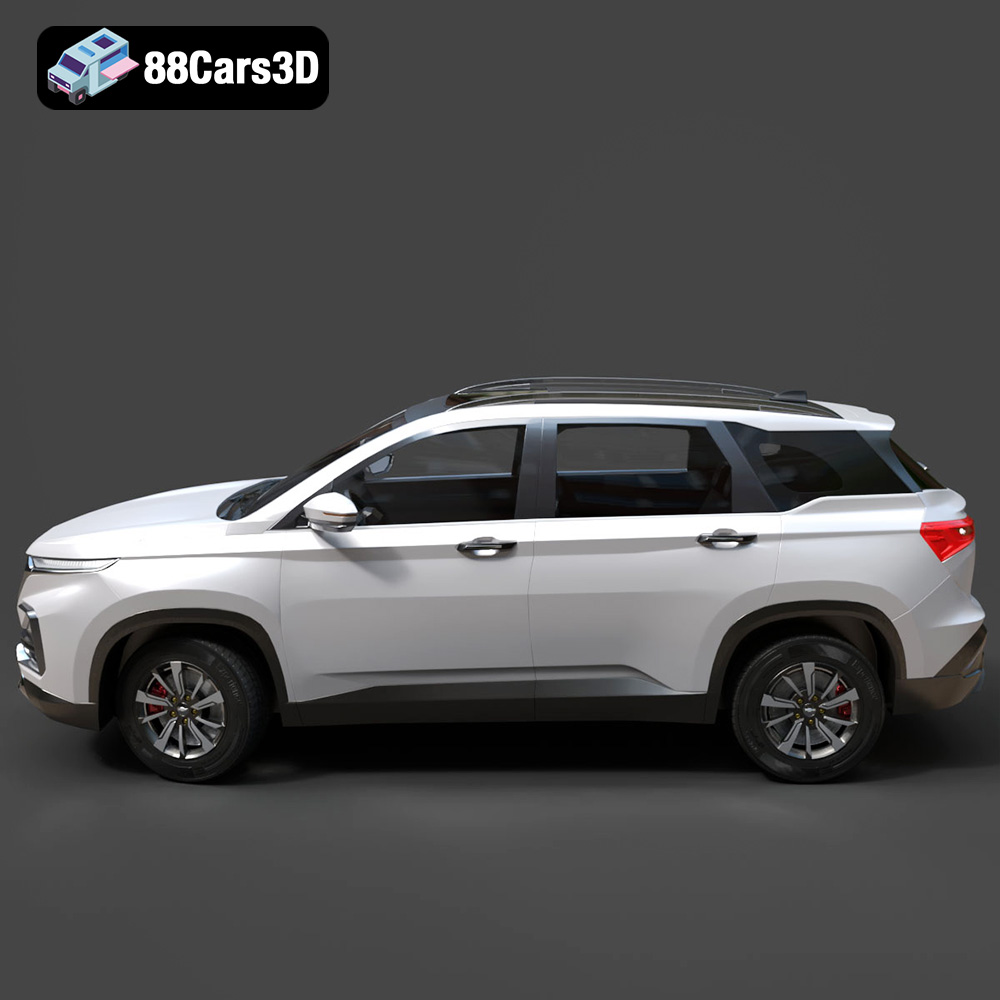
The Captiva Premier is known for its bold contemporary aesthetics, and this 3D model accurately reflects that design language. Every exterior feature, from the signature horizontal front grille to the sleek LED daytime running lights, has been precisely replicated. The aerodynamic profile and distinct body lines are faithfully preserved, ensuring that the digital representation is indistinguishable from its physical counterpart in high-resolution renders. This level of detail is critical for automotive rendering projects, where even subtle inaccuracies can compromise realism. The model also includes authentic exhaust system details and chrome accents, contributing to its overall visual richness.
A truly professional 3D car model goes beyond surface aesthetics. The Chevrolet Captiva Premier 2021 model boasts detailed engine block and undercarriage components, elements often overlooked but crucial for close-up shots, technical visualizations, or even certain game mechanics. The premium alloy wheel design with accurate tire tread patterns and detailed suspension components further enhances its realism. For animators, the separation of wheels, suspension, and steering components provides instant readiness for dynamic sequences, from turning corners to traversing uneven terrain, without the need for tedious pre-rigging.
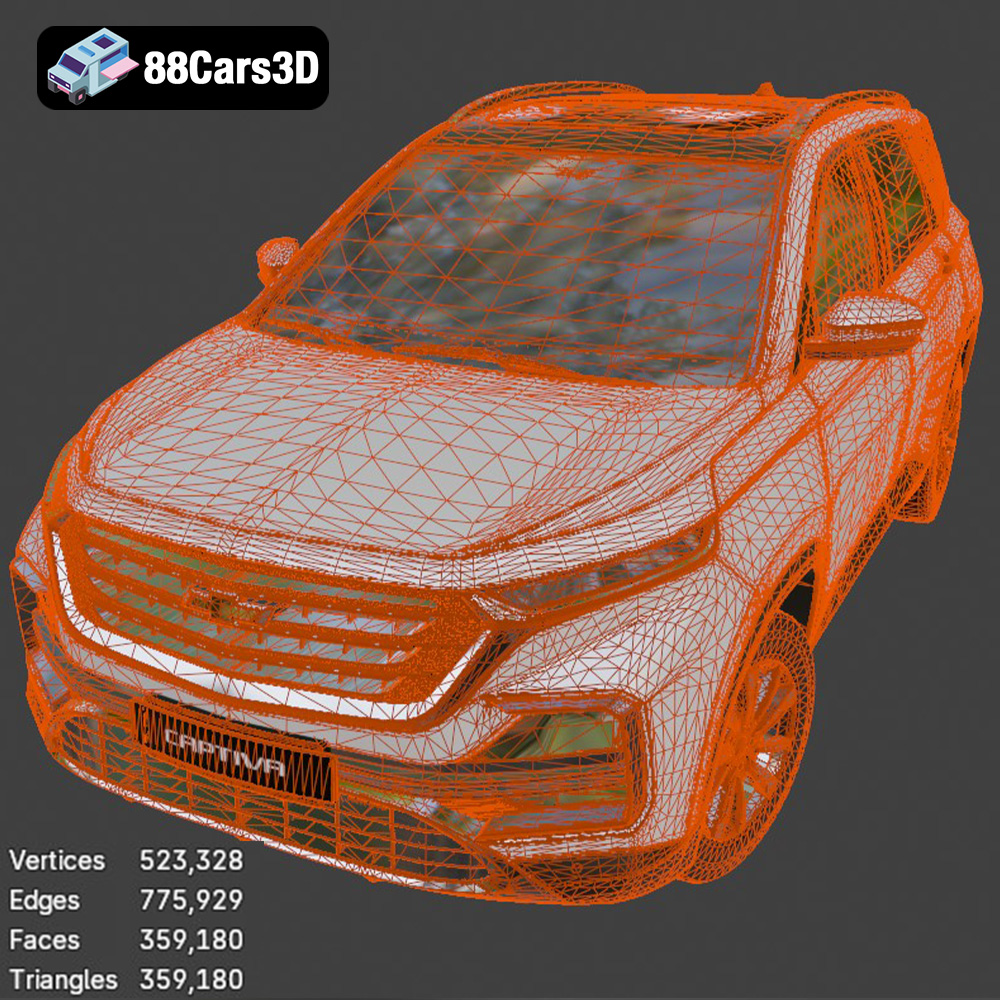
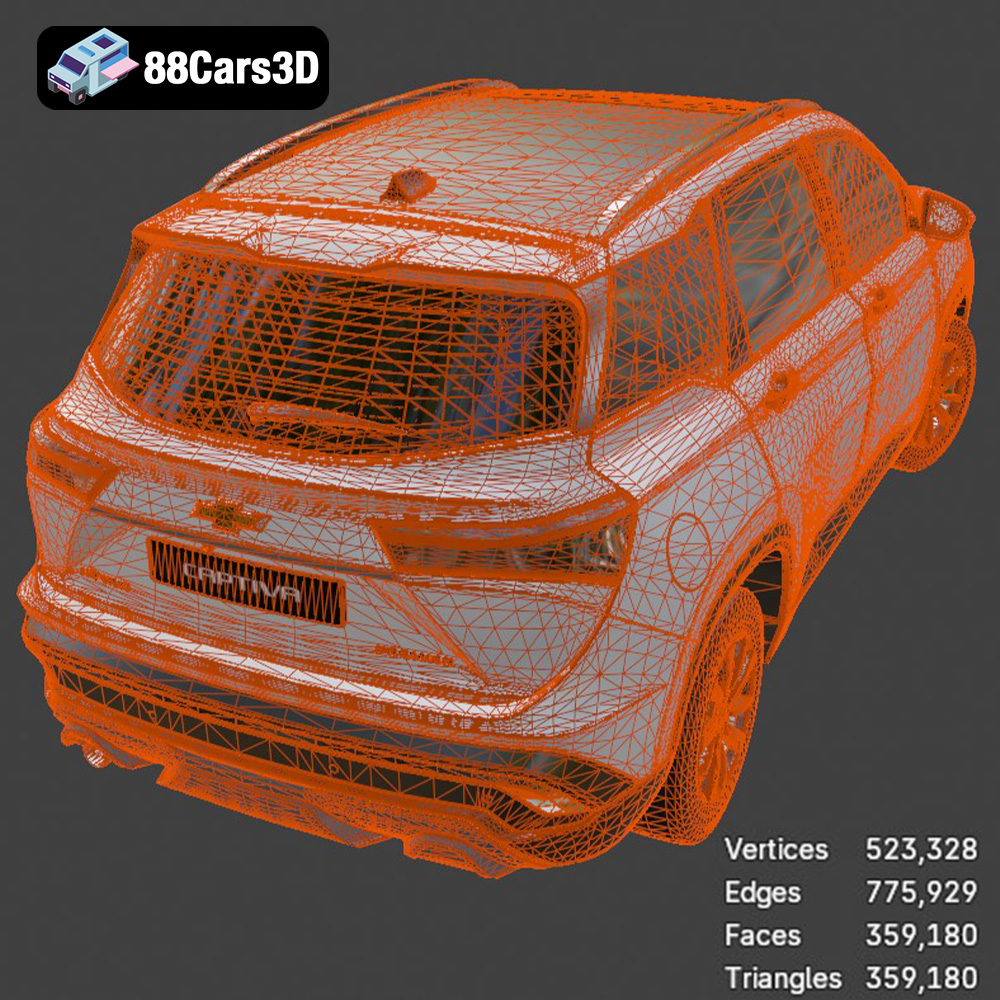
One of the most impressive technical aspects of this model is its beautifully optimized topology of 359,180 triangles. This polycount strikes a perfect balance, delivering exceptional visual fidelity suitable for high-end rendering while maintaining efficient performance for real-time applications like game development or AR/VR. The clean mesh structure ensures perfect reflections and smooth shading, preventing undesirable visual artifacts. This thoughtful optimization means creators don’t have to sacrifice detail for performance, making the Captiva model a truly versatile asset ready for any challenge.
Integrating a high-quality 3D car model like the Chevrolet Captiva Premier 2021 into diverse professional workflows requires an understanding of software-specific techniques and best practices. Whether you’re a 3ds Max veteran, a Blender enthusiast, or an Unreal Engine developer, this model is designed for seamless adoption.
For users of 3ds Max, the included .max file provides a native, editable project that can be immediately leveraged for sophisticated rendering and animation. Importing the .fbx or .obj into Blender or 3ds Max allows for immediate material assignment and scene setup.
Workflow in 3ds Max/Blender:
For game developers and real-time visualization specialists, the .fbx and .unreal formats are paramount. The optimized polycount and game-ready nature of the Chevrolet Captiva Premier 2021 3D Model make it an excellent asset for Unreal Engine projects.
Workflow in Unreal Engine:
The utility of a premium 3D car model extends far beyond static renders. The Chevrolet Captiva Premier 2021 3D Model is specifically designed with real-time applications in mind, making it a powerful asset for game development, augmented reality (AR), and virtual reality (VR).
Game development demands a delicate balance between visual fidelity and performance. The Captiva model’s optimized topology of 359,180 triangles is a testament to this balance. This polycount is sufficiently detailed to hold up in close-up shots within a game engine, while being efficient enough to allow for multiple instances in a scene without significant performance drops. It’s truly “game-ready,” meaning developers spend less time on optimization and more time on gameplay mechanics and world-building. The separate, animatable components (wheels, suspension, steering) are game-changers for realistic driving mechanics, allowing for intricate physics simulations and dynamic vehicle behavior, perfect for open-world games or dedicated racing simulators.
Augmented and Virtual Reality are transforming how consumers interact with products, particularly in the automotive industry. Virtual showrooms, interactive configurators, and mobile AR experiences are becoming standard. The Chevrolet Captiva Premier 2021 3D Model, with its .glb format and optimized mesh, is perfectly suited for these immersive applications. Its real-world scale accuracy ensures that when placed in an AR environment, the virtual car appears correctly sized in the user’s physical space. In VR, the detailed interior features, including premium seating, a multifunction steering wheel, and an accurate center console with an infotainment screen, provide an authentic cockpit experience, ideal for virtual test drives or product exploration.
While digital visualization is powerful, the ability to bring a 3D model into the physical realm opens up a whole new dimension of creativity and utility. The Chevrolet Captiva Premier 2021 3D Model is not just for screens; it’s also designed to be convertible for 3D printing, catering to hobbyists and professionals who want a tangible representation of this modern SUV.
The inclusion of the .stl format is crucial for 3D printing. This format represents the model’s geometry as a triangulated mesh, the language understood by most 3D printers. However, successful 3D printing requires more than just the right file format; it demands careful preparation.
Complex geometries like the Chevrolet Captiva Premier 2021 often require support structures during printing. The product description explicitly notes that supports are “Required for detailed parts like exhaust, mirrors, overhangs.”
Purchasing a premium 3D car model from 88cars3d.com isn’t just about acquiring a static asset; it’s an investment in a versatile foundation for countless creative projects. The true value comes from its inherent flexibility and the potential for customization, ensuring its relevance across various applications and evolving design trends.
The Chevrolet Captiva Premier 2021 3D Model is built with customization in mind, offering artists and developers the freedom to adapt it to specific project requirements without compromising quality. This flexibility is crucial for maintaining a unique visual style and responding to client demands.
In the rapidly evolving world of 3D technology, investing in adaptable assets is a smart strategy. A high-quality model like the Chevrolet Captiva Premier 2021 is future-proofed in several ways:
By providing a rich set of features, formats, and customization options, the Chevrolet Captiva Premier 2021 3D Model empowers creators to extract maximum value from their purchase, ensuring it remains a valuable asset for years to come across a spectrum of digital and physical applications.
The journey through the intricate world of 3D car models reveals a fascinating blend of artistic craftsmanship and technical precision. From the initial conceptualization to final rendering, game integration, or even physical printing, every step demands high-quality assets to achieve truly impactful results. The Chevrolet Captiva Premier 2021 3D Model stands out as a prime example of such an asset, meticulously crafted for versatility and performance across a myriad of professional applications.
We’ve explored how its optimized topology, intricate detailing, and comprehensive file format support (including .blend, .fbx, .obj, .glb, .stl, .ply, .unreal, and .max) cater to diverse workflows, from high-end automotive rendering in 3ds Max and Blender to immersive real-time experiences in Unreal Engine, and even tangible 3D prints. This model doesn’t just represent a vehicle; it embodies a commitment to quality that accelerates project development and elevates visual standards.
For anyone seeking to enhance their digital automotive projects, whether for game development, AR/VR, or cinematic visualization, investing in meticulously designed 3D car models is a strategic advantage. The Chevrolet Captiva Premier 2021 3D Model from 88cars3d.com offers an unparalleled foundation, allowing creators to focus on innovation and storytelling rather than grappling with the complexities of model creation from scratch. Embrace the power of premium assets and drive your projects forward with confidence.
Experience the modern versatility and striking design of the Chevrolet Captiva Premier 2021 with this highly accurate 3D model. Known for its spacious family-oriented design and bold contemporary aesthetics, the Captiva Premier trim boasts a signature horizontal front grille, sleek LED daytime running lights, and a refined aerodynamic profile. Every detail of this popular SUV’s exterior styling has been meticulously captured, making it a standout asset for any digital environment. With a beautifully optimized topology of 359,180 triangles, this 3D model delivers exceptional visual fidelity while maintaining efficient performance for real-time applications. The mesh is cleanly structured to ensure perfect reflections and smooth shading. It is fully game-ready and ideally suited for high-end rendering, game development, augmented and virtual reality, and cinematic animations. Perfect for urban driving simulations, virtual car showrooms, architectural visualizations, and lifestyle marketing renders.
$35.99
.2021
.blend
.chevrolet
.fbx
.glb
.max
.obj
.ply
.rendering
.stl
.unreal
captiva-premier
car-3d-model
family-suv
game asset
game-ready
low-poly
optimized
SUV
VR/AR