Get 20% OFF All Premium 3D & STL Models!

In the dynamic world of digital content creation, from immersive video games to breathtaking architectural visualizations and compelling automotive marketing, the quality of 3D assets forms the bedrock of believability. A finely crafted 3D model isn’t just a collection of polygons; it’s a meticulously engineered digital twin, capable of conveying narrative, functionality, and aesthetic appeal. Professionals across various industries consistently seek assets that not only look impressive but are also technically sound and versatile enough to integrate into diverse pipelines. This demand for excellence is precisely what high-quality 3D car models fulfill, acting as critical components in populating virtual worlds with authenticity.
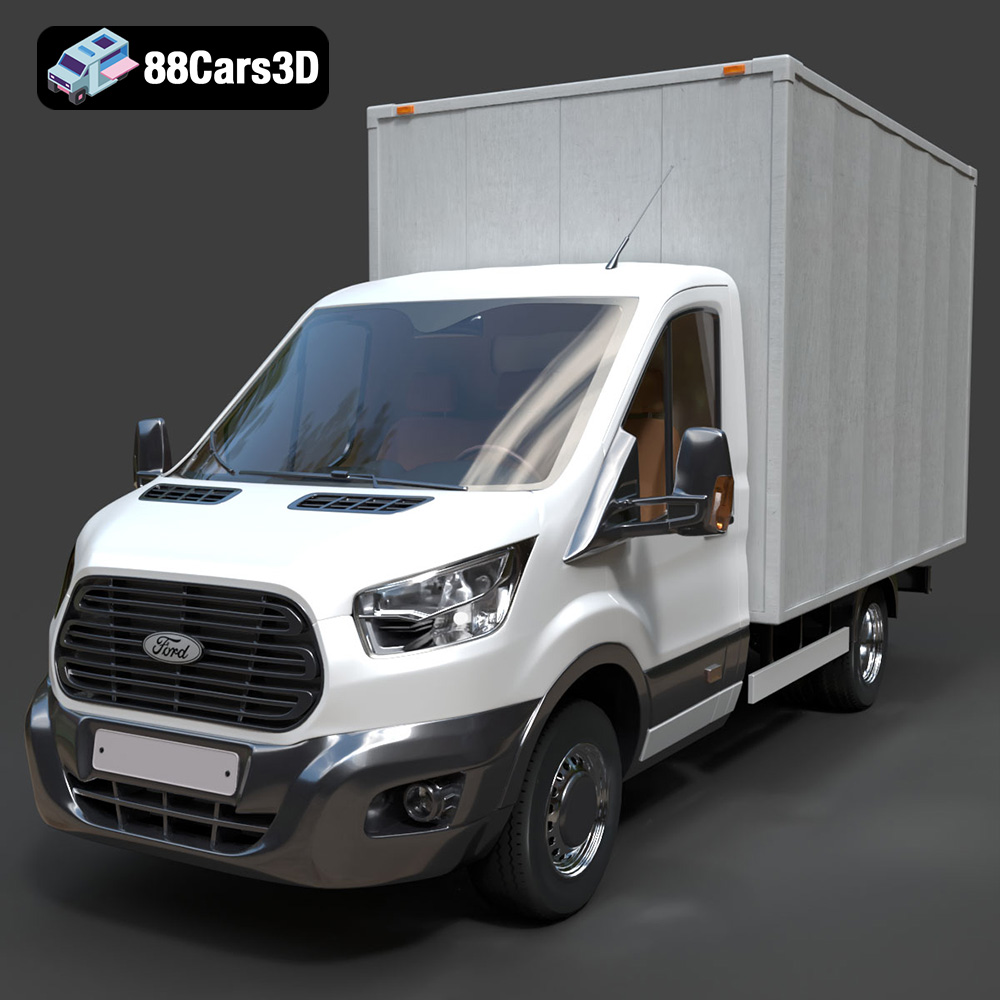
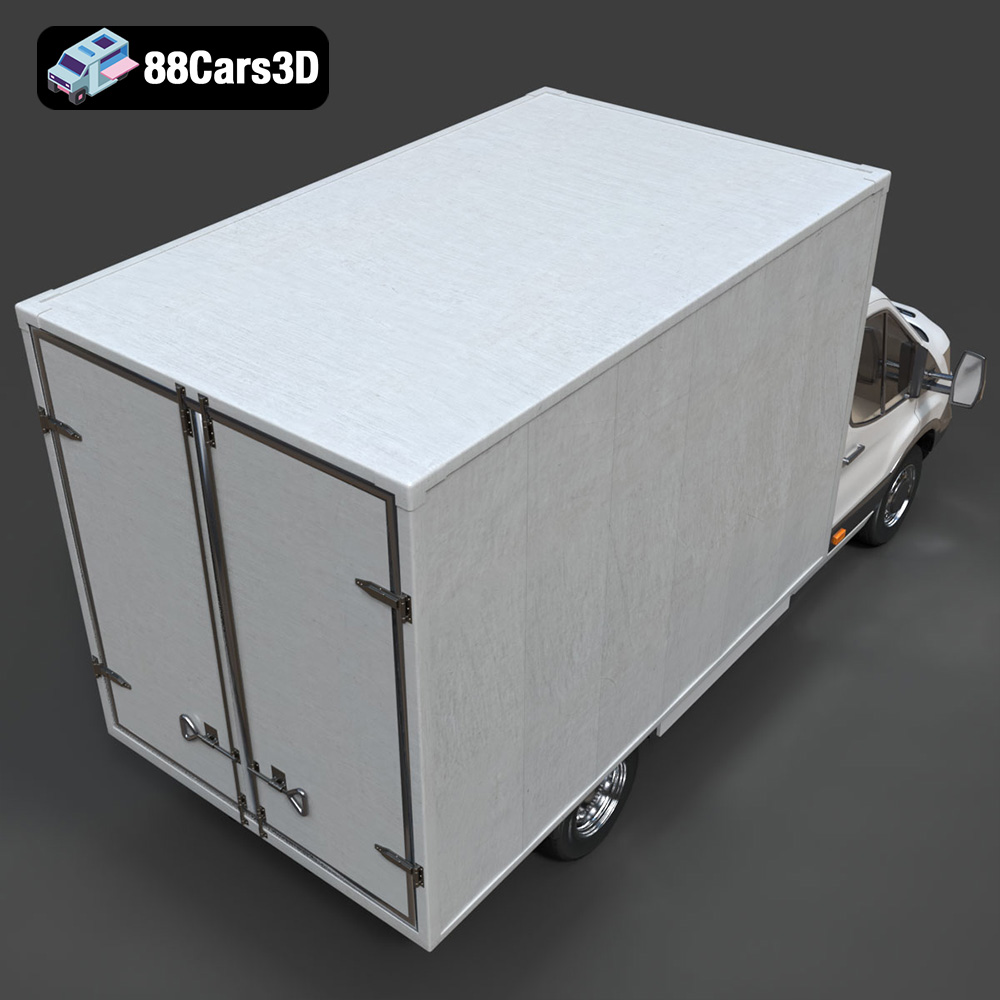
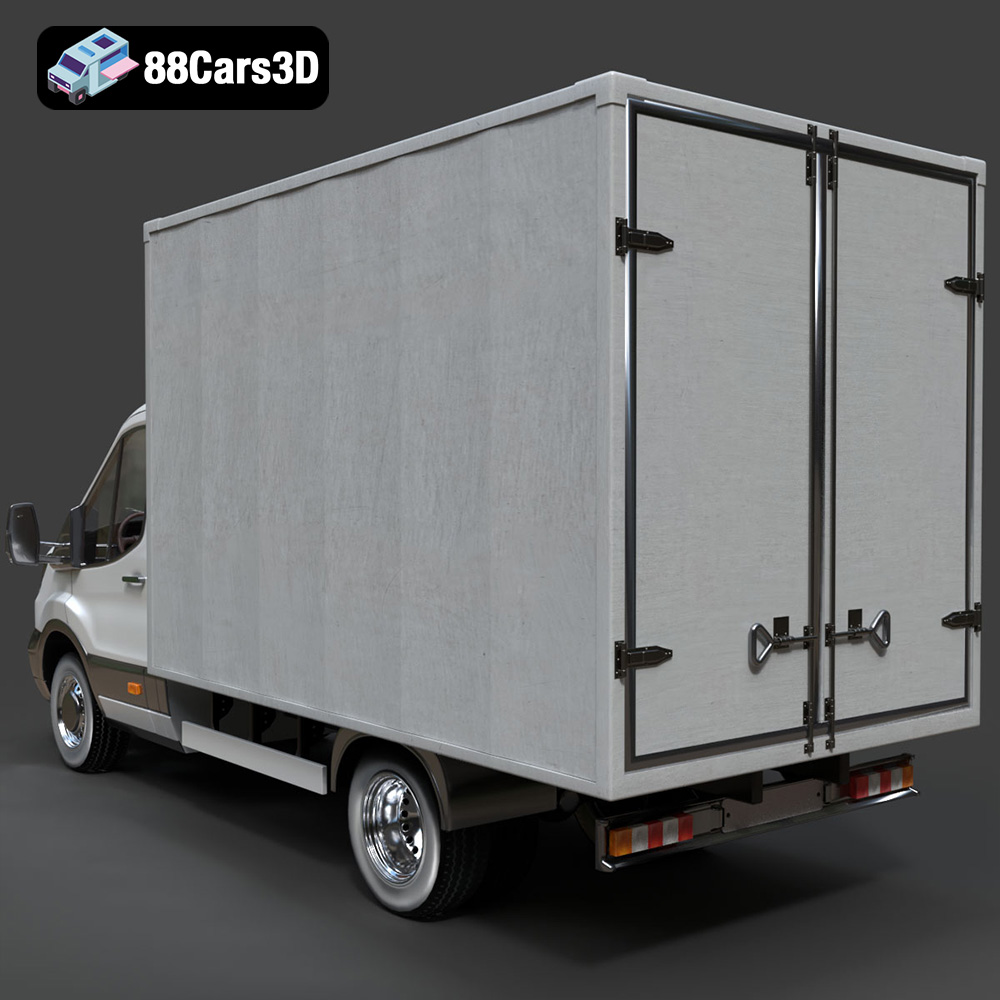
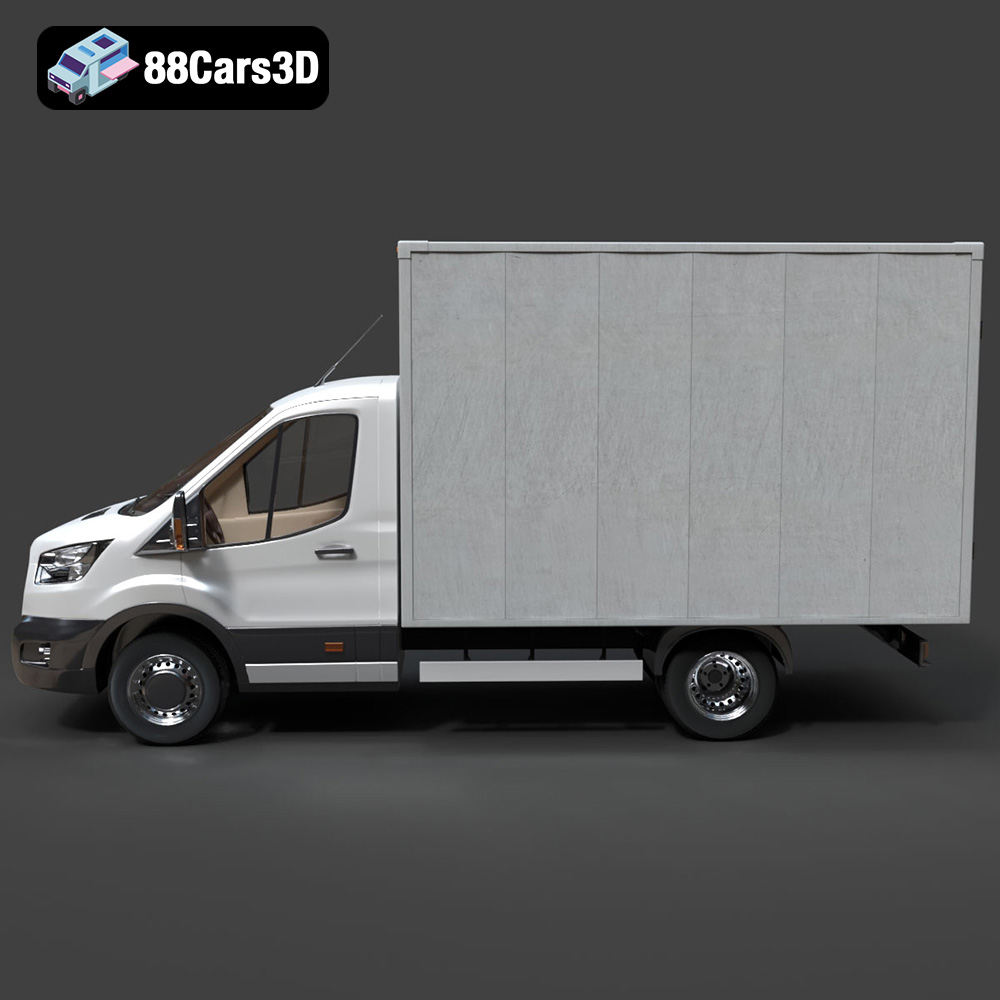
Among the vast array of available vehicle models, commercial workhorses like the Ford Transit Camion hold a unique and indispensable position. Representing the backbone of urban logistics and industrial scenes, these vehicles add a crucial layer of realism to any digital environment. The Ford Transit Camion 2008 3D model, available on 88cars3d.com, exemplifies this blend of utility and detailed craftsmanship. It offers an exceptionally realistic representation of this iconic commercial vehicle, featuring robust utility and unmistakable styling that is essential for a wide range of professional applications, from game development and AR/VR experiences to advanced rendering and 3D printing.
The versatility of a 3D model is often defined by the range of file formats it supports. Each format is designed with specific use cases, software compatibility, and technical considerations in mind. Understanding these distinctions is crucial for artists, developers, and designers to select the optimal format for their projects, ensuring seamless integration and efficient workflows. The Ford Transit Camion 2008 3D model stands out by offering a comprehensive suite of formats, empowering users with unparalleled flexibility.
The .blend format is the native file type for Blender, the powerful open-source 3D creation suite. When you download a .blend file, you’re getting a fully editable Blender scene, complete with materials, textures, lighting setups, animation data, and even scene properties. This format is ideal for users who primarily work within Blender, allowing them to directly open the model, inspect its topology, modify materials, adjust rigging, or extend animations without any loss of information or conversion artifacts. For the Ford Transit Camion, the .blend file provides a complete, ready-to-tweak project for artists using Blender for automotive rendering or game asset preparation.
.fbx, or FilmBox, is a proprietary file format developed by Autodesk, widely regarded as an industry standard for 3D data exchange. Its strength lies in its ability to store a vast array of 3D data, including mesh geometry, materials, textures, animations, skinning, and camera information, all within a single file. This makes .fbx ideal for pipelines involving multiple software packages, especially for game development with engines like Unreal Engine and Unity. The Ford Transit Camion’s .fbx version ensures that its complex geometry, separate animated parts, and material assignments transfer efficiently and accurately into real-time environments, maintaining fidelity while optimizing for performance.
.obj, or Wavefront OBJ, is one of the oldest and most widely supported 3D file formats. It’s a simple, text-based format primarily used for exchanging pure geometric data (vertices, normals, texture coordinates, and faces). While it doesn’t store animation or advanced material properties directly (material definitions are typically in a companion .mtl file), its universal compatibility makes it an excellent choice for cross-software integration when geometry is the primary concern. For the Ford Transit Camion, the .obj file offers a robust baseline for importing the model into virtually any 3D application, providing a clean mesh that can then be textured and shaded according to specific project requirements.
.glb, the binary version of glTF (GL Transmission Format), is an increasingly popular format optimized for efficient transmission and loading of 3D scenes and models by engines and applications. It’s particularly well-suited for web-based 3D, augmented reality (AR), and virtual reality (VR) experiences due to its compact size and ability to embed textures and animations directly. The .glb version of the Ford Transit Camion is perfect for interactive virtual showrooms, mobile AR applications, or browser-based configurators, delivering high-quality visuals with minimal loading times, crucial for modern immersive experiences.
.stl, or stereolithography, is the de facto file format for 3D printing. It represents a 3D model as a series of connected triangles, defining only the surface geometry without color or texture information. While simple, its ubiquity ensures compatibility with nearly all 3D printers and slicing software. The Ford Transit Camion’s .stl format allows hobbyists and professionals to convert the digital model into a physical object, enabling the creation of display-scale models or prototypes. The provided 3D print settings further guide users in achieving optimal physical reproductions of this detailed commercial truck.
.ply, or Polygon File Format (sometimes Stanford Triangle Format), is a file format for storing 3D data from 3D scanners. It can store a wider range of properties than .obj, including color, transparency, and often normal vectors and texture coordinates for each vertex or face. It’s a precision mesh format often used in scientific visualization, CAD, and specific analysis pipelines where additional vertex data is critical. The .ply option for the Ford Transit Camion offers a robust data set for advanced applications requiring more granular mesh information.
While not a standalone file format in the traditional sense, an “.unreal” file typically refers to an asset package specifically prepared for direct import and optimal performance within Unreal Engine. This often means the model has been exported as an .fbx with Unreal-specific material setups, collision meshes, LODs (Levels of Detail), and pivot points configured for the engine’s coordinate system and animation blueprint. The inclusion of an “.unreal” version for the Ford Transit Camion implies a highly optimized, drag-and-drop ready asset, significantly reducing the setup time for game developers and real-time visualization artists using Unreal Engine.
.max is the native file format for Autodesk 3ds Max, a leading 3D modeling, animation, and rendering software. Similar to .blend for Blender, a .max file contains the complete scene data, including all geometry, modifiers, materials, textures, lighting, cameras, and animation curves. It provides full editability within 3ds Max, making it perfect for professionals who rely on this software for high-end rendering, animation, and architectural visualization. The Ford Transit Camion’s .max file offers a comprehensive starting point for detailed studio rendering and complex animation sequences within 3ds Max.
The Ford Transit Camion 2008 3D model is not merely a geometric representation; it’s a meticulously crafted digital replica designed to meet the highest standards of realism and functionality. Every curve, panel gap, and component has been painstakingly modeled to capture the essence of this commercial workhorse, ensuring it stands out in any digital production.
From the moment you inspect the model, its commitment to accuracy is evident. The Ford Transit Camion features accurate frame geometry and proportions, mirroring the real-world vehicle with astonishing fidelity. This attention to scale and form is paramount for achieving believability in simulations, visualizations, and games. Beneath the hood, detailed engine block and under-hood components are present, offering an extra layer of depth for close-up shots or transparent renders. Moving further, the realistic commercial exhaust system and undercarriage details showcase the thoroughness of the model’s construction, crucial for scenes where the vehicle is viewed from low angles or for inspection purposes.
The model also boasts accurately modeled headlights, taillights, and roof-mounted indicators, each ready for proper light setup and emissive material application to enhance realism. High-resolution heavy-duty wheel, tire, and hubcap details are another highlight, crucial elements that often betray a model’s quality if overlooked. Intricate leaf spring suspension details, specifically suited for commercial loads, further reinforce the model’s authenticity and its intended utility. Furthermore, the inclusion of separate wheels, suspension, and steering components is a vital technical advantage, enabling seamless animation for driving simulations, cutscenes, and interactive experiences.
Beyond the impressive exterior, the Ford Transit Camion 2008 extends its meticulous detailing to the interior, providing a fully authentic cockpit environment. Authentic commercial driver and passenger seating are modeled with attention to typical wear and utility, setting the right tone for a hard-working vehicle. The detailed steering wheel and column setup, along with an accurate dashboard and utility-focused instrument cluster, ensure that first-person views feel genuinely immersive. Every control, from the modeled gear shifter to the heavy-duty pedals and door panels, is represented, making the model ideal for driving simulators or interactive walkthroughs where internal visibility is key. The optimized geometry for first-person POV in gaming ensures that even in resource-constrained real-time environments, the interior holds up to scrutiny, offering a compelling user experience.
Beyond aesthetic appeal, the true measure of a high-quality 3D asset lies in its technical specifications and how well it integrates into professional production pipelines. The Ford Transit Camion 2008 3D model is engineered with both visual fidelity and practical usability in mind, making it a powerful asset for diverse projects.
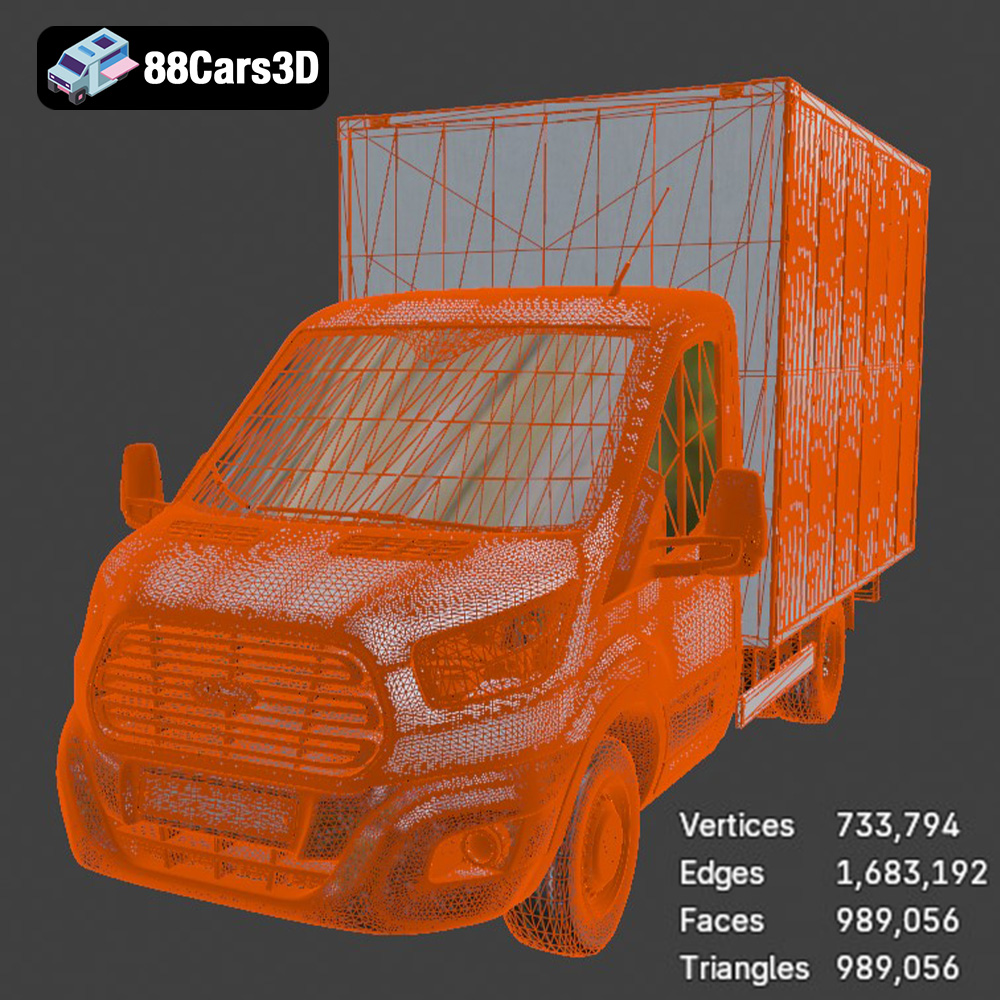
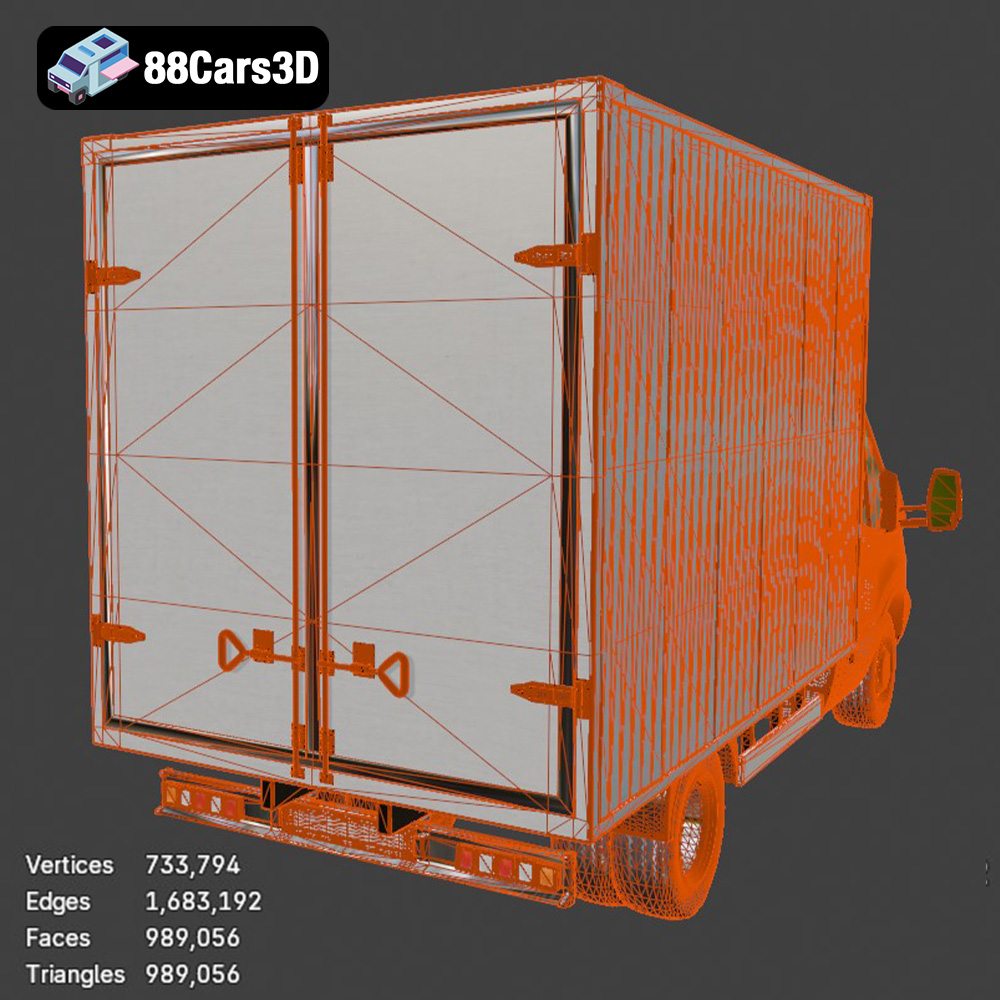
One of the most critical aspects for modern 3D assets, particularly for real-time applications like games and AR/VR, is finding the right balance between visual detail and performance efficiency. The Ford Transit Camion model achieves this with an impressive 989,056 triangles. This polycount strikes a perfect balance: it’s high enough to deliver exceptional visual realism for close-up shots, cinematic renders, and detailed architectural visualizations, yet it remains structured and optimized for seamless integration into real-time engines such as Unreal Engine and Unity. For a vehicle of this complexity and detail, maintaining a polycount under a million triangles while preserving such high fidelity is a testament to expert modeling practices. This ensures that the model can be used effectively without excessively burdening rendering budgets or causing performance bottlenecks.
Further enhancing its technical robustness is its real-world scale accuracy, meticulously based on the actual vehicle chassis. This precision is invaluable for architectural visualization, urban planning simulations, and game environments where maintaining accurate scale relationships is vital for immersion and functional design. The model also features proper pivot setup for steering, wheel rotation, and suspension travel. This seemingly minor detail is incredibly important for animators and game developers, as it drastically reduces the time and effort required to set up realistic vehicle dynamics and animations, allowing for immediate integration and movement.
A truly versatile 3D model must be compatible with the industry’s leading software and rendering engines. The Ford Transit Camion 2008 3D model excels in this regard, offering broad compatibility that makes it a plug-and-play solution for many professional studios. Whether your workflow is centered around Autodesk 3ds Max for high-end rendering, Blender for open-source flexibility, or Unreal Engine for cutting-edge real-time experiences, this model is designed to integrate smoothly. This comprehensive compatibility extends to its material setups, which are typically designed to be PBR (Physically Based Rendering) ready. This means that with minimal adjustment, the materials will react realistically to light in any modern rendering engine, ensuring consistent and believable visual outcomes across different platforms and lighting conditions. This broad support minimizes conversion headaches and allows artists to focus on creative execution rather than technical troubleshooting.
The true value of a versatile 3D asset like the Ford Transit Camion 2008 lies in its applicability across various professional domains. Its robust design and high fidelity make it suitable for a multitude of real-world scenarios, enhancing projects with a touch of authentic realism.
For game developers, the Ford Transit Camion is an ideal asset for populating diverse virtual environments. Its optimized polycount and game-ready nature make it perfect for open-world games, where detailed vehicles contribute significantly to the atmosphere and player immersion. Imagine this iconic truck navigating the bustling streets of a virtual city, delivering goods in a logistics simulator, or even serving as a utility vehicle in a survival game. Its separate, animatable components mean it can be dynamically integrated into physics engines, allowing for realistic driving mechanics, collisions, and customizable features. It can serve as an integral part of environmental storytelling, adding layers of authenticity to industrial zones, urban centers, or even rural delivery routes within a game’s narrative.
In the realm of rendering and visualization, the Ford Transit Camion excels as a prime asset for brand campaigns, architectural visualizations, and studio lighting setups. When architects present a new commercial building, populating the scene with realistic vehicles like this Transit Camion grounds the design in reality, making the visualization more relatable and impactful. For automotive marketing, even if the primary focus isn’t a Ford, these secondary vehicles add context and life to a scene. Furthermore, the model’s suitability for AR/VR applications makes it invaluable for immersive virtual showrooms, configurators, and mobile AR experiences. Businesses can use the .glb format to allow potential customers to view the Ford Transit Camion in their own driveways via a smartphone, or explore a virtual dealership with fully interactive models, significantly enhancing engagement and pre-purchase experience.
The inclusion of the .stl format extends the utility of the Ford Transit Camion 2008 beyond the digital screen, allowing it to be brought into the physical world through 3D printing. This capability caters to a growing community of hobbyists, model makers, and even professionals needing physical prototypes. The detailed guidance provided for 3D print settings ensures that users can achieve high-quality physical reproductions. Recommended scales like 1:12, 1:18, or 1:24 offer flexibility for various display purposes. Specific recommendations such as using resin printing for fine details, appropriate layer heights (0.04–0.12 mm), wall thicknesses (1.2–2.0 mm), and infill percentages (20–30%) are invaluable. The advice on support structures for intricate parts like the exhaust and mirrors, along with strategic print orientation for structural integrity, demonstrates a deep understanding of physical production challenges. Post-processing suggestions, including sanding, priming, and applying authentic factory colors, further guide users toward creating museum-quality physical models of this commercial vehicle.
A truly versatile 3D model isn’t just about what it is, but what it can become. The Ford Transit Camion 2008 offers extensive customization options, allowing artists and developers to adapt the model to perfectly fit their unique project requirements and creative visions.
The ability to customize the visual appearance of the Ford Transit Camion significantly broadens its applicability. Artists can easily change cabin colors to match specific brand aesthetics or fleet requirements. More significantly, adapting commercial fleet liveries allows the model to represent any number of companies, from package delivery services to local construction outfits. This flexibility is crucial for populating diverse urban or industrial scenes with varied and believable vehicles. Furthermore, modifying tire textures, such as switching between off-road and street variants, can dramatically alter the vehicle’s perceived utility and environment. Adjusting material finishes—from matte and gloss to metallic—can make the vehicle appear brand new, weathered, or specialized, further enhancing its narrative potential within a scene.
Lighting plays a pivotal role in how any 3D model is perceived, and the Ford Transit Camion 2008 is designed to perform exceptionally well under varied lighting conditions. Its robust material setup allows artists to adapt lighting for different environments, ensuring realism whether the scene is bathed in the harsh midday sun, illuminated by the soft glow of a sunset, or shrouded in the dramatic shadows of a night-time urban setting. This adaptability means the model can be seamlessly integrated into day/night cycles in games or animated sequences. In studio lighting setups, the detailed surfaces and material properties allow for stunning reflections and specular highlights, perfect for high-end product showcases. For natural outdoor lighting, the model’s textures and forms react believably to environmental light probes, contributing to an overall sense of photorealism. This comprehensive flexibility ensures the Ford Transit Camion can always look its best, no matter the lighting challenge.
In an industry where time is money and quality is paramount, having access to expertly crafted 3D assets is a game-changer. The Ford Transit Camion 2008 3D model exemplifies the high standards of realism, technical precision, and versatility that professionals demand. Available through 88cars3d.com, this model is more than just a digital file; it’s a meticulously developed tool designed to streamline workflows and enhance the visual impact of your projects.
Whether you’re building an expansive open-world game, designing a stunning automotive visualization, creating immersive AR/VR experiences, or even fabricating physical models through 3D printing, the Ford Transit Camion offers unparalleled detail and optimization. Its comprehensive file format support ensures compatibility with virtually any professional pipeline, making it an invaluable addition to any asset library. When you choose models from 88cars3d.com, you’re investing in quality that saves time, reduces development costs, and ultimately delivers a superior final product.
The Ford Transit Camion 2008 3D model is a testament to the power of high-fidelity automotive 3D assets in contemporary digital production. From its detailed exterior and authentic interior to its optimized geometry and broad file format compatibility, every aspect of this model has been engineered for professional use. It serves as an indispensable asset for game developers seeking to populate realistic virtual worlds, for visualization artists aiming to create compelling automotive renders, for AR/VR creators building immersive experiences, and for enthusiasts interested in 3D printing tangible replicas.
Its robust technical specifications, coupled with extensive customization options, ensure that the Ford Transit Camion can seamlessly integrate into and elevate a diverse range of projects. This model is a prime example of the exceptional quality and versatility available at 88cars3d.com, empowering creators to achieve new levels of digital realism and efficiency in their endeavors.
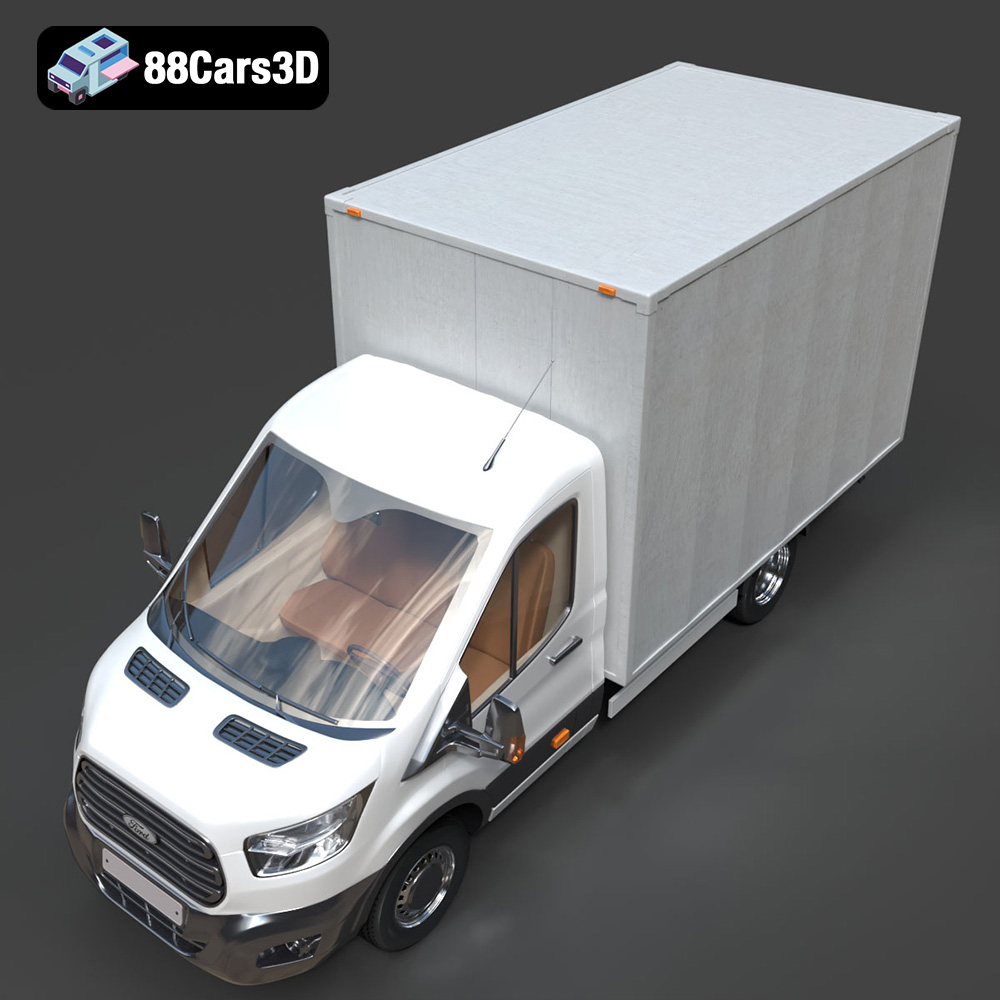
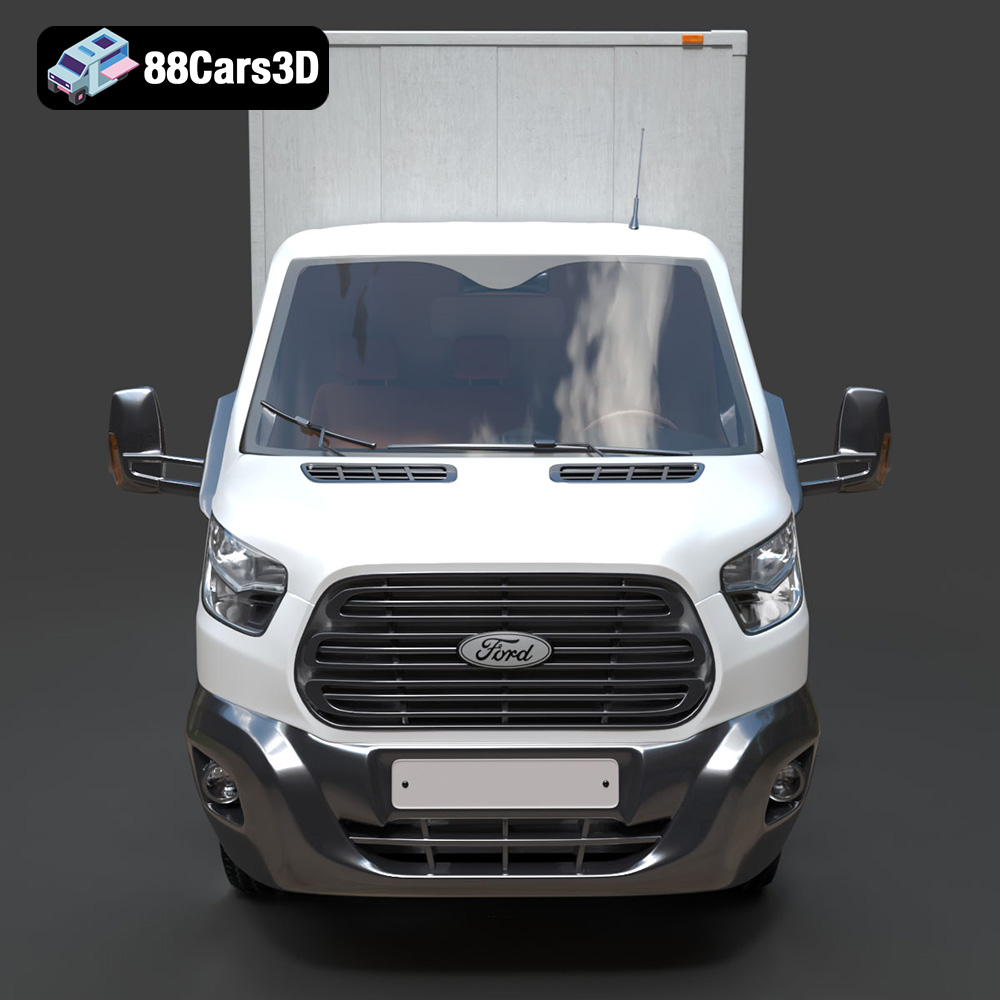
The Ford Transit Camion represents a pinnacle of commercial vehicle reliability, offering robust utility and iconic styling tailored for heavy-duty logistics and transport. This 2008 model features the classic commercial truck bed configuration, detailed chassis framework, and the unmistakable front fascia of the Transit series, making it an essential asset for realistic urban and industrial scenes.
Boasting an impressive 989,056 triangles, this high-fidelity 3D model delivers exceptional visual realism while maintaining structured topology for seamless integration. Whether utilized in game development, architectural visualization, or cinematic animation, this asset provides unparalleled detail for close-up shots and immersive environments.
Perfect for industrial simulations, urban environment population, logistics-focused gaming titles, and commercial fleet visualizations.
.blend, .fbx, .obj, .glb, .stl, .ply, .unreal, .max
Tags:
ford, transit-camion, 2008, commercial-vehicle, truck, game-ready, high-poly, optimized, car-3d-model, truck-3d-model, game-asset, rendering, vr-ar, blend, fbx, obj, glb, stl, ply, unreal, max
$61.00
.2008
.blend
.fbx
.ford
.glb
.max
.obj
.ply
.rendering
.stl
.truck
.unreal
car-3d-model
commercial-vehicle
game asset
game-ready
high poly
optimized
transit-camion
truck-3d-model
VR/AR