Get 20% OFF All Premium 3D & STL Models!

In the fast-paced world of digital creation, high-fidelity 3D assets are no longer a luxury but a fundamental necessity. From blockbuster game titles and immersive virtual reality experiences to cutting-edge architectural visualizations and compelling marketing campaigns, the demand for incredibly detailed and technically sound 3D models is ever-present. Automotive design, in particular, stands at the forefront of this digital revolution, relying heavily on precise 3D representations to bring concepts to life, streamline development, and captivate audiences.
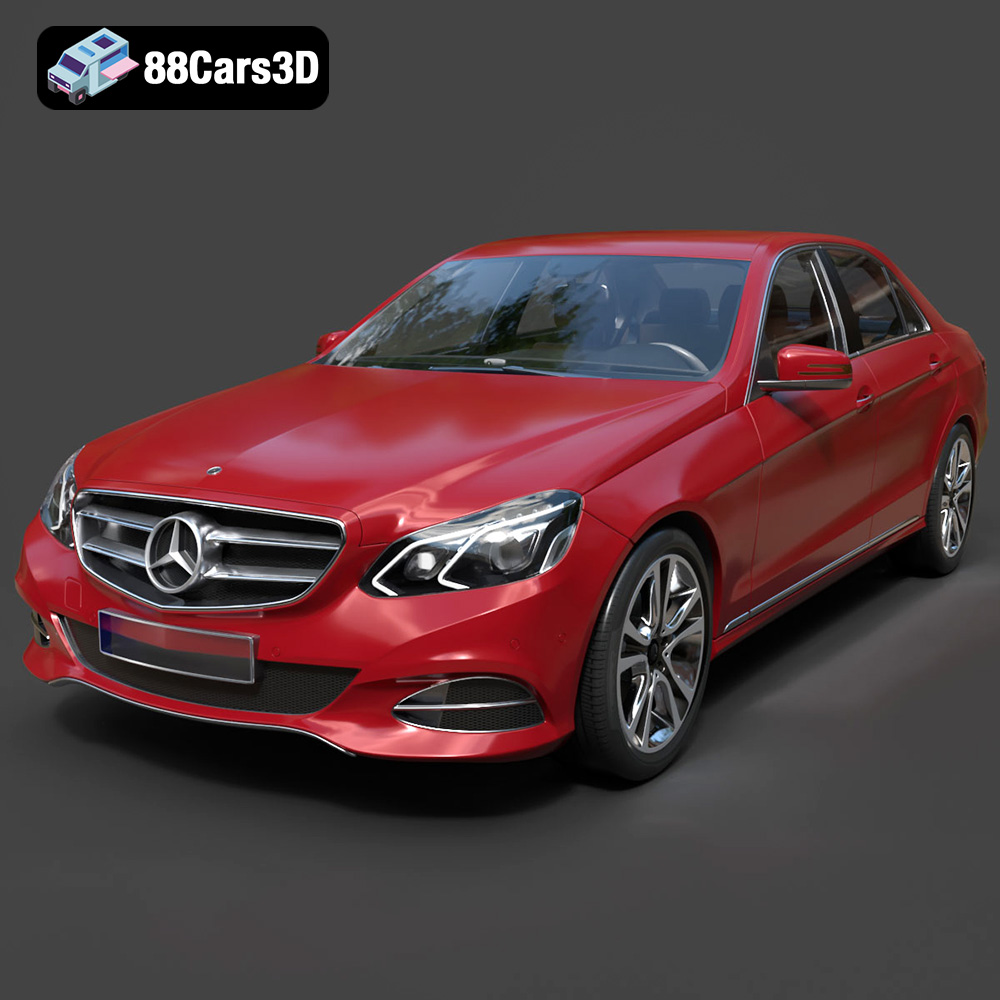
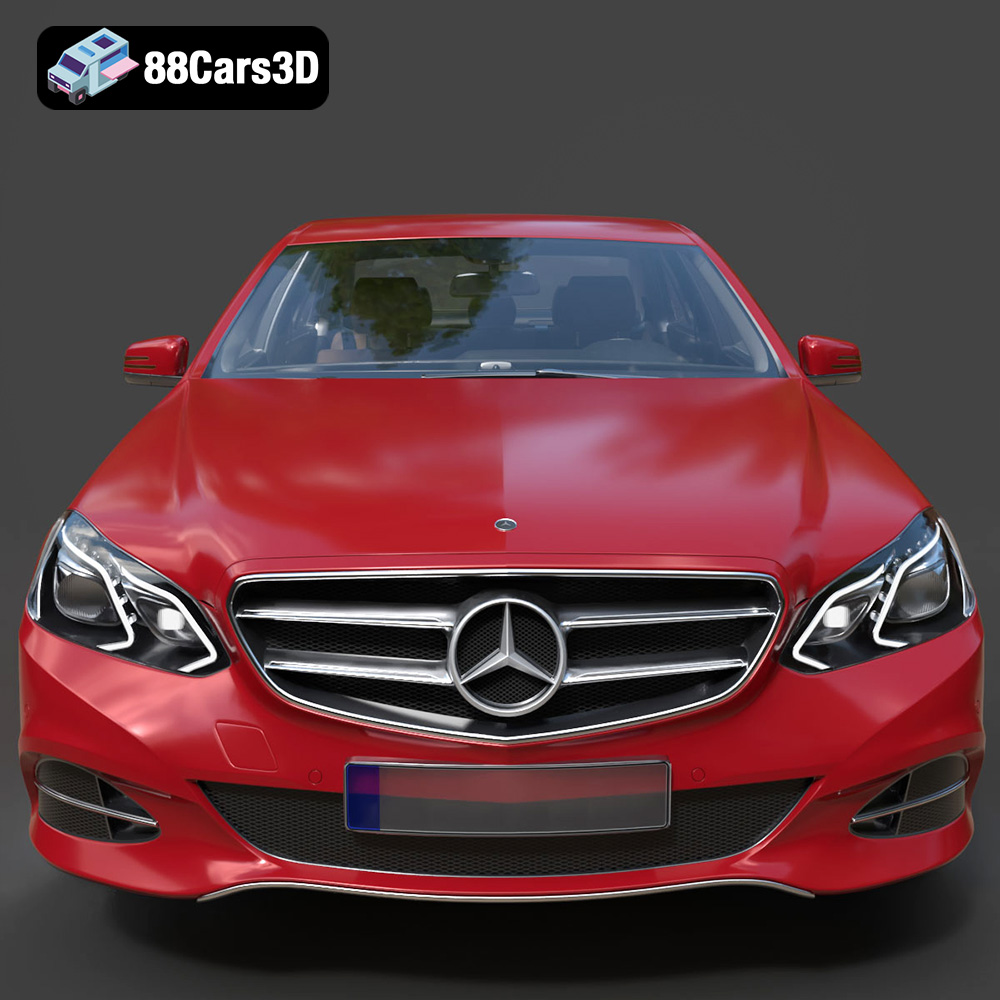
The ability to accurately visualize a vehicle’s every curve, component, and material finish before it ever leaves the factory floor is invaluable. This is where expert-crafted 3D car models like the Mercedes-Benz E14-08 3D Model truly shine. Representing the pinnacle of luxurious heritage combined with modern performance, this particular model provides an exceptional foundation for a myriad of professional applications. Its detailed aerodynamic profile, signature Mercedes-Benz grille, elegantly sculpted body lines, and advanced exhaust system are all meticulously captured, making it a stellar example of what a premium 3D vehicle asset should offer. For professionals seeking top-tier 3D car models, understanding the nuances of these digital assets is paramount, and platforms like 88cars3d.com are dedicated to providing such high-quality resources.
One of the most critical aspects of working with 3D models, especially complex automotive assets, is understanding the various file formats available. Each format is designed with specific use cases, compatibility, and technical advantages in mind. The Mercedes-Benz E14-08 3D Model, for instance, is offered in a comprehensive suite of formats, ensuring its versatility across different software and pipelines. Choosing the right format is key to a smooth workflow and achieving optimal results.
The .blend format is the native file type for Blender, the powerful open-source 3D creation suite. When you download a .blend file, you’re receiving a fully editable Blender scene, complete with materials, textures, lighting setups, and any associated rigging or animation. This format is ideal for users who primarily work in Blender and require full control over the model’s properties. It allows for direct modification of geometry, adjustment of nodes for materials, and integration into existing Blender projects without conversion hassles. For the Mercedes-Benz E14-08, the .blend file would provide the most comprehensive starting point for Blender artists to customize and integrate the model.
The .fbx (Filmbox) format is arguably the most widely adopted interchange format in the 3D industry. Developed by Autodesk, it’s known for its robust support of 3D models, animation, cameras, and lights. .fbx files are excellent for transferring models between different 3D software applications and, critically, for integrating assets into game engines like Unreal Engine and Unity. Its widespread compatibility makes it a go-to for real-time pipelines, ensuring that the detailed geometry, UV maps, and material assignments of the Mercedes-Benz E14-08 translate effectively from a modeling package to a game environment.
The .obj (Wavefront OBJ) format is a universal, open standard that has been around for decades. It’s highly compatible with virtually all 3D software and is primarily used for static mesh data. An .obj file stores vertex positions, UV coordinates, normals, and face information, often accompanied by an .mtl (material template library) file for basic material definitions. While it doesn’t support animation or complex scene data, its simplicity and ubiquitous support make it excellent for cross-software compatibility when only the mesh and basic texture mapping are needed. It’s a reliable choice for the Mercedes-Benz E14-08 if you need a clean mesh to start a project in a less common 3D application.
The .glb (GL Transmission Format Binary) is an increasingly important format, especially for web-based 3D, augmented reality (AR), and virtual reality (VR) applications. It’s a self-contained, binary version of glTF (GL Transmission Format) that packages models, textures, animations, and other data into a single, highly optimized file. .glb files are designed for efficient loading and rendering in browsers and mobile environments, making them perfect for virtual showrooms, interactive product configurators, or social media AR filters featuring the Mercedes-Benz E14-08.
The .stl (Stereolithography) format is the de facto standard for 3D printing. It represents a 3D model as a series of connected triangles, defining only the surface geometry without color, texture, or other CAD attributes. While simple, its precision in defining the outer shell of an object makes it essential for additive manufacturing. For hobbyists or designers looking to physically produce a miniature version of the Mercedes-Benz E14-08, the .stl file is the starting point for slicing software and 3D printers.
The .ply (Polygon File Format or Stanford Triangle Format) is another format primarily used for storing 3D data from 3D scanners, CAD software, and other mesh processing applications. It can store a wider range of properties than .stl, including color, transparency, and sometimes even confidence values for each vertex or face. It’s often used for precision mesh data, especially when accuracy and additional data attributes are important for engineering analysis or reverse engineering tasks involving the Mercedes-Benz E14-08 model.
The .unreal format signifies an asset specifically packaged and optimized for Unreal Engine. This isn’t a single file format in the traditional sense but rather indicates that the asset has been exported, configured, and often includes Unreal Engine project files or assets (like .uasset files) ready for direct import and use within the engine. This format typically includes proper material setups, collision meshes, LODs (Levels of Detail), and pivot points configured for immediate real-time use, making the Mercedes-Benz E14-08 an instant plug-and-play vehicle in an Unreal project.
Finally, the .max format is the native file type for Autodesk 3ds Max, a leading software for 3D modeling, animation, and rendering. Similar to .blend, a .max file contains the complete 3ds Max scene, including geometry, materials, textures, lighting, cameras, animation data, and any modifiers or rigging applied. This format offers maximum flexibility for 3ds Max users to modify, animate, or render the Mercedes-Benz E14-08 within their preferred professional environment, leveraging all of 3ds Max’s powerful features.
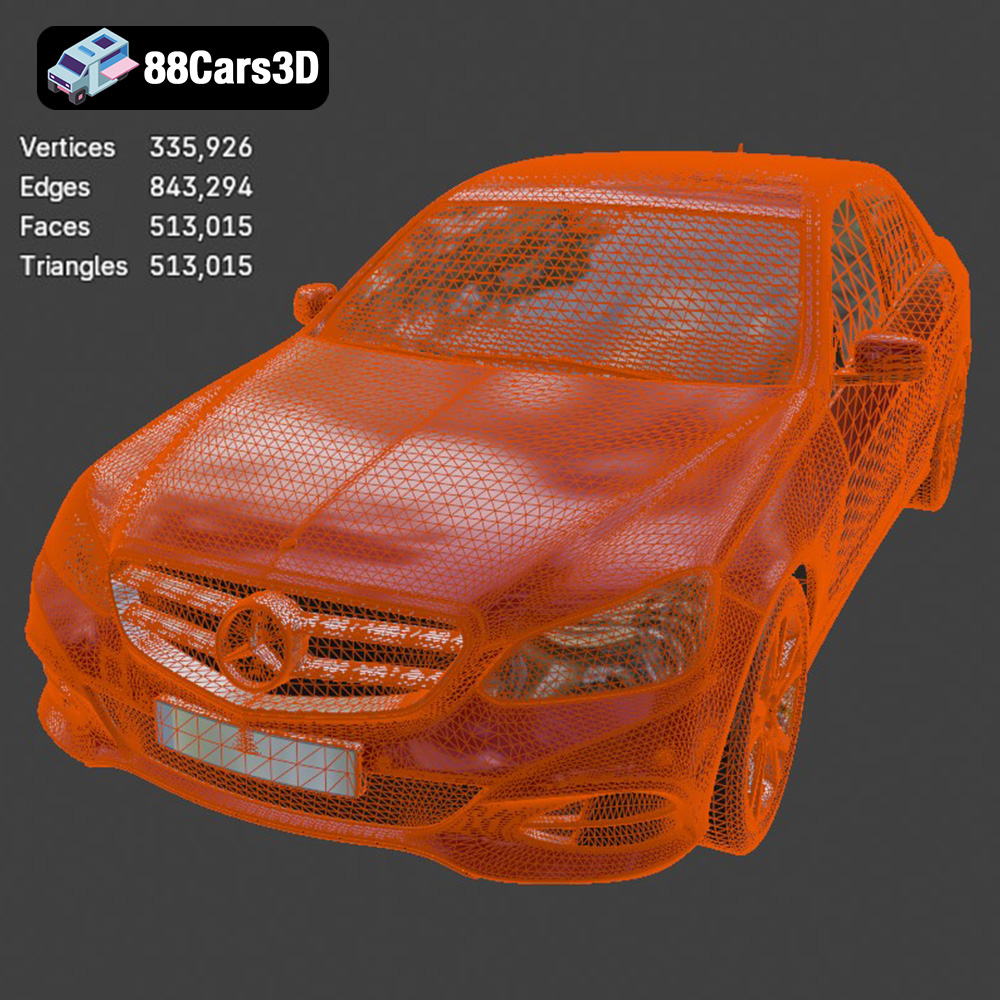
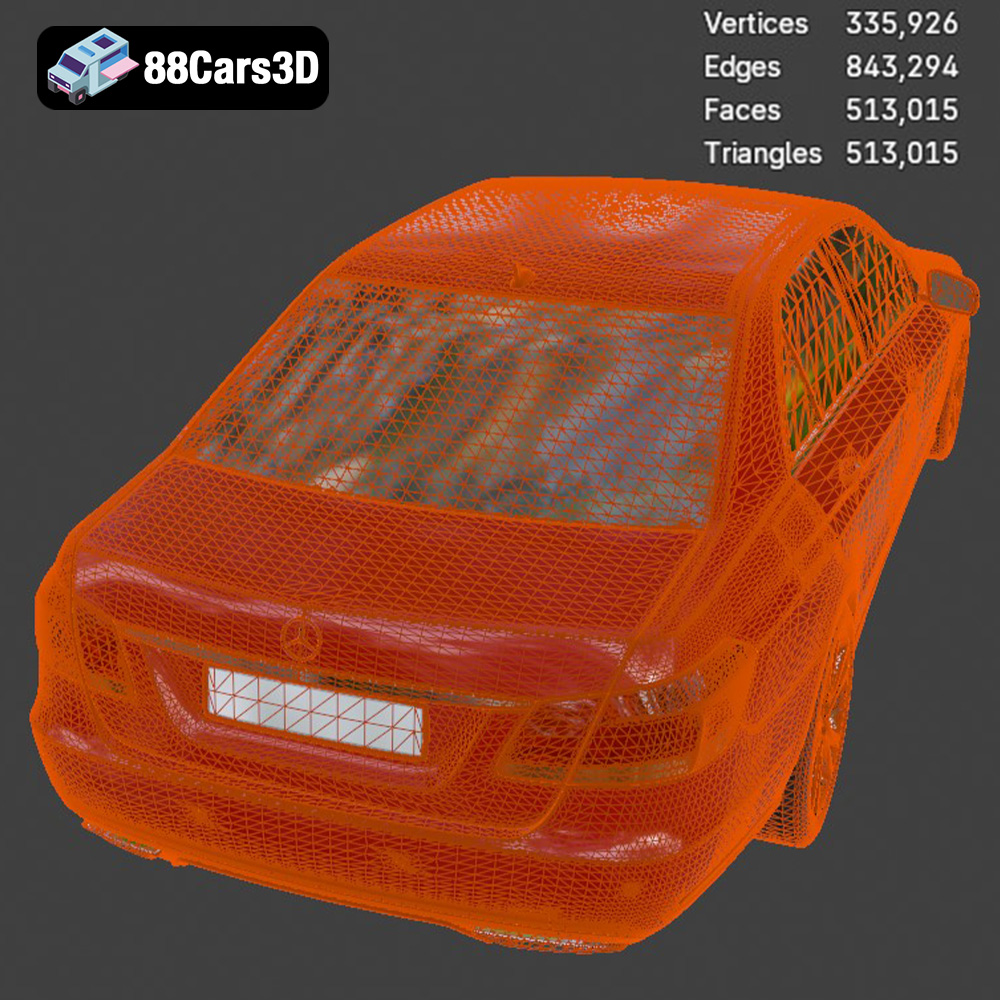
The true value of a premium 3D model lies in its meticulous execution, balancing visual fidelity with technical optimization. The Mercedes-Benz E14-08 3D Model embodies this principle, showcasing a level of detail and structural integrity that sets it apart. With an impressive 513,015 triangles, it strikes a perfect balance, providing extraordinary visual realism without becoming overly burdensome for real-time applications.
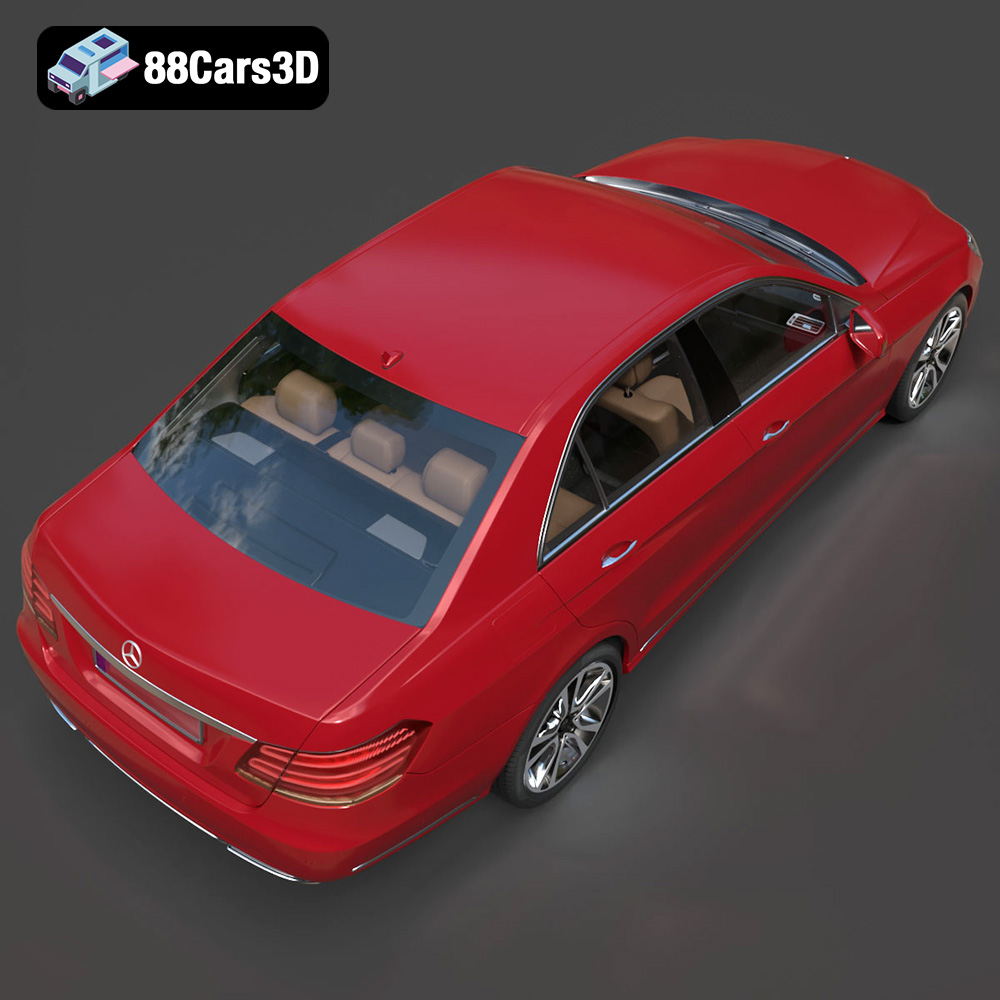
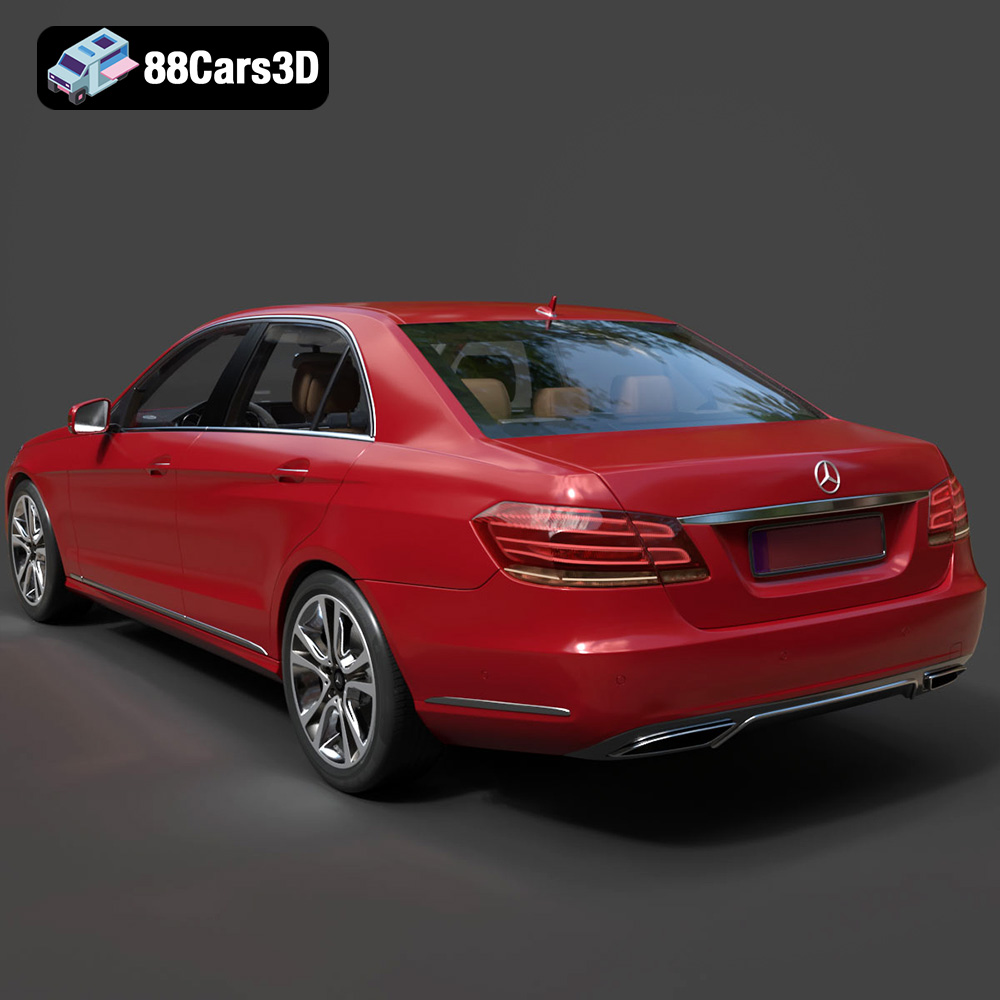
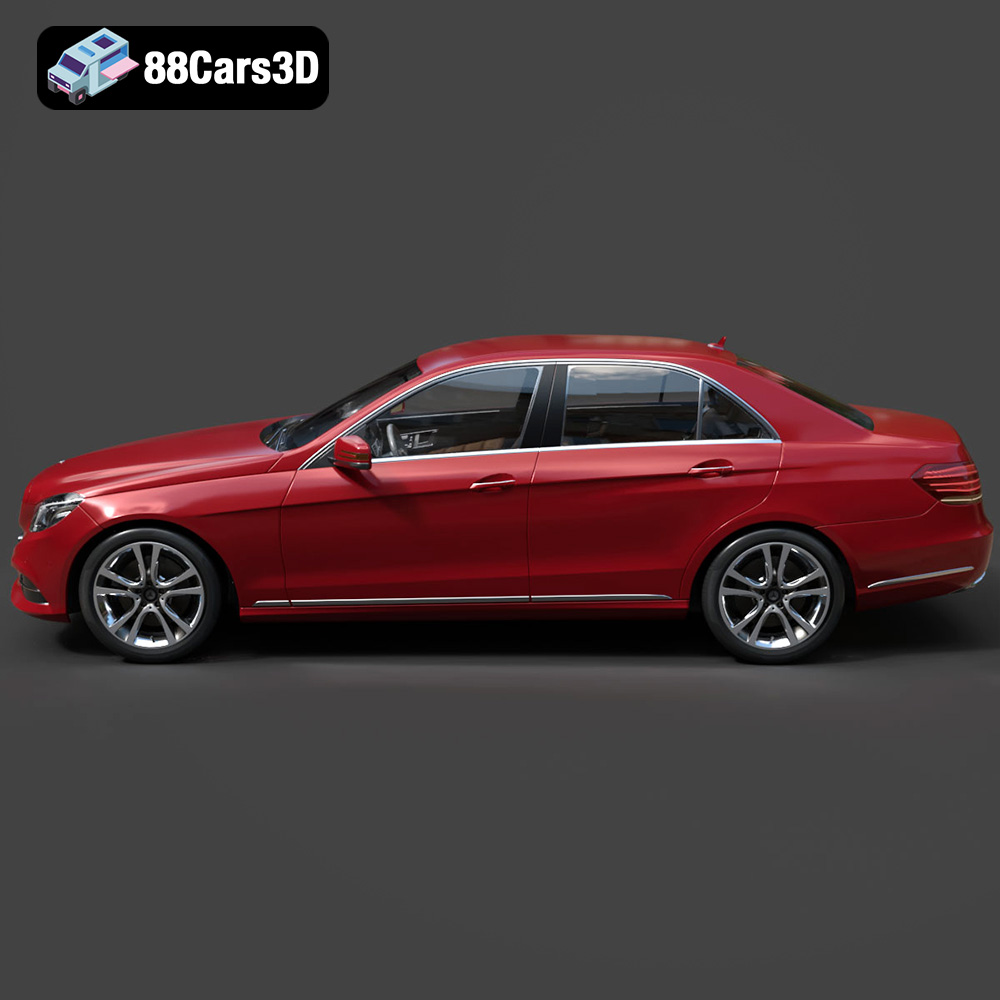
The exterior of the Mercedes-Benz E14-08 3D model is a masterclass in accurate automotive representation. The frame geometry and aerodynamic proportions are precisely replicated, ensuring that the digital model mirrors its real-world counterpart down to the subtlest curve. This attention to detail extends to critical components: a meticulously detailed engine block showcases signature Mercedes-Benz engineering, even if it’s not always visible in every render, it adds a layer of authenticity. The precision-modeled exhaust system, complete with realistic tailpipe details, contributes significantly to the model’s authenticity. Furthermore, intricate lighting details, including sophisticated LED headlights and signature taillights, are modeled to capture realistic light dispersion and reflections. High-resolution wheel and tire details, featuring authentic alloy rim designs and suspension components like springs and control arms, ensure the vehicle sits and moves with realistic accuracy. The separation of wheels, suspension, and steering components is a crucial feature, enabling complex animations for cinematic sequences or dynamic game physics.
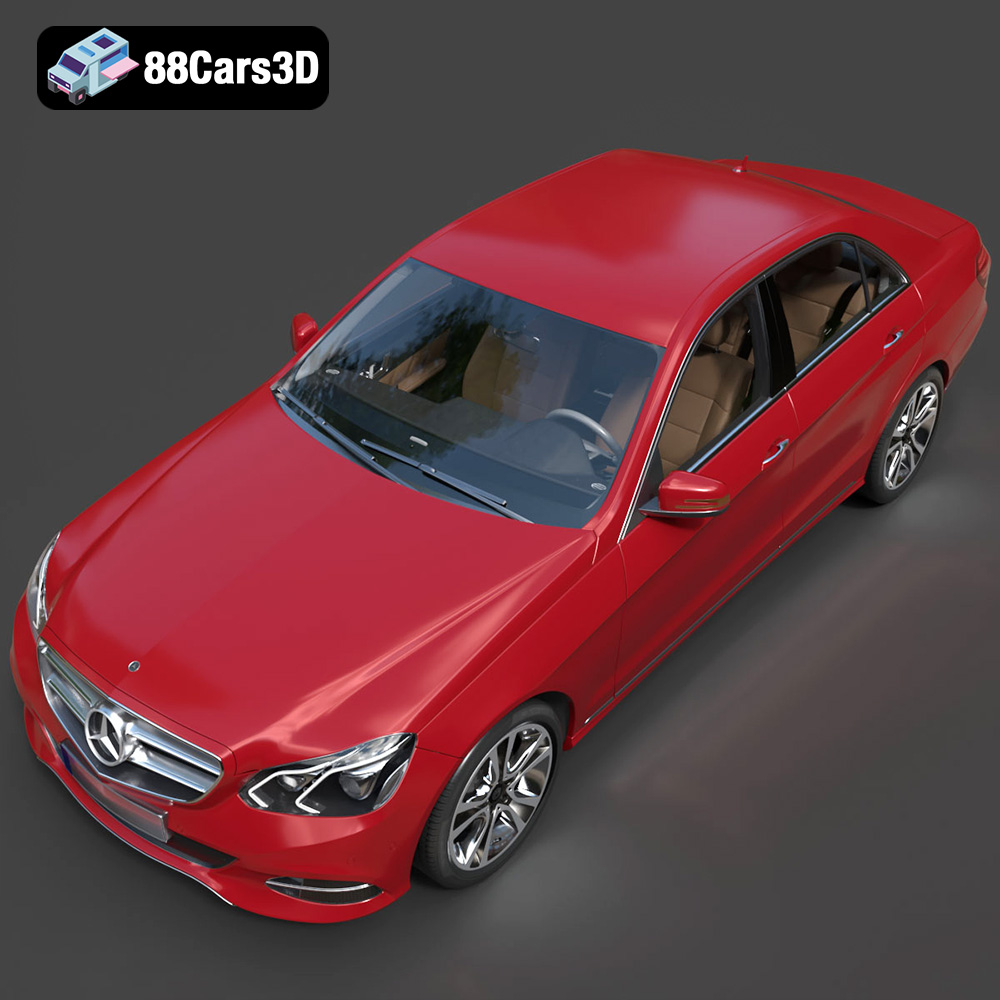
Stepping inside the digital cockpit of the Mercedes-Benz E14-08 reveals an equally impressive level of detail. Premium leather-textured seating and a meticulously crafted cabin layout immerse the viewer or player in a luxury environment. The accurate steering wheel, complete with detailed multimedia buttons and brand insignia, feels authentic. A high-tech instrument cluster and center infotainment display are modeled with precision, reflecting the vehicle’s advanced technology. Every control detail, from pedals to levers and the realistic center console shifter, is rendered to provide a convincing experience. This optimized geometry for first-person POV makes it exceptionally well-suited for gaming and virtual reality applications, allowing users to genuinely feel like they are behind the wheel.
Beyond visual appeal, the technical specifications of the Mercedes-Benz E14-08 3D Model are its core strength. The 513,015 triangles achieve a stellar balance for real-time engines like Unreal and Unity, ensuring high-end visual realism without sacrificing performance. This means developers can integrate it into games or AR/VR experiences with confidence in its efficiency. Real-world scale accuracy, based on the actual vehicle chassis, is critical for realistic scene integration and physics simulations. Moreover, the proper pivot setup for steering, wheel rotation, and suspension travel is a testament to the model’s professional construction, enabling seamless animation and dynamic interaction within any 3D environment.
A premium 3D model like the Mercedes-Benz E14-08 isn’t just a static object; it’s a versatile tool that can be integrated into a multitude of professional pipelines. Its design and optimization lend themselves to diverse applications, from high-stakes game development to sophisticated architectural visualization.
For game developers, the Mercedes-Benz E14-08 3D Model is a ready-to-use game asset. Its optimized polycount (513,015 triangles) ensures smooth performance in demanding open-world games, racing titles, and vehicle simulators. The included .fbx and .unreal formats are specifically tailored for integration into engines like Unreal and Unity. In Unreal Engine, for example, the model can be directly imported, and with its separate components (wheels, suspension, steering), developers can easily set up vehicle physics, rigging, and animation blueprints. This saves countless hours of modeling and optimization, allowing teams to focus on gameplay and immersive experiences. Imagine an urban racing game where players can customize and drive this highly detailed luxury vehicle through realistic cityscapes, with every reflection and surface accurately portrayed thanks to the model’s meticulously crafted topology.
For rendering artists and visualization specialists, the E14-08 model offers an exceptional foundation for creating stunning automotive imagery. Whether using 3ds Max with V-Ray or Blender with Cycles, the model’s detailed geometry and clean UVs facilitate realistic lighting and material application. Artists can leverage its precise topology to achieve accurate reflections on its polished surfaces, essential for conveying luxury. Consider a brand campaign requiring a high-fidelity image of the E14-08 in a studio lighting setup, or a lifestyle scene depicting the vehicle parked outside a lavish architectural marvel. The .max and .blend files provide full control for artists to refine materials, set up intricate lighting scenarios, and render cinematic sequences with unparalleled realism. The ability to easily change body colors, adjust material finishes, and adapt lighting for different environments further enhances its utility for diverse visualization projects.
The rise of augmented and virtual reality has created a new frontier for automotive visualization. The Mercedes-Benz E14-08 is perfectly suited for immersive virtual showrooms, interactive configurators, and mobile AR experiences. Its optimized geometry and the inclusion of the .glb format ensure efficient loading and smooth interaction in these real-time, often mobile-constrained, environments. Imagine potential buyers exploring the E14-08 in a virtual showroom, walking around it, opening doors, and even sitting inside (via VR) to experience the meticulously crafted interior. Or consider a mobile AR app allowing users to place a life-sized E14-08 in their driveway, examining its details from any angle. The model’s technical specifications and multi-format availability make these cutting-edge applications not just possible, but highly engaging.
The versatility of a high-quality 3D model extends beyond digital screens. For enthusiasts, educators, or even rapid prototyping in design studios, the Mercedes-Benz E14-08 can transcend its digital form and become a tangible object through 3D printing.
Converting a detailed digital model into a physical one requires careful preparation. The E14-08’s inclusion of the .stl format is crucial here. Once loaded into slicing software (e.g., Cura, PrusaSlicer, Chitubox), the model can be scaled to various sizes, with recommended scales like 1:12, 1:18, or 1:24 for display-scale hobbyists. Proper print orientation is vital; for instance, the frame printed at an angle can enhance structural integrity, while wheels are often best printed separately to capture fine details and allow for post-assembly. Given the model’s intricate details like the exhaust system, mirrors, and exterior trim, supports will be required during printing to prevent sagging and ensure accurate overhangs. Layer height recommendations (0.04–0.12 mm) underscore the need for precision, especially with resin printing, which is often recommended for capturing the fine details characteristic of a luxury car model.
The choice of 3D printing technology and material significantly impacts the final physical model. Resin printing (SLA/DLP) is generally preferred for its ability to produce highly detailed and smooth surfaces, ideal for the E14-08’s elegant lines and intricate components. For FDM printing, higher resolution settings and careful calibration are necessary. Post-processing is where the magic truly happens. Sanding the printed parts smooths out layer lines, followed by priming to create an even surface for painting. To achieve an authentic factory finish, artists can apply metallic paints, clear coats, and even small decals, bringing the miniature E14-08 to life with a showroom-quality appearance. This tangible output offers a unique way to appreciate the model’s design, making it an excellent educational tool or collector’s item.
One of the greatest advantages of working with a professionally prepared 3D model is the inherent flexibility it offers for customization. The Mercedes-Benz E14-08 is designed with adaptability in mind, allowing artists and developers to tailor it to specific project requirements and artistic visions.
The ability to easily modify material finishes is paramount for any automotive project. With the E14-08 model, users can effortlessly change body colors, applying anything from authentic factory colors to custom metallic, matte, or gloss finishes. This extends to other components as well: tire textures can be swapped between street and off-road variants, interior materials can be adjusted from premium leather to other fabrics, and even headlight and taillight materials can be fine-tuned for desired luminosity and color temperature. This level of control allows for endless creative possibilities, whether designing a unique car for a game, visualizing a client’s personalized vehicle, or exploring different aesthetic themes in a cinematic render.
The Mercedes-Benz E14-08 3D Model is built with animation in mind. Its separate wheels, suspension, and steering components, coupled with proper pivot setups, significantly streamline the rigging process. Artists can quickly set up intricate animations for realistic driving sequences, car stunts, or even detailed component breakdowns for educational purposes. Imagine animating the suspension reacting to uneven terrain in a simulation, or showcasing the steering mechanism in a detailed product visualization. This pre-configured structure saves valuable time and effort, allowing animators to focus on the performance and storytelling rather than struggling with basic structural setup. The model’s optimized geometry also facilitates the creation of LODs (Levels of Detail), ensuring that distant vehicles in an animation or game maintain performance without sacrificing visual integrity for close-ups.
The digital automotive landscape demands not just visual appeal, but also technical excellence and versatility from its 3D assets. The Mercedes-Benz E14-08 3D Model stands as a testament to this demand, offering a meticulously crafted, game-ready, and highly detailed representation of a luxury vehicle. Its impressive polycount, real-world scale, accurate component separation, and comprehensive file format support (from .blend and .max for full editability to .fbx for game engines, .glb for AR/VR, and .stl for 3D printing) make it an indispensable asset for a wide array of professional applications.
Whether you’re developing an immersive racing game, producing a high-fidelity automotive visualization, creating an interactive AR/VR experience, or even bringing a tangible model to life through 3D printing, the E14-08 provides the robust foundation you need. It exemplifies how premium 3D car models can streamline workflows, inspire creativity, and elevate the final output of any project. For those seeking to integrate such high-quality assets into their next endeavor, explore the diverse range of professional-grade 3D car models available at 88cars3d.com and drive your creative projects forward with unparalleled realism and performance.
The Mercedes-Benz E14-08 represents the pinnacle of automotive engineering, combining luxurious heritage with cutting-edge performance. Known for its distinctive aerodynamic profile and commanding road presence, this vehicle features the signature Mercedes-Benz front grille, elegantly sculpted body lines, and an advanced exhaust system. Its powerful engine block and meticulously crafted styling cues highlight a perfect balance of elegance and robust power, making it a standout model in the luxury automotive segment.
This premium 3D model boasts an impressive 513,015 triangles, offering extraordinary visual fidelity while maintaining structural optimization. Designed for seamless integration, it provides an exceptional level of detail suitable for high-end rendering and real-time environments. The meticulously crafted topology ensures realistic lighting and reflections, making it highly versatile for game development, AR/VR applications, architectural visualization, and professional animation.
Perfect for urban racing games, luxury lifestyle visualizations, virtual showrooms, and high-fidelity automotive cinematic sequences.
.blend, .fbx, .obj, .glb, .stl, .ply, .unreal, .max
Tags:
mercedes-benz, e14-08, luxury-car, game-ready, low-poly, optimized, car-3d-model, game-asset, rendering, vr-ar, blend, fbx, obj, glb, stl, ply, unreal, max
$41.50
.blend
.fbx
.glb
.max
.obj
.ply
.rendering
.stl
.unreal
car-3d-model
e14-08
game asset
game-ready
low-poly
luxury car
mercedes-benz
optimized
VR/AR