Get 20% OFF All Premium 3D & STL Models!

In the dynamic world of 3D visualization, from cinematic automotive commercials to immersive open-world video games, the quality of a 3D model can make or break a project. Achieving photorealism and optimal performance simultaneously is a constant challenge, particularly when dealing with complex subjects like modern luxury vehicles. Artists and developers demand precision, detail, and versatility, requiring models that are not only visually stunning but also technically robust and workflow-friendly.
This is where expertly crafted 3D car models become indispensable assets. They save countless hours of modeling and texturing, allowing creative teams to focus on artistic direction and interactive experiences. Today, we’ll delve into the intricate world of automotive 3D modeling, exploring the technical specifications, diverse applications, and professional workflows that underpin success. We’ll also highlight how a standout asset, like the **Mercedes-Benz E14-08 3D Model** available on 88cars3d.com, exemplifies the pinnacle of ready-to-use digital automotive excellence, seamlessly integrating into various pipelines from rendering to real-time game development.
Choosing the right 3D file format is crucial for project success, as each format serves distinct purposes and offers varying levels of compatibility and functionality. When acquiring a high-quality 3D car model, such as the Mercedes-Benz E14-08 from 88cars3d.com, understanding the strengths of its included formats is paramount for efficient workflow and optimal results. Here’s a detailed look at the common formats you’ll encounter:
The `.blend` file is the native format for Blender, a powerful and increasingly popular open-source 3D creation suite. When you receive a `.blend` file, you’re getting a complete Blender scene, fully editable with all its bells and whistles. This includes the model’s geometry, materials (with complex node setups), textures, lighting, camera setups, animations, modifiers, and even custom scripts. It’s ideal for users who primarily work in Blender and want to delve into the model’s construction, make significant modifications, or use its existing setup for rendering and animation within the Blender ecosystem. For the Mercedes-Benz E14-08, the `.blend` file offers the most comprehensive access to its meticulously crafted topology and material definitions directly within Blender.
Autodesk’s Filmbox (`.fbx`) is arguably the most widely used and versatile 3D file format in the industry. It acts as an excellent exchange format, capable of storing not just geometry, but also materials (though often simplified), textures, animations, skeletal systems, cameras, and lights. It’s the go-to format for exporting models between different 3D software packages (e.g., from 3ds Max to Maya, or Blender to Cinema 4D) and, critically, for importing assets into game engines like Unreal Engine and Unity. The binary nature of `.fbx` makes it efficient for real-time pipelines. For a game-ready asset like the Mercedes-Benz E14-08, the `.fbx` version is engineered for seamless import, often optimized with proper scaling, pivot points, and a clean hierarchy, making it perfect for rapid deployment in interactive applications.
Wavefront OBJ (`.obj`) is a simpler, more universal format, primarily focused on storing geometric data. It defines vertex positions, UV coordinates, and normal vectors, along with references to external material files (`.mtl`). While it doesn’t support animations, rigging, or scene information like lights and cameras, its widespread compatibility makes it a safe bet for basic model exchange across virtually all 3D software. It’s a text-based format, which can be useful for debugging or simple manual edits. For basic rendering or conceptual visualization where intricate animations aren’t needed, the `.obj` version of the Mercedes-Benz E14-08 ensures broad accessibility.
The GL Transmission Format Binary (`.glb`) is an increasingly popular format, especially for web-based 3D, Augmented Reality (AR), and Virtual Reality (VR) applications. It’s a compact, self-contained format that bundles geometry, materials, textures, and animations into a single file. Its efficiency and ease of integration into web browsers (via WebGL) and AR/VR platforms make it ideal for interactive experiences, virtual showrooms, and mobile applications. The `.glb` version of the Mercedes-Benz E14-08 is perfect for developers looking to showcase the model in an AR app or integrate it into an online 3D configurator without heavy loading times.
Stereolithography (`.stl`) is the de facto standard for 3D printing. This format represents a 3D model’s surface geometry using a tessellation of triangular facets. It is remarkably simple, lacking any color, texture, or material information. Its robustness and simplicity ensure broad compatibility with 3D printing software (slicers). While the Mercedes-Benz E14-08 is a highly detailed model, its `.stl` conversion is designed for hobbyists and professionals looking to produce physical replicas, emphasizing the model’s clean mesh and structural integrity for successful printing.
The Polygon File Format (`.ply`), often referred to as the Stanford Triangle Format, is capable of storing 3D data from 3D scanners. It’s more comprehensive than `.obj` in its ability to store properties beyond geometry, such as color, transparency, normals, texture coordinates, and reliability information. `.ply` files are often used in scientific computing, CAD, and applications requiring precise, detailed mesh data, including point clouds. For niche applications involving mesh analysis or specific rendering engines that favor this format, the `.ply` version of the E14-08 provides a highly accurate representation of its geometry.
While not a standard general 3D file extension like `.fbx` or `.obj`, `.unreal` in this context signifies an asset highly optimized and potentially pre-packaged for direct use within Unreal Engine. This often implies an `.fbx` file specifically structured and exported to align with Unreal’s import best practices, potentially including correctly named collision meshes, Level of Detail (LOD) groups, and pre-configured material slots that can be easily set up as Unreal material instances. Such an asset minimizes the post-import setup time in Unreal, ensuring proper scale, pivot points for animation (e.g., wheel rotation, suspension travel), and a clean hierarchy for Blueprinting. For game developers and real-time visualization artists, this `.unreal` designation means fewer headaches and faster integration of the Mercedes-Benz E14-08 into their projects.
The `.max` file is the native format for Autodesk 3ds Max, one of the most established 3D modeling, animation, and rendering software packages. Similar to `.blend` for Blender, a `.max` file contains an entire 3ds Max scene, including all geometric data, sophisticated material definitions, lighting setups, cameras, animations, modifiers, and scripts. It provides the most comprehensive access to the model’s original construction within 3ds Max, allowing for extensive modifications, re-renders, or integration into existing 3ds Max projects. Professionals relying on 3ds Max for high-end automotive rendering and animation will find the `.max` version of the Mercedes-Benz E14-08 invaluable for tapping into its full potential.
The inclusion of this diverse range of formats with the Mercedes-Benz E14-08 3D Model underscores its versatility, ensuring that artists and developers across different platforms can seamlessly integrate this high-quality asset into their specific workflows.
Creating a truly high-fidelity 3D car model like the Mercedes-Benz E14-08 is a meticulous process that blends artistic skill with rigorous technical precision. It’s about capturing not just the visual aesthetics but also the underlying engineering and functional aspects of a real vehicle.
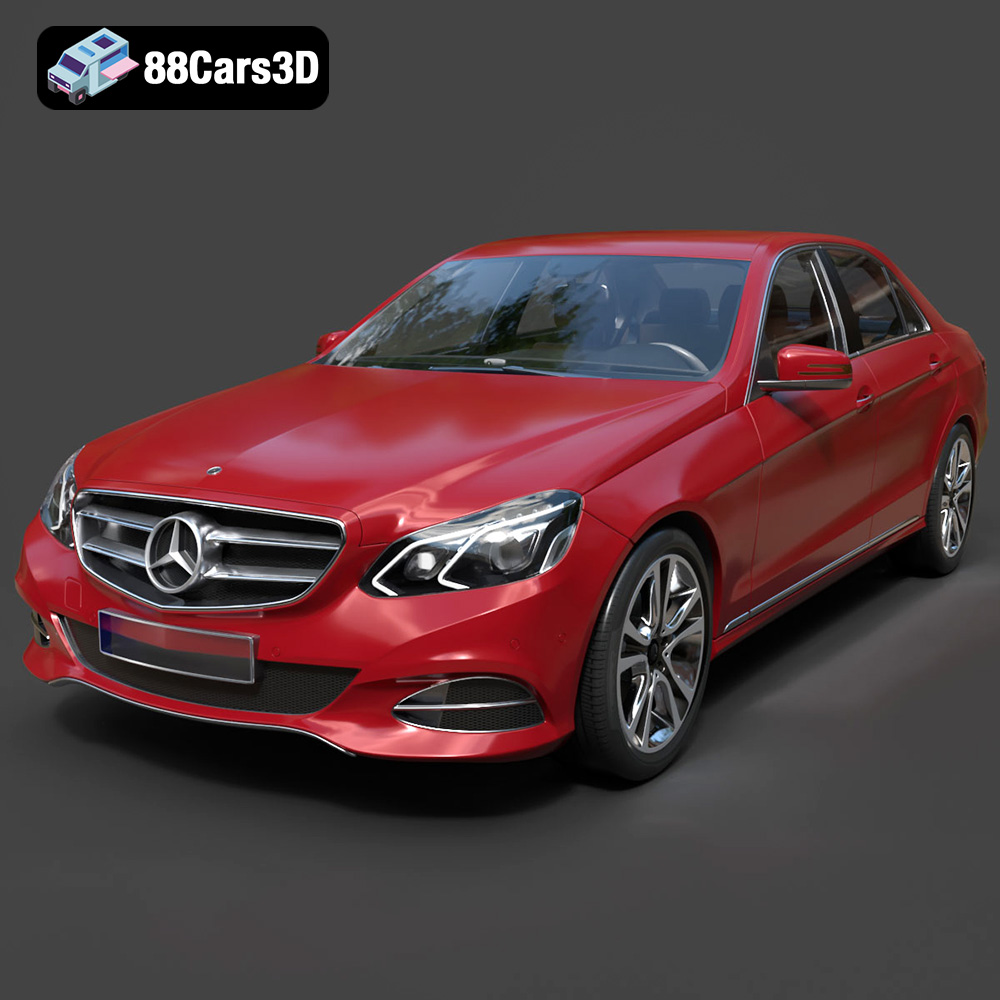
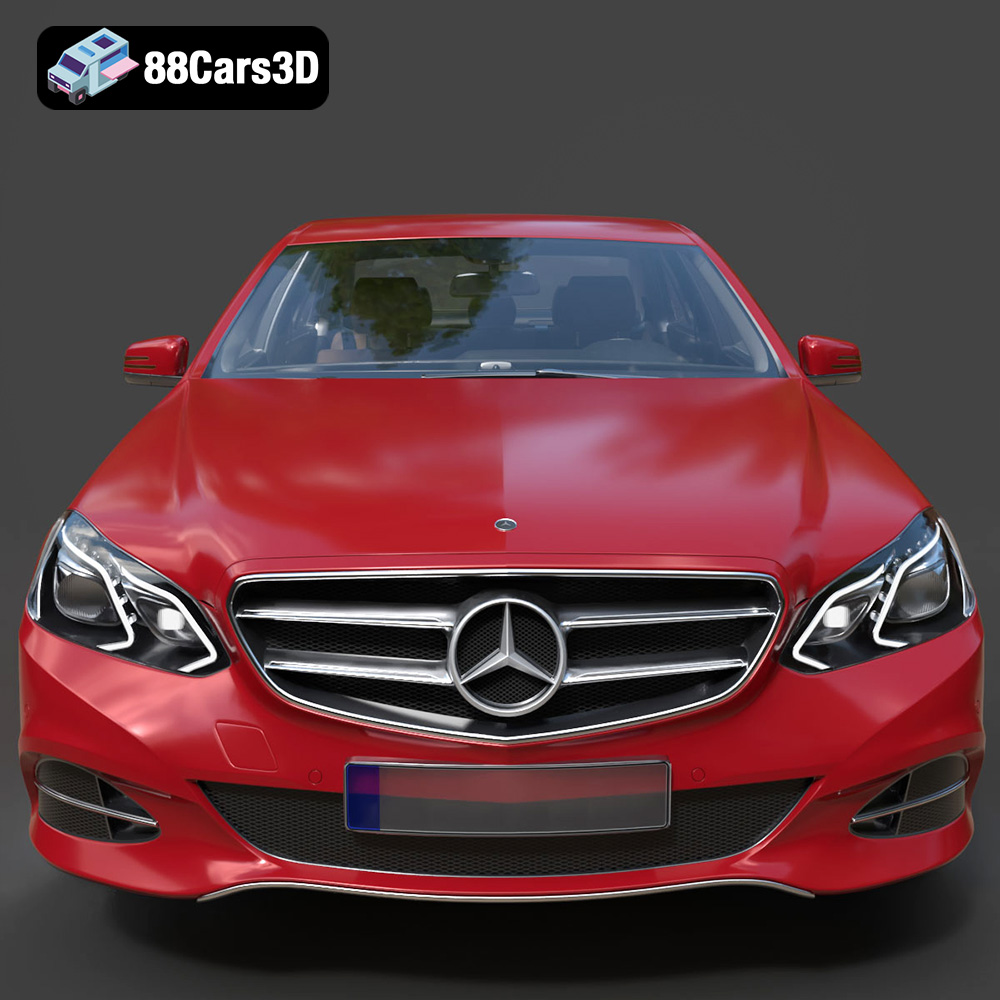
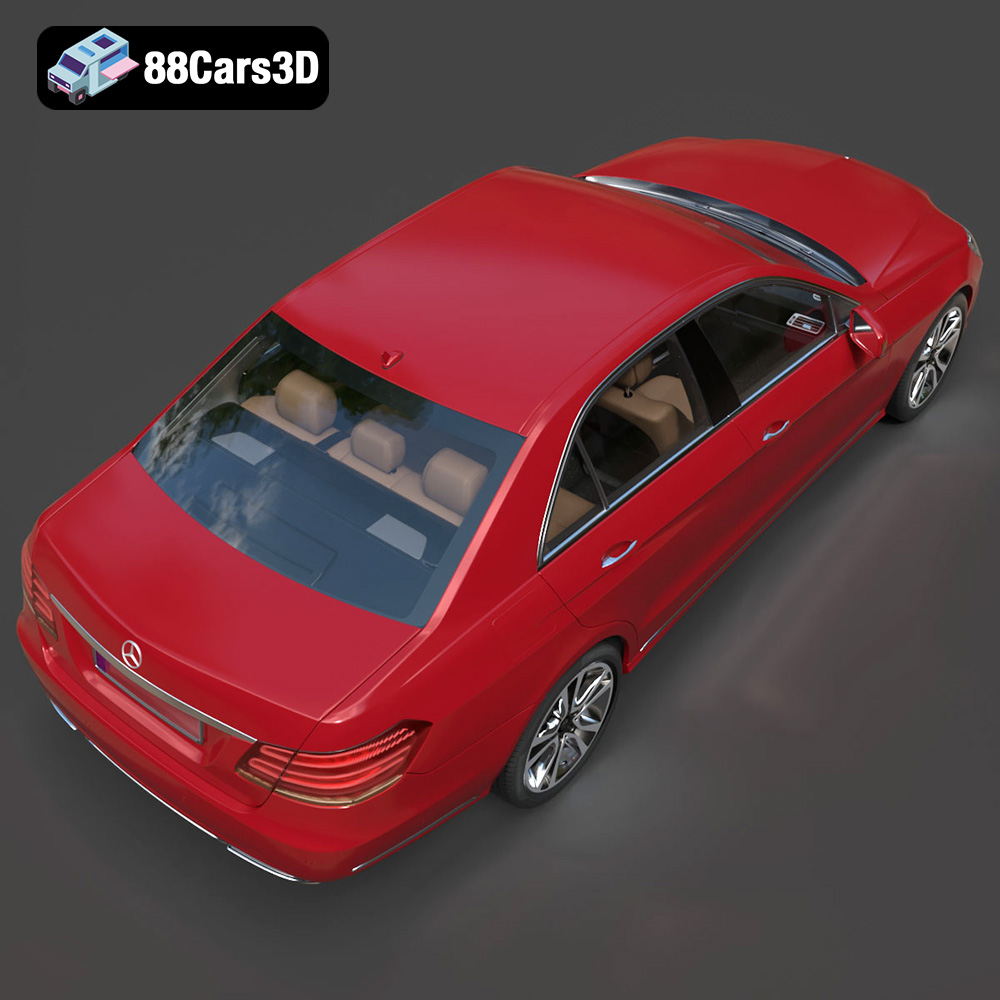
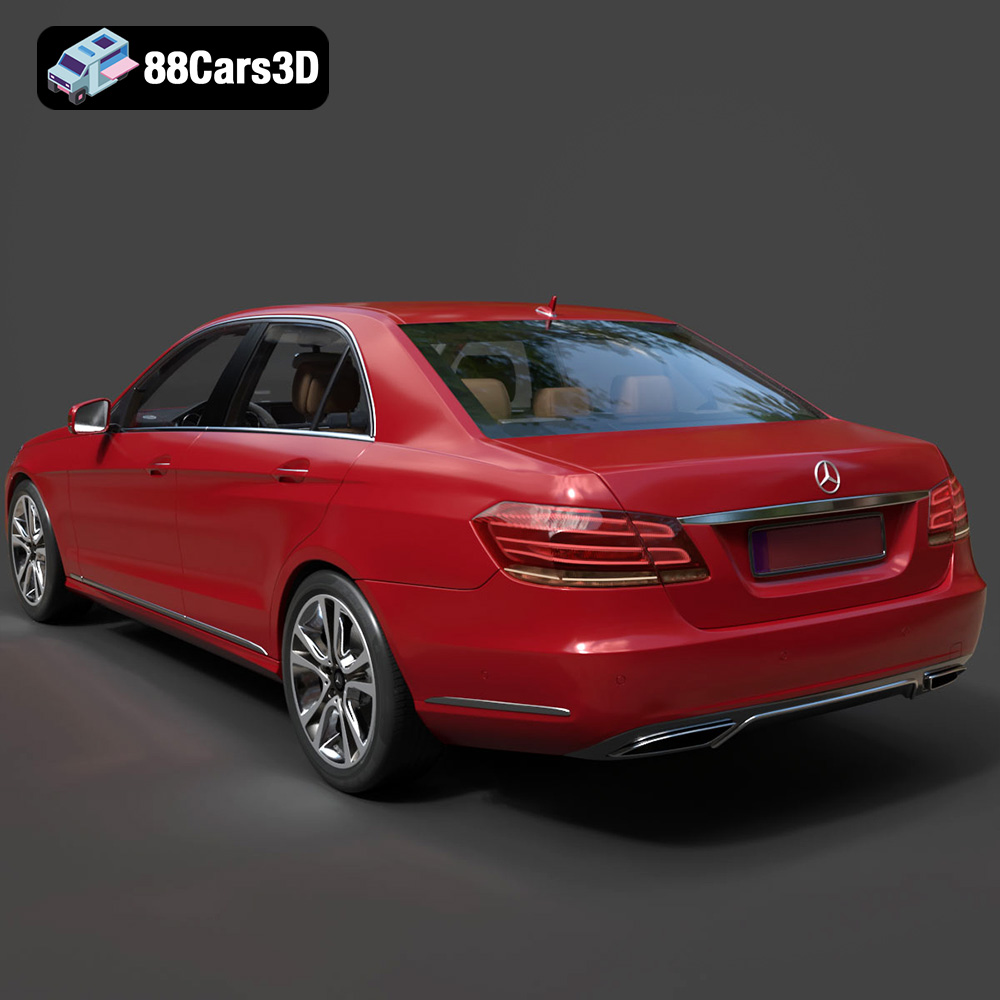
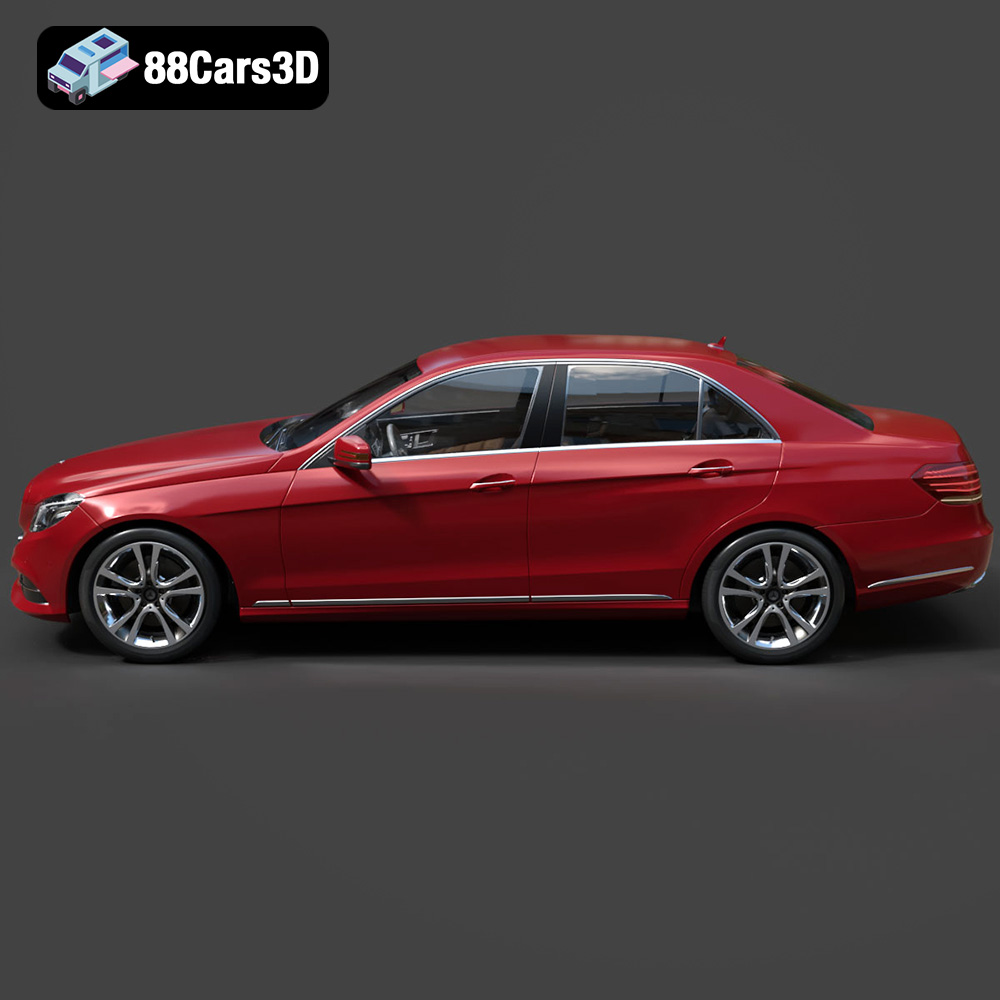
The Mercedes-Benz E14-08 is renowned for its distinctive aerodynamic profile and commanding road presence. Translating these qualities into a 3D model requires an acute understanding of automotive design principles. The model’s accurate frame geometry and aerodynamic proportions are critical for both visual authenticity and for potential simulation applications. Every curve, every panel gap, and the signature Mercedes-Benz front grille must be replicated with exacting precision to maintain the vehicle’s luxurious heritage. This level of detail extends to the powerful engine block and the meticulously crafted exhaust system, showcasing the blend of elegance and robust power that defines the E14-08.
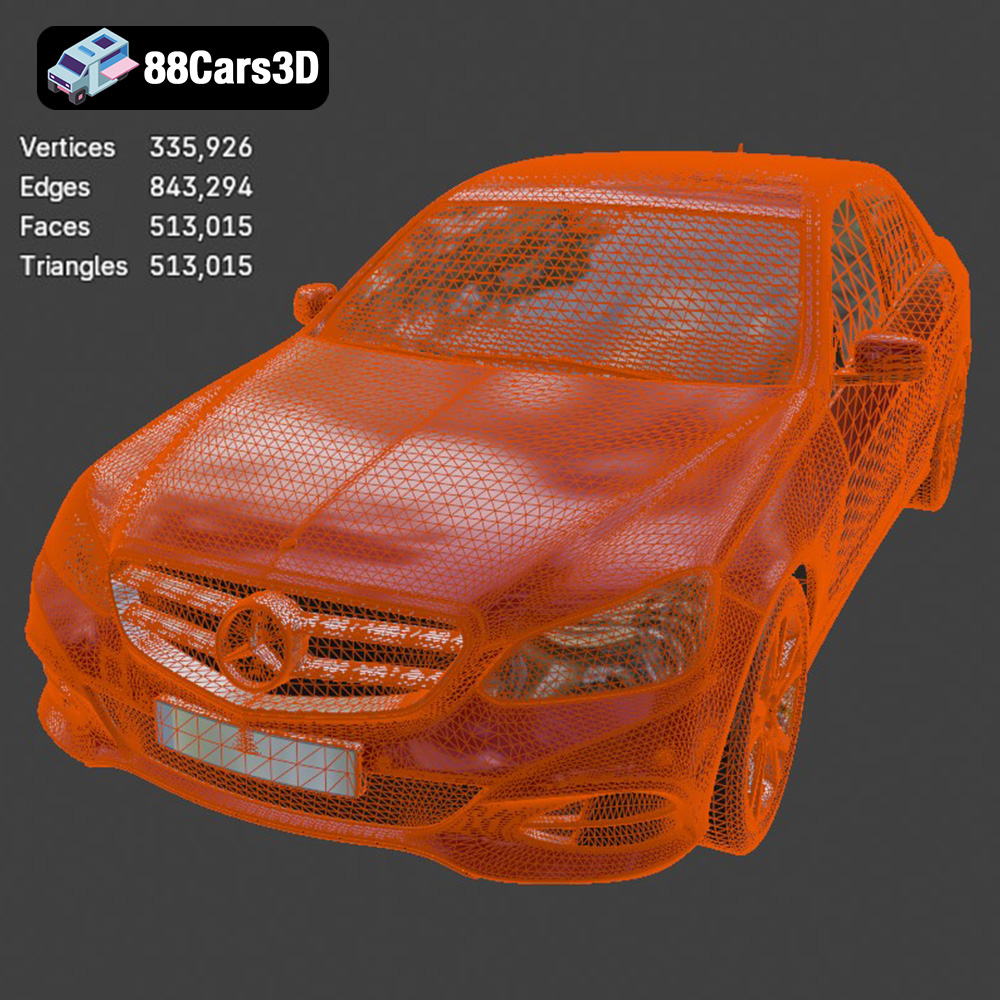
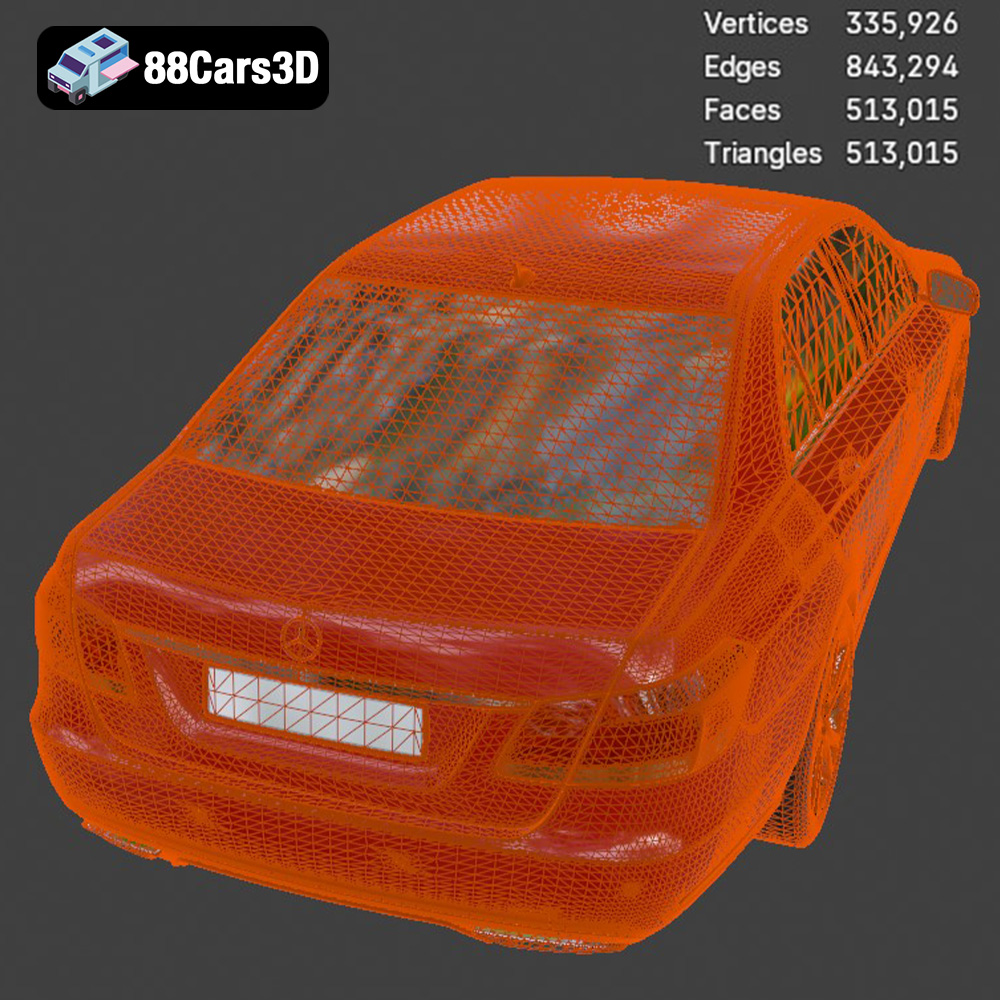
The stated 513,015 triangles for the Mercedes-Benz E14-08 model represent a crucial balance. This polycount is high enough to deliver extraordinary visual fidelity, capturing intricate details like sophisticated LED headlights, signature taillights, and high-resolution wheel and tire designs with authentic alloy rim designs. At the same time, it is carefully optimized to ensure it remains suitable for demanding real-time environments such as game engines (Unreal, Unity) and AR/VR applications. This optimization isn’t just about reducing polygons; it’s about intelligent topology, ensuring that meshes are clean, efficient, and deform correctly if animated. The meticulously crafted topology ensures realistic lighting and reflections, which are paramount for convincing automotive rendering.
A premium 3D asset should not only look good but also be designed for seamless integration into a wide array of professional workflows. The Mercedes-Benz E14-08 3D model excels in this regard, offering features that cater to the specific needs of various 3D software and real-time engines.
For artists working in industry-standard software like Autodesk 3ds Max or Blender, the included `.max` and `.blend` files are invaluable. These native formats provide full access to the model’s original scene data, allowing for extensive customization. Artists can easily modify materials, set up complex lighting scenarios, and integrate the car into larger scenes. The model’s separate wheels, suspension, and steering components, along with proper pivot setups for steering, wheel rotation, and suspension travel, are critical for realistic animation. This allows animators to create dynamic cinematic sequences, simulate realistic driving physics, or produce highly engaging product visualizations with ease. Whether you’re crafting a high-octane racing scene or a serene luxury lifestyle visualization, the foundational setup of this model streamlines the animation process.
The “Game-Ready & Optimized” nature of the Mercedes-Benz E14-08, with its 513,015 triangles, makes it a perfect fit for real-time engines like Unreal Engine and Unity. The `.fbx` and the specialized `.unreal` formats are tailored for these environments. In Unreal Engine, for example, the asset can be directly imported, often with pre-configured material slots and a clean hierarchy. Developers can quickly create material instances, apply physically based rendering (PBR) textures, and integrate the model into a vehicle blueprint. The real-world scale accuracy and proper pivot setup are crucial for creating realistic driving mechanics, collision detection, and immersive AR/VR experiences. For urban racing games, virtual showrooms, or even sophisticated training simulations, the model’s optimization ensures high frame rates without sacrificing visual quality.
Beyond raw integration, the model offers significant customization options. Artists can easily change body colors to match factory specifications or create custom finishes (matte, gloss, metallic). Modifying tire textures for different environments (off-road vs. street variants) is straightforward, enhancing the model’s versatility. Adjusting lighting for different environments is also a standard practice, allowing the E14-08 to shine in diverse scenes, from a sunny cityscape to a moody night render. This adaptability ensures the model remains relevant across multiple projects and aesthetic requirements.
The true measure of a versatile 3D asset lies in its ability to serve a multitude of applications across various industries. The Mercedes-Benz E14-08 3D model is a prime example of an asset engineered to excel in diverse professional contexts.
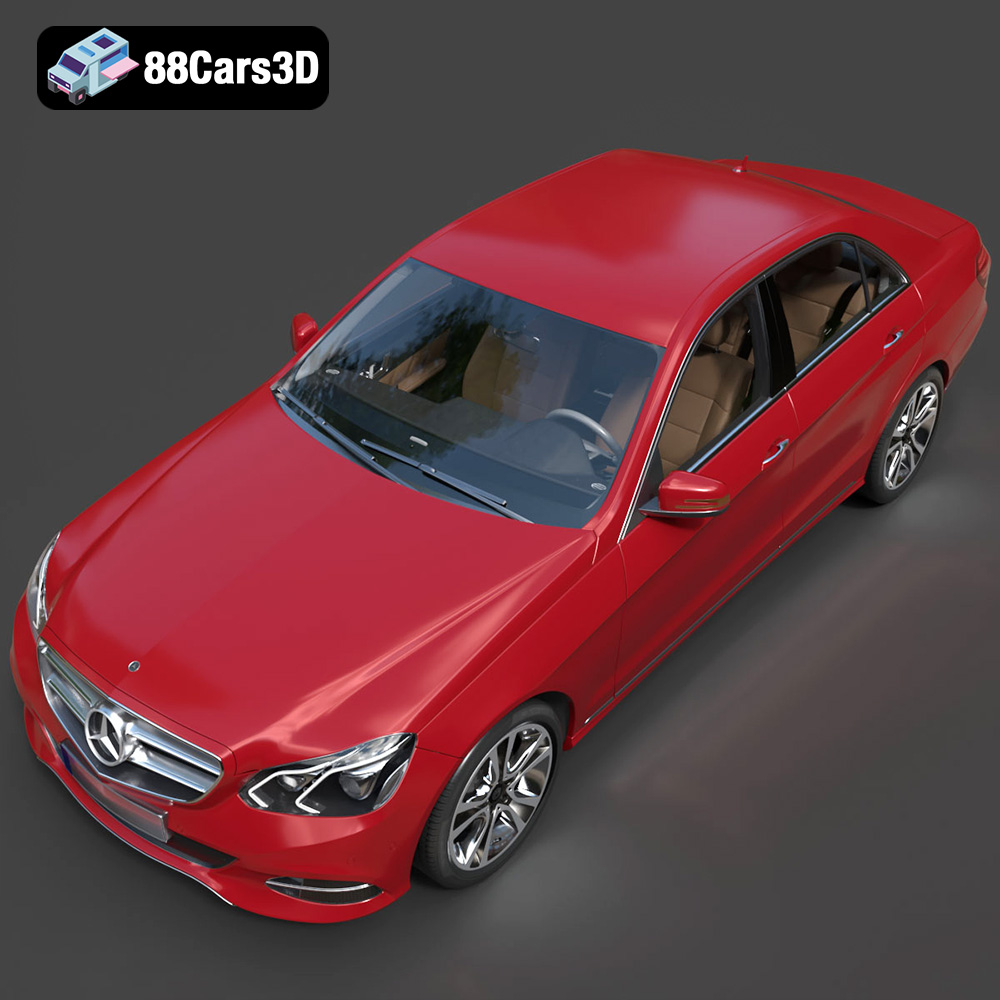
For game developers, the balance between visual realism and performance is a constant tightrope walk. The Mercedes-Benz E14-08, with its optimized 513,015 triangles, strikes this balance perfectly. Its game-ready topology and efficient mesh allow for smooth integration into open-world games, racing titles, and vehicle simulators. The accurate geometry, detailed exterior features (like intricate lighting and wheel designs), and interior elements (premium leather-textured seating, high-tech instrument cluster) contribute to a highly immersive player experience. The included `.fbx` and `.unreal` formats streamline the import process, ensuring that critical components like separate wheels, suspension, and steering are ready for animation and physics integration within game engines.
The burgeoning fields of Augmented Reality (AR) and Virtual Reality (VR) demand highly optimized yet detailed models for immersive experiences. The Mercedes-Benz E14-08 is perfectly suited for virtual showrooms, interactive configurators, and mobile AR applications. Its `.glb` format is specifically designed for efficient web and mobile deployment, ensuring quick loading times and smooth interaction. Imagine a customer exploring the E14-08’s meticulously crafted cabin in VR, or configuring its color and wheel options in an AR app overlaid onto their driveway. The model’s optimized geometry for first-person POV in gaming and virtual reality ensures a compelling, true-to-life presence.
For advertising agencies, automotive design studios, and visualization artists, the Mercedes-Benz E14-08 offers exceptional fidelity for high-end rendering. Its detailed exterior and interior features, coupled with meticulously crafted topology that ensures realistic lighting and reflections, make it an ideal choice for brand campaigns, luxury lifestyle scenes, and studio lighting setups. The `.max` and `.blend` files provide maximum flexibility for artists to fine-tune every aspect, from shader properties to global illumination, to produce stunning, photorealistic images and cinematic sequences that captivate audiences and elevate brand presence. The model provides a ready-made foundation for creating aspirational visuals that would otherwise require hundreds of hours of dedicated modeling.
Beyond digital screens, the Mercedes-Benz E14-08 can even transcend into the physical realm through 3D printing. The inclusion of the `.stl` format, along with specific print settings recommendations, caters to hobbyists and professionals looking to create tangible replicas. Whether for display-scale models (1:12, 1:18, 1:24) or for design review prototypes, the model’s clean mesh and structural consideration ensure a successful print. Recommendations for layer height, wall thickness, infill, and support placement, particularly for resin printing, highlight the thought put into its physical manifestation. This dual digital-to-physical capability adds another layer of versatility to this already robust 3D asset.
The journey from a complex CAD model to a performant 3D asset fit for real-time rendering is paved with careful optimization. The Mercedes-Benz E14-08 3D Model exemplifies best practices in this area, offering a product that delivers both visual splendor and technical efficiency.
As previously mentioned, the 513,015 triangle count is a sweet spot. For context, while some highly detailed offline rendering models might push into millions or even tens of millions of polygons, these are generally unsuitable for interactive experiences. Conversely, extremely low-poly models sacrifice realism. The E14-08’s polycount is carefully chosen to retain the intricate details of a luxury vehicle – the subtle curves, the detailed engine block, the precision-modeled exhaust system, and the sophisticated interior – while remaining well within the budget for smooth performance in modern game engines and AR/VR applications running on various hardware. This means faster loading times, higher frame rates, and a more responsive user experience without compromising on the visual appeal that defines the Mercedes-Benz brand.
Beyond raw polycount, the “game-ready” designation implies several structural advantages:
These technical specifications are not just bullet points; they are the foundation upon which complex and immersive interactive experiences are built. They signify a model that is ready for production, reducing development time and effort significantly.
In the rapidly evolving landscape of 3D visualization, the demand for high-quality, versatile, and technically optimized assets continues to grow. From captivating cinematic renders to immersive real-time experiences, the foundational quality of a 3D model dictates the success and impact of a project. The **Mercedes-Benz E14-08 3D Model** stands as a testament to this principle, offering an exceptional blend of visual fidelity, technical robustness, and expansive compatibility.
This model not only captures the luxurious heritage and cutting-edge performance of a distinguished Mercedes-Benz vehicle with extraordinary detail – from its aerodynamic profile to its meticulously crafted engine block and interior – but it also delivers unparalleled utility. Its impressive 513,015 triangles are expertly optimized for both stunning high-end rendering and seamless integration into performance-critical real-time environments like Unreal Engine and Unity. With a comprehensive suite of file formats including `.blend`, `.fbx`, `.obj`, `.glb`, `.stl`, `.ply`, `.unreal`, and `.max`, artists and developers are equipped with the tools to implement this asset across virtually any professional workflow.
Whether you’re a game developer crafting the next urban racing sensation, an AR/VR innovator building immersive virtual showrooms, a visualization artist producing breathtaking marketing campaigns, or a hobbyist bringing a luxury car to life through 3D printing, the Mercedes-Benz E14-08 provides the technical backbone and visual excellence you need. It embodies the core values of efficiency, quality, and versatility that modern 3D projects demand. For those seeking to elevate their automotive visualizations and ensure their projects are built on the highest quality foundations, exploring offerings like this on 88cars3d.com is a clear path to success.
The Mercedes-Benz E14-08 represents the pinnacle of automotive engineering, combining luxurious heritage with cutting-edge performance. Known for its distinctive aerodynamic profile and commanding road presence, this vehicle features the signature Mercedes-Benz front grille, elegantly sculpted body lines, and an advanced exhaust system. Its powerful engine block and meticulously crafted styling cues highlight a perfect balance of elegance and robust power, making it a standout model in the luxury automotive segment.
This premium 3D model boasts an impressive 513,015 triangles, offering extraordinary visual fidelity while maintaining structural optimization. Designed for seamless integration, it provides an exceptional level of detail suitable for high-end rendering and real-time environments. The meticulously crafted topology ensures realistic lighting and reflections, making it highly versatile for game development, AR/VR applications, architectural visualization, and professional animation.
Perfect for urban racing games, luxury lifestyle visualizations, virtual showrooms, and high-fidelity automotive cinematic sequences.
.blend, .fbx, .obj, .glb, .stl, .ply, .unreal, .max
Tags:
mercedes-benz, e14-08, luxury-car, game-ready, low-poly, optimized, car-3d-model, game-asset, rendering, vr-ar, blend, fbx, obj, glb, stl, ply, unreal, max
$41.50
.blend
.fbx
.glb
.max
.obj
.ply
.rendering
.stl
.unreal
car-3d-model
e14-08
game asset
game-ready
low-poly
luxury car
mercedes-benz
optimized
VR/AR