Get 20% OFF All Premium 3D & STL Models!

In the expansive and meticulously detailed world of 3D design, the ability to replicate real-world objects with uncanny accuracy is paramount. From blockbuster visual effects to immersive game environments and precise product visualizations, the demand for high-fidelity assets continues to grow. Few objects command attention quite like a luxury automobile, and among them, the Rolls Royce stands as an undisputed icon of opulence and engineering prowess. Capturing its essence in the digital realm requires a blend of artistic skill and technical precision.
This pursuit of digital perfection is perfectly exemplified by the Rolls Royce 2013 3D Model, a stunning asset designed to meet the rigorous demands of professional 3D artists, game developers, architectural visualizers, and VR/AR content creators. Far more than just a static mesh, this model offers a comprehensive package engineered for performance, versatility, and breathtaking visual fidelity across a multitude of platforms and applications. Whether you’re crafting a cinematic render, building a high-octane racing game, or designing a virtual showroom, the availability of such a meticulously crafted 3D car model from platforms like 88cars3d.com provides an invaluable head start.
The journey of any 3D model across different software, engines, and applications is facilitated by its file format. Each format serves a specific purpose, excelling in certain scenarios while perhaps being less suitable for others. Understanding these distinctions is crucial for anyone working with 3D assets, ensuring smooth workflows and optimal performance. The Rolls Royce 2013 3D Model offers an impressive array of formats, each tailored for a different professional need.
The `.blend` file format is the native format for Blender, a powerful and popular open-source 3D creation suite. When you download the Rolls Royce 2013 model in `.blend` format, you’re getting a fully editable Blender scene. This includes not just the mesh geometry, but also materials, textures, lighting setups, cameras, animation data (if present), modifiers, and even scene properties. For Blender users, this is the most flexible format, allowing for complete control and modification without any data loss or conversion artifacts. It’s ideal for those who want to integrate the model seamlessly into their existing Blender projects, make extensive customisations, or leverage Blender’s Cycles or Eevee rendering capabilities.
As Autodesk’s proprietary format, `.fbx` has become an industry standard for exchanging 3D data between various software applications and real-time engines. Its strength lies in its ability to store a wide range of data, including geometry, materials, textures, animations, bones, and even camera and light information. For the Rolls Royce 2013, the `.fbx` version is particularly ideal for importing into game engines like Unreal Engine and Unity, or other 3D software such as Maya, 3ds Max, Cinema 4D, and Substance Painter. Its robust support for animation makes it perfect for incorporating animated elements like opening doors, rotating wheels, or dynamic suspension into your scenes. When integrating a game asset into a real-time pipeline, `.fbx` is often the first choice due to its balance of feature support and broad compatibility.
The Wavefront `.obj` format is one of the most widely supported and simplest 3D file formats. It primarily stores geometric data – vertices, faces, normals, and UV coordinates – and references external material files (typically `.mtl` files). While it doesn’t support animation or complex scene data, its universal compatibility makes it an excellent choice for cross-software transfers where only the core mesh is needed. If you’re bringing the Rolls Royce 2013 into a niche renderer, a CAD package, or an older 3D application, `.obj` is often the safest bet to ensure the geometry transfers cleanly. It’s a workhorse for pure mesh exchange.
`.glb` (GL Transmission Format Binary) is a relatively newer format, rapidly gaining traction as the standard for 3D web content, augmented reality (AR), and virtual reality (VR) applications. It’s a binary version of `.gltf` and combines all necessary data – geometry, materials, textures, and animation – into a single, self-contained file. This makes it incredibly efficient for streaming and loading on the web or mobile devices. For the Rolls Royce 2013, the `.glb` format is perfect for creating interactive 3D viewers on websites, embedding in AR experiences (like those found on social media or mobile apps), or deploying in VR showrooms where quick loading and optimized performance are crucial. Its compact nature and modern PBR material support make it a forward-looking choice.
Stereolithography, or `.stl`, is the de facto standard file format for 3D printing. It represents a 3D model as a series of connected triangles (a triangular mesh) without any color, texture, or material information. For designers and hobbyists looking to bring the Rolls Royce 2013 from the digital screen into the physical world, the `.stl` format is essential. It’s the language that 3D printers understand, defining the surface geometry of the object. While it loses all visual data, it accurately preserves the physical form, allowing for the precise creation of scaled models or prototypes.
The Polygon File Format, or `.ply`, is a versatile format often used for storing 3D data from 3D scanners, CAD software, and scientific applications. It can store various properties beyond just geometry, such as color, transparency, and even normal vectors for each vertex or face. While not as universally used as `.obj` or `.fbx` for general 3D art, its ability to store more granular data makes it valuable for applications requiring higher precision or analysis, such as reverse engineering, measurement, or specific CAD integrations of the Rolls Royce 2013 model.
This specific `.unreal` format implies a version of the asset that has been prepared or exported directly for Unreal Engine, often containing pre-configured materials, LODs (Levels of Detail), and collision meshes. While not a native Unreal Engine asset format like `.uasset`, it indicates a streamlined asset pipeline, likely an `.fbx` or similar pre-processed for optimal performance within Unreal. It significantly reduces setup time for game developers and real-time artists, ensuring the Rolls Royce 2013 is optimized for rendering, physics, and gameplay within the engine’s environment. This saves considerable time and technical effort compared to a raw `.fbx` import.
The `.max` file is the proprietary native file format for Autodesk 3ds Max, a leading software for 3D modeling, animation, and rendering in architectural visualization, product design, and game development. Similar to `.blend` for Blender, a `.max` file contains the complete scene data, including all geometry, materials, textures, lights, cameras, animations, and render settings specific to 3ds Max. For professionals working within the 3ds Max ecosystem, this format provides the highest level of control and editability over the Rolls Royce 2013 model, allowing for deep customization and seamless integration into existing 3ds Max projects for high-end automotive rendering.
The Rolls Royce 2013 3D model is a masterclass in digital craftsmanship, meticulously engineered to reflect the real-world elegance and imposing presence of its physical counterpart. This isn’t just a basic shell; it’s a deeply detailed asset, optimized for performance without sacrificing visual authenticity. It’s a testament to the fact that high-quality 3D car models are essential for conveying realism in any digital medium.
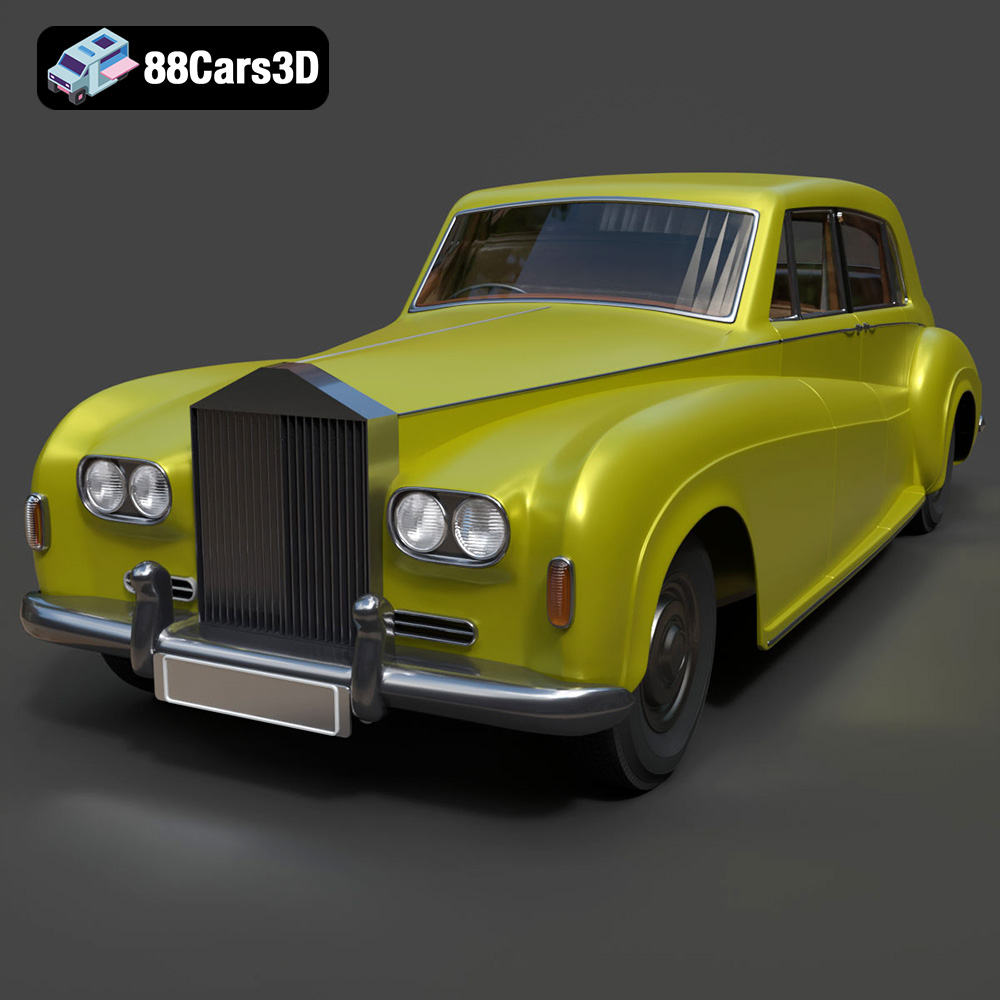
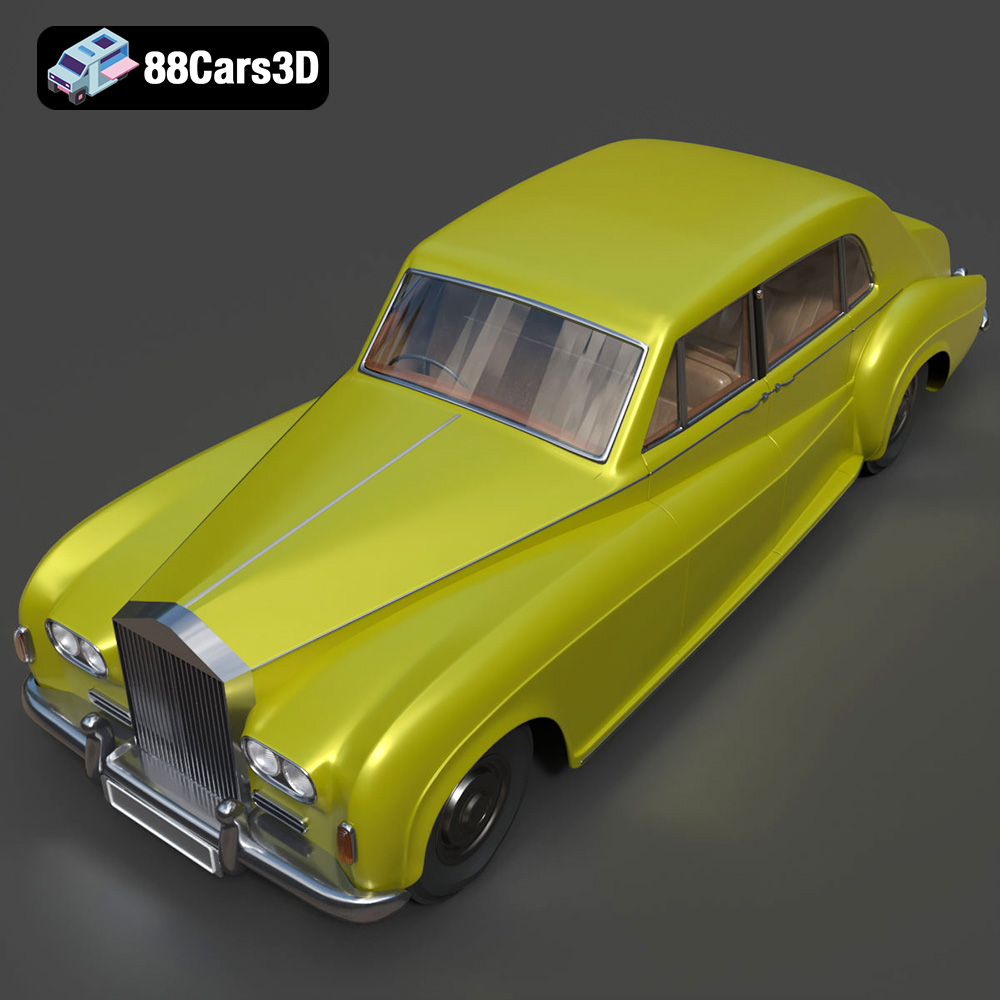
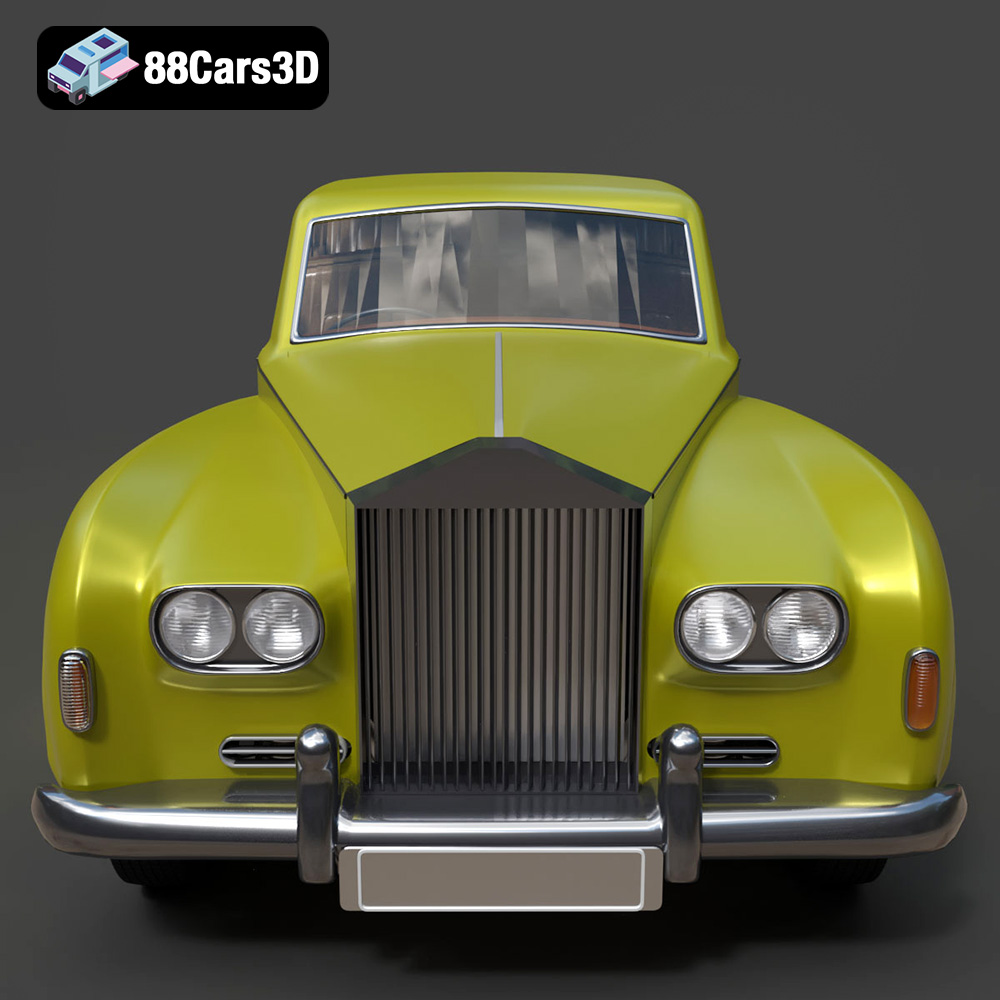
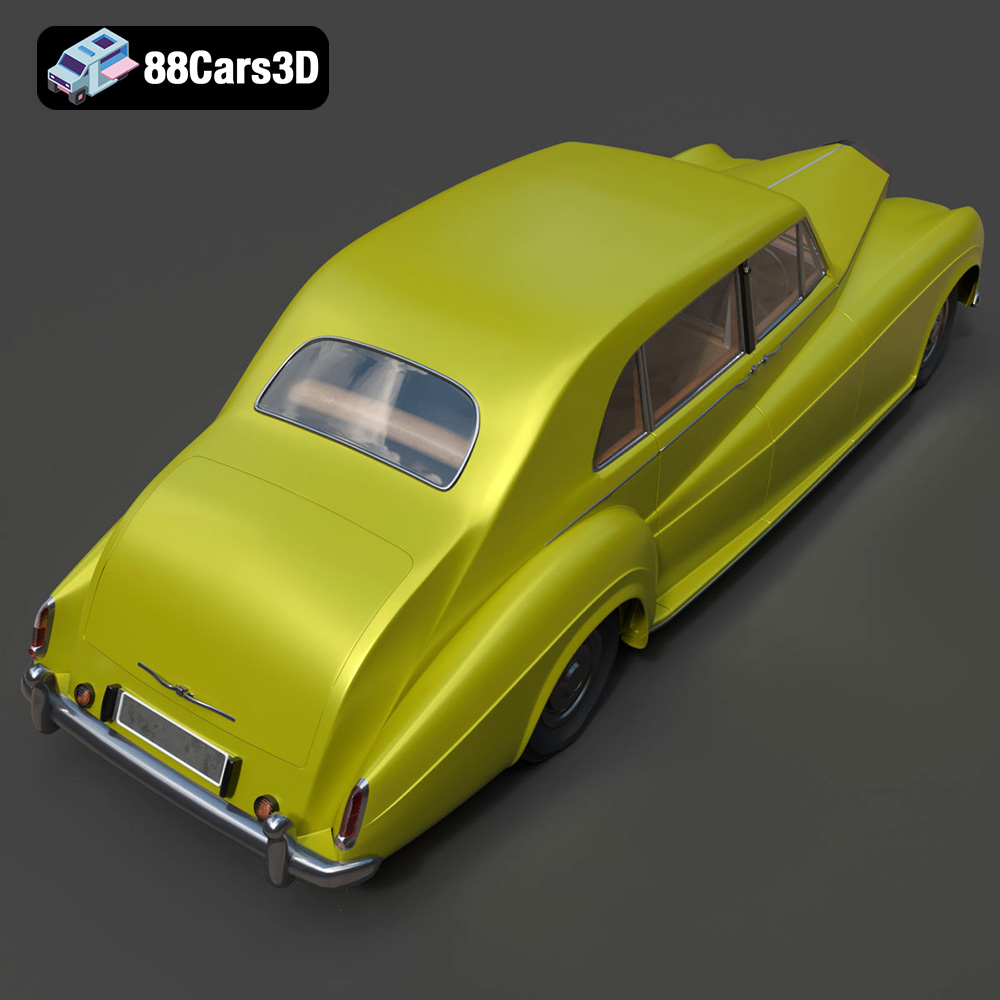
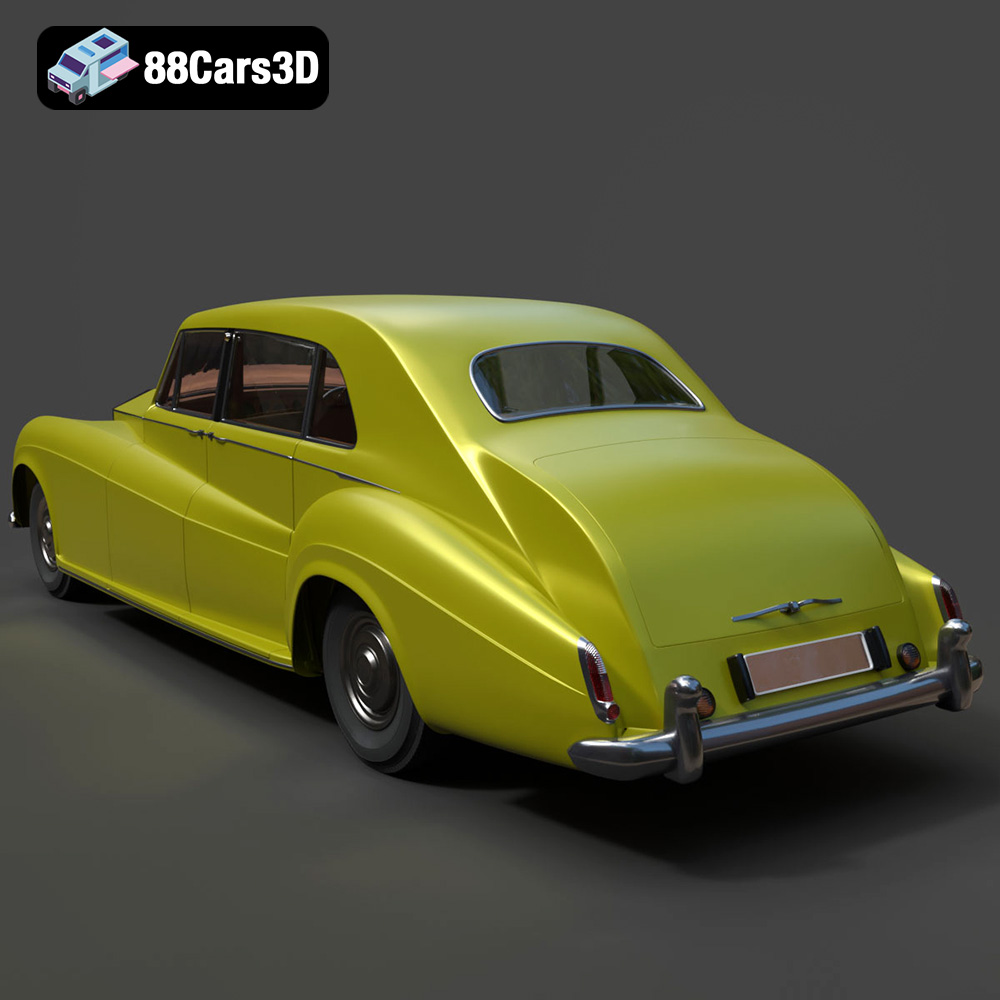
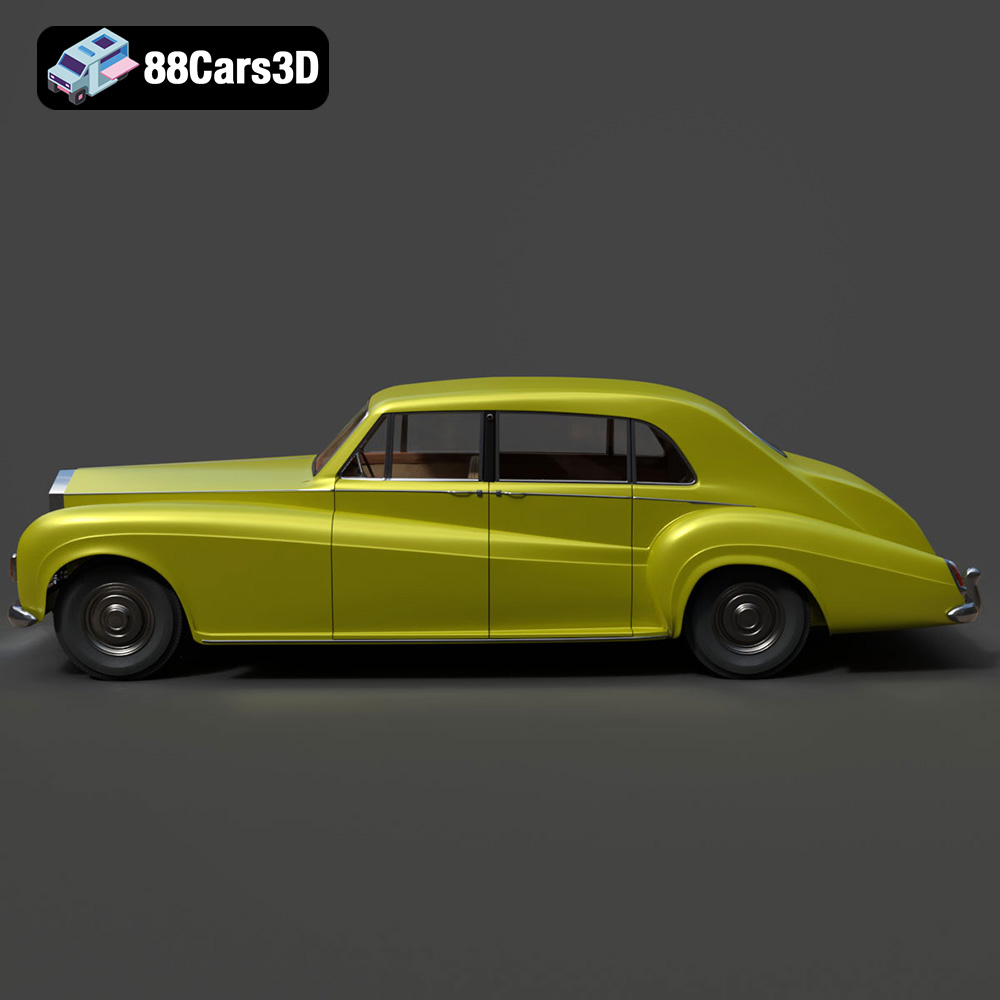
Every curve and contour of the Rolls Royce 2013’s iconic design has been faithfully recreated. The model boasts accurate frame geometry and proportions, ensuring that its digital silhouette is instantly recognizable. Key features like the majestic Pantheon grille, the elegant Spirit of Ecstasy hood ornament, and the exquisite sweeping lines are rendered with meticulous care. Under the hood, a detailed engine block representing the signature V12 powerplant is visible, complemented by a refined dual exhaust system seamlessly integrated into the rear bumper. Precision-modeled premium LED headlights and signature taillights add to the realism, complete with realistic light-refracting surfaces. The attention to detail extends to the elegant multi-spoke alloy wheels, which even include the weighted self-righting center caps—a hallmark of Rolls Royce luxury. Crucially, the model incorporates adaptive air suspension details and features separate wheels, suspension components, and steering parts, all pre-rigged for animation. This modularity is a massive advantage for animators and game developers, allowing for realistic wheel rotation, independent suspension travel, and accurate steering dynamics, greatly enhancing the interactive possibilities.
The luxury experience of a Rolls Royce isn’t just about its exterior; the interior is where true opulence resides. This 3D model doesn’t disappoint, featuring a plush, bespoke leather seating configuration that accurately reflects the sumptuousness of the actual vehicle. The elegant wood veneer dashboard and classic steering wheel details are rendered with a high level of fidelity, bringing a sense of warmth and sophistication to the digital cabin. A detailed classic analog instrument cluster, complete with the signature power reserve dial, adds to the authenticity. Furthermore, precision-machined control details, including pedals, levers, and the column shifter, are all present. For game development, a significant advantage is the optimized geometry for first-person POV (Point of View), ensuring that players or users experiencing the car from the driver’s seat encounter a seamless and visually rich environment without unnecessary performance overhead.
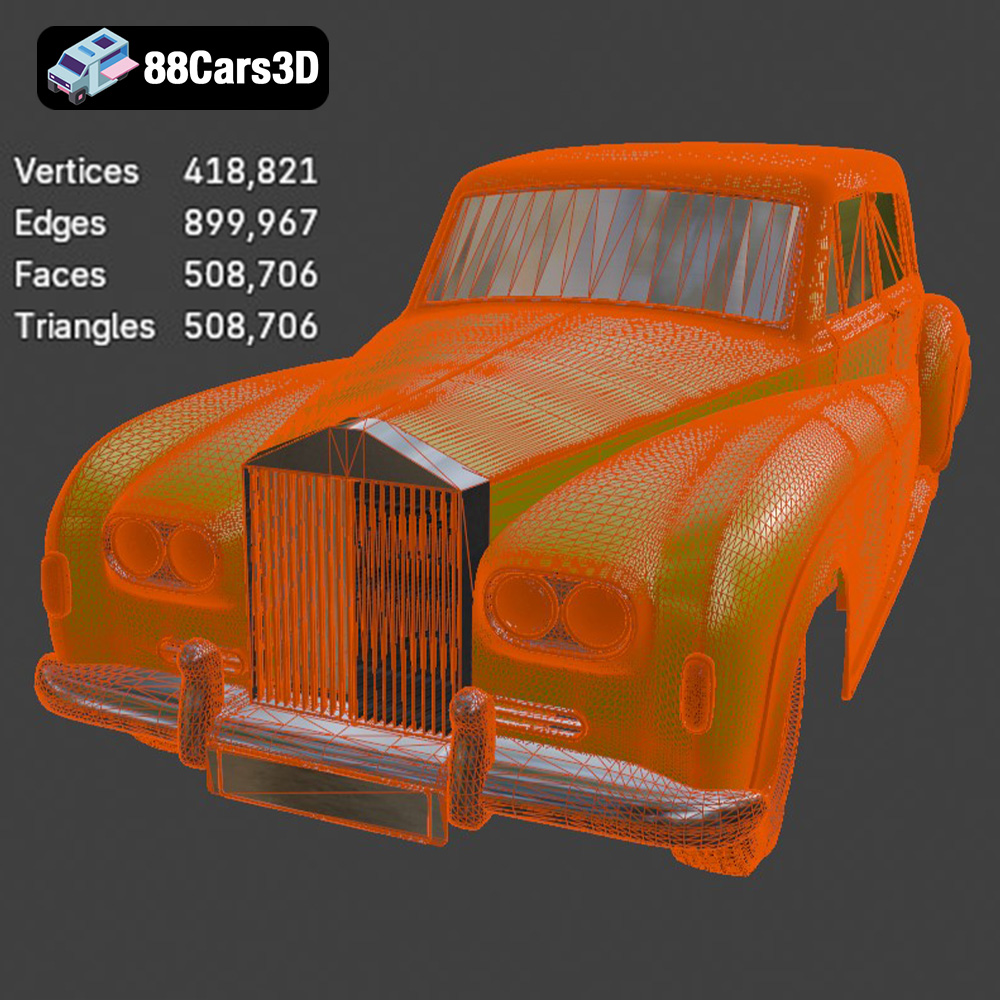
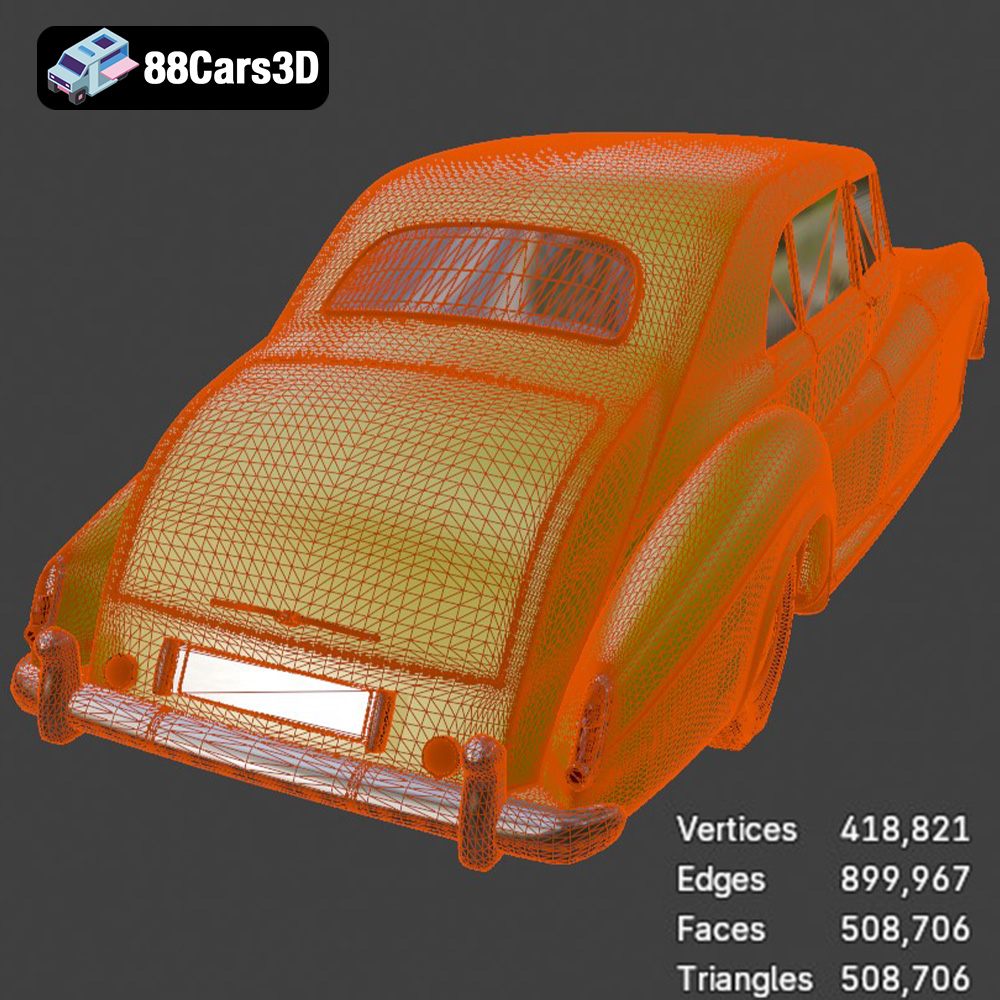
At the core of this model’s versatility are its robust technical specifications. With 508,706 triangles, the model strikes an excellent balance between high-end visual realism and game-ready optimization. This polycount is sufficiently detailed to hold up in close-up renders and cinematics, yet efficient enough to be integrated into real-time engines like Unreal and Unity without excessively taxing system resources. The model is built to real-world scale accuracy, based on actual vehicle chassis dimensions, which is critical for realistic scene composition, physics simulations, and accurate integration into architectural visualizations. Perhaps most importantly for interactive applications, the model includes proper pivot setups for steering, wheel rotation, and suspension travel. This pre-configured rigging saves countless hours for animators and developers, making the car immediately ready for dynamic movement and interaction. Its compatibility with major 3D software platforms and real-time rendering engines is broad, further underscoring its utility as a professional-grade asset.
The Rolls Royce 2013 3D model’s robust design and extensive file format support unlock its potential across a wide spectrum of professional applications. Its optimized nature ensures it performs admirably whether it’s the centerpiece of a cinematic, a playable asset in a game, or an interactive element in a virtual environment.
For game developers, the Rolls Royce 2013 is an ideal asset. Its optimized polycount of 508,706 triangles hits the sweet spot for integration into modern game engines like Unreal Engine and Unity. This makes it perfect for open-world games where performance is critical, high-end racing titles demanding visual realism, or vehicle simulators requiring accurate physics and interaction. A typical workflow in Unreal Engine might involve importing the `.fbx` or the specific `.unreal` file. Upon import, developers would focus on setting up Physically Based Rendering (PBR) materials, leveraging Unreal’s sophisticated material editor to create realistic paint, chrome, glass, and leather shaders. Next, Level of Detail (LOD) meshes would be generated or imported to ensure efficient rendering at varying distances, crucial for open-world environments. Collision meshes would be configured to enable realistic interactions with the game world and other vehicles. Finally, the pre-set pivots for steering, wheel rotation, and suspension travel would be connected to game logic and animation blueprints, bringing the vehicle to life with dynamic physics and player controls. This model significantly accelerates the asset pipeline for creating high-quality, drivable vehicles for any real-time application.
The Rolls Royce 2013 3D model elevates architectural visualization and high-end product rendering to new levels of luxury. Its incredible detail makes it an excellent choice for brand campaigns, opulent lifestyle scenes, and sophisticated studio lighting setups. Imagine it parked in front of a meticulously rendered modern mansion, adding a touch of unparalleled elegance to a property visualization. For artists using Blender, importing the `.blend` file offers immediate access to a fully configured scene. Users can then leverage Blender’s Cycles or Eevee render engines, adjusting lighting scenarios, environmental HDRIs, and camera angles to achieve photorealistic results. In 3ds Max, importing the `.max` file or a high-fidelity `.fbx` allows artists to integrate the model seamlessly. Here, renderers like V-Ray or Corona can be utilized to craft stunning images with advanced global illumination, accurate reflections, and intricate material definitions, showcasing the car in a virtual showroom or a cinematic animation with breathtaking detail. The model’s realism makes it an indispensable asset for any project demanding premium automotive rendering.
The burgeoning fields of Augmented Reality (AR) and Virtual Reality (VR) thrive on high-quality, optimized 3D assets. The Rolls Royce 2013 3D model, especially in its `.glb` format, is perfectly suited for these immersive applications. Its optimized geometry means it can be loaded efficiently on mobile AR devices or within VR headsets, minimizing latency and maximizing visual quality. For virtual showrooms, this model can be integrated into interactive configurators, allowing potential buyers to explore every detail of the car’s exterior and interior, change colors, and even “sit” inside through a VR headset. Imagine an AR experience where the Rolls Royce appears on your driveway, allowing you to walk around it, admire its details, or even open the doors virtually, all thanks to a well-optimized and detailed 3D asset like this one from 88cars3d.com.
The versatility of the Rolls Royce 2013 3D model extends beyond digital displays into the tangible world of 3D printing. The inclusion of the `.stl` format makes it accessible for hobbyists and professionals alike who wish to create physical replicas of this luxurious vehicle.
Converting a high-detail digital model into a physical object requires careful consideration. The `.stl` format provides the geometric data necessary for 3D printers. The recommended scales of 1:12, 1:18, or 1:24 are excellent starting points for display-scale models, offering a good balance between size and detail retention. When preparing for print, layer height is crucial: 0.04–0.12 mm is recommended, especially for resin printing, which excels at capturing fine details like the grille mesh, LED light structures, and the Spirit of Ecstasy. Wall thickness should be adjusted to 1.2–2.0 mm to ensure structural integrity without making the model excessively heavy or using too much material. An infill of 20–30% provides a good balance between strength and material consumption.
To achieve the best results, thoughtful print orientation and support structures are essential. Detailed parts like the exhaust system, mirrors, and specific interior elements will require careful placement of supports to prevent drooping or warping during printing. The recommendation to print the frame angled enhances structural integrity, while printing wheels separately allows for greater detail and easier post-processing. Post-processing is where the model truly comes to life: sanding ensures smooth surfaces, primer prepares for paint adhesion, and applying authentic factory colors with metallic finishes can transform a raw print into a stunning, miniature replica of the Rolls Royce 2013. Resin printing is specifically highlighted for its ability to produce smoother surfaces and sharper details, making it the preferred method for high-fidelity physical models.
A truly valuable 3D asset offers not just fidelity but also flexibility. The Rolls Royce 2013 3D model provides extensive customization options, allowing artists to tailor its appearance to perfectly fit any creative vision or project requirement.
The ability to change body and tank colors is fundamental. Artists can experiment with the Rolls Royce’s classic factory colors, such as Arctic White or Midnight Sapphire, or delve into custom finishes, creating unique looks for specific campaigns or game aesthetics. Modifying tire textures offers another layer of customization, allowing the car to transition from a sleek street variant to a rugged, off-road interpretation if the project demands a stylistic shift. Adjusting material finishes—from a high-gloss metallic sheen to a sophisticated matte or even a satin finish—can dramatically alter the car’s perceived luxury and adapt it to different artistic styles or lighting conditions. This level of control ensures that the model is not a one-size-fits-all solution but a dynamic canvas for creativity.
Beyond surface properties, the model is designed to adapt seamlessly to diverse lighting environments. Whether it’s bathed in the warm glow of a sunset, starkly highlighted under studio lights, or reflecting the dynamic hues of an urban night scene, the model’s carefully crafted materials and textures react realistically. Artists can experiment with various HDRIs (High Dynamic Range Images) for global illumination, position virtual light sources to emphasize specific features, or integrate the car into complex environmental lighting setups. This adaptability allows the Rolls Royce 2013 to consistently deliver stunning visual results, regardless of the scene’s mood or setting, making it a versatile asset for automotive rendering.
The digital automotive landscape is vast, but the quality of available 3D assets varies dramatically. When professional outcomes are non-negotiable, sourcing high-quality, optimized 3D car models becomes critical. The Rolls Royce 2013 3D Model exemplifies the commitment to excellence found at 88cars3d.com. Every asset is designed with versatility, performance, and accuracy in mind, ensuring that artists, developers, and designers can hit the ground running without needing to spend countless hours on optimization or fixing flawed geometry. From detailed exteriors and interiors to game-ready optimizations and extensive file format support, 88cars3d.com provides the professional assets needed to elevate any project. Investing in premium 3D models like this Rolls Royce not only saves valuable production time but also ensures a consistently high standard of visual fidelity across all your creative endeavors.
The Rolls Royce 2013 3D Model stands as a prime example of a premium digital asset, meticulously crafted for a broad spectrum of professional applications. Its stunning visual fidelity, combined with thoughtful optimization and comprehensive file format support, makes it an indispensable tool for anyone involved in game development, automotive rendering, AR/VR experiences, or even high-detail 3D printing. From its intricate exterior details and luxurious interior to its animation-ready components and adaptability to various creative workflows, this model offers both beauty and functionality. By leveraging such high-quality 3D car models, professionals can achieve unparalleled realism and efficiency in their projects, transforming creative visions into tangible or interactive realities. Explore this and other exceptional 3D car models at 88cars3d.com to elevate your next project.
The majestic Rolls Royce 2013 represents the pinnacle of British automotive luxury, combining an imposing road presence with unparalleled elegance. Characterized by its iconic Pantheon grille, Spirit of Ecstasy hood ornament, and exquisite sweeping lines, this luxury vehicle boasts a massive V12 engine and a meticulously crafted dual-exhaust setup that hints at its refined power. This highly detailed 3D model features a meticulously optimized topology with 508,706 triangles, delivering incredible visual fidelity for real-time applications and rendering. Designed with game-ready optimization in mind, the geometry captures every nuanced curve of the vehicle’s opulent design, making it a perfect fit for game development, AR/VR, animation, and visualization.
$41.50
.blend
.fbx
.glb
.max
.obj
.ply
.rendering
.sedan
.stl
.unreal
car-3d-model
game asset
game-ready
luxury car
optimized
rolls-royce
rolls-royce-2013
VR/AR