Get 20% OFF All Premium 3D & STL Models!

In the vibrant world of digital creation, where imagination meets pixel-perfect execution, the demand for exceptionally detailed and versatile 3D assets is ever-growing. From the exhilarating virtual racetracks of modern video games to the immersive brand experiences of augmented reality, high-quality 3D car models form the bedrock of compelling visual narratives. They serve as essential building blocks for artists, developers, and designers seeking to inject realism, dynamism, and an undeniable sense of presence into their projects. Finding models that balance aesthetic fidelity with technical optimization can be a significant challenge, yet it is crucial for professional-grade output.
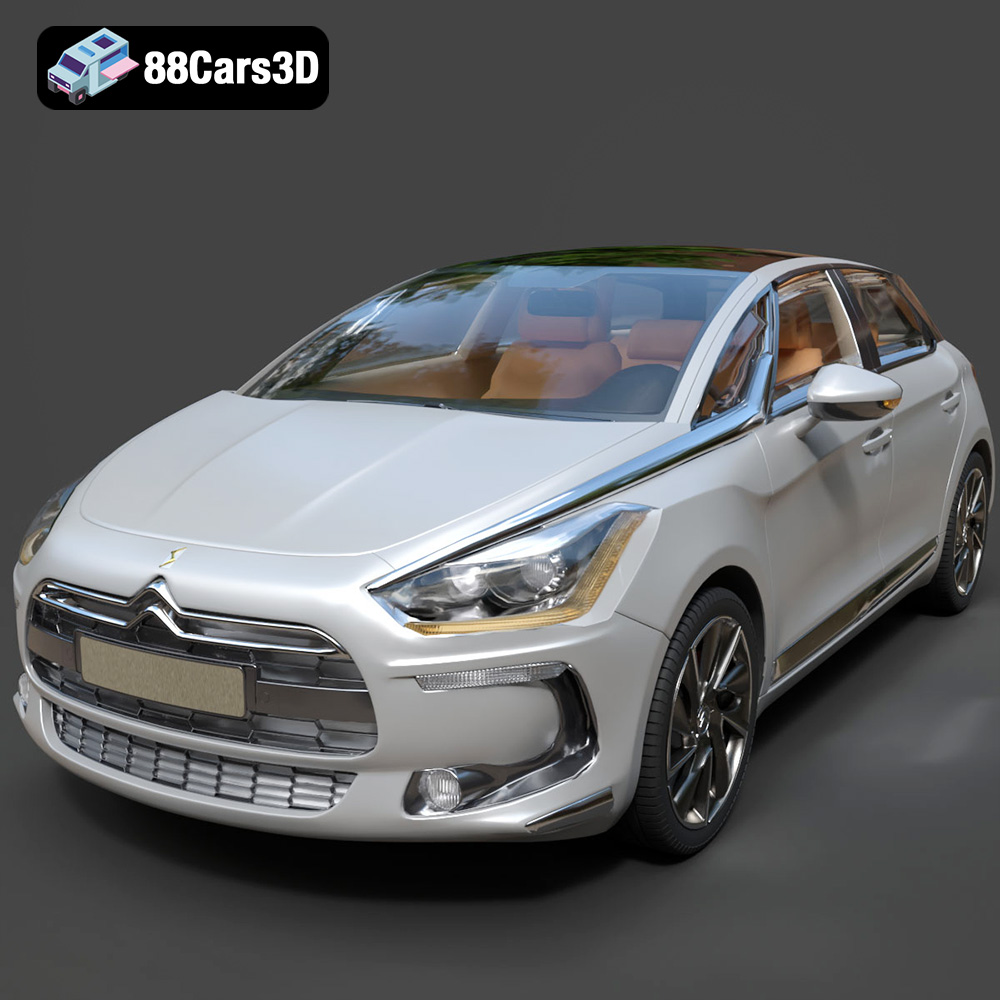
Today, we’re exploring the intricacies of what makes a premium automotive 3D asset truly stand out, using a remarkable example that embodies sophistication and technical prowess: the Citroen DS5 3D Model. This particular model, available on 88cars3d.com, encapsulates the avant-garde French automotive design with meticulous precision, making it an invaluable addition to any digital arsenal.
The digital automotive industry thrives on precision and visual appeal. Whether it’s for a cinematic advertisement, a new racing simulator, or an interactive configurator, the quality of a 3D car model directly impacts the user’s perception and the overall success of a project. Generic or poorly optimized models can lead to a host of problems, from distracting visual glitches to performance bottlenecks that hinder real-time applications.
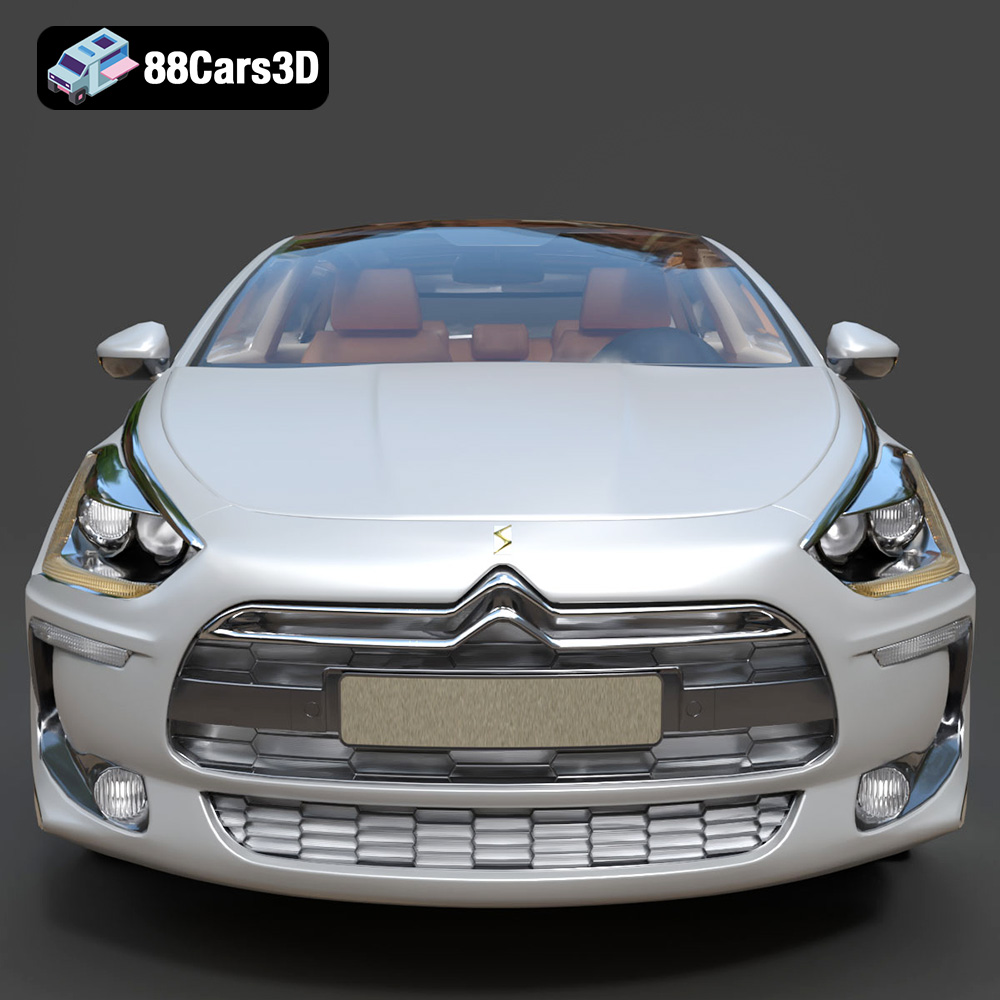
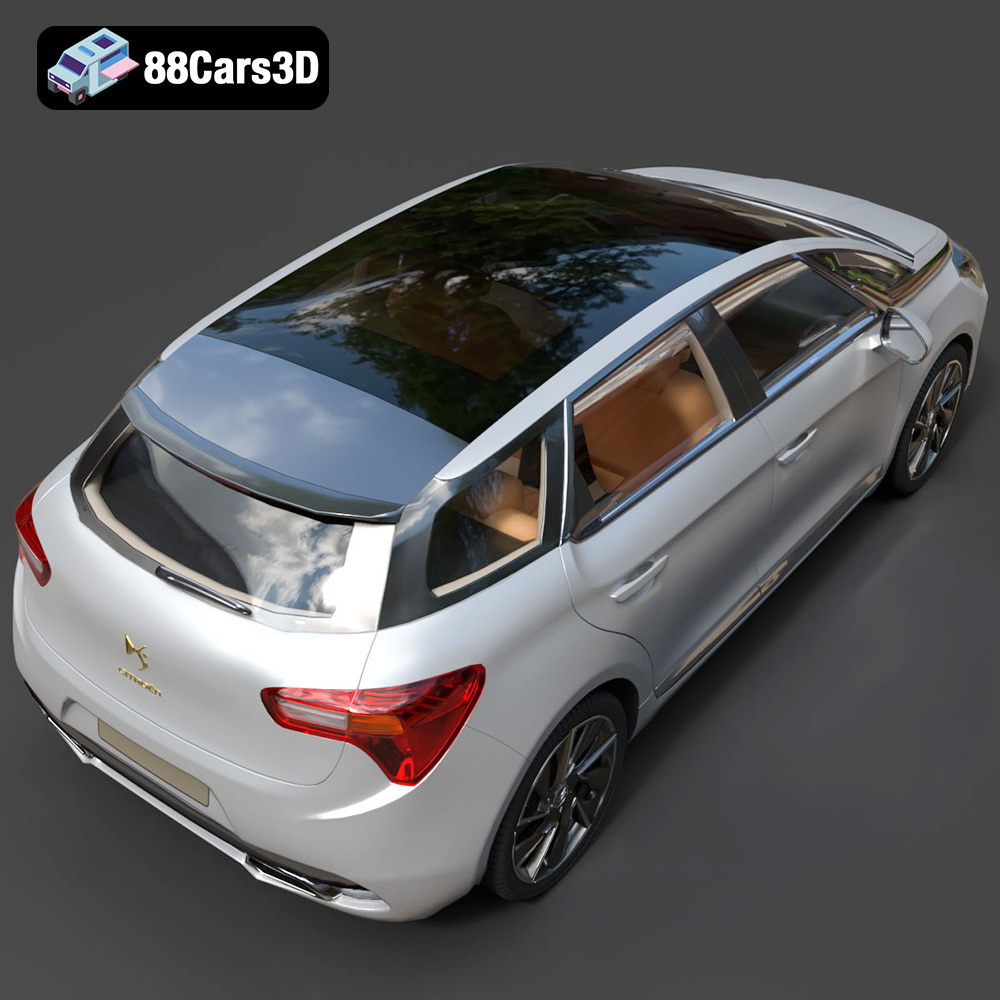
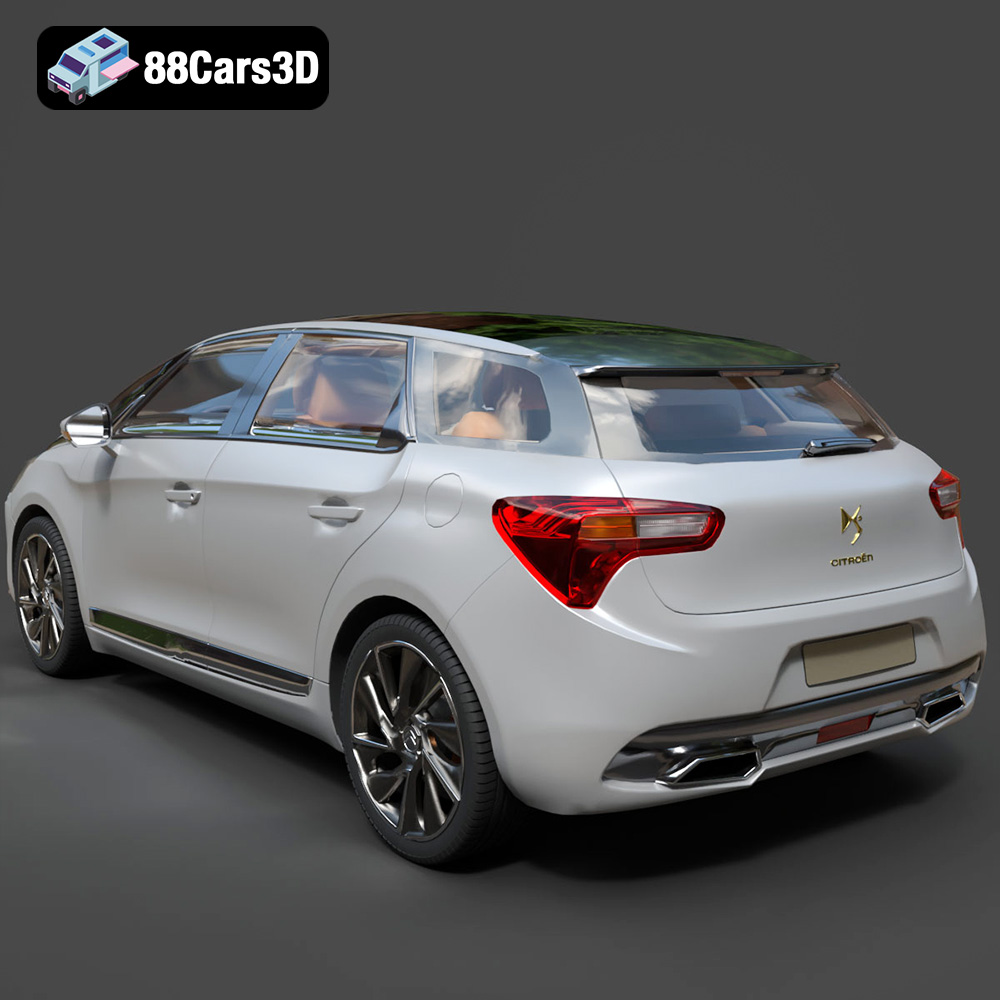
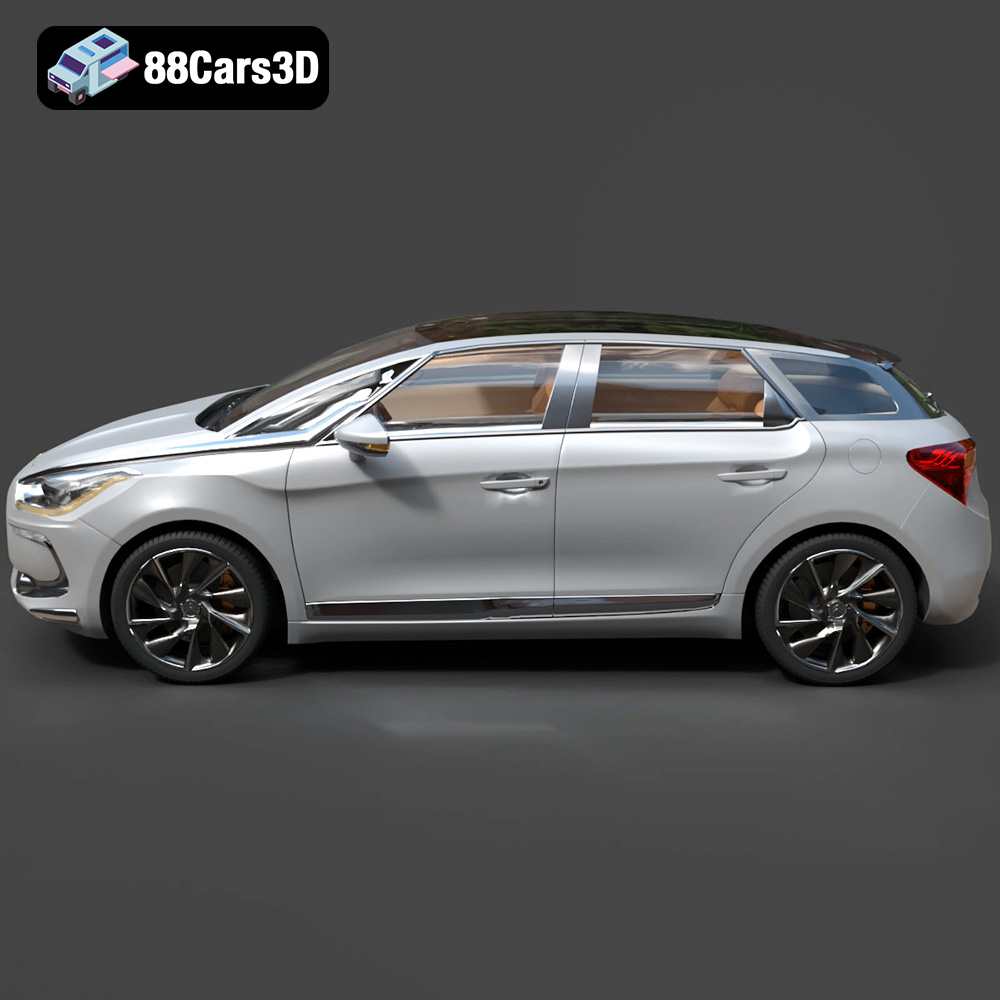
A truly high-quality 3D car model goes beyond mere visual representation; it’s a meticulously crafted digital twin. It involves accurate scaling, precise geometric representation of every curve and panel, and intelligent material setup that responds realistically to light. For example, the Citroen DS5 3D model meticulously reproduces the vehicle’s iconic visual elements, like the signature chrome “sabers” and dynamic dual exhaust, which are crucial for conveying the car’s distinctive personality. This level of detail ensures that the digital model can seamlessly integrate into photorealistic renders, allowing artists to bridge the gap between their creative vision and a believable digital reality.
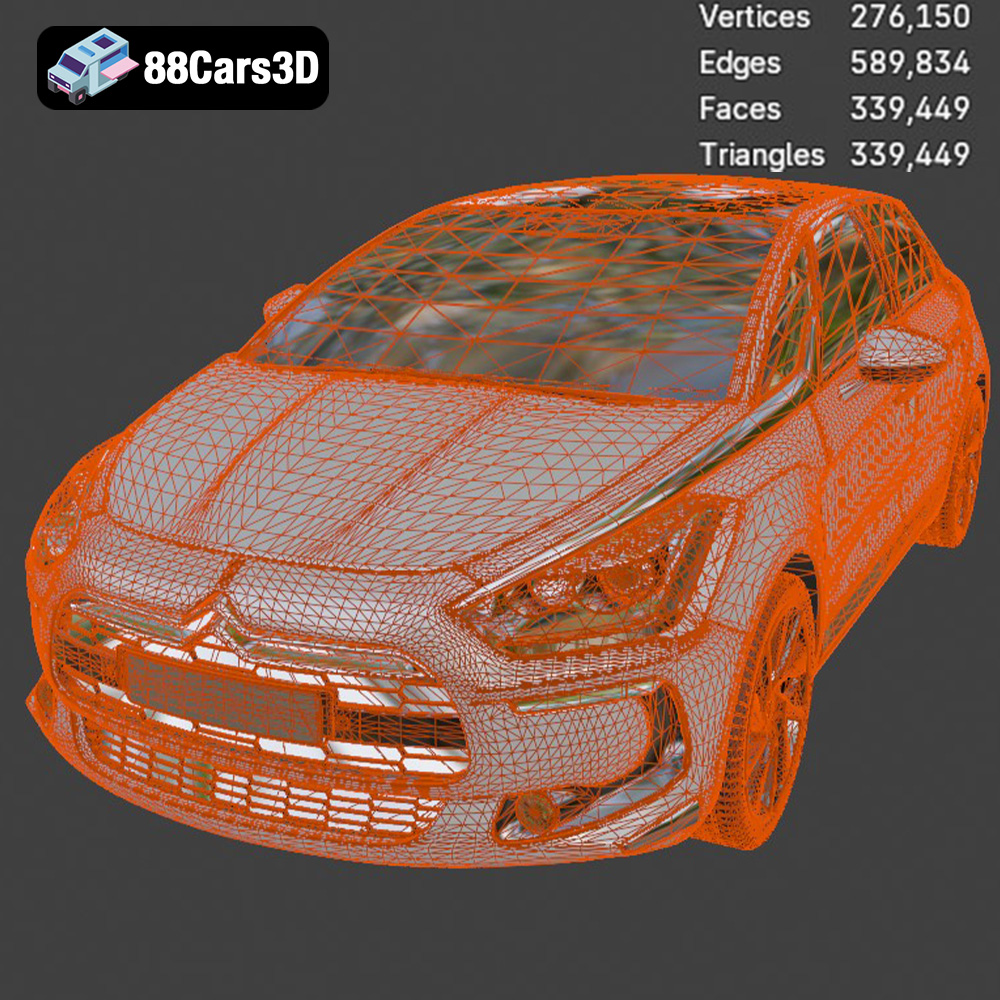
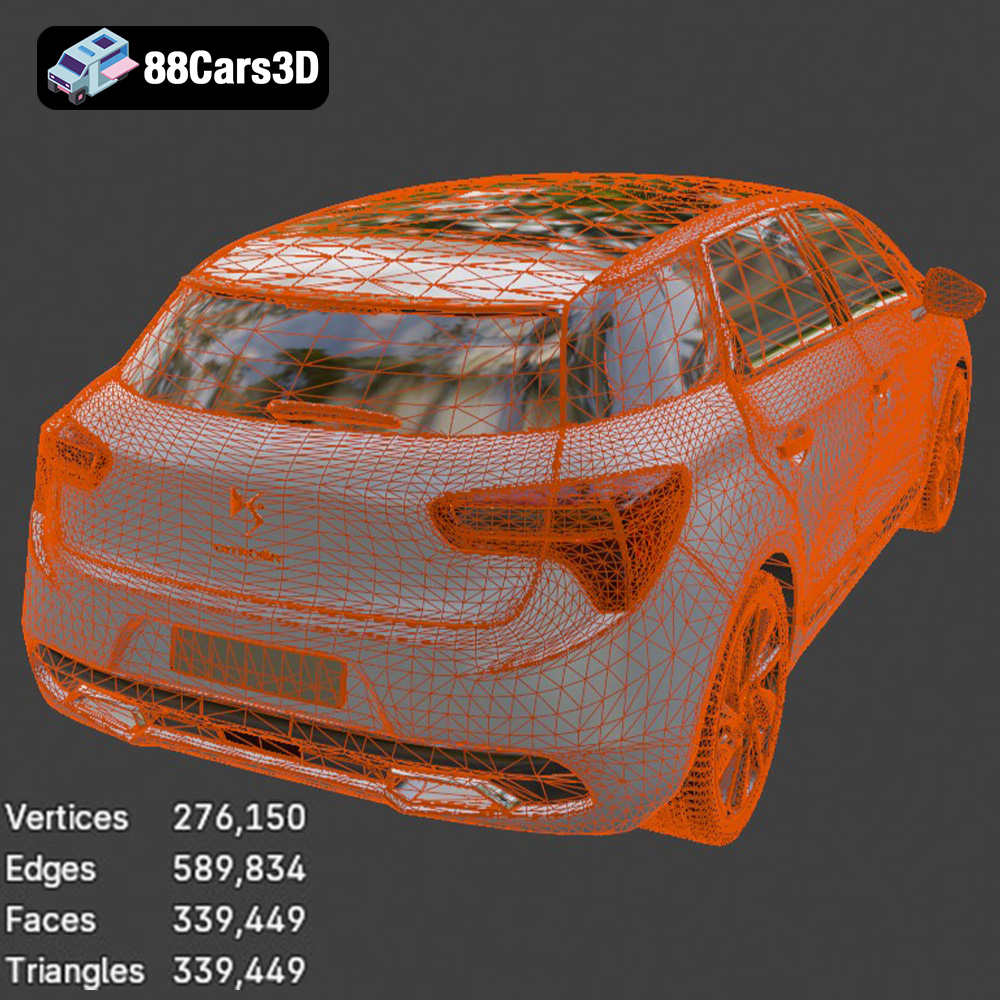
Modern production pipelines, especially in game development and AR/VR, place a heavy emphasis on optimization. A model might look stunning, but if its polycount is excessively high or its UVs are poorly laid out, it becomes impractical for real-time engines. Conversely, a model optimized for performance might lack the necessary detail for close-up shots or high-resolution rendering. The ideal 3D car model strikes a delicate balance, offering robust detail while remaining “game-ready.” The Citroen DS5 3D model, with its 339,449 triangles, exemplifies this balance, providing exceptional detail without compromising system performance across various applications, from interactive real-time environments to high-fidelity cinematic animations.
Navigating the diverse landscape of 3D software and applications often requires a deep understanding of file formats. Each format serves a specific purpose, excelling in certain workflows or offering unique advantages. Knowing which format to use for a particular task is critical for efficient and successful project execution. The Citroen DS5 3D model comes packed with a comprehensive suite of formats, ensuring maximum compatibility and utility.
When you require maximum flexibility and the ability to delve into the core creation of a model, native software formats are indispensable. The **.blend** format is Blender’s native file type. It’s a powerhouse, storing not just the mesh data but also materials, textures, lighting, cameras, animations, physics simulations, and even custom scripts. For artists working in Blender, receiving a .blend file like the one for the Citroen DS5 means they have a fully editable scene, allowing for deep customization, material tweaking, and animation setup without any data loss during conversion. Similarly, the **.max** format is the proprietary file type for Autodesk 3ds Max. Like .blend, it encapsulates an entire 3ds Max project, preserving modifiers, object hierarchies, animation keyframes, and renderer-specific settings (like V-Ray or Corona setups). For professionals deeply integrated into the 3ds Max ecosystem, the .max version of a car model ensures seamless integration into complex rendering and animation pipelines, leveraging all the robust features of the software for automotive rendering and visualization.
For interoperability across different 3D applications and engines, common exchange formats are vital. The **.fbx** (Filmbox) format, developed by Autodesk, is widely considered the industry standard for transferring 3D data between software packages and into game engines like Unreal Engine and Unity. It supports geometry, materials, textures, animations, and skeletal data, making it ideal for real-time pipelines where complex animated assets are common. The .fbx version of the Citroen DS5 3D model ensures that its animatable components (like wheels and suspension) and material setups are correctly transferred. The **.obj** (Wavefront OBJ) format is another highly universal and venerable exchange format. While it’s older and doesn’t typically store animation or skeletal data, it’s excellent for static mesh geometry and basic material information (via an accompanying .mtl file). Its simplicity makes it incredibly robust and compatible with virtually every 3D software, serving as a reliable fallback for cross-software compatibility. For tasks requiring precision mesh data, the **.ply** (Polygon File Format or Stanford Triangle Format) is often preferred. It’s particularly useful in applications like 3D scanning, CAD, and scientific visualization where the accurate representation of polygon meshes, including color, normals, and texture coordinates, is paramount. For engineers or analysts working with the Citroen DS5 model for structural analysis or precise replication, the .ply format offers a clean, unadulterated mesh representation.
The demands of real-time rendering, especially in emerging fields like AR/VR and web-based 3D, necessitate specialized formats. The **.glb** (GL Transmission Format Binary) is quickly becoming the standard for web-based 3D models and augmented reality applications. It’s a self-contained, single-file format that includes geometry, materials, textures, and animation, all optimized for efficient transmission and loading on the web and mobile devices. A .glb version of the Citroen DS5 is perfect for creating interactive online showrooms, mobile AR experiences, or integrating the model into virtual reality environments. Finally, the **.unreal** format signifies an asset specifically prepared and optimized for the Unreal Engine ecosystem. This could mean a .uasset file or a meticulously organized folder structure containing textures, materials, and Blueprints, all configured to leverage Unreal’s powerful rendering capabilities and real-time performance. For game developers targeting Unreal Engine, having a pre-optimized .unreal asset significantly streamlines the development process, saving valuable time on import, material setup, and optimization.
Beyond digital displays, 3D models can also manifest in the physical world. The **.stl** (Stereolithography) format is the de facto standard for 3D printing. It represents a 3D model as a series of connected triangles, defining only the surface geometry without color or texture information. While simple, its universal adoption by 3D printers and slicing software makes it essential for physical prototyping or creating display models. The Citroen DS5 3D model, available in .stl, opens up possibilities for hobbyists and professionals to fabricate miniature replicas or prototypes, bringing the digital design into tangible form, complete with recommended print settings for optimal results.
The Citroen DS5 3D model from 88cars3d.com isn’t just another car asset; it’s a testament to expert craftsmanship, designed to meet the rigorous demands of professional 3D production across various industries. Its comprehensive feature set and technical specifications make it an invaluable resource for anyone working with 3D car models.
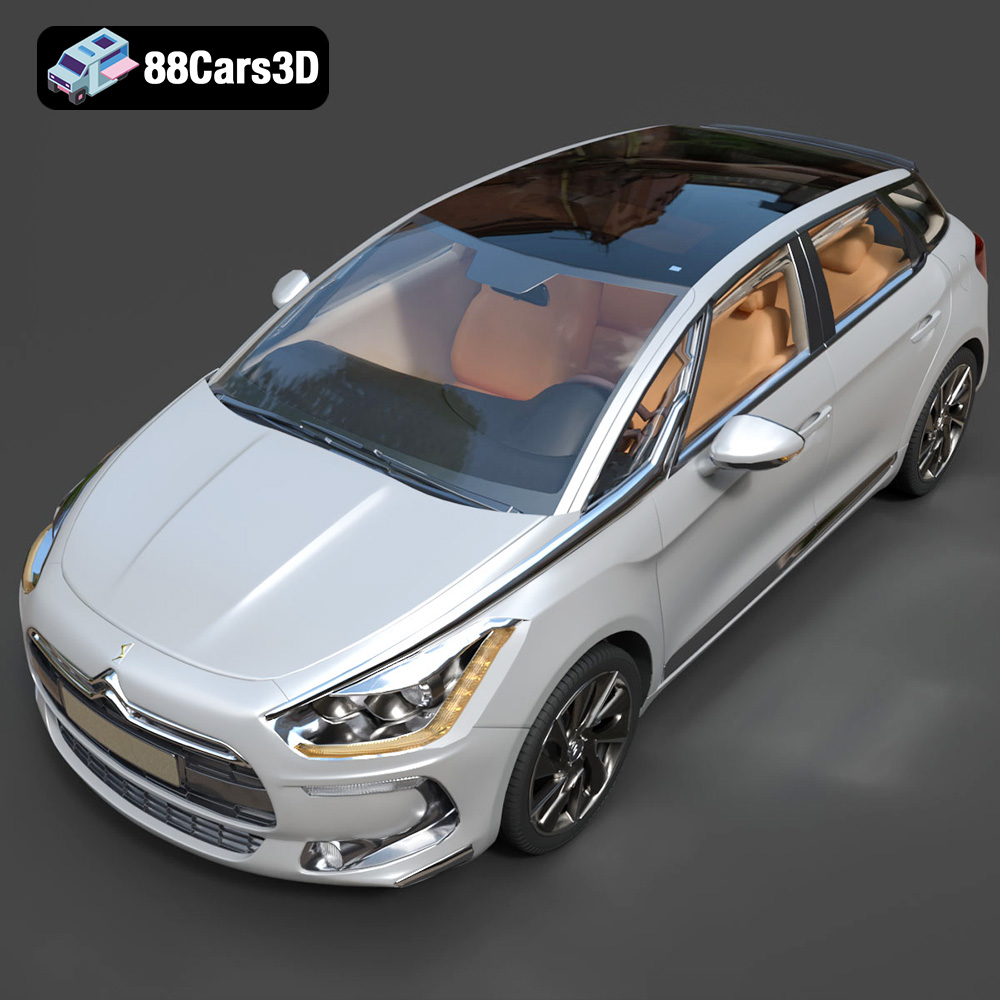
The real-world Citroen DS5 is renowned for its distinctive, avant-garde styling, blending luxury with a futuristic aesthetic. This 3D model faithfully captures every nuance of that design philosophy. From the accurate aerodynamic profile and frame geometry to the distinctive chrome “saber” trim pieces seamlessly running along the hood, no detail has been overlooked. The complex LED lighting signatures, including stylized headlights and 3D-effect taillights, add to its realism, making it suitable for high-end automotive rendering where visual fidelity is paramount. The meticulous reproduction extends to the high-fidelity alloy wheels, complete with detailed brake calipers and discs, providing that extra layer of realism expected in close-up shots.
A key indicator of a professional 3D model’s quality is its balance between visual detail and technical optimization. The Citroen DS5 3D model boasts a meticulously optimized topology with a triangle count of 339,449. This polycount is perfectly situated for “game-ready” applications, allowing it to perform efficiently in real-time engines like Unreal Engine and Unity without sacrificing the visual realism required for immersive experiences. This optimization means less burden on system resources, leading to smoother frame rates and more responsive interactions, critical for open-world games, racing titles, and AR/VR simulations.
Beyond its exterior, the model is engineered for dynamic use. It features separate wheels, suspension, and steering components with proper pivot setups, enabling seamless animation for racing games, simulators, or compelling animated sequences. This modularity drastically reduces setup time for animators. The attention to detail extends to the interior, presenting an aviation-inspired cockpit layout. Premium seating representations, a sporty flat-bottomed steering wheel, intricate center console, and digital instrument cluster details are all accurately modeled. This optimized geometry is crucial for first-person POV in gaming and VR simulations, offering a truly immersive in-cabin experience for users.
The versatility of the Citroen DS5 3D model makes it a perfect fit for a multitude of professional 3D workflows. Its robust design and varied file formats ensure it can be seamlessly integrated into diverse projects.
For game developers, the DS5 3D model is a dream asset. Its “game-ready” optimization and inclusion of .fbx and .unreal file formats streamline the import process into engines like Unreal Engine and Unity. The pre-configured pivots for wheels and suspension significantly reduce the rigging and animation setup time, allowing developers to focus on gameplay mechanics rather than asset preparation. This makes it ideal for racing simulations, urban driving games, or even open-world environments where high-quality 3D car models populate the digital landscape, contributing to a believable and immersive experience.
When the goal is to create stunning, photorealistic imagery, the Citroen DS5 3D model truly shines. With its detailed exterior and interior, it’s perfect for high-end automotive rendering. Artists using software like 3ds Max, Blender (with Cycles or Eevee), or V-Ray can leverage its precise geometry and optimized materials to produce breathtaking studio shots, lifestyle renders, or integrate it into architectural visualization scenes to add a touch of modern sophistication. The ability to easily change body colors, adjust material finishes (matte, gloss, metallic), and adapt lighting allows for endless creative possibilities in showcasing the vehicle in various environments and moods.
The push for immersive experiences has made AR/VR and web-based 3D increasingly important. The inclusion of the .glb format makes the Citroen DS5 an excellent choice for these cutting-edge applications. It can be easily integrated into virtual showrooms, interactive configurators, or mobile AR experiences where users can view and customize the vehicle in their own environment. Its optimized geometry ensures smooth performance on mobile devices and VR headsets, delivering a fluid and engaging user experience for virtual automotive showcases or interactive product demonstrations.
The utility of a high-quality 3D model isn’t confined to digital screens. For enthusiasts, designers, or educators, bringing a digital model into the physical world through 3D printing offers a unique tactile experience and a tangible representation of design excellence.
The Citroen DS5 3D model is available in the .stl format, which is the standard for 3D printing. This means you can transform this detailed digital asset into a physical model, whether for display, prototyping, or educational purposes. The model’s clean topology ensures a smooth transition to a manifold mesh suitable for slicing software, minimizing potential printing errors. This functionality is particularly appealing for hobbyists who wish to collect or create scaled replicas of iconic vehicles, offering a new dimension to their appreciation of automotive design.
To achieve the best results when 3D printing the DS5, specific settings are recommended. Scaling the model to 1:12, 1:18, or 1:24 will yield ideal detail and structural integrity. For fine details, resin printing with a layer height of 0.04–0.12 mm is recommended, ensuring crisp edges and smooth surfaces. For FDM printers, a wall thickness of 1.2–2.0 mm and an infill of 20–30% are advisable. Supports will be necessary for intricate parts like the exhaust system, mirrors, and side trims. Post-processing, including sanding, priming, and applying authentic factory colors with metallic finishes, will elevate the printed model to a professional display piece, truly capturing the luxurious essence of the Citroen DS5.
Purchasing a premium 3D asset like the Citroen DS5 3D model from 88cars3d.com is an investment. Understanding its customization options and inherent longevity can help maximize its value in your creative projects.
One of the most significant advantages of a well-structured 3D model is its adaptability. The Citroen DS5 model allows for extensive customization, empowering artists to tailor it to specific project requirements. You can easily change body colors to match factory specifications or explore custom finishes. Modifying tire textures to represent off-road or street variants can significantly alter the vehicle’s character. Adjusting material finishes (matte, gloss, metallic) allows for precise control over the car’s reflective properties and overall aesthetic. This level of aesthetic personalization ensures the model can be repurposed for diverse scenarios without needing to procure new assets each time.
The inclusion of multiple file formats, from native editable files (.blend, .max) to universal exchange formats (.fbx, .obj) and specialized formats (.glb, .unreal, .stl), makes the Citroen DS5 3D model remarkably future-proof. As software evolves and new pipelines emerge, having a model available in such a wide array of formats ensures its continued usability. This versatility protects your investment, allowing the asset to be utilized in current projects while remaining adaptable for future technologies, from advanced real-time rendering to next-generation AR/VR platforms. It’s a reliable, long-term asset for any professional digital creative.
In the dynamic realm of 3D visualization and content creation, the importance of high-quality, technically robust 3D car models cannot be overstated. They are the essential tools that transform abstract concepts into tangible, immersive experiences. The Citroen DS5 3D model stands as an exemplary representation of what a premium automotive asset should be: a meticulously detailed, optimized, and versatile resource ready for any professional application.
Whether you’re developing the next blockbuster game, crafting breathtaking photorealistic renders, building an interactive AR/VR experience, or even preparing for physical 3D printing, this model provides the foundation for success. Its comprehensive file format support, from editable .blend and .max files to game-ready .fbx and .unreal, and web-optimized .glb, ensures seamless integration into virtually any workflow. By choosing assets like the Citroen DS5 from 88cars3d.com, you are investing in excellence, efficiency, and the unlimited potential of digital automotive design.
Experience avant-garde French automotive design with this highly detailed 3D model of the Citroen DS5. Renowned for its striking, aviation-inspired styling, the DS5 bridges the gap between a premium hatchback and a sleek executive estate. This model captures the vehicle’s iconic visual elements, most notably the signature chrome “sabers” that stretch seamlessly from the aggressive headlight clusters to the A-pillars. The sculpted bodywork, distinctive front grille, and dynamic dual exhaust setup are faithfully reproduced to reflect its luxurious and futuristic heritage. Engineered for maximum versatility, this 3D model features a meticulously optimized topology with a triangle count of 339,449. This ensures an impeccable balance between game-ready performance and high-end visual fidelity. Whether you are developing interactive real-time applications, crafting immersive AR/VR experiences, or producing photorealistic cinematic animations, this model delivers exceptional detail without compromising system performance. Perfect for modern urban driving games, virtual automotive showrooms, architectural visualization scenes, and high-end lifestyle rendering.
$35.00
.blend
.citroen
.ds5
.fbx
.glb
.hatchback
.max
.obj
.ply
.rendering
.stl
.unreal
car-3d-model
executive-car
game asset
game-ready
low-poly
optimized
VR/AR