Get 20% OFF All Premium 3D & STL Models!

In the fast-evolving landscape of digital content creation, the demand for hyper-realistic and technically sound 3D assets is paramount. From blockbuster video games to cutting-edge virtual reality experiences, and from cinematic automotive advertising to industrial design visualization, the quality of a 3D model can make or break a project. Achieving true automotive realism requires not just artistic flair, but a deep understanding of geometry, materials, and workflow optimization. This pursuit of perfection is precisely where expertly crafted 3D car models, like the exceptional Fiat 500 Abarth 695 3D Model available at 88cars3d.com, prove invaluable.
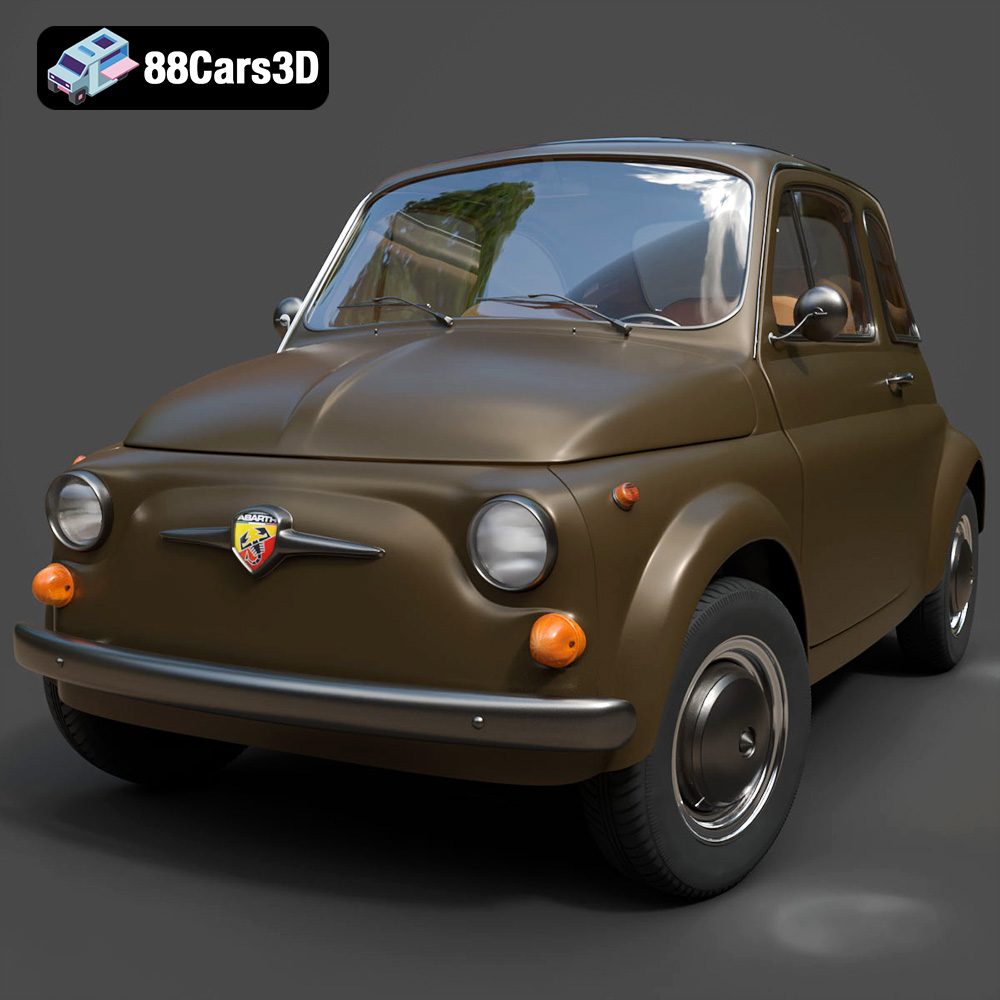
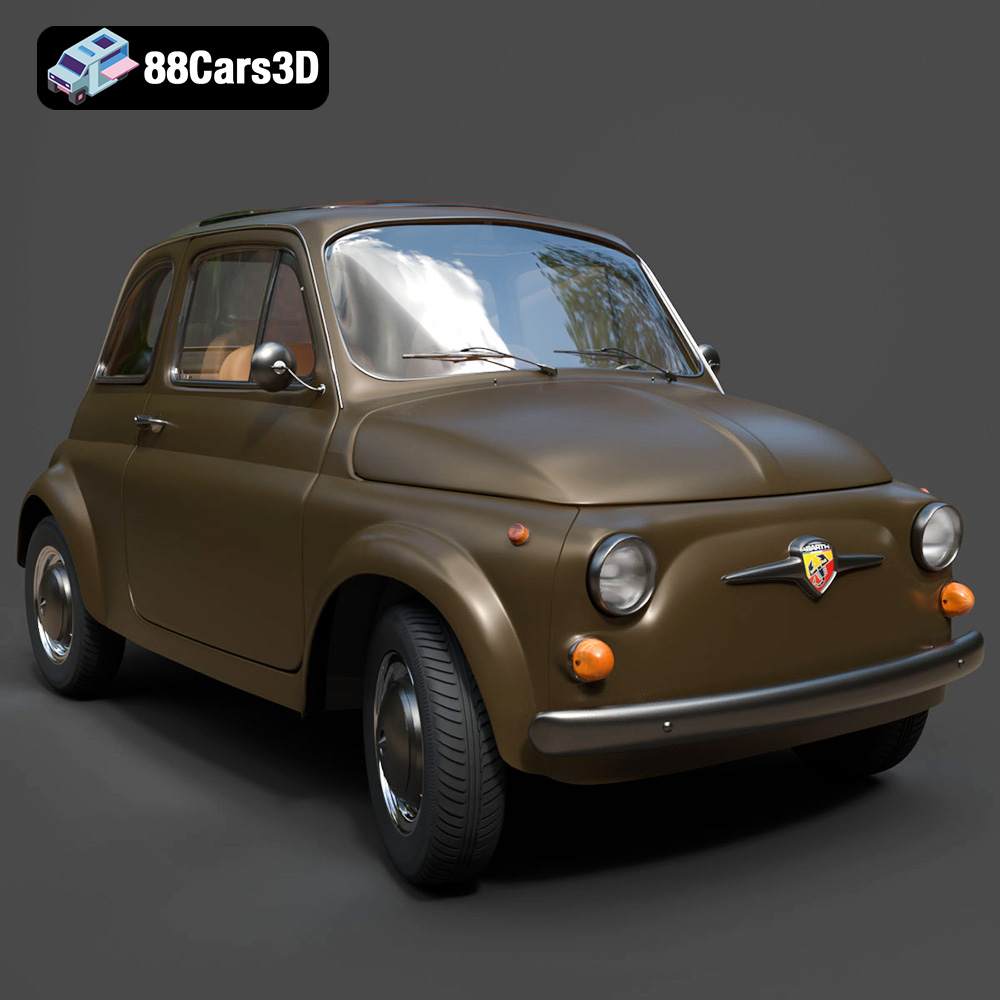
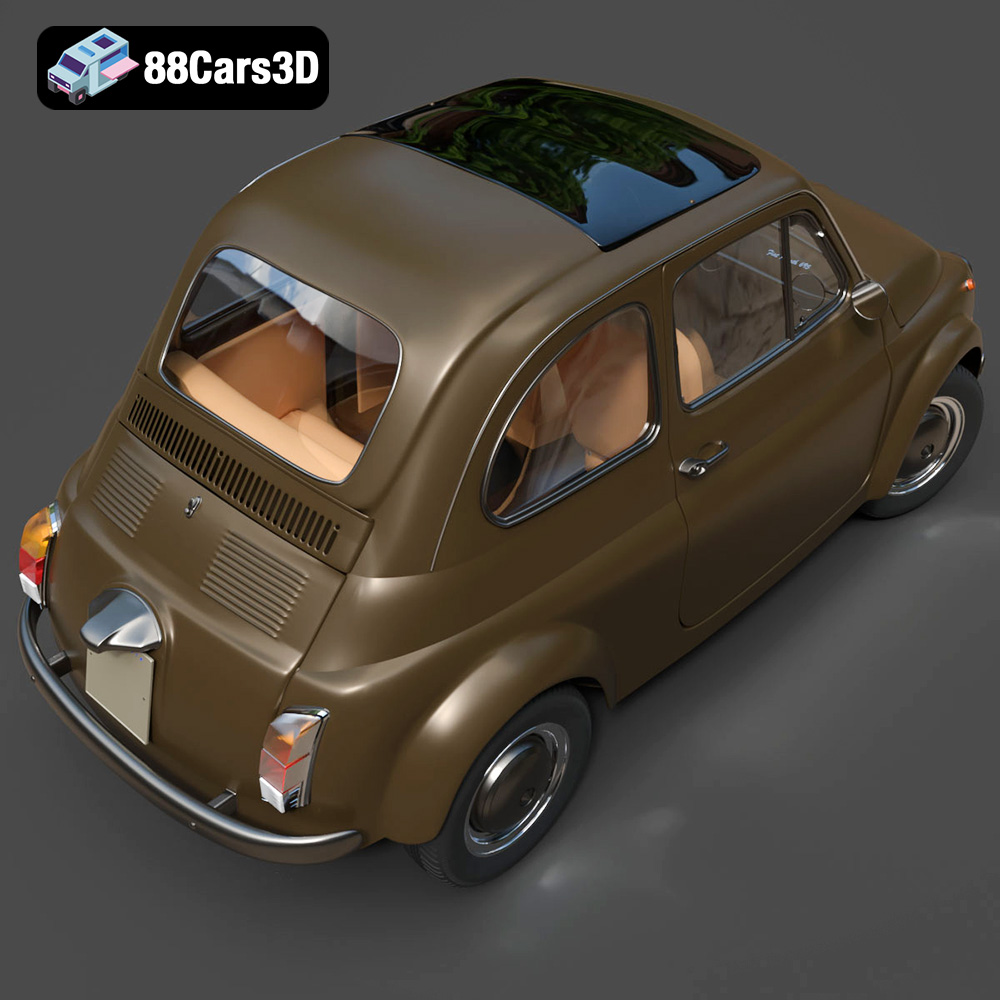
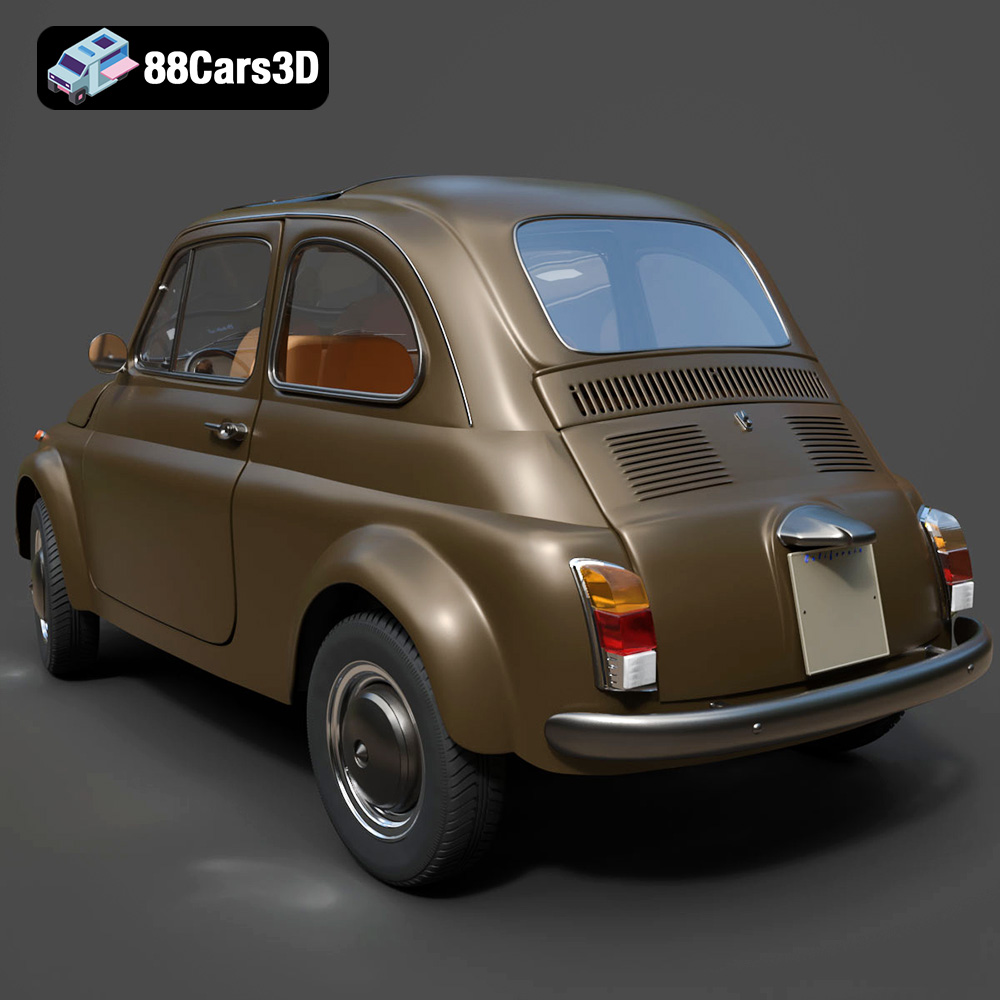
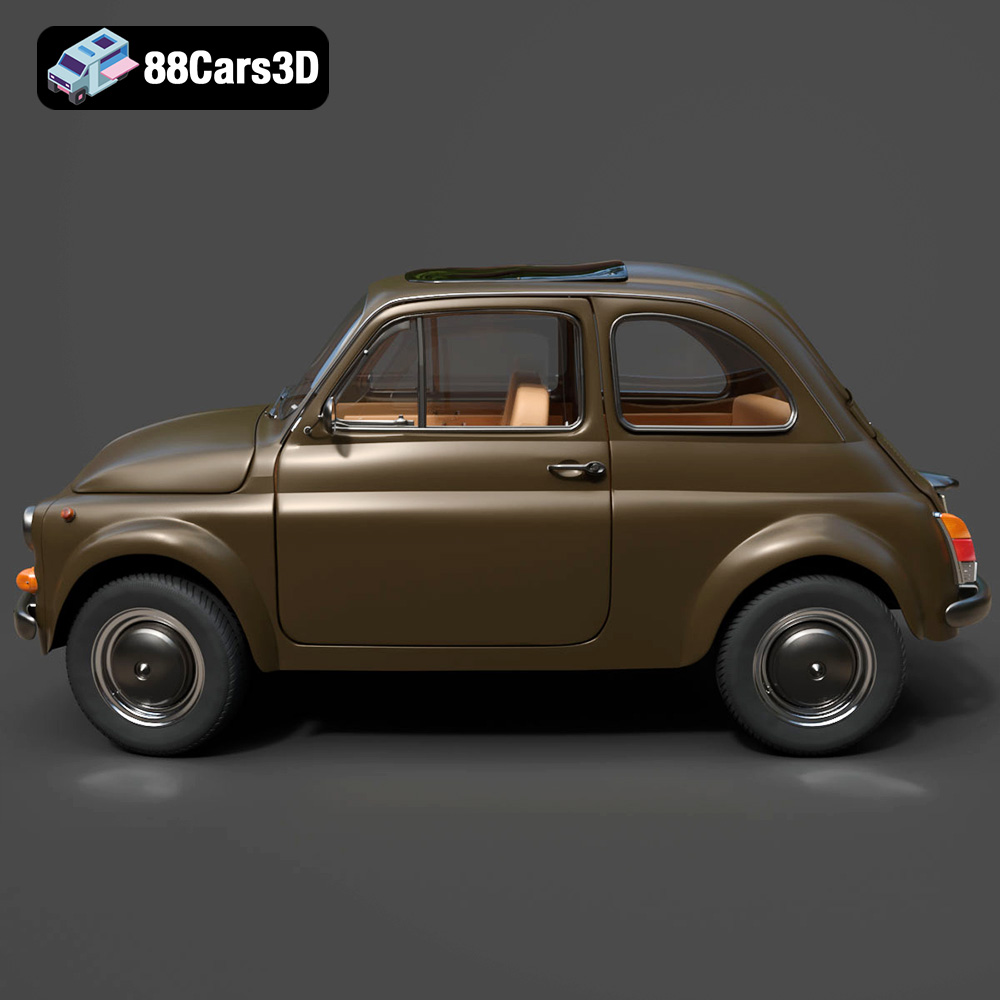
The Fiat 500 Abarth 695 is a vehicle that embodies aggressive performance and an unmistakable Italian charm. Its presence on the road is commanding, and translating that dynamism into a digital asset demands precision and passion. This particular 3D model meticulously captures the vehicle’s iconic styling cues – from its widened track and aerodynamic body kit to the signature Record Monza dual exhaust system and the formidable T-Jet engine. Every curve, panel gap, and intricate detail is carefully recreated to reflect the car’s dynamic personality and track-ready capabilities, making it an ideal candidate for any professional project requiring top-tier automotive representation.
The choice of file format is a critical decision in any 3D production pipeline, directly impacting compatibility, functionality, and performance across different software and platforms. Professionals must select the appropriate format based on their specific needs, whether it’s for game development, cinematic rendering, AR/VR, or 3D printing. High-quality 3D car models, such as the Fiat 500 Abarth 695, often come with a comprehensive suite of formats to ensure maximum versatility.
.blend – Fully Editable Blender Scene with Materials
The .blend format is native to Blender, a powerful open-source 3D creation suite. It encapsulates an entire scene, including mesh data, materials, textures, lighting, animation, and even camera setups. For users deeply integrated into the Blender ecosystem, a .blend file offers unparalleled flexibility. It allows for complete scene manipulation, enabling artists to delve into the model’s construction, modify its topology, adjust its shader networks, or extend its animation capabilities directly within Blender. This format is ideal for artists who want full control over the asset’s underlying structure and wish to customize it extensively or integrate it into a larger Blender-based project.
.fbx – Ideal for Unreal, Unity, and Real-Time Pipelines
Developed by Autodesk, the .fbx (Filmbox) format is a widely adopted proprietary file exchange format, particularly dominant in game development and animation. It efficiently stores 3D model data, including geometry, materials, textures, animations, and skeletal data. Its robust support for animation and hierarchal data makes it the go-to choice for importing assets into real-time engines like Unreal Engine and Unity. When you download a 3D car model in .fbx, you’re getting an asset optimized for seamless integration into interactive environments, often with proper pivot points and pre-rigged components for wheels and steering, crucial for vehicles like the Fiat 500 Abarth 695 in racing simulations.
.obj – Universal Format for Cross-Software Compatibility
The .obj (Wavefront OBJ) format is one of the oldest and most universally supported 3D file formats. It primarily stores geometric data – vertices, normals, UV coordinates, and faces – and can reference external .mtl (Material Template Library) files for basic material properties and texture maps. While it doesn’t support animation or rigging, its simplicity and widespread compatibility make it an excellent choice for static mesh exchange between different 3D software packages (e.g., 3ds Max, Maya, Cinema 4D, Blender) where complex scene data isn’t required. It’s a reliable fallback for ensuring basic model geometry can be opened almost anywhere.
.glb – Optimized for AR, VR, and Browser-Based Display
The .glb (GLB binary) format is the binary version of glTF (GL Transmission Format), designed for efficient transmission and loading of 3D scenes and models by applications. It’s particularly favored for web-based 3D applications, augmented reality (AR), virtual reality (VR), and mobile experiences due to its compact size and ability to embed textures and animations directly within a single file. For showcasing a detailed 3D car model like the Abarth 695 in a virtual showroom or an AR configurator, .glb offers an optimal balance of visual quality and performance.
.stl – Suitable for 3D Printing Output
The .stl (Stereolithography) format is the standard file type for 3D printing. It represents a 3D object as a collection of triangular facets, defining the surface geometry without color, texture, or other CAD attributes. While it lacks higher-level details, it’s precisely what 3D slicer software needs to prepare a model for additive manufacturing. For hobbyists or professionals looking to create a physical replica of the Fiat 500 Abarth 695, converting the model to .stl is the essential first step, ensuring structural integrity and printability as per the model’s design.
.ply – Precision Mesh Format for CAD or Analysis
The .ply (Polygon File Format or Stanford Triangle Format) is another format for storing 3D data, particularly useful for high-resolution scanned data and scientific applications. It can store a wider range of properties than .stl, including color, transparency, and sometimes even texture coordinates per vertex or face. While not as universally used as .fbx or .obj for general 3D assets, .ply is valued in fields like CAD, reverse engineering, and 3D scanning for its precision and ability to encapsulate detailed mesh information for analysis or complex manufacturing processes.
.unreal – Engine-Ready Asset for Real-Time Environments
The “.unreal” designation typically refers to assets specifically prepared and optimized for direct import into Unreal Engine. While Unreal primarily uses .fbx for initial import, an “unreal” specific file might imply a pre-packaged asset with materials, textures, and blueprints already configured to Unreal Engine standards. This ensures drag-and-drop functionality and immediate use within the engine, minimizing setup time for game developers or virtual production artists. This format implies the Fiat 500 Abarth 695 model is truly game-ready, adhering to the engine’s specific asset requirements for optimal performance and visual quality.
.max – Editable 3ds Max Project for Animation and Rendering
The .max format is the native project file for Autodesk 3ds Max, one of the leading software packages for 3D modeling, animation, and rendering. Similar to .blend, a .max file contains the complete scene, including geometry, modifiers, materials (especially V-Ray or Corona setups), lighting, cameras, and animation data. It offers the most flexibility for users working within 3ds Max, allowing for deep modifications, advanced rendering setups, and complex animation sequences. For cinematic projects or high-fidelity architectural visualizations involving the Fiat 500 Abarth 695, working with the .max file provides unparalleled control over every aspect of the scene.
Each format serves a distinct purpose, and a truly professional 3D asset package, like those found at 88cars3d.com, provides a selection to accommodate virtually any workflow requirement.
Creating a truly convincing 3D car model is a fusion of artistic skill and technical precision. It demands an understanding of real-world physics, design language, and the intricate balance between visual fidelity and performance optimization. The Fiat 500 Abarth 695 3D Model exemplifies this synthesis, offering a robust asset for diverse professional applications.
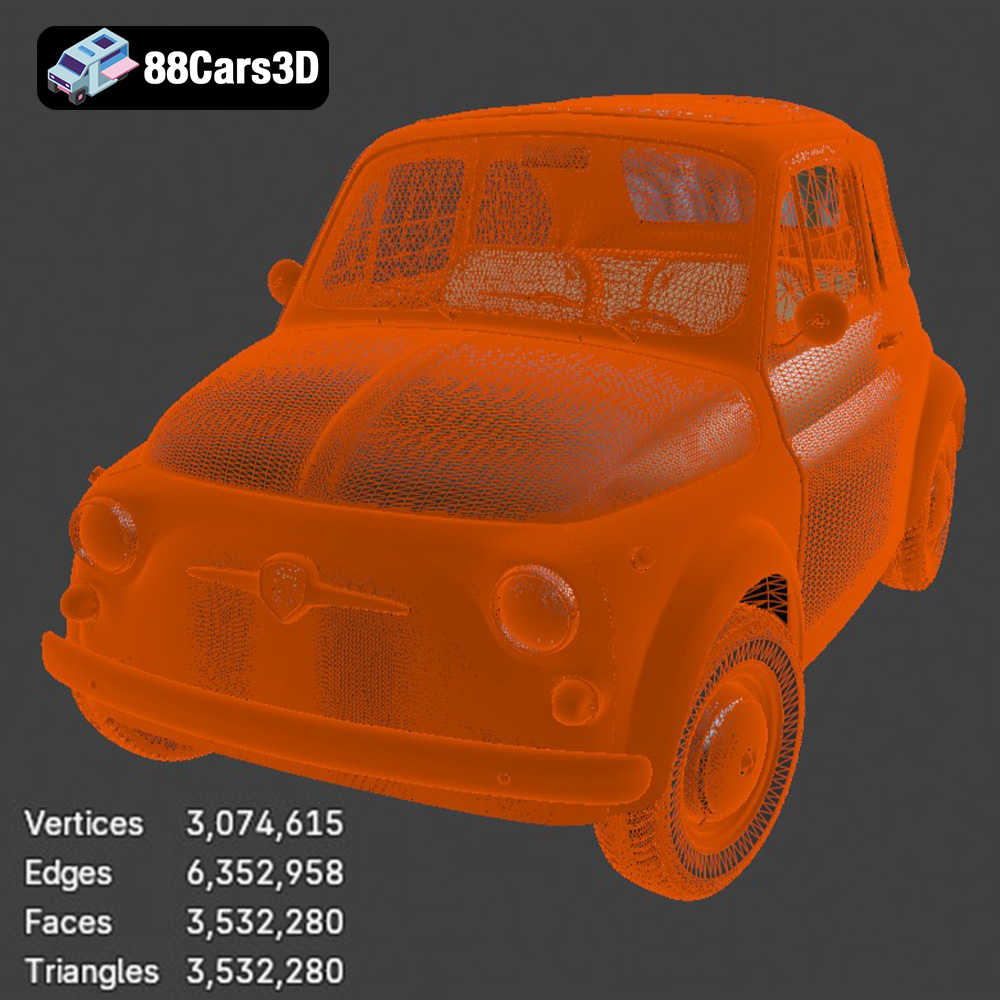
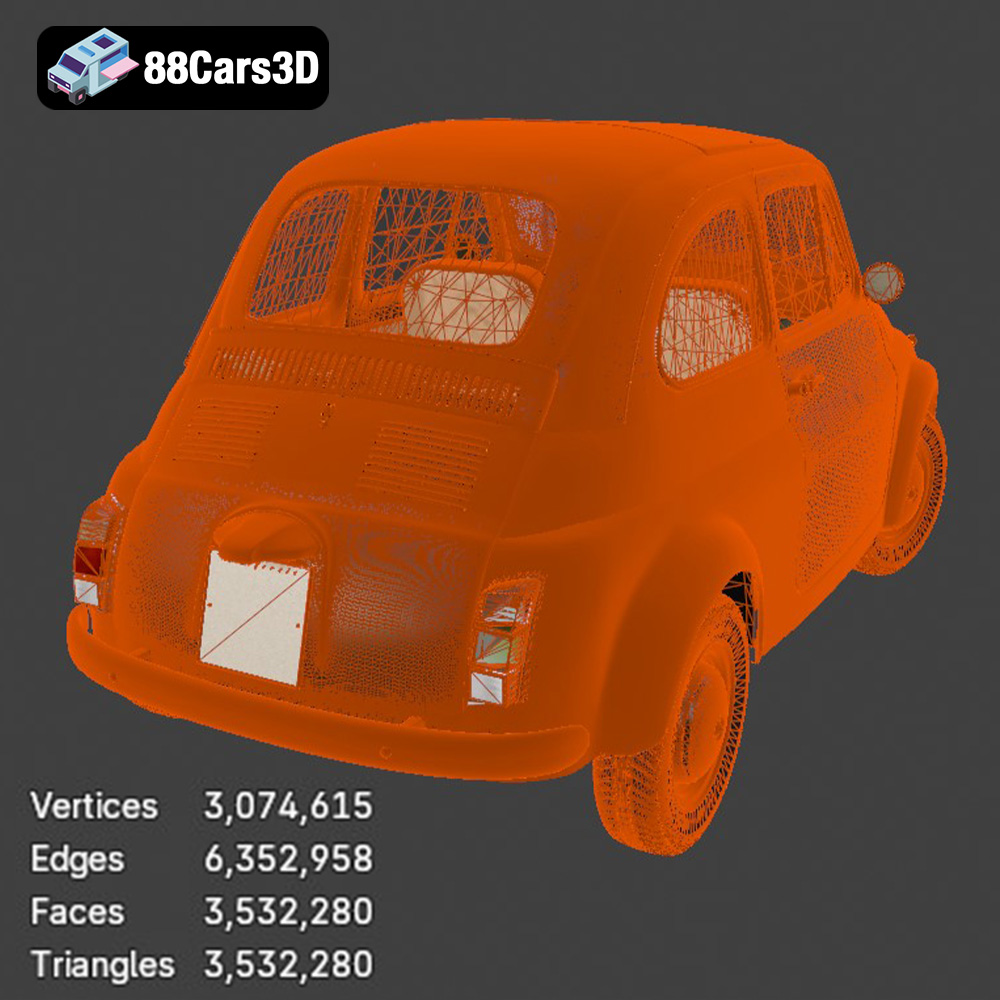
At the heart of any high-quality 3D model is its geometry and topology. The Fiat 500 Abarth 695 model boasts a comprehensive topology of 3,532,280 triangles. This polycount strikes a critical balance: it’s sufficiently high to deliver unparalleled visual realism, capturing every subtle curve and hard edge of the vehicle, yet it remains structured and optimized for efficient use. This “game-ready” optimization is crucial for maintaining fluid frame rates in real-time environments like Unreal Engine or Unity, while still delivering stunning detail for high-end cinematic renders. Real-world scale accuracy, based on actual vehicle chassis dimensions, ensures that the model integrates seamlessly into environments and interacts correctly with physics engines, adding another layer of authenticity to simulations and visualizations.
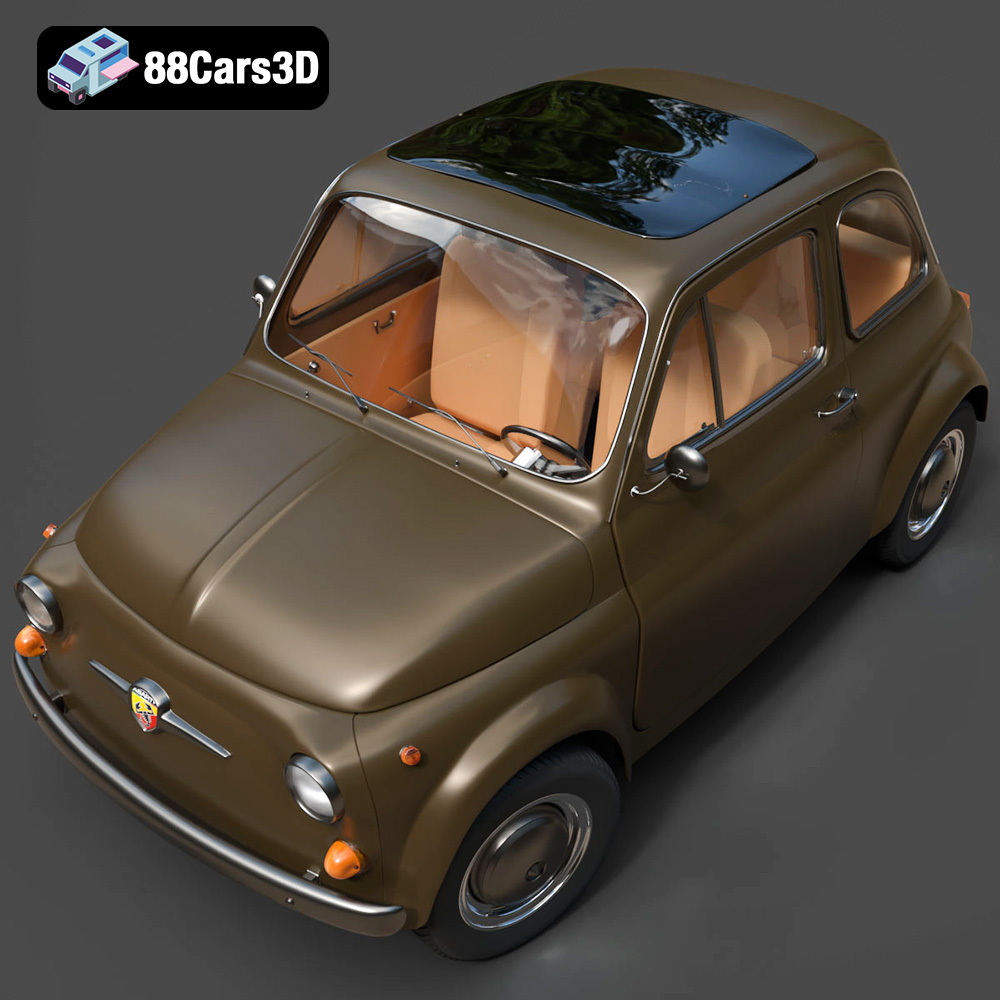
Authenticity is paramount in automotive visualization. This 3D model goes beyond basic shape, meticulously replicating signature features that define the Abarth 695’s character. Externally, this includes the aggressive front fascia with precisely modeled projector headlights and LED daytime running lights, the signature Record Monza quad-tailpipe exhaust system, and authentic Abarth-styled multi-spoke alloy wheels wrapped in low-profile performance tires. Crucially, separate components for wheels, suspension, and steering with proper pivot setups allow for realistic animation, a must-have for racing simulations or detailed vehicle breakdowns. Inside, the attention to detail continues with highly detailed Sabelt racing seats featuring authentic stitching, a sport-contoured steering wheel with precise Abarth badging, and an accurate digital TFT instrument cluster and boost gauge. Even intricate control details like aluminum sport pedals and tactile dashboard switches are present, optimizing the geometry for first-person POV in gaming, making the experience truly immersive.
The true value of a high-fidelity 3D car model lies in its utility across a multitude of professional applications. From interactive experiences to static imagery, the Fiat 500 Abarth 695 3D Model provides a versatile foundation for creators.
For game developers, especially those working on open-world titles, racing simulations, or highly detailed virtual environments, the Fiat 500 Abarth 695 model is an ideal game asset. Its optimized polycount of 3,532,280 triangles hits the sweet spot for modern real-time engines like Unreal Engine and Unity, delivering high visual fidelity without compromising performance. The inclusion of proper pivot setups for steering, wheel rotation, and suspension travel is critical for implementing realistic vehicle dynamics and responsive gameplay. This model allows developers to drop a high-quality, pre-optimized asset directly into their projects, saving countless hours on modeling and texturing, and accelerating the development cycle for captivating interactive experiences.
Beyond interactive applications, the model excels in cinematic rendering and high-end visualization projects. When imported into software like 3ds Max and rendered with engines such as V-Ray or Corona Renderer, the meticulous details and robust topology truly shine. This makes it perfect for brand campaigns, lifestyle scenes, and studio lighting setups where every reflection, every contour, and every material surface must be flawless. From glossy paint finishes to the intricate weave of the Sabelt racing seats, the model provides the foundation for creating photorealistic imagery that is indistinguishable from real-world photography, elevating automotive marketing and product showcases.
The burgeoning fields of Augmented Reality (AR) and Virtual Reality (VR) offer new frontiers for automotive visualization. The Fiat 500 Abarth 695 3D Model is perfectly suited for creating immersive virtual showrooms, interactive car configurators, or engaging mobile AR experiences. Its optimized geometry and comprehensive detail ensure that users can inspect the vehicle from every angle, customize its features, and even “place” it in their real-world environment through AR, all with stunning clarity and realism. This capability transforms how consumers interact with products, offering an unparalleled level of engagement and personalization before a physical purchase.
The utility of a high-quality 3D model extends beyond purely digital realms. With the advancement of additive manufacturing, models like the Fiat 500 Abarth 695 can be transformed from virtual pixels into tangible objects, opening up new possibilities for enthusiasts and professionals alike.
For those looking to bring the Fiat 500 Abarth 695 into the physical world, the ability to convert the model to the .stl format is crucial. The product information explicitly outlines recommended 3D print settings, which are vital for a successful print. For instance, recommended scales of 1:12, 1:18, or 1:24 are suggested, along with layer heights between 0.04-0.12 mm, with resin printing highly recommended for capturing the model’s fine details. Specific wall thicknesses (1.2–2.0 mm) and infill percentages (20–30%) are provided to ensure structural integrity while minimizing material use. Furthermore, the necessity for supports for intricate parts like the exhaust and mirrors, and specific print orientations (frame angled for strength, wheels printed separately), highlights the thought put into making this a truly print-ready asset.
The capacity to 3D print this detailed model allows for various real-world applications. Hobbyists can create exquisite display-scale replicas of their favorite hot hatch, complete with post-processing like sanding, priming, and painting with authentic factory colors and metallic finishes. Beyond hobbies, this capability is invaluable for rapid prototyping in design and engineering. Companies can use such models to quickly generate physical representations for design reviews, ergonomic studies, or even wind tunnel testing of smaller-scale prototypes, bridging the gap between digital concept and physical reality with remarkable efficiency. This dual-purpose utility – digital and physical – significantly enhances the value proposition of such comprehensive 3D car models.
A truly professional 3D car model is not just a static asset; it’s a versatile foundation that can be adapted and customized to fit the unique demands of various projects and artistic visions. The Fiat 500 Abarth 695 3D Model offers extensive customization options, enhancing its utility across different pipelines.
The ability to easily modify material properties and textures is fundamental for integrating a 3D model into diverse visual contexts. With this model, creators can effortlessly change body and tank colors to reflect various factory options, custom finishes, or even experimental designs. Imagine showcasing the Abarth 695 in its iconic Campovolo Grey, a vibrant Giallo Modena, or a sleek custom matte black. Furthermore, tire textures can be modified, allowing artists to swap between street-optimized performance tires and rugged off-road variants, instantly altering the vehicle’s context and intended use. Adjusting material finishes—from a high-gloss metallic sheen to a subtle matte finish or a pearlescent effect—provides endless possibilities for achieving the perfect aesthetic for any scene, whether it’s a gritty urban setting or a pristine studio showcase.
Beyond surface properties, the model’s inherent adaptability extends to its interaction within different digital environments. Its robust UV mapping and clean topology ensure that it responds predictably to various lighting conditions, making it simple to adapt lighting for different environments. Whether you’re placing the Abarth under the harsh glare of an outdoor midday sun, the moody ambiance of a city street at dusk, or the controlled environment of a professional studio lighting setup, the model will react realistically, allowing artists to achieve the desired mood and atmosphere. This flexibility streamlines the integration process, enabling designers to focus on creative direction rather than wrestling with asset incompatibility. For any professional seeking top-tier 3D car models, the blend of detailed craftsmanship and customization potential offered by models from 88cars3d.com is truly unmatched.
The journey from a real-world automotive icon like the Fiat 500 Abarth 695 to a high-fidelity 3D model is a testament to the intricate blend of technical expertise and artistic vision. This comprehensive 3D model embodies the pinnacle of digital automotive asset creation, delivering unparalleled realism and exceptional versatility across a spectrum of professional applications. Its meticulous attention to detail, from the roar of the T-Jet engine in its geometry to the stitching of the Sabelt seats, ensures that whether you’re building an immersive game world, rendering a cinematic advertisement, or crafting an interactive AR experience, your project will benefit from a foundation of excellence.
The strategic inclusion of multiple file formats, including .blend, .fbx, .obj, .glb, .stl, .ply, .unreal, and .max, underscores its adaptability for virtually any professional workflow, ensuring seamless integration into game engines like Unreal, rendering suites like 3ds Max, or even for physical realization through 3D printing. This focus on providing game-ready optimization alongside cinematic fidelity is what truly sets professional-grade 3D car models apart. By choosing an asset like the Fiat 500 Abarth 695 3D Model, you’re not just acquiring a digital car; you’re investing in a powerful tool that accelerates production, enhances visual quality, and unlocks new creative possibilities for automotive rendering and game asset development. For superior quality 3D car models that meet the most demanding project requirements, exploring the curated selection at 88cars3d.com is a definitive step towards achieving digital perfection.
The Fiat 500 Abarth 695 represents the pinnacle of Italian hot hatch performance. This 3D model meticulously captures its iconic styling, including the widened track, aerodynamic body kit, signature Record Monza exhaust, and T-Jet engine. With 3,532,280 triangles, it’s optimized for game engines, AR/VR, and high-end visualization, delivering stunning realism for racing simulations, virtual showrooms, and cinematic renders.
$90.00
.blend
.fbx
.fiat
.glb
.hot-hatch
.max
.obj
.ply
.rendering
.sports car
.stl
.unreal
500-abarth-695
car-3d-model
game asset
game-ready
optimized
VR/AR