Get 20% OFF All Premium 3D & STL Models!

In the fast-evolving landscape of digital media, high-quality 3D car models are no longer just assets; they are the bedrock of immersive experiences, breathtaking visualizations, and cutting-edge simulations. From the sleek lines of a concept car gracing a virtual showroom to the adrenaline-pumping action of a AAA racing title, the demand for meticulously crafted automotive 3D models has never been higher. These digital masterpieces empower artists, developers, and designers to push the boundaries of realism and creativity, bringing visions to life with unparalleled detail and precision.
The journey from concept sketch to a fully rendered, interactive 3D vehicle is a complex one, requiring a deep understanding of geometry, materials, lighting, and performance optimization. It’s about capturing the essence of automotive design – the aggressive stance, the subtle reflections, the intricate mechanical components – and translating it into a digital form that can perform flawlessly across diverse platforms. Today, we delve into the world of premium 3D car models, exploring their technical intricacies, diverse applications, and the vital role they play in modern digital pipelines. As an exemplary model, we’ll frequently reference the stunning Volks Wagen R-08 3D Model, a perfect illustration of how visionary design meets high-performance engineering in the digital realm, available for download at 88cars3d.com.
The versatility of a 3D model often hinges on its compatibility across various software and platforms, which is primarily dictated by its file format. Choosing the right format is crucial for workflow efficiency, ensuring data integrity, and achieving optimal performance. The Volks Wagen R-08 3D Model, for instance, comes in a comprehensive array of formats, each serving distinct purposes. Understanding these formats is fundamental for anyone working with 3D automotive rendering, game assets, or digital visualization.
The .blend format is Blender’s native file type, offering a complete, editable scene. When you download a .blend file, you’re not just getting the mesh; you’re receiving the entire project as it was constructed in Blender. This includes all mesh data, materials (often PBR setups), textures, lighting, camera settings, animations, modifiers, and even scene organization. It’s ideal for users who primarily work in Blender and require full creative control, allowing for seamless iteration and modification of the asset. For the Volks Wagen R-08, the .blend file would provide the most flexible foundation for customization and integration into a Blender-centric pipeline.
.fbx (Filmbox) is a proprietary file format owned by Autodesk, but it has become an industry-standard for 3D data exchange, particularly robust for animated models and real-time pipelines like Unreal Engine and Unity. It efficiently stores not only mesh data (vertices, faces, UVs) but also materials, textures, rigging, skinning, and animation data. Its binary nature makes it faster to parse and generally more compact than text-based formats. For game developers looking to integrate the Volks Wagen R-08 into an engine, .fbx is often the go-to choice due to its reliable transfer of complex scene data and animation hooks.
The .obj (Wavefront Object) format is one of the oldest and most widely supported 3D file formats, making it a truly universal option for cross-software compatibility. It’s a simple, text-based format primarily designed for geometric data – vertices, normals, UV coordinates, and faces. While it doesn’t natively store animation or advanced material properties, it’s excellent for clean mesh transfer. Material definitions are typically linked via a separate .mtl file. If you need to import the Volks Wagen R-08 into a less common 3D application or simply require a reliable mesh for sculpting or retopology, .obj is an excellent, robust choice.
.glb (GL Transmission Format Binary) is the binary version of glTF, a royalty-free specification for the efficient transmission and loading of 3D scenes and models by applications. It’s specifically optimized for AR/VR applications, web-based viewers, and mobile devices due to its compact size and single-file nature (embedding textures and other assets). The Volks Wagen R-08 in .glb format would be perfect for virtual showrooms on websites, augmented reality experiences where users can place the car in their environment, or lightweight VR presentations, ensuring quick loading times and broad compatibility across modern browsers and devices.
The .stl (STereoLithography) format is the de facto standard for 3D printing. It represents a 3D model as a collection of unconnected triangles, defining only the surface geometry without color, texture, or other model attributes. While efficient for manufacturing, it lacks the detailed information required for high-fidelity rendering or animation. The Volks Wagen R-08’s availability in .stl format means enthusiasts can convert the digital model into a physical collectible, following the recommended print settings for scale, layer height, and supports to achieve a tangible representation of this stunning concept car.
The .ply (Polygon File Format, also Stanford Triangle Format) is a versatile format for storing graphical objects that are often the result of 3D scanners or advanced CAD software. It can store various properties beyond just geometry, such as color, transparency, normals, texture coordinates, and even reliability information for each vertex or face. It’s particularly useful for precision mesh data, scientific visualization, or applications requiring detailed surface analysis. For specialized engineering or academic use cases involving the Volks Wagen R-08, the .ply format offers a robust data structure.
While not a universal file format in the same vein as .fbx or .obj, the inclusion of an .unreal file (often meaning an asset package, or a format specifically tuned for Unreal Engine’s import pipeline) signifies a model that has been pre-configured or optimized for direct integration into Unreal Engine. This could involve pre-set materials, collision meshes, or even a basic scene setup. This provides a significant head start for game developers or virtual production teams using Unreal Engine, minimizing the setup time for the Volks Wagen R-08.
Similar to .blend for Blender, the .max file is the native format for Autodesk 3ds Max. It encapsulates the entire 3ds Max scene, including all geometry, textures, materials (with 3ds Max-specific shaders), lighting, cameras, animations, and modifiers. For professionals working within the Autodesk ecosystem, the .max file for the Volks Wagen R-08 offers the highest level of editability and ensures that all intricate details and setups, such as complex V-Ray or Corona renders, are preserved for further animation, rendering, or scene composition.
By offering this broad spectrum of formats, the Volks Wagen R-08 ensures maximum utility, allowing professionals to integrate this exceptional 3D car model seamlessly into virtually any design, development, or visualization pipeline.
Creating a 3D car model that stands out requires more than just replicating shapes; it demands an understanding of industrial design, meticulous attention to detail, and a mastery of 3D software. The Volks Wagen R-08 3D Model exemplifies this fusion, presenting a striking balance between aesthetic appeal and technical robustness. It’s designed not just to look good, but to perform flawlessly across a variety of demanding applications.
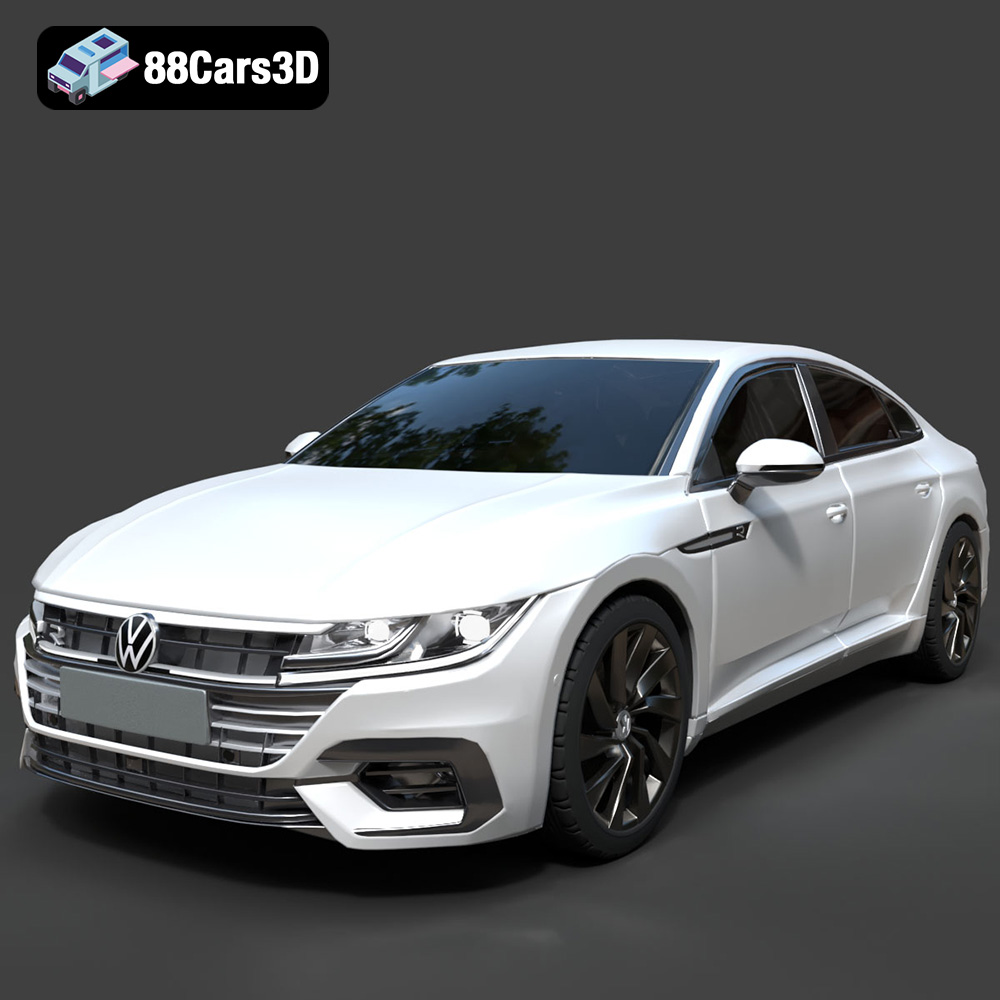
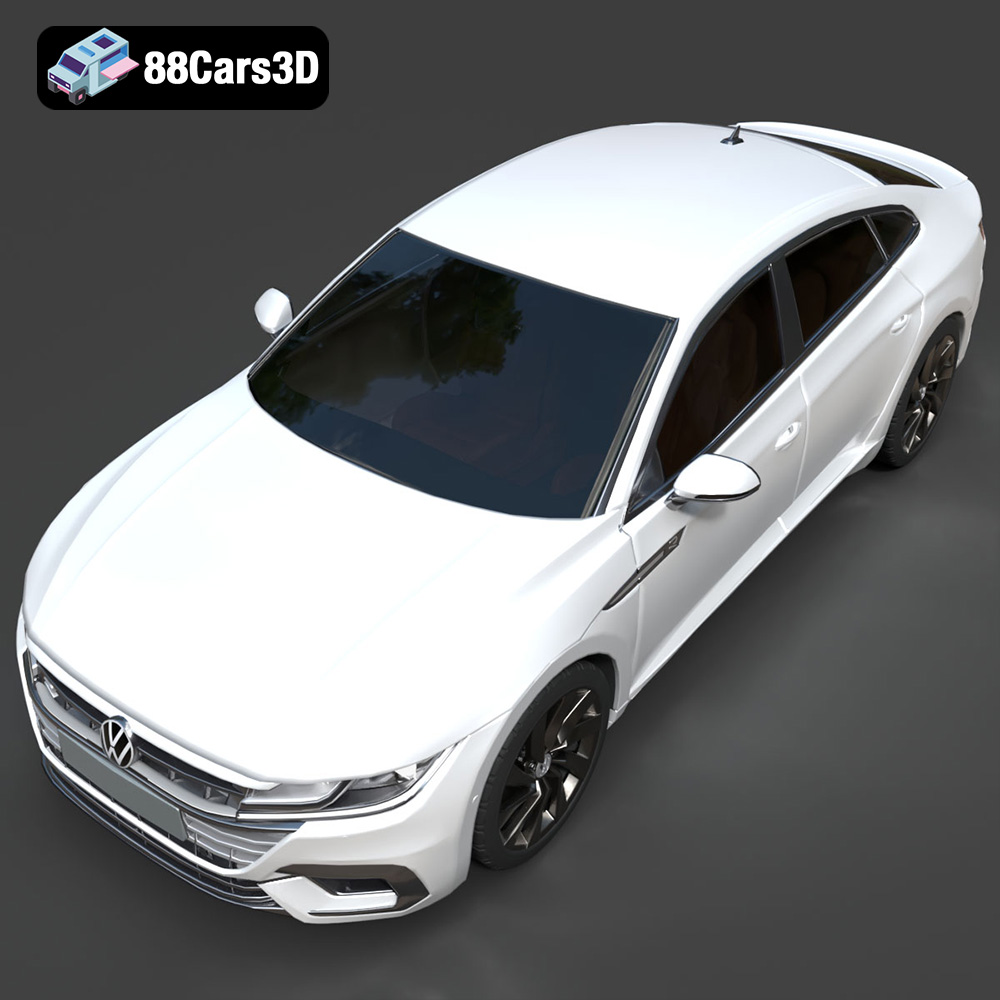
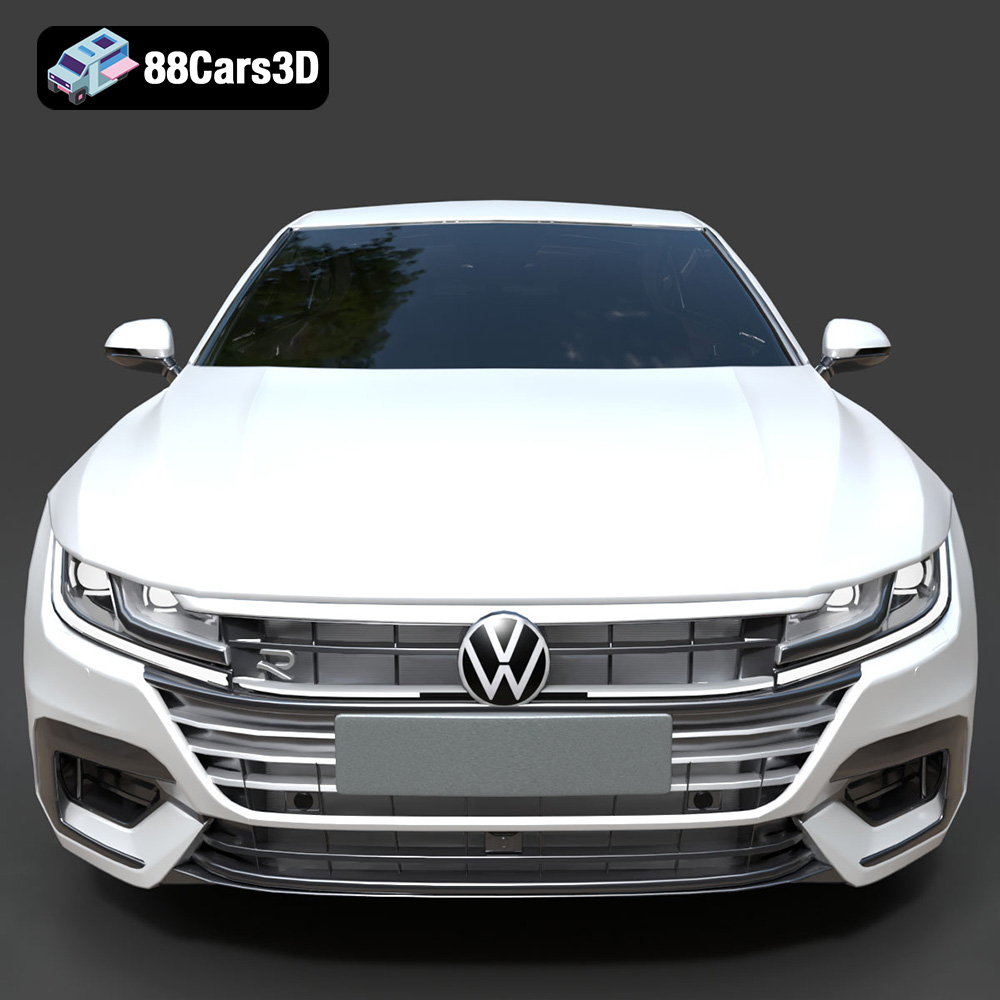
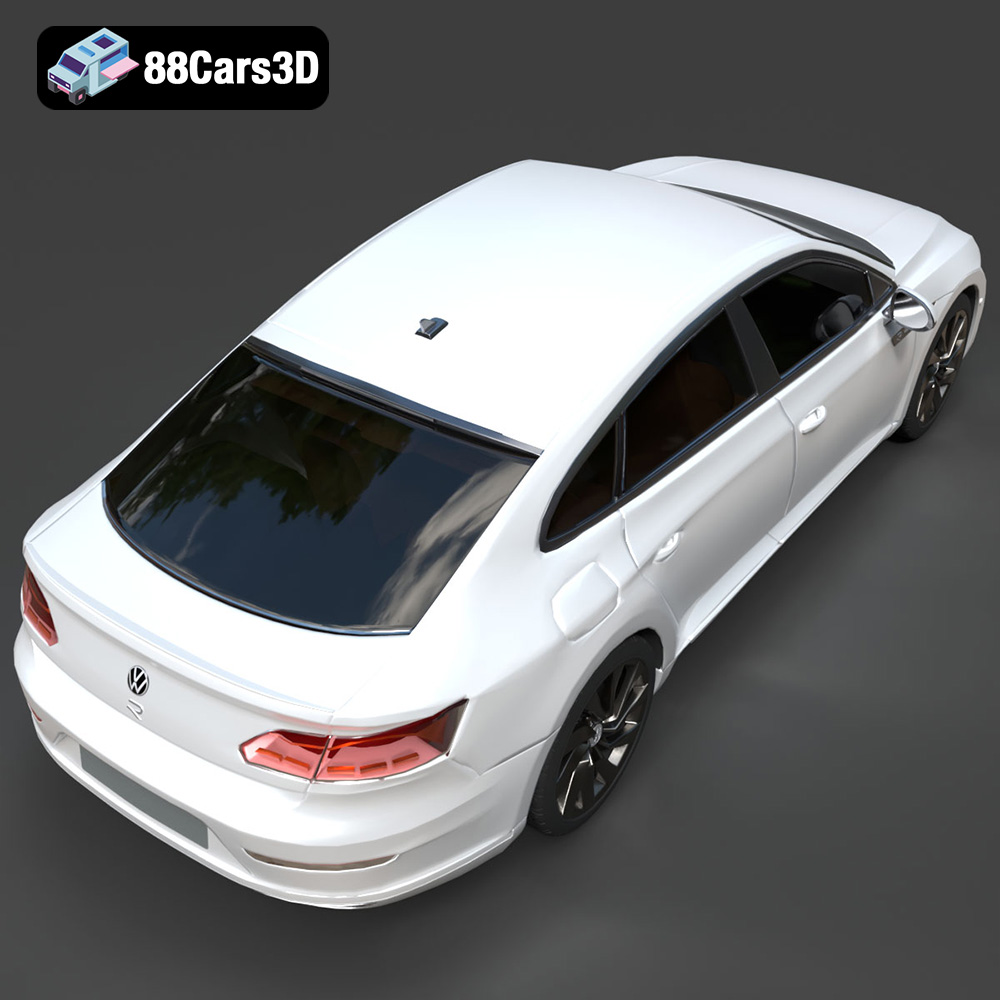
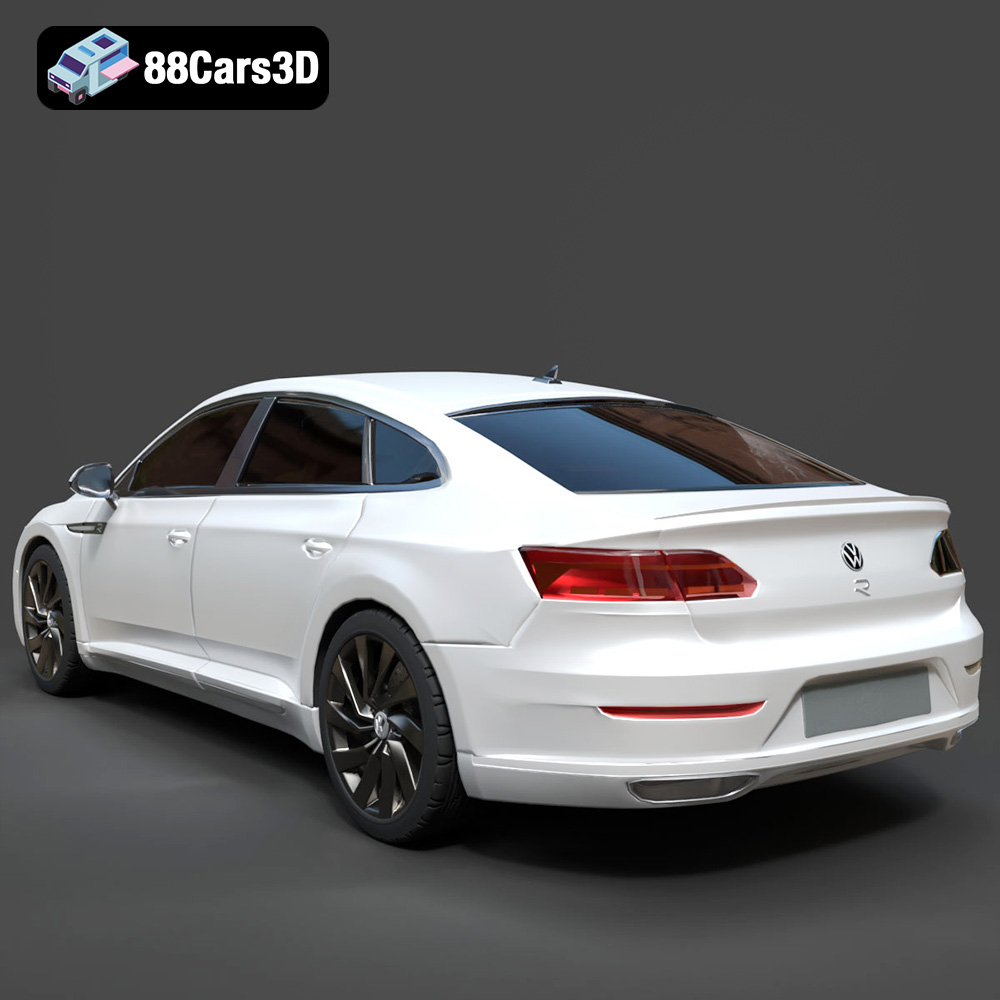
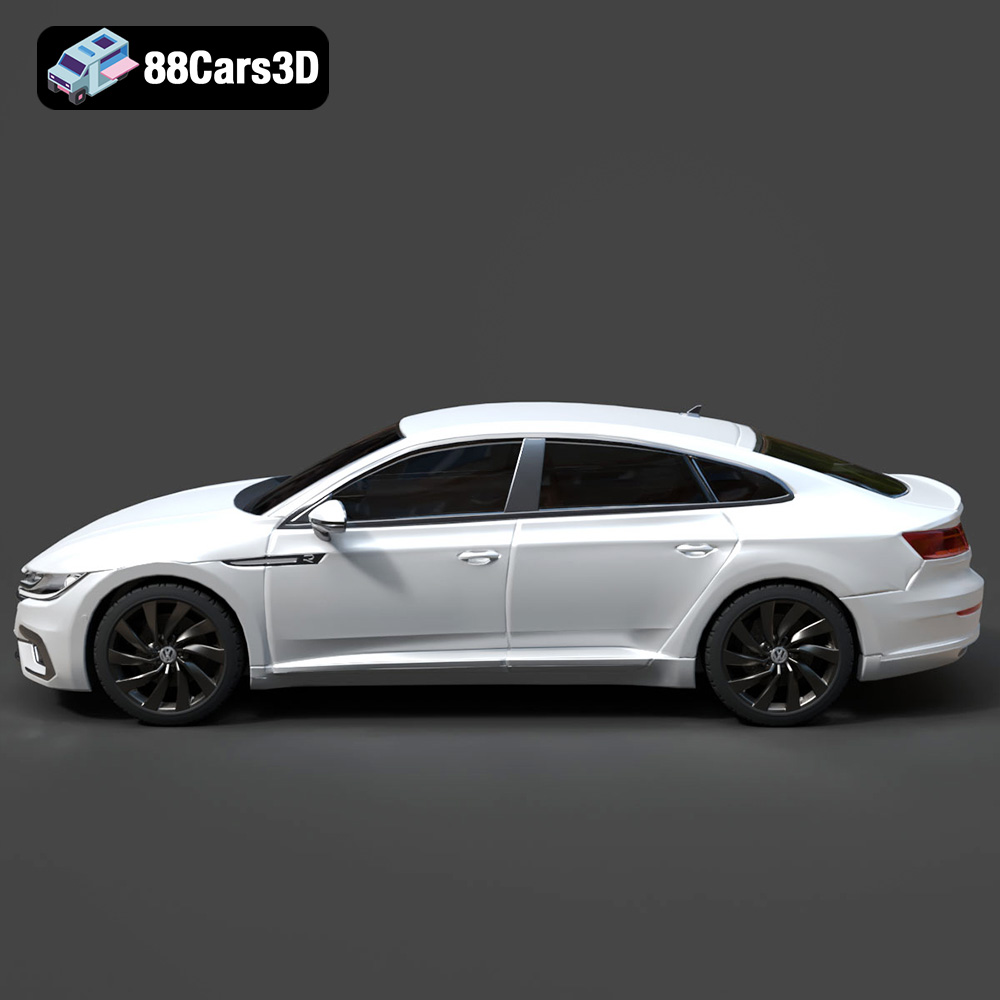
The product description highlights the Volks Wagen R-08’s aggressive aerodynamic styling, commanding front fascia, and sleek profile. Translating these design elements into 3D requires a skilled artist who can interpret 2D concepts into volumetric forms, paying close attention to curvature continuity and surface tension. The “bold front grille, signature LED light signatures, aerodynamic side skirts, and a dynamic rear diffuser” are not just described; they are meticulously modeled elements that define the vehicle’s character and visual impact. This level of detail ensures that whether viewed up close in a virtual showroom or speeding across a game track, the car’s distinctive identity is preserved.
A truly high-fidelity 3D car model distinguishes itself through its exterior features. The Volks Wagen R-08 includes an “accurate frame geometry and proportions,” which is critical for realism and consistency. Furthermore, it boasts a “detailed engine block and surrounding bay components,” even if often unseen, adds a layer of authenticity crucial for close-up shots or even pop-the-hood animations. “Sport-tuned dual/quad exhaust system, intricate LED headlight and taillight assemblies with inner housing details, highly detailed alloy wheels with realistic low-profile tires and brake calipers, and advanced sport suspension details” are all elements that elevate the model from a basic representation to a premium asset. Crucially, components like “separate wheels, suspension, and steering” are not merely static elements but are prepared for animation, offering functionality for realistic movement and interaction within simulations or cinematics.
The interior of a vehicle, especially a high-performance sports car, is just as important as its exterior for creating an immersive experience. The Volks Wagen R-08’s “ergonomic sport bucket seats with detailed stitching and material contrast,” “modern flat-bottomed sport steering wheel with integrated controls,” and “high-resolution digital instrument cluster and infotainment screen” demonstrate a commitment to internal realism. This level of detail extends to the “intricate center console with detailed shifter, pedals, and climate controls.” For game developers, the “optimized geometry for first-person POV in gaming” is a critical advantage, ensuring that the cockpit looks superb and performs efficiently when the player is inside the vehicle, enhancing the sense of presence and control.
The true value of a premium 3D car model like the Volks Wagen R-08 lies in its seamless integration into diverse professional pipelines. Whether you’re a visualization artist, a game developer, or a content creator, efficient workflows are key to delivering stunning results.
For high-end automotive rendering, accuracy and visual fidelity are paramount. Artists typically use software like 3ds Max (with V-Ray or Corona Render) or Blender (with Cycles or Eevee) to create photorealistic stills and animations. The workflow often involves:
The Volks Wagen R-08, with its “real-world scale accuracy” and “proper pivot setup,” significantly accelerates these steps, allowing artists to focus on creative lighting and composition rather than foundational setup.
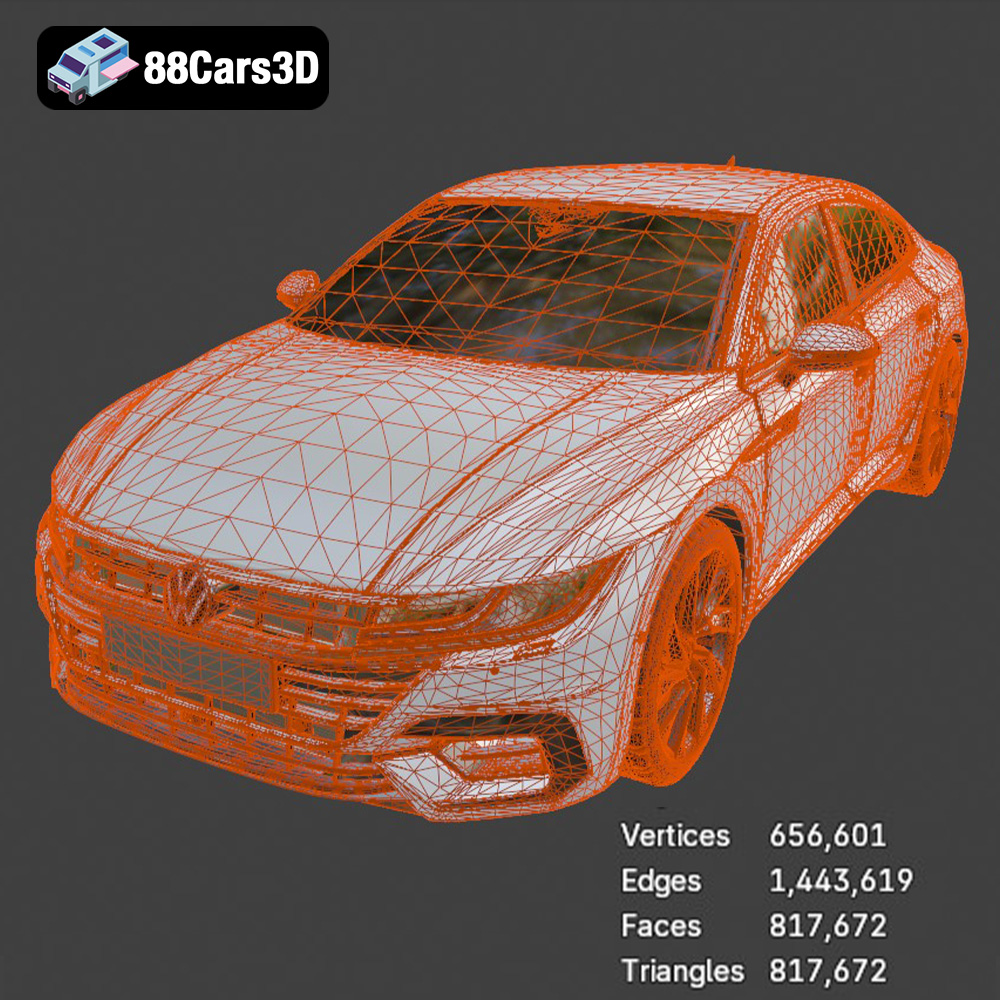
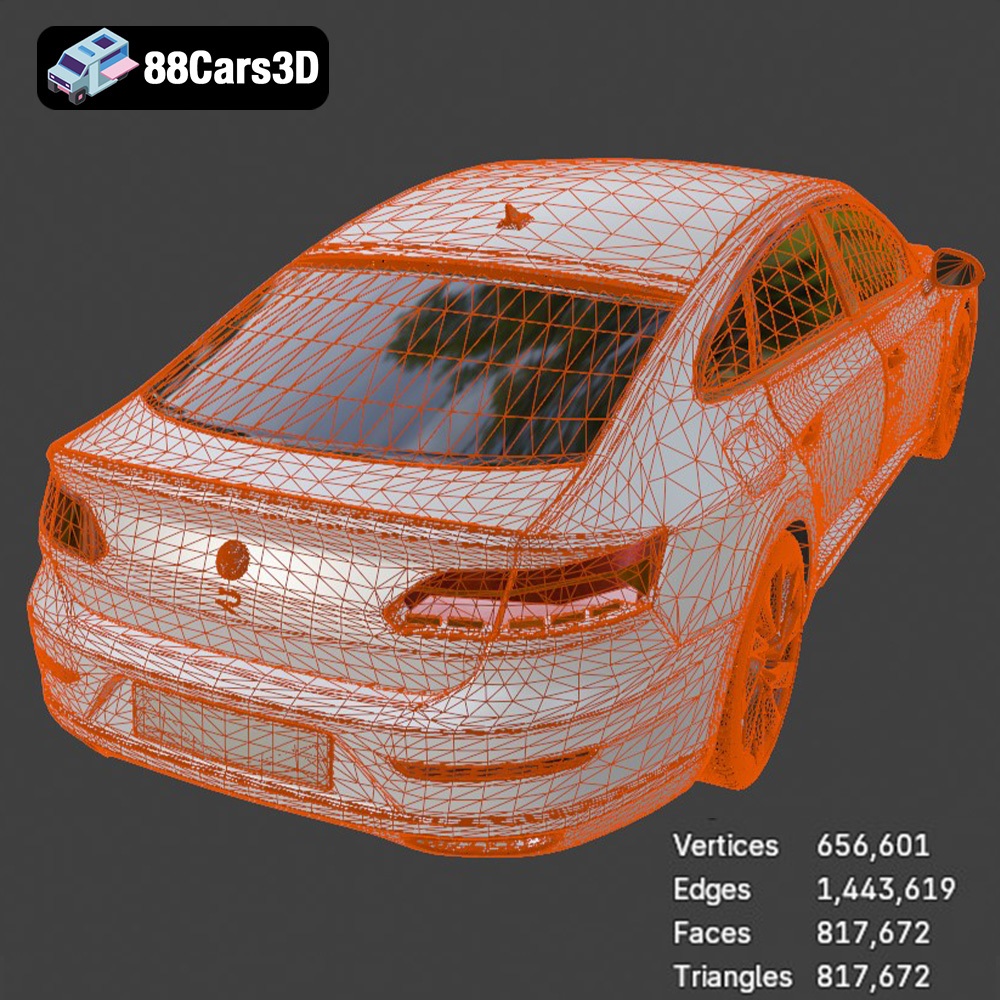
For game development, the priorities shift slightly towards performance optimization while maintaining visual quality. The “Game-Ready & Optimized: 817,672 triangles” of the Volks Wagen R-08 strikes this critical balance, making it suitable for demanding real-time environments.
The Volks Wagen R-08’s optimization and ready-to-use components significantly reduce development time, allowing game studios to quickly deploy a visually stunning and functionally sound vehicle asset.
The utility of high-quality 3D car models extends far beyond traditional rendering and game development. Augmented Reality (AR), Virtual Reality (VR), and 3D printing represent exciting new frontiers where meticulously crafted assets like the Volks Wagen R-08 truly shine.
AR and VR are transforming how we interact with digital content, offering unprecedented levels of immersion. For automotive applications, this translates into virtual showrooms, interactive configurators, and even training simulations. The Volks Wagen R-08, explicitly noted as “Perfect for immersive virtual showrooms, configurators, and mobile AR experiences,” is designed with these scenarios in mind.
The Volks Wagen R-08’s blend of high detail and optimized geometry makes it an ideal candidate for creating compelling, interactive AR/VR content that genuinely connects with users.
The ability to convert a digital 3D model into a physical object via 3D printing has opened up new avenues for hobbyists, collectors, and even professional prototyping. The Volks Wagen R-08’s inclusion of an .stl format is a testament to this growing trend.
The inclusion of the .stl format for the Volks Wagen R-08, coupled with detailed printing guidelines, ensures that the model can transcend the digital realm and exist as a tangible object, catering to a wide audience from digital artists to model builders.
Achieving a balance between stunning visual fidelity and efficient performance is a constant challenge in 3D content creation. For a complex asset like a car, optimization is paramount, especially when targeting real-time applications. The Volks Wagen R-08 has been meticulously crafted to meet these demands.
The product details specify a “detailed triangle count of 817,672.” This number is crucial. For cinematic rendering, higher poly counts are acceptable, allowing for extremely smooth curves and intricate details. However, for real-time game engines or AR/VR, this poly count needs careful consideration. While 817,672 triangles is considered high for some older game engines, modern engines like Unreal Engine and Unity, combined with powerful GPUs, can handle such detail for hero assets, especially for a single vehicle in a racing game or a close-up in a virtual showroom.
Beyond the raw count, the “cleanly structured and optimized” mesh topology is equally important. Good topology means:
This attention to topology ensures that the Volks Wagen R-08 can be easily modified, unwrapped, and rendered without major issues, and that its high detail is efficiently managed.
“Real-world scale accuracy based on actual vehicle chassis” is a non-negotiable for professional 3D assets. Inconsistent scaling can lead to incorrect physics simulations, lighting errors, and awkward integration with other scene elements. A car that is too large or too small in an engine will look out of place and break immersion.
Equally important is the “proper pivot setup for steering, wheel rotation, and suspension travel.” A pivot point defines the center of rotation for an object. For a car model, this means:
Without correctly placed pivots, animating the vehicle becomes a tedious and often visually jarring process. The Volks Wagen R-08’s pre-configured pivots save countless hours for animators and game developers.
Even the most detailed 3D model needs flexibility to adapt to various project requirements. Customization options extend the lifespan and utility of an asset, making it a more valuable investment. The Volks Wagen R-08 3D Model is designed with versatility in mind, allowing for significant modifications to fit a wide array of creative visions.
The ability to “change body/tank colors (e.g., factory colors, custom finishes)” is fundamental for any vehicle asset. Whether it’s matching a specific brand palette for an advertising campaign or allowing player customization in a game, easily editable materials are crucial. This usually involves cleanly separated material IDs and a well-structured UV layout that allows for texture swapping or color adjustments without affecting other parts of the model.
Beyond color, “modify tire textures (off-road vs. street variants)” and “adjust material finishes (matte, gloss, metallic)” further enhance customization. A racing game might need a weathered, dusty tire texture, while a showroom visualization requires pristine, new street tires. Similarly, the ability to switch between a sleek metallic finish and a more subdued matte look allows the car to fit different aesthetic contexts and moods.
“Adapt lighting for different environments” underscores the importance of a model’s material setup. A well-built 3D model with accurate PBR materials will react realistically to various lighting conditions, from bright outdoor sunlight to the dramatic shadows of a night scene or the controlled environment of a studio. This adaptability means the Volks Wagen R-08 will look convincing whether it’s rendered against a desert backdrop, in an urban street scene, or within a minimalist virtual studio. This capability future-proofs the asset, ensuring it remains relevant and visually stunning as project requirements and environmental settings evolve.
Investing in a high-quality 3D car model like the Volks Wagen R-08 means acquiring an asset that can serve multiple purposes across its lifecycle. From initial concept visualization to final game integration, and even physical production via 3D printing, its inherent flexibility, coupled with a comprehensive set of file formats, ensures maximum return on investment. The clean topology, accurate scale, and sensible pivot points all contribute to a model that is not only beautiful but also robust and easy to work with for years to come.
The world of 3D modeling for automotive design, rendering, and game development is a realm where precision, detail, and technical mastery converge with artistic vision. As we’ve explored, creating and utilizing high-quality 3D car models requires a deep understanding of file formats, workflow optimization, and the nuances of both photorealistic rendering and real-time performance. The Volks Wagen R-08 3D Model stands as a prime example of an asset that meets these rigorous demands, offering stunning visual fidelity alongside game-ready optimization and comprehensive file format support.
From its meticulously detailed exterior and interior to its thoughtful inclusion of animation-ready components and 3D printing capabilities, the Volks Wagen R-08 is more than just a model; it’s a versatile tool for professionals across various digital industries. Whether you’re an artist striving for cinematic realism in 3ds Max, a developer building the next AAA racing title in Unreal Engine, or an innovator crafting immersive AR/VR experiences, the R-08 provides a robust and aesthetically exceptional foundation.
By providing models with such meticulous attention to detail and technical specifications, marketplaces like 88cars3d.com empower creators to bypass the time-consuming initial modeling phase and dive straight into the creative aspects of their projects. This accessibility to premium 3D car models is driving innovation, making it easier than ever to bring ambitious digital automotive visions to life. Explore the potential of the Volks Wagen R-08 and other exceptional assets at 88cars3d.com, and accelerate your next digital project.
The Volks Wagen R-08 represents a striking fusion of visionary automotive design and high-performance engineering. Featuring aggressive aerodynamic styling, a commanding front fascia, and a sleek, low-slung profile, this sports car pushes the boundaries of modern aesthetics. Key visual elements include its bold front grille, signature LED light signatures, aerodynamic side skirts, and a dynamic rear diffuser that houses a high-performance exhaust system. This premium 3D model boasts a detailed triangle count of 817,672, offering an incredible level of visual fidelity and meticulous detailing. The mesh topology is cleanly structured and optimized, making it highly suitable for high-end rendering, cinematic animations, and advanced game engines where photorealism is paramount. Perfect for AAA racing titles, virtual showrooms, architectural visualizations, and automotive rendering scenes.
$56.50
.blend
.fbx
.glb
.max
.obj
.ply
.rendering
.sports car
.stl
.unreal
.volkswagen
car-3d-model
concept-car
game asset
game-ready
optimized
r-08
volks-wagen
VR/AR