Get 20% OFF All Premium 3D & STL Models!

In the expansive and ever-evolving landscape of digital content creation, the demand for highly detailed and technically sound 3D assets is paramount. Whether you’re a game developer crafting an immersive open world, an architect visualizing a bustling urban environment, or a cinematic artist producing a photorealistic scene, the quality of your foundational assets dictates the final output. Among these essential elements, vehicle models stand out as critical components for injecting realism and dynamism into any digital setting. They aren’t just props; they are often central figures that convey narrative, define scale, and contribute significantly to the overall aesthetic.
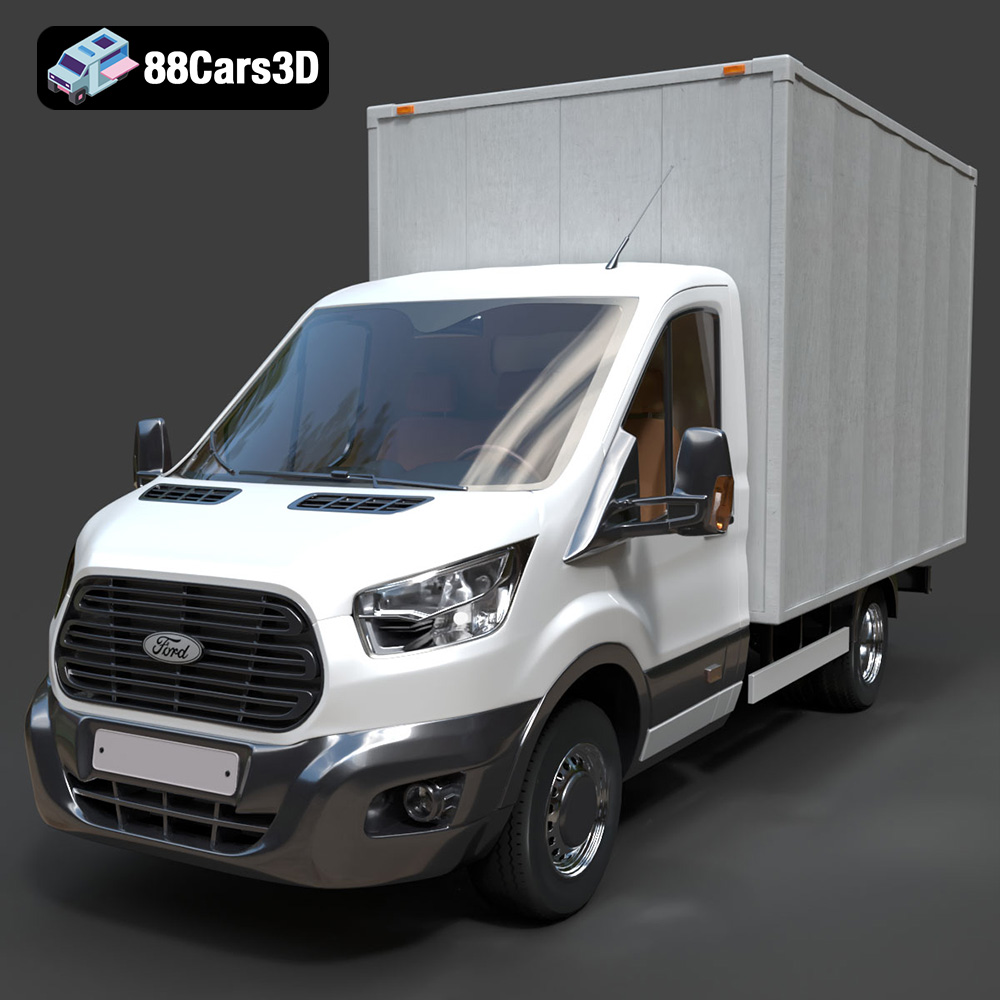
Today, we delve into the intricate world of professional-grade 3D car models, exploring how meticulously crafted assets enhance diverse workflows. We’ll specifically spotlight an exceptional example: the Ford Transit Camion 2008 3D Model. This particular model isn’t just a representation; it’s a testament to the blend of artistic precision and technical optimization required in modern 3D production, offering unparalleled detail from its robust exterior to its functional interior. Such assets, readily available on platforms like 88cars3d.com, empower creators to achieve stunning results efficiently.
The quest for realism in digital environments hinges significantly on the quality of individual assets. For commercial vehicles like trucks and vans, this means capturing every nuance, from the utilitarian lines of the bodywork to the intricate mechanics of the suspension. A truly high-fidelity model goes beyond mere visual representation; it embodies accurate proportions, precise topology, and an intelligent structural breakdown that facilitates a myriad of applications.
For many digital projects, the goal is to create a believable world. In automotive rendering, this often means showcasing vehicles in a light that blurs the line between digital and physical. High-fidelity 3D car models are the building blocks for achieving this. They provide the necessary geometric information for accurate lighting calculations, realistic material rendering, and convincing animation. Without this level of detail, even the most advanced rendering engines will struggle to produce photorealistic results. The subtle imperfections, the specific panel gaps, the tread patterns on tires—all contribute to the viewer’s suspension of disbelief.
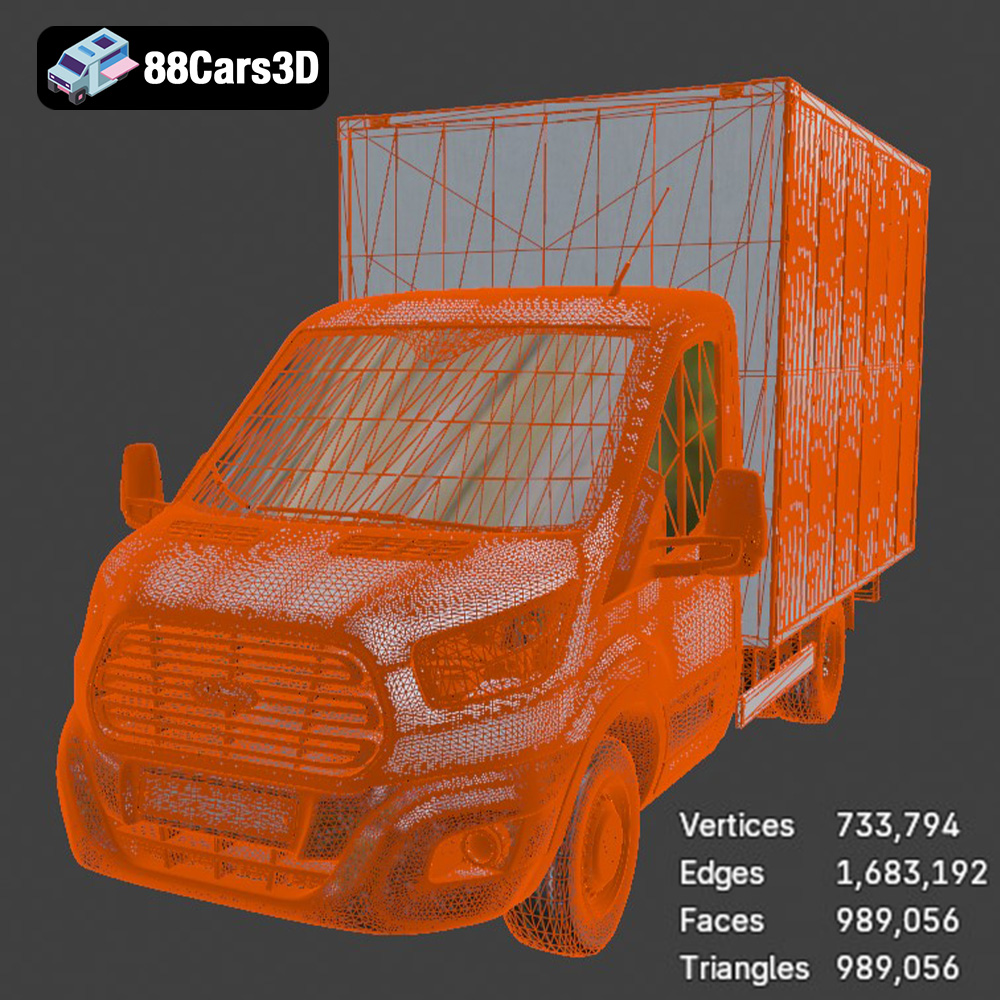
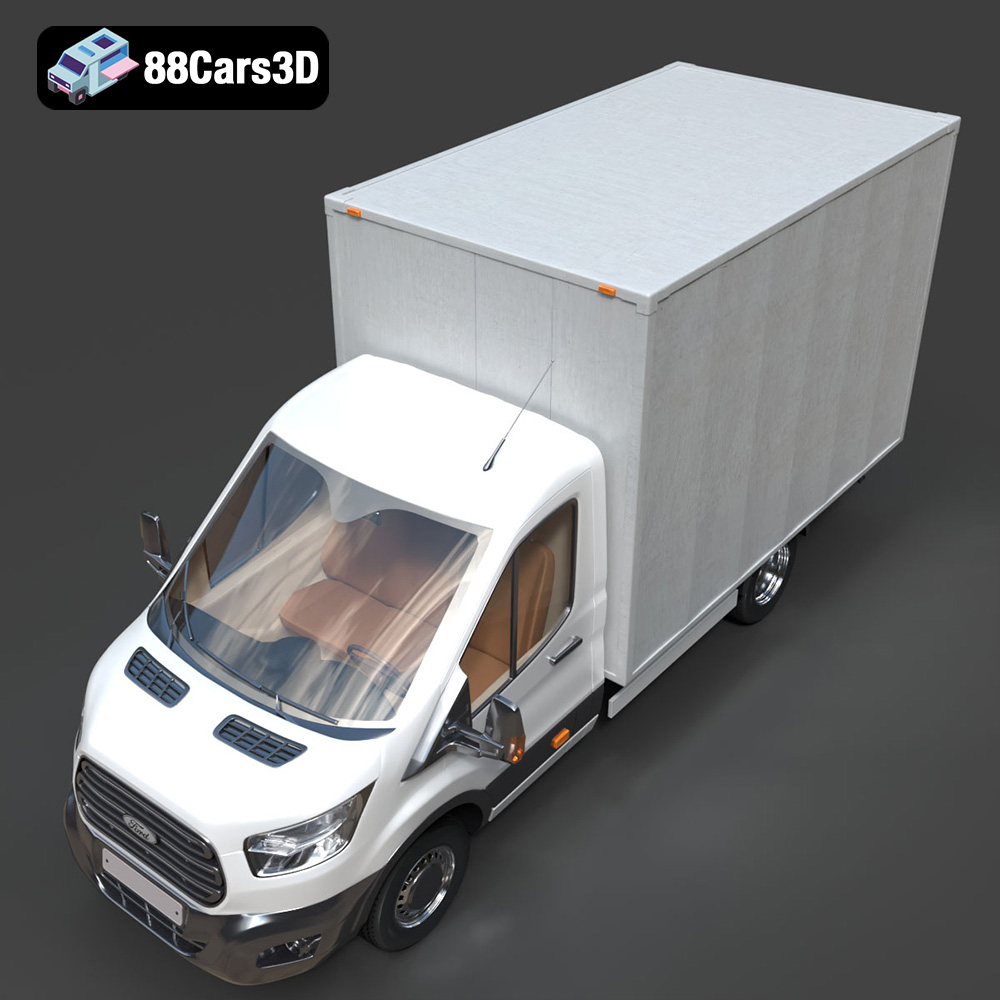
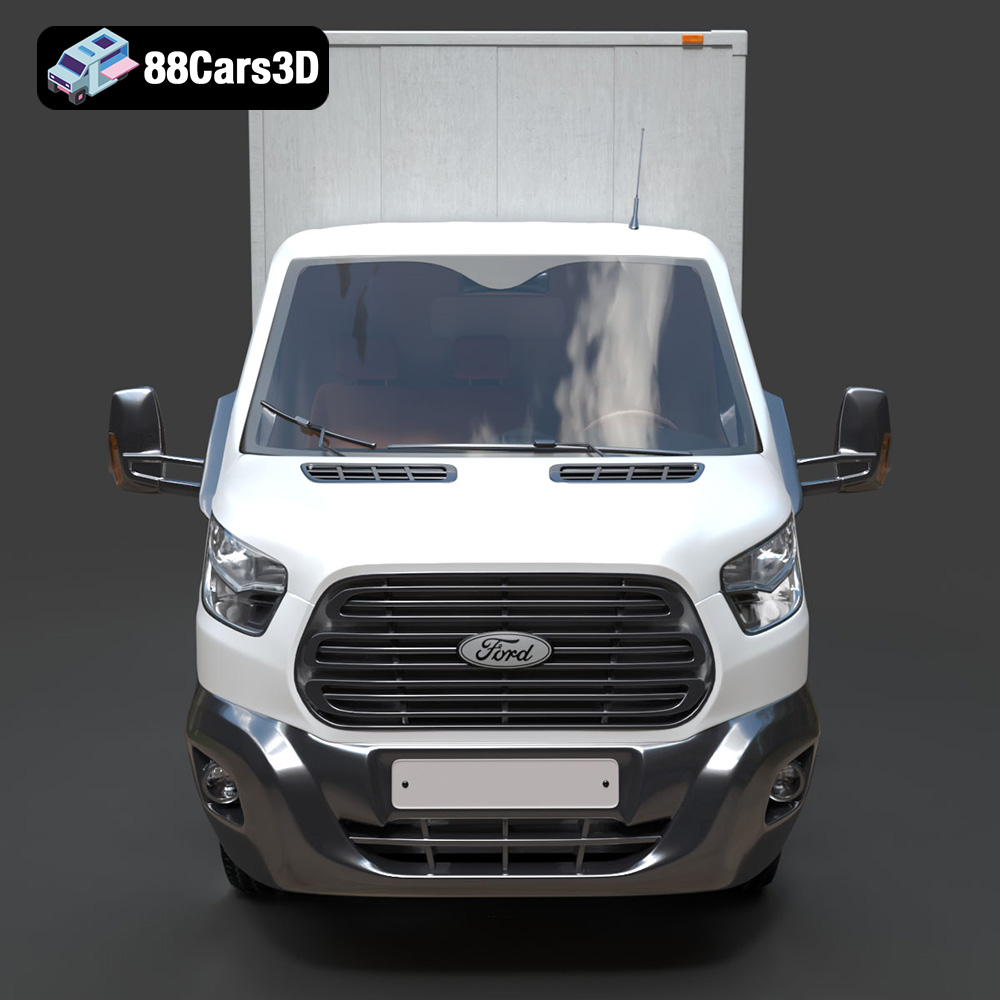
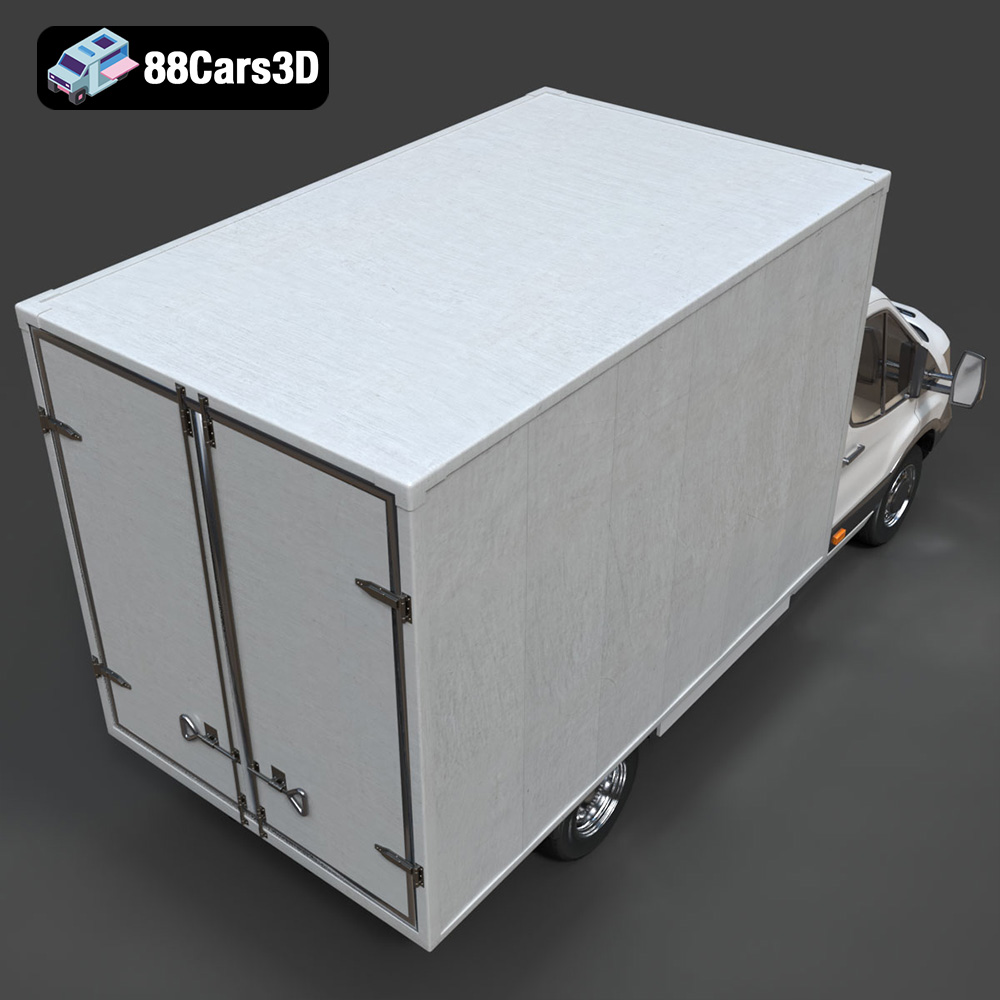
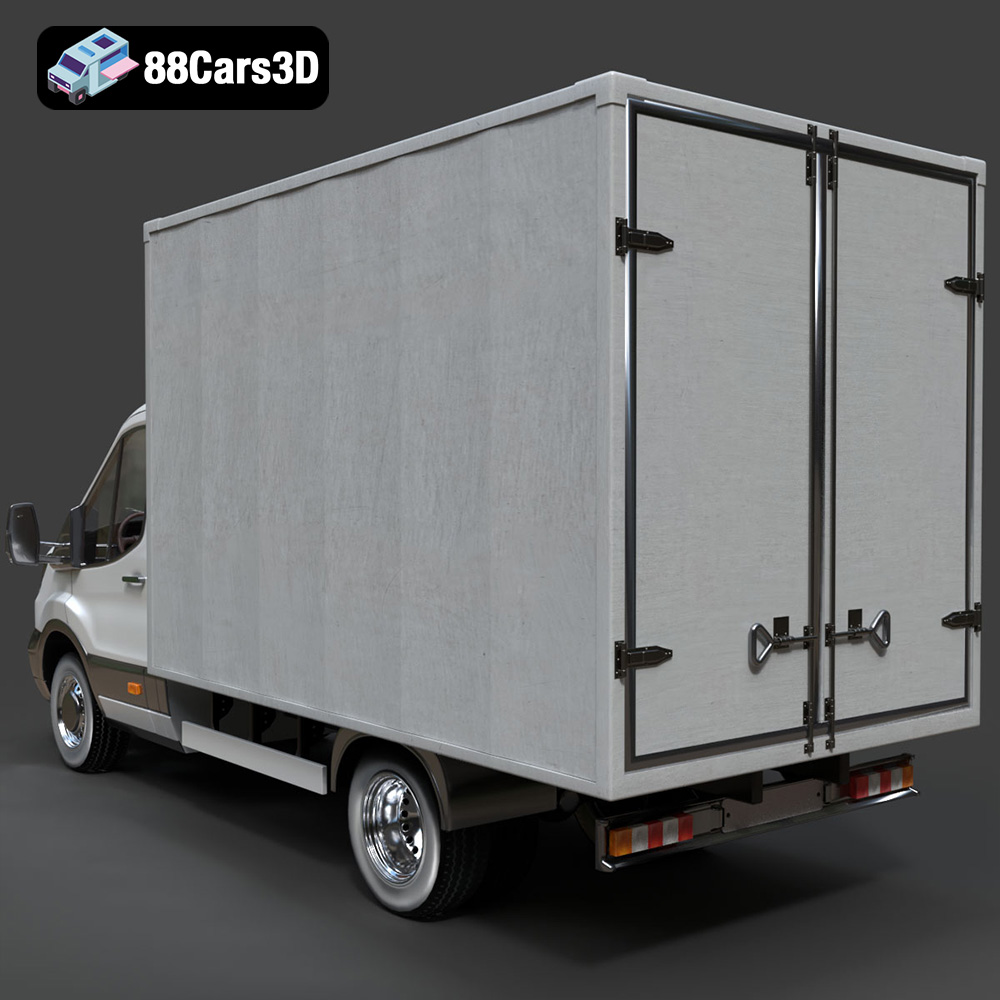
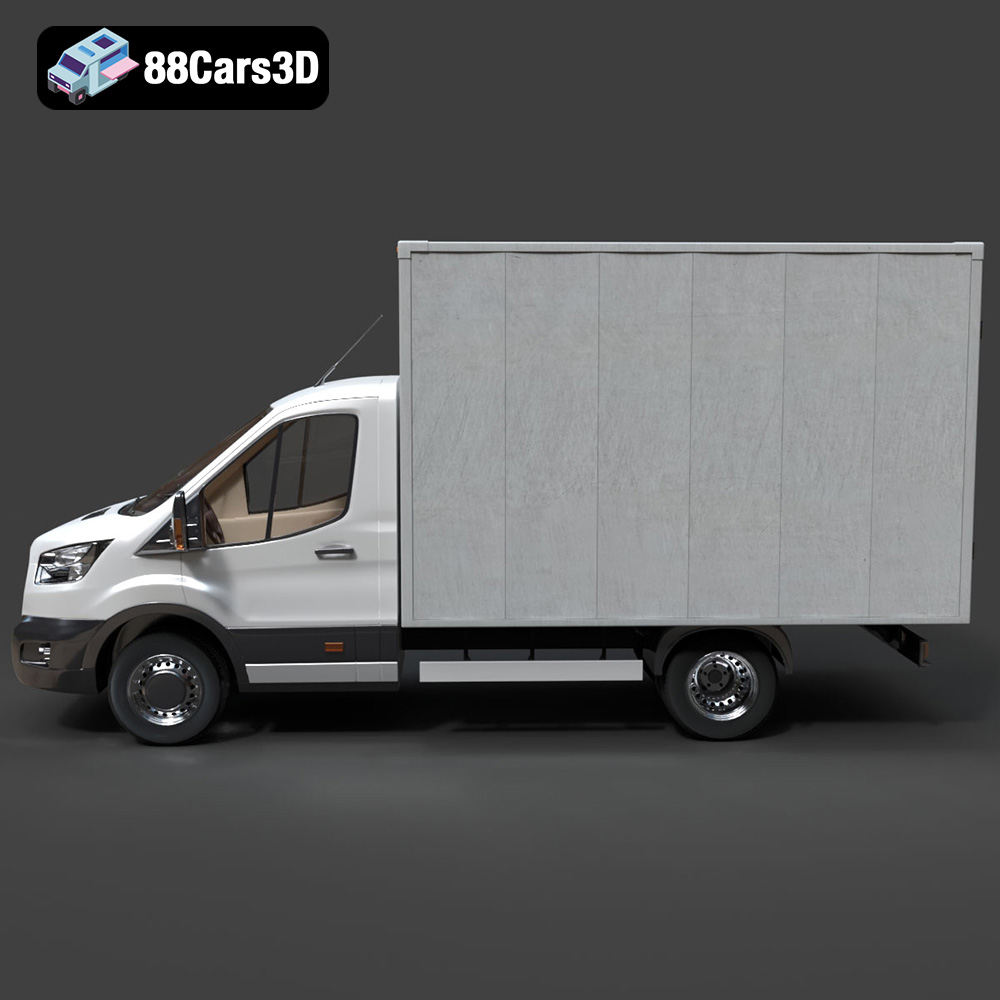
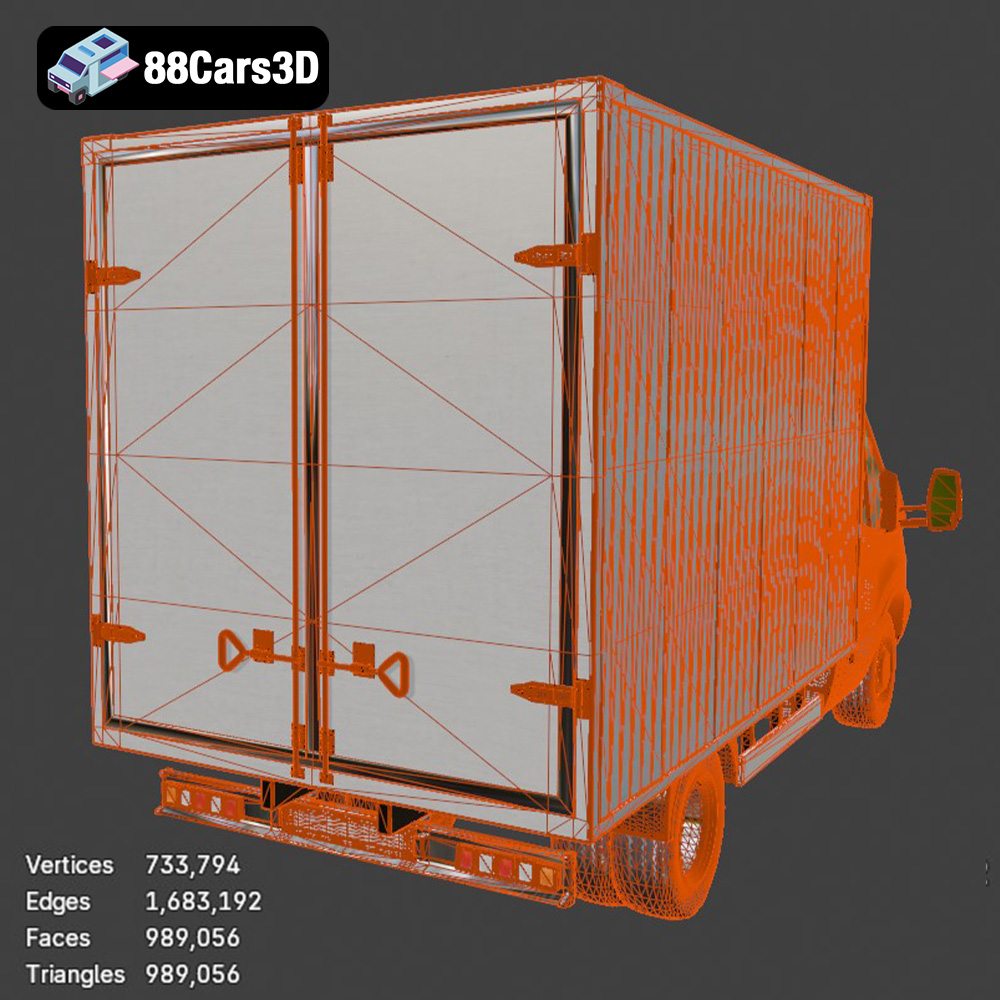
Consider the Ford Transit Camion 2008 3D Model. It represents a pinnacle of commercial vehicle reliability, an icon of utility and robust design. This particular model captures the essence of the 2008 iteration, featuring the classic commercial truck bed configuration, a meticulously detailed chassis framework, and the unmistakable front fascia of the Transit series. With an impressive 989,056 triangles, this asset doesn’t just look good from a distance; it holds up under close-up scrutiny. This high poly count is strategically deployed to capture crucial details like the engine block, under-hood components, realistic commercial exhaust system, and intricate leaf spring suspension. This level of detail makes it an invaluable asset for realistic urban and industrial scenes, logistics-focused gaming titles, and commercial fleet visualizations where authenticity is key.
Navigating the diverse world of 3D modeling requires a solid understanding of various file formats. Each format serves specific purposes, offers unique advantages, and ensures compatibility across different software and platforms. The Ford Transit Camion 2008 3D Model package comes equipped with a comprehensive range of these formats, providing maximum flexibility for any professional workflow. Choosing the correct format is crucial for maintaining data integrity, optimizing performance, and achieving the desired outcome, whether for rendering, real-time engines, or physical fabrication.
The .blend file format is Blender’s native file type. It’s much more than just a mesh container; it encapsulates an entire Blender scene, including all objects, materials, textures, lighting setups, cameras, animations, and even node configurations. For users deeply integrated into the Blender ecosystem, a .blend file offers unparalleled editability and convenience. It allows for direct manipulation of every aspect of the model, from adjusting its PBR materials to modifying its geometry or animation rigging. When working with the Ford Transit Camion 2008, the .blend file is ideal for deep customization, extending the model’s functionality within a familiar and powerful environment, making it a go-to for many artists looking to truly make the asset their own.
.fbx (Filmbox) is a proprietary file format owned by Autodesk, widely regarded as the industry standard for interoperability between 3D software applications and game engines. It supports not only geometry but also materials, textures, animations, skinning, and camera data. This makes .fbx an ideal choice for complex assets like the Ford Transit Camion 2008 that might be animated or require advanced material setups, especially when transitioning to real-time pipelines like Unreal Engine or Unity. Its robust data handling ensures that a wide array of information is preserved during transfer.
.obj (Wavefront OBJ) is a universal, open-standard format that has been a cornerstone of 3D data exchange for decades. While it primarily focuses on geometry (vertices, normals, UVs, and faces), it can reference external material (.mtl) files for color and texture information. Its simplicity makes it highly compatible across virtually all 3D software, ensuring that the core mesh data of the Ford Transit Camion 2008 is accessible even in niche applications. While it doesn’t carry animation or complex rigging, it’s incredibly reliable for static mesh export and import, making it a safe choice for basic model transfers.
.glb (GL Transmission Format Binary) is the binary version of glTF, a royalty-free specification for the efficient transmission and loading of 3D scenes and models by applications. Optimized for AR, VR, and web-based displays, .glb packages all necessary data (geometry, materials, textures, animations) into a single compact file. For showcasing the Ford Transit Camion 2008 in an immersive virtual showroom or an interactive web experience, .glb offers excellent performance and ease of integration.
.stl (Stereolithography) is the de facto standard file format for 3D printing. It represents a 3D model as a series of connected triangles (a tessellation) without color or texture information. For hobbyists or professionals looking to physically manifest the Ford Transit Camion 2008 as a display-scale model, the .stl format is essential. It provides the necessary geometric data for slicing software to prepare the model for additive manufacturing, precisely as detailed in the product’s 3D print settings.
.ply (Polygon File Format) is another format for storing 3D data, particularly suited for scanner data and meshes with color per vertex. It supports a wider range of properties than .stl, including color, transparency, and sometimes normals and texture coordinates, directly associated with vertices and faces. While less common for general model exchange, it’s a precision mesh format valuable for CAD, scientific visualization, or detailed analysis where vertex-level attributes are critical.
The .unreal format, or more accurately, assets provided in a structured way that are “Unreal Engine-ready,” refers to a collection of assets (like .fbx files, textures, and material setups) organized and pre-configured for direct import and optimal performance within the Unreal Engine ecosystem. This means textures are often in the correct format, materials are set up with PBR workflows, and collision meshes might be included. For the Ford Transit Camion 2008, having an Unreal-ready package significantly streamlines the integration process into game development and real-time visualization projects, saving countless hours of manual setup.
Finally, .max is the native file format for Autodesk 3ds Max. Similar to .blend for Blender, a .max file contains an entire 3ds Max scene, including all geometry, materials, lighting, cameras, animations, and modifiers. For professional studios and artists who rely on 3ds Max for high-end automotive rendering, architectural visualization, or cinematic animation, the .max file provides full access to the original scene, enabling comprehensive modification, integration into existing projects, and utilization of advanced rendering features. This complete scene access is invaluable for leveraging the Ford Transit Camion 2008 within a robust production pipeline.
The convergence of powerful hardware and sophisticated software has propelled game development and AR/VR experiences into realms of unprecedented realism. Central to this evolution are highly optimized yet visually rich 3D assets. The Ford Transit Camion 2008 3D Model is engineered precisely for these demanding environments, striking a crucial balance between fidelity and performance.
For real-time engines like Unreal and Unity, optimization is key. While 989,056 triangles might seem like a high poly count for a game asset, it’s actually meticulously balanced for the Ford Transit Camion 2008. This count allows for exceptional visual realism, particularly for close-up shots and detailed environments, without crippling engine performance. The model’s structured topology ensures that meshes are clean, allowing for efficient UV mapping and proper subdivision if needed. This level of detail is strategically applied to ensure that critical visual elements, such as the detailed engine block and intricate suspension components, are preserved, while less visible areas maintain efficiency. This “game-ready” approach means developers spend less time optimizing and more time creating.
Immersion in games and AR/VR relies heavily on accurate scale. The Ford Transit Camion 2008 is built to real-world scale based on actual vehicle chassis dimensions. This precision is vital for first-person perspective (POV) gameplay, ensuring that players perceive the environment and interact with the vehicle in a natural, believable way. In AR/VR applications, maintaining accurate scale prevents cognitive dissonance, allowing users to experience the model as if it were truly present in their physical space or a convincing virtual one. From walking around the exterior to sitting in the authentically modeled cockpit, the accurate scale enhances the sense of presence.
A static model can only go so far. For dynamic game environments or interactive AR/VR experiences, animation is crucial. The Ford Transit Camion 2008 excels here with its intelligent structural setup. Separate wheels, suspension components, and steering elements are provided, each with proper pivot points. This meticulous preparation allows for seamless animation of steering, realistic wheel rotation, and authentic suspension travel. Imagine this truck navigating a bumpy dirt road in a simulation or cornering sharply in a racing title—the pre-configured pivots drastically reduce animation setup time, letting technical artists focus on creating compelling motion rather than fixing structural issues.
Beyond interactive real-time applications, the Ford Transit Camion 2008 3D Model is an indispensable tool for high-end automotive rendering and visualization. Here, the emphasis shifts from real-time performance to absolute photorealism, where every reflection, every shadow, and every material interaction must be flawless.
For marketing agencies and automotive companies, compelling visuals are paramount. The high-fidelity of the Ford Transit Camion 2008 makes it an excellent candidate for brand campaigns and studio lighting setups. Its detailed geometry, accurate proportions, and robust material definition allow for stunning, photorealistic renders that can be used in advertisements, brochures, and digital showcases. Imagine the truck illuminated by professional studio lights, showcasing its metallic finishes and subtle surface contours – an image indistinguishable from a physical photograph. This capability transforms digital assets into powerful marketing tools.
Architectural visualization often requires more than just buildings; it needs context. Populating urban scenes with realistic vehicles is crucial for conveying scale, activity, and atmosphere. The Ford Transit Camion 2008, with its iconic presence, is perfect for adding life to these visualizations. Its robust utility and classic design blend seamlessly into industrial areas, city streets, or logistics hubs within an architectural render. The ability to render it accurately, whether as a background element or a focal point, elevates the overall quality and believability of any architectural project.
No two projects are identical, and customization is often essential. The Ford Transit Camion 2008 offers extensive customization options. Artists can easily change cabin colors to match specific brand liveries or fleet requirements. Tire textures can be modified to reflect different environments, from rugged off-road variants to smooth street tires. Material finishes can be adjusted from matte to gloss or metallic, allowing for creative exploration and precise visual storytelling. Furthermore, adapting lighting for different environments—be it a sunny outdoor scene, a gritty industrial setting, or a dramatic night shot—is straightforward, ensuring the model fits perfectly into any narrative or aesthetic vision.
The utility of high-quality 3D models extends beyond digital screens, venturing into the physical world through 3D printing. For enthusiasts, collectors, or even educational purposes, a tangible representation of the Ford Transit Camion 2008 3D Model can be incredibly rewarding. The model is specifically prepared for this application, offering a detailed pathway from digital mesh to physical object.
Converting a high-fidelity rendering or game asset into a printable model requires careful consideration. The Ford Transit Camion 2008 model provides the necessary .stl format, which is the standard for 3D printing. The recommended scales (1:12, 1:18, 1:24) offer a balance between retaining fine details and manageability. For optimal results, specific print settings are advised: a layer height of 0.04–0.12 mm, with resin printing highly recommended for capturing the intricate details of the engine block, undercarriage, and interior. Wall thickness of 1.2–2.0 mm and an infill of 20–30% ensure structural integrity without excessive material usage. Importantly, support structures will be required for complex geometries like the exhaust system, mirrors, and handlebars, to prevent deformation during printing. Printing the frame at an angle and wheels separately also optimizes structural strength and detail capture.
3D printing is often just the first step in creating a truly display-worthy physical model. Post-processing is where the magic happens, transforming raw plastic into a miniature replica. For the Ford Transit Camion 2008, this involves meticulous sanding to smooth layer lines, followed by the application of primer to create a uniform surface. The final touch involves painting with authentic factory colors, potentially enhanced with metallic finishes to mimic the original vehicle’s luster. This detailed approach to 3D printing and post-processing allows creators to produce exquisite physical models, celebrating the industrial design of the Transit Camion in a new dimension.
The true value of a versatile 3D asset like the Ford Transit Camion 2008 3D Model lies in its seamless integration into various professional workflows. Whether you’re a seasoned professional using industry-standard software or a burgeoning artist exploring new tools, this model provides a solid foundation for your projects. Its comprehensive file format support from 88cars3d.com ensures that artists are not limited by software compatibility, opening doors to diverse creative applications.
For artists working within an Autodesk 3ds Max environment, the included .max file is invaluable. It provides a fully editable scene, often pre-configured with materials and possibly even lighting setups, acting as a direct jump-off point.
This workflow capitalizes on the deep customization capabilities of 3ds Max, allowing for cinematic-quality automotive rendering.
For game developers and real-time artists, moving assets from Blender to Unreal Engine is a common pipeline. The Ford Transit Camion 2008 is perfectly suited for this, offering both a .blend file for source editing and an optimized .fbx (or even .unreal ready) package for engine integration.
This workflow demonstrates how the pre-optimized nature of the Ford Transit Camion 2008 accelerates production for dynamic, interactive applications, making it a powerful 3D game asset.
In the dynamic world of 3D content creation, the difference between a good project and a great one often hinges on the quality and versatility of its core assets. The Ford Transit Camion 2008 3D Model stands out as an exemplary asset, meticulously crafted for a wide spectrum of applications, from high-fidelity automotive rendering and immersive game development to precise 3D printing. Its impressive poly count of 989,056 triangles, combined with accurate real-world scale and intelligent component separation, ensures both visual realism and practical utility across diverse professional workflows.
By offering a comprehensive suite of file formats—including .blend, .fbx, .obj, .glb, .stl, .ply, .unreal, and .max—this model guarantees seamless integration into virtually any major 3D software or real-time engine. Whether you’re populating an architectural visualization with a believable commercial vehicle, creating a compelling driving simulator, or manifesting a tangible replica, this Ford Transit model provides the technical foundation you need. It’s a testament to the power of well-designed 3D car models to elevate digital and physical projects alike. For those seeking such high-caliber assets to accelerate their creative endeavors, 88cars3d.com offers a curated selection designed to meet the rigorous demands of modern production.
The Ford Transit Camion represents a pinnacle of commercial vehicle reliability, offering robust utility and iconic styling tailored for heavy-duty logistics and transport. This 2008 model features the classic commercial truck bed configuration, detailed chassis framework, and the unmistakable front fascia of the Transit series, making it an essential asset for realistic urban and industrial scenes.
Boasting an impressive 989,056 triangles, this high-fidelity 3D model delivers exceptional visual realism while maintaining structured topology for seamless integration. Whether utilized in game development, architectural visualization, or cinematic animation, this asset provides unparalleled detail for close-up shots and immersive environments.
Perfect for industrial simulations, urban environment population, logistics-focused gaming titles, and commercial fleet visualizations.
.blend, .fbx, .obj, .glb, .stl, .ply, .unreal, .max
Tags:
ford, transit-camion, 2008, commercial-vehicle, truck, game-ready, high-poly, optimized, car-3d-model, truck-3d-model, game-asset, rendering, vr-ar, blend, fbx, obj, glb, stl, ply, unreal, max
$61.00
.2008
.blend
.fbx
.ford
.glb
.max
.obj
.ply
.rendering
.stl
.truck
.unreal
car-3d-model
commercial-vehicle
game asset
game-ready
high poly
optimized
transit-camion
truck-3d-model
VR/AR