Get 20% OFF All Premium 3D & STL Models!

In the dynamic world of digital design, the ability to accurately and beautifully represent real-world objects is paramount. For automotive enthusiasts, game developers, architects, and visual artists alike, a high-quality 3D model of a vehicle isn’t just a luxury—it’s an indispensable tool. It serves as the foundation for stunning visualizations, immersive gaming experiences, and cutting-edge AR/VR applications. Few vehicles embody a blend of luxury, performance, and distinctive design quite like the BMW X4 Sports Activity Coupe (SAC), making it a prime subject for sophisticated 3D replication.
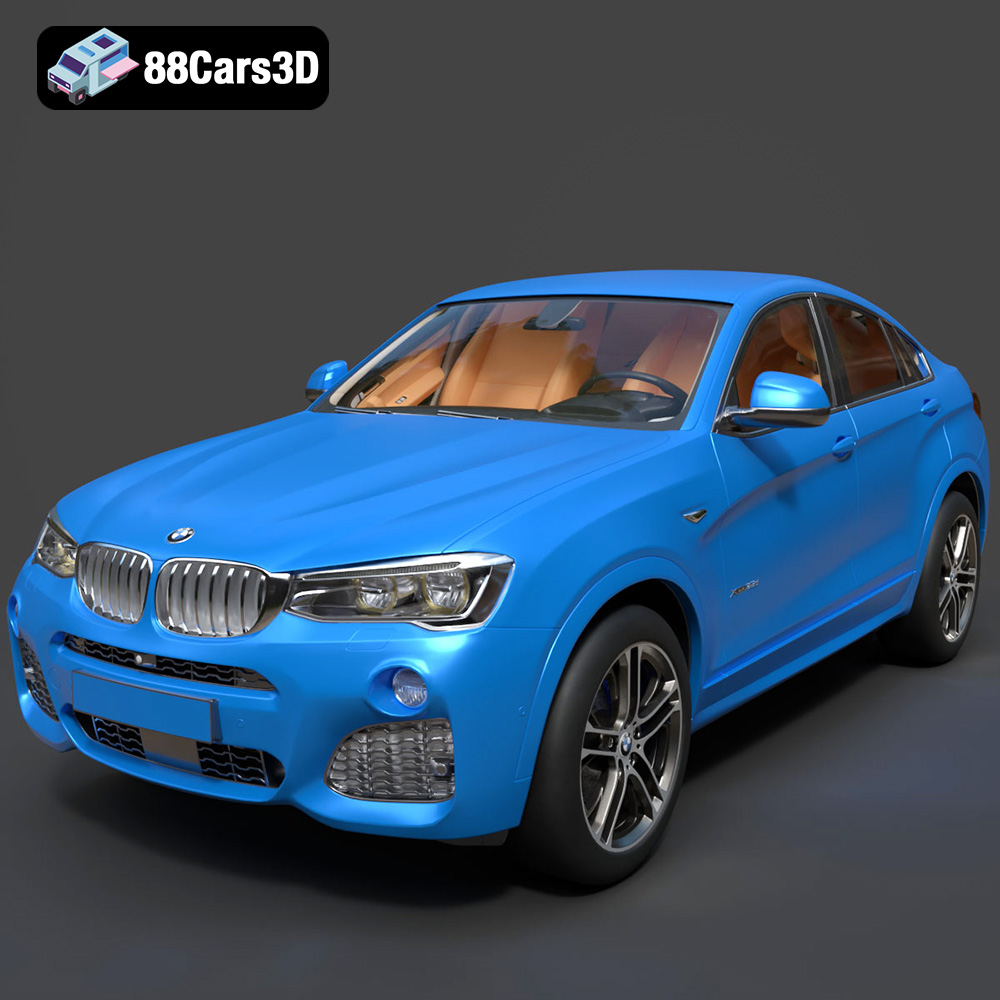
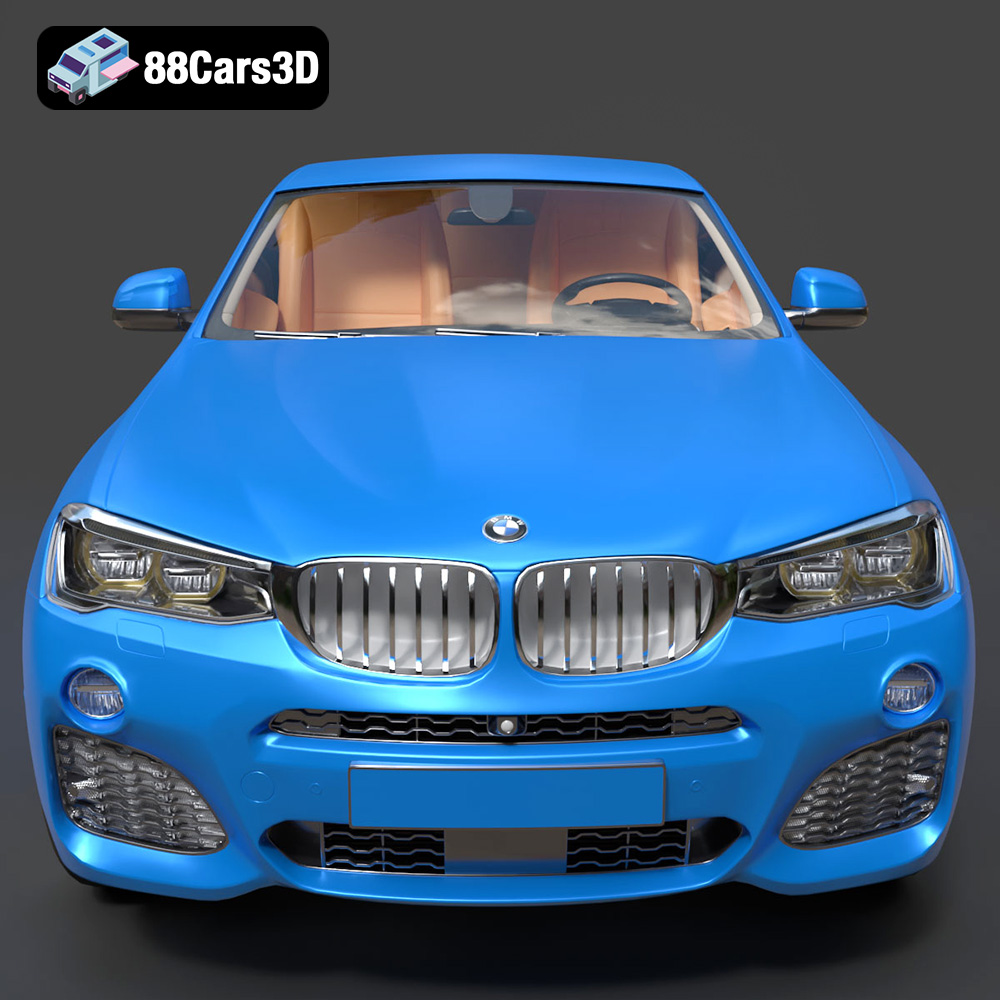
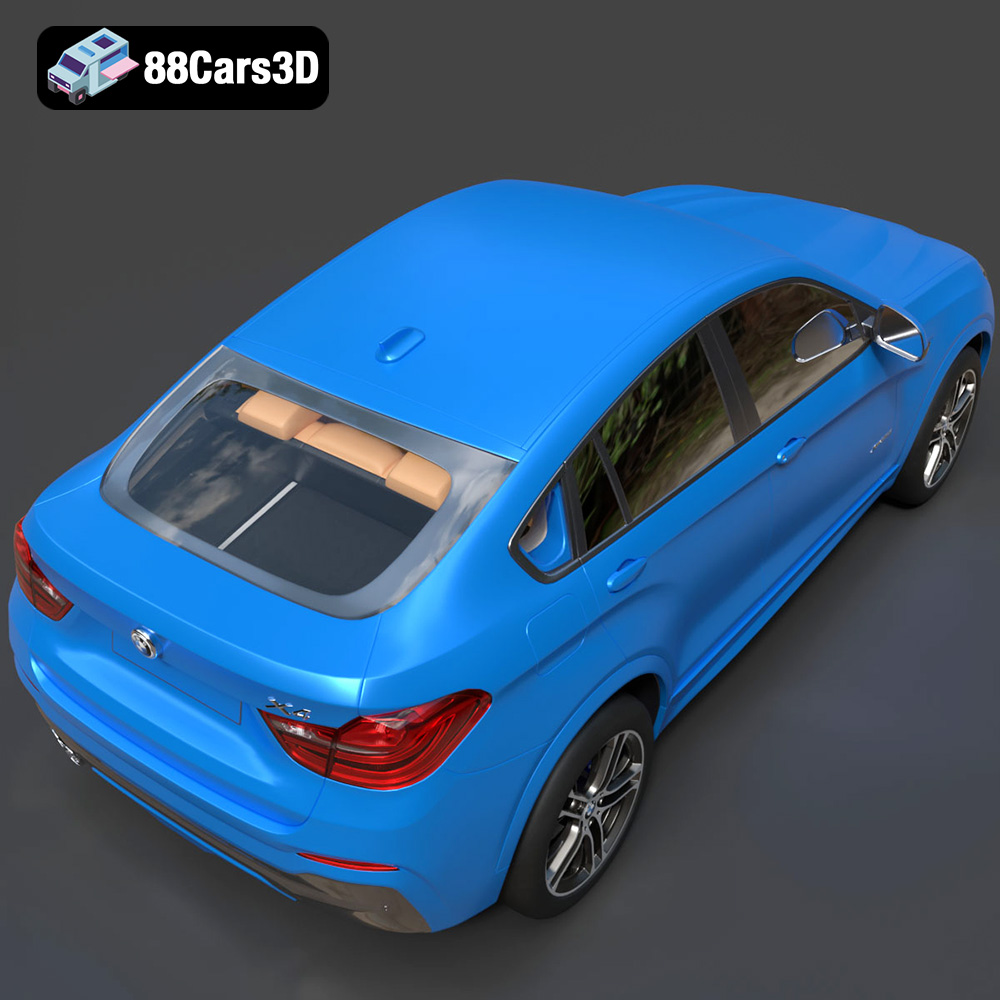
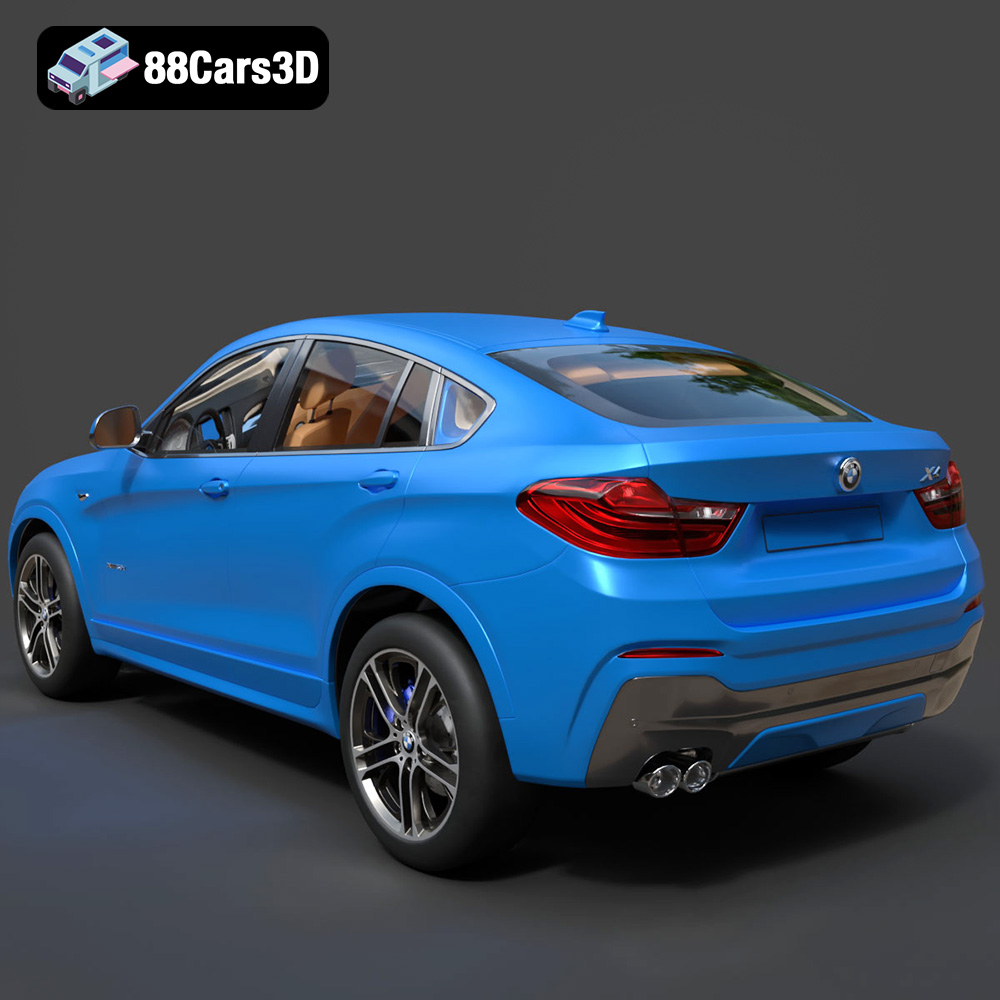
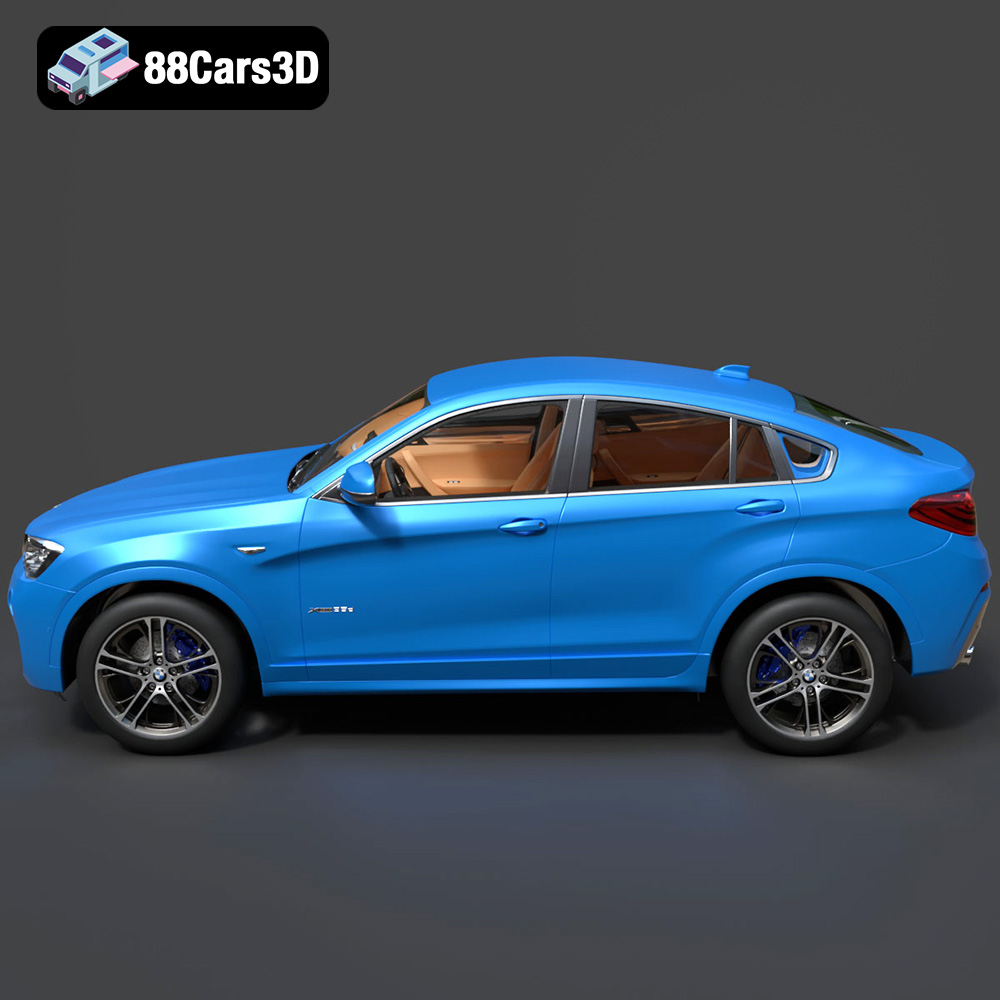
The BMW X4, with its aggressive front fascia, signature kidney grille, muscular haunches, and elegant sloping roofline, presents a formidable challenge and a rewarding opportunity for 3D artists. Recreating its dynamic road presence and refined aerodynamic profile requires meticulous attention to detail and advanced modeling techniques. Fortunately, for those seeking to integrate such a prestigious vehicle into their projects, a meticulously crafted 3D car model of the BMW X4 is available, engineered to meet the highest standards of visual fidelity and technical optimization. This model is not just a digital replica; it’s a versatile asset designed to elevate any project, from photorealistic renders to real-time interactive experiences.
Creating a digital twin of a complex machine like the BMW X4 demands a deep understanding of both artistic form and technical precision. It’s a process that begins with capturing the very essence of the vehicle’s design philosophy and culminates in a geometrically sound and aesthetically perfect 3D asset.
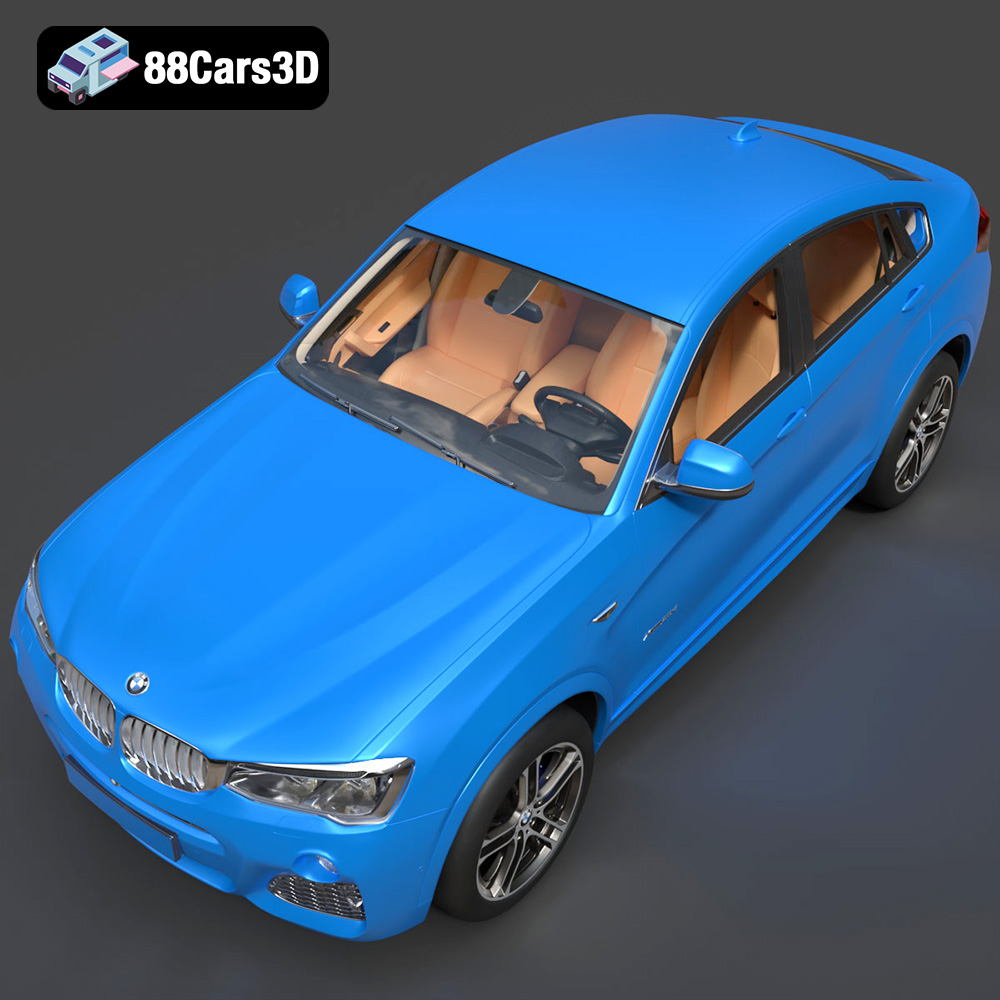
The BMW X4 stands out with its unique Sports Activity Coupe silhouette, blending the utility of an SUV with the sleek lines of a coupe. Translating this distinctive design into a 3D model involves more than just replicating surfaces; it requires understanding the designer’s intent behind every curve and crease. The aggressive stance, the pronounced character lines along the side, the intricate design of the LED adaptive headlights, and the signature L-shaped 3D taillights all contribute to the X4’s commanding presence. A premium 3D model, such as the BMW X4 3D Model available at 88cars3d.com, captures these nuances with remarkable accuracy, ensuring that the digital representation evokes the same sense of luxury and performance as its real-world counterpart. This attention to detail extends to the visible high-performance braking and suspension components, along with the premium M-Sport style alloy wheels and low-profile tires, all contributing to an authentic visual experience.
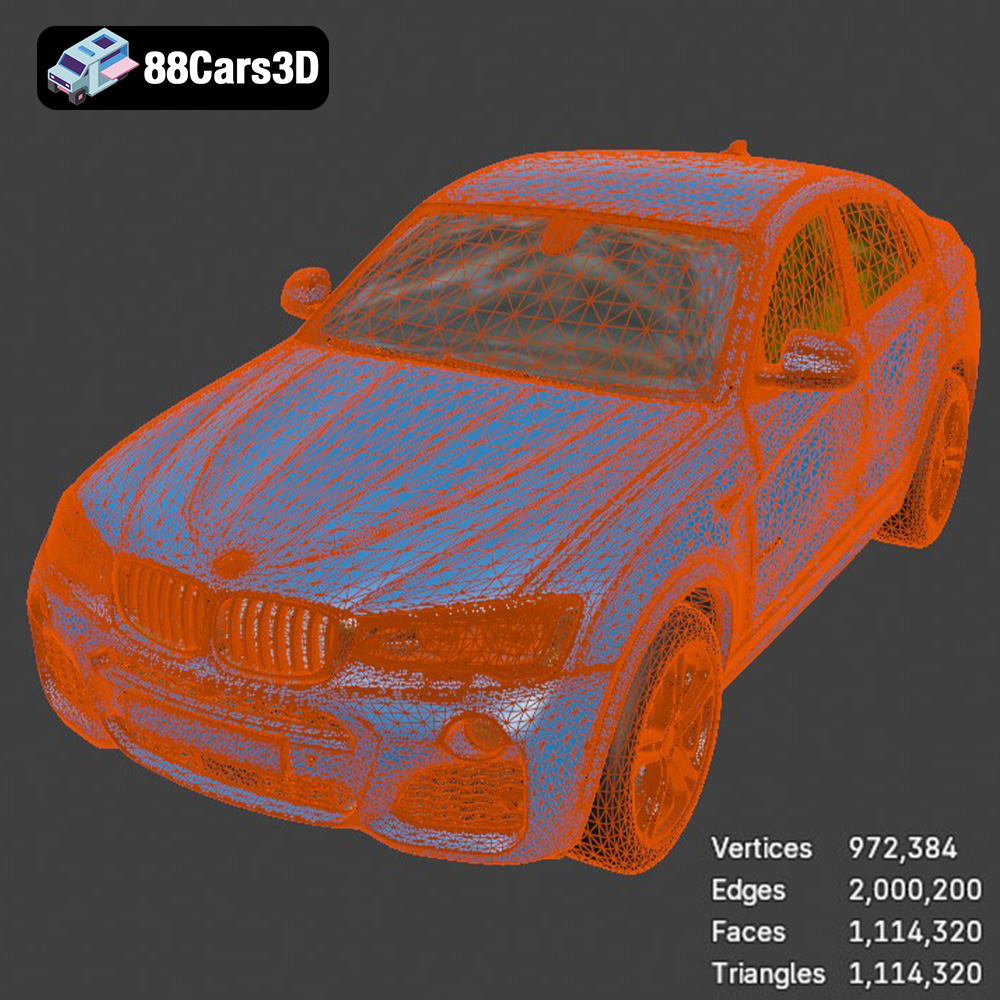
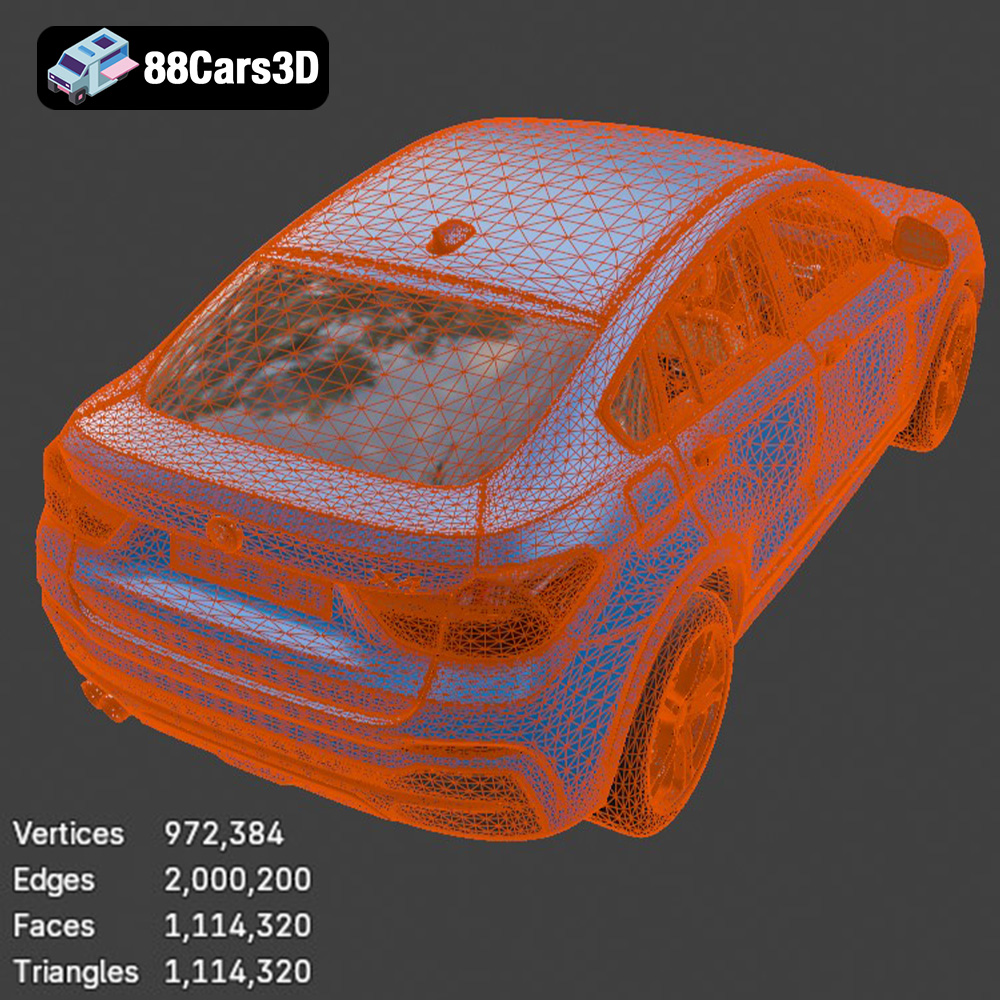
Visual appeal in 3D is only possible with a robust technical foundation. For photorealistic rendering, the underlying mesh topology is critical. A high polygon count, like the impressive 1,114,320 triangles found in this BMW X4 model, is essential for capturing every subtle curvature and intricate detail. However, raw poly count alone isn’t enough; the topology must be “clean,” meaning it’s carefully structured with quad-based geometry, consistent edge flow, and optimized UV mapping (for texture application). This ensures that light interacts with the surfaces predictably, resulting in smooth reflections, crisp edge loops, and a flawless appearance under various lighting conditions. Such meticulous modeling is crucial for high-end rendering, cinematic animations, and modern real-time engines that utilize advanced geometry streaming systems like Unreal Engine 5’s Nanite, where detailed geometry can be efficiently managed without performance bottlenecks. The model’s detailed engine bay hints at a powerful TwinPower Turbo inline configuration, further enhancing its appeal for close-up renders.
The versatility of a 3D model often hinges on its availability in various file formats, each serving specific purposes and compatible with different software and platforms. Understanding these formats is crucial for designers, developers, and artists to choose the right tool for their project.
The `.blend` file is the native format for Blender, a powerful open-source 3D creation suite. When you download a `.blend` file, you’re getting a fully editable Blender scene, complete with all its associated data: mesh geometry, materials (including complex node-based setups), textures, lighting, cameras, rigging, animations, and even physics simulations. This format offers maximum flexibility and control for Blender users, allowing them to deconstruct, modify, and re-purpose every aspect of the BMW X4 model. For artists working natively in Blender, this is the most comprehensive and adaptable option, enabling deep customization and seamless integration into existing Blender projects.
FBX (Filmbox) is a proprietary file format developed by Autodesk, widely adopted across the 3D industry as a versatile exchange format. It excels at carrying not just geometry, but also complex data like animation, skeletal rigging, morph targets, camera settings, and basic material properties. This makes `.fbx` ideal for transferring animated 3D assets between different software packages, particularly for game development pipelines like Unreal Engine and Unity, or for motion graphics in programs like Maya and 3ds Max. The BMW X4 model in `.fbx` format ensures that its separate wheels, suspension, and steering components retain their pivot setups and hierarchies, making it ready for immediate animation in real-time environments.
Wavefront OBJ (`.obj`) is one of the oldest and most universally supported 3D file formats. It’s a simple, text-based format primarily used to store geometric data: vertices, normals, UV coordinates, and faces. While it can reference external material files (`.mtl`), it doesn’t store animation, rigging, or complex scene information directly. Its strength lies in its widespread compatibility, making it an excellent choice for basic geometry transfer between almost any 3D software. For simple imports or when cross-software compatibility is the highest priority, the `.obj` version of the BMW X4 model provides a clean, reliable mesh.
GL Transmission Format Binary (`.glb`) is the binary version of glTF, a royalty-free specification for the efficient transmission and loading of 3D scenes and models by applications. It packages all model data—geometry, textures, animations, and PBR (Physically Based Rendering) materials—into a single file. This optimization makes `.glb` particularly well-suited for AR (Augmented Reality), VR (Virtual Reality), and browser-based 3D applications, where quick loading times and compact file sizes are critical. The BMW X4 model in `.glb` format is perfect for creating interactive virtual showrooms or integrating into web-based 3D configurators with minimal overhead.
Stereolithography (`.stl`) is the standard file format for 3D printing. It represents a 3D model as a series of connected triangles, forming the outer surface geometry. Crucially, `.stl` files do not store color, texture, or any complex scene information; they are purely about the mesh structure. For a model to be 3D printable, the `.stl` file must represent a “watertight” mesh, meaning it has no holes or gaps that would confuse the slicing software. The BMW X4 3D model’s `.stl` variant is designed for hobbyists and professionals looking to bring the digital car into the physical world, complete with recommended print settings for optimal results.
The Polygon File Format (`.ply`) is a more comprehensive format than `.obj` for describing 3D object properties, often used in scientific and academic contexts. It can store not only geometry but also color, transparency, surface normals, and range data from 3D scanners. It’s particularly useful for models derived from real-world scans or for applications requiring precise mesh information for CAD, reverse engineering, or numerical analysis. For projects demanding high precision or incorporating scanned data, the `.ply` version of the BMW X4 model offers a robust and detailed mesh.
While `.unreal` is not a standalone file extension in the same way as the others, it signifies an asset package or project specifically prepared for Unreal Engine. This often means the model has been imported as an `.fbx`, then further processed within Unreal Engine with optimized materials (e.g., PBR setup, instance materials), collision meshes, LODs (Levels of Detail), and potentially even blueprint scripts for interactivity. An “Unreal-ready” asset like the BMW X4 3D model implies a smooth workflow for integration into Unreal Engine projects, saving developers significant setup time and ensuring performance within the engine’s ecosystem.
The `.max` file is the native scene file for Autodesk 3ds Max, a leading software for 3D modeling, animation, and rendering. Similar to the `.blend` file for Blender, a `.max` file contains all elements of a 3ds Max project: geometry, materials (potentially complex V-Ray or Corona setups), lighting, cameras, animation timelines, and modifiers. This format provides full editability within 3ds Max, allowing artists to leverage its powerful toolset for advanced rigging, animation, and rendering setups. The availability of the BMW X4 model as a `.max` file offers 3ds Max users complete control and flexibility for high-end visualizations and animated sequences.
The intersection of automotive design and interactive entertainment is a rapidly expanding frontier. High-quality 3D car models are the lifeblood of modern video games, from AAA titles to immersive simulators. The BMW X4 3D Model is meticulously crafted to excel in this demanding environment.
Game development requires a delicate balance between visual fidelity and performance. While the BMW X4 model boasts an impressive 1,114,320 triangles, this count is strategically balanced to maintain high-end visual realism without crippling real-time frame rates on modern hardware. For engines like Unreal Engine 5 with features like Nanite, such high-density meshes can be efficiently streamed and rendered, allowing for unprecedented detail without manual LOD creation becoming an overwhelming task. Beyond polycount, true optimization involves “game-ready” attributes such as real-world scale accuracy, which is crucial for believable physics and interaction within game worlds. Furthermore, the proper pivot setup for individual components like steering, wheel rotation, and suspension travel is fundamental, allowing for realistic vehicle dynamics and complex animation without additional rigging work, making it perfect for racing titles, open-world games, and vehicle simulators.
Modern game engines offer a plethora of features that can bring a 3D car model to life. For example, in Unreal Engine, the BMW X4 model can be imported as an .fbx or leveraged as an optimized .unreal asset, then seamlessly integrated into a PBR (Physically Based Rendering) material workflow. This ensures that the vehicle’s surfaces react realistically to various lighting conditions, mimicking the intricate reflections of metallic paint, the subtle sheen of glass, and the texture of tires. Developers can also utilize the model’s clean topology to implement advanced features like real-time ray tracing for hyper-realistic reflections and global illumination, or integrate it with physics engines for accurate damage modeling and driving dynamics. Its optimized geometry is well-suited for first-person POV in gaming, providing a detailed and immersive cockpit experience.
While game development is a significant application, the versatility of a high-quality 3D car model extends far beyond. The BMW X4 3D Model is an indispensable asset for a wide array of professional creative endeavors.
For advertising agencies, automotive manufacturers, and visualization studios, photorealistic renders are paramount. The BMW X4 3D Model, with its unparalleled visual fidelity and photorealistic accuracy, is an excellent candidate for high-end rendering. Its carefully structured topology ensures smooth reflections and crisp edge loops, essential for showcasing the vehicle in marketing campaigns, lifestyle scenes, or studio lighting setups. Artists can use software like 3ds Max or Blender, paired with powerful renderers such as V-Ray, Corona Renderer, or Cycles, to create breathtaking images and cinematic animations that highlight the X4’s luxurious details and dynamic presence, including its sport-tuned dual exhaust system and intricate LED adaptive headlights. From virtual showrooms to promotional videos, this model provides the visual foundation for compelling storytelling.
Augmented Reality (AR) and Virtual Reality (VR) are transforming how we interact with products. The BMW X4 model is perfectly suited for creating immersive experiences, whether it’s a virtual showroom where customers can explore the car in detail, a configurator allowing them to customize colors and features, or a mobile AR experience where they can place the car in their own driveway. The model’s availability in optimized formats like `.glb` is particularly advantageous here, enabling efficient loading and rendering on various devices, ensuring smooth and interactive exploration. Imagine prospective buyers walking around a virtual X4, opening doors, and inspecting the premium leather-textured sport seats and detailed digital instrument cluster from any angle, all before stepping into a physical dealership.
The journey of a 3D model doesn’t always end on a screen. For collectors, hobbyists, or design reviewers, having a physical representation of the BMW X4 can be incredibly valuable. The model is convertible to the `.stl` format, making it suitable for 3D printing. This allows designers to create display-scale replicas or prototypes. To achieve the best results, specific print settings are recommended: scales like 1:12, 1:18, or 1:24 are ideal. A layer height of 0.04–0.12 mm is suggested, with resin printing often yielding finer details due to its precision. Recommended wall thickness is 1.2–2.0 mm, with 20–30% infill. Supports will be required for intricate parts such as the exhaust system, mirrors, and steering wheel, and printing the frame angled for structural integrity with wheels printed separately helps achieve optimal detail and strength. Post-processing, including sanding, priming, and painting with authentic factory colors and metallic finishes, can transform the printed model into a stunning physical display piece.
The true value of a premium 3D asset lies in its seamless integration into established professional workflows. The BMW X4 3D Model’s diverse file formats and technical specifications ensure it fits comfortably into various industry pipelines.
For many professionals, Autodesk 3ds Max and Blender serve as the primary workstations for 3D content creation. The inclusion of native `.max` and `.blend` files with the BMW X4 model provides immense benefits. In 3ds Max, artists can utilize the full project file to access individual components like separate wheels, suspension, and steering, which are crucial for advanced rigging and animation setup. The detailed engine bay and cockpit can be further refined with 3ds Max’s powerful modeling tools and rendered with high-end plugins like V-Ray or Corona to achieve breathtaking photorealism. Similarly, Blender users gain full access to the model’s internal structure, materials, and potential rigging, allowing them to leverage Blender’s robust animation tools, Cycles or Eevee renderers, and extensive add-on ecosystem for customization and project integration. Both platforms offer the flexibility to modify body colors, tire textures, and material finishes (matte, gloss, metallic) to fit specific project requirements.
Unreal Engine has become a powerhouse for real-time visualization, game development, and architectural walkthroughs. The BMW X4 model’s availability as an `.fbx` and an optimized `.unreal` asset streamlines its integration into this powerful environment. Upon import, artists can quickly set up PBR materials, ensuring realistic reflections and surface properties. The model’s proper pivot setup for animation components allows for easy integration with Unreal’s vehicle physics system, enabling interactive driving simulations or cinematic sequences within the engine. Blueprints can be used to add interactivity, such as opening doors or headlights, further enhancing the immersion. The high polygon count is compatible with Unreal Engine 5’s Nanite virtualized geometry system, which intelligently handles immense geometric detail without manual LOD creation, making the BMW X4 3D model an ideal asset for next-generation real-time environments.
The flexibility to adapt a 3D model to unique project needs is a hallmark of a truly professional asset. The BMW X4 3D Model is designed with customization at its core, ensuring its longevity and versatility.
A static 3D model, however detailed, can only go so far. The true power of a premium asset lies in its adaptability. The BMW X4 model provides extensive customization options, allowing artists to truly make it their own. This includes effortlessly changing body colors to match specific brand palettes or custom finishes, from authentic factory colors to unique metallic or matte effects. Tire textures can be modified to switch between high-performance street variants and more rugged off-road styles, adapting the vehicle’s appearance to different environments or narratives. Furthermore, adjusting material finishes for various interior and exterior components allows for fine-tuning the visual tone of the model, whether for a luxurious showroom presentation or a gritty, action-packed game scene. The ability to adapt lighting for different environments, from a bright sunny day to a dramatic night scene, further enhances its utility, ensuring the model always looks its best regardless of the context.
In the fast-paced world of 3D production, time is a precious commodity. Investing in high-quality, pre-optimized 3D car models like the BMW X4 available from 88cars3d.com is a strategic decision that saves countless hours of modeling, texturing, and optimization. These assets are built to professional standards, ensuring clean topology, accurate scale, and broad compatibility. By providing a solid, adaptable foundation, such models free up artists and developers to focus on the creative aspects of their projects, confident that the underlying asset meets the rigorous demands of modern rendering and real-time engines. This ensures that your automotive visualizations, game environments, or AR/VR experiences not only look exceptional but are also efficient to produce and future-proofed against evolving technical requirements.
The digital realm offers unprecedented opportunities to bring automotive masterpieces to life, and the BMW X4 3D Model stands as a testament to this capability. From its meticulously crafted exterior and interior details to its optimized geometry and broad file format compatibility, this asset is designed to empower professionals across various industries. Whether your goal is to create stunning automotive rendering for a marketing campaign, develop engaging game assets for a next-generation title, build immersive AR/VR experiences, or even produce a tangible 3D-printed replica, this BMW X4 model provides the technical excellence and creative flexibility needed to achieve your vision. By leveraging such high-fidelity 3D car models, artists and developers can significantly enhance their workflows, elevate their projects, and consistently deliver outstanding results. Discover this and other premium 3D models at 88cars3d.com, where quality and versatility drive innovation.
The BMW X4 3D model captures the striking Sports Activity Coupe with unparalleled visual fidelity, boasting 1,114,320 triangles for photorealistic rendering, game development, AR/VR, and 3D printing. With detailed exterior, interior, and modular components, it’s optimized for modern engines and offers extensive customization. Available in .blend, .fbx, .obj, .glb, .stl, .ply, .unreal, and .max formats, this asset is your gateway to professional-grade automotive visualization.
$37.50
.blend
.bmw
.fbx
.glb
.max
.obj
.ply
.rendering
.stl
.unreal
bmw-x4
car-3d-model
coupe-suv
game asset
game-ready
high poly
luxury car
optimized
SUV
VR/AR
x4