Get 20% OFF All Premium 3D & STL Models!

In the dynamic world of 3D visualization and simulation, the demand for hyper-realistic and technically precise digital assets is ever-growing. From blockbuster game titles to high-stakes automotive marketing campaigns, the fidelity of a 3D model can make or break a project’s impact. Among the most sought-after assets are premium 3D car models, which serve as the cornerstone for countless creative endeavors. These aren’t just simple geometric shapes; they are intricate digital sculptures, painstakingly crafted to mirror their real-world counterparts with astonishing accuracy.
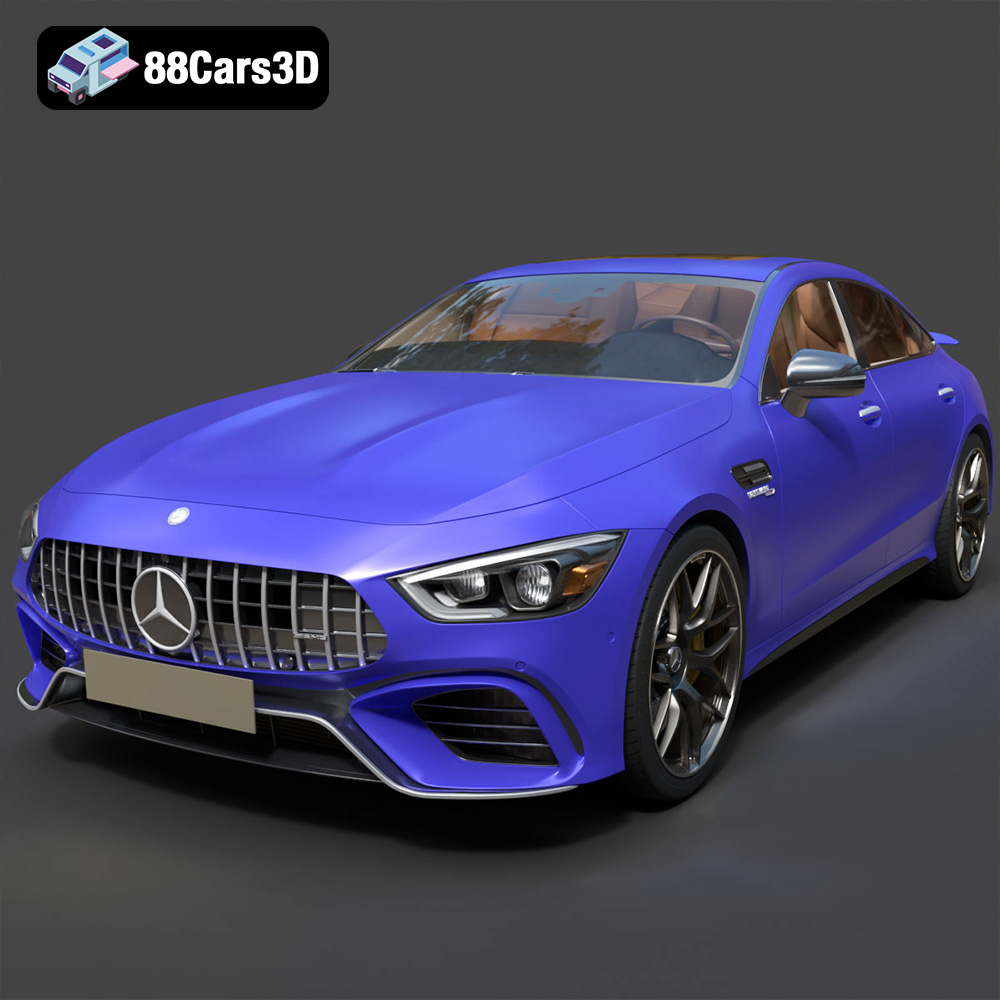
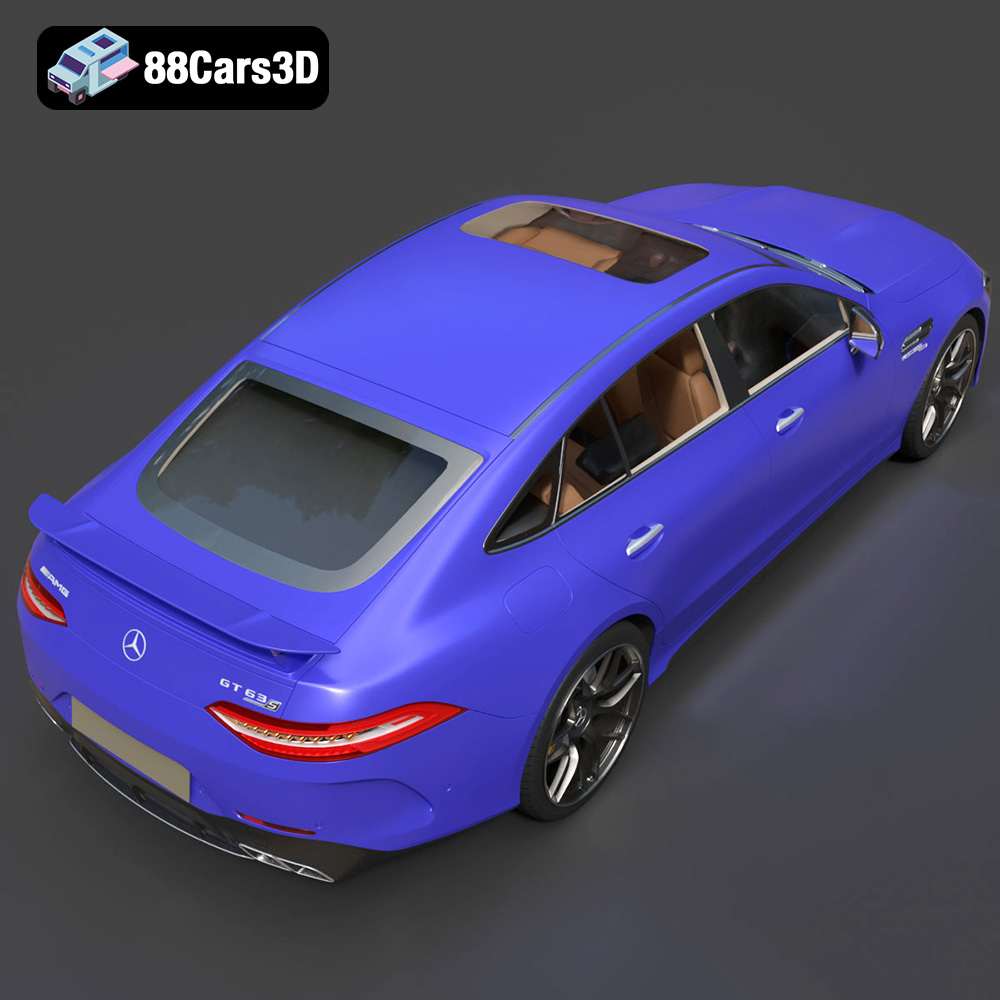
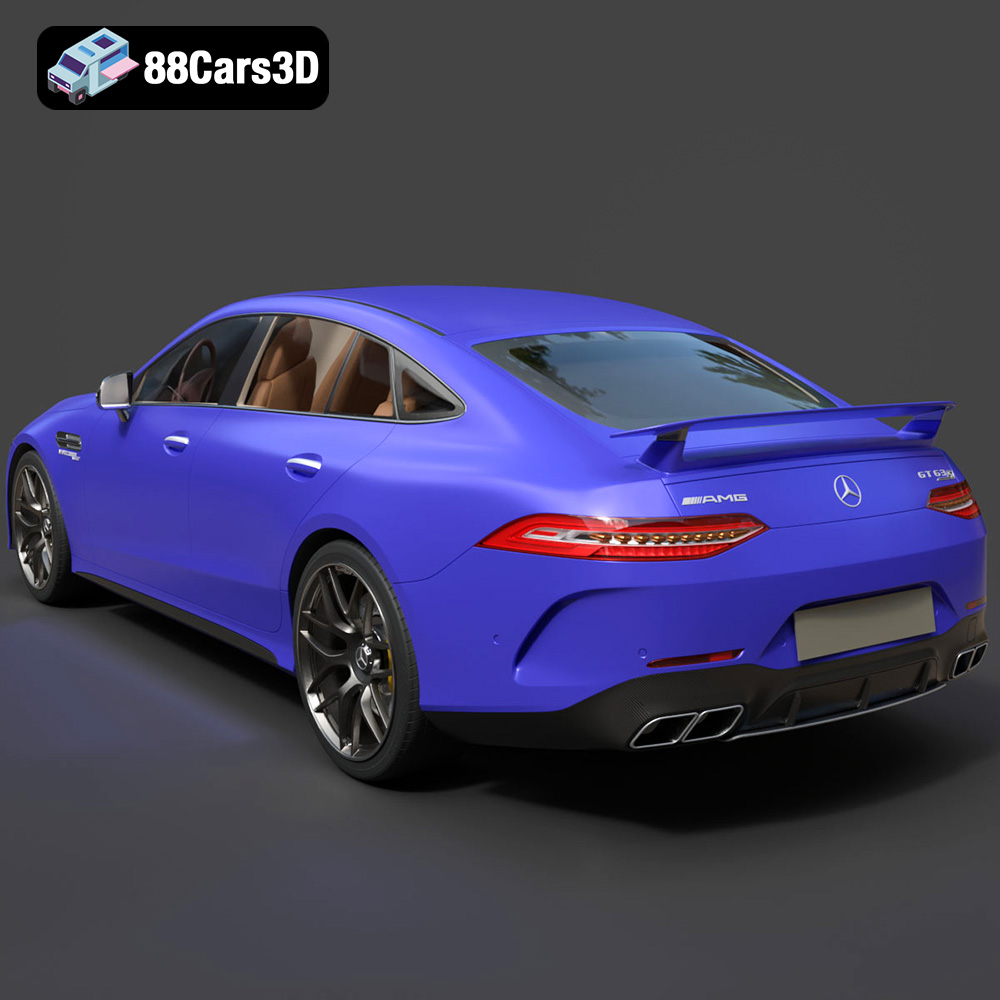
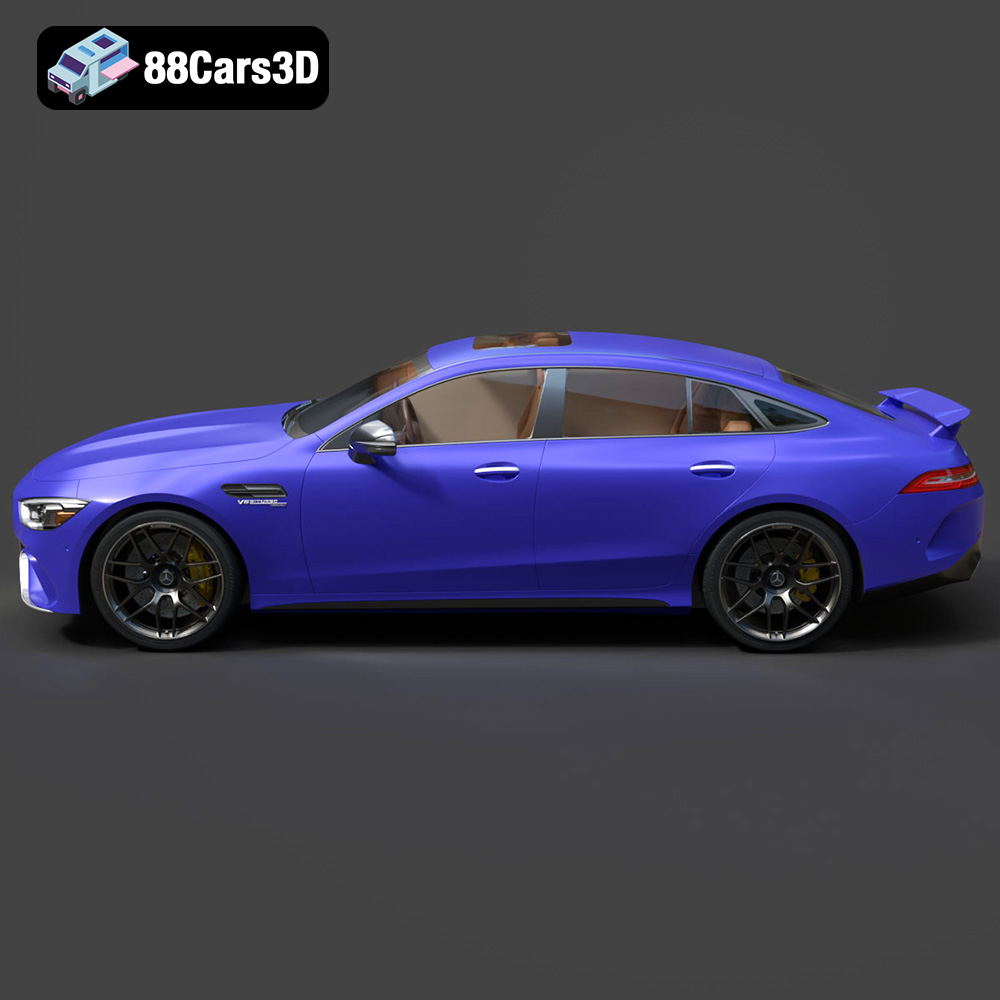
Today, we delve into the intricate details of one such exemplary asset: the Mercedes Benz AMG GT63 2019 3D Model. This particular model stands as a testament to advanced 3D artistry, offering a blend of visual splendor and technical optimization. The 2019 Mercedes Benz AMG GT63 itself is a marvel of German engineering, a fusion of track-ready performance and four-door luxury, known for its powerful Biturbo V8 engine, iconic Panamericana grille, and sleek, coupe-like silhouette. Capturing this essence in a digital format requires an unparalleled level of attention to detail and a deep understanding of 3D pipelines. This model, available through platforms like 88cars3d.com, provides professionals and enthusiasts alike with a robust foundation for a wide array of applications, from cinematic renders to interactive virtual experiences.
The journey of a 3D model, from its creation to its final application, often involves a diverse ecosystem of software and platforms. This necessitates the use of various file formats, each designed with specific strengths and compatibilities. Understanding these formats is crucial for any professional working with 3D car models, ensuring seamless integration and optimal performance across different workflows. The Mercedes Benz AMG GT63 2019 3D model is offered in a comprehensive range of formats, making it incredibly versatile.
The .blend file format is native to Blender, the popular open-source 3D creation suite. When you download a .blend file, you receive a fully editable Blender scene, complete with materials, textures, lighting setups, and even animations. This format is ideal for artists who primarily work in Blender, offering maximum flexibility for customization, tweaking shaders, adjusting topology, or diving deep into the model’s construction. For the AMG GT63, the .blend file would provide direct access to the vehicle’s intricate material nodes, precise UV unwraps, and any hierarchical object structures, allowing for complete creative control and modification within the Blender environment.
FBX (Filmbox) is a proprietary file format owned by Autodesk, widely regarded as the industry standard for exchanging 3D data between different software applications. Its strength lies in its ability to store not just geometry, but also materials, textures, animations, rigging, and even camera data. This makes .fbx files ideal for Unreal, Unity, and various other real-time pipelines, as well as for transferring models between DCC (Digital Content Creation) tools like 3ds Max, Maya, and Blender. For a complex asset like the AMG GT63, an .fbx file ensures that all animation data (e.g., wheel rotation, steering, suspension travel), material assignments, and hierarchical relationships are preserved when moving the model into a game engine or another rendering package.
OBJ (or Wavefront OBJ) is one of the oldest and most widely supported 3D file formats. It’s a universal format primarily used for cross-software compatibility when dealing with static meshes. An .obj file stores geometric data (vertices, normals, texture coordinates, and faces) and can reference external material files (.mtl) for surface properties. While it doesn’t typically support animation or rigging, its simplicity and widespread adoption make it an excellent choice for basic model exchange, especially when only geometry and basic UVs are required. The AMG GT63 in .obj format would be a clean, geometric representation perfect for importing into almost any 3D software for rendering or further processing.
GLB (GL Transmission Format Binary) is a relatively newer format, gaining significant traction due to its efficiency and suitability for web-based 3D, augmented reality (AR), and virtual reality (VR) applications. It’s a single-file version of the glTF (Graphics Library Transmission Format), embedding all necessary assets (geometry, materials, textures, animations) into one compact binary file. This optimization makes .glb files incredibly fast to load and display in browsers or mobile AR/VR environments. For showcasing the AMG GT63 in an interactive virtual showroom or a mobile AR app, the .glb format is indispensable, offering quick loading times and excellent visual quality on diverse devices.
STL (STereoLithography) is the de facto standard file format for 3D printing. It represents a 3D model as a series of connected triangles (a tessellated surface) without any color, texture, or material information. Its primary purpose is to describe the surface geometry of a 3D object for manufacturing. While not suitable for rendering or animation, the .stl format is critical for physical prototyping or creating display-scale models of the AMG GT63. The provided AMG GT63 model is convertible to .stl, enabling enthusiasts and designers to bring this high-performance vehicle into the physical realm.
PLY (Polygon File Format, or Stanford Triangle Format) is another format for storing 3D data, particularly useful for scanned data, CAD applications, or scientific analysis. It can store various properties beyond just geometry, such as color, transparency, normals, and texture coordinates per vertex or per face. While less common for general 3D asset exchange than FBX or OBJ, .ply is a precision mesh format that can be valuable for specific industrial or scientific visualization tasks where detailed vertex attributes are crucial. For the AMG GT63, this format might be utilized in workflows requiring meticulous mesh analysis or integration with specialized engineering software.
The .unreal format typically refers to an asset package or a specific file structure optimized and exported for direct import into the Unreal Engine. This isn’t a single file type like .fbx, but rather a collection of assets (static meshes, materials, textures, skeletal meshes, animations) organized in a way that Unreal Engine can readily understand and integrate. When a 3D model like the AMG GT63 is provided in an “.unreal” optimized package, it means it has likely undergone specific preparation—such as PBR material setup, collision mesh generation, LODs (Levels of Detail), and proper pivot points—to function seamlessly within the engine’s real-time rendering pipeline, offering maximum performance and visual fidelity.
Similar to .blend, .max is the native file format for Autodesk 3ds Max, a powerful 3D modeling, animation, rendering, and compositing software. An .max file contains the entire scene data, including geometry, lights, cameras, materials, textures, animation curves, and scene setup. This format is crucial for professionals who use 3ds Max as their primary DCC tool, offering full access to the original project file. For the AMG GT63, the .max file provides complete editing capabilities within 3ds Max, allowing artists to modify, animate, or re-render the model with precise control over every aspect of its digital representation.
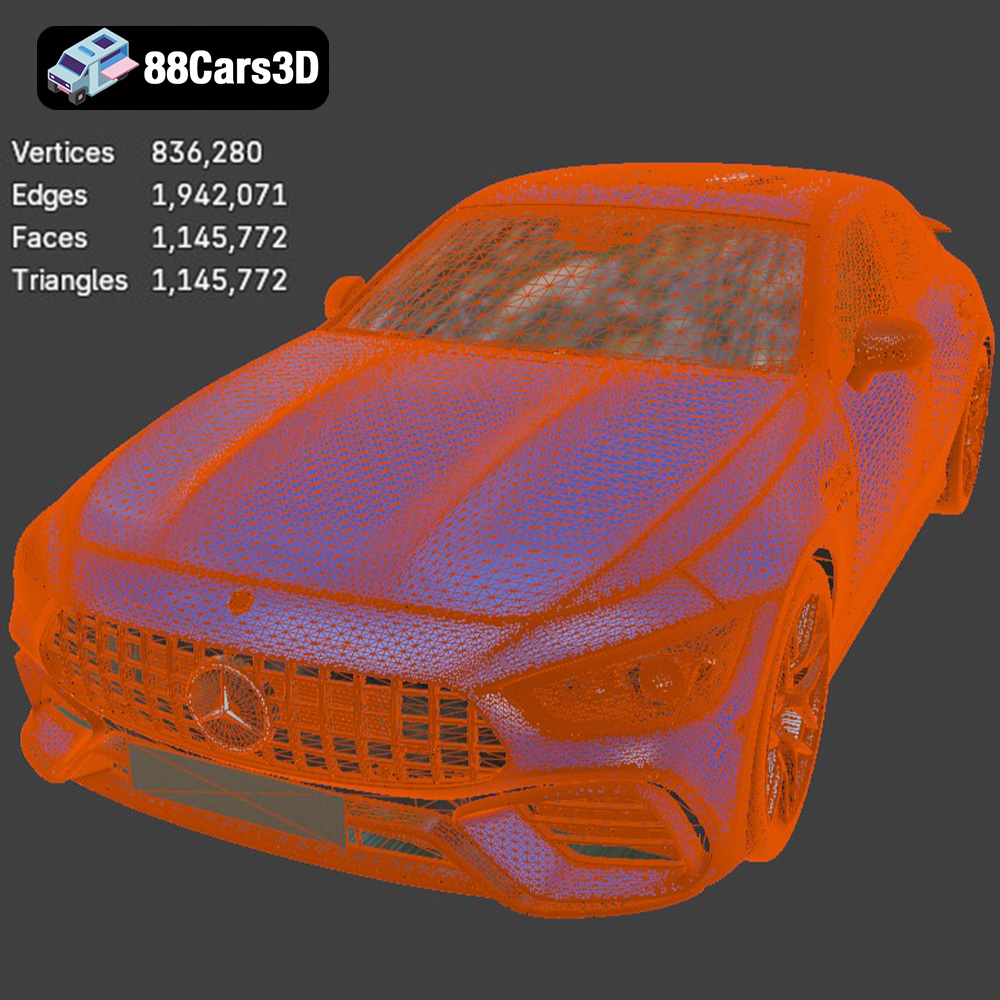
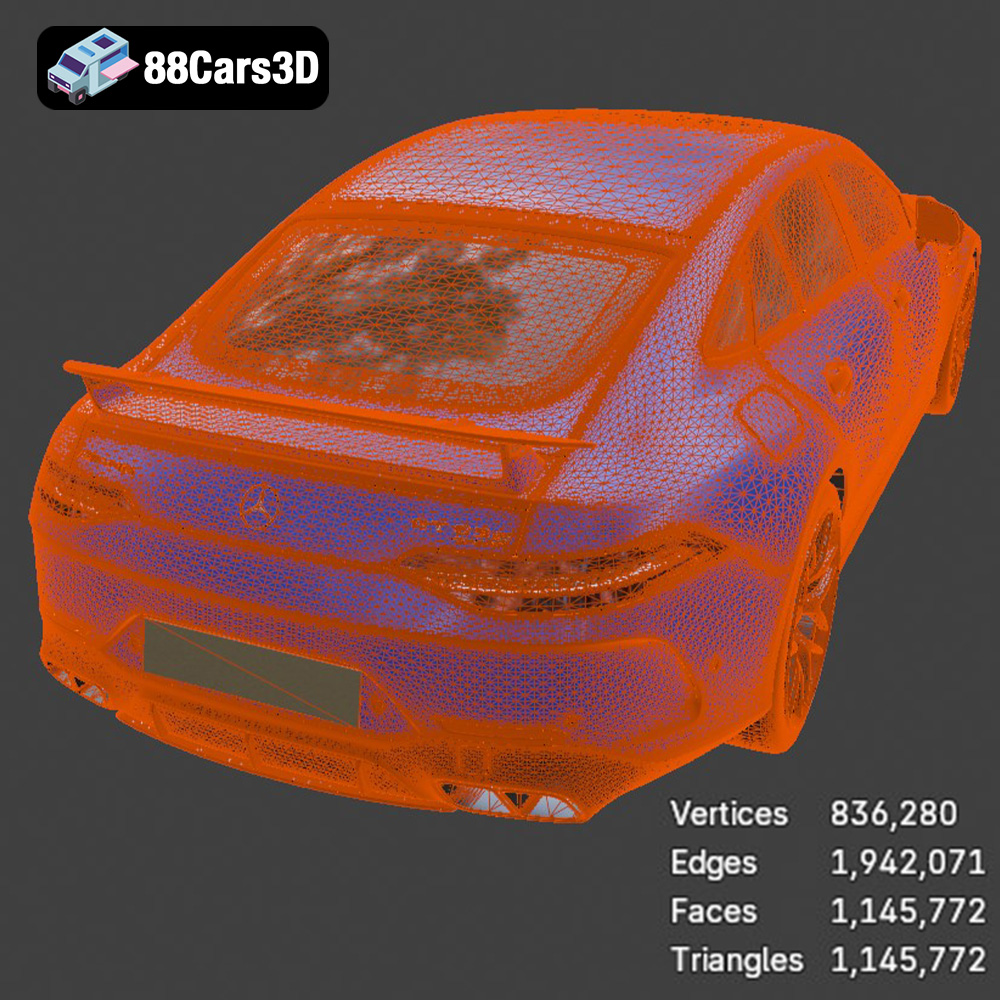
High-quality automotive rendering is an art form, demanding not only technical proficiency but also an eye for detail, composition, and lighting. The Mercedes Benz AMG GT63 2019 3D model provides an exceptional foundation for creating stunning visualizations, thanks to its high-fidelity geometry and refined topology. With 1,145,772 triangles, this model delivers stunning visual fidelity suitable for extreme close-up shots, making it a perfect candidate for professional-grade renders.
Whether you’re using 3ds Max with V-Ray or Corona Renderer, or Blender with Cycles or Eevee, the principles of photorealistic automotive rendering remain consistent. Start by importing the AMG GT63 3D model, preferably in its native .max or .blend format for full control, or via .fbx for robust data transfer. The first step involves setting up the environment. An HDRI (High Dynamic Range Image) is essential for realistic reflections and ambient lighting. Choose an HDRI that matches your desired scene: a studio environment for clean product shots, an urban street for dynamic action, or a natural landscape for a luxury lifestyle aesthetic. Position your vehicle strategically within this environment, paying attention to camera angles that emphasize its aggressive aerodynamics, sweeping roofline, and iconic Panamericana grille. Utilize separate wheels, suspension, and steering components, as provided with the model, to allow for subtle adjustments that enhance realism, even if the car isn’t animated.
The realism of an automotive render hinges on its materials and lighting. The AMG GT63 model’s refined topology ensures smooth reflections and accurate shading. Focus on creating physically accurate materials for the car’s paint, glass, tires, and interior elements. The paint shader, for instance, should include clear coat reflections, metallic flakes, and accurate Fresnel falloff. The model’s luxurious AMG sport seats and high-resolution digital instrument cluster demand detailed PBR (Physically Based Rendering) materials to capture their intricate stitching and reflective surfaces. For lighting, complement your HDRI with targeted area lights or spotlights to highlight specific features, such as the intricate multi-beam LED headlights or the aggressive quad-tailpipe exhaust system. Experiment with different light temperatures and intensities to evoke specific moods. A slight rim light can help define the car’s muscular stance against the background, while carefully placed fill lights can reduce harsh shadows in the interior. This detailed attention to material and light setup is where the true power of a high-quality 3D model like the AMG GT63 shines through, offering endless customization options for body colors, tire textures, and material finishes.
Once your render is complete, post-production is key to elevating its visual impact. Use image editing software to fine-tune colors, contrast, and sharpness. Add subtle effects like lens flares, chromatic aberration, or depth of field to enhance realism and cinematic quality. Compositing multiple render passes (e.g., reflection pass, shadow pass, diffuse pass) can offer greater control over the final image. For a project requiring a luxury lifestyle showcase, you might composite the AMG GT63 into a pre-shot background image, ensuring seamless integration through careful color grading and perspective matching. The goal is to create a compelling narrative around the vehicle, whether it’s for a brand campaign or a high-end studio presentation, fully leveraging the stunning visual fidelity of this professional 3D car model.
Game development and real-time visualization pose unique challenges, demanding a delicate balance between visual quality and performance. The Mercedes Benz AMG GT63 2019 3D model is designed with this balance in mind, making it an ideal game asset. With 1,145,772 triangles, it strikes a perfect balance for real-time engines like Unreal and Unity while maintaining high-end visual realism. This optimization is crucial for open-world games, racing titles, and simulators where frame rates are paramount.
Integrating a high-quality 3D car model like the AMG GT63 into Unreal Engine requires a systematic approach. Start by importing the model, ideally using the .fbx format for its robust support of geometry, materials, and animation, or even better, if an .unreal optimized package is available. Upon import, ensure that the model’s real-world scale accuracy is maintained. The provided pivot setup for steering, wheel rotation, and suspension travel is a significant advantage, allowing immediate implementation of physics and animation blueprints. Set up PBR materials, ensuring that albedo, normal, roughness, metallic, and ambient occlusion textures are correctly assigned. For optimal performance, create multiple Levels of Detail (LODs) for the vehicle. LOD0 would be the high-poly 1,145,772 triangle model for close-up views, while subsequent LODs would progressively reduce poly count for distant views, minimizing rendering overhead. Implement accurate collision meshes to ensure realistic interactions with the game world. This meticulous setup transforms the AMG GT63 into a fully functional and visually impressive vehicle within your game.
Achieving smooth frame rates with detailed 3D car models in real-time environments requires careful optimization. Beyond LODs, consider draw call reduction by combining meshes where appropriate (though for a car, separate parts for damage or animation are often desired). Utilize texture atlases to reduce the number of material calls. Shader complexity can also impact performance; optimize your PBR materials to be efficient without sacrificing visual quality. For the interior, which features luxurious AMG sport seats and a high-resolution dual-screen digital instrument cluster, ensure that textures are appropriately sized and optimized for in-game use. In racing games or simulators, where many vehicles might be present, these optimizations become critical. The game-ready nature of the AMG GT63 model, with its thoughtful polycount and refined topology, provides an excellent starting point, saving developers valuable time on remeshing and re-texturing.
For racing titles and simulators, the AMG GT63 model’s design lends itself perfectly to advanced interactivity. In Unreal Engine, this involves creating a sophisticated vehicle blueprint. Utilize the physics asset to define realistic suspension travel and wheel dynamics, linking them to the provided pivot setups. Implement a robust tire physics system to simulate grip, drift, and acceleration accurately. The detailed engine block and bay components, while not directly visible during gameplay, can be used for visual damage models or even in a “garage” view where players can customize their vehicle. The performance flat-bottom steering wheel with paddle shifters and precise center console features can be mapped to in-game controls, enhancing the immersive experience. Optimized geometry for first-person POV in gaming ensures a polished driver’s perspective, making the player truly feel behind the wheel of this high-performance luxury car. Leveraging these technical advantages, developers can create truly engaging and realistic driving experiences.
The versatility of professional 3D car models extends far beyond traditional screen-based rendering and game development. The Mercedes Benz AMG GT63 2019 3D model is also perfectly suited for emerging technologies like Augmented Reality (AR), Virtual Reality (VR), and the tangible world of 3D printing, opening new avenues for interaction and engagement.
AR/VR is revolutionizing how we interact with digital content, offering immersive virtual showrooms, configurators, and mobile AR experiences. The AMG GT63 model is perfect for these applications, especially when leveraging the .glb format, which is optimized for quick loading and display in these environments. Imagine a customer using an AR app on their smartphone to place a life-size AMG GT63 in their driveway, examining its aggressive quad-tailpipe AMG exhaust system or intricate multi-beam LED headlights in real-time. In a VR setting, the detailed cockpit and interior features, including the luxurious AMG sport seats and high-resolution dual-screen digital instrument cluster, can be explored with unprecedented fidelity, allowing users to feel as if they are truly inside the vehicle. The model’s optimized geometry and real-world scale accuracy ensure a seamless and believable experience, critical for brand campaigns and interactive product showcases.
For hobbyists, collectors, or designers requiring physical prototypes, the ability to 3D print a digital model is invaluable. The Mercedes Benz AMG GT63 model is convertible to the .stl format, making it suitable for 3D printing. However, transforming a high-fidelity rendering model into a successful 3D print requires specific considerations. Recommended scales like 1:12, 1:18, or 1:24 are ideal for capturing sufficient detail. For truly fine features, such as the authentic AMG forged alloy wheels or the high-performance braking system with drilled rotors, resin printing (SLA/DLP) is highly recommended over FDM, allowing for layer heights as low as 0.04–0.12 mm. Proper print orientation, especially for the frame, is crucial for structural integrity, and supports will be needed for detailed parts like mirrors, spoilers, and the exhaust system. After printing, post-processing involving sanding, priming, and painting with authentic factory colors can bring the physical model to a level of realism that truly honors its digital twin. This convergence of digital and physical is a testament to the model’s versatility and precision.
In the vast landscape of 3D asset marketplaces, discerning quality and value is paramount. 88cars3d.com distinguishes itself by offering high-quality 3D car models like the Mercedes Benz AMG GT63 2019, specifically tailored for professional use across various industries. The advantage of acquiring a pre-made, meticulously crafted model is substantial: it saves countless hours of modeling, texturing, and optimization, allowing artists and developers to focus on creativity and project execution.
Creating a 3D car model from scratch, especially one as detailed as the AMG GT63 with its 1,145,772 triangles, is an incredibly time-consuming and skill-intensive process. It involves extensive blueprint research, precise polygonal modeling, complex UV mapping, and sophisticated material development. By providing game-ready and optimized assets, 88cars3d.com empowers studios and individual freelancers to fast-track their projects. Instead of spending weeks on modeling a vehicle, artists can immediately import the AMG GT63 model, knowing it meets professional standards for real-world scale accuracy, refined topology, and proper pivot setups. This efficiency translates directly into reduced project timelines and increased profitability, a critical factor in today’s fast-paced creative industries.
The technical specifications and advantages of the AMG GT63 model underscore its professional-grade quality. It is designed to be compatible with major 3D software platforms and real-time rendering engines, evident in the wide array of included file formats: .blend, .fbx, .obj, .glb, .stl, .ply, .unreal, and .max. This broad compatibility ensures that no matter the pipeline—be it architectural visualization in 3ds Max, game development in Unreal, or AR experiences—the model integrates seamlessly. The refined topology ensures smooth reflections, crucial for realistic automotive rendering. The game-ready optimization, with a polycount that balances visual realism with real-time performance, highlights the forethought put into its development. This commitment to technical excellence means artists can rely on the model to perform as expected, without encountering common issues like bad geometry or improperly scaled assets.
The true measure of a 3D asset lies in its practical application within professional projects. The Mercedes Benz AMG GT63 2019 3D model is not merely a static digital representation; it’s a versatile tool designed to enhance diverse creative and technical endeavors, offering significant value to a range of industries.
For automotive brands and advertising agencies, photorealistic renders are indispensable for showcasing new models or creating compelling marketing materials. The AMG GT63 model, with its stunning visual fidelity and accurate Mercedes Benz AMG GT63 frame geometry, is perfect for these high-stakes campaigns. Agencies can use it to generate breathtaking static renders for print ads, dynamic animations for television commercials, or interactive 360-degree views for online configurators. Imagine a luxury lifestyle showcase where the digital AMG GT63 is placed in an idyllic virtual setting, its aggressive stance and intricate details captured perfectly. The ability to easily change body colors, modify tire textures, or adjust material finishes allows for rapid iteration and customization to meet specific campaign requirements, all without the logistical complexities and costs associated with real-world car photography.
Beyond entertainment, highly accurate 3D car models are vital for professional simulation and training. Flight simulators and driving simulators rely on realistic vehicle assets to provide immersive and effective training experiences. The AMG GT63, with its real-world scale accuracy and proper pivot setup for steering, wheel rotation, and suspension travel, serves as an excellent foundation for advanced driving simulators. Trainees can experience the nuances of driving a high-performance sports sedan in a safe, controlled virtual environment. Furthermore, the detailed engine block and bay components could be utilized for virtual mechanic training modules, allowing students to explore and interact with the vehicle’s mechanics in a digital space, understanding the intricacies of German engineering without needing a physical car.
While often overlooked, cars play a critical role in architectural visualization and urban planning projects. Populating an architectural render with realistic vehicles brings a scene to life, adding a sense of scale, activity, and realism. The Mercedes Benz AMG GT63 2019 model can elevate any architectural visualization, whether it’s a bustling city street render or a luxury residential development. Its striking presence and detailed exterior features enhance the overall visual appeal and believability of the scene. Urban planners might also use such models to simulate traffic flow or pedestrian interaction in proposed developments, analyzing how high-end vehicles integrate into future urban landscapes. The ease of integration and high quality of models from 88cars3d.com makes them invaluable assets for these diverse applications, ensuring that every element of a visualization project contributes to its overall realism and impact.
The journey through the capabilities and applications of the Mercedes Benz AMG GT63 2019 3D model reveals its profound value as a professional-grade asset. From its meticulously crafted exterior and interior details to its technical optimizations for game development and its adaptability for 3D printing and AR/VR, this model stands as a versatile tool for any 3D professional. Its impressive 1,145,772 triangles, combined with accurate real-world scale and robust file format support, ensure that it meets the rigorous demands of automotive rendering, game asset integration, and cutting-edge visualization.
By investing in high-quality 3D car models like the AMG GT63, artists, designers, and developers can significantly enhance their workflows, save valuable time, and achieve unparalleled levels of realism in their projects. Whether you’re aiming for photorealistic renders for a marketing campaign, seamless integration into a high-performance racing simulator, or an interactive virtual showroom, this model provides the necessary foundation. Explore the potential of professional 3D models and discover how assets from 88cars3d.com can elevate your creative endeavors to new heights. The future of digital automotive design and visualization is here, and it’s built on precision, quality, and versatility.
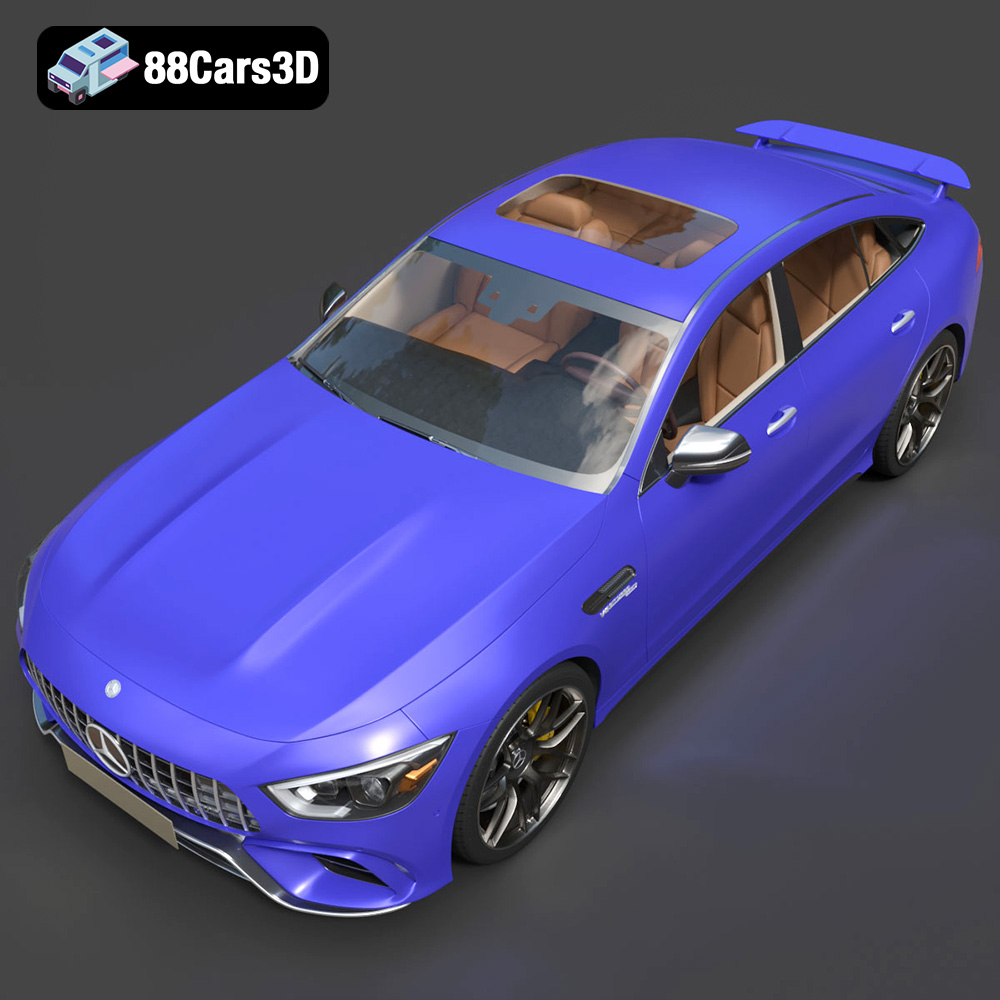
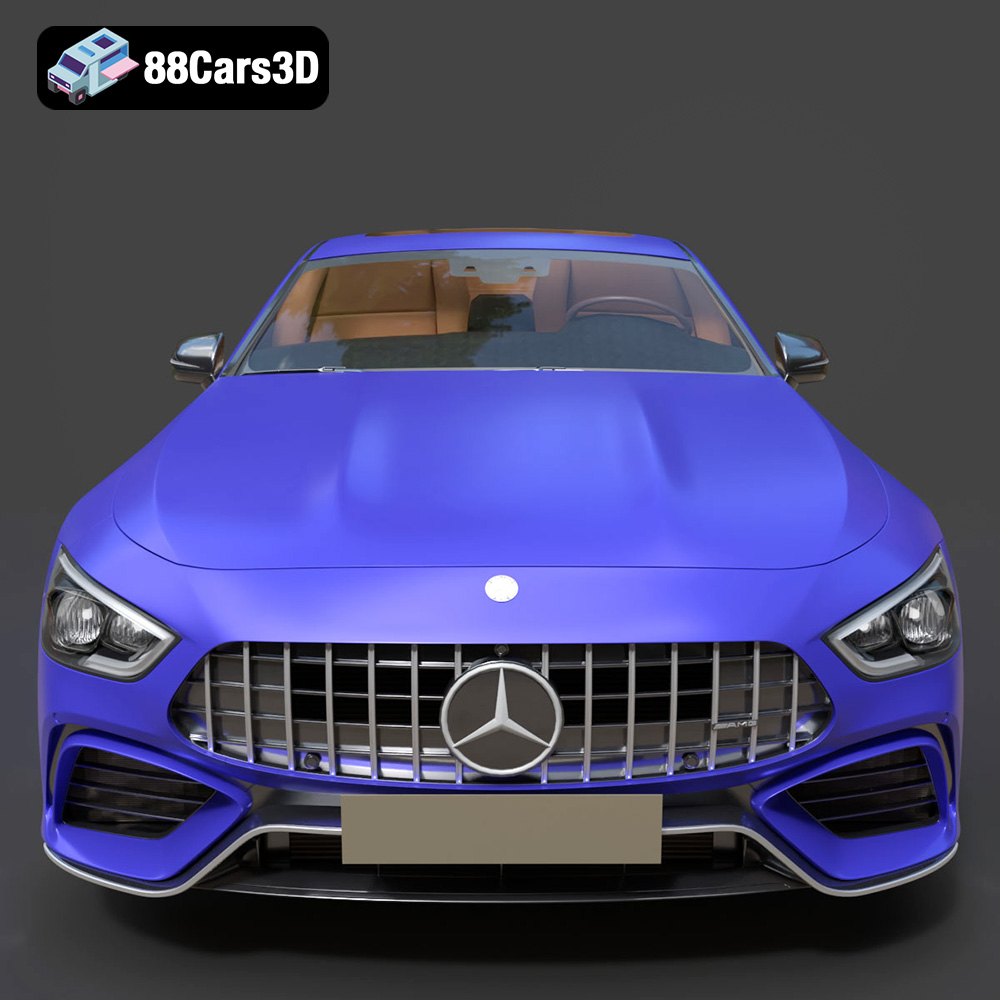
The 2019 Mercedes Benz AMG GT63 represents the pinnacle of German engineering, blending track-ready performance with four-door luxury. Known for its thunderous Biturbo V8 engine, striking Panamericana grille, and sweeping coupe-like roofline, this high-performance sedan commands attention. The vehicle features aggressive aerodynamics, a quad-exhaust system, and a muscular stance that highlights its undeniable racing heritage.
This 3D model boasts an impressive 1,145,772 triangles, delivering stunning visual fidelity suitable for extreme close-up shots while remaining highly optimized. Its refined topology ensures smooth reflections and accurate shading, making it perfect for game development, AR/VR experiences, animation, and high-end automotive visualization.
Perfect for bustling city street renders, high-speed track simulations, luxury lifestyle showcases, and immersive virtual showrooms.
$65.00
.2019
.blend
.fbx
.glb
.max
.obj
.ply
.rendering
.stl
.unreal
amg-gt63
car-3d-model
game asset
game-ready
low-poly
luxury car
mercedes-benz
optimized
sports-sedan
VR/AR