Get 40% OFF All Premium 3D & STL Models!

In the rapidly evolving world of digital visualization, the demand for high-quality 3D car models is immense. From breathtaking automotive rendering for marketing campaigns to highly optimized game assets for immersive open-world experiences, the foundational element is always a meticulously crafted 3D model. Professionals across industries, including game development, architectural visualization, and product design, understand that the realism and performance of their projects hinge on the fidelity of their digital assets. This pursuit of perfection often leads artists and developers to seek out premium resources, and today, we’re diving deep into an exceptional example: the BMW X6 M 2008 3D model, available at 88cars3d.com.
This iconic Sports Activity Coupe, a pioneer in its segment, represents a blend of aggressive M-series performance and luxury SUV versatility. Translating such a vehicle into a digital asset requires an intricate understanding of both artistic detail and technical optimization. This model is not just a static representation; it’s a fully realized digital twin, ready to be integrated into a multitude of professional workflows. Join us as we explore the technical intricacies of premium 3D car models and how an asset like the BMW X6 M 2008 can elevate your next project.
The modern digital landscape sets an incredibly high bar for realism. Audiences, accustomed to photorealistic graphics in blockbuster games and cinematic VFX, expect nothing less than perfection. For automotive projects, this means every curve, every reflection, and every material nuance must be accurately represented. Low-fidelity models simply won’t cut it for professional-grade output, whether it’s for an interactive showroom or a high-octane racing simulator.
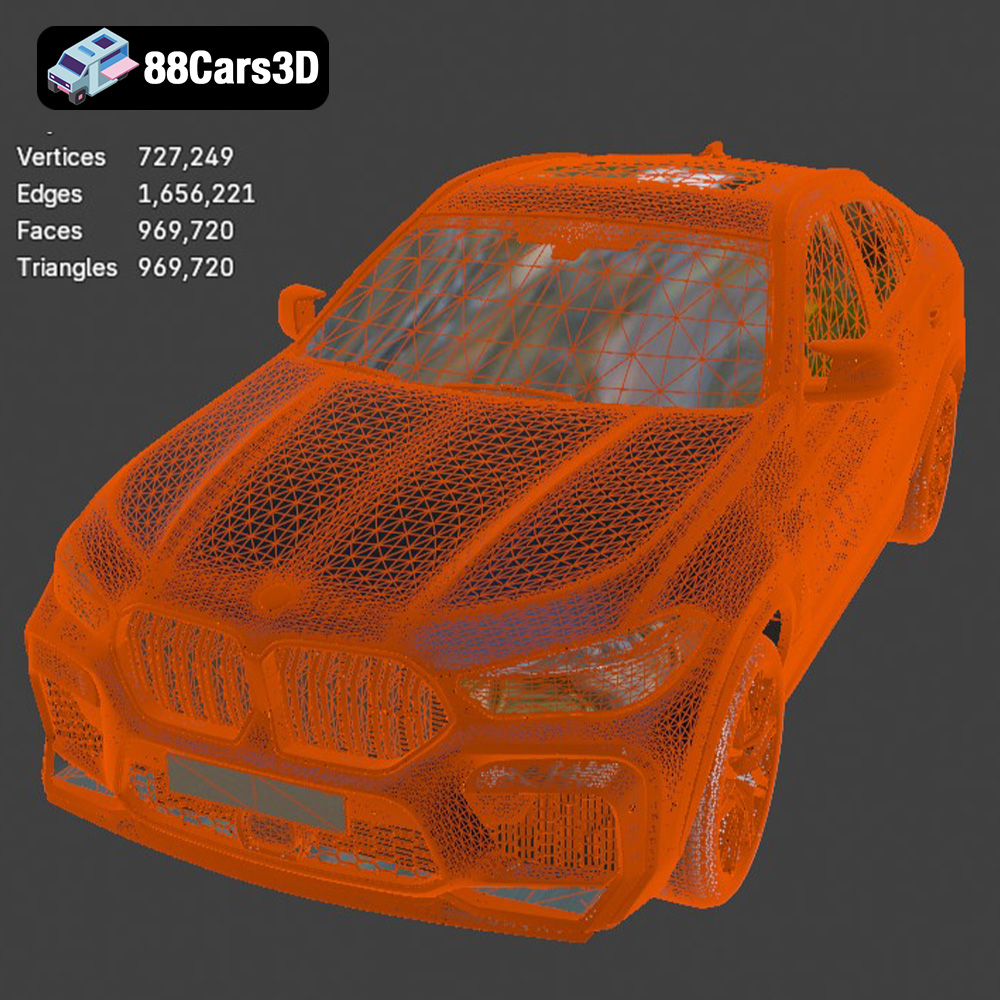
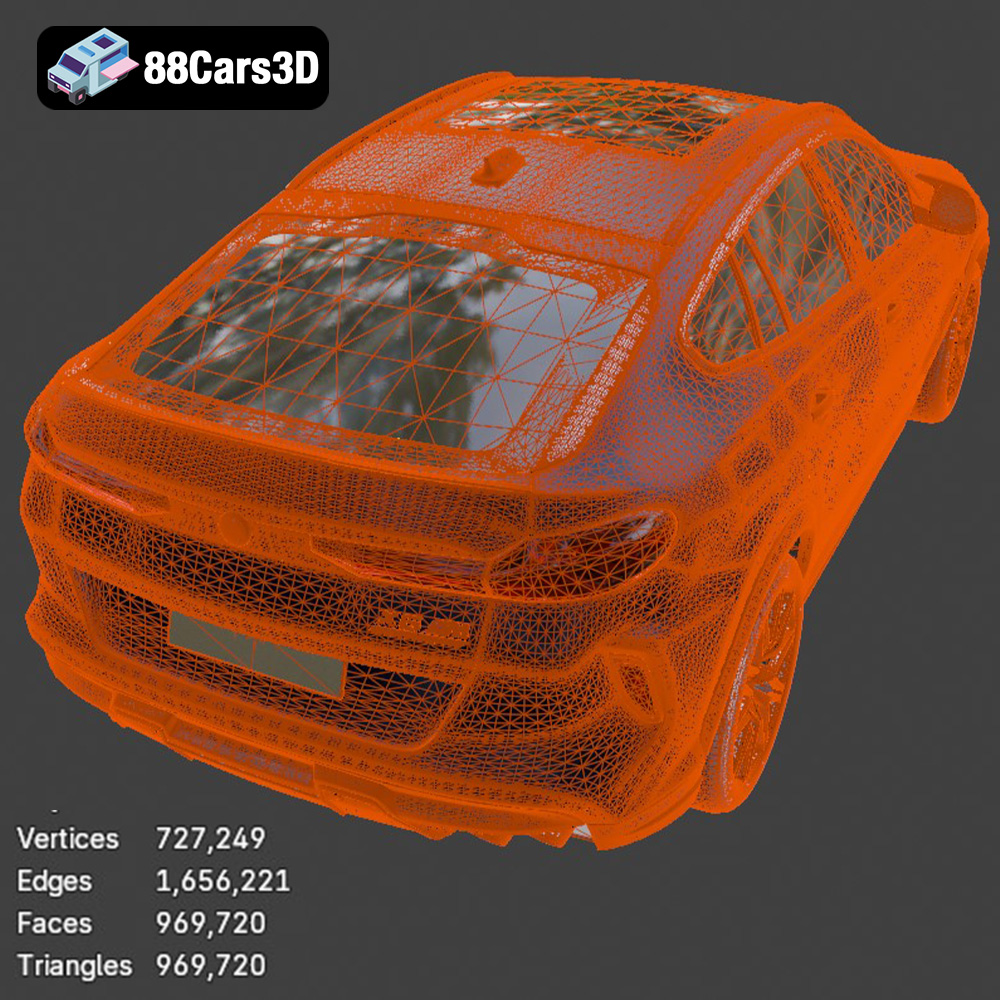
The challenge in game development is unique: achieve stunning visual realism while maintaining optimal performance. Game assets need to be “game-ready,” meaning their polygon count, material complexity, and texture resolution are balanced to run smoothly in real-time engines. The BMW X6 M 2008 3D model excels here with its 969,720 triangle count. This figure is substantial enough to capture the vehicle’s commanding presence and intricate design elements—from the iconic kidney grilles to the signature M quad-exhaust system—without overwhelming a game engine. It allows for detailed close-ups and dynamic camera angles, crucial for first-person driving perspectives and cinematic cutscenes, all while adhering to the strict performance budgets of real-time applications.
Beyond raw polygon count, a truly game-ready asset includes proper pivot points for animation (steering, wheels, suspension), clean topology for deformation, and efficient UV mapping for texture application. These technical considerations ensure that the model behaves realistically within the game engine’s physics and animation systems, providing an authentic driving experience that is central to many racing and open-world titles.
For architectural visualization, product showcases, and augmented/virtual reality applications, the focus shifts slightly towards absolute visual fidelity. In these contexts, real-time performance is still important, especially for interactive AR/VR experiences, but the emphasis on photographic realism can be even greater. A detailed 3D car model like the BMW X6 M 2008 is invaluable for populating scenes with realistic vehicles, adding a layer of authenticity to environments. Imagine this luxury SUV parked flawlessly in a high-end garage render or appearing in an immersive AR app, allowing potential buyers to explore its features in their own driveway.
The intricate detailing of the model, from the realistic engine block based on the formidable twin-turbo V8 to the premium M-sport bucket seats with accurate stitching, ensures that even under close scrutiny in a VR showroom, the illusion of reality holds firm. These details are critical for brand campaigns, where the digital representation must accurately convey the luxury and engineering prowess of the actual vehicle.
Selecting the correct file format is a critical first step for any 3D project. Each format serves specific purposes, offering different levels of data preservation, compatibility, and optimization for various workflows. A comprehensive 3D car model, such as the BMW X6 M 2008 available on 88cars3d.com, often comes with a variety of these formats, ensuring maximum utility for designers and developers.
The availability of these diverse formats with the BMW X6 M 2008 3D model ensures that regardless of your specific project requirements or software ecosystem, you have the right tool for the job.
What truly sets a premium 3D car model apart is its meticulous attention to detail, both visually and technically. The BMW X6 M 2008 model exemplifies this, designed to meet the rigorous demands of professional production pipelines.
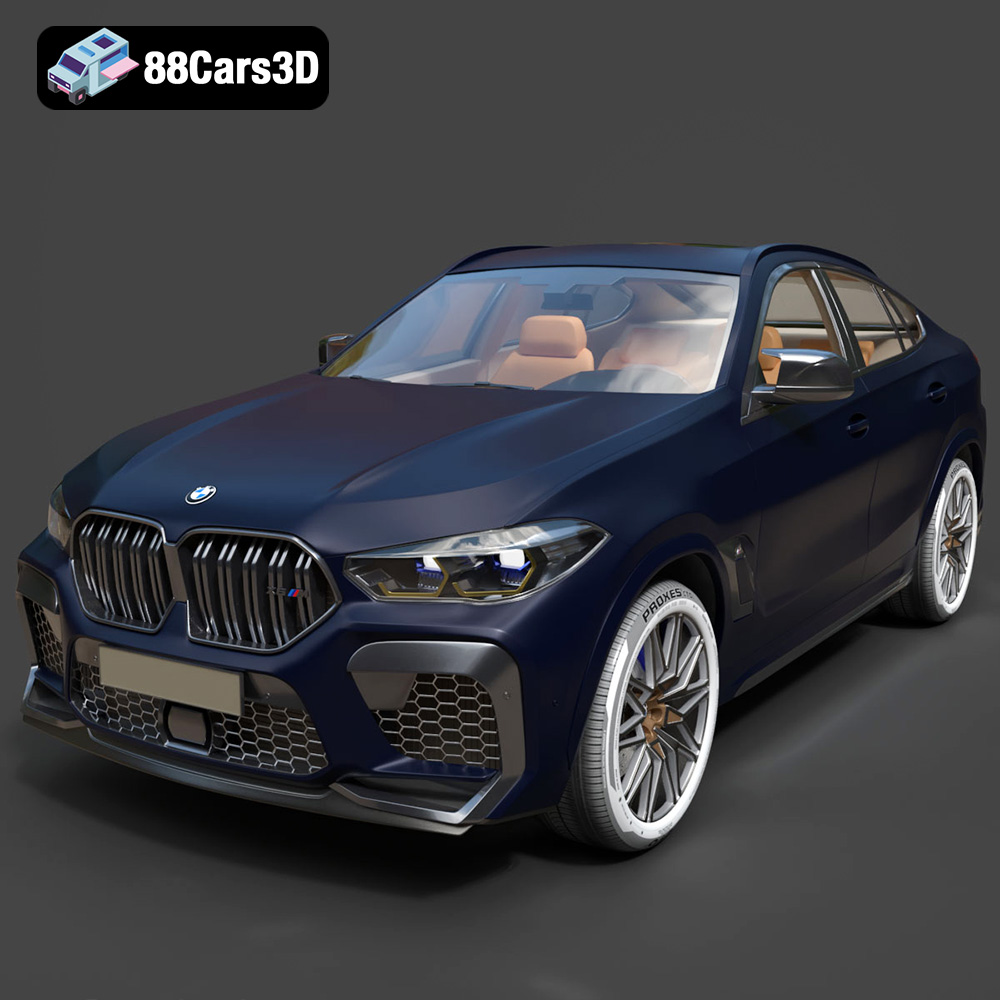
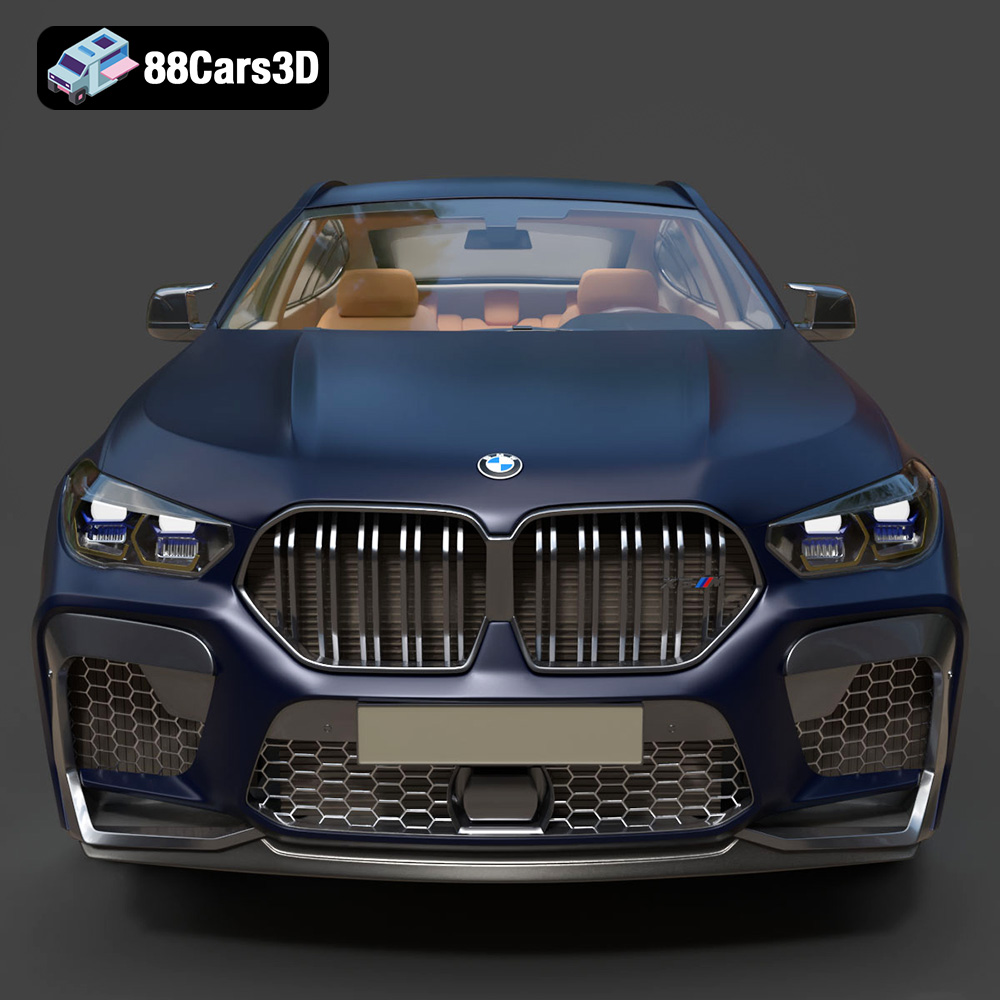
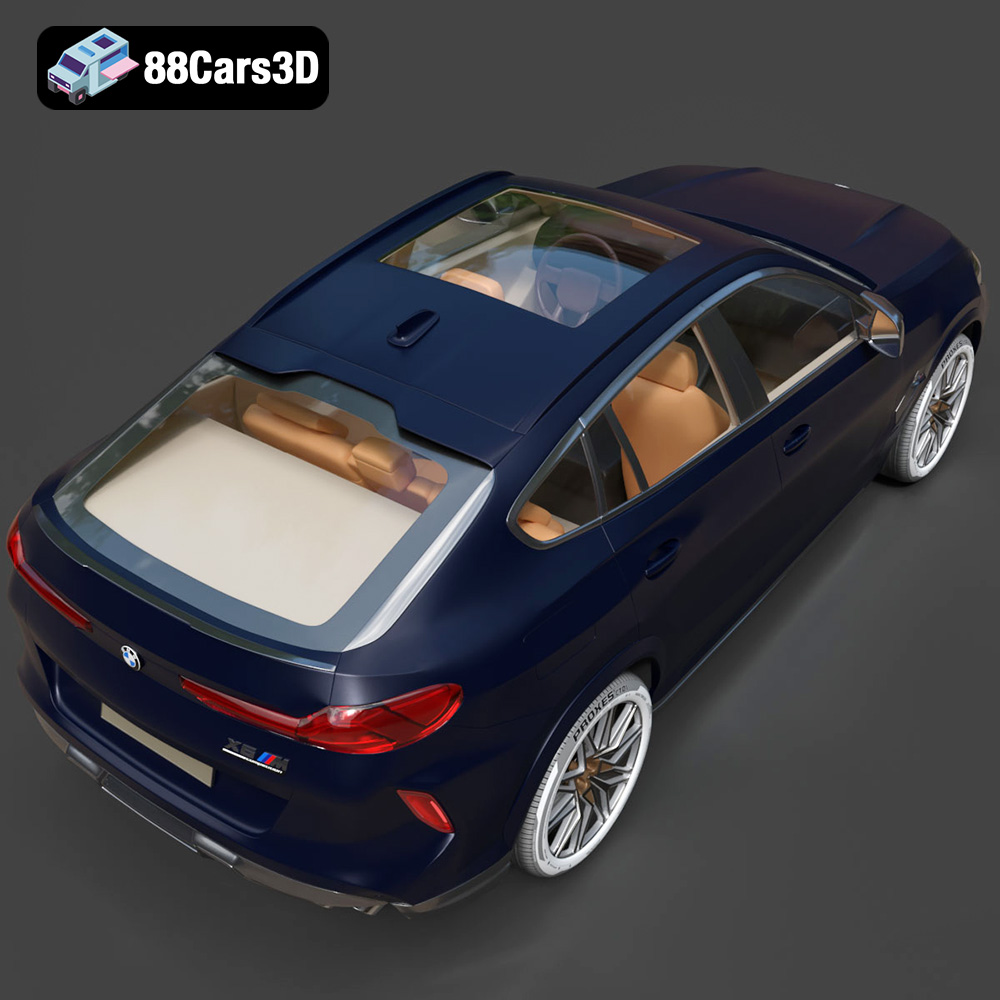
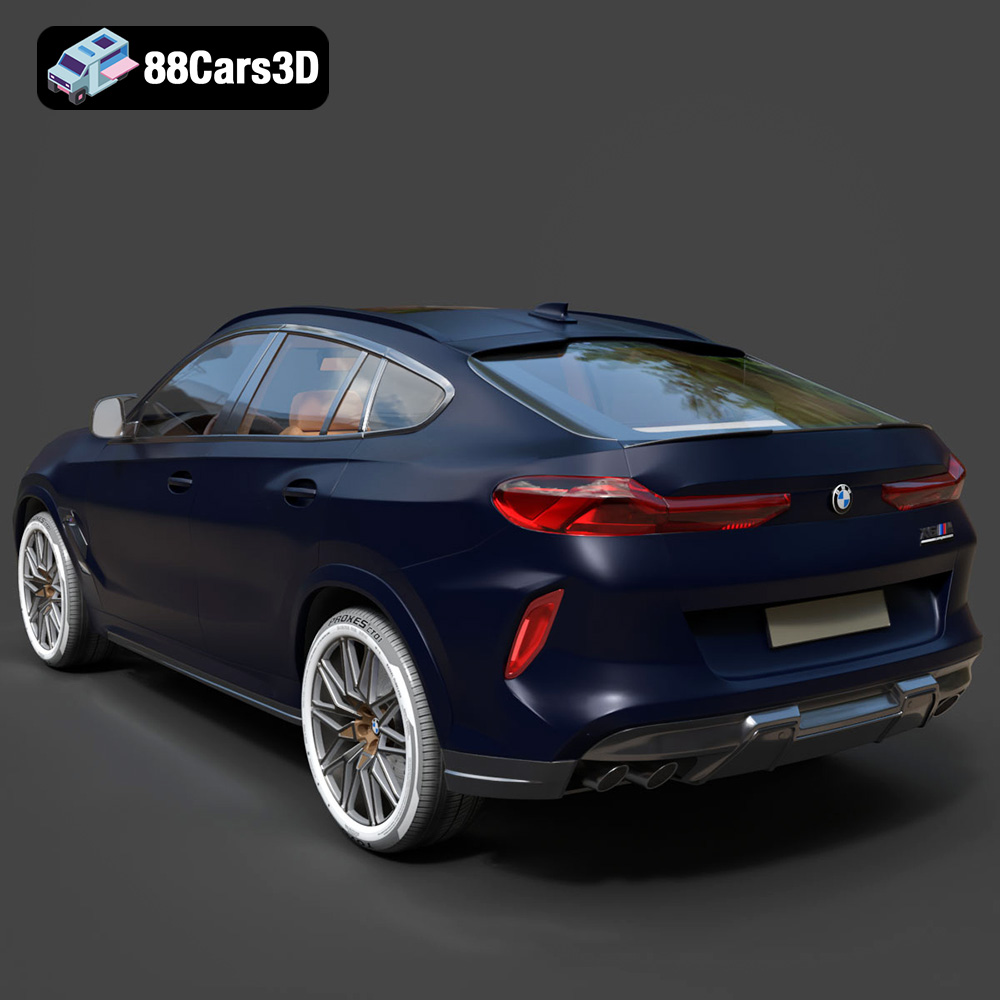
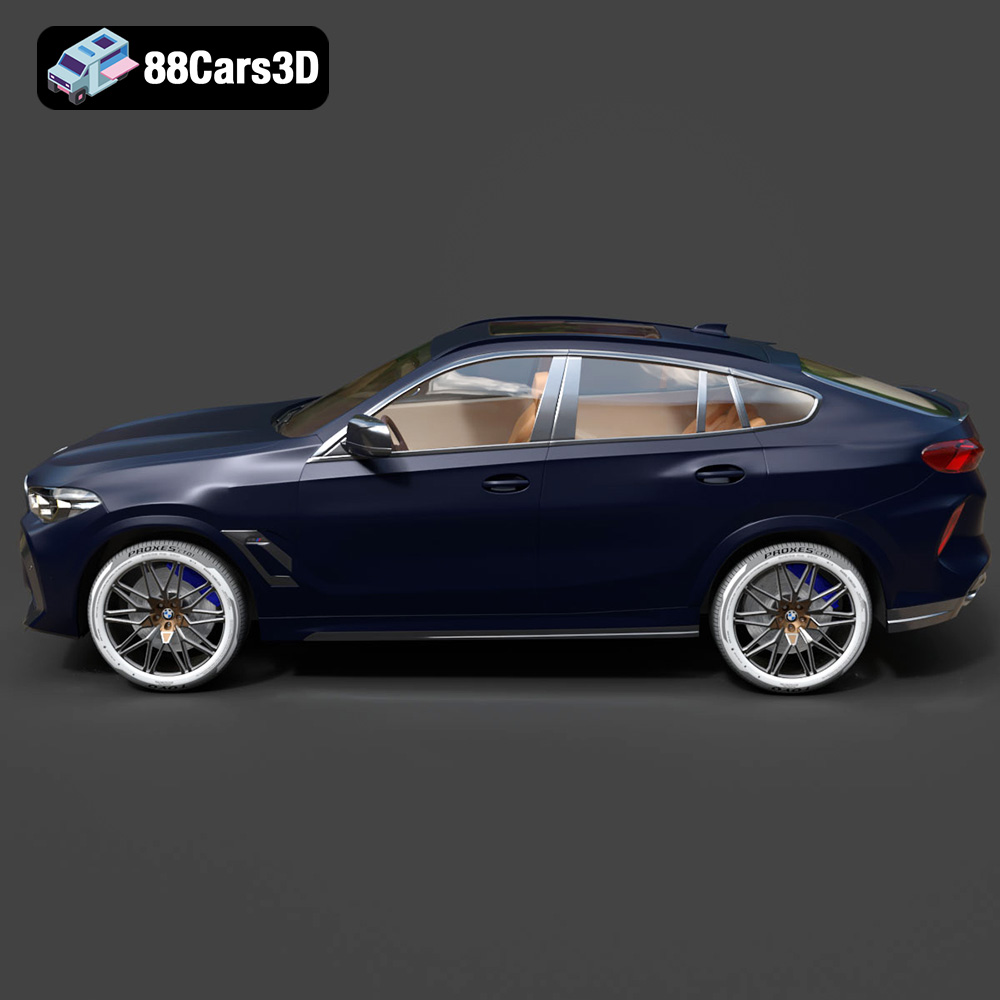
The exterior of this 3D model is a testament to accurate craftsmanship. It faithfully reproduces the aggressive stance and sweeping roofline of the real BMW X6 M 2008. The frame geometry and proportions are based on real-world scale accuracy, ensuring that the digital representation is indistinguishable from its physical counterpart. Key features like the distinct LED taillights, intricately modeled headlights, and aggressive M-sport alloy wheels with high-performance tire treads are all rendered with stunning fidelity. Crucially for any animated project, the model includes separate wheels, suspension, and steering components, each with proper pivot setups. This means the model is ready for dynamic animations, allowing for realistic wheel rotation, independent suspension travel, and accurate steering movements, essential for any compelling automotive rendering or game simulation.
Even components usually hidden from view, such as a detailed engine block based on the formidable twin-turbo V8 and comprehensive sport-tuned suspension and braking system components, are present. This level of detail is not just for show; it’s invaluable for close-up shots, exploded views in configurators, or even for damage modeling in games, providing a robust foundation for diverse applications.
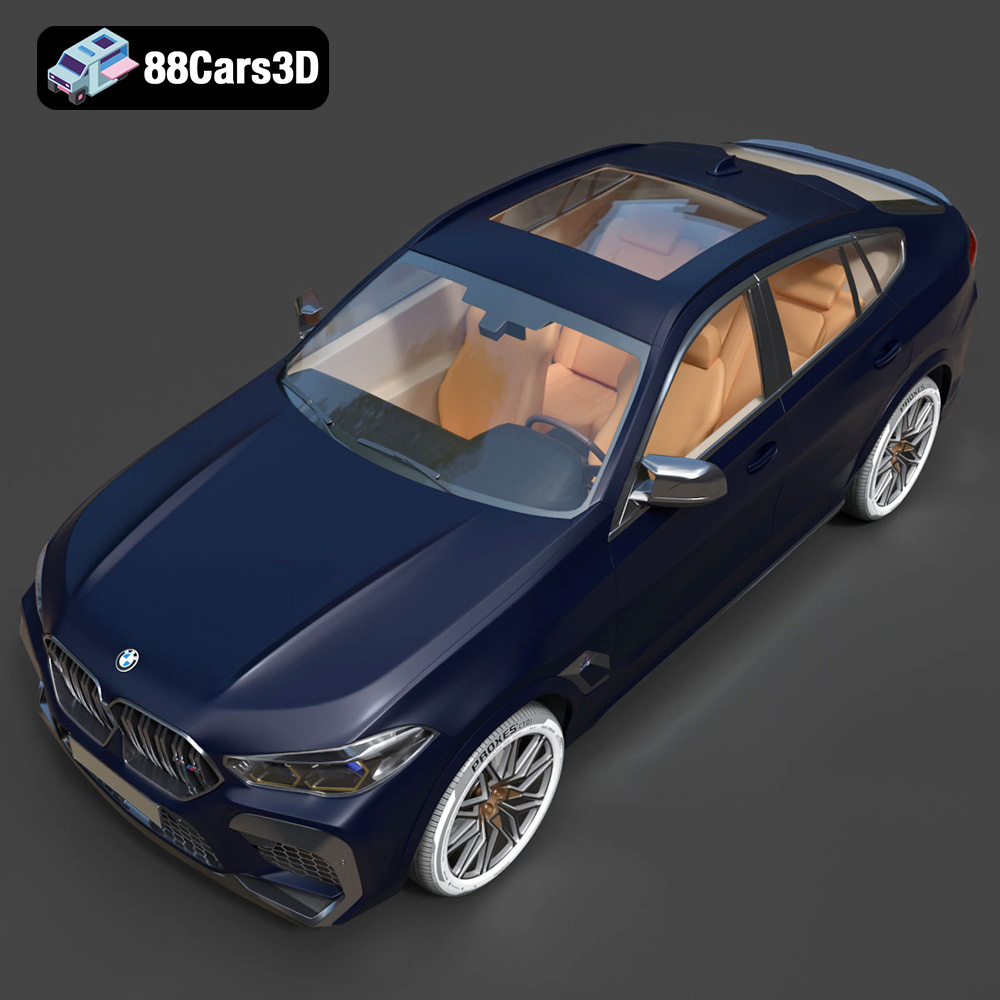
The attention to detail extends seamlessly into the cockpit and interior, which is often a critical element for player immersion in games or interactive experiences. The model features premium M-sport bucket seats with accurate stitching details, a sport steering wheel complete with paddle shifters and M branding, and a high-fidelity instrument cluster. The central infotainment display, detailed center console, gear selector, pedals, and door panels are all meticulously modeled. This level of interior fidelity is particularly important for first-person perspective (POV) in gaming, where players spend significant time inside the vehicle. The optimized geometry ensures that even with intricate details, the interior remains efficient for real-time rendering, creating a truly immersive experience for users.
The technical specifications of the BMW X6 M 2008 3D model highlight its “game-ready” nature. With 969,720 triangles, it strikes an optimal balance between visual realism and performance efficiency. This polycount is ideal for real-time engines like Unreal and Unity, allowing for stunning visuals without compromising frame rates. Furthermore, the model’s real-world scale accuracy ensures seamless integration into any scene, whether it’s an architectural visualization or an existing game environment. The proper pivot setup for steering, wheel rotation, and suspension travel is not merely a convenience; it’s a fundamental requirement for creating believable vehicle dynamics and animations in any professional project. The clean topology and efficient UV unwrapping (a standard for such high-quality assets) also make texturing and material application straightforward, enabling artists to achieve stunning PBR renders with minimal effort.
A premium 3D model isn’t just about its intrinsic quality; it’s about how seamlessly it integrates into various professional pipelines. The BMW X6 M 2008 model provides the flexibility required for diverse production needs.
For artists focused on high-end automotive rendering, the .max and .blend files are invaluable. In 3ds Max, professionals can load the model, leverage its clean geometry, and apply advanced material setups using renderers like V-Ray or Corona. The separate animated components (wheels, suspension, steering) mean that setting up complex driving sequences or turntable animations is efficient. Artists can finely tune reflections, refractions, and physically based shaders to achieve photorealistic results that mirror the look of a real-world photoshoot. Similarly, Blender users benefit from the native .blend file, enabling them to dive directly into Cycles or Eevee, utilizing Blender’s powerful node-based shader editor to create intricate paint finishes, realistic tire rubber, and detailed interior materials. HDRI lighting environments can quickly place the X6 M in any desired scenario, from a sun-drenched coastal road to a moody urban street.
The model’s robust structure allows for extensive customization. Users can easily change body colors, adjust material finishes from matte to gloss or metallic, and even modify tire textures for different scenarios (e.g., off-road vs. street variants), making it incredibly adaptable for various client demands or creative visions.
When it comes to real-time applications, Unreal Engine stands as a titan, and the BMW X6 M 2008 3D model is perfectly poised for it. By importing the .fbx or leveraging the optimized .unreal asset, developers can swiftly integrate the vehicle into their game worlds or interactive experiences. Unreal Engine’s advanced PBR (Physically Based Rendering) material system can be fully utilized to bring the model’s textures and materials to life, creating stunning real-time reflections and realistic lighting interactions. Collision meshes can be automatically generated or custom-fit for accurate physics, and Levels of Detail (LODs) can be set up to ensure optimal performance across varying distances without sacrificing visual quality up close. Furthermore, the model’s animation-ready components can be integrated with Unreal’s Blueprint system, allowing for interactive driving mechanics, vehicle customization UIs, and dynamic environmental interactions, powering compelling racing titles or immersive virtual showrooms.
The versatility of this 3D car model extends beyond traditional screen-based rendering. For AR/VR experiences, the .glb format is ideal. Its optimized, single-file structure makes it perfect for deployment on mobile devices or web-based AR/VR platforms. Imagine a virtual showroom where customers can walk around the BMW X6 M, inspect its interior, and even change its color in real-time on their smartphone or VR headset. The model’s game-ready optimization ensures smooth performance even in demanding AR/VR environments.
For tangible applications, the .stl format opens up the world of 3D printing. Hobbyists and professionals can convert the high-fidelity model into a physical scale replica. The product description even provides specific 3D print settings, recommending resin printing for fine details and suggesting scales like 1:12, 1:18, or 1:24. This transformational capability from digital asset to physical object showcases the comprehensive nature of the model, allowing for display-scale models for collectors or rapid prototyping for designers.
The real value of a meticulously crafted 3D car model like the BMW X6 M 2008 becomes evident when observing its impact in real-world professional scenarios. These assets are not just static objects; they are catalysts for innovation and engagement.
Leading automotive brands constantly seek innovative ways to showcase their vehicles. Premium 3D car models are at the forefront of this revolution. Consider a luxury car dealership wanting to launch an online configurator for a new model lineup. By using a high-fidelity asset like the BMW X6 M 2008, they can allow potential buyers to explore every facet of the vehicle. Customers can rotate the car 360 degrees, open doors to view the interior, customize paint colors, select different wheel options, and even see the vehicle rendered in various environments—all in real-time. This interactive experience, built on detailed 3D assets, provides an unparalleled level of engagement, mirroring the in-person showroom experience and significantly boosting sales conversions. For print and digital ad campaigns, photorealistic renders generated from such a model replace expensive photoshoots, offering infinite flexibility in camera angles, lighting, and environmental backdrops.
The success of any racing game hinges on the authenticity of its vehicles. Developers of open-world street racing games or simulation titles require highly detailed, yet performance-optimized, 3D car models. The BMW X6 M 2008, with its 969,720 triangles and animation-ready components, is an ideal candidate. Imagine this powerful SAC tearing through a virtual city street, its suspension accurately responding to bumps, its wheels spinning realistically, and its iconic M-exhaust roaring (digitally, of course). Game studios can integrate this asset, apply their proprietary damage modeling systems, and create a driving experience that captivates players. The efficiency of the model also means more vehicles can be on screen simultaneously, enriching the game world and providing a dynamic, high-fidelity experience without performance bottlenecks.
Architectural visualization (ArchViz) projects often require realistic entourage elements to bring scenes to life. A luxury SUV like the BMW X6 M 2008, strategically placed within a modern garage, a sprawling driveway, or a bustling urban street scene, instantly elevates the realism and aspirational quality of an architectural render. These vehicles add a sense of scale, lifestyle, and dynamic energy that static props simply cannot achieve. Interior designers might use the model to visualize how a car fits into a client’s garage design, while urban planners could use it to populate virtual cityscapes. The ability to seamlessly integrate such a detailed vehicle, complete with accurate reflections and material shaders, is indispensable for creating compelling and believable lifestyle renders that showcase architecture in its intended context.
Investing in a high-quality 3D car model is also an investment in versatility and longevity. The BMW X6 M 2008 model is built with customization in mind, ensuring it remains a valuable asset for years to come.
The foundation of any great 3D model includes robust material and texture sets. With this BMW X6 M model, artists have the flexibility to change body colors to match factory palettes or explore custom finishes like matte, gloss, or metallic. The ability to modify tire textures allows for adapting the vehicle to different environments, from rugged off-road terrains to pristine asphalt. This level of control over visual properties ensures that the model can be repurposed for countless projects without needing extensive re-modeling, saving significant time and resources. Furthermore, the clean UV mapping (implied for such a game-ready asset) allows for easy texture swapping or creation of entirely new liveries and decals.
The digital landscape is constantly changing, with new rendering techniques, engine updates, and project demands emerging regularly. A well-constructed 3D asset, like the BMW X6 M 2008, is designed to be adaptable. Its optimized topology and separate components make it easy to modify, upgrade, or even downscale if future projects require lower polygon counts for mobile or VR applications. The included file formats also mean that as software evolves, you have the native files or widely supported interchange formats to ensure backward and forward compatibility. This forward-thinking design ensures that your investment in a quality 3D car model continues to pay dividends across a spectrum of evolving creative and technical challenges.
In the competitive world of 3D visualization, the quality of your assets dictates the quality of your output. Whether you’re crafting photorealistic automotive renders, developing cutting-edge game assets, or designing immersive AR/VR experiences, the foundational 3D model must be nothing short of exceptional. The BMW X6 M 2008 3D model stands as a prime example of this commitment to excellence, offering unparalleled detail, technical optimization, and multi-format compatibility.
Its robust design caters to a wide range of professional workflows—from intricate scene building in 3ds Max and Blender to real-time integration in Unreal Engine, and even extending to physical manifestations via 3D printing. By leveraging such a high-fidelity 3D car model, artists and developers can significantly enhance the realism, performance, and overall impact of their projects. For those seeking to elevate their digital automotive assets, exploring premium 3D car models like the BMW X6 M 2008 at 88cars3d.com is an essential step towards achieving truly professional-grade results. It’s an investment in quality that pays dividends in stunning visuals and efficient production.
Experience the sheer power and athletic presence of the BMW X6 M 2008, a pioneer in the high-performance Sports Activity Coupe segment. Blending the aggressive stance of an M-series sports car with the versatility of a luxury SUV, this vehicle boasts a commanding front fascia, iconic kidney grilles, a sweeping roofline, and the signature quad-pipe M exhaust system. Underneath its muscular exterior lies the spirit of a twin-turbo V8, making it an unmistakable icon of automotive engineering. This premium 3D model delivers exceptional quality with a refined 969,720 triangle count, offering breathtaking visual fidelity while remaining structured for optimal use in demanding digital environments. Whether you are developing high-end racing games, crafting immersive AR/VR showrooms, or generating photorealistic animations, this game-ready asset provides the perfect balance of detail and efficiency.
$60.99
.2008
.blend
.bmw
.fbx
.glb
.max
.obj
.ply
.rendering
.sports car
.stl
.unreal
car-3d-model
coupe-suv
game asset
game-ready
low-poly
luxury car
optimized
SUV
VR/AR
x6-m