Get 20% OFF All Premium 3D & STL Models!

In the rapidly evolving landscape of digital media, the demand for hyper-realistic and functionally robust 3D assets has never been greater, especially within the automotive industry. From groundbreaking game titles that push the boundaries of immersion to sophisticated architectural visualizations and cutting-edge AR/VR experiences, high-quality 3D car models are the bedrock upon which these digital worlds are built. They transform concepts into tangible experiences, allowing designers, developers, and enthusiasts to interact with vehicles in ways previously unimaginable.
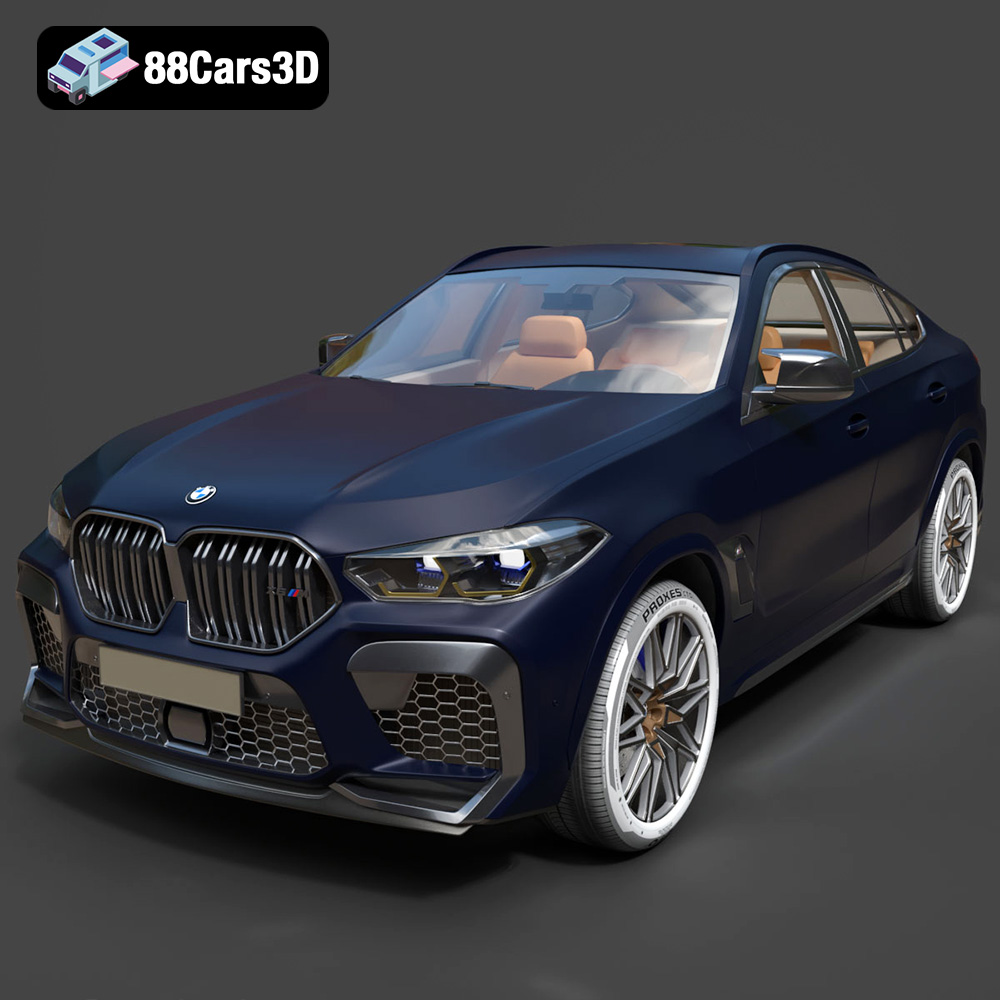
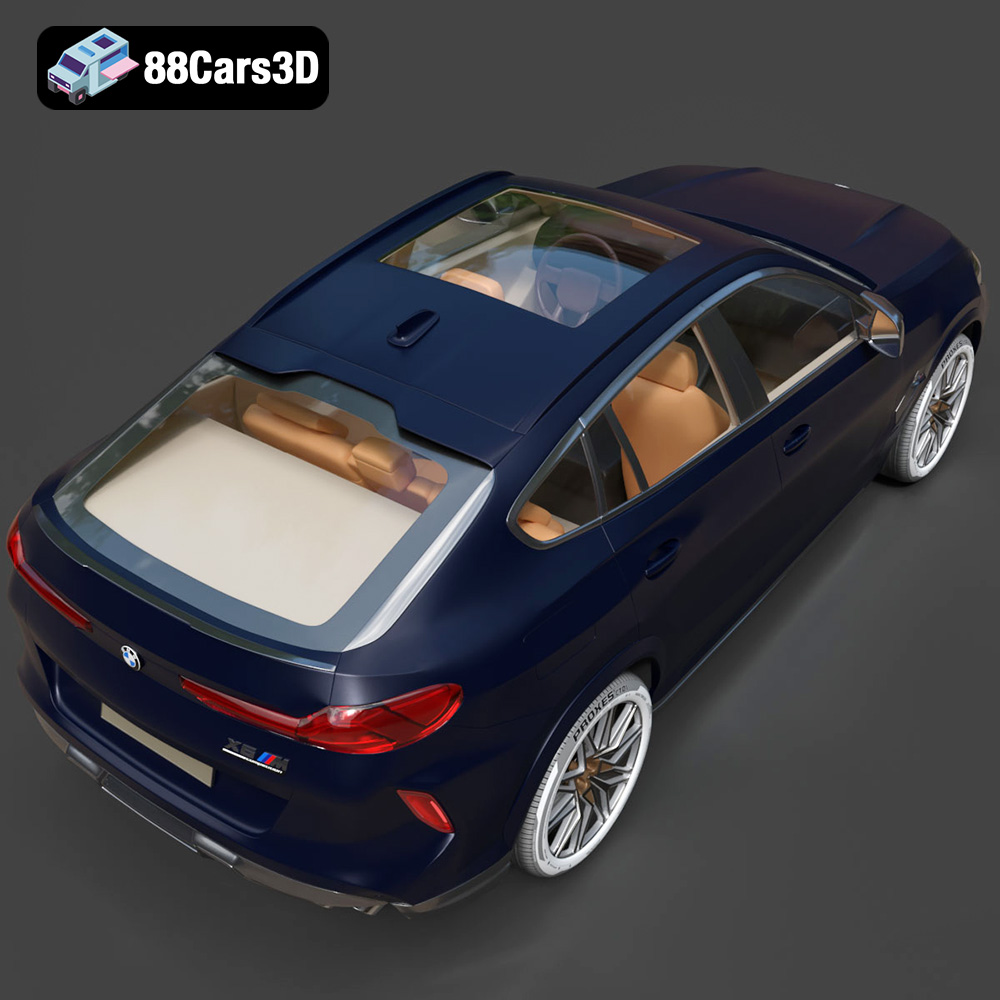
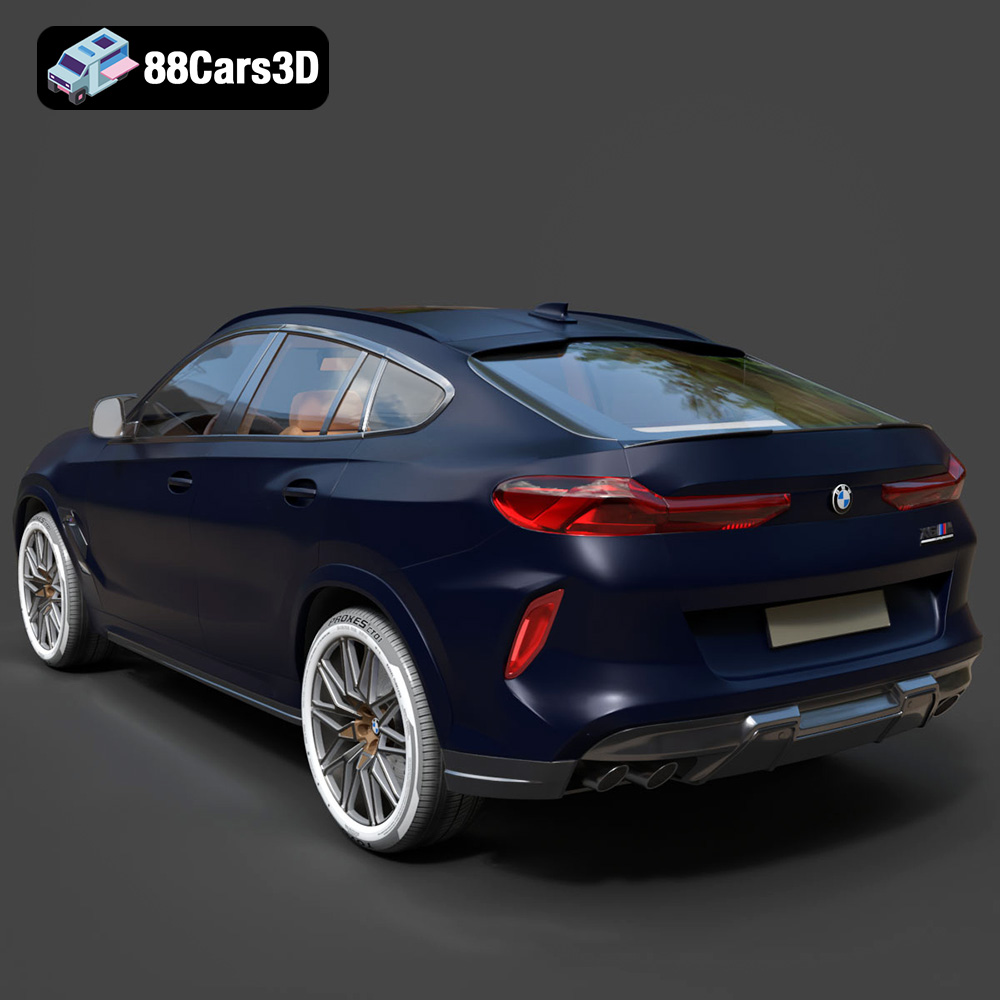
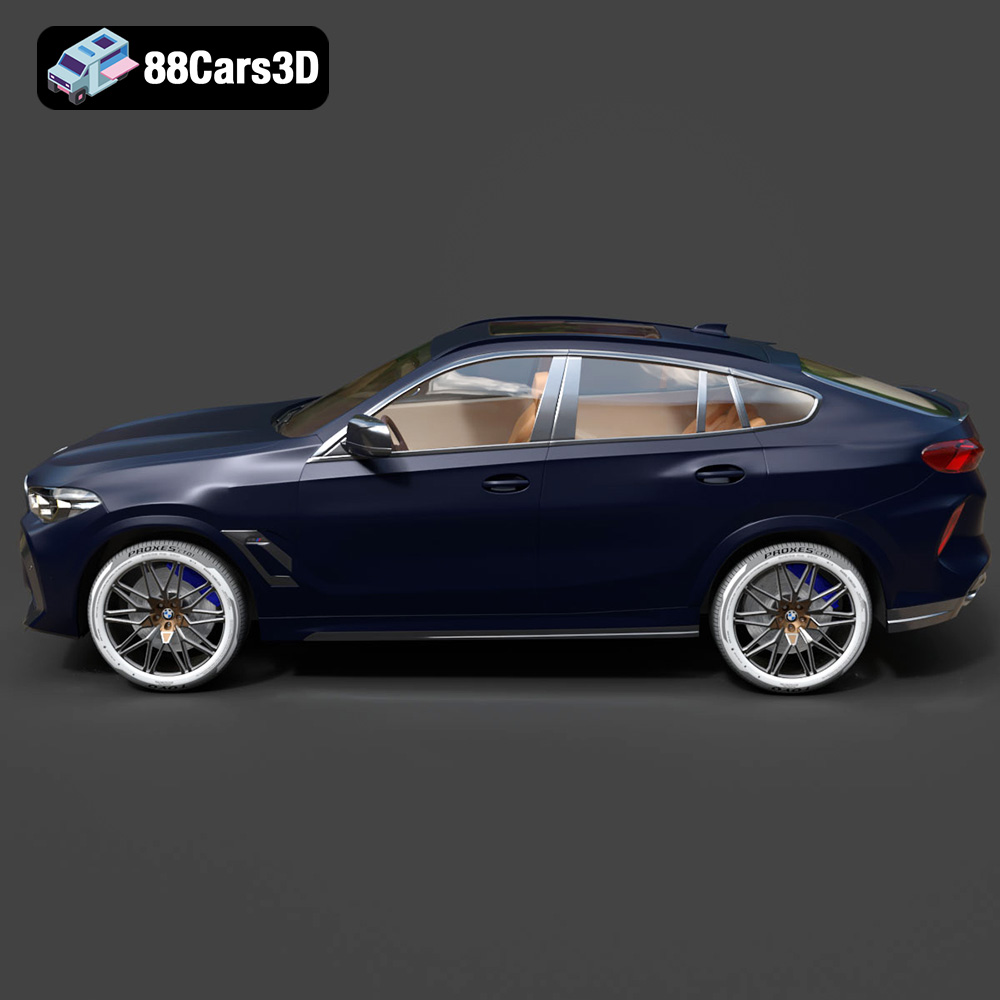
At the heart of this digital transformation lies the intricate art of 3D modeling, where every curve, every reflection, and every mechanical component is meticulously recreated. This dedication to detail is exemplified by exceptional assets like the BMW X6 M 2008 3D Model, a pioneer in the high-performance Sports Activity Coupe segment. This model captures the sheer power and athletic presence of the original, offering a digital twin that’s ready to be integrated into a multitude of professional projects. Whether you’re aiming to develop the next generation of racing games, craft an immersive virtual showroom, or simply generate breathtaking photorealistic animations, understanding the nuances of 3D car models and their applications is crucial. This article delves deep into the technical aspects, workflow considerations, and diverse applications of premium automotive 3D assets, showcasing how a model like the BMW X6 M 2008 can truly drive innovation.
Choosing the correct file format for your 3D car models is a critical decision that impacts workflow efficiency, software compatibility, and the ultimate quality of your project. Each format serves a specific purpose, optimized for different stages of the 3D pipeline, from initial modeling to real-time rendering and even physical fabrication. Understanding these distinctions is paramount for any professional working with digital automotive assets, such as the versatile BMW X6 M 2008 3D Model available at 88cars3d.com.
The .blend format is the native file type for Blender, a powerful open-source 3D creation suite. When you download a .blend file, you’re getting a fully editable Blender scene, often including modifiers, materials, textures, lighting setups, and animation data. This format is ideal for users who work predominantly in Blender and require full access to the original scene’s construction for customization, modifications, or learning from the asset’s creation. For the BMW X6 M 2008, a .blend file allows artists to dissect its intricate geometry, study its material node setups, or easily adapt it within a Blender-centric pipeline, perhaps for rendering with Cycles or Eevee.
The .fbx (Filmbox) format, developed by Autodesk, is arguably the most widely used proprietary 3D file format for exchanging models, animations, and scenes between different software applications. Its robust support for geometry, materials, textures, rigging, and animation makes it ideal for game engines like Unreal Engine and Unity, as well as 3D animation software. When working with complex 3D car models like the BMW X6 M 2008, .fbx is often the go-to for moving an asset from a modeling package to a game development environment, preserving crucial data like proper pivot setups for wheel rotation and suspension travel.
The .obj (Wavefront Object) format is a universal standard for 3D geometry exchange. While it primarily handles mesh data (vertices, normals, UVs), it can reference external material files (.mtl) for basic color and texture information. .obj files are highly compatible across virtually all 3D software, making them excellent for static models or when you need a clean, universal mesh for cross-software compatibility. For the BMW X6 M 2008, an .obj file provides a solid geometric foundation that can be imported into any software for further texturing and setup, serving as a reliable fallback or primary choice for static renders.
The .glb (GL Transmission Format Binary) is an increasingly popular format optimized for efficient transmission and loading of 3D scenes and models in AR, VR, and browser-based applications. It encapsulates models, textures, and animations into a single binary file, making it very performant for web GL viewers and mobile experiences. For showcasing the BMW X6 M 2008 in an online configurator, an interactive virtual showroom, or a mobile augmented reality app, the .glb format offers superior loading times and broad compatibility across modern web browsers and AR platforms.
The .stl (Stereolithography) format is the standard for 3D printing. It describes only the surface geometry of a 3D object using a mesh of interconnected triangles, without any color, texture, or material information. When the goal is to physically manifest the BMW X6 M 2008 as a scaled model, converting it to .stl is essential. This format is directly read by 3D slicer software, which prepares the model for printing by generating toolpaths and supports. The product description for the BMW X6 M 2008 even provides recommended 3D print settings, highlighting its suitability for hobbyists and professionals looking to create display-scale models.
The .ply (Polygon File Format or Stanford Triangle Format) is a versatile format capable of storing a wide range of properties beyond just geometry, including color, transparency, and even normals. It’s often used for scanned 3D data and is particularly strong in its ability to handle “point cloud” data, making it valuable in scientific visualization, CAD, and precise geometric analysis. While less common for typical game assets, a .ply file for the BMW X6 M 2008 could be useful for specialized engineering analysis or high-precision industrial design applications.
While not a standard open format like FBX or OBJ, the inclusion of a .unreal file (or an asset specifically tailored and packaged for Unreal Engine) signifies an asset that is pre-configured and optimized for direct import and use within the Unreal Engine ecosystem. This means materials are often set up with Unreal’s Physically Based Rendering (PBR) system, textures are correctly packed, and collision meshes might already be generated. For game developers leveraging the BMW X6 M 2008 in an open-world racing game or an architectural visualization rendered in real-time, an Unreal-ready asset dramatically accelerates the integration process, minimizing setup time and ensuring optimal performance.
Similar to .blend for Blender, the .max format is the native file type for Autodesk 3ds Max, a leading software for 3D modeling, animation, and rendering. A .max file contains the entire scene data, including geometry, lights, cameras, animations, and all 3ds Max-specific modifiers and settings. This format is invaluable for users who rely on 3ds Max for high-fidelity rendering, complex animation sequences, or detailed design work. The BMW X6 M 2008 in .max format grants full control over the asset within its native environment, allowing for intricate adjustments, custom animations, or integration into existing 3ds Max projects for photorealistic automotive rendering.
Each of these formats offers distinct advantages, and the comprehensive array provided with the BMW X6 M 2008 3D model ensures maximum flexibility for professionals across various digital disciplines.
Creating a truly exceptional 3D car model goes far beyond merely replicating its silhouette. It demands meticulous attention to detail, precision in geometry, and a deep understanding of how these elements translate into a convincing digital representation. The BMW X6 M 2008 3D Model exemplifies this technical excellence, striking a delicate balance between visual fidelity and performance optimization, making it a stellar asset for diverse applications.
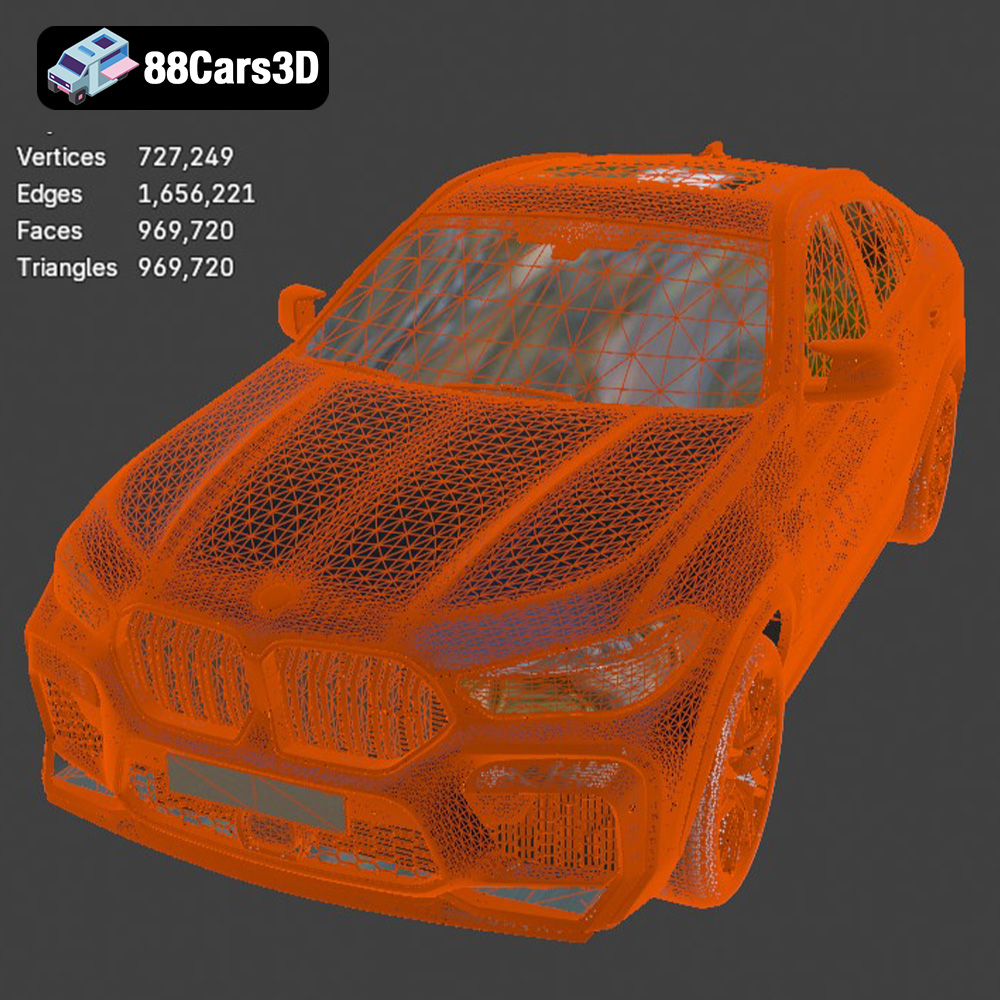
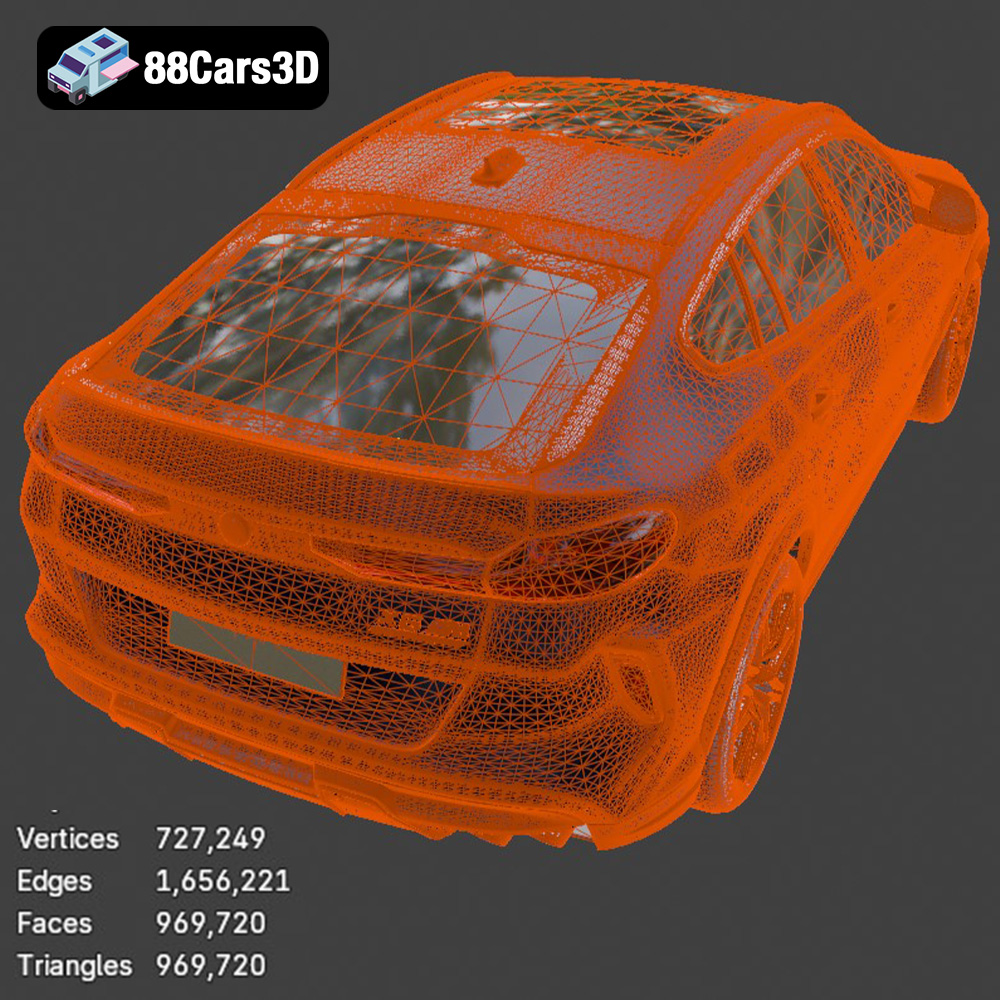
The foundation of any high-quality 3D model is its geometry. The BMW X6 M 2008 boasts a refined 969,720 triangle count. This figure is significant because it represents a sweet spot for modern game-ready assets and high-end visualization. It’s detailed enough to capture the nuanced curves, sharp edges, and intricate components of the X6 M’s aggressive design without becoming overly heavy and cumbersome for real-time engines. Such an optimized polycount ensures breathtaking visual fidelity, whether it’s viewed up close in a cinematic render or integrated into a fast-paced game environment, allowing for smooth performance without sacrificing visual realism.
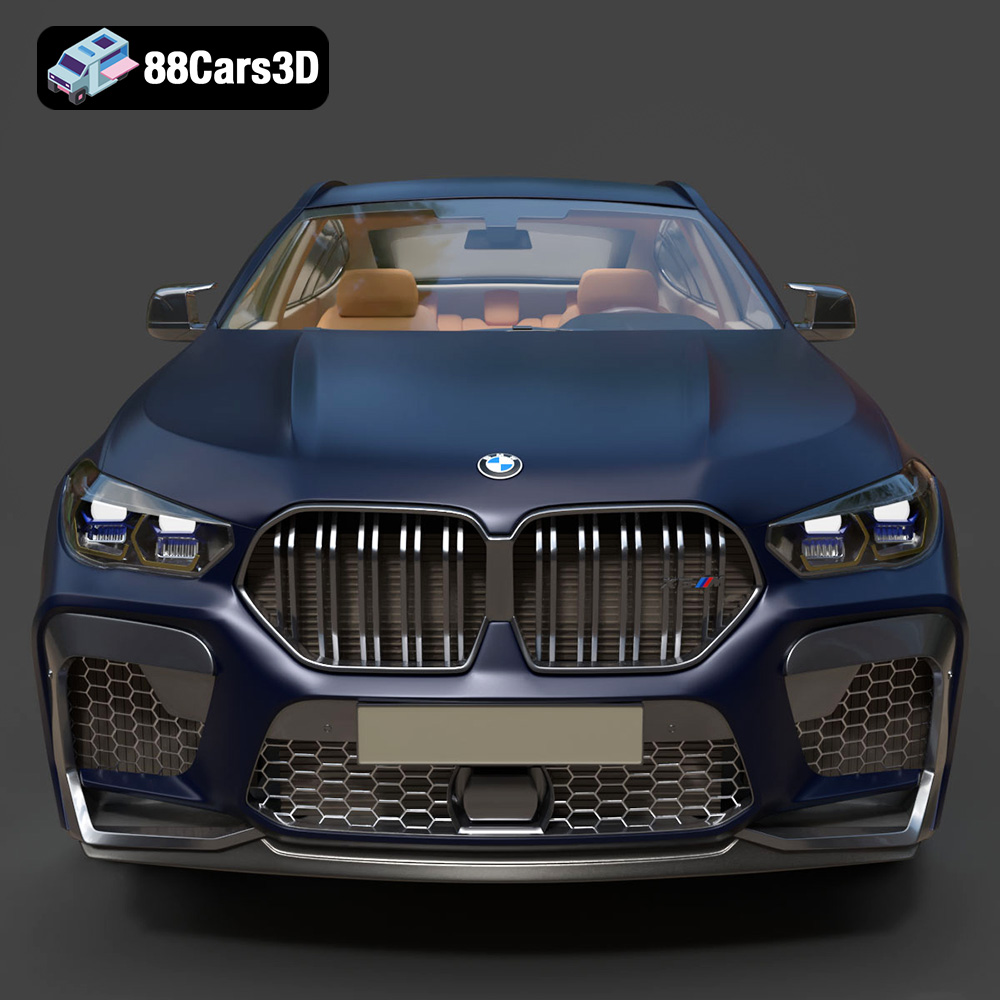
Authenticity is paramount in automotive rendering and game development. The BMW X6 M 2008 3D model delivers this through its comprehensive detailing. Externally, it features accurate frame geometry and proportions, a detailed engine block based on the formidable twin-turbo V8, and the signature M quad-exhaust system with polished tips. Intricately modeled headlights and distinct LED taillights enhance its photorealism, while aggressive M-sport alloy wheels and high-performance tire treads complete the powerful stance. Crucially, separate components for wheels, suspension, and steering ensure the model is animation-ready, allowing for realistic driving simulations.
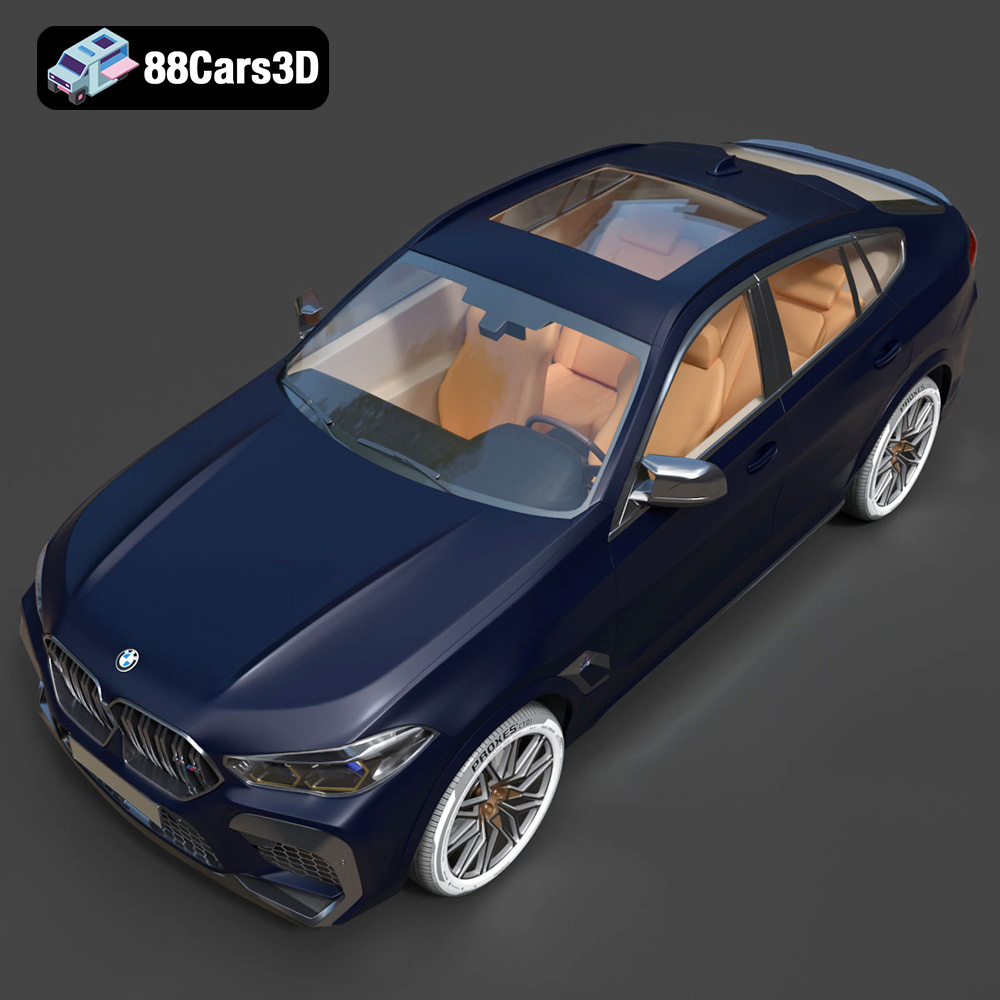
The commitment to detail extends into the cockpit. Premium M-sport bucket seats with accurate stitching, a sport steering wheel with paddle shifters and M branding, and a high-fidelity instrument cluster with central infotainment display are all meticulously recreated. The detailed center console, gear selector, pedals, and door panels ensure an immersive experience, even optimized for first-person perspectives in gaming. This level of interior fidelity is vital for virtual showrooms, AR/VR experiences, and games where players can interact with the vehicle’s interior.
Adherence to real-world scale is a non-negotiable for professional 3D car models. The BMW X6 M 2008 is built to exact real-world dimensions based on the actual vehicle chassis, ensuring accurate integration into architectural visualization scenes, urban environments, or virtual reality training simulations. Furthermore, its “game-ready” status signifies that it has been meticulously prepared for optimal performance in real-time engines like Unreal and Unity. This includes proper pivot setup for steering, wheel rotation, and suspension travel – crucial elements for realistic vehicle dynamics in a driving simulator or open-world game. This attention to technical advantages significantly reduces development time and ensures a seamless experience for artists and developers.
The true value of a premium 3D car model, such as the BMW X6 M 2008, lies in its seamless integration into diverse professional workflows. Across game development, architectural visualization, and interactive experiences, these assets serve as foundational elements, and understanding how to leverage them within industry-standard software is key.
For game developers, the BMW X6 M 2008 is a prime example of an optimized game asset. Its 969,720 triangle count strikes a perfect balance for real-time engines.
Unreal Engine Integration: Importing an FBX or a specifically pre-packaged .unreal file into Unreal Engine is straightforward. Once imported, the model’s materials can be quickly configured using Unreal’s robust Physically Based Rendering (PBR) system. Developers can then assign physics assets, set up collision meshes for realistic interaction with the game world, and implement vehicle blueprints for realistic driving mechanics, leveraging the model’s proper pivot points for suspension, steering, and wheel rotation. The detailed interior is excellent for third-person cameras or even first-person views in racing titles.
Unity Engine Integration: Similarly, importing the FBX into Unity allows for quick setup. Unity’s material system, also PBR-based, makes applying textures and shaders efficient. Scripting vehicle physics and controls is a common task, and an asset with separated components like wheels and suspension simplifies this process. The BMW X6 M 2008’s optimized geometry and ‘game-ready’ status mean it will perform well within Unity’s rendering pipeline, whether for mobile racing games or high-fidelity PC titles.
In architectural visualization (arch-viz), realistic vehicles breathe life into static scenes. The BMW X6 M 2008 3D model, with its high fidelity, is ideal for populating street scenes, luxury driveway renders, or dealership configurators.
3ds Max Workflow: Utilizing the .max file directly allows maximum control within 3ds Max. Artists can fine-tune materials using V-Ray or Corona renderers, adjust lighting to match the environment, and integrate the car into complex architectural scenes with ease. The editable nature of the .max file allows for custom animations, such as opening doors or rotating wheels, to enhance realism in fly-throughs or product showcases.
Blender Workflow: For Blender users, the .blend file provides a native, ready-to-render setup. Artists can leverage Blender’s Cycles or Eevee render engines to produce photorealistic images. Materials can be adjusted via node networks, and advanced lighting techniques can be applied. The separated components are perfect for setting up simple animations, like a car driving down a street or parking in a driveway, adding dynamic elements to static architectural renderings.
The versatility of the BMW X6 M 2008 extends to emerging technologies.
AR/VR Integration: For augmented reality (AR) and virtual reality (VR) applications, the .glb format is particularly valuable due to its optimization for web and mobile platforms. Developers can create immersive virtual showrooms where customers can explore the X6 M in 360 degrees, customize colors, or even place the car virtually in their real-world driveway using AR apps. The model’s optimized geometry ensures smooth performance in these demanding real-time environments.
3D Printing: The inclusion of the .stl format makes this model suitable for physical fabrication. Hobbyists and professionals can scale the BMW X6 M 2008 to various sizes (e.g., 1:12, 1:18, 1:24), print it using resin or FDM printers, and then apply post-processing techniques like sanding, priming, and painting with authentic factory colors to create highly detailed physical replicas.
The digital realm offers unprecedented opportunities for creativity, and high-quality 3D car models like the BMW X6 M 2008 are powerful catalysts for innovation. Their technical sophistication enables a vast array of applications across entertainment, marketing, and design, truly bringing automotive dreams to life.
The BMW X6 M 2008 is an exceptional game asset, perfectly suited for the demands of modern interactive entertainment. Its optimized polycount and game-ready status make it ideal for integration into open-world games, where detail needs to be balanced with performance across vast environments. Imagine cruising the streets of a sprawling metropolis or tackling off-road challenges in a game featuring this iconic SAC.
The transformative power of AR/VR finds a perfect partner in detailed 3D car models. The BMW X6 M 2008 can be the centerpiece of next-generation automotive experiences.
For marketing, advertising, and high-fidelity visualization, the BMW X6 M 2008 offers unparalleled visual realism.
Beyond the digital realm, the BMW X6 M 2008 3D Model facilitates the creation of physical objects.
From the pixelated worlds of gaming to tangible collectibles, the creative applications of this premium 3D model are as expansive as the digital imagination.
In the realm of 3D content creation, particularly with complex automotive assets, “optimization” is a buzzword that often means the difference between a smooth, immersive experience and a frustrating, laggy one. For a high-fidelity model like the BMW X6 M 2008 3D model, ensuring it’s “game-ready” involves a suite of considerations that balance visual quality with computational efficiency. This optimization is crucial whether you’re working on a high-performance game or a photorealistic rendering project.
The 969,720 triangle count of the BMW X6 M 2008 is a deliberate choice. It’s high enough to capture the aggressive stance, sweeping roofline, and intricate details of the X6 M’s muscular exterior, but not so excessive that it bogs down real-time engines. However, for maximum efficiency in larger scenes or open-world games, this model is designed to facilitate the implementation of Level of Detail (LOD) systems. LODs involve creating multiple versions of the same model, each with a progressively lower polygon count. When the car is far from the camera, a lower-poly version is rendered, saving computational resources. As it approaches, the higher-detail version seamlessly swaps in. A well-constructed base model like this one allows artists to easily generate these LODs without significant quality loss.
Effective UV mapping is fundamental to optimization. UVs are 2D coordinates that tell the 3D software how to project 2D textures onto the 3D model’s surface. A “game-ready” asset implies clean, non-overlapping UVs that prevent stretching or distortion of textures. Furthermore, for efficiency, textures are often consolidated into a single “texture atlas” where multiple smaller textures are packed onto one larger image. This reduces draw calls in game engines, significantly boosting performance. The BMW X6 M 2008, being designed for demanding digital environments, would benefit immensely from such organized UVs and efficient texture management.
Modern 3D applications and game engines rely heavily on Physically Based Rendering (PBR) workflows. PBR materials accurately simulate how light interacts with surfaces in the real world, leading to incredibly realistic results. Optimizing materials for a car model like the BMW X6 M 2008 involves creating PBR texture maps (Albedo/Base Color, Metallic, Roughness, Normal, Ambient Occlusion) that define the vehicle’s surfaces—from the gloss of its paintwork to the subtle reflections on its windows and the texture of its tires. Properly configured PBR materials not only enhance visual fidelity but are also efficient to render across various lighting conditions, ensuring the model looks stunning under any digital sky.
For interactive applications like games, a detailed visual model isn’t enough. It requires robust collision geometry. While the visual model needs high detail, collision meshes are typically much simpler, low-poly representations that define the physical boundaries of the object. These invisible meshes handle interactions with the environment and other vehicles, ensuring realistic crashes, bumps, and driving dynamics. The BMW X6 M 2008, with its “game-ready” designation, inherently supports the integration of such optimized collision meshes, making it a truly functional asset for real-time physics simulations.
Through these careful optimization techniques, a premium 3D model like the BMW X6 M 2008 can deliver both breathtaking visual realism and the high performance required for today’s most demanding digital experiences.
The trajectory of automotive design and its digital representation is constantly accelerating. As technology advances, the boundaries between the physical and virtual worlds continue to blur, making high-fidelity 3D car models more indispensable than ever. The BMW X6 M 2008 3D model stands as a testament to the current state of this art, embodying the precision and adaptability required for future innovation.
The concept of “digital twins” – highly accurate virtual replicas of physical objects – is gaining traction in the automotive sector. These digital counterparts allow for simulations, testing, and modifications in a virtual environment before costly physical prototypes are built. A model like the BMW X6 M 2008, meticulously crafted to real-world scale and detail, serves as an excellent foundation for such a digital twin, enabling engineers to analyze performance, optimize aerodynamics, or even simulate manufacturing processes.
Furthermore, advancements in real-time rendering, volumetric displays, and haptic feedback are creating increasingly immersive experiences. Imagine not just seeing, but *feeling* the contours of the BMW X6 M through an advanced VR headset, or interacting with a holographic projection of the vehicle in a mixed reality showroom. These technologies will rely heavily on assets that are not only visually perfect but also optimized for complex real-time interaction.
The demand for personalization in consumer products is soaring, and the automotive industry is no exception. High-quality 3D car models are central to enabling advanced configurators where customers can customize every aspect of their vehicle, from paint finish and wheel design to interior upholstery and trim, all rendered in photorealistic detail. The customization options inherent in the BMW X6 M 2008 model – allowing changes to body colors, tire textures, and material finishes – are indicative of this trend. As rendering technologies become more efficient, these configurators will move beyond static images to fully interactive, real-time 3D experiences accessible via web browsers or mobile devices.
The investment in meticulously crafted 3D car models like those found on 88cars3d.com is not just about meeting current industry standards; it’s about preparing for a future where digital assets are at the forefront of design, engineering, marketing, and user experience. The BMW X6 M 2008 represents a sophisticated tool for anyone looking to navigate and lead in this exciting digital future.
The journey through the intricate world of 3D car models reveals a landscape of technical precision, artistic vision, and boundless application. From the nuanced choice of file formats that dictate workflow efficiency to the meticulous crafting of geometry and materials that define visual realism, every aspect contributes to the creation of truly impactful digital assets. The BMW X6 M 2008 3D model stands out as a prime example of this excellence, offering a game-ready, high-fidelity asset that caters to a diverse range of professional needs.
Whether you are developing the next groundbreaking racing simulation, visualizing architectural masterpieces, creating immersive AR/VR experiences, or fabricating physical prototypes, the technical advantages and detailed features of this model make it an invaluable resource. Its optimized polycount, real-world scale, and animation-ready components underscore its versatility and robustness for demanding digital environments.
As the digital frontier continues to expand, the importance of high-quality 3D car models will only grow. They are not merely digital objects but essential tools that drive innovation, streamline workflows, and unlock new creative possibilities across industries. For professionals seeking to elevate their projects with assets that combine authenticity with performance, exploring offerings like the BMW X6 M 2008 3D model at 88cars3d.com is a definitive step towards achieving unparalleled digital realism and success.
Experience the sheer power and athletic presence of the BMW X6 M 2008, a pioneer in the high-performance Sports Activity Coupe segment. Blending the aggressive stance of an M-series sports car with the versatility of a luxury SUV, this vehicle boasts a commanding front fascia, iconic kidney grilles, a sweeping roofline, and the signature quad-pipe M exhaust system. Underneath its muscular exterior lies the spirit of a twin-turbo V8, making it an unmistakable icon of automotive engineering.
This premium 3D model delivers exceptional quality with a refined 969,720 triangle count, offering breathtaking visual fidelity while remaining structured for optimal use in demanding digital environments. Whether you are developing high-end racing games, crafting immersive AR/VR showrooms, or generating photorealistic animations, this game-ready asset provides the perfect balance of detail and efficiency.
Perfect for open-world street racing games, luxury car dealership configurators, architectural visualization scenes, and high-octane cinematic renders.
.blend, .fbx, .obj, .glb, .stl, .ply, .unreal, .max
Tags:
bmw, x6-m, 2008, suv, coupe-suv, sports-car, luxury-car, game-ready, low-poly, optimized, car-3d-model, game-asset, rendering, vr-ar, blend, fbx, obj, glb, stl, ply, unreal, max
$60.99
.2008
.blend
.bmw
.fbx
.glb
.max
.obj
.ply
.rendering
.sports car
.stl
.unreal
car-3d-model
coupe-suv
game asset
game-ready
low-poly
luxury car
optimized
SUV
VR/AR
x6-m