Get 20% OFF All Premium 3D & STL Models!

In the rapidly evolving landscape of digital media, the demand for hyper-realistic 3D assets is paramount. From breathtaking cinematic renders to immersive virtual reality experiences and the cutting edge of next-generation gaming, high-quality 3D car models are the bedrock upon which truly captivating automotive visualization is built. They are more than just polygons and textures; they are intricate digital sculptures that breathe life into virtual worlds, allowing creators to push the boundaries of realism and user engagement.
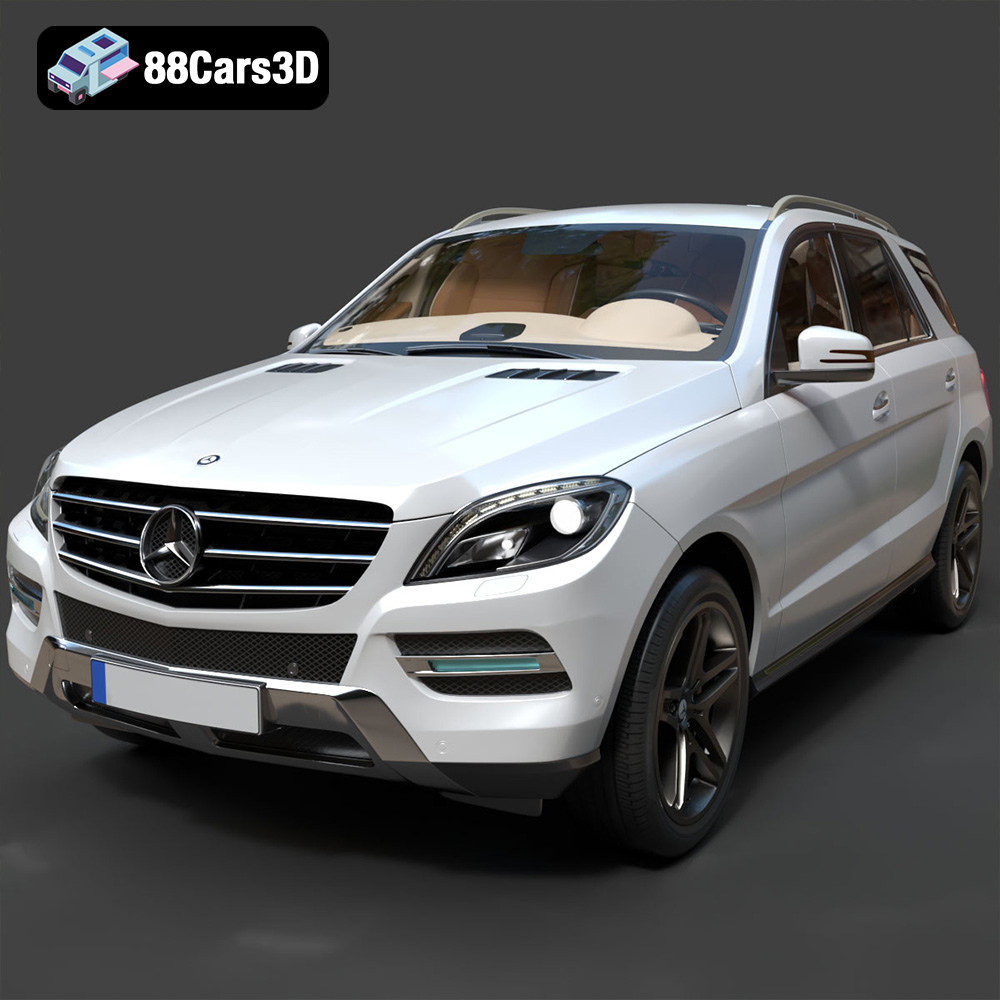
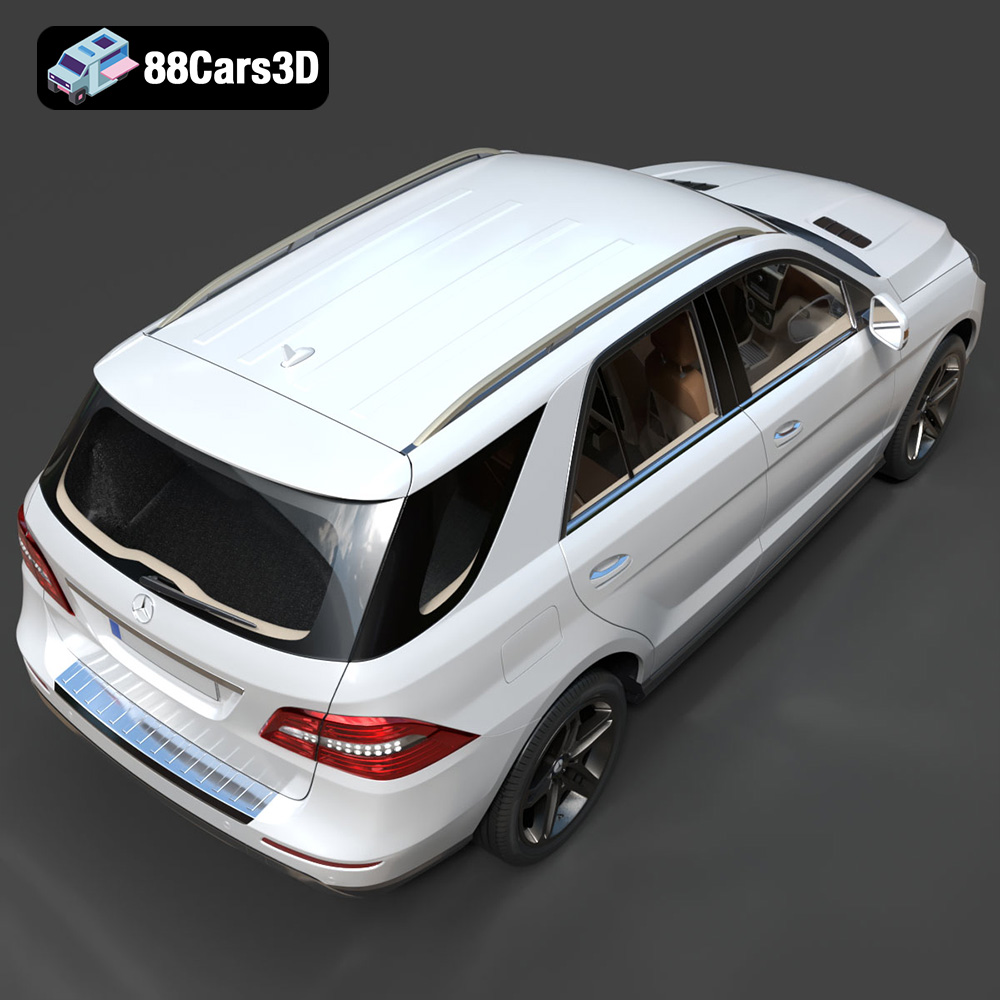
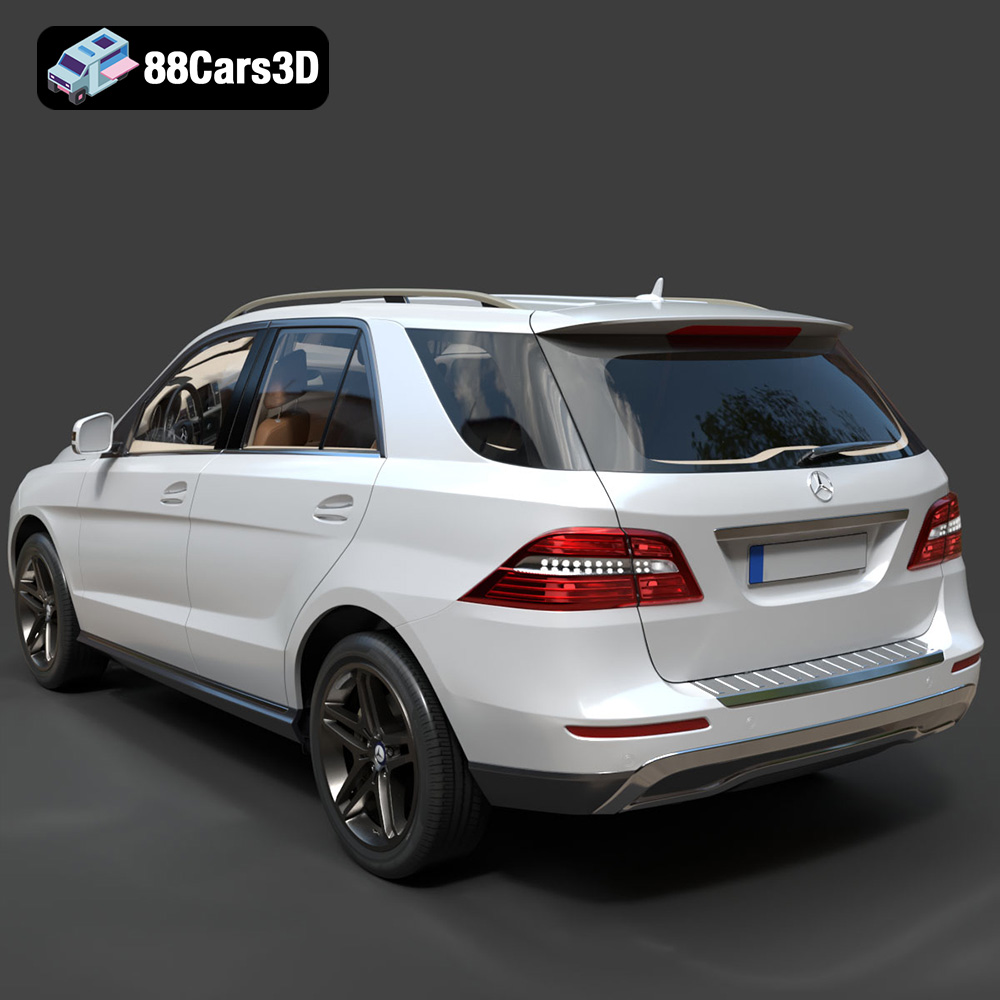
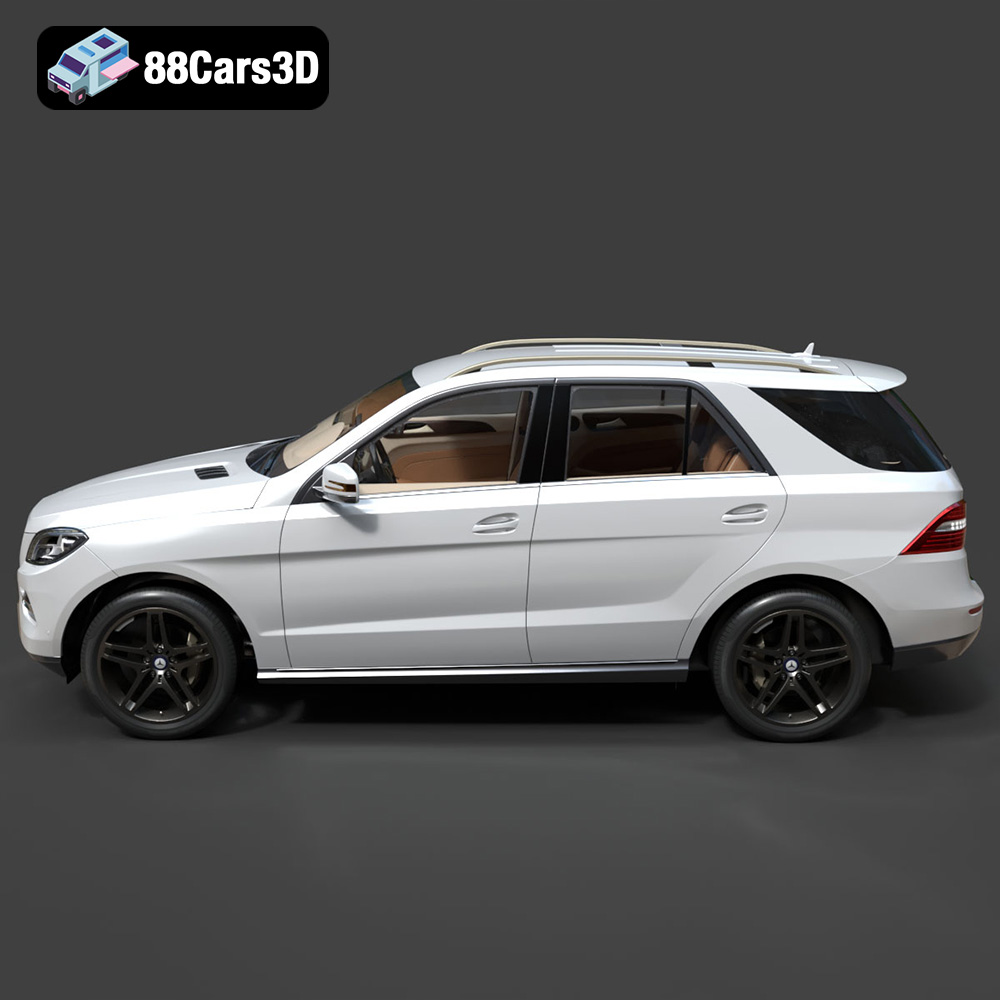
The journey from a designer’s vision to a fully interactive digital vehicle requires a meticulous eye for detail, a deep understanding of automotive engineering, and mastery of complex 3D software. This is where premium 3D models stand apart. They provide a foundational asset that saves countless hours of development time while ensuring an unparalleled level of visual fidelity. A prime example of such precision engineering in the digital realm is the Mercedes-Benz AMG-08 3D Model, a testament to what can be achieved when passion for automotive excellence meets advanced 3D artistry. This model encapsulates the raw power and elegant design of its real-world counterpart, making it an indispensable asset for a myriad of professional applications.
The versatility of a high-quality 3D model is often defined by the range of file formats it supports. Each format is designed with specific use cases and software environments in mind, offering different advantages in terms of data preservation, compatibility, and optimization. Understanding these formats is crucial for any professional working with 3D assets, as it ensures seamless integration into diverse workflows and maximizes the utility of your investment. The Mercedes-Benz AMG-08 3D Model, for instance, comes equipped with a comprehensive suite of formats, catering to virtually every need.
The .blend format is native to Blender, the powerful open-source 3D creation suite. When you receive a .blend file, you’re getting a complete, fully editable Blender scene. This typically includes the model’s geometry, materials, textures, lighting setups, cameras, animation data, and even modifiers. For users entrenched in the Blender ecosystem, this offers maximum flexibility for customization, tweaking shaders, adjusting topology, or integrating the model into existing Blender projects without any loss of data fidelity. It’s an invaluable format for artists who want full creative control and the ability to dissect and understand the model’s construction.
.fbx (Filmbox) is arguably the most widely adopted interchange format in the 3D industry, particularly popular for its robust support for animation and scene data. Developed by Autodesk, it’s ideal for transferring models between different 3D applications and into real-time game engines like Unreal Engine and Unity. An FBX file can encapsulate geometry, materials (with some limitations on complex node setups), textures, animations, rigging, and even cameras and lights. Its strength lies in its ability to maintain crucial scene information across disparate software, making it the go-to choice for game development pipelines where efficiency and compatibility are key.
The .obj (Wavefront OBJ) format is a universal standard for storing 3D geometry data. It’s highly compatible across virtually all 3D software, making it an excellent fallback or starting point when broad interoperability is required. OBJ files primarily store vertex positions, UV coordinates, normals, and polygonal faces. While it can reference external material (.mtl) files for basic color and texture assignments, it doesn’t support advanced material properties, animation, or rigging like FBX. Its simplicity is its strength, ensuring that the core mesh data is transferable without complex dependencies, perfect for static renders or as a base for further development.
.glb (GLB format, often referred to as “glTF Binary”) is rapidly becoming the standard for 3D models on the web, in augmented reality (AR), and virtual reality (VR) applications. It’s a binary container format for glTF (GL Transmission Format) assets, which means all data (models, animations, textures, shaders) are packed into a single file. This optimization makes GLB files incredibly efficient for streaming and loading in browser-based viewers, AR/VR experiences, and mobile applications, where file size and performance are critical. For showcasing a product like the Mercedes-Benz AMG-08 in an interactive web configurator or an AR app, GLB is the superior choice.
The .stl (Stereolithography) format is the de facto standard for 3D printing. It represents a 3D model as a collection of triangles, defining the surface geometry without any color, texture, or material information. For designers looking to bring digital assets into the physical world, an STL file is essential. While it’s excellent for manufacturing, its lack of visual data means it’s not typically used for rendering or game development. However, for a high-detail model like the Mercedes-Benz AMG-08, providing an STL option opens up exciting possibilities for hobbyists and professionals to create physical prototypes or display models.
.ply (Polygon File Format or Stanford Triangle Format) is another format for storing 3D data, particularly known for its ability to store properties beyond just geometry, such as color, transparency, and even normal vectors per vertex or face. It’s often used in scientific applications, CAD, and 3D scanning, where precise mesh data and attribute information are crucial for analysis or highly detailed reproductions. While less common in game development, it offers a robust alternative for specific technical workflows.
The .unreal format, or more accurately, assets packaged and optimized specifically for Unreal Engine, represents an engine-ready asset. This implies not just the raw geometry but also properly set up materials, textures, collision meshes, LODs (Levels of Detail), and potentially blueprint functionality. While Unreal Engine primarily imports FBX files, having an asset “prepared for Unreal” means it has undergone the necessary processing within the engine to be drag-and-drop ready, saving significant integration time. This is a massive advantage for game developers or virtual production teams looking for immediate deployment.
Similar to .blend for Blender, the .max format is native to Autodesk 3ds Max, a long-standing industry standard for 3D modeling, animation, and rendering. A .max file contains the complete scene information, including complex material networks, intricate animation timelines, rigging setups, F-curve data, lighting rigs, and specialized modifiers. For studios and artists who rely on 3ds Max for their primary production pipeline, this format offers the ultimate flexibility for modifying every aspect of the Mercedes-Benz AMG-08 model, from its smallest detail to its most elaborate animation sequence.
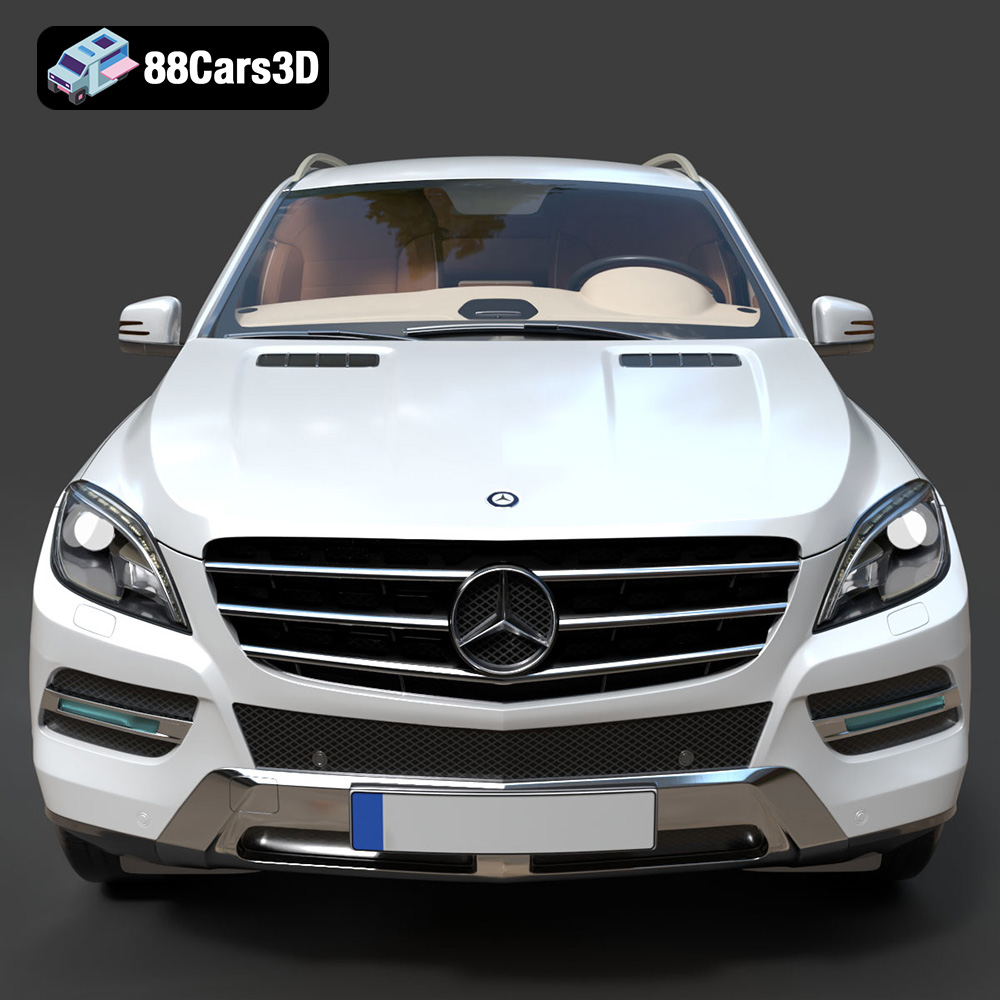
The digital representation of a legendary vehicle like the Mercedes-Benz AMG-08 requires an unparalleled commitment to authenticity. This 3D model, available on 88cars3d.com, is a prime example of such dedication, meticulously capturing the essence of peak automotive engineering. From its sweeping aerodynamic lines to its signature Panamericana grille and muscular stance, every visual cue that defines the AMG heritage has been faithfully recreated.
The exterior of the Mercedes-Benz AMG-08 model is a showcase of intricate detailing. It boasts accurate frame geometry and athletic proportions that mirror the real vehicle. The engine bay reveals a detailed engine block, featuring the signature handcrafted V8 architecture, visible for those close-up studio renders. Performance features are not overlooked, with a high-performance quad-exhaust system complete with carbon fiber surrounds, precision-modeled LED high-performance headlights, and multi-piece taillights. Authentic multi-spoke AMG alloy wheels, coupled with ultra-low-profile sport tires, complete the aggressive stance. Even the intricate performance suspension details, including massive brake calipers and cross-drilled rotors, are present, and crucially, elements like wheels, suspension, and steering components are separated for seamless animation.
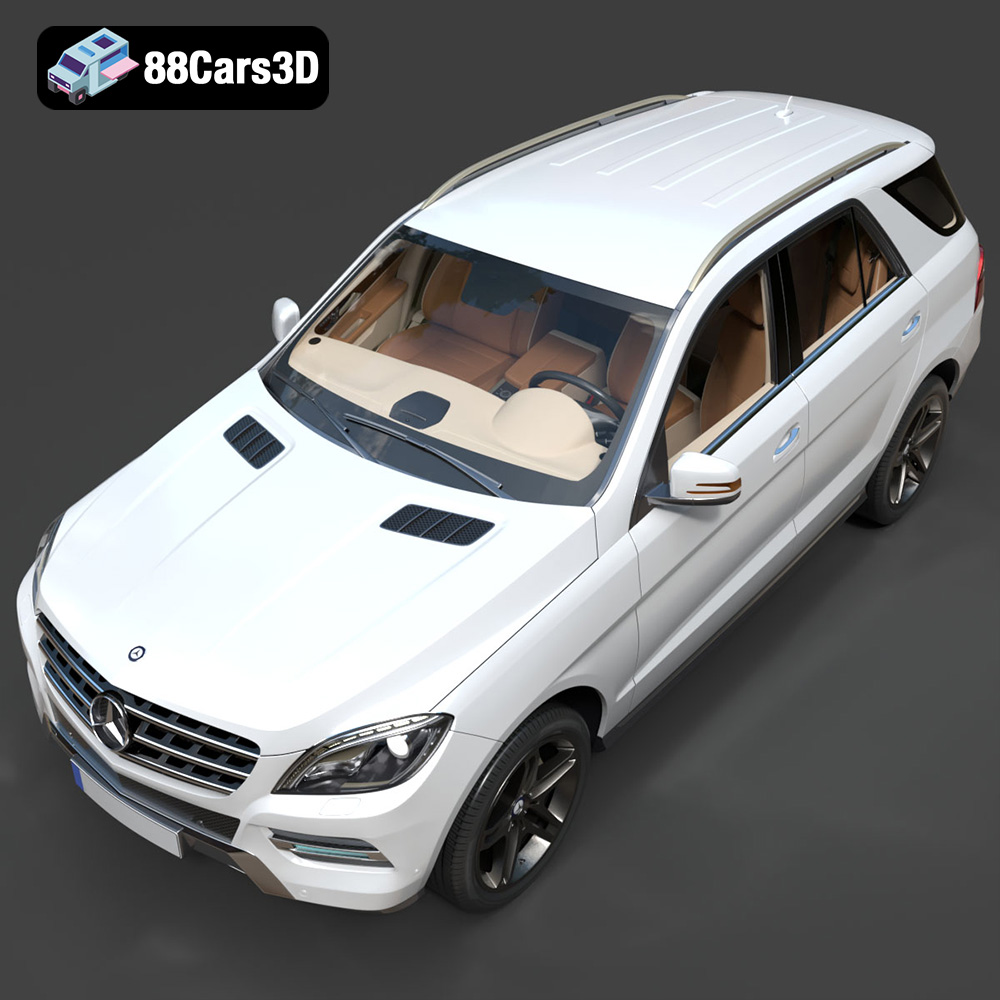
The interior of the AMG-08 model is equally impressive, offering an immersive experience suitable for first-person perspectives in gaming or virtual showrooms. Ergonomic AMG performance bucket seats feature detailed stitching and bolstering, inviting the user into the digital cockpit. The flat-bottom AMG steering wheel, complete with paddle shifters and driver controls, is precisely modeled, as is the high-resolution digital dual-screen instrument cluster and infotainment system. A detailed center console, precise pedals, drive-mode selectors, and gear shifter all contribute to a truly authentic environment, optimized for both visual realism and interactive use.
The true value of a premium 3D asset like the Mercedes-Benz AMG-08 lies in its seamless integration into diverse professional pipelines. Its technical specifications are designed to meet the rigorous demands of various industries, from game development to high-end visualization.
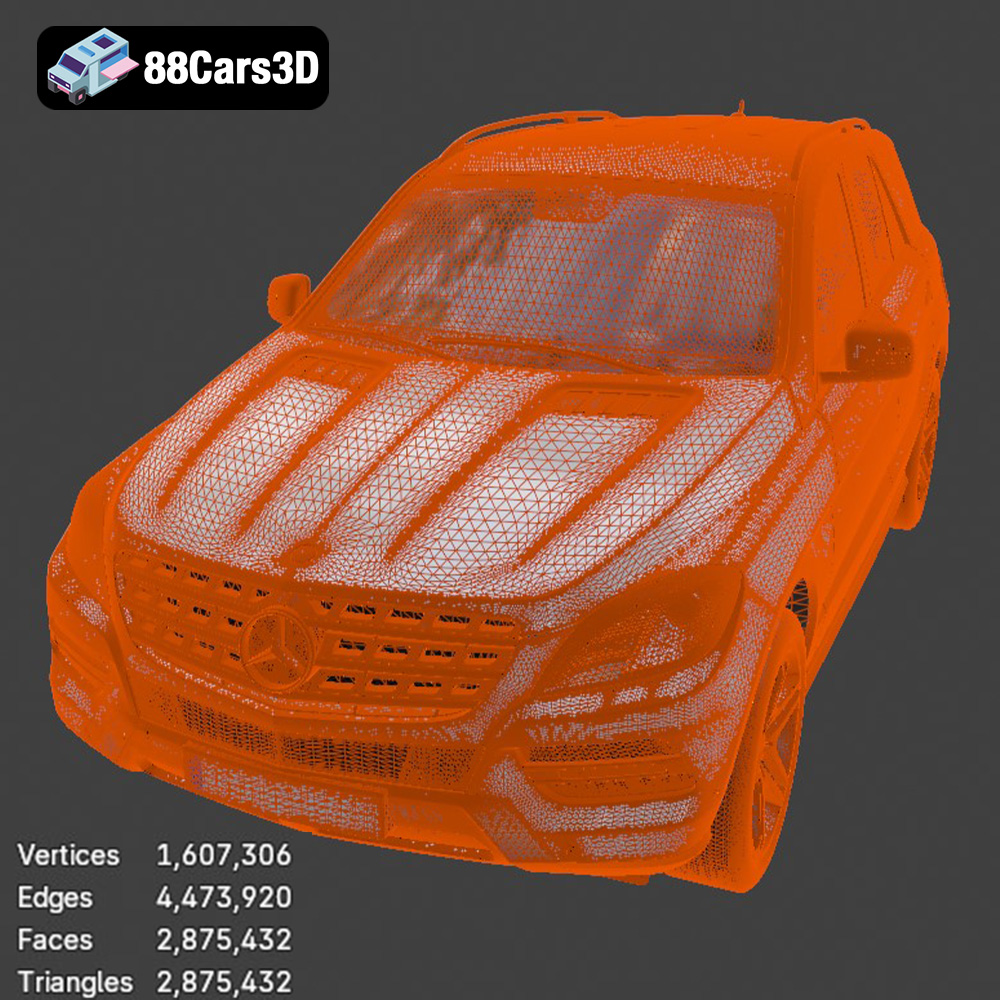
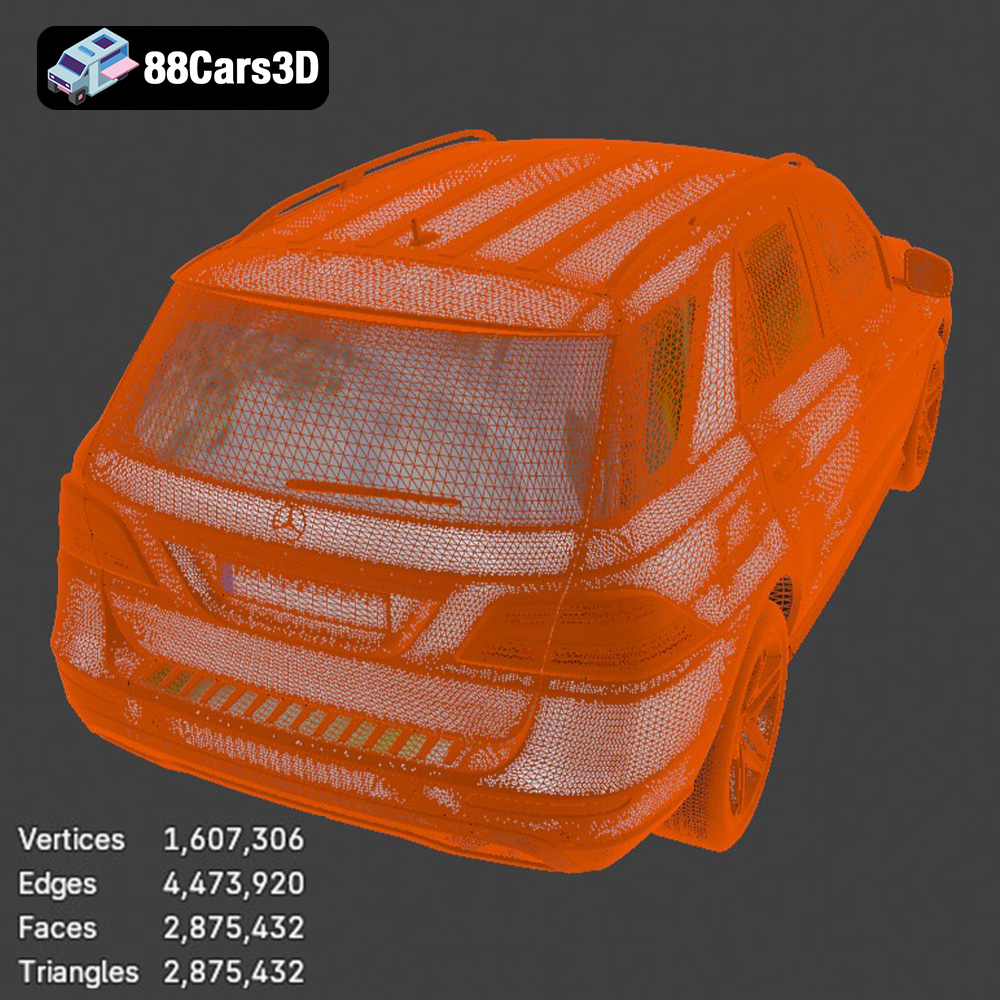
With a comprehensive topology of 2,875,432 triangles, this model strikes an exceptional balance between high-end visual realism and optimization for real-time engines. While this might be considered a high poly count for previous generations of games, it is perfectly suited for modern, next-gen titles utilizing advanced technologies like Unreal Engine’s Nanite or sophisticated LOD systems in Unity. The model’s “game-ready” status means it’s ideal for open-world games, racing titles, and simulators where visual fidelity is a key selling point. Proper pivot setups for steering, wheel rotation, and suspension travel ensure that animators and developers can implement realistic vehicle dynamics with minimal effort, significantly accelerating the development cycle for interactive experiences.
The demand for immersive experiences in augmented reality (AR) and virtual reality (VR) continues to grow, particularly in automotive marketing and sales. The AMG-08 model is perfect for virtual showrooms, allowing potential buyers to explore every detail of the car in a fully interactive 3D space. Its detailed interior and exterior make it suitable for high-fidelity configurators where users can customize colors, materials, and features in real time. The availability of formats like .glb further emphasizes its suitability for web-based AR/VR applications, ensuring efficient loading and smooth performance on various devices.
For cinematic renders, brand campaigns, and architectural visualizations that require an automotive presence, the Mercedes-Benz AMG-08 3D model excels. Its high-fidelity mesh and meticulous material separation allow for stunning studio lighting setups and realistic reflections. Artists using software like 3ds Max, Blender, or Unreal Engine can leverage the detailed geometry and PBR (Physically Based Rendering) ready materials to produce photorealistic images and animations. Whether it’s showcasing the car in a dramatic commercial or integrating it into a sophisticated architectural scene, the model provides the visual foundation for compelling storytelling.
Achieving a balance between breathtaking realism and optimal performance is a complex endeavor in 3D modeling. The Mercedes-Benz AMG-08 model exemplifies advanced technical considerations that make it a valuable asset for demanding projects.
The model’s 2,875,432 triangles represent a significant investment in visual fidelity. This level of detail ensures that even in extreme close-ups, surfaces remain smooth, contours sharp, and intricate details like engine components and interior stitching are clearly defined. For rendering, this high polycount translates directly into superior image quality without relying heavily on normal maps for surface detail. In real-time engines, careful LOD (Level of Detail) implementation and modern rendering techniques like tessellation or virtualized geometry (e.g., Nanite in Unreal Engine 5) can efficiently manage this high polygon count, allowing for cinematic-grade assets to run smoothly in interactive environments.
Accuracy is paramount in automotive models. The AMG-08 model adheres to real-world scale based on actual vehicle chassis specifications. This not only ensures correct proportions but also simplifies integration into scenes with other real-world scale assets or CAD data. Furthermore, the inclusion of proper pivot setups for steering, wheel rotation, and suspension travel is a crucial technical advantage. These pre-configured pivots save animators and game developers countless hours of rigging, allowing for immediate implementation of realistic vehicle physics and animations, from a simple turn of the wheel to complex suspension compression over rough terrain.
The versatility of a high-quality 3D model extends beyond digital screens. The Mercedes-Benz AMG-08 model, through its .stl file compatibility, opens up exciting avenues for physical creation, catering to hobbyists and professionals alike who wish to hold a tangible representation of this digital marvel.
Converting a high-detail rendering model into a printable format requires careful consideration of mechanical constraints and printer capabilities. The provided 3D print settings are invaluable guidelines, recommending scales such as 1:12, 1:18, or 1:24, which offer a good balance between detail and manageable print time. A suggested layer height of 0.04–0.12 mm, particularly for resin printing, indicates the model’s capacity for capturing fine details, which would be essential for faithfully reproducing elements like the grille, interior dashboard, or brake calipers.
Beyond aesthetic detail, practical considerations like wall thickness (1.2–2.0 mm) and infill (20–30%) are recommended to ensure structural integrity for the printed model. The necessity for supports on detailed parts such as the exhaust, mirrors, and steering wheel highlights the complexity captured within the digital asset. Recommendations for print orientation, such as printing the frame angled and wheels separately, are critical for minimizing support structures and optimizing print quality. Finally, the post-processing advice—sanding, primer, and applying authentic factory colors with metallic finishes—underscores the potential for creating truly museum-quality physical replicas from the digital file.
A truly professional 3D asset provides a strong foundation while also offering avenues for customization and adaptation. The Mercedes-Benz AMG-08 model is built with flexibility in mind, ensuring it can evolve with your project’s needs.
The ability to change body and interior colors, apply custom finishes (matte, gloss, metallic, carbon fiber), and even modify tire textures (track vs. street variants) provides immense creative freedom. This is crucial for automotive configurators, where users expect a personalized experience, or for game developers who need to create variations of a vehicle within their virtual world. Similarly, adapting lighting for different environments, from a showroom’s pristine glow to a dramatic sunset race track, allows artists to perfectly integrate the model into any scene, ensuring visual harmony and maximum impact.
Investing in a high-quality 3D model from a reputable marketplace like 88cars3d.com is an investment in longevity. A well-constructed model with clean topology, proper UVs, and versatile file formats remains relevant across generations of software and rendering engines. Its detailed engineering ensures it can be downscaled for less demanding applications via LODs or upscaled for higher fidelity renders as technology advances. This future-proofing makes assets like the Mercedes-Benz AMG-08 model invaluable for studios and individuals who demand both immediate utility and enduring value from their digital content.
The world of 3D modeling for automotive design, rendering, and game asset development is driven by a constant pursuit of realism and efficiency. High-fidelity 3D car models are no longer just supplementary elements; they are core components that enable breathtaking visuals and immersive interactive experiences. The Mercedes-Benz AMG-08 3D Model stands as a testament to this pursuit, offering a meticulously crafted asset that combines unparalleled visual detail with technical robustness.
From its intricate exterior and cockpit features to its game-ready optimization and comprehensive file format support, this model empowers professionals across various industries. Whether you’re crafting a next-gen racing game, designing a virtual reality showroom, producing a cinematic advertisement, or even creating a tangible 3D print, this model provides the technical foundation and aesthetic brilliance required to achieve outstanding results. By choosing assets that balance intricate detail with practical versatility, like those found on 88cars3d.com, creators can elevate their projects and deliver truly unforgettable digital experiences.
The Mercedes-Benz AMG-08 stands as a testament to peak automotive engineering, combining aggressive styling with unparalleled performance. This 3D model faithfully captures the vehicle’s sweeping aerodynamic lines, signature Panamericana grille, and the sheer muscular stance that defines the AMG heritage. Every detail, from the intricately modeled bi-turbo V8 engine bay to the quad-exhaust system and striking carbon fiber accents, has been meticulously recreated to offer an authentic visual experience. With a comprehensive topology of 2,875,432 triangles, this model delivers uncompromising high-fidelity realism suitable for close-up studio renders while maintaining a clean, structured mesh. It offers incredible visual fidelity, making it an outstanding asset for high-end game development, virtual reality showrooms, and cinematic animation. Perfect for next-gen racing games, high-end automotive configurators, cinematic renders, and immersive virtual reality experiences.
$90.00
.blend
.fbx
.glb
.max
.obj
.ply
.rendering
.sports car
.stl
.unreal
amg-08
car-3d-model
game asset
game-ready
high-performance
mercedes-benz
optimized
VR/AR