Get 20% OFF All Premium 3D & STL Models!

In the dynamic worlds of automotive design, game development, cinematic rendering, and immersive virtual reality experiences, the quality of a 3D asset can make or break a project. Precision, accuracy, and optimization are paramount, especially when depicting high-performance vehicles. A truly exceptional 3D car model isn’t just a collection of polygons; it’s a meticulously crafted digital twin, capable of conveying the raw power and luxurious detail of its real-world counterpart. This is where models like the Mercedes-Benz AMG GT 63 3D model truly shine, offering an unparalleled foundation for a myriad of professional applications.
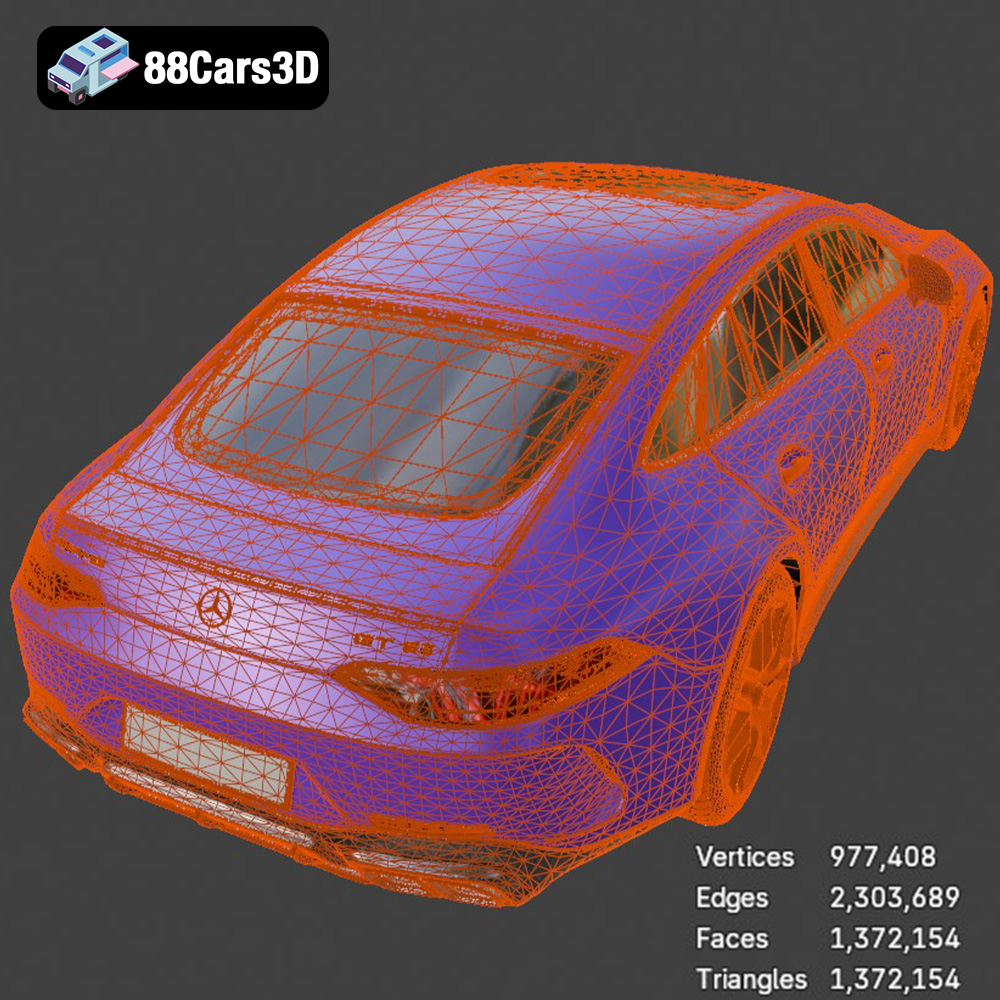
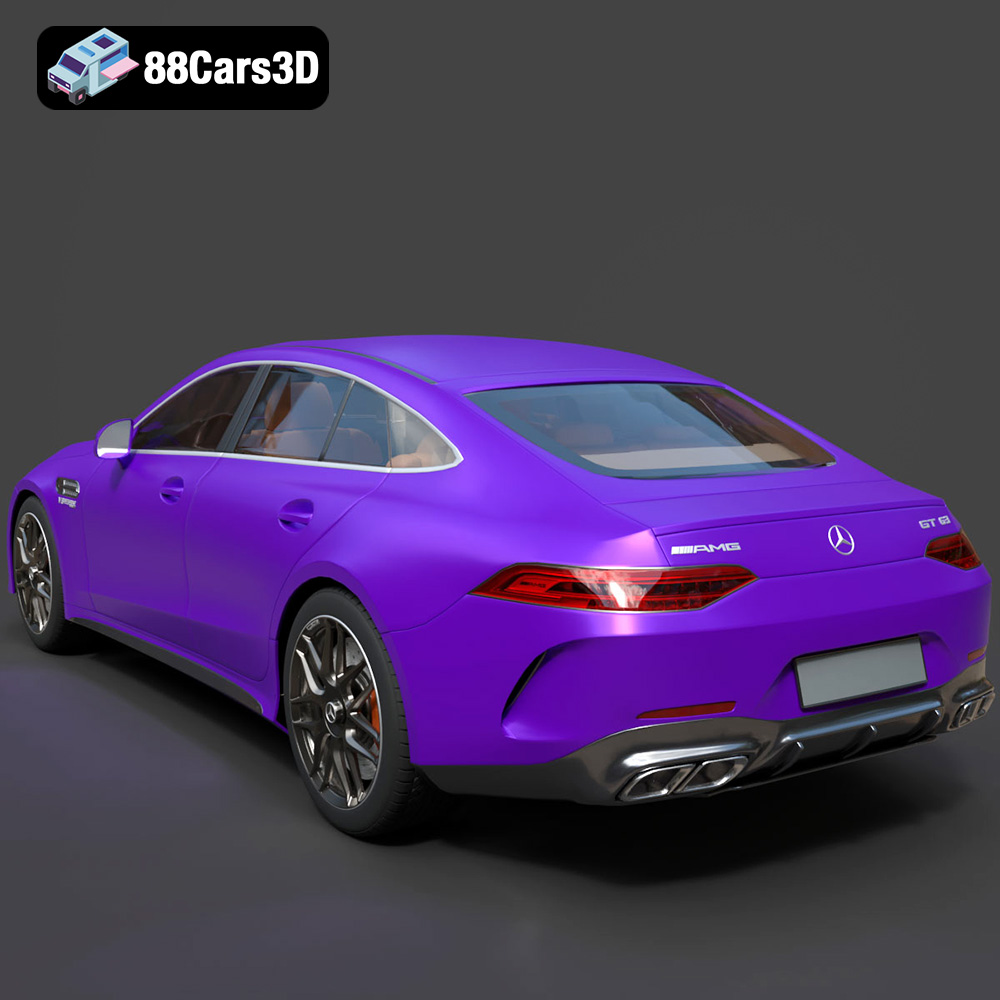
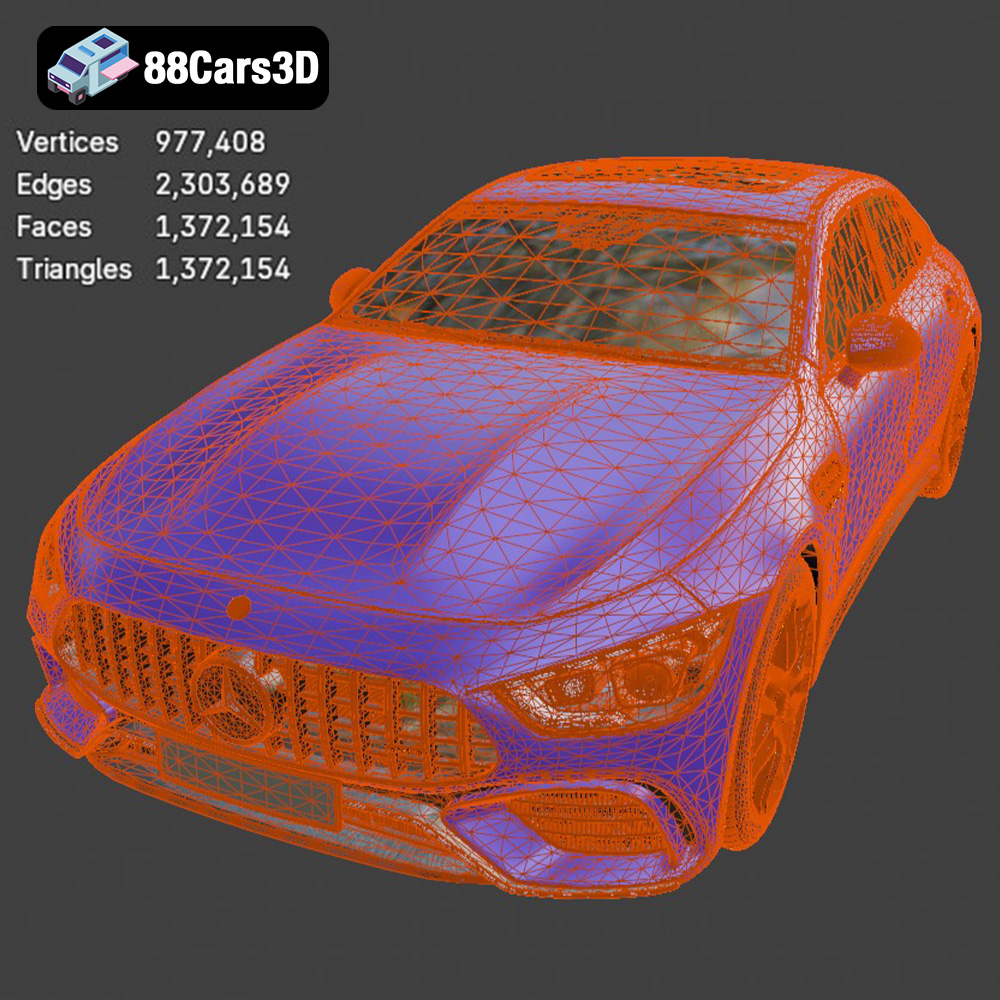
The Mercedes-Benz AMG GT 63, a masterpiece of German engineering, blends aggressive aerodynamic styling with a luxurious interior and blistering bi-turbo V8 power. Its distinctive Panamericana grille, sweeping roofline, muscular haunches, and signature quad-exhaust setup make it an instantly recognizable icon. Translating this level of detail into a 3D asset requires a deep understanding of automotive aesthetics and technical modeling prowess. The premium 3D model of the AMG GT 63, available for download on 88cars3d.com, captures this essence perfectly, boasting an exceptional 1,372,154 triangle count that ensures ultra-high visual fidelity and precise surface continuity. This asset is not merely a model; it’s a versatile tool engineered for demanding digital environments, from AAA racing games to high-end architectural visualizations.
The world of 3D modeling is rich with various file formats, each designed with specific purposes and offering unique advantages. Understanding these formats is crucial for any professional working with 3D assets, as selecting the correct one can significantly impact workflow efficiency, compatibility, and final output quality. The Mercedes-Benz AMG GT 63 3D model, for instance, offers a comprehensive suite of formats, ensuring its utility across virtually any pipeline.
The
Autodesk’s
The
The
The
The
While not a traditional file extension in the same vein as .fbx or .obj, the inclusion of
The
A truly premium 3D car model goes beyond just looking good; it must be structurally sound, technically optimized, and versatile. The Mercedes-Benz AMG GT 63 3D model exemplifies these qualities, showcasing a meticulous attention to detail that elevates it from a mere digital object to a powerful asset for creative professionals.
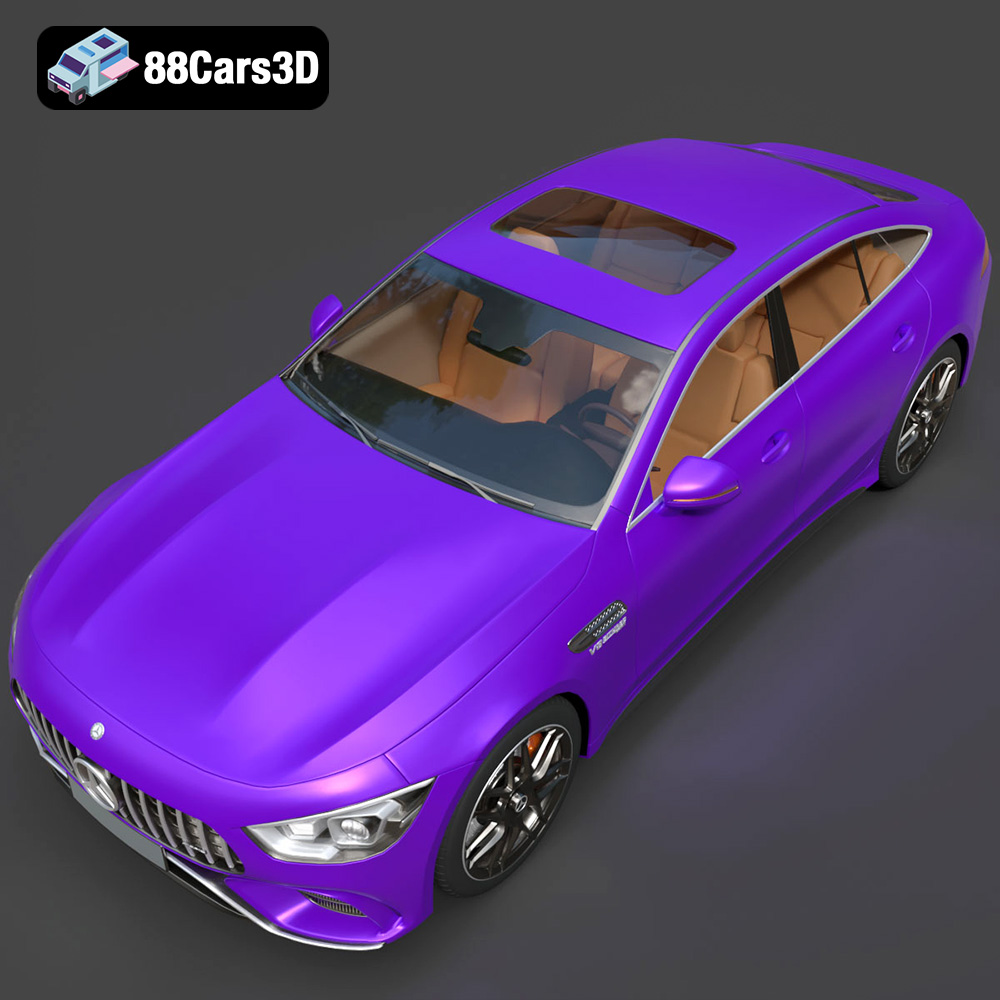
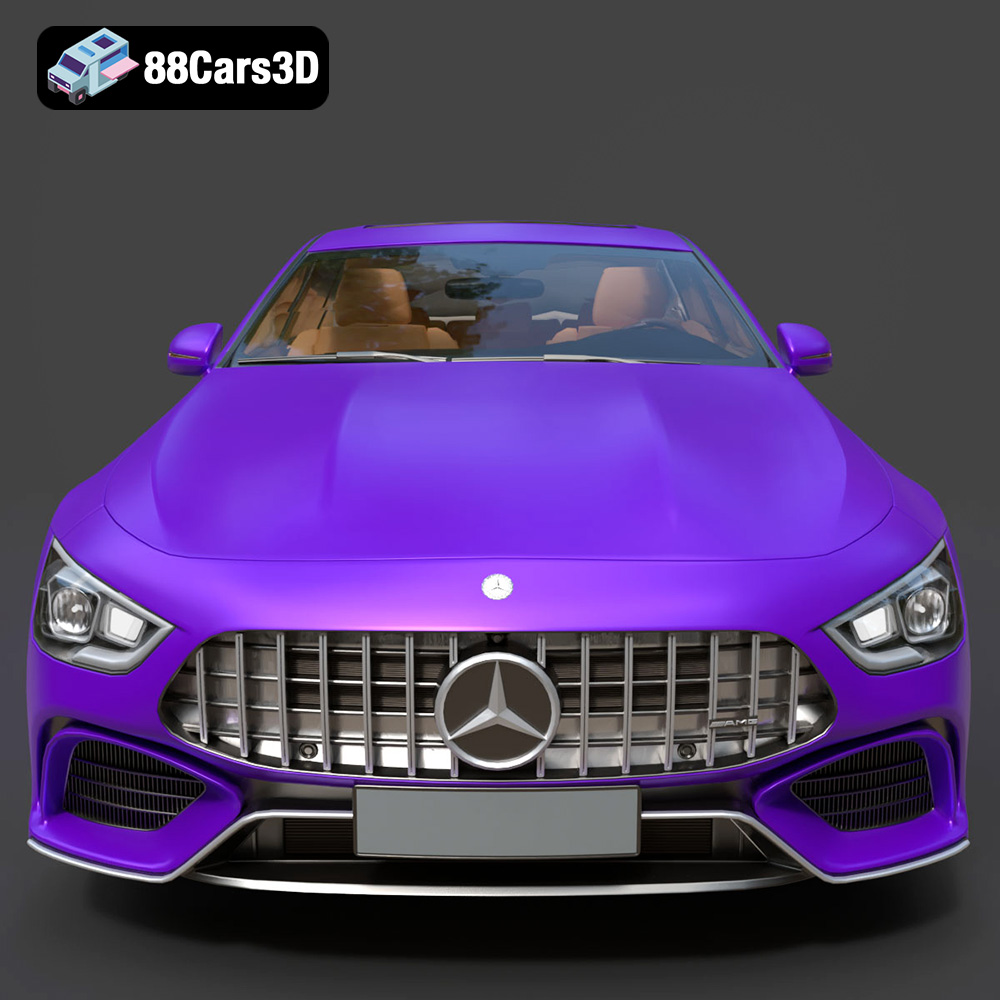
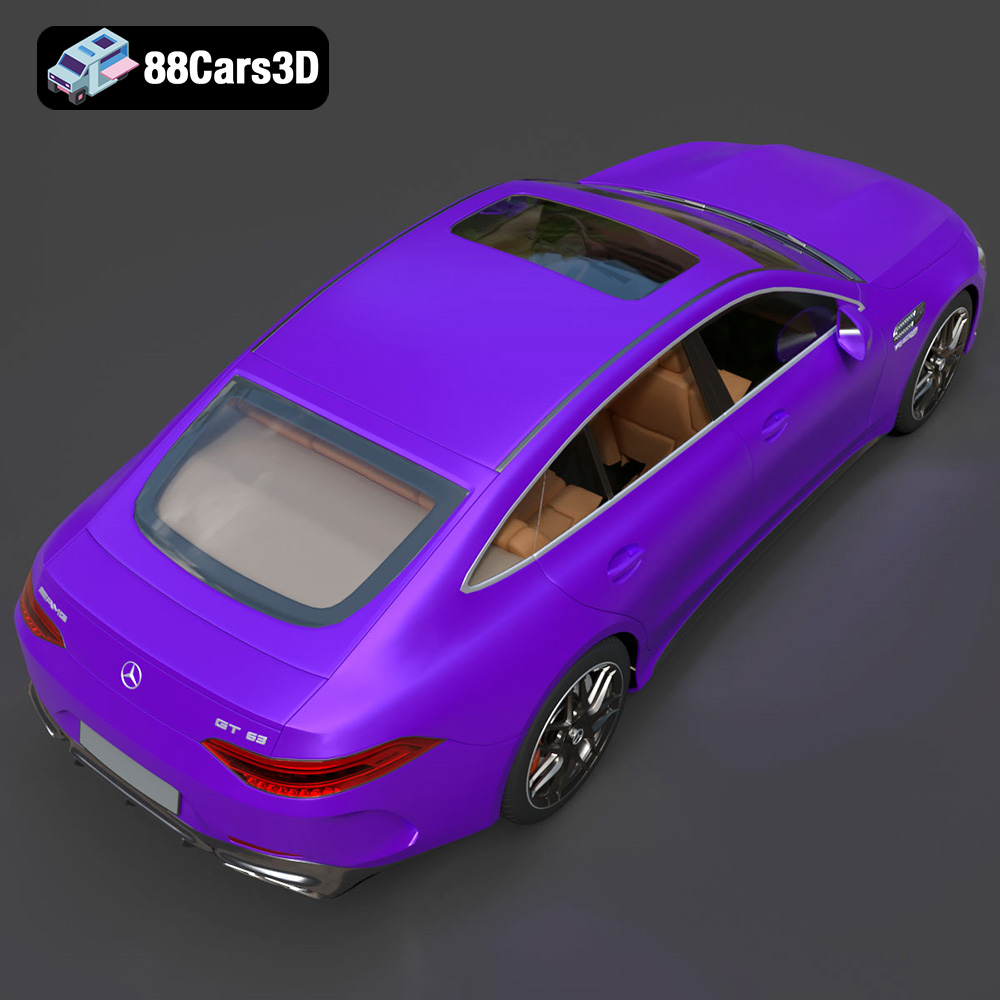
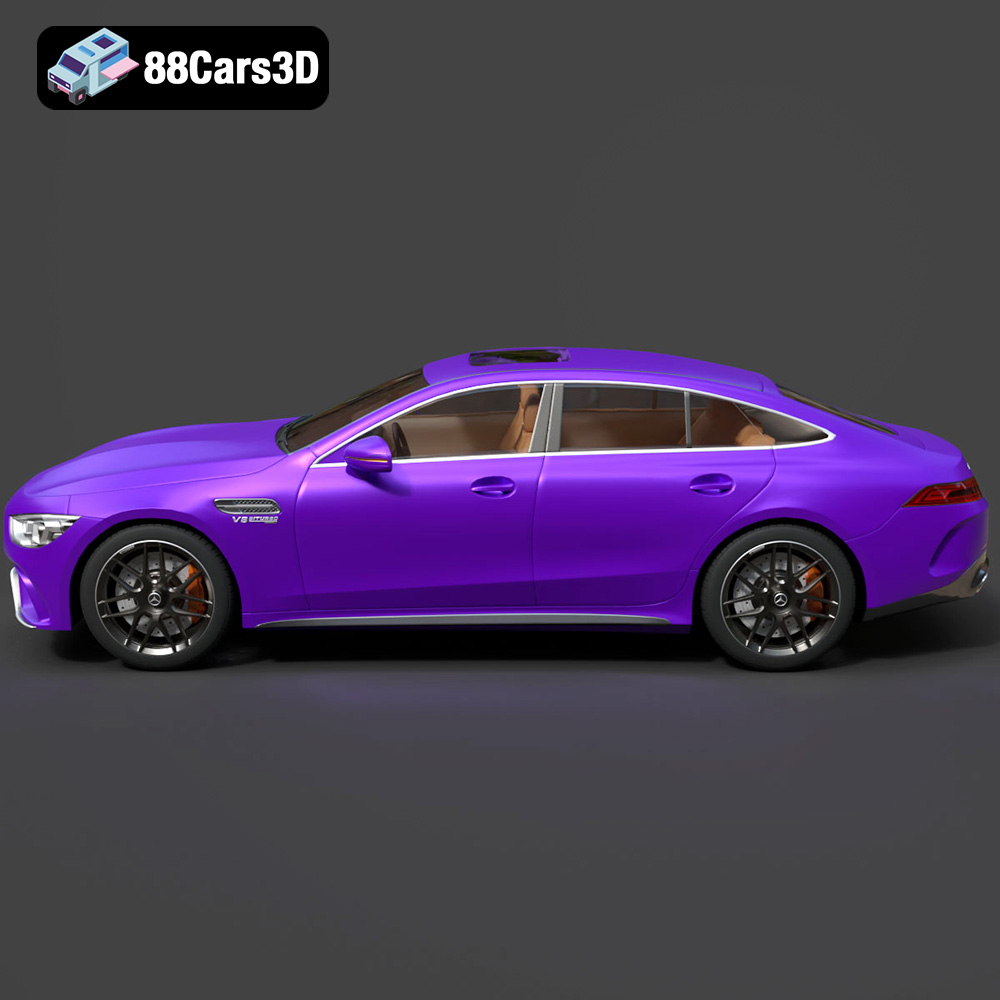
The first impression of any vehicle is its exterior, and the AMG GT 63 model captures every nuance. The aggressive aerodynamic styling, a hallmark of the AMG line, is accurately translated, from the iconic Panamericana grille to the intricate cooling intakes that hint at the bi-turbo V8 beneath. The distinct sweeping roofline, muscular rear haunches, and signature quad-exhaust system are all precisely modeled, ensuring the digital representation evokes the same presence as the physical car. Even the high-fidelity AMG alloy wheels, wrapped in low-profile performance tires with visible cross-drilled brake rotors, contribute to the stunning realism. This level of accuracy is critical for high-end automotive rendering, where even the smallest deviation can undermine the photorealism.
The interior of a luxury sports coupe is just as important as its exterior. The AMG GT 63 3D model offers a highly detailed cockpit, complete with AMG performance seats featuring realistic stitching and bolstering. The signature flat-bottom AMG steering wheel with paddle shifters, the accurate dual-screen MBUX digital instrument cluster, and the detailed center console with dynamic drive controls are all meticulously reproduced. This attention to interior detail is crucial for projects requiring first-person perspectives, such as gaming, virtual showrooms, or cinematic sequences where the camera might explore the cabin, providing an immersive experience for the viewer.
One of the most significant technical advantages of this model is its optimized topology. With 1,372,154 triangles, it strikes an exceptional balance between ultra-high visual fidelity for close-up renders and maintaining a practical polycount for real-time engines like Unreal and Unity. This “game-ready” optimization is achieved without sacrificing visual realism. Furthermore, the model is built with real-world scale accuracy, based on actual vehicle chassis dimensions. Separate wheels, suspension, and steering components, coupled with proper pivot setup for steering, wheel rotation, and suspension travel, mean the model is ready for dynamic animation straight out of the box. This modularity and technical precision significantly reduce post-purchase setup time, allowing artists and developers to integrate the asset quickly and efficiently into their projects.
Achieving breathtaking automotive renders requires a sophisticated blend of high-quality 3D assets, powerful rendering engines, and artistic expertise. The Mercedes-Benz AMG GT 63 3D model provides the perfect canvas for such endeavors, compatible with major 3D software and real-time rendering platforms.
For many automotive visualization studios, 3ds Max combined with renderers like V-Ray or Corona remains the go-to setup for producing photorealistic imagery. The .max format of the AMG GT 63 allows seamless integration into this workflow. Artists can leverage 3ds Max’s robust modeling and animation tools, then apply sophisticated V-Ray or Corona materials, focusing on realistic car paint shaders, intricate glass reflections, and detailed tire textures. Setting up studio lighting environments, using HDRI (High Dynamic Range Image) maps for realistic reflections and illumination, and fine-tuning camera angles are all streamlined with a high-quality base model. The precise geometry and detailed components of the AMG GT 63 ensure that every reflection, highlight, and shadow contributes to a stunningly realistic final image, perfect for brand campaigns or luxury lifestyle visualizations.
Blender has rapidly become a favorite among independent artists and studios alike, offering powerful tools and a flexible, open-source environment. The .blend file for the AMG GT 63 allows users to dive directly into Blender’s native ecosystem. Using Cycles, Blender’s path-tracing renderer, artists can achieve physically accurate and breathtaking renders comparable to any commercial engine. Eevee, Blender’s real-time renderer, offers instant visual feedback, making it ideal for rapid prototyping, animation previz, or even final renders where speed is paramount. Blender’s node-based material system provides immense creative freedom, allowing for custom car paint effects, intricate tire wear, and dynamic lighting setups, all optimized by the AMG GT 63’s clean topology.
Even the most exquisite render can be enhanced through professional post-processing. Techniques like color grading, depth of field adjustments, and subtle motion blur can transform a static image into a cinematic masterpiece. Software like Adobe Photoshop, Affinity Photo, or even Blender’s compositor can be used to add lens flares, correct color balance, or introduce atmospheric effects. The high resolution and fidelity of the AMG GT 63 3D model ensure that even after significant post-processing, the car retains its sharp details and luxurious appeal, making it ideal for high-impact marketing and advertising materials.
The demand for realism in video games has never been higher, particularly in racing titles and open-world experiences. High-quality 3D car models are the backbone of this realism, and the Mercedes-Benz AMG GT 63 model is purpose-built for game development.
Game engines like Unreal Engine and Unity are at the forefront of real-time rendering. The .fbx and the dedicated .unreal formats of the AMG GT 63 model are perfectly suited for these environments. When importing into Unreal Engine, for example, the .fbx format ensures all mesh data, materials, and skeletal hierarchies (for wheels, suspension) are correctly imported. Artists can then leverage Unreal’s powerful material editor to create physically based rendering (PBR) materials, often using instanced materials for easy customization of colors, finishes, and decals. The included .unreal package further simplifies this, offering a ready-to-use asset complete with optimized materials and pivot points. In Unity, a similar process applies, allowing developers to quickly integrate the vehicle, set up physics, and implement vehicle controllers. The 1,372,154 triangle count is an excellent balance for modern game engines, providing stunning visual detail without overly taxing performance, especially when complemented by dynamic LODs (Levels of Detail) and efficient texture atlasing.
While the AMG GT 63 model is “game-ready,” professional game development often requires further optimization depending on the target platform and specific project needs. This can involve creating multiple LODs (Levels of Detail) to swap in lower-poly versions of the model when the car is far from the camera, reducing polygon count without visual impact. Efficient UV mapping and texture atlasing are also crucial to minimize draw calls. For interactive elements, setting up robust collision meshes is vital for realistic in-game physics. The model’s clean topology and separate components facilitate these optimization steps, allowing developers to achieve exceptional performance while maintaining the visual integrity of the Mercedes-Benz AMG GT 63 in open-world games, racing simulators, and cinematic in-game sequences.
The utility of premium 3D models extends far beyond traditional rendering and game development, venturing into the burgeoning fields of augmented reality, virtual reality, and even physical fabrication through 3D printing.
Augmented Reality (AR) and Virtual Reality (VR) offer unparalleled opportunities for immersive experiences, from virtual car showrooms to interactive configurators. The .glb format of the AMG GT 63 is particularly well-suited for these applications due to its optimized nature for web and mobile deployment. Imagine a customer exploring the AMG GT 63 in their driveway using an AR app, changing colors and finishes in real-time, or a full VR experience where they can sit inside the meticulously detailed cockpit. The model’s optimized geometry and realistic textures translate beautifully into these immersive environments, providing a compelling and interactive way to experience the vehicle without needing a physical presence. Its real-world scale accuracy is also crucial for believable AR/VR interactions.
For enthusiasts, designers, or educators, the ability to physically hold a detailed model of the Mercedes-Benz AMG GT 63 is a unique proposition. The .stl format makes this possible. Whether for display-scale hobbyists or concept validation, 3D printing transforms the digital asset into a tangible object. The product description provides specific print settings, recommending scales like 1:12, 1:18, or 1:24. Recommendations for layer height (0.04–0.12 mm) and the suggestion of resin printing highlight the commitment to capturing fine details, such as the aggressive rear diffuser or the intricate Multibeam LED headlights. Details like recommended wall thickness, infill, and support placement are critical for a successful print, ensuring structural integrity and detail preservation. Post-processing with sanding, primer, and authentic factory colors can elevate the printed model to a true collectible piece.
A truly versatile 3D model offers more than just fidelity; it provides a canvas for boundless creativity. The Mercedes-Benz AMG GT 63 3D model is designed with customization in mind, empowering artists and designers to adapt it to any creative vision or project requirement.
The ability to easily modify materials and textures is fundamental to any professional workflow. With the AMG GT 63 model, artists can effortlessly change body colors, experimenting with a spectrum of authentic factory shades or custom metallic and matte finishes. This extends to tire textures, allowing for variations between road-going performance tires and potentially stylized off-road variants for specific game or animation scenarios. Adjusting material properties like reflectivity, roughness, and clear coat thickness provides complete control over the car’s visual presentation, ensuring it perfectly matches the desired aesthetic for any scene, be it a pristine showroom or a gritty urban environment.
Beyond the car itself, how it interacts with its environment is key to realism. The model’s robust construction and clean material separation enable dynamic lighting adjustments. Artists can integrate the AMG GT 63 into diverse environments, from sun-drenched coastal roads using physically accurate sky models to dramatic, moody studio setups with targeted spotlights and rim lighting. High Dynamic Range Images (HDRIs) can be used to project realistic environmental reflections onto the car’s surfaces, anchoring it firmly within the scene. The model’s accurate proportions and pivot points also simplify its placement and interaction within complex scenes, making it a highly adaptable asset for any narrative or visual composition.
In the high-stakes world of 3D visualization, game development, and immersive media, the foundation of any successful project is the quality of its assets. The Mercedes-Benz AMG GT 63 3D model stands as a testament to this principle, offering an unrivaled blend of visual fidelity, technical optimization, and broad compatibility. From its meticulously crafted exterior and interior details to its game-ready topology and extensive file format support, this model is engineered to meet the rigorous demands of professional workflows.
Whether you are an automotive designer creating stunning visualizations in 3ds Max, a game developer integrating a high-performance vehicle into Unreal Engine, an AR/VR specialist building an immersive virtual showroom, or a hobbyist bringing a physical model to life through 3D printing, the AMG GT 63 provides the ideal starting point. Its versatility, coupled with its precision engineering, makes it an invaluable asset that empowers creativity and streamlines production across various digital domains.
For those seeking to elevate their projects with a truly exceptional 3D car model, exploring premium assets like the Mercedes-Benz AMG GT 63 at 88cars3d.com is a definitive step towards achieving digital excellence. It’s more than just a model; it’s a gateway to realizing ambitious visions in the ever-evolving landscape of 3D artistry and technology.
Experience the ultimate blend of high-performance engineering and luxury with the Mercedes-Benz AMG GT 63. Known for its aggressive aerodynamic styling, iconic Panamericana grille, and the blistering power of its bi-turbo V8 powertrain, this luxury sports coupe is a masterpiece of modern automotive design. The distinct sweeping roofline, muscular rear haunches, and signature quad-exhaust setup make it an instantly recognizable icon on any virtual road. This premium 3D model boasts an exceptional 1,372,154 triangle count, ensuring ultra-high visual fidelity and precise surface continuity. Its impeccable topology is structured for close-up rendering and high-end automotive visualization while retaining the modularity needed for modern real-time engines. It is the perfect asset for demanding digital environments. Perfect for AAA racing games, luxury lifestyle visualizations, architectural renders, and cinematic animations.
$70.99
.blend
.fbx
.glb
.max
.obj
.ply
.rendering
.sports car
.stl
.unreal
amg-gt-63
car-3d-model
game asset
game-ready
high-performance
low-poly
luxury car
mercedes-benz
optimized
VR/AR