Get 20% OFF All Premium 3D & STL Models!

The automotive industry has always been at the forefront of innovation, not just in engineering, but also in design and visualization. From conceptual sketches to full-scale prototypes, every stage relies on sophisticated tools to bring visions to life. In the digital age, high-fidelity 3D car models have become indispensable, forming the backbone of everything from blockbuster video games and immersive VR experiences to photorealistic marketing campaigns and intricate engineering simulations. These digital assets are more than just pretty pictures; they are complex technical marvels, meticulously crafted to serve a multitude of professional applications.
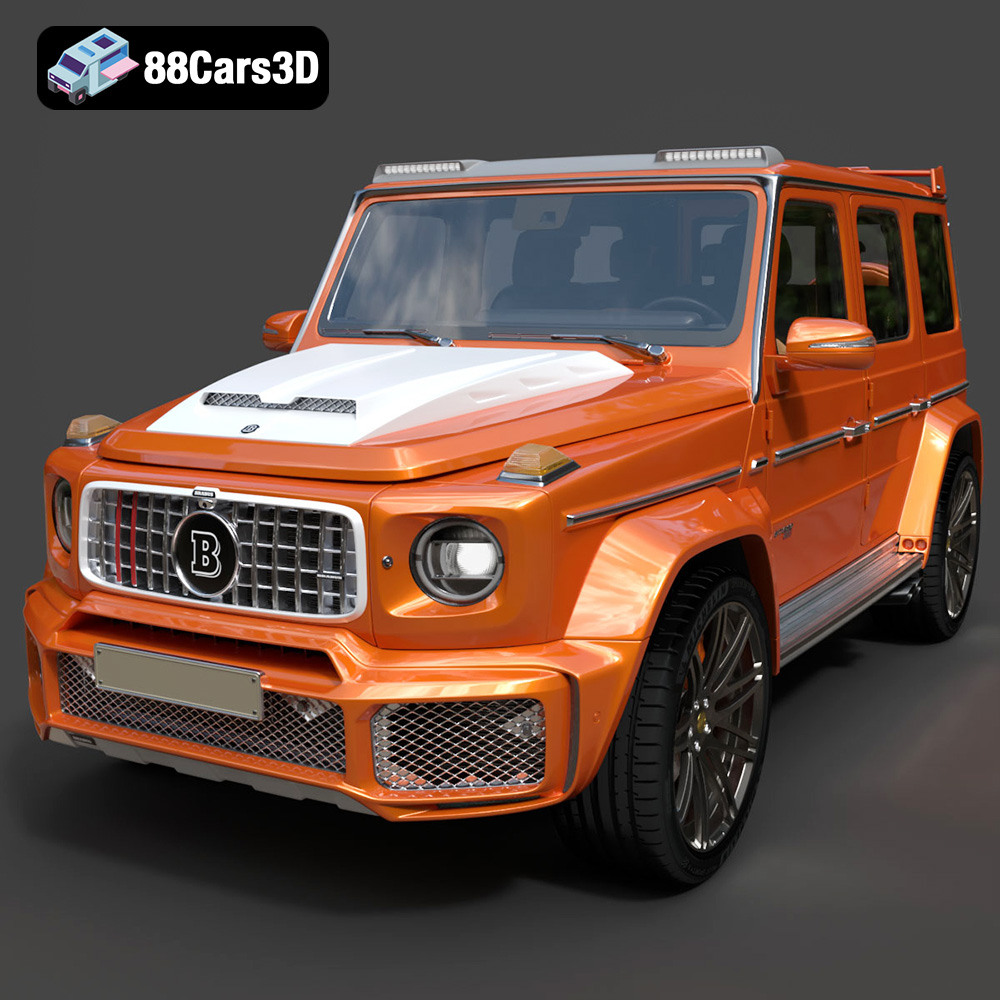
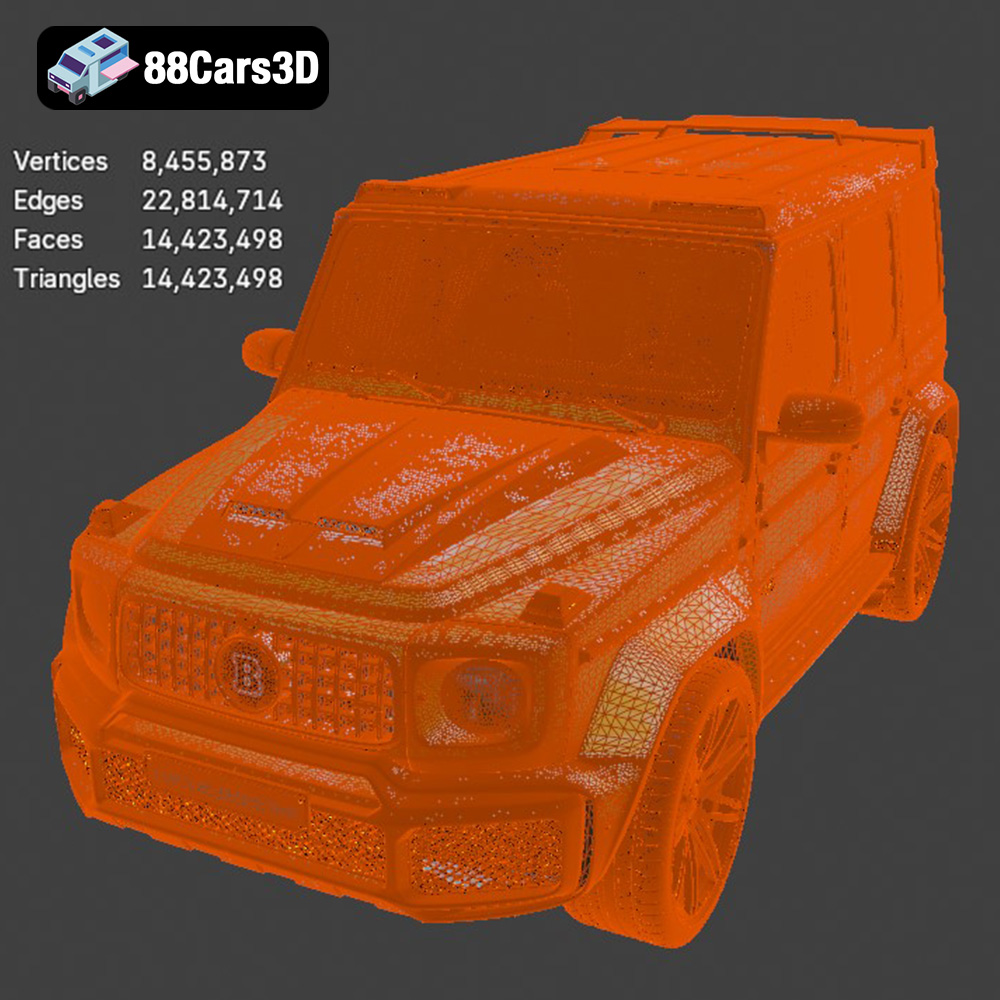
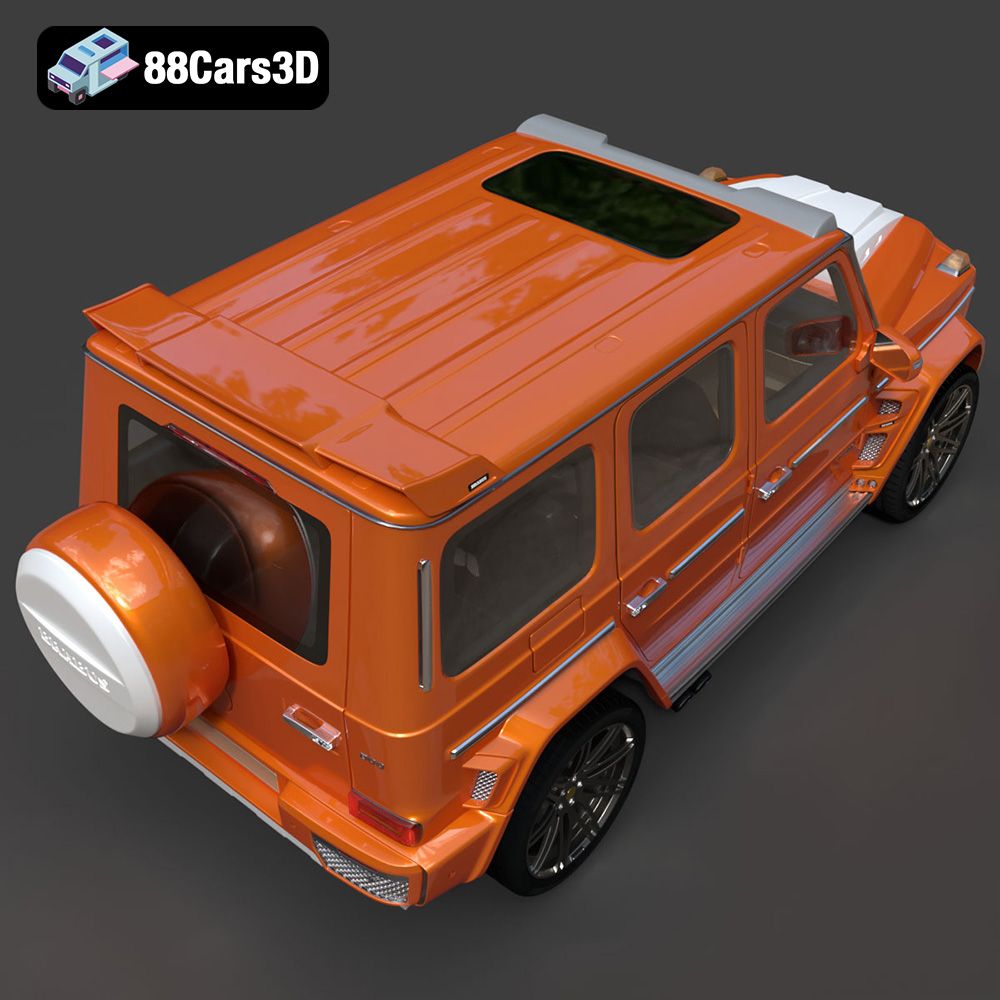
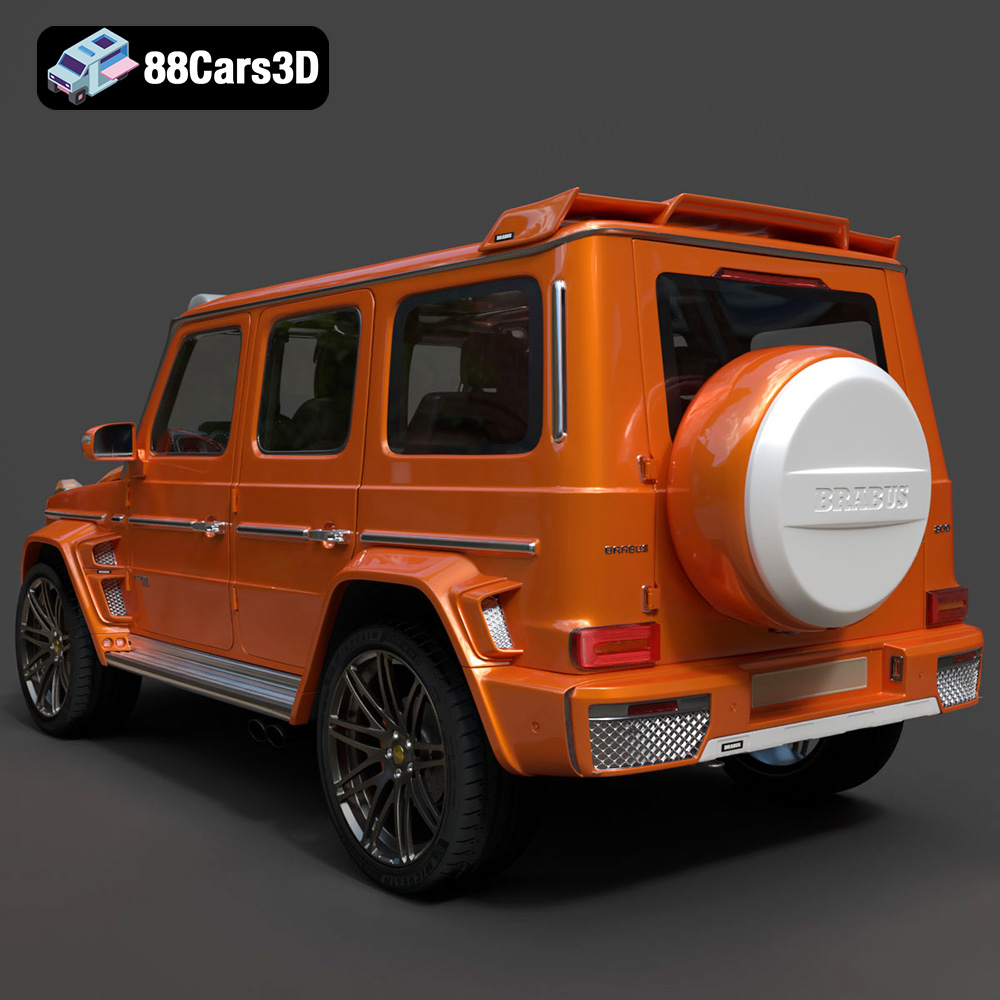
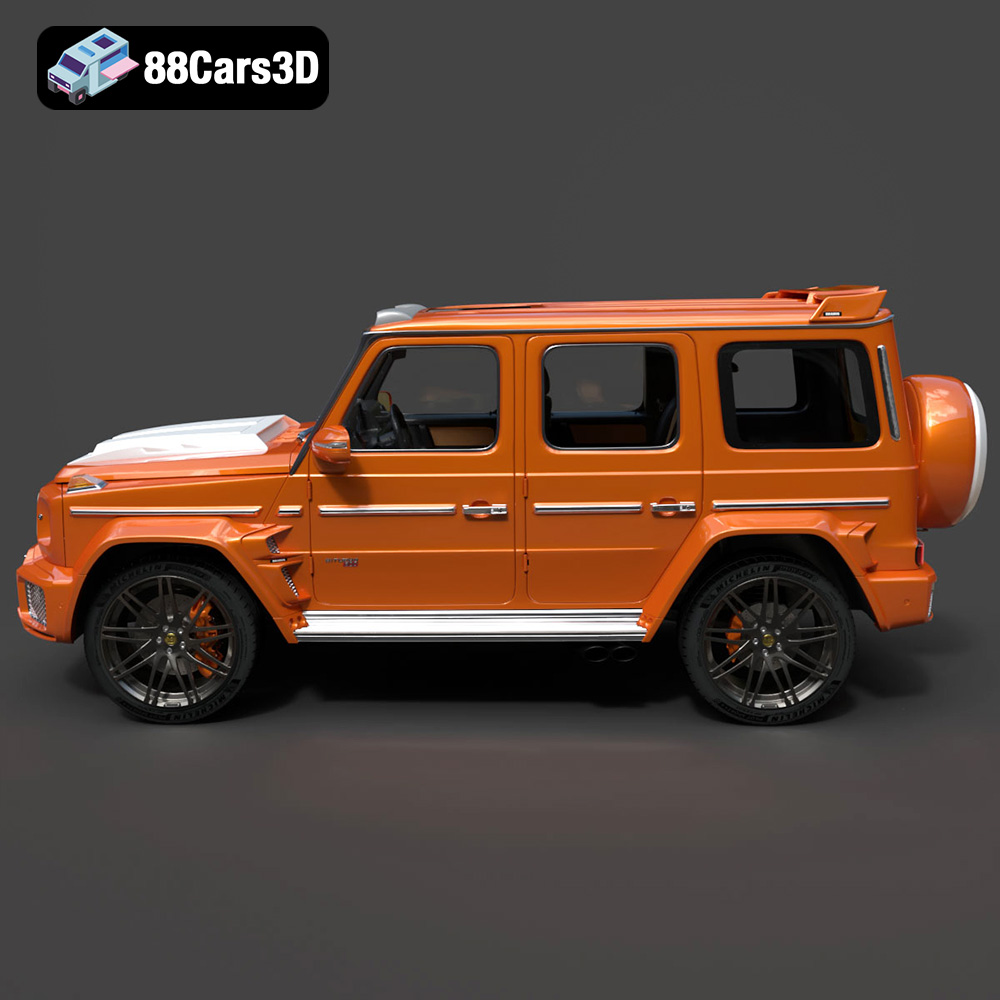
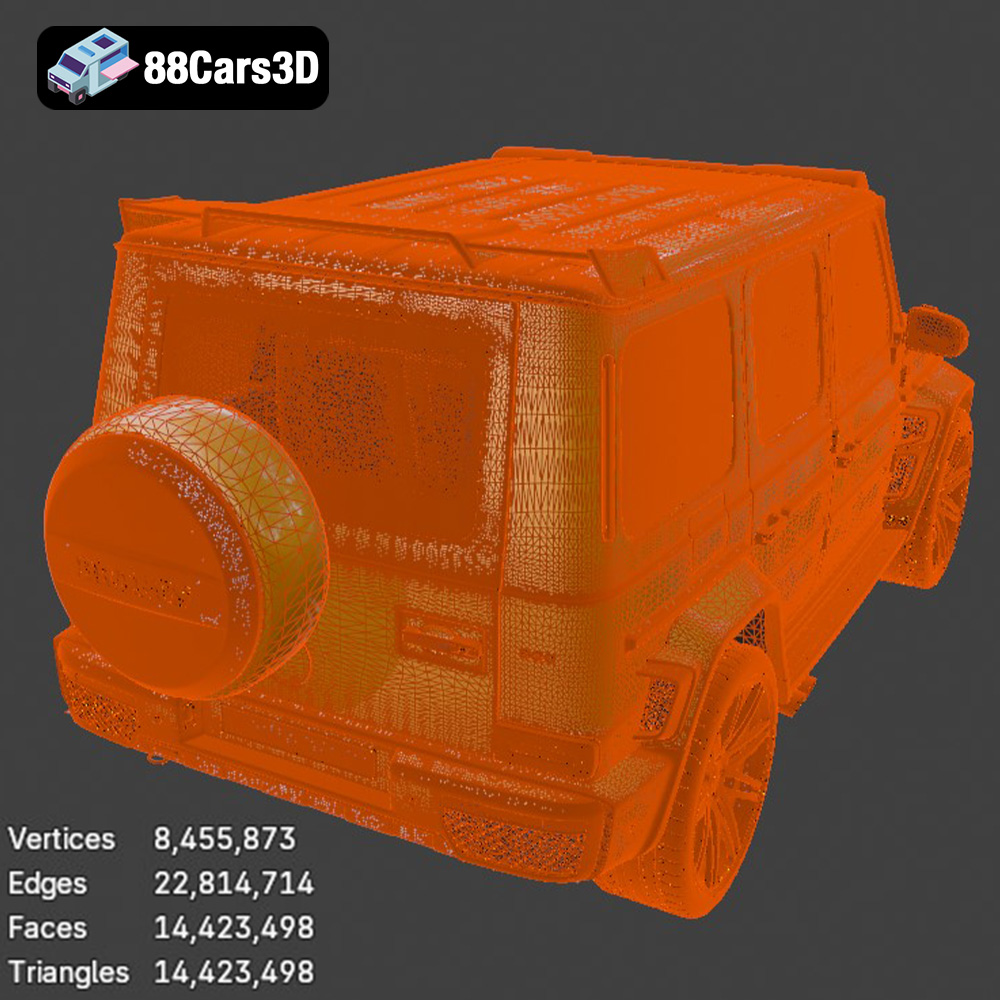
At 88cars3d.com, we understand the critical demand for precision and performance in 3D assets. This commitment to quality is epitomized by models like the Brabus G 800 3D Model, a stunning recreation of a truly iconic vehicle. This particular model isn’t just a representation; it’s a masterclass in digital automotive artistry, featuring an aggressive widebody kit, signature carbon fiber elements, and an imposing stance that captures the essence of the real-world luxury SUV. With its staggering 14,423,498 triangles, it’s engineered for peak visual fidelity and designed to seamlessly integrate into the most demanding rendering and real-time pipelines. Throughout this comprehensive guide, we will delve into the technical intricacies of 3D car models, exploring how premium assets like the Brabus G 800 elevate professional workflows across diverse industries.
The world of 3D modeling is rich with various file formats, each designed with specific purposes, advantages, and compatibilities in mind. Choosing the correct format is crucial for workflow efficiency, data integrity, and ultimately, the successful deployment of your 3D car model. Here’s a detailed look at the formats commonly included with high-quality assets like the Brabus G 800 3D Model from 88cars3d.com:
The .blend format is native to Blender, a powerful open-source 3D creation suite. When you acquire a .blend file, you’re getting a complete Blender scene, often including materials, textures, lighting setups, cameras, and even animation data. This format is ideal for users who work primarily in Blender and require full editability. It allows for direct manipulation of the mesh, material properties, and scene settings without any loss of data that might occur during format conversion. For artists needing to fine-tune specific details, change rigging, or completely re-texture an asset, the .blend file provides the most flexibility.
.fbx (Filmbox) is an industry-standard proprietary file format owned by Autodesk, widely used for exchanging 3D data between different applications. It’s particularly favored in game development (Unreal Engine, Unity), animation, and VFX. FBX supports not only mesh data but also animations, rigs, skinning, blend shapes, lights, and cameras. Its robust nature and broad compatibility make it excellent for transferring complex animated models. When integrating a 3D car model into a game engine, .fbx is often the go-to choice due to its efficient handling of complex scene data and its optimized performance for real-time environments.
The .obj (Wavefront Object) format is one of the most widely supported and universal 3D file formats. It’s a simple, text-based format that primarily stores geometry data (vertices, UVs, normals, faces) and can reference external material (.mtl) and texture files. While it doesn’t support animation or advanced rigging like FBX, its widespread compatibility across almost all 3D software makes it an excellent choice for basic model exchange. If you need to import a model into a software that might not support more advanced formats, .obj is a reliable fallback, perfect for static renders or initial modeling stages.
.glb (GL Transmission Format Binary) is the binary version of glTF, a royalty-free specification for the efficient transmission and loading of 3D scenes and models by applications. GLB packs all asset data – models, textures, animations – into a single binary file, making it incredibly convenient for web-based 3D, augmented reality (AR), and virtual reality (VR) applications. Its optimization for rapid loading and smaller file sizes makes it the preferred format for displaying 3D content directly in browsers or mobile AR/VR experiences, ensuring smooth performance and fast interaction.
.stl (STereoLithography) is the standard file format for 3D printing. It represents a 3D model as a collection of unconnected triangles, describing only the surface geometry of an object without color, texture, or other CAD attributes. While simple, its ubiquity in the 3D printing world is unmatched. For hobbyists or professionals looking to physically manifest a digital model, converting to .stl is the first step. The Brabus G 800 model, despite its high detail, can be converted to .stl for impressive physical prints, making the digital design tangible.
.ply (Polygon File Format or Stanford Triangle Format) is a versatile file format for storing 3D data from 3D scanners. It can store a variety of data, including color, transparency, surface normals, and range data, in addition to the standard polygonal mesh information. While less common for general asset exchange than FBX or OBJ, .ply is often used in scientific computing, CAD applications, and for models derived from real-world scans where precision and additional data attributes are important for analysis or re-engineering.
The .unreal format, or more accurately, an asset that is *provided* as “Unreal-ready” often signifies that it has been specifically prepared and optimized for direct import into Unreal Engine. This typically means that the model is already correctly scaled, has appropriate material setups (PBR materials with textures), optimized UVs, and potentially includes LODs (Levels of Detail) and collision meshes. While not a distinct file extension like .fbx, receiving a model designated as “.unreal” indicates a streamlined workflow, saving significant time in preparation and integration within the engine.
Similar to .blend for Blender, the .max file is the native format for Autodesk 3ds Max, a leading software for 3D modeling, animation, rendering, and visualization. A .max file contains the complete scene, including geometry, materials, lighting, cameras, animations, and plug-in data. This format offers full editability for users working within 3ds Max, allowing for deep customization and leveraging all of the software’s advanced features for high-end architectural visualization and cinematic rendering. It’s the ultimate format for professionals deeply embedded in the Autodesk ecosystem.
Understanding these formats is key to unlocking the full potential of your 3D assets and streamlining your production pipeline.
The journey from a real-world vehicle to a pixel-perfect 3D model is an intricate process demanding both artistic vision and technical mastery. For a model like the Brabus G 800, which aims for unparalleled visual fidelity, every polygon and texture pixel is a deliberate choice.
The Brabus G 800 3D model boasts an incredibly detailed topology of 14,423,498 triangles. This isn’t just a number; it represents an extraordinary level of geometric complexity. A high poly count allows for incredibly smooth curves, sharp edges without needing excessive normal mapping, and the faithful reproduction of intricate details like panel gaps, body lines, and interior stitching. However, raw poly count isn’t enough; the *quality* of the topology is paramount. Meticulously structured geometry means clean quad-based meshes where possible, optimized for subdivision and deformation, preventing visual artifacts, and ensuring efficient rendering. This balance ensures the model looks stunning up close in a high-end renderer while also having a structure that can be optimized for real-time applications if needed.
One of the foundational technical advantages of professional 3D car models is adherence to real-world scale. The Brabus G 800 model is built with real-world scale accuracy based on actual vehicle chassis dimensions. This precision is critical for architectural visualization, automotive design reviews, and any scenario where the 3D model needs to convincingly interact with other real-world scaled assets or environments. Incorrect scaling can lead to distorted perspectives, inaccurate lighting, and a general lack of believability in renderings. Furthermore, proportional accuracy ensures that the imposing boxy stance and aggressive widebody kit of the Brabus G 800 are perfectly replicated, maintaining the iconic visual identity of the vehicle.
Beyond raw geometry, the realism of a 3D car model largely hinges on its materials and textures. High-quality models leverage Physically Based Rendering (PBR) materials, which simulate how light interacts with surfaces in the real world. This involves maps for albedo (color), metallic, roughness, normal, ambient occlusion, and sometimes displacement. For the Brabus G 800, this means accurately recreating the deep reflections of its paint, the intricate carbon fiber weave, the luxurious quilted leather seats, and the subtle variations in its high-performance tires. Every surface, from the distinctive LED daytime running lights to the detailed twin-turbo V8 engine block, receives meticulous texture work, contributing to an illusion of absolute reality.
The versatility of a high-quality 3D car model extends across numerous professional domains. The Brabus G 800 3D model, with its robust technical foundation, is specifically designed to fit into diverse and demanding production pipelines.
In game development, the line between visual fidelity and performance is constantly balanced. While the Brabus G 800’s initial 14 million triangles might seem high for a game asset, its meticulous structure makes it “Game-Ready & Optimized.” Developers can leverage its high-resolution base mesh to generate various Levels of Detail (LODs), allowing the engine to dynamically swap models with fewer polygons when the car is further from the camera, thereby optimizing rendering performance without sacrificing visual quality up close. The separate wheels, suspension, and steering components are crucial for realistic in-game physics and animation, enabling authentic wheel rotation, suspension travel, and steering response. Its detailed cockpit is optimized for first-person POV, making it ideal for immersive racing titles, open-world adventures, or realistic driving simulators where players spend significant time inside the vehicle.
For ArchViz artists and cinematic renderers, the Brabus G 800 is a dream asset. Its extreme detail makes it perfect for luxury lifestyle rendering scenes, where the vehicle acts as a centerpiece, enhancing the sophistication of a virtual architectural space. In cinematic animations, the separated components (suspension, steering, wheels) allow for dynamic, realistic motion. Imagine a sweeping shot of the Brabus G 800 driving through a pristine virtual environment, with every reflection accurate and every component moving as it would in reality. The ability to customize body colors, material finishes (matte, gloss, metallic), and adapt lighting means it can be perfectly integrated into any scene’s aesthetic and mood, from a sun-drenched desert road to a sophisticated urban night scene.
Augmented Reality (AR) and Virtual Reality (VR) demand highly optimized assets that deliver both immersion and performance. The Brabus G 800, particularly in its .glb format, is tailor-made for these applications. In a virtual showroom, clients can explore the vehicle from every angle, open doors, inspect the luxurious interior, and even customize features in real-time. For AR experiences, the model can be placed in real-world environments via a smartphone or tablet, allowing users to “see” the car in their driveway. The optimized geometry ensures a smooth, interactive experience, minimizing latency and maximizing visual presence, which is vital for engaging users in these cutting-edge digital spaces.
Real-time rendering, the cornerstone of modern video games and interactive experiences, presents a unique set of challenges and opportunities for 3D car models. While high poly counts are desirable for visual fidelity, efficient performance is paramount.
The provision of an “.unreal” optimized file (or an FBX prepared for Unreal) for the Brabus G 800 signifies a deep understanding of game engine pipelines. Unreal Engine, known for its photorealistic capabilities, benefits immensely from assets that are prepped for its specific material system (PBR, often using instances), scaling, and collision requirements. The model’s “proper pivot setup for steering, wheel rotation, and suspension travel” is a critical detail for game engines, directly influencing how easily developers can implement realistic vehicle physics and animations. Beyond Unreal, the .fbx format ensures broad compatibility with other real-time engines like Unity, allowing for flexible development across different platforms and projects.
To maintain high frame rates in real-time applications, especially with a model as detailed as the Brabus G 800, the implementation of Levels of Detail (LODs) is essential. A single high-polygon model is used when the car is close to the camera, but as it moves further away, progressively simpler versions (with fewer polygons and potentially lower-resolution textures) are swapped in. The meticulous initial topology of the Brabus G 800 makes generating these LODs more straightforward and cleaner. Coupled with streamlined PBR material pipelines, where materials are instanced and parameters can be easily adjusted, artists can achieve stunning visual results without excessive draw calls or performance bottlenecks, allowing for extensive customization without re-exporting core assets.
The robust technical specifications of the Brabus G 800 lend themselves perfectly to interactive configurators and virtual test drives. Imagine a customer on a dealership website, not just seeing static images, but actively changing the car’s body color, wheel types, and interior finishes in real-time. They could then “take” the configured vehicle for a virtual spin, experiencing its imposing presence and aggressive styling within a simulated environment. This level of interaction, powered by high-quality game-ready assets, significantly enhances the customer experience and provides powerful marketing tools for automotive brands. The ability to modify tire textures (off-road vs. street variants) and adjust material finishes further enhances the versatility of the model for these dynamic applications.
While digital applications dominate, the ability to transition a high-fidelity 3D car model into a physical object offers a unique dimension to its utility. The Brabus G 800 3D model, despite its digital complexity, is designed with 3D printing in mind.
The inclusion of the .stl format, or the capability to convert to it, means the Brabus G 800 isn’t confined to screens. For display-scale hobbyists, enthusiasts, or even for creating physical prototypes, 3D printing offers an exciting avenue. The .stl file, stripped of its colors and textures, provides the raw geometric data necessary for a 3D printer to build the model layer by layer. The precision of the original digital model directly translates to the accuracy of the physical print, allowing for detailed reproductions of the aggressive widebody, signature side-exit exhausts, and even the intricate wheel designs.
Achieving a high-quality physical print requires specific settings, which are thoughtfully provided for the Brabus G 800 model. Recommended scales (1:12, 1:18, 1:24) cater to various display sizes and levels of detail. The suggestion of resin printing (SLA/DLP) for fine details, coupled with a low layer height (0.04–0.12 mm), ensures that intricate elements like the engine components, interior dashboard, and delicate mirrors are faithfully reproduced. The guidance on wall thickness, infill, and crucial support placement for complex parts like the exhaust and handlebars is invaluable for successful printing. Post-processing, including sanding, priming, and applying authentic factory colors with metallic finishes, elevates a raw 3D print to a collector’s item, blurring the lines between digital design and tangible craftsmanship.
Investing in a premium 3D car model like the Brabus G 800 is not just about acquiring a static asset; it’s about gaining a versatile tool that can adapt to future projects and evolving creative visions.
The inherent design of high-quality 3D models includes robust customization options that empower artists and designers. For the Brabus G 800, this means easily changing body colors to match specific brand aesthetics or client preferences, allowing for a spectrum of factory colors or even custom finishes. Modifying tire textures from off-road variants to sleek street profiles can drastically alter the vehicle’s character and suitability for different scenes. Adjusting material finishes—from a stealthy matte to a gleaming gloss or a sophisticated metallic—provides immediate visual impact. Furthermore, adapting lighting for different environments allows the model to truly shine in any context, from a bright studio setup to a dramatic twilight scene, ensuring it always looks its best. This flexibility means the same core asset can be repurposed countless times, saving production time and resources.
The choice of including multiple industry-standard file formats (.blend, .fbx, .obj, .glb, .stl, .ply, .unreal, .max) for the Brabus G 800 is a testament to its future-proof design. By providing files compatible with major 3D software platforms and real-time rendering engines, the model remains accessible and usable regardless of software updates or pipeline shifts. This breadth of format support minimizes conversion headaches and data loss, ensuring that your investment continues to deliver value for years to come. As technology evolves, having a robust, well-structured base mesh allows for easy adaptation to new rendering techniques, engine features, or even emerging platforms like advanced mixed reality environments. The meticulous attention to detail and technical specifications inherent in such a model guarantees its relevance in a rapidly changing digital landscape.
In the dynamic world of digital content creation, the quality of your 3D assets can be the deciding factor between a good project and an extraordinary one. High-fidelity 3D car models are not just commodities; they are foundational elements that power cutting-edge game development, deliver breathtaking automotive rendering, enable immersive AR/VR experiences, and even facilitate tangible 3D prints. The technical precision, meticulous detail, and versatile format support exemplified by models such as the Brabus G 800 3D Model are what truly set them apart.
From its stunning 14-million-triangle topology and real-world scale accuracy to its game-ready optimization and comprehensive file format options, the Brabus G 800 provides a robust solution for any professional seeking peak visual fidelity and seamless workflow integration. Whether you are an indie game developer striving for realism, an architect enhancing your visualizations, a marketing agency crafting a luxury campaign, or a hobbyist eager to 3D print an automotive icon, this model offers the performance and flexibility you need. Choosing high-quality 3D car models from platforms like 88cars3d.com is an investment in excellence, ensuring your projects stand out in an increasingly competitive digital landscape.
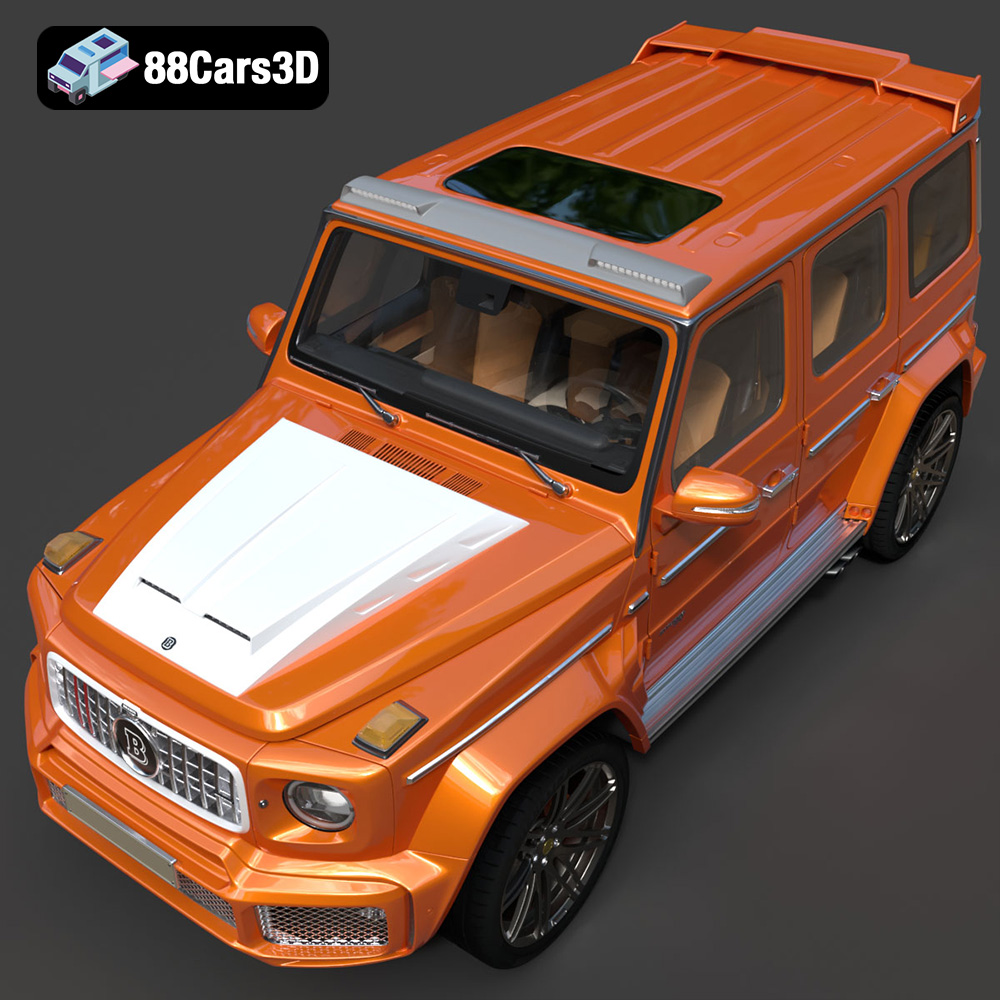
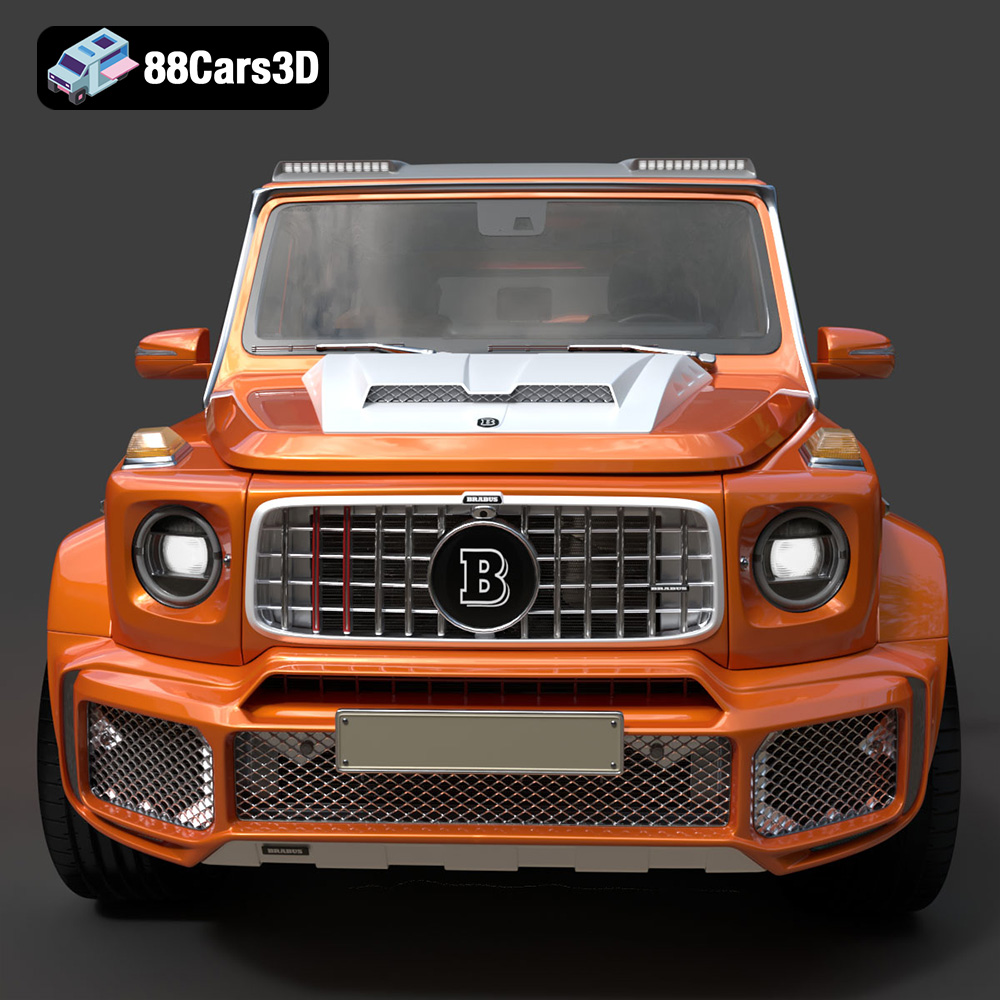
Experience the ultimate expression of luxury and raw power with the Brabus G 800. Based on the legendary G-Class, this masterpiece of automotive engineering features an aggressive widebody kit, signature carbon fiber aerodynamic elements, and iconic side-exit sports exhausts. Known for its imposing boxy stance and twin-turbo V8 powerplant, the G 800 blends off-road heritage with hypercar-level performance aesthetics. This premium 3D model boasts an incredibly detailed topology of 14,423,498 triangles, delivering unparalleled visual fidelity. Despite its high polygon count, the geometry is meticulously structured for high-end rendering, AAA game development, architectural visualization, and immersive AR/VR experiences. Every curve, carbon weave, and interior stitch has been faithfully recreated.
$90.00
.blend
.brabus
.fbx
.glb
.luxury suv
.max
.obj
.ply
.rendering
.stl
.unreal
car-3d-model
g-800
g-class
game asset
game-ready
off-road
SUV
VR/AR