Get 20% OFF All Premium 3D & STL Models!

In the vibrant world of 3D modeling, where imagination meets technical precision, the demand for high-quality, authentic assets is paramount. Automotive enthusiasts, game developers, architects, and visualization artists constantly seek models that not only capture the essence of iconic vehicles but also integrate seamlessly into diverse professional workflows. This is where a meticulously crafted 3D car model, such as the 2013 Ferrari 450, truly shines, offering an unparalleled blend of aesthetic fidelity and technical robustness.
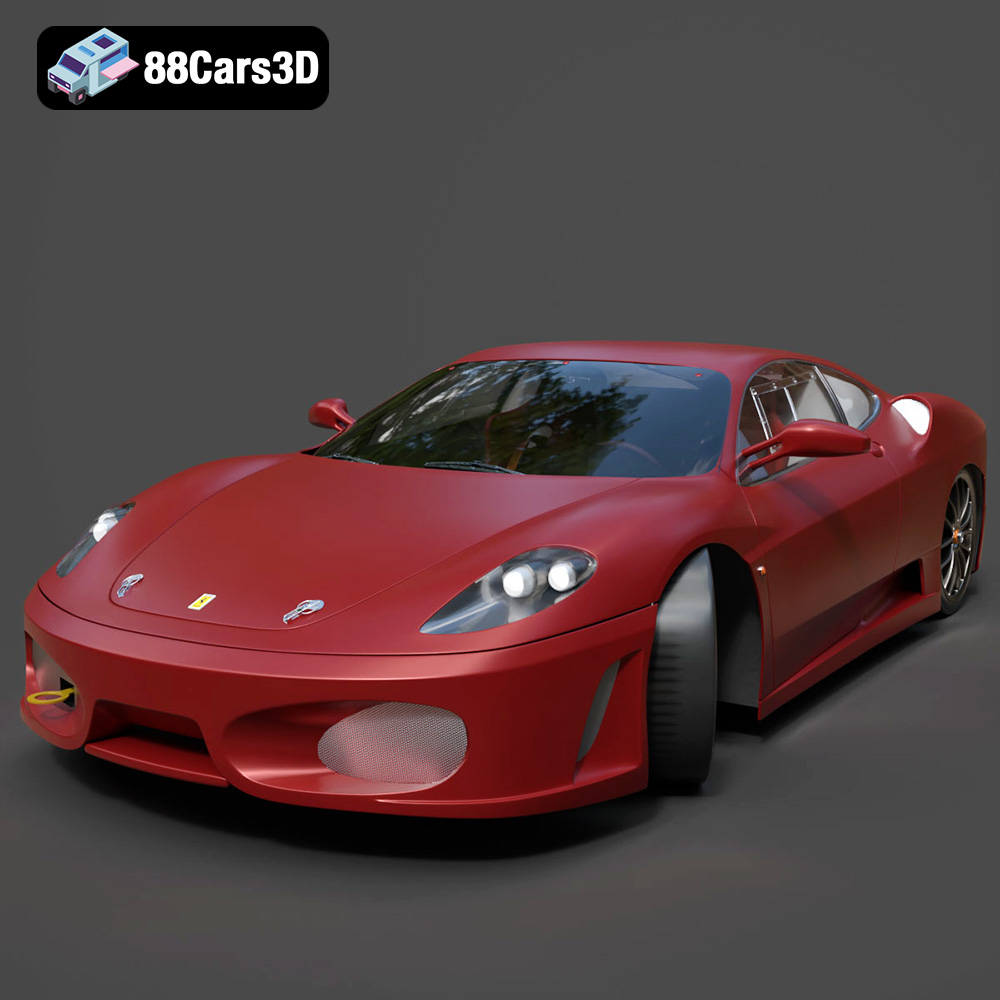
The 2013 Ferrari 450 is a marvel of Italian engineering, celebrated for its aggressive styling, aerodynamic prowess, and an unmistakable mid-engine supercar silhouette. Translating such a legendary vehicle into a digital asset requires exceptional skill and attention to detail. This particular Ferrari 450 3D model, available at 88cars3d.com, is a prime example of how expert modeling can deliver a powerful tool for a multitude of applications, from breathtaking cinematic renders to high-performance real-time game environments. It embodies the precision and versatility that modern 3D projects demand, providing artists and developers with a ready-to-use foundation for their creative endeavors.
One of the most crucial aspects of working with 3D assets, especially detailed 3D car models like the Ferrari 450, is understanding the various file formats available. Each format serves a specific purpose, excelling in different scenarios regarding compatibility, data retention, and optimization. The 2013 Ferrari 450 3D model comes equipped with a comprehensive suite of file formats, ensuring maximum flexibility for any project pipeline.
The .blend file is the native format for Blender, a powerful and widely used open-source 3D creation suite. When you download a .blend file, you’re not just getting the model; you’re receiving the complete Blender scene. This includes all materials, textures, lighting setups, cameras, animation rigs, and scene properties exactly as the artist created them within Blender. This format is ideal for Blender users who wish to fully inspect, modify, or extend the model’s features, leveraging Blender’s extensive toolset for rendering with Cycles or Eevee, animation, or further sculpting.
.fbx (Filmbox) is an Autodesk proprietary file format that has become an industry standard for 3D data exchange between different software applications. It’s incredibly versatile, capable of storing a wide range of data including 3D models (geometry, UVs, normals), materials, textures, bones, skinning information, and even animations. For game developers working with Unreal Engine or Unity, or animators using Maya, 3ds Max, or Cinema 4D, the .fbx format is often the go-to choice due to its robust support for complex scene data and efficient import/export capabilities. Its reliability makes it crucial for real-time pipelines.
The .obj (Wavefront Object) format is one of the oldest and most universally supported 3D file formats. It’s a simple, text-based format primarily used for transferring geometric data, including vertices, faces, UV coordinates, and normals. While it doesn’t typically store advanced scene data like animation or complex material properties (these are usually referenced in a companion .mtl file), its broad compatibility means almost every 3D software can open and interpret an .obj file. It’s excellent for static meshes and ensuring cross-software compatibility, making it a foundational choice for sharing 3D models.
.glb (GL Transmission Format Binary) is the binary version of glTF, a modern, open-standard format specifically designed for efficient transmission and loading of 3D scenes and models by engines and applications. It packages geometry, materials, textures, and animations into a single file, making it highly optimized for web-based 3D applications, AR (Augmented Reality), VR (Virtual Reality), and mobile experiences. Its compact size and ease of integration make it perfect for interactive virtual showrooms or real-time configurators of the Ferrari 450 in a browser environment.
The .stl (Stereolithography) format is the ubiquitous standard for 3D printing. Unlike other formats that describe surfaces, materials, and scene data, .stl files exclusively represent the surface geometry of a 3D object using a mesh of triangular facets. It contains no color, texture, or material information, focusing solely on the object’s physical form. For hobbyists or professionals looking to bring the Ferrari 450 into the physical world through 3D printing, the .stl format is indispensable, providing a clean, print-ready mesh.
The .ply (Polygon File Format) is another widely used format for storing 3D data, often generated by 3D scanners. It’s capable of storing a broader range of information than .obj, including color, transparency, normals, texture coordinates, and even confidence values for each point in the mesh. This makes it particularly useful for applications in CAD, reverse engineering, scientific visualization, and detailed analysis where high precision and additional data attributes are required. Its flexibility allows for a deeper understanding of the mesh’s properties.
While not a universal file extension in the same vein as .fbx or .obj, “.unreal” typically refers to an asset that has been specifically prepared and packaged for direct import and optimal performance within Unreal Engine. This often implies that the model, like the Ferrari 450, has undergone specific optimization, material setup using Unreal’s PBR workflow, and correct scaling to integrate seamlessly into a project. Receiving an Unreal-ready asset significantly streamlines the workflow for game developers, reducing the time and effort spent on setup and conversion.
The .max file is the native project file format for Autodesk 3ds Max, one of the leading 3D modeling, animation, and rendering software packages. Similar to .blend, a .max file contains the entire scene data, including all objects, modifiers, materials, lighting, cameras, animation, and rendering settings. It offers the most comprehensive level of editability for users of 3ds Max, allowing for deep customization, complex animation setups, and high-end rendering with powerful renderers like V-Ray or Corona. For those deeply embedded in the 3ds Max ecosystem, this format provides full control over the Ferrari 450 model.
The inclusion of these diverse formats with the Ferrari 450 3D model ensures that regardless of your software preference or project requirements, you have a compatible, optimized, and ready-to-use asset at your fingertips. This versatility is a hallmark of high-quality 3D car models found on platforms like 88cars3d.com.
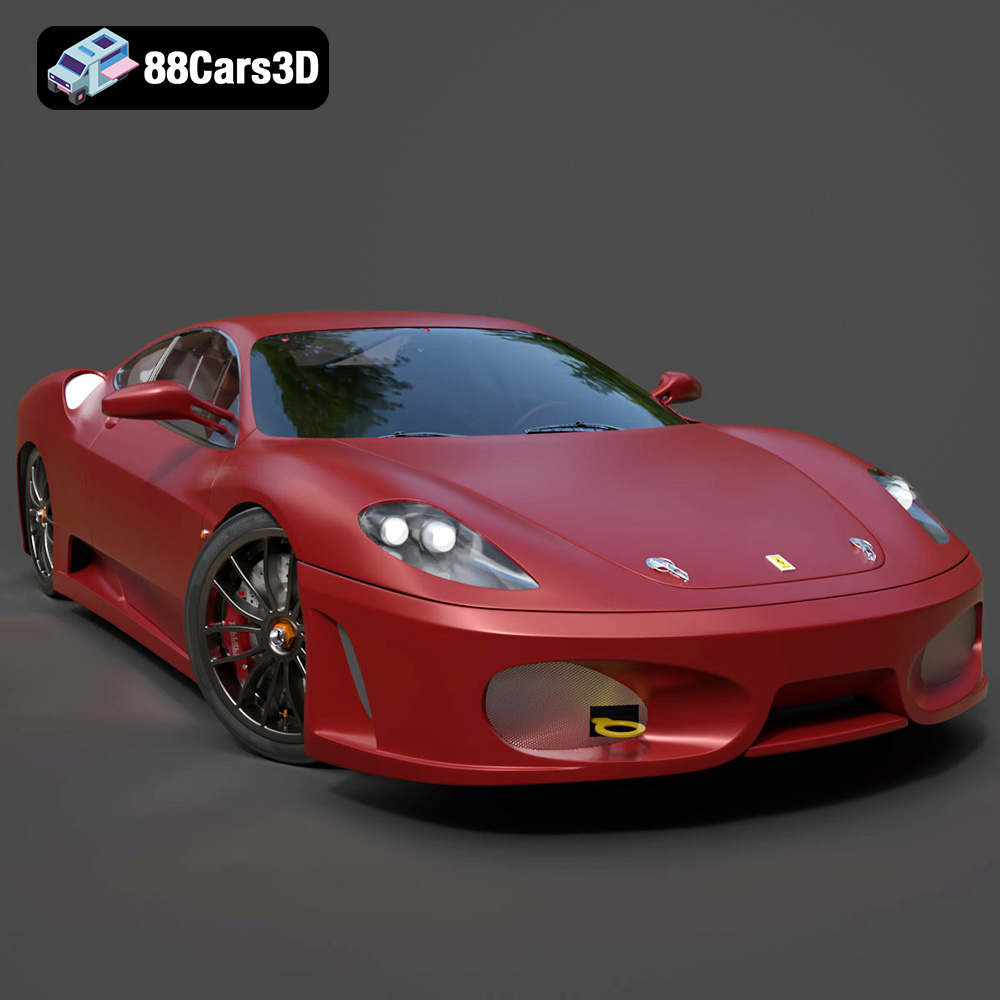
The allure of the Ferrari 450 lies in its masterful design, a blend of aggressive performance aesthetics and elegant curves. Translating this into a 3D model requires an unwavering commitment to detail, ensuring every line, vent, and component accurately reflects the real-world vehicle. The 2013 Ferrari 450 3D model delivers on this promise, providing a stunning digital replica that’s both visually captivating and technically robust.
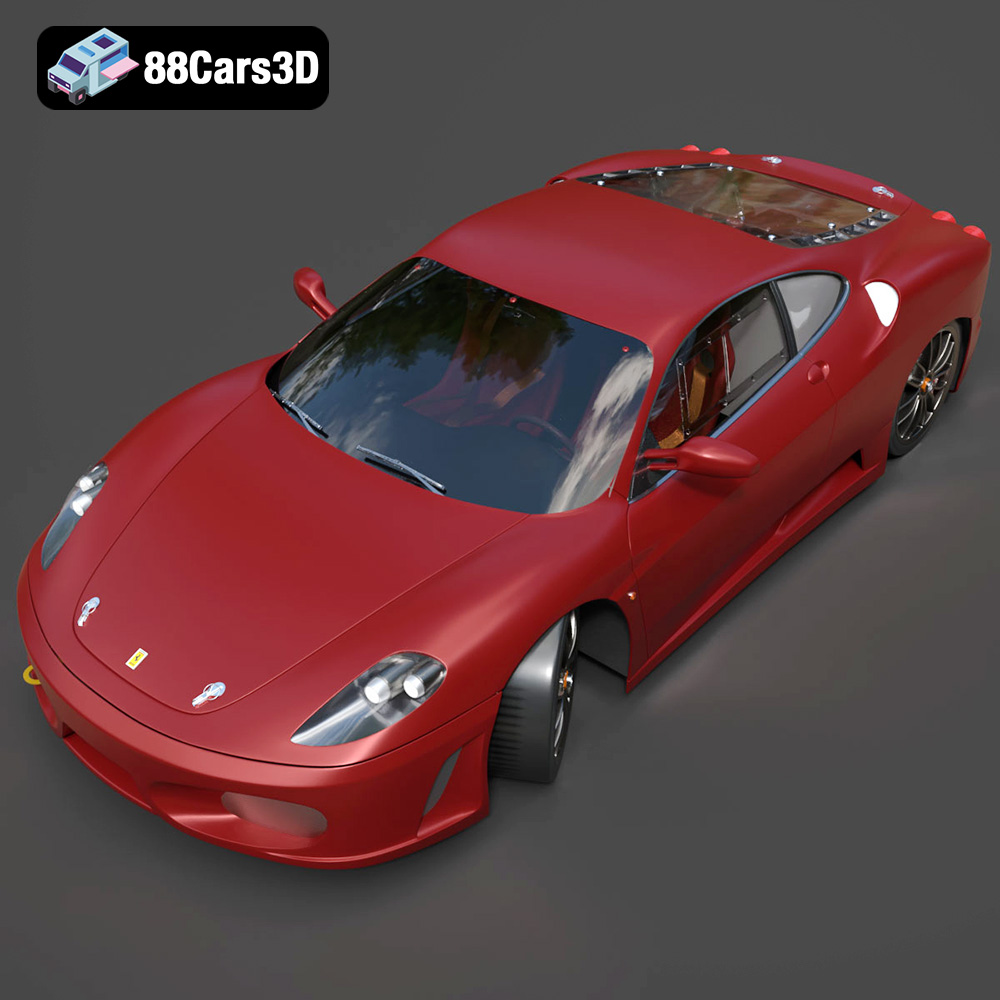
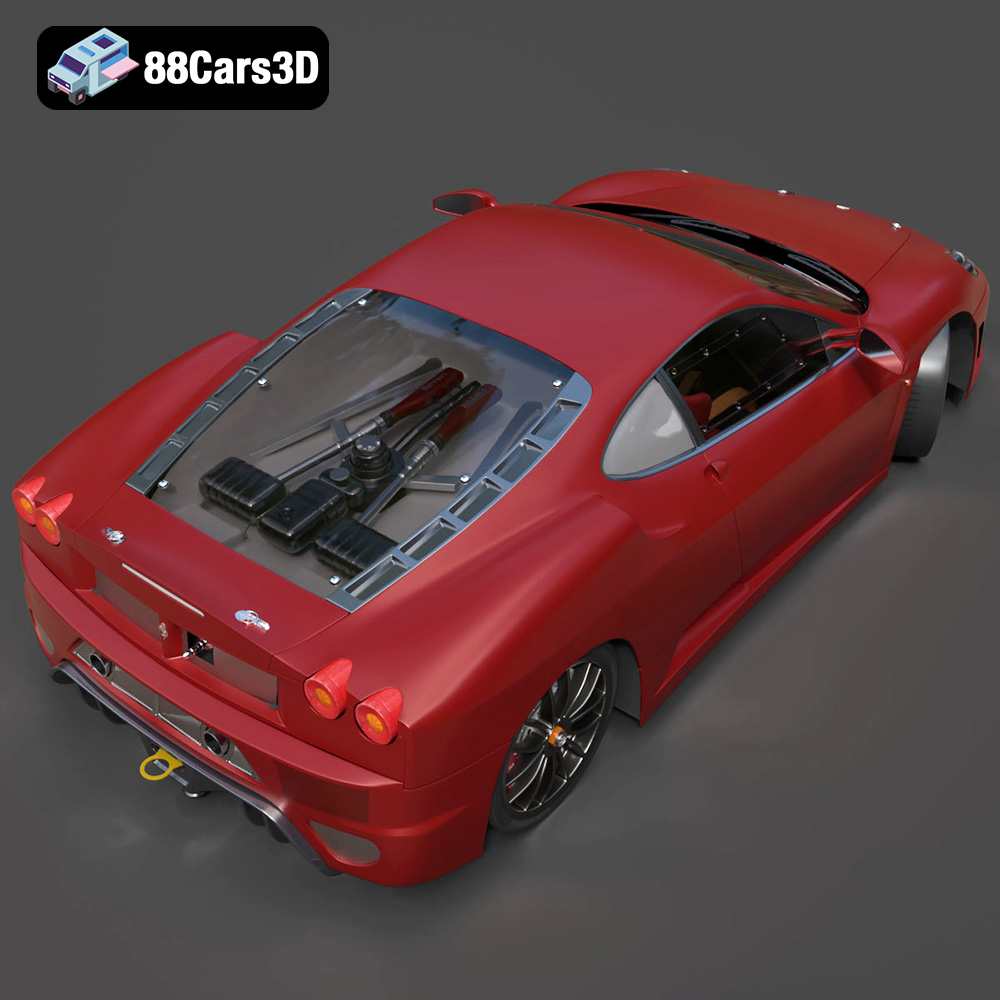
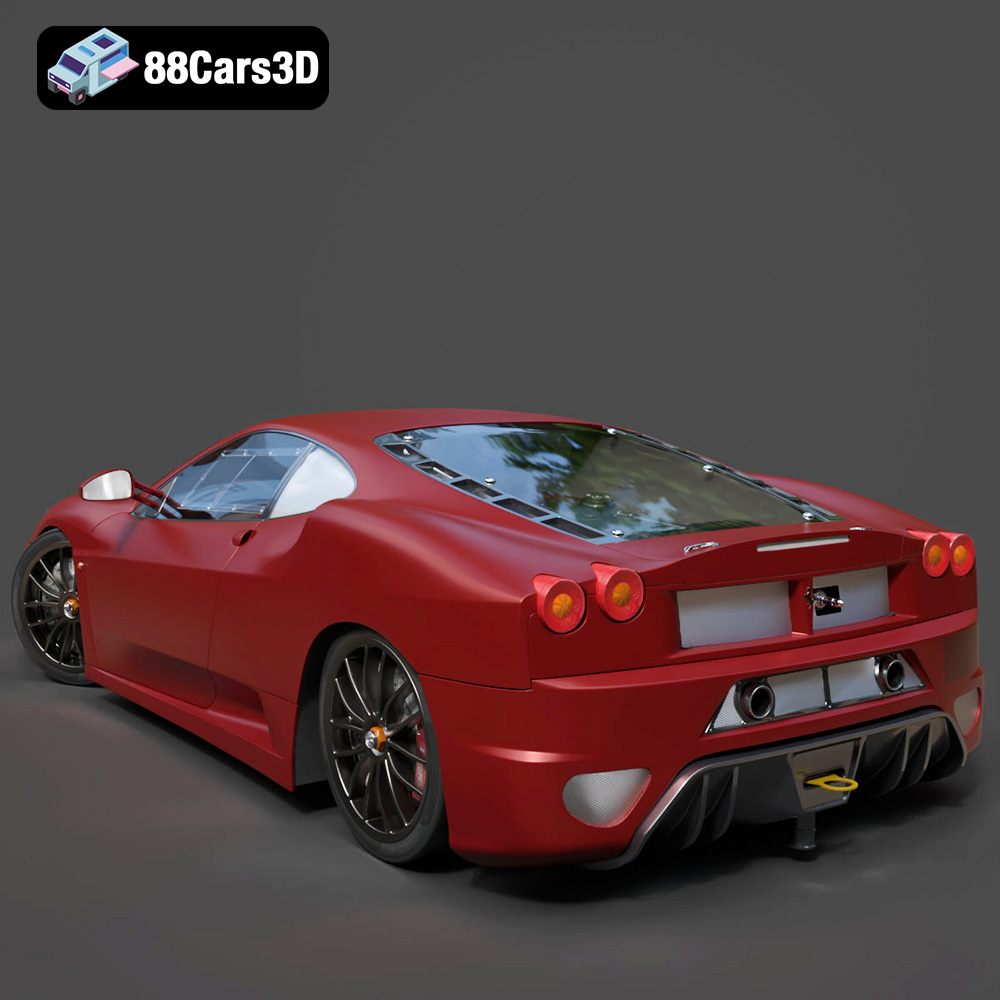
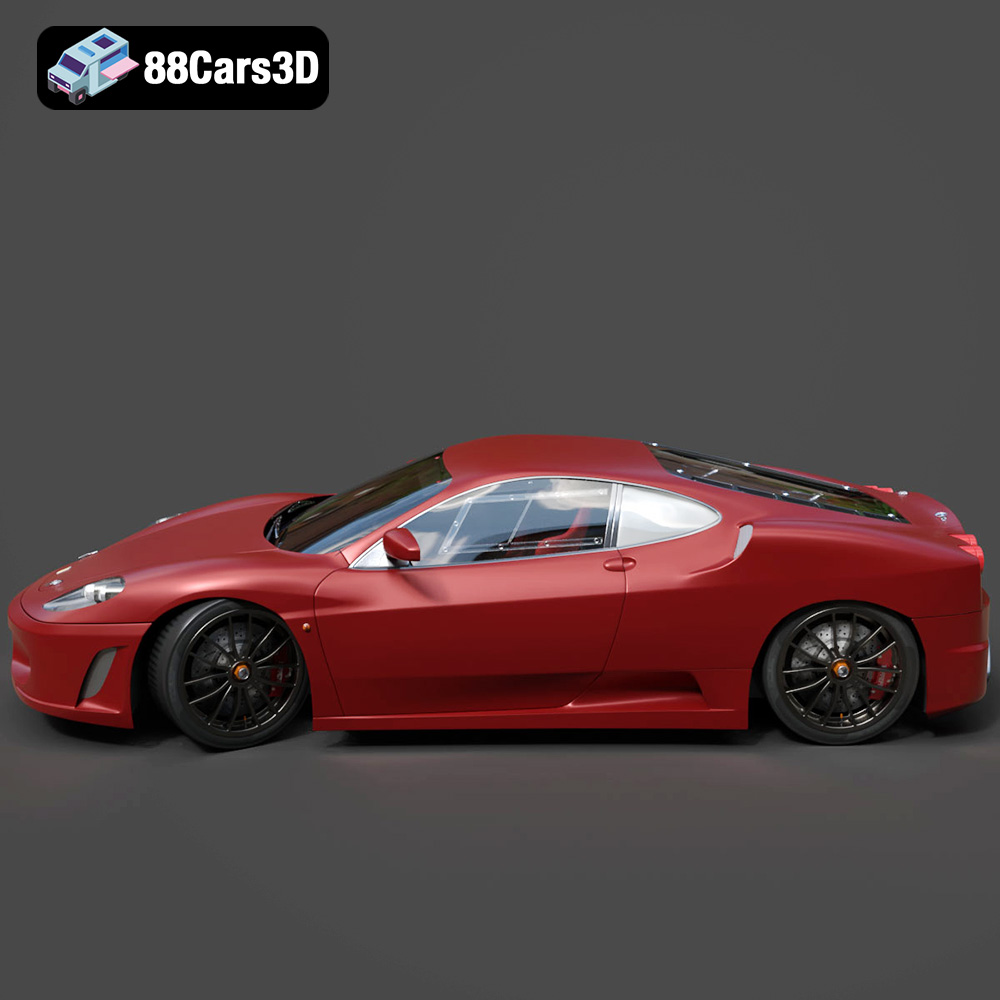
From the first glance, the model’s “breathtaking aerodynamic design” is evident. The “accurate Ferrari 450 frame geometry and proportions” are meticulously recreated, capturing the very essence of its “aggressive styling” and distinctive “mid-engine supercar silhouette.” Every curve and panel flows with purpose, reflecting the real car’s design philosophy. Key visual elements include the “detailed engine block visible through the rear engine cover,” showcasing the heart of this beast. The “performance dual-exit exhaust system details” are precisely modeled, adding to the authentic look, while the “signature LED headlights and classic circular taillights” are rendered with fidelity, capturing the car’s unmistakable face and rear. No detail is overlooked, from the “authentic alloy wheels and high-performance tire details” to the “precision-modeled sport suspension details,” all contributing to an incredibly realistic exterior. Furthermore, the provision of “separate wheels, suspension, and steering components for animation” makes this model exceptionally flexible for dynamic renders and interactive simulations.
Stepping into the virtual cockpit of the Ferrari 450 3D model reveals the same level of meticulous attention. The “premium sport bucket seat details” provide a sense of luxury and performance, while the “F1-inspired steering wheel with paddle shifter details” hints at the car’s racing pedigree. The “detailed digital instrument cluster and dashboard” are crafted with precision, mimicking the real-world controls and displays. Every “precise control detail,” from the pedals to the levers and drive-mode selector, is accurately represented, offering an immersive experience for virtual drivers. This interior fidelity, combined with “optimized geometry for first-person POV in gaming,” makes the model ideal for highly engaging racing simulations or virtual showroom experiences where the user can fully explore the car’s luxurious and performance-oriented cabin.
Professional 3D projects thrive on efficiency and quality. A well-constructed 3D car model, such as the Ferrari 450, becomes an invaluable asset by minimizing development time and maximizing visual impact across various applications, from cutting-edge video games to photorealistic marketing campaigns.
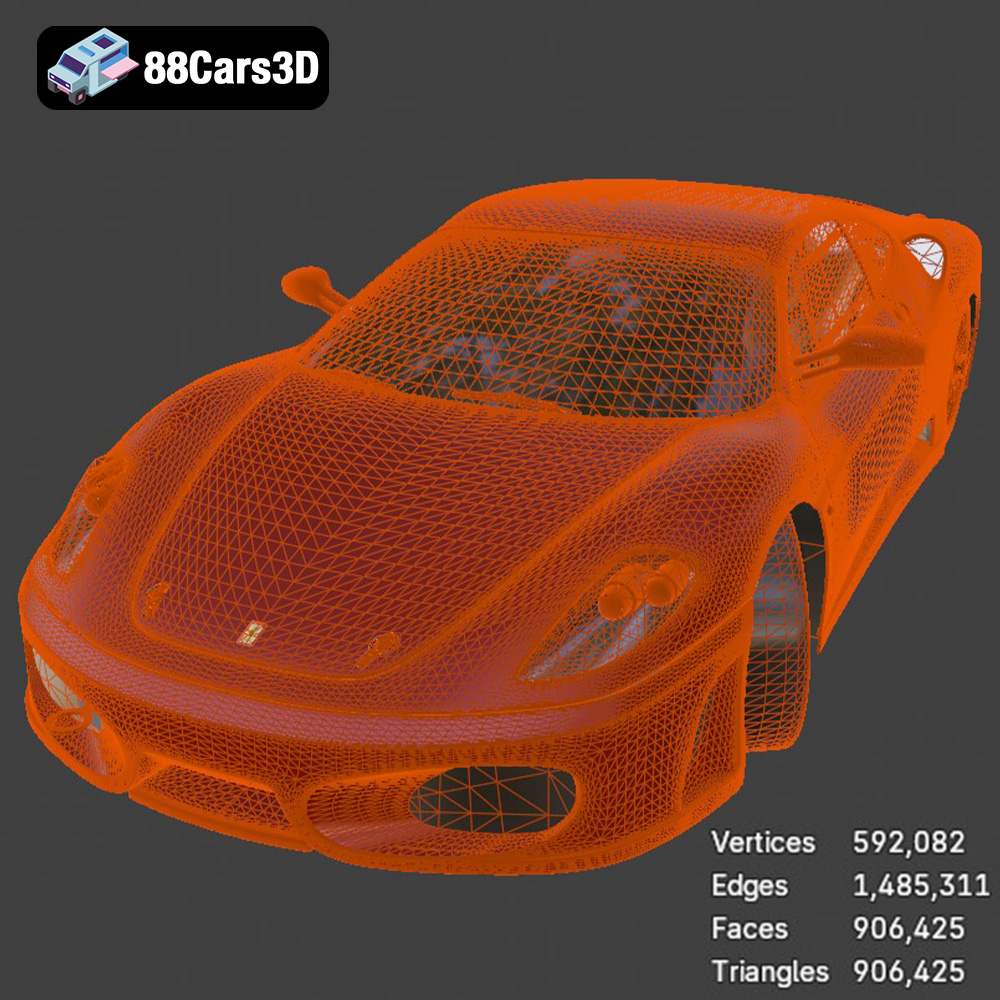
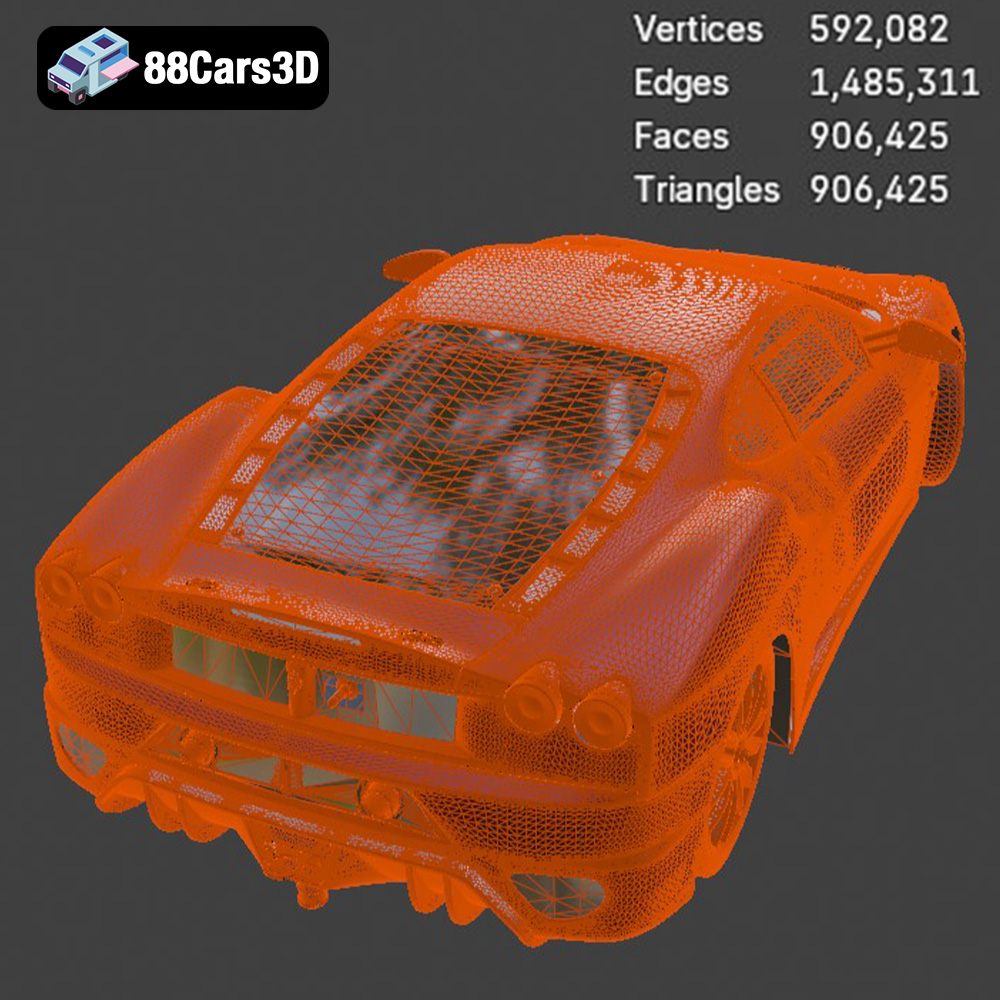
For game developers, performance is key. The Ferrari 450 3D model boasts “Game-Ready & Optimized” specifications with a triangle count of 906,425. This carefully selected polygon count strikes a “perfect balance for real-time engines (Unreal, Unity) while maintaining high-end visual realism.” This means developers don’t have to spend valuable time on complex retopology or LOD (Level of Detail) generation, as the model is already designed for efficiency. Its “.fbx” and “.unreal” formats are tailored for seamless integration into game engines, and the “proper pivot setup for steering, wheel rotation, and suspension travel” allows for realistic physics and animation straight out of the box. Imagine a racing simulation studio, tasked with creating a highly authentic driving experience. Leveraging this pre-optimized Ferrari 450 model from 88cars3d.com allows their artists and engineers to focus on gameplay mechanics and environmental design, significantly accelerating their production schedule while delivering a visually stunning vehicle.
In the realm of architectural visualization, product marketing, and cinematic rendering, visual fidelity is paramount. The detailed geometry and realistic materials of the Ferrari 450 make it an exceptional choice for “brand campaigns, lifestyle scenes, and studio lighting setups.” Artists using software like 3ds Max (with V-Ray or Corona Renderer) or Blender (with Cycles) can easily integrate this model to create breathtaking photorealistic images and animations. The “real-world scale accuracy based on actual vehicle chassis” ensures that the model looks correct within any scene, whether placed in a sprawling digital garage or cruising through an urban landscape. For instance, an advertising agency could utilize this model to create a captivating digital campaign for a luxury brand, showcasing their products alongside the iconic Ferrari, achieving results that are indistinguishable from real photography.
The versatility of a premium 3D model extends far beyond traditional screen-based applications. The Ferrari 450 model is engineered to bridge the gap between digital and physical, offering avenues for both tangible replicas and immersive interactive experiences.
The inclusion of the “.stl” format makes the Ferrari 450 3D model “suitable for 3D printing output,” allowing enthusiasts and professionals to create physical replicas. This transforms a digital asset into a tangible collectible or a detailed prototype. The provided “3D Print Settings” offer a comprehensive guide for achieving optimal results, recommending scales like 1:12, 1:18, or 1:24, and suggesting layer heights between 0.04–0.12 mm for fine detail (resin printing is highly recommended for supercars). Specific advice on wall thickness, infill, necessary supports for intricate parts (like the exhaust and aero elements), and print orientation ensures a successful print. The post-processing notes—sanding, primer, and authentic factory colors with metallic finishes—guide users towards creating a truly museum-quality display piece. A dedicated hobbyist could print a beautifully detailed model for their collection, or a designer could use it to create a scaled prototype for display.
The burgeoning fields of Augmented Reality (AR) and Virtual Reality (VR) demand highly optimized yet visually rich 3D assets. The Ferrari 450 3D model, with its “optimized polycount” and “.glb” format, is “perfect for immersive virtual showrooms, configurators, and mobile AR experiences.” Imagine a potential car buyer using an AR application on their tablet, virtually placing the Ferrari 450 in their driveway or garage, changing its color, and exploring its interior from any angle, all in real-time. Or consider a VR experience where users can virtually “sit” inside the supercar, inspect every detail of the cockpit, and even “drive” it in a simulated environment. The balance of detail and performance in this model makes such experiences seamless and highly engaging, revolutionizing how products are showcased and interacted with.
The hallmark of a truly professional 3D asset is not just its visual appeal but also its technical efficiency. For demanding applications like real-time game engines or large-scale visualization projects, an optimized model translates directly into smoother performance and a better user experience.
The Ferrari 450 3D model exemplifies this balance with its “Game-Ready & Optimized” status. The specified 906,425 triangles for its topology is a crucial figure. It’s detailed enough to convey the intricate curves and aggressive styling of the Ferrari 450 with high-end visual realism, yet it remains optimized for efficient rendering in real-time engines such as Unreal or Unity. This carefully managed polycount prevents performance bottlenecks that plague overly complex models, ensuring high frame rates and responsiveness. Beyond raw polycount, the underlying topology is clean and organized, crucial for efficient UV mapping (which allows for pristine texture application) and deformation during animation. This means textures wrap correctly without stretching or distortion, and shadows fall naturally across the vehicle’s surfaces, contributing to overall visual quality.
One of the significant advantages of this model is its inherent readiness for animation. With “separate wheels, suspension, and steering components for animation,” artists and developers gain granular control over vehicle dynamics. This modularity allows for the creation of incredibly realistic driving sequences, complex suspension movements over varied terrain, and precise steering actions. In a game development scenario, this translates to authentic vehicle physics and dynamic cinematics. For a visualization project, it enables captivating animations that showcase the Ferrari 450 in motion, highlighting its engineering prowess. The flexibility to animate individual components significantly reduces the workload for animators, allowing them to focus on crafting compelling narratives rather than laboriously rigging basic movements. This level of technical consideration is what sets premium 3D car models apart and makes them indispensable tools in professional pipelines.
A high-quality 3D model serves as an exceptional foundation, but true creative freedom often lies in the ability to customize and adapt it to specific project needs. The Ferrari 450 3D model offers extensive customization options, empowering artists to make it uniquely their own.
The flexibility of this model allows for profound creative control. Artists can easily “change body/tank colors” to match iconic factory finishes, explore custom paint jobs, or even integrate unique brand liveries. This is not limited to simple color changes; professionals can “adjust material finishes” from a high-gloss sheen to a subtle matte, or experiment with metallic flakes and pearlescent effects, dramatically altering the car’s perceived aesthetic. Furthermore, the ability to “modify tire textures” opens up possibilities for different scenarios—swapping street variants for racing slicks or even off-road tires, depending on the environment. Integrating the model into various digital environments is also enhanced by the option to “adapt lighting for different environments,” ensuring the Ferrari always looks its best whether under harsh desert sun, soft studio lights, or a dramatic night-time city glow.
The customization potential goes beyond mere aesthetic tweaks. A well-structured model like this Ferrari 450 asset from 88cars3d.com provides a clean slate for more advanced modifications. Developers might integrate it with their proprietary damage systems for a racing game, or designers might incorporate custom accessories and body kits. Imagine a scenario where a marketing team needs to showcase a bespoke automotive accessory. They could integrate their digital product seamlessly onto this Ferrari 450 model, creating a convincing visualization without ever needing a physical prototype. This adaptability means the Ferrari 450 3D model isn’t just a static representation; it’s a dynamic tool that can be endlessly reinterpreted to meet the evolving demands of any creative or technical brief, fostering innovation and delivering truly unique digital experiences.
The 2013 Ferrari 450 3D model stands as a testament to the power of precision and versatility in digital asset creation. From its breathtakingly accurate exterior and meticulously detailed interior to its optimized performance for real-time engines and comprehensive file format support, it is engineered to meet the rigorous demands of professional workflows across gaming, visualization, AR/VR, and even 3D printing. Its balance of aesthetic fidelity and technical robustness makes it an invaluable asset for any project seeking to integrate iconic automotive design.
Whether you’re developing a high-octane racing game, crafting stunning photorealistic renders for a marketing campaign, creating an immersive virtual showroom, or simply bringing a piece of automotive history to life through 3D printing, this Ferrari 450 model provides the perfect foundation. Its extensive customization options ensure that your creative vision can be fully realized, making it more than just a model—it’s a launchpad for innovation.
For those seeking the highest quality 3D car models and assets, designed with both artists and developers in mind, exploring the extensive collection at 88cars3d.com is a step towards elevating your projects to the next level.
Experience the thrill of Italian engineering with this stunning 3D model of the 2013 Ferrari 450. Known for its breathtaking aerodynamic design, aggressive styling, and unmistakable mid-engine supercar silhouette, this model captures the essence of high-performance racing heritage. Key visual elements include a sculpted body, precision-modeled exhaust system, and signature styling cues that define the modern supercar era. Crafted with meticulous attention to detail, this 3D model features an optimized topology with a triangle count of 906,425, ensuring high-end visual fidelity without compromising performance. It is perfectly suited for a wide range of digital applications, offering seamless integration for game development, AR/VR, animation, and realistic visualization. Perfect for high-speed racing simulations, luxury virtual showrooms, automotive rendering, and immersive AR experiences.
$58.99
.2013
.blend
.fbx
.ferrari
.glb
.max
.obj
.ply
.rendering
.sports car
.stl
.supercar
.unreal
car-3d-model
ferrari-450
game asset
game-ready
low-poly
optimized
VR/AR