Get 20% OFF All Premium 3D & STL Models!

The roar of a V8 engine, the gleam of polished chrome, the unmistakable silhouette of an American legend – muscle cars hold a unique place in automotive history and popular culture. For artists, developers, and designers working in the digital realm, capturing this essence requires meticulous attention to detail and a profound understanding of 3D modeling principles. Today, we’re taking a closer look at how a truly exceptional 3D car model, such as the Ford Mustang GT 2008, can transform a digital project from concept to stunning reality. This particular model, available on 88cars3d.com, stands as a prime example of professional-grade asset creation, engineered for a multitude of applications from high-fidelity rendering to real-time game environments.
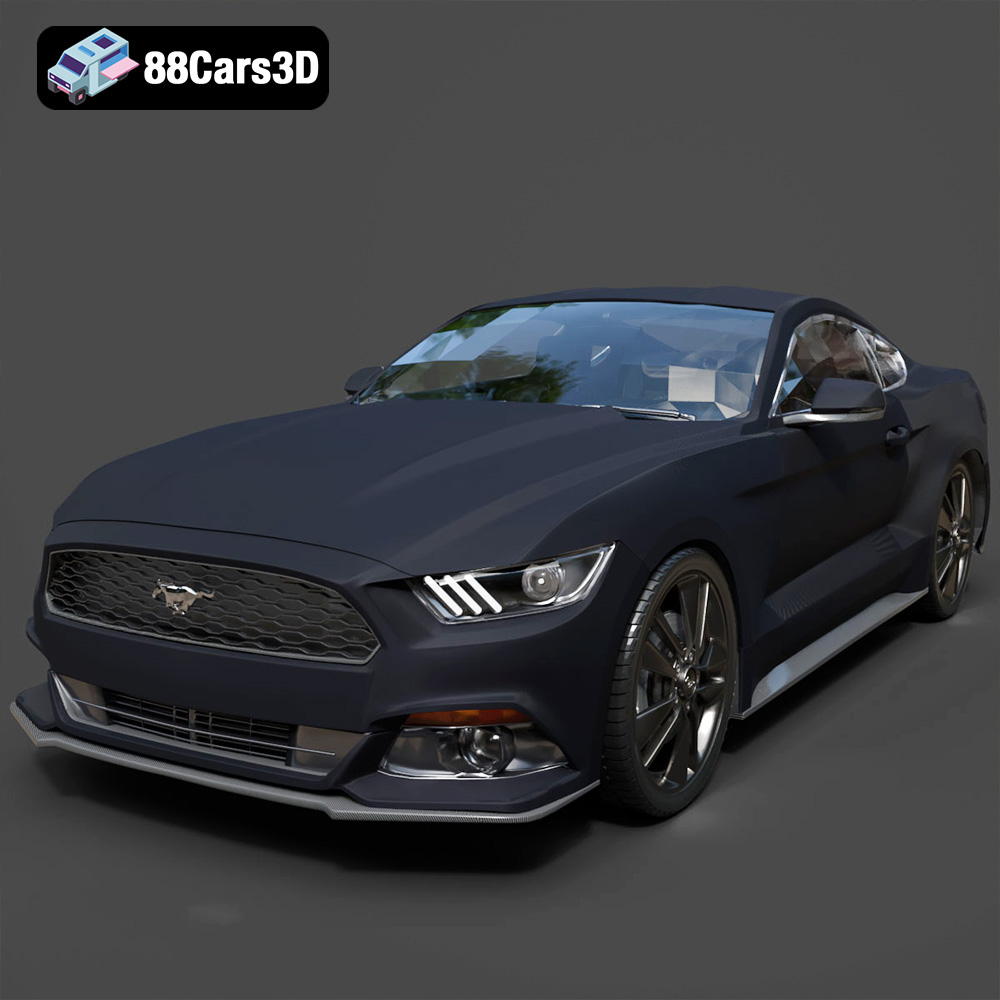
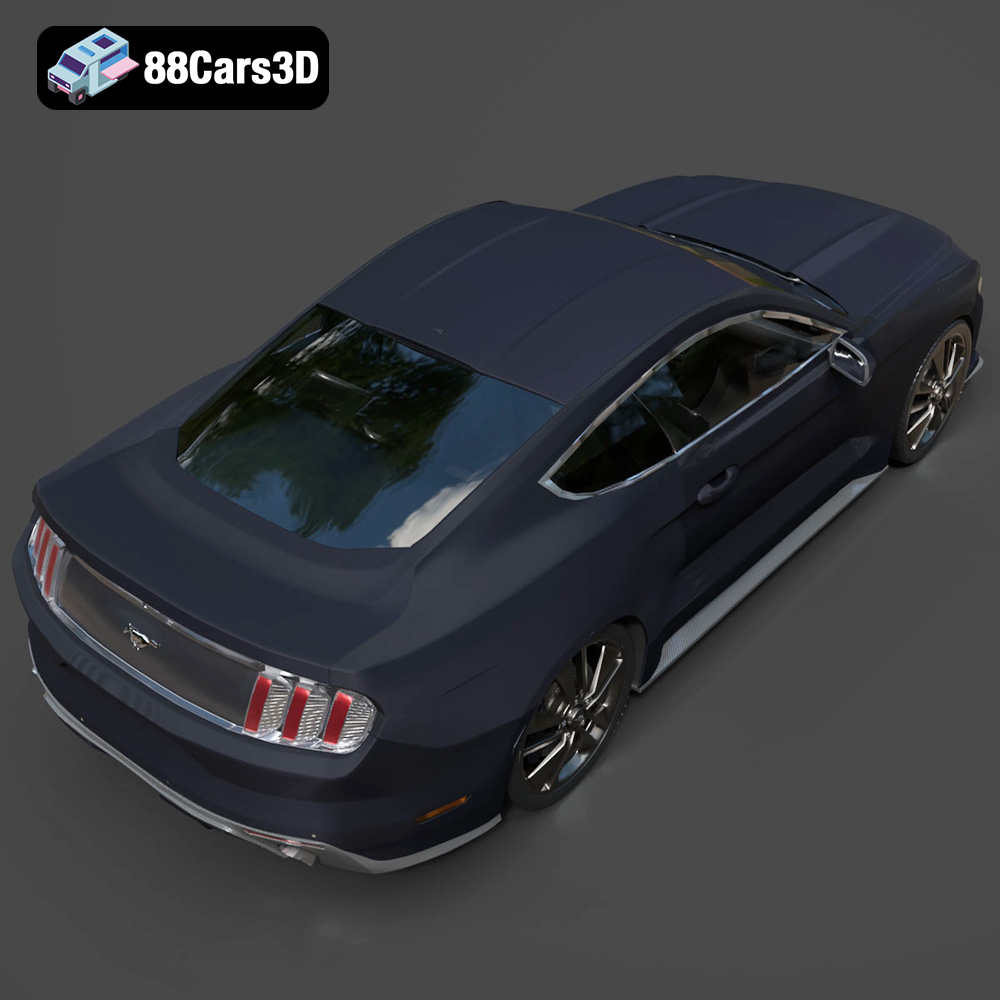
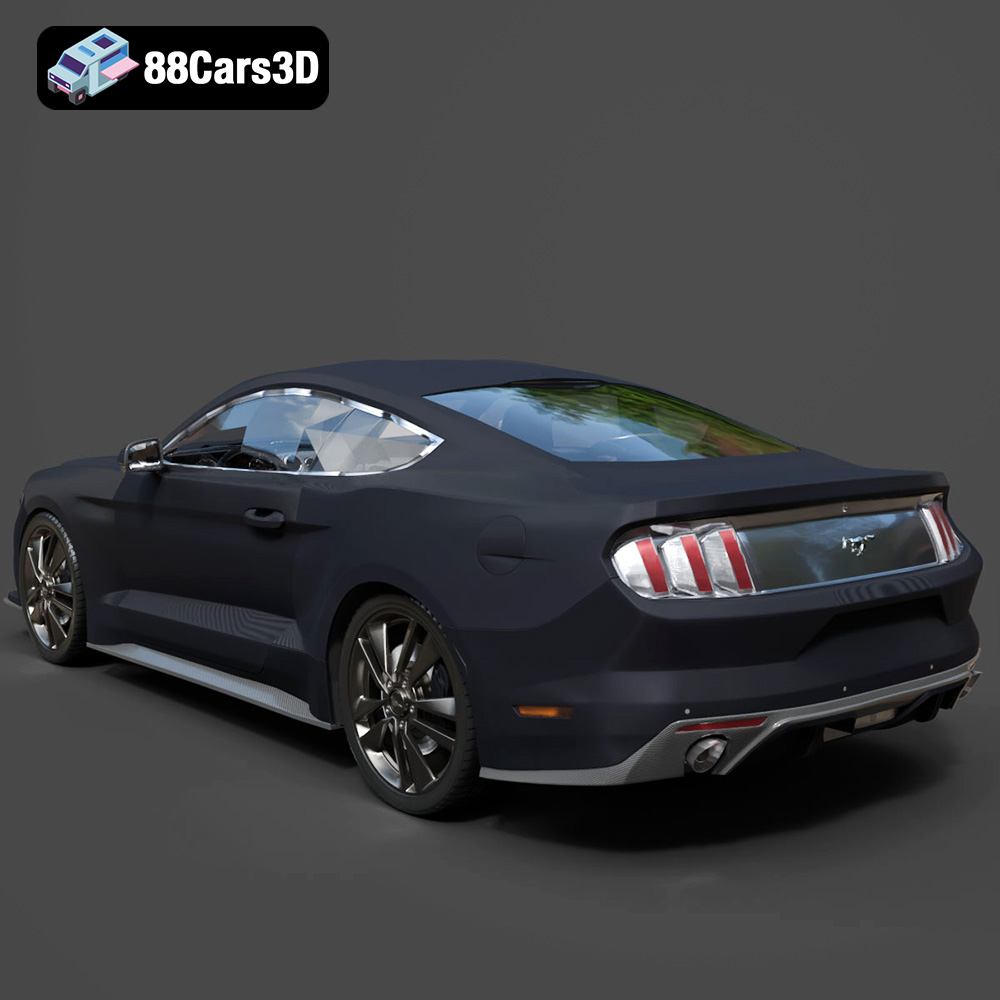
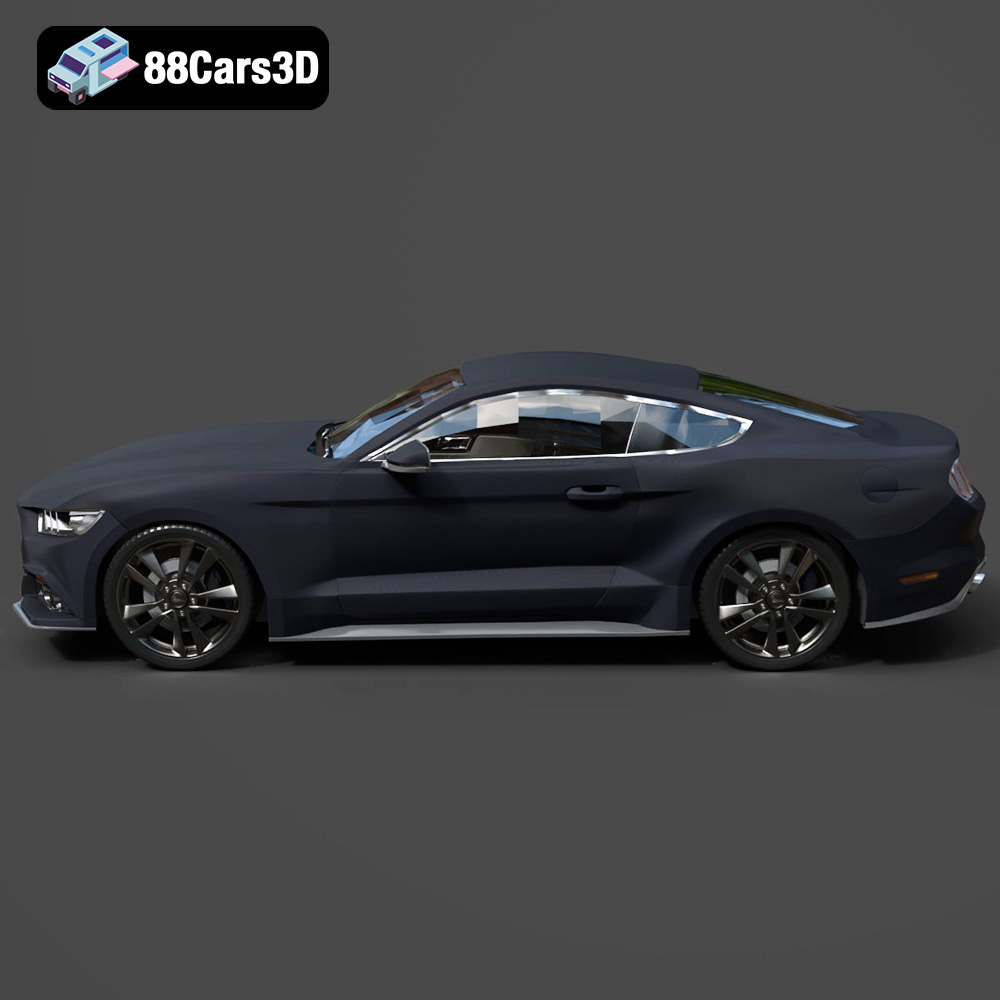
The S197 generation Mustang, and particularly the 2008 GT, perfectly embodies the retro-futuristic design philosophy that reignited the pony car’s legacy. Its aggressive stance, muscular hood, and iconic tri-bar taillights are instantly recognizable. Translating such an intricate design into a functional and visually compelling 3D asset is no small feat. This blog post will dissect the technical specifications, explore professional workflows, and demonstrate how a premium 3D model like the Ford Mustang GT 2008 becomes an invaluable tool across various industries, from game development and architectural visualization to virtual reality and 3D printing.
In the world of 3D modeling, the choice of file format is as critical as the model itself. Each format is designed with specific applications, software compatibility, and technical characteristics in mind. Understanding these nuances ensures seamless integration into your chosen workflow and optimal performance for your project. The Ford Mustang GT 2008 3D model comes equipped with a comprehensive suite of file formats, offering unparalleled flexibility.
The .blend format is Blender’s native file type, offering a complete snapshot of a Blender scene. This includes not just the mesh geometry, but also materials, textures, lighting, cameras, animations, rigging, and even Grease Pencil data. For users working primarily in Blender, this format provides maximum editability and preserves all the intricate details of the asset’s construction. It’s ideal for those who need to deeply customize materials, adjust topology, or integrate the model into a larger Blender-native scene without any loss of data fidelity. Technical advantages include direct access to modifier stacks, node-based material setups, and efficient scene management within the Blender environment.
.fbx (Filmbox) is arguably the most widely adopted 3D exchange format, especially prevalent in game development and animation pipelines. Developed by Autodesk, it excels at transferring comprehensive scene data, including geometry, materials (though often simplified upon export/import), textures, lights, cameras, and, critically, animation data and skeletal rigs. Its robustness makes it the go-to for moving assets between different 3D software packages (e.g., 3ds Max to Unreal Engine, Maya to Unity). For the Mustang GT, the .fbx ensures that features like separate wheels, suspension, and steering components with proper pivots are maintained, ready for animation within game engines or DCC software.
The .obj (Wavefront Object) format is one of the oldest and most universally compatible 3D formats. It primarily stores geometric data – vertices, normals, UV coordinates, and faces – along with references to external material files (.mtl). While it doesn’t support animation or advanced material properties directly within the file, its simplicity and widespread support make it an excellent choice for basic mesh transfer across virtually any 3D application. For users prioritizing pure geometry or those working with software that has limited import options, .obj offers a reliable foundation for the Mustang GT model, allowing them to apply their own materials and shaders.
.glb (GL Transmission Format Binary) is a modern, compact, and efficient format specifically designed for real-time applications, particularly in augmented reality (AR), virtual reality (VR), and web-based 3D experiences. It’s a binary container that bundles geometry, animations, and PBR (Physically Based Rendering) materials into a single file, making it incredibly easy to load and render quickly in browsers or mobile AR/VR viewers. The Mustang GT in .glb format is perfectly optimized for immediate deployment in interactive web configurators, virtual showrooms, or mobile AR apps where performance and file size are paramount.
The .stl (Stereolithography) format is the de facto standard for 3D printing. It represents a 3D model as a series of connected triangles, forming the surface geometry of the object. Unlike other formats, .stl files typically contain no color, texture, or material information – purely shape. This format is crucial for hobbyists and professionals looking to physically manifest the Mustang GT model. The provided .stl for the Mustang is tailored for 3D printing, with recommendations for scale, layer height, and support structures to ensure a successful physical output, whether for display-scale models or functional prototypes.
The .ply (Polygon File Format) is often used for storing 3D data from 3D scanners. It can store a wider range of properties than .obj, including color, transparency, and normal vectors for each vertex, and sometimes even data like confidence values. While less common for artist-generated content, it’s valuable for precision engineering, CAD integration, or scientific visualization where highly accurate mesh data and potentially per-vertex color information are needed. For the Mustang GT, this format could be utilized in specialized analysis or reverse engineering workflows.
When the product description lists .unreal as an included format, it signifies that the asset has been specifically pre-packaged and optimized for direct integration into Unreal Engine. This typically means the model, its materials, textures, and pivot points are structured in a way that allows for a smooth import or migration directly into an Unreal Engine project. It often implies a .uasset or a collection of files organized for Unreal’s content browser, ensuring that the model maintains its PBR material integrity, collision settings, and animation readiness within the engine environment. This saves developers significant time on asset preparation, allowing them to drop the Mustang GT directly into their real-time simulations or games.
The .max format is Autodesk 3ds Max’s native file type. Similar to .blend for Blender, a .max file contains all scene information: geometry, materials (including complex V-Ray or Corona setups), textures, lights, cameras, animation, and scene organization. For professionals already using 3ds Max for architectural visualization, automotive rendering, or animation, the .max file provides the highest degree of flexibility for customization, re-lighting, and integration into existing 3ds Max projects. It allows artists to leverage all the powerful tools and renderers available within 3ds Max without any data conversion issues.
This comprehensive array of file formats for the Ford Mustang GT 2008 model underscores its versatility and value, catering to virtually any professional 3D workflow you might encounter.
Creating a highly detailed 3D car model, especially one as iconic as the Ford Mustang GT 2008, involves a blend of artistic skill and rigorous technical execution. The aim is to achieve visual fidelity that stands up to close-up renders while remaining optimized enough for real-time applications. The Ford Mustang GT 2008 3D model from 88cars3d.com exemplifies this balance.
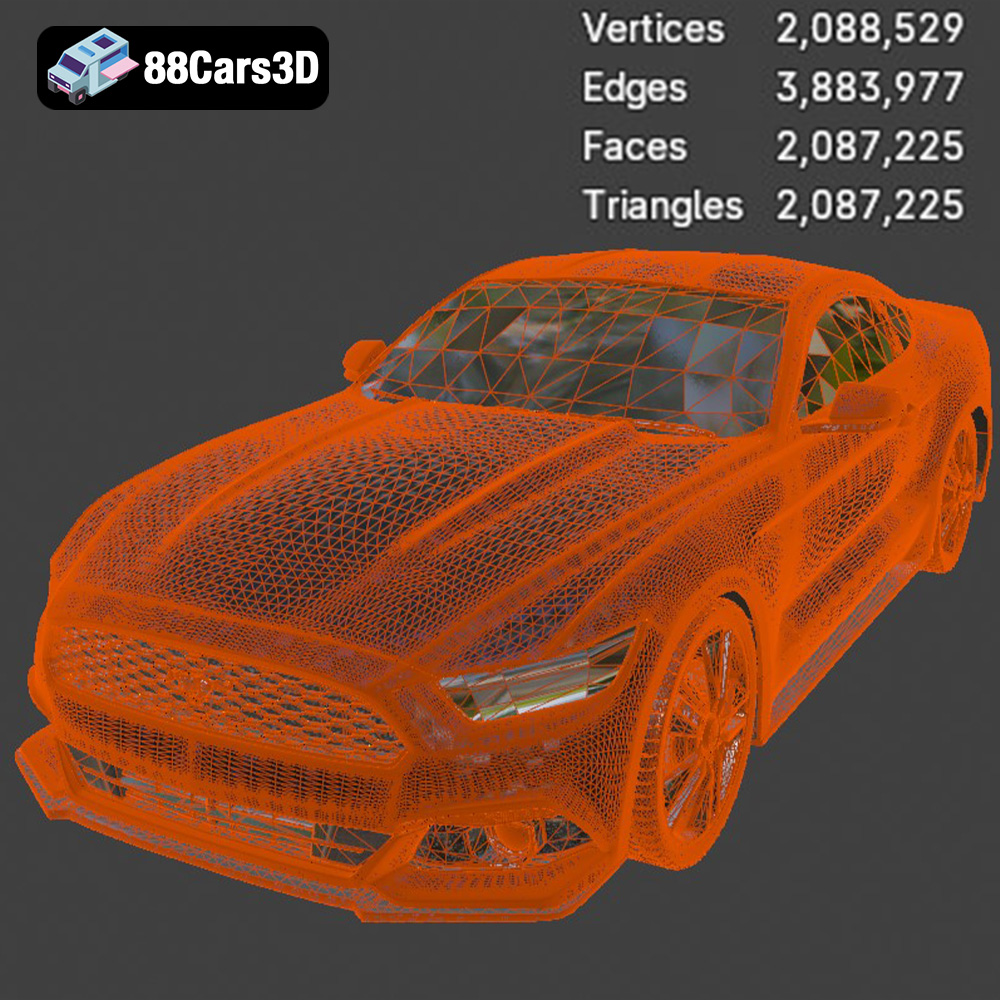
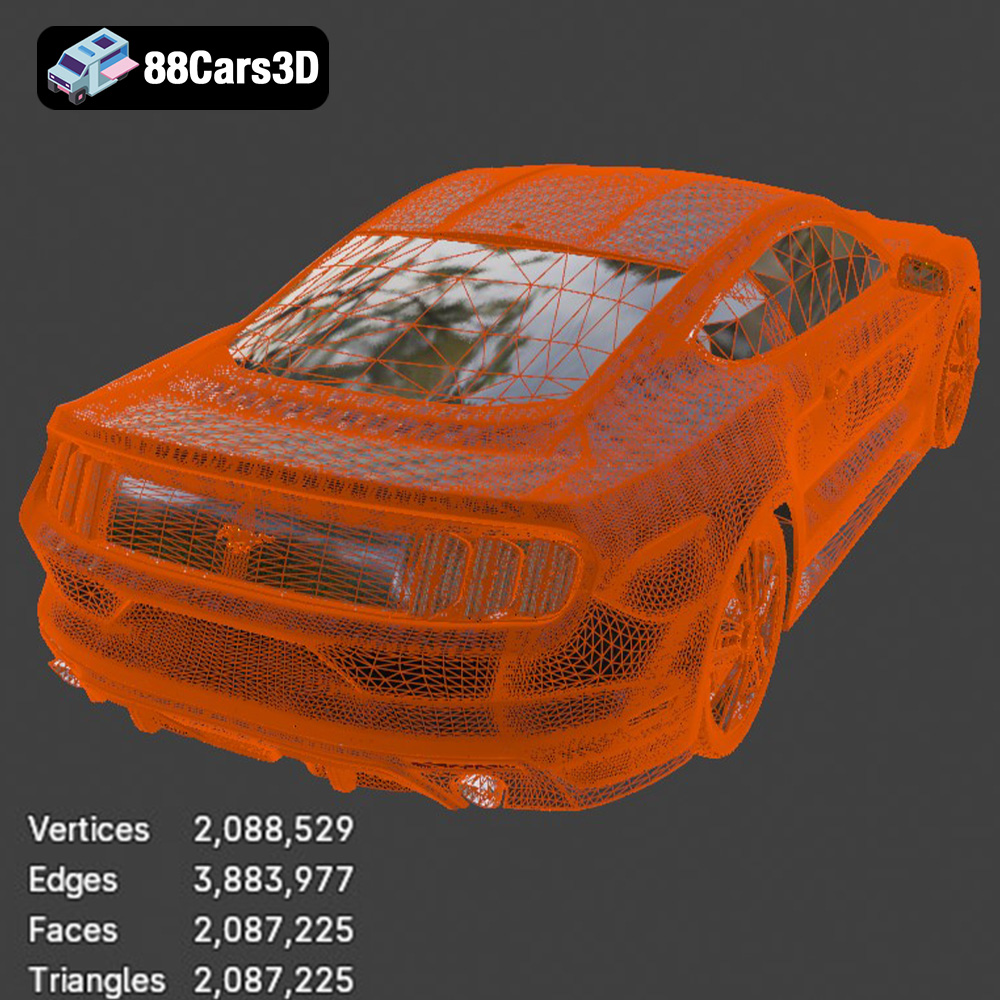
The foundation of any realistic 3D model is its geometry and topology. This Mustang GT model boasts a significant triangle count of 2,087,225. This figure is crucial because it represents a sweet spot: high enough to capture the intricate curves, sharp edges, and detailed components (like the engine block and suspension) without relying excessively on normal maps for fine details, yet optimized enough for efficient rendering in both offline and real-time engines. Meticulous topology ensures clean deformations during animation and smooth sub-division if needed for even higher fidelity. This precise modeling guarantees that the aggressive front grille, the muscular hood, and the sweeping fastback roofline are accurately represented, maintaining the classic retro proportions of the S197 generation.
The quality of a 3D car model is often judged by its attention to both the prominent and subtle details. On the exterior, this model includes an accurate representation of the 4.6L V8 engine block, complete with an authentic dual exhaust system and chrome-finished tips. The iconic tri-bar taillights and aggressive halogen headlight assemblies are faithfully recreated, as are the classic 5-spoke alloy wheels wrapped in high-performance street tires. Crucially, the model features a detailed strut and solid rear axle suspension setup, with separate components for animation, enabling realistic vehicle dynamics. Inside, the cockpit is equally comprehensive: sport bucket seats with detailed leather stitching, a three-spoke retro-inspired steering wheel with the pony emblem, a twin-pod instrument cluster with accurate gauge detailing, and a complete center console with a manual shifter and pedals. This level of internal detail makes the model suitable for first-person POV in gaming and immersive VR experiences.
One of the key advantages of a professionally developed asset is its adherence to real-world scale accuracy. This ensures that the model integrates seamlessly into any scene, whether it’s a cityscape environment or a virtual showroom, without needing manual resizing. Furthermore, the model is designed with proper pivot setups for steering, wheel rotation, and suspension travel. This seemingly small detail is incredibly important for animators and game developers, as it allows for immediate, realistic vehicle articulation without time-consuming rig adjustments. The “Game-Ready” optimization means its polycount and material setup are balanced for performance in real-time engines like Unreal and Unity, delivering high-end visual realism without sacrificing frame rates.
A high-quality 3D car model is more than just a static mesh; it’s a versatile asset designed to be integrated into diverse professional pipelines. The Ford Mustang GT 2008 model from 88cars3d.com, with its multiple file formats and optimized structure, is built for just such versatility.
For artists primarily working within Autodesk 3ds Max, the included .max file offers the ultimate level of control. Upon opening the file, users will find the full scene, often including pre-configured materials, lighting rigs, and possibly basic animation setups. The detailed geometry allows for the application of advanced rendering techniques using engines like V-Ray or Corona Renderer. Artists can easily adjust body colors, material finishes (matte, gloss, metallic), and even modify tire textures to suit specific project needs. For automotive rendering studios, this means quick integration into lifestyle scenes or studio lighting setups for advertising campaigns. The separate, animatable components (wheels, steering, suspension) are perfectly set up for creating dynamic cinematics, showcasing the vehicle’s mechanics and performance.
Blender users benefit from the native .blend file, which provides full access to the model’s internal structure. This allows for deep customization using Blender’s powerful node-based shader editor to create highly realistic PBR materials. Artists can modify UVs if needed, adjust mesh details, or even integrate the Mustang into complex environmental scenes with ease. For independent game developers or animation studios leveraging Blender’s robust toolset, the Mustang GT 2008 model serves as an excellent foundation. Its optimized geometry ensures smooth viewport performance, while the clean topology allows for easy modification and integration into custom rigging systems or physics simulations for realistic driving behavior.
The “game-ready” nature and the inclusion of an .unreal optimized asset make this Mustang GT model particularly valuable for game developers using Unreal Engine. Importing the asset is streamlined, often requiring just a few clicks to bring in the model with its materials, textures, and pivot points intact. The optimized polycount of 2,087,225 triangles strikes a perfect balance between visual fidelity and real-time performance, crucial for open-world driving games or racing titles. Developers can quickly set up vehicle physics, integrate the model into a character controller, and leverage Unreal’s powerful rendering capabilities to create stunningly realistic in-game environments. The detailed interior is perfectly suited for first-person perspectives, enhancing player immersion in simulators or VR experiences. This accelerates the development cycle, allowing teams to focus on gameplay and environment design rather than laborious asset preparation.
A high-quality 3D car model like the Ford Mustang GT 2008 transcends traditional rendering, finding critical applications across emerging technologies and industries. Its versatility makes it an indispensable asset for forward-thinking creators.
The “game-ready” optimization of this Mustang GT model is not just a feature; it’s a fundamental design principle. With its balanced triangle count and meticulous attention to detail, it’s ideally suited for modern game engines. In open-world games, it can serve as a primary player vehicle or populate dynamic street scenes, adding unparalleled realism. For racing titles and simulators, the accurate geometry, detailed suspension, and proper pivot setups allow for authentic physics integration, delivering a truly immersive driving experience. The optimized interior geometry is perfect for first-person cockpits, making players feel truly connected to the iconic pony car as they navigate virtual tracks or urban environments. This model reduces the development burden, allowing studios to accelerate production and deliver visually stunning automotive content.
Augmented Reality (AR) and Virtual Reality (VR) platforms demand incredibly optimized and realistic assets to create truly immersive experiences. The Mustang GT 2008, especially in its .glb format, is tailor-made for these applications. Imagine virtual showrooms where customers can walk around, inspect, and even customize their dream Mustang in full 3D, changing colors and materials in real-time. For mobile AR experiences, users could place a life-sized Mustang GT in their driveway through their smartphone, interacting with its features. This model provides the necessary visual fidelity and performance efficiency to build compelling virtual configurators, training simulations, or engaging promotional content in the burgeoning AR/VR landscape, bringing the car directly to the user in a new dimension.
The utility of a detailed 3D model extends beyond the screen. The inclusion of an .stl format, alongside specific 3D print settings, opens up the world of physical model creation. Hobbyists and enthusiasts can print highly detailed replicas of the 2008 Mustang GT at recommended scales (1:12, 1:18, 1:24). The guidance on layer height, wall thickness, infill, and support structures ensures successful prints, especially when using resin printers for fine details. Post-processing steps like sanding, priming, and painting allow for the creation of authentic, display-quality models that truly capture the spirit of the original vehicle. This bridges the gap between digital asset creation and tangible craftsmanship, offering a unique way to appreciate the model’s intricacies.
While the Ford Mustang GT 2008 3D model is exceptionally detailed out-of-the-box, its true power lies in its adaptability and the possibilities for customization. Professional projects rarely use assets exactly as provided; they demand flexibility to meet unique artistic and technical requirements.
The comprehensive material setup of the Mustang GT model allows for extensive aesthetic customization. Artists can easily change the body color to any of the iconic factory hues, such as Grabber Orange or Vista Blue, or experiment with custom finishes like pearlescent or matte options. Modifying tire textures is also straightforward, enabling the creation of track-ready variants with slick tires or rugged street versions. The ability to adjust material finishes – from high-gloss paint to subtle metallic flakes – ensures that the Mustang can fit perfectly into any scene, from a high-stakes race environment to a serene sunset boulevard. This level of control is invaluable for brand campaigns or product visualization, where specific visual moods and identities need to be conveyed.
Lighting is paramount in 3D rendering, and a well-constructed model like this Mustang GT reacts realistically to diverse lighting conditions. Whether integrating the model into a studio lighting setup for a pristine showcase render, or placing it under dynamic, physically accurate sunlight for an outdoor scene, the model’s PBR materials and clean topology ensure authentic reflections, shadows, and highlights. This adaptability is critical for creators developing diverse scenarios, from dark, moody urban scenes to bright, open desert roads. The model’s inherent quality means less time spent tweaking materials and more time focusing on atmospheric lighting and composition.
Beyond visual customization, the model’s optimized nature also contributes to workflow efficiency. The proper pivot setup for steerable wheels, animated suspension, and rotating components significantly cuts down on rigging and animation time. This ‘plug-and-play’ readiness means that developers can quickly integrate the car into vehicle controllers in game engines or animate complex sequences in DCC software. This saves countless hours that would otherwise be spent cleaning up geometry, fixing normals, or adjusting pivots, allowing creative teams to allocate their resources to more complex or innovative aspects of their projects. This proactive optimization is a hallmark of professional-grade 3D assets, distinguishing them from generic models and highlighting why sourcing from marketplaces like 88cars3d.com is a smart choice for quality and efficiency.
The Ford Mustang GT 2008 is more than just a car; it’s a cultural icon, and its 3D model form is a testament to the power of digital creation. From its meticulously crafted geometry and comprehensive interior to its game-ready optimization and broad file format compatibility, this model represents a pinnacle of technical artistry in the 3D asset market. Whether you’re a game developer building the next open-world driving sensation, an automotive visualization artist creating breathtaking marketing materials, or an AR/VR innovator crafting immersive experiences, this Ford Mustang GT 2008 3D model offers unparalleled versatility and quality.
Its robust technical specifications, including a judicious triangle count and real-world scale, ensure both visual fidelity and optimal performance across various platforms. The extensive range of included file formats – from native .blend and .max for deep customization, to universal .fbx and .obj, and specialized .glb, .stl, .ply, and .unreal formats – guarantees seamless integration into virtually any professional workflow. This not only saves invaluable development time but also empowers creators to push the boundaries of realism and interactivity.
Investing in such a high-quality 3D car model from a reputable source like 88cars3d.com means acquiring an asset that will elevate your projects, accelerate your production, and deliver stunning results across the digital spectrum. The Ford Mustang GT 2008 3D model isn’t just a digital replica; it’s a foundational component for ambitious creative endeavors.
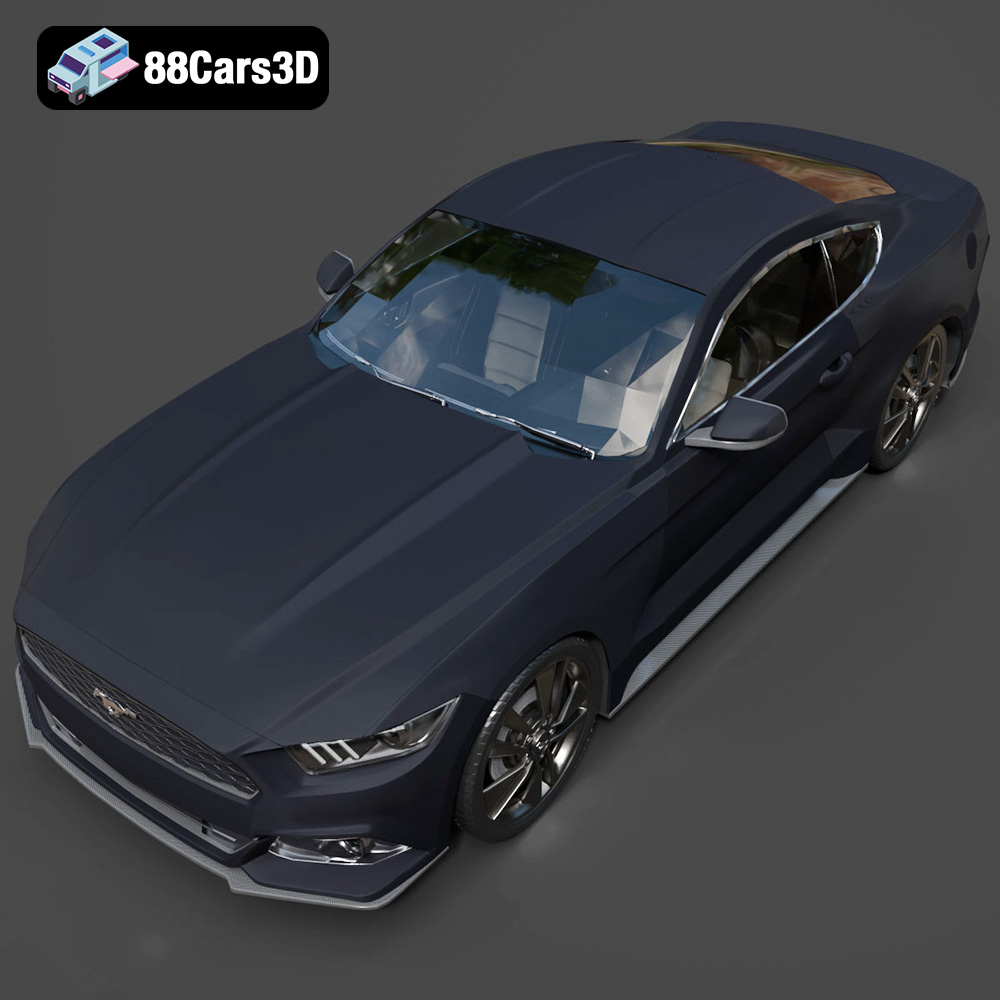
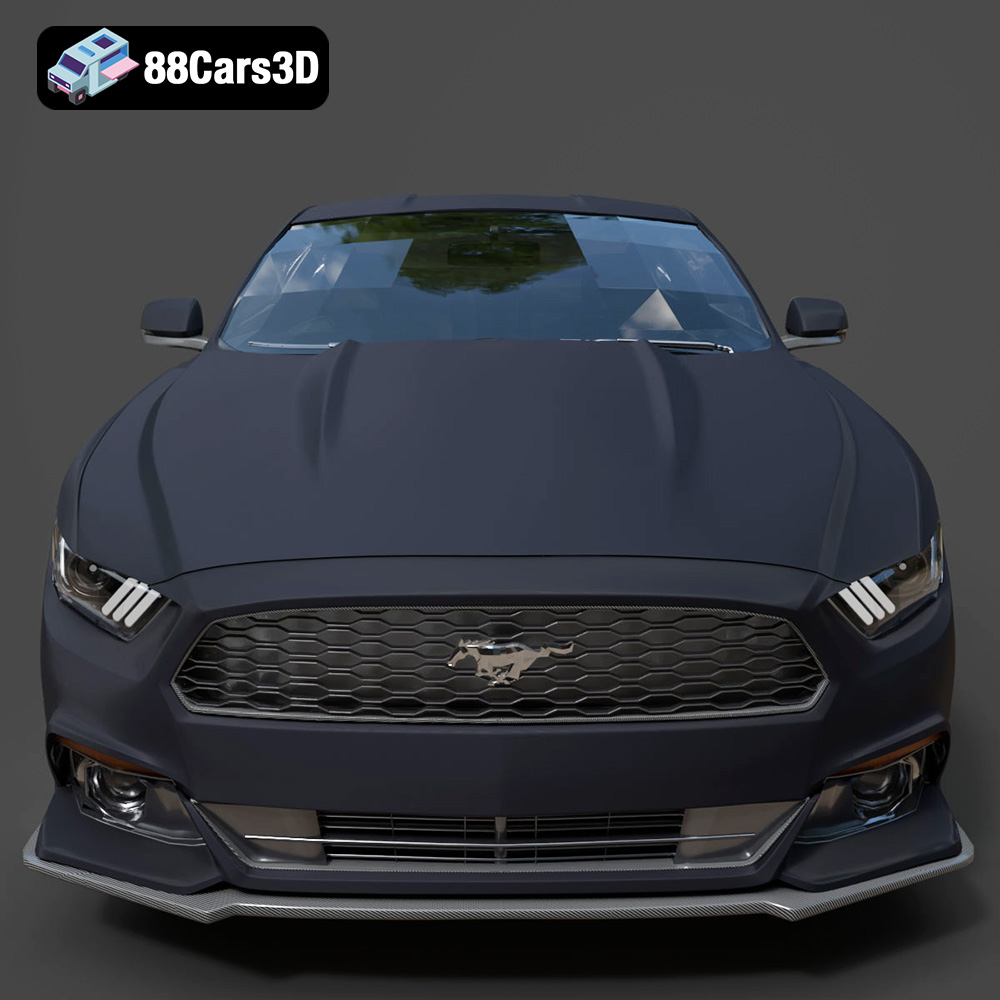
The 2008 Ford Mustang GT is an iconic American muscle car that perfectly captures the retro-futuristic styling of the legendary S197 generation. This highly detailed 3D model brings the classic pony car aesthetic to life, featuring the aggressive front grille with the signature galloping pony emblem, a muscular hood hinting at the powerful 4.6L V8 engine underneath, and the unmistakable sweeping roofline of the fastback design. Every curve and edge has been modeled to reflect the bold, aggressive stance that made this vehicle a staple of automotive culture.
$85.50
.2008
.blend
.fbx
.ford
.glb
.max
.mustang
.obj
.ply
.rendering
.stl
.unreal
car-3d-model
game asset
game-ready
low-poly
muscle-car
mustang-gt
optimized
pony-car
VR/AR