Get 20% OFF All Premium 3D & STL Models!

In the exhilarating world of automotive design, game development, and high-fidelity visualization, the pursuit of perfection drives every creator. From the sleek lines of a concept car to the roaring engines of a virtual race track, the quality of a 3D model can make or break a project’s impact. Professionals constantly seek assets that embody both artistic finesse and technical robustness, capable of standing up to the most scrutinizing gaze and the most demanding real-time environments. This is where truly premium 3D car models become indispensable tools, bridging the gap between imagination and tangible digital reality.
Imagine commanding the raw power and unparalleled elegance of an exotic supercar, not just in your mind, but with full interactive fidelity in a virtual showroom or across a breathtaking cinematic render. The Lamborghini 08 3D model, a prime offering from 88cars3d.com, exemplifies this level of excellence. It’s more than just a digital representation; it’s a meticulously crafted asset designed to elevate projects across diverse industries, from architectural visualization to the most cutting-edge game development. Let’s delve into the intricate world of these high-caliber models and discover how they redefine what’s possible in the digital realm.
Creating a truly premium 3D car model is an intricate blend of artistic vision and rigorous technical execution. It demands an understanding of real-world physics, material science, and the specific demands of various digital pipelines. Every curve, every reflection, every component must be carefully considered and accurately translated into the digital space.
The journey from a physical vehicle to a high-fidelity 3D model is one of observation, measurement, and meticulous reconstruction. Automotive rendering isn’t just about making something look good; it’s about accurately mimicking the complex interplay of light, shadow, and material properties that define a real car. This involves precise surface topology, faithful material definitions (PBR textures), and an understanding of how these elements interact within a chosen rendering engine. A high-quality 3D model provides the foundational accuracy needed for realistic simulations, whether for showcasing a vehicle’s design or integrating it into a virtual environment with convincing physics.
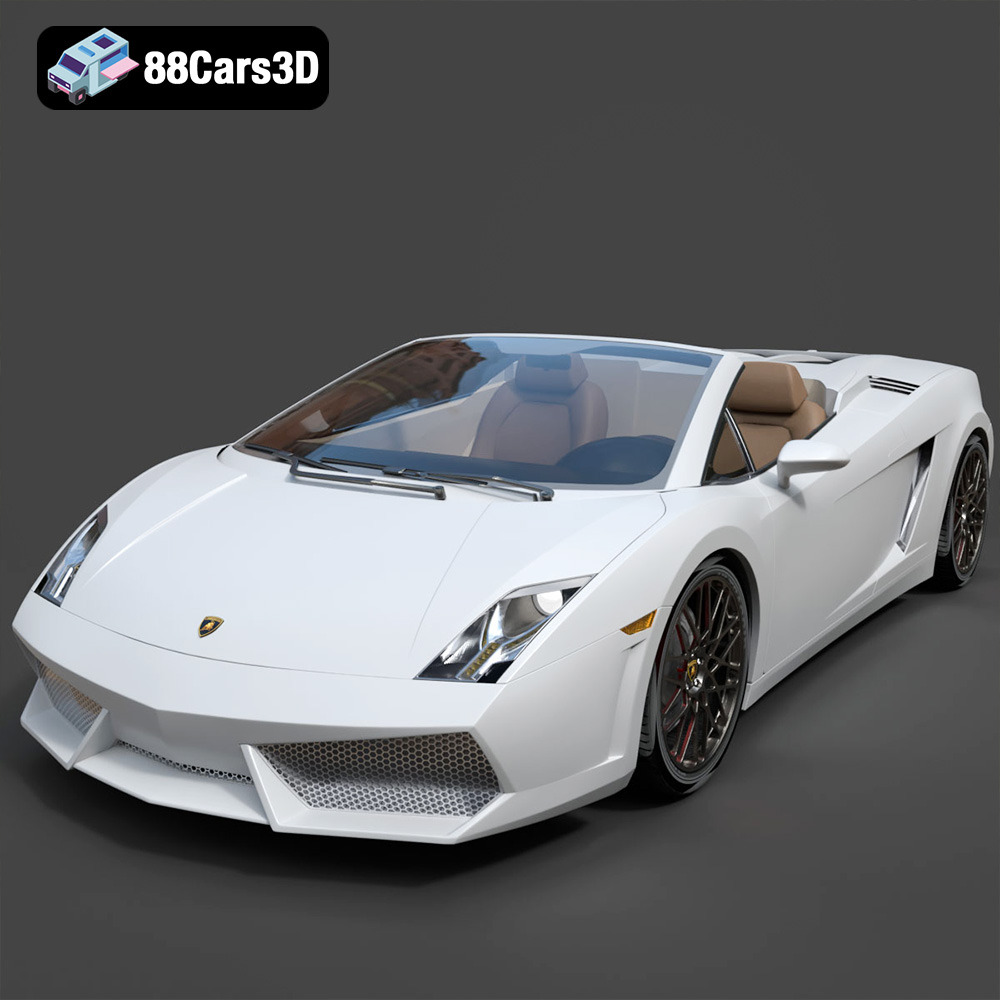
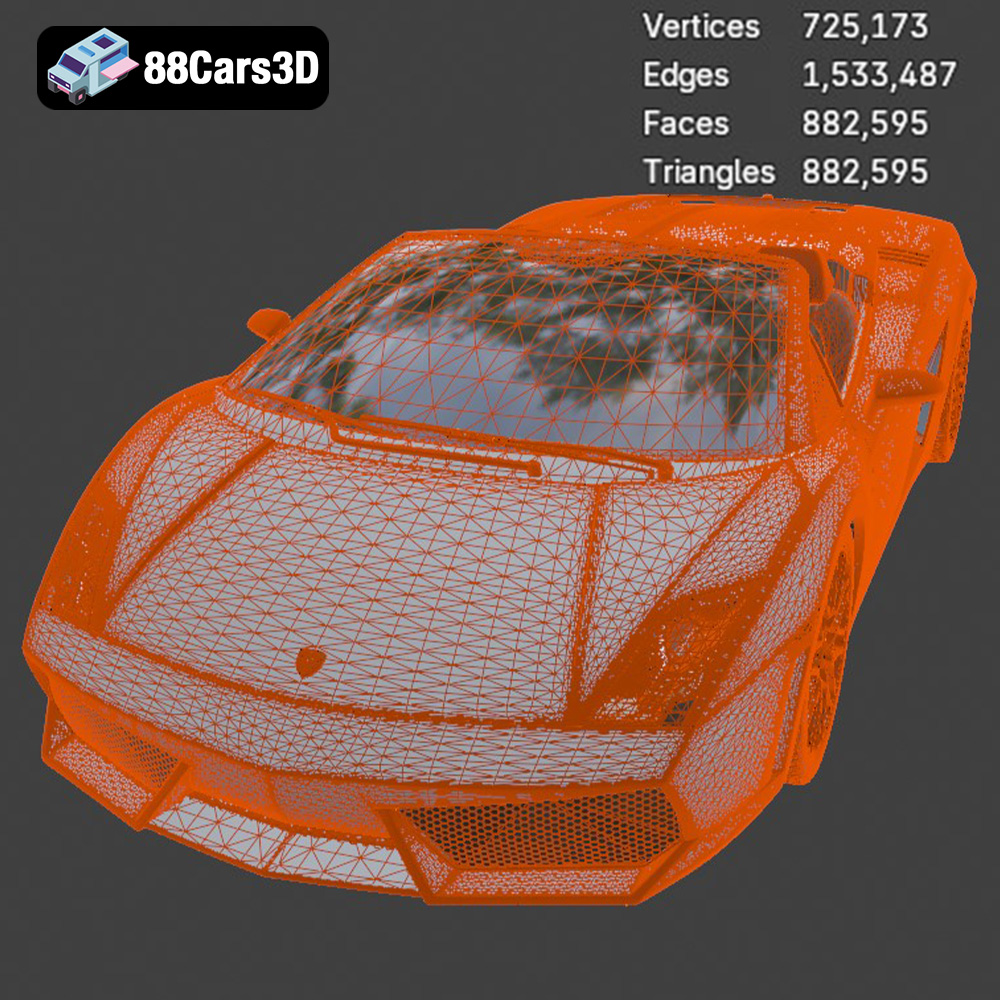
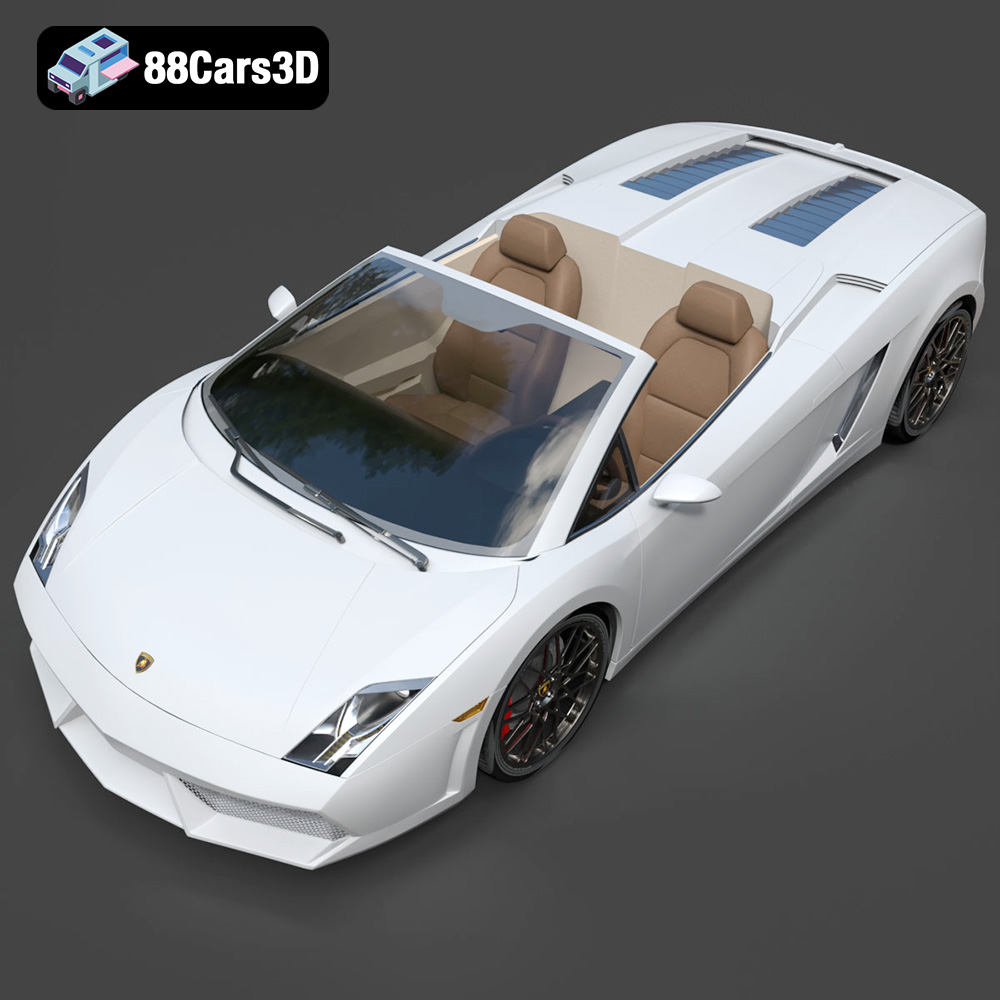
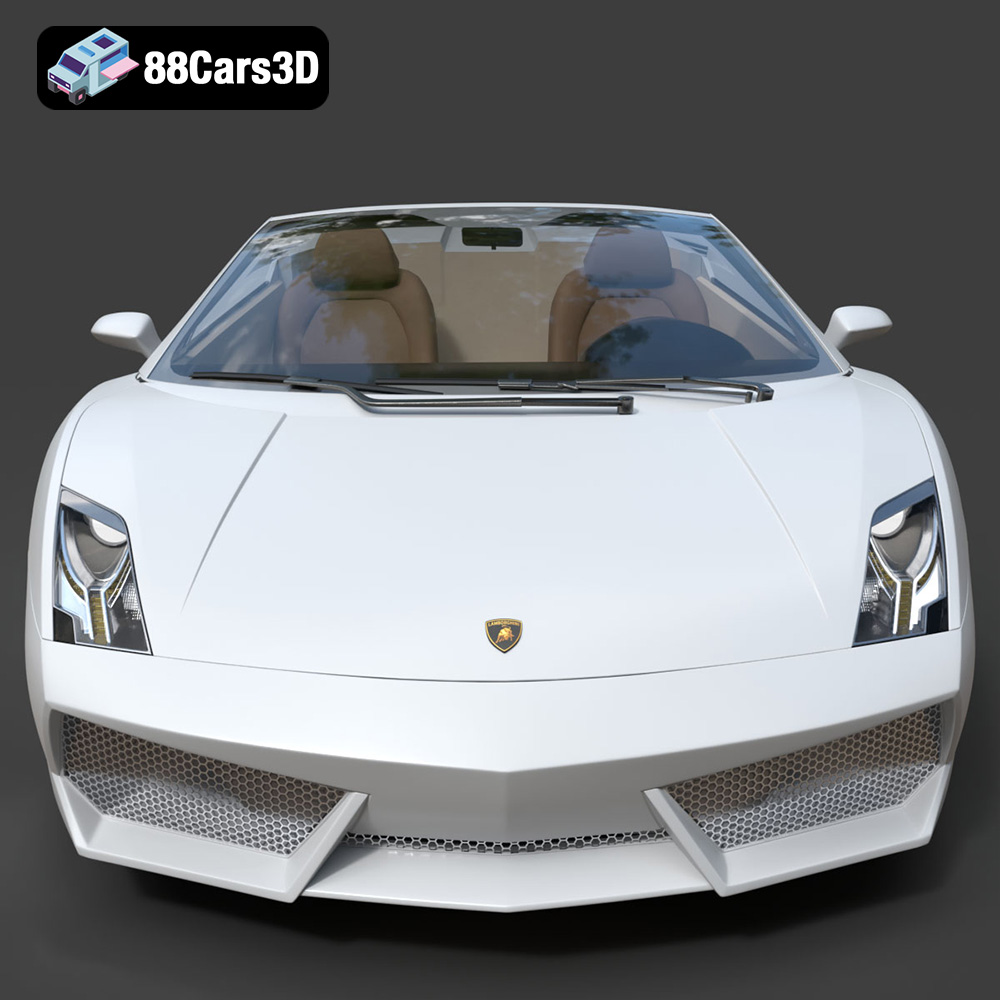
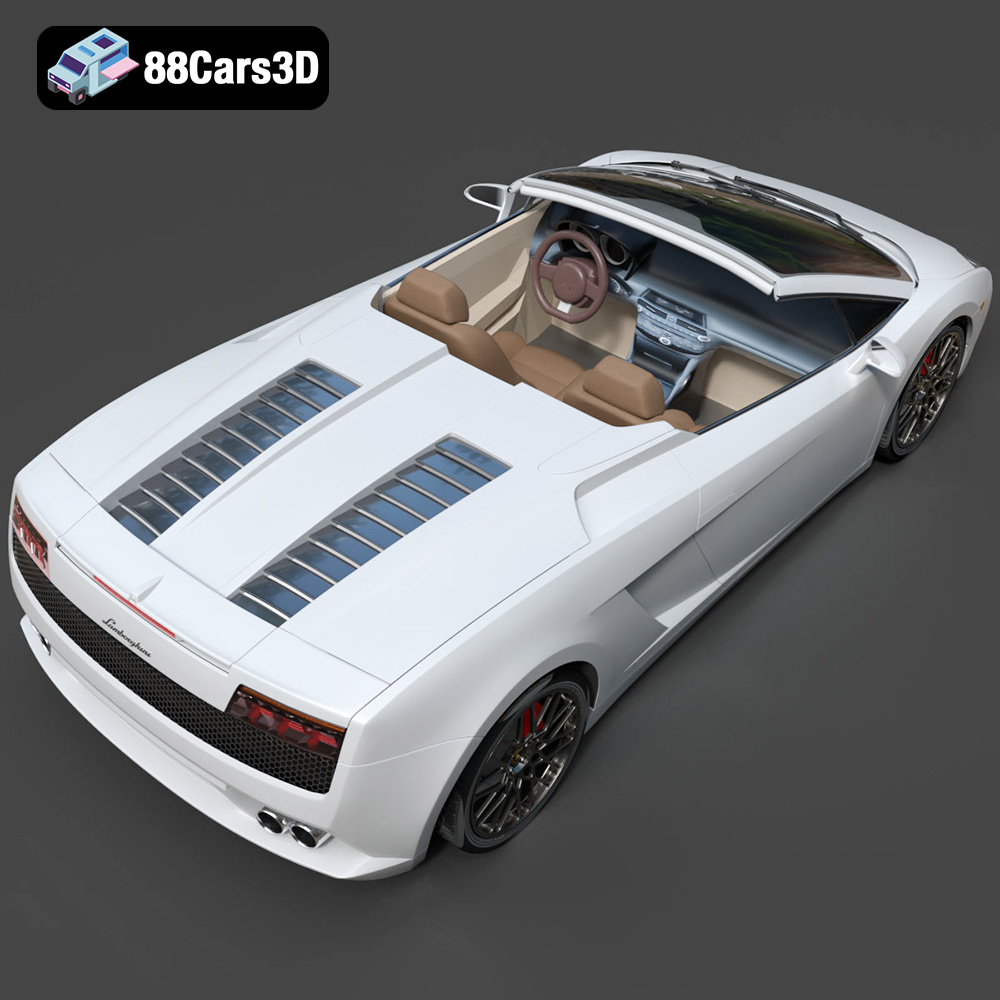
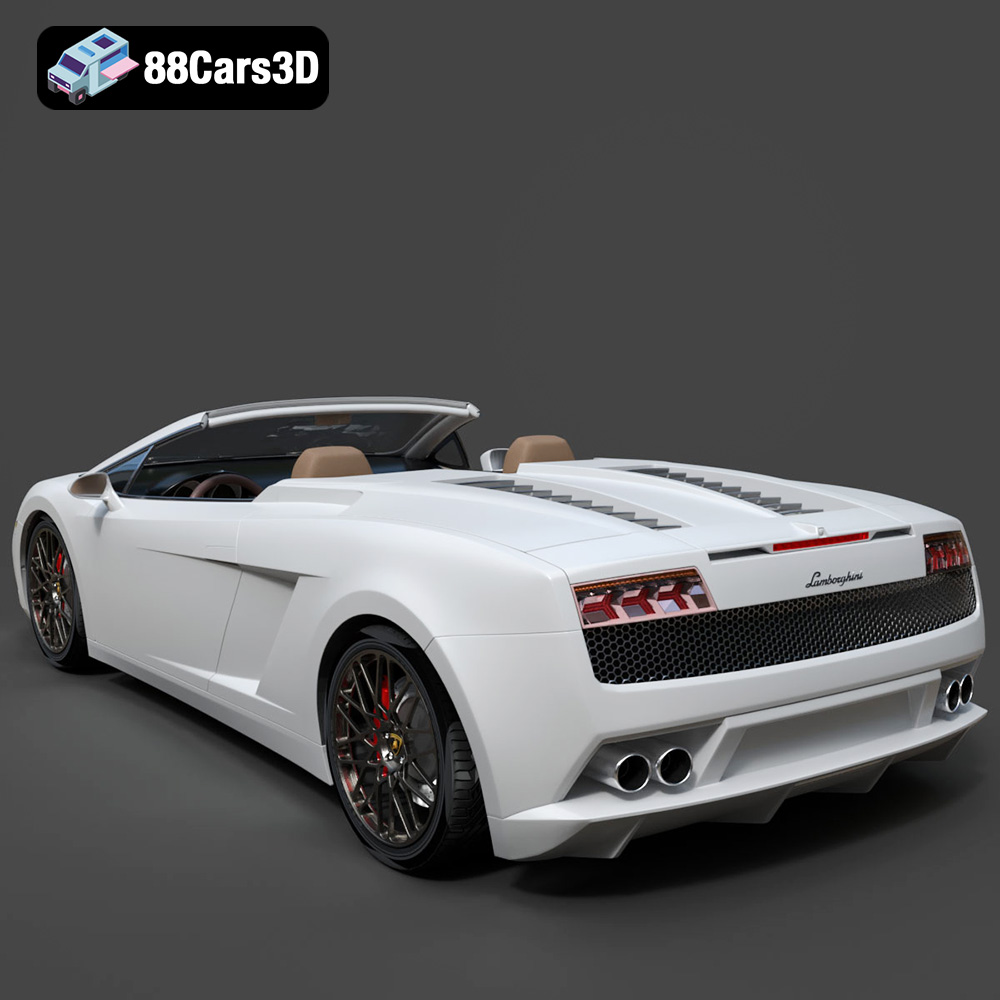
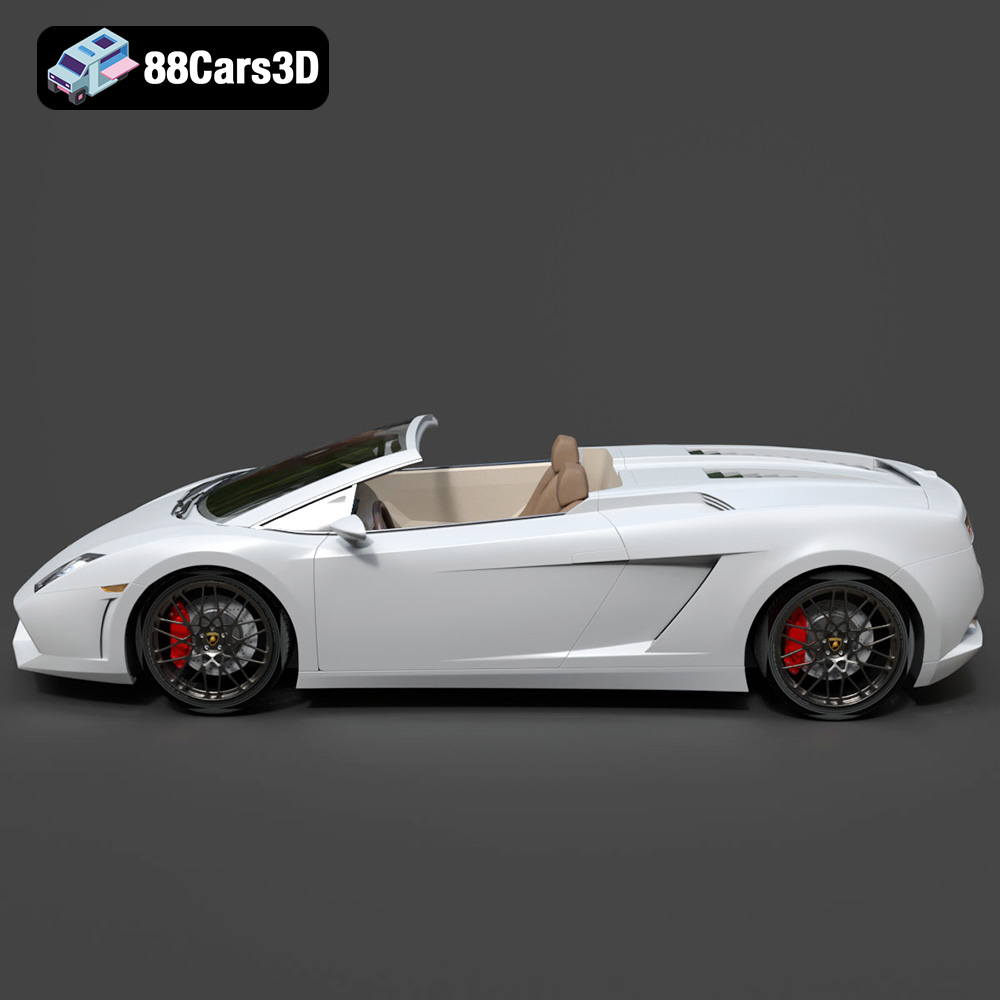
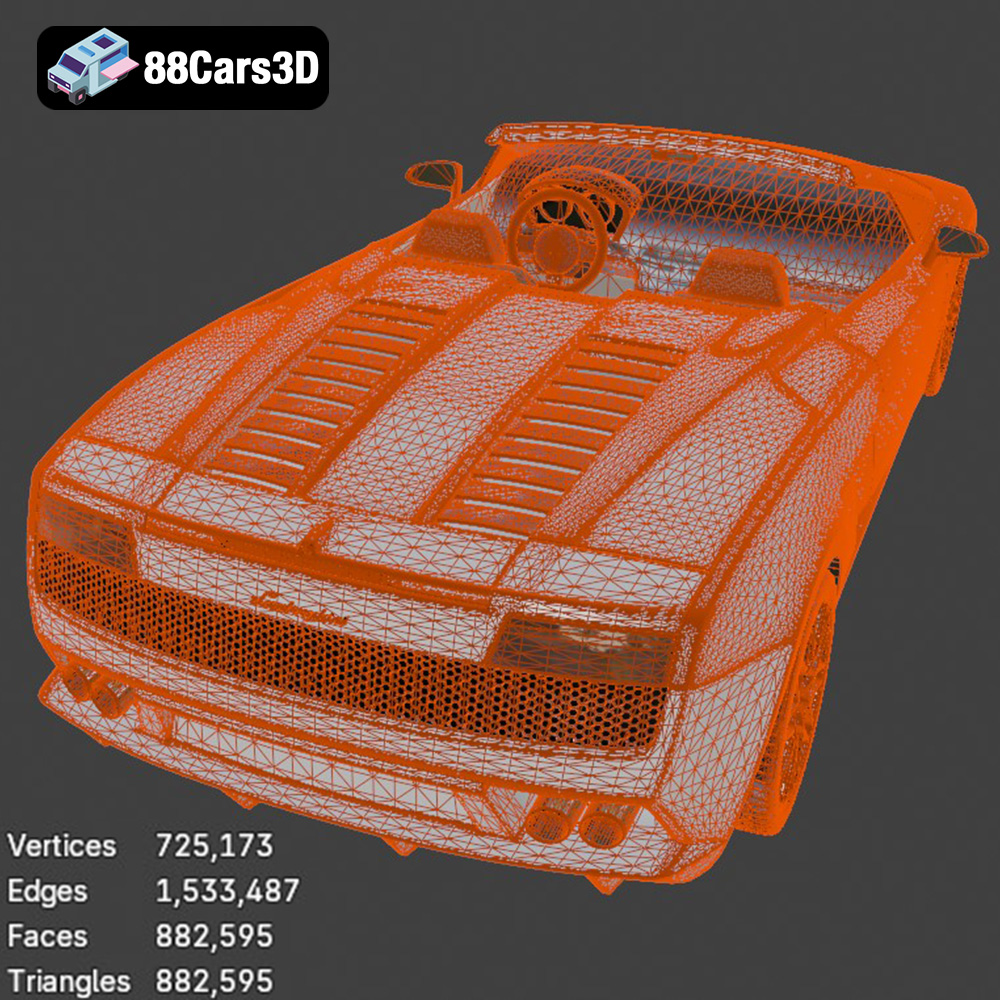
The Lamborghini 08 3D model serves as an excellent illustration of what a top-tier asset brings to the table. Its striking balance of aerodynamic aggression and breathtaking performance is not merely suggested but precisely replicated. With 882,595 triangles, the model achieves exceptional visual fidelity, rivaling cinematic assets while remaining efficiently structured for real-time applications. Exterior features like the accurate frame geometry, detailed engine block visible beneath the rear glass, performance-oriented quad-exhaust system, and signature Y-shaped LED lights are all meticulously recreated. Inside, high-bolstered Alcantara-style racing seats, a fighter-jet inspired flat-bottom steering wheel, and detailed digital instrument clusters ensure an immersive experience, even for first-person POV in VR simulations. This attention to detail across both exterior and interior elements ensures that the Lamborghini 08 is not just a prop, but a fully realized digital machine.
The versatility of a 3D model often hinges on the range of file formats it supports. Each format serves a specific purpose, optimized for different software, workflows, and end applications. Understanding these distinctions is crucial for seamless integration and optimal performance in your projects. The Lamborghini 08 3D model from 88cars3d.com exemplifies this versatility by offering a comprehensive suite of file formats, ensuring maximum compatibility across professional pipelines.
The
The
The
The
The
The
The
Finally, the
By offering this extensive range of formats, the Lamborghini 08 3D model ensures that artists and developers, regardless of their preferred software or end application, have access to a version that meets their specific technical requirements, solidifying its value as a versatile game asset and rendering solution.
Photorealistic automotive rendering is a highly specialized skill, combining technical expertise with an artistic eye. A high-quality 3D car model like the Lamborghini 08 provides the perfect foundation for creating stunning visuals that captivate audiences and sell designs.
Whether you prefer the robust architectural and product visualization tools of 3ds Max or the open-source flexibility of Blender, setting up an automotive rendering scene involves several key steps. First, importing the Lamborghini 08 model is straightforward thanks to the provided .max and .blend files, as well as universal formats like .fbx and .obj. Once imported, careful consideration is given to the environment. This might involve an HDRI (High Dynamic Range Image) for realistic global illumination and reflections, or a custom studio setup with strategically placed lights to highlight the vehicle’s contours and materials. Both 3ds Max and Blender offer advanced tools for environment creation, allowing artists to replicate anything from a gleaming showroom to a dynamic urban street. Ensuring the model is at real-world scale, as the Lamborghini 08 is, is critical for accurate lighting and material interactions.
The magic of photorealistic rendering lies in the materials. The Lamborghini 08’s optimized mesh ensures stunning realism in physically based rendering (PBR) workflows. This means carefully applying PBR textures (Albedo/Base Color, Metallic, Roughness, Normal, Ambient Occlusion maps) to every surface: the high-gloss body paint, the intricate carbon fiber details, the brushed metal accents, and the rich Alcantara-style interior. In 3ds Max, Arnold or V-Ray are often used, while Blender’s Cycles and Eevee renderers excel. Each material needs to react authentically to light. For instance, the metallic flake in the paint, the subtle texture of the tires, and the reflectivity of the glass all contribute to the overall realism. Lighting is equally crucial, from key lights that define the form to fill lights that soften shadows, and rim lights that highlight edges. The aim is to make the digital model indistinguishable from a photograph.
To push automotive rendering to cinematic levels, advanced techniques come into play. This includes volumetric lighting for atmospheric effects, depth of field for artistic focus, and motion blur to convey speed and dynamism. Post-processing in tools like Photoshop or Nuke can further enhance the raw render, adding color grading, lens flares, and subtle imperfections to make the image truly pop. For animation, techniques like camera tracking, dynamic vehicle rigging (leveraging the Lamborghini 08’s separate wheels, suspension, and steering components), and meticulous keyframing transform a static image into a compelling narrative. The ability to change body colors, modify tire textures, and adjust material finishes provides incredible customization options, allowing artists to create bespoke visualizations for brand campaigns or luxury lifestyle scenes, making the Lamborghini 08 an unparalleled rendering asset.
In the fiercely competitive world of game development, performance and visual quality must go hand-in-hand. High-quality, optimized 3D car models are the backbone of immersive racing titles, open-world adventures, and realistic simulators.
Unreal Engine is a powerhouse for creating visually stunning real-time experiences, and integrating a premium asset like the Lamborghini 08 is designed to be a streamlined process. The inclusion of an .unreal file, along with the versatile .fbx format, signifies that this model is specifically tailored for game development. Developers can import the model, which boasts an optimized 882,595 triangles – a perfect balance for high-end visual realism without sacrificing real-time performance. Once in Unreal, artists can leverage the engine’s advanced material editor to refine the PBR textures, set up realistic car paint shaders, and apply real-time lighting solutions. The proper pivot setup for steering, wheel rotation, and suspension travel simplifies the animation and physics implementation, allowing for authentic vehicle dynamics right out of the box.
Maintaining high frame rates while delivering breathtaking visuals is a constant challenge in game development. The Lamborghini 08 is built with this in mind. Its carefully managed polycount ensures it’s “game-ready,” preventing unnecessary strain on the GPU. Further optimization techniques can be applied within game engines, such as creating LODs (Levels of Detail) where lower-polygon versions of the model are swapped in at greater distances. Efficient UV mapping allows for texture atlasing, reducing draw calls. Collision meshes are also crucial for accurate physical interactions, and the model’s design supports easy creation of these. These technical advantages mean the Lamborghini 08 can be seamlessly integrated into high-speed racing simulations or open-world games without compromising on performance or visual fidelity, making it a valuable game asset for any project.
A static car model is only part of the story; for games, it needs to move and interact realistically. The Lamborghini 08 is designed with animation in mind, featuring separate wheels, suspension, and steering components. This allows developers to easily rig the vehicle, apply realistic suspension physics, and implement dynamic steering. Within Unreal Engine, blueprints can be used to create complex vehicle mechanics, from engine sounds and gear shifting to damage systems. For racing games, this means players can experience the thrill of precise handling and responsive acceleration. For open-world titles, the car becomes a dynamic element, allowing players to navigate diverse terrains with believable physics. The detailed interior, optimized for first-person POV, enhances immersion, allowing players to truly feel like they are inside the exotic supercar.
The utility of a premium 3D car model extends far beyond traditional rendering and game development, opening doors to cutting-edge immersive experiences and tangible physical creations.
Augmented Reality (AR) and Virtual Reality (VR) are revolutionizing how we interact with digital content. The Lamborghini 08 3D model is perfectly suited for these emerging platforms. For AR, imagine projecting the supercar into your driveway via a smartphone app, allowing potential buyers to walk around it, change colors, and even peek inside, all in real-time within their physical environment. The .glb format is particularly optimized for such web-based and mobile AR experiences, offering efficient loading and display. In VR, the model can be the centerpiece of an immersive virtual showroom, a configurator allowing users to customize every detail, or even a virtual test drive experience. The high-fidelity interior, complete with detailed digital instrument clusters and precision control details, makes for an incredibly convincing first-person VR simulation, offering an unparalleled level of interaction and engagement.
For enthusiasts and collectors, the ability to physically hold a miniature replica of their favorite supercar is a unique appeal. The Lamborghini 08 3D model includes an .stl format, specifically tailored for 3D printing. This allows hobbyists and professionals to convert the digital asset into a tangible object. The provided 3D print settings – including recommended scales (1:12, 1:18, 1:24), layer height, wall thickness, infill, and support requirements – guide users toward successful fabrication. Resin printing is recommended for capturing the fine details, such as the exhaust ports and intricate wheel designs. Post-processing, including sanding, priming, and painting with authentic factory colors, can bring these printed models to life, creating display-scale masterpieces. This demonstrates the model’s versatility, bridging the digital and physical realms with exceptional detail and accuracy.
Choosing the right 3D assets is a critical decision for any creative project. The difference between generic models and premium offerings from specialized marketplaces like 88cars3d.com is profound, particularly when it comes to complex subjects like automotive design.
A premium 3D car model, such as the Lamborghini 08 available on 88cars3d.com, offers several distinct advantages. Firstly, it guarantees accuracy and attention to detail. These models are often crafted by experienced artists with a deep understanding of automotive design, ensuring faithful replication of real-world vehicles. Secondly, they are technically robust; optimized polycounts, clean topology, proper UVs, and PBR-ready materials mean less work for you and better performance in your chosen application. Thirdly, the comprehensive file format support eliminates compatibility headaches, allowing you to focus on creativity rather than conversion issues. Investing in a high-quality 3D car model saves countless hours of modeling and optimization, accelerating workflows and allowing artists and developers to achieve professional results efficiently.
The true value of a versatile asset lies in its adaptability. The Lamborghini 08 3D model offers extensive customization options: easily change body colors, modify tire textures, and adjust material finishes (matte, gloss, metallic, carbon fiber) to suit specific project needs or client demands. Its robust structure and game-ready optimization ensure it will remain a relevant and high-performing asset for future projects, whether for next-generation game titles, evolving AR/VR experiences, or cutting-edge cinematic visualizations. By providing a solid technical foundation and artistic excellence, 88cars3d.com equips professionals with the tools needed to push the boundaries of digital creation.
The digital landscape of 3D modeling is constantly evolving, and at its forefront are highly detailed, versatile assets that empower creators across diverse industries. The Lamborghini 08 3D model stands as a testament to this evolution, offering an unparalleled combination of visual fidelity and technical optimization. From its meticulously crafted exterior and interior details to its wide array of supported file formats – ensuring compatibility with 3ds Max, Blender, Unreal, and countless other platforms – this model is engineered for peak performance in automotive rendering, game development, AR/VR, and even 3D printing. It epitomizes the quality and flexibility that professionals demand, significantly streamlining workflows and elevating the end product.
Whether you’re an automotive designer striving for photorealistic renders, a game developer building the next blockbuster racing title, or an innovator exploring immersive AR/VR experiences, the Lamborghini 08 3D model provides a robust and stunning foundation. It’s more than just a purchase; it’s an investment in quality, efficiency, and creative potential. Explore this exceptional asset and other premium 3D car models at 88cars3d.com, and take the first step towards transforming your digital vision into breathtaking reality.
The Lamborghini 08 embodies the pinnacle of radical Italian automotive engineering, showcasing a striking balance of aerodynamic aggression and breathtaking performance. Renowned for its heritage of uncompromising power, this exotic supercar features a low-slung, wedge-shaped profile, signature sharp angular lines, and an imposing rear diffuser. The unmistakable styling cues, combined with a meticulously detailed mid-engine layout and menacing exhaust ports, make it a true masterpiece of modern hypercar design. This premium 3D model features a highly detailed topology with 882,595 triangles, offering exceptional visual fidelity that rivals cinematic assets while remaining efficiently structured. The optimized mesh ensures stunning realism in physically based rendering (PBR) workflows, making it a versatile centerpiece for cutting-edge game development, immersive AR/VR experiences, professional animation, and architectural visualization.
$58.50
.blend
.fbx
.glb
.hypercar
.max
.obj
.ply
.rendering
.sports car
.stl
.supercar
.unreal
car-3d-model
game asset
game-ready
high poly
Lamborghini Gallardo Spyder
optimized
VR/AR