Get 20% OFF All Premium 3D & STL Models!

In today’s fast-paced digital landscape, the demand for high-fidelity 3D assets is skyrocketing across industries. From groundbreaking game development and immersive augmented reality experiences to photorealistic automotive rendering and meticulous architectural visualization, the quality of a 3D model can make or break a project. Automotive models, in particular, stand as a testament to both artistic skill and technical precision, requiring an exacting eye for detail that mirrors real-world engineering.
Imagine being able to seamlessly integrate a luxury vehicle into any digital environment, whether it’s for a cinematic advertisement, a virtual showroom, or a high-octane racing game. This is precisely where professional-grade 3D car models shine. They provide the foundational realism needed to captivate audiences and deliver impactful visual narratives. A prime example of such an asset is the Mercedes Benz A H-08 3D Model, a meticulously crafted digital replica that offers unparalleled detail and versatility, making it an indispensable tool for designers and developers alike. This model, available through platforms like 88cars3d.com, encapsulates the essence of modern automotive design, ready to be deployed in countless creative scenarios.
The world of 3D modeling relies heavily on a diverse range of file formats, each serving specific purposes and excelling in different applications. Understanding these formats is crucial for efficient workflow, ensuring compatibility, and achieving optimal results, especially when working with complex assets like premium 3D car models. The Mercedes Benz A H-08 model offers a comprehensive suite of formats, catering to virtually any professional need. Let’s delve into the most common and critical ones:
The .blend format is the native file type for Blender, a powerful open-source 3D creation suite. A .blend file typically contains an entire scene, including the mesh geometry, materials, textures, lighting, cameras, animation data, and even modifiers. For a model like the Mercedes Benz A H-08, the .blend file provides a fully editable environment. Artists can delve into the model’s construction, modify its topology, adjust materials using Blender’s node-based shader editor, or even animate its components directly within the software. It’s the ultimate format for artists who want full control and flexibility, allowing for deep customization and seamless integration into a Blender-centric pipeline.
.fbx (Filmbox) is an Autodesk-developed proprietary file format widely considered the industry standard for exchanging 3D data between various software applications. It’s particularly ideal for game engines like Unreal Engine and Unity, as it efficiently handles geometry, materials, textures, animations, and skeletal data. When importing the Mercedes Benz A H-08 as an .fbx, developers can expect a robust transfer of the model’s mesh, its PBR (Physically Based Rendering) material setups, and pre-rigged elements like wheels and steering, making it incredibly easy to drop into a real-time environment. Its broad compatibility makes it essential for collaborative projects.
The .obj (Wavefront Object) format is one of the oldest and most universally supported 3D file formats. It’s a simple, text-based format primarily used to store 3D geometry data, including vertices, normals, UV coordinates, and faces. While it doesn’t typically embed animations or advanced material definitions directly, it’s an excellent choice for basic mesh exchange when compatibility is paramount. For the Mercedes Benz A H-08, an .obj file guarantees that the core geometric structure of the car can be opened and worked with in virtually any 3D software, from ZBrush for sculpting to Keyshot for rendering, with materials usually linked via an accompanying .mtl file.
.glb (GL Transmission Format Binary) is the binary version of glTF, a royalty-free specification for the efficient transmission and loading of 3D scenes and models by applications. It’s highly optimized for web-based 3D, augmented reality (AR), and virtual reality (VR) applications due to its compact size and efficient loading. A .glb file of the Mercedes Benz A H-08 would contain the model, textures, and animation data all in a single, self-contained file, making it perfect for embedding in websites, mobile AR experiences, or light VR showrooms where performance and quick loading are critical.
.stl (STereoLithography) is the most common file format for 3D printing. It represents a 3D model as a series of connected triangles, defining only the surface geometry without color or texture information. While not ideal for visual rendering, its simplicity makes it universally compatible with 3D printers and slicing software. The Mercedes Benz A H-08 model, when converted to .stl, becomes a tangible object, allowing hobbyists and professionals to produce physical prototypes or display models with recommended print settings such as 1:12 scale and resin printing for fine details. This opens up entirely new dimensions for using the digital asset.
The .ply (Polygon File Format) is another widely used format for storing 3D data, particularly from 3D scanners or for CAD (Computer-Aided Design) and scientific analysis applications. It can store various properties beyond just geometry, such as color, transparency, and even specific data for each vertex or face. While less common for general rendering, the .ply format offers a robust way to preserve precise mesh information, making it valuable for engineering, reverse engineering, or specialized visualization tasks involving the Mercedes Benz A H-08 where detailed point cloud or surface data is required.
The .unreal format, or more accurately, assets imported and packaged within an Unreal Engine project, signifies a model fully prepared for real-time applications. While not a standalone file format you typically download, its inclusion implies that the asset is optimized and configured with Unreal-specific materials, collision meshes, LODs (Levels of Detail), and blueprint setups. For the Mercedes Benz A H-08, this means the model is truly game-ready, with PBR materials properly calibrated, pivot points set for animation, and potentially even basic interactivity pre-configured, drastically reducing development time for game and simulation projects.
Similar to .blend for Blender, the .max format is the native file type for Autodesk 3ds Max, a leading software for 3D modeling, animation, and rendering in professional visualization. A .max file contains the complete scene, including complex modifiers, rigging, lighting setups, and advanced V-Ray or Corona Renderer materials. Having the Mercedes Benz A H-08 available in .max provides 3ds Max users with the deepest level of control, allowing them to dissect, modify, animate, and render the model within their preferred professional environment, leveraging all the powerful tools 3ds Max has to offer for high-end automotive visualization and cinematic sequences.
Creating a truly exceptional 3D car model, such as the Mercedes Benz A H-08, is a delicate balance between artistic interpretation and rigorous technical execution. It goes beyond merely replicating shapes; it involves capturing the spirit, the engineering, and the tactile feel of the real vehicle. High-fidelity models are characterized by their attention to detail, clean topology, and optimization for various use cases.
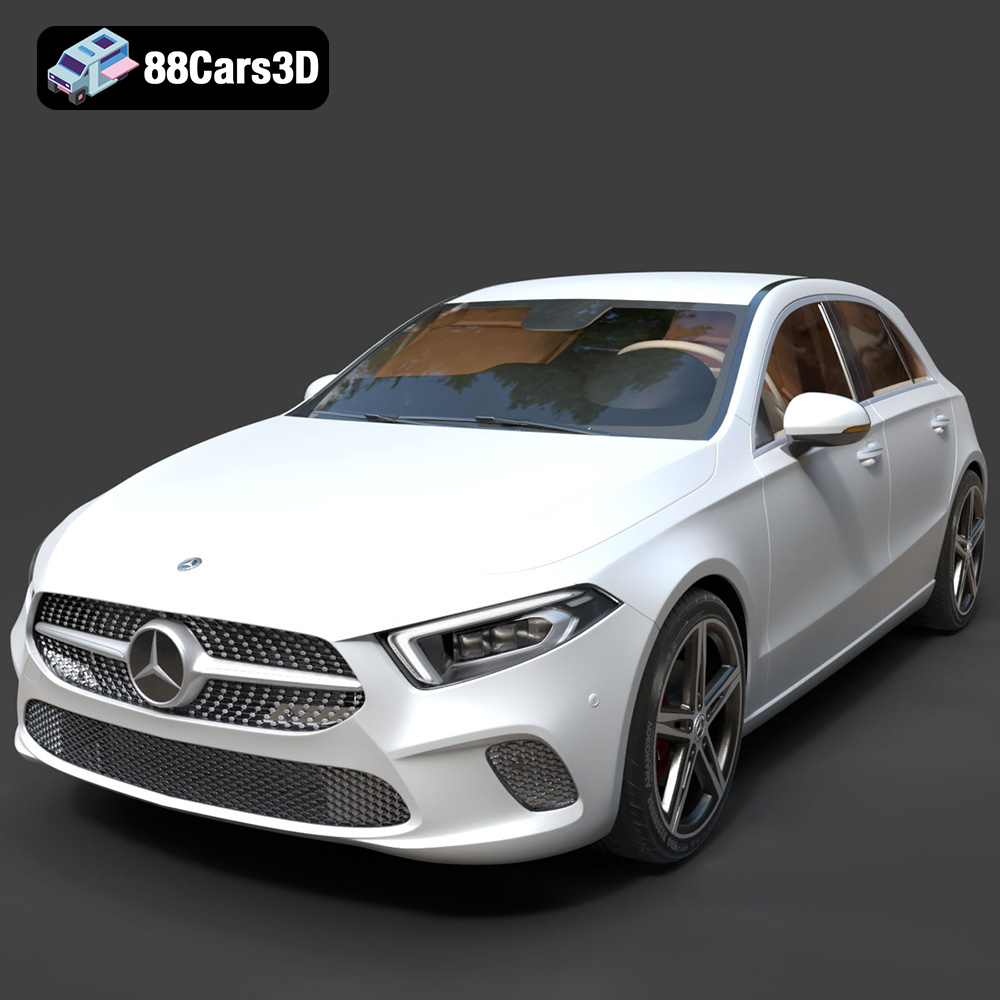
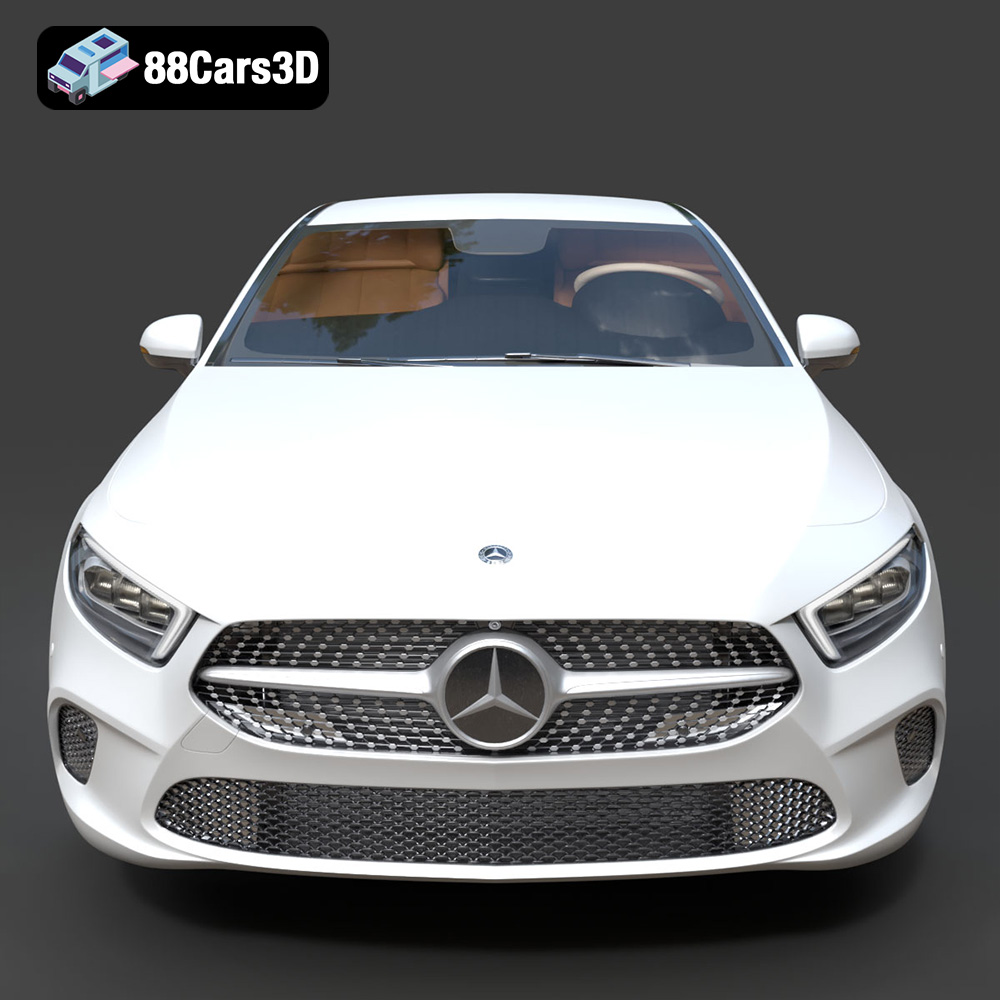
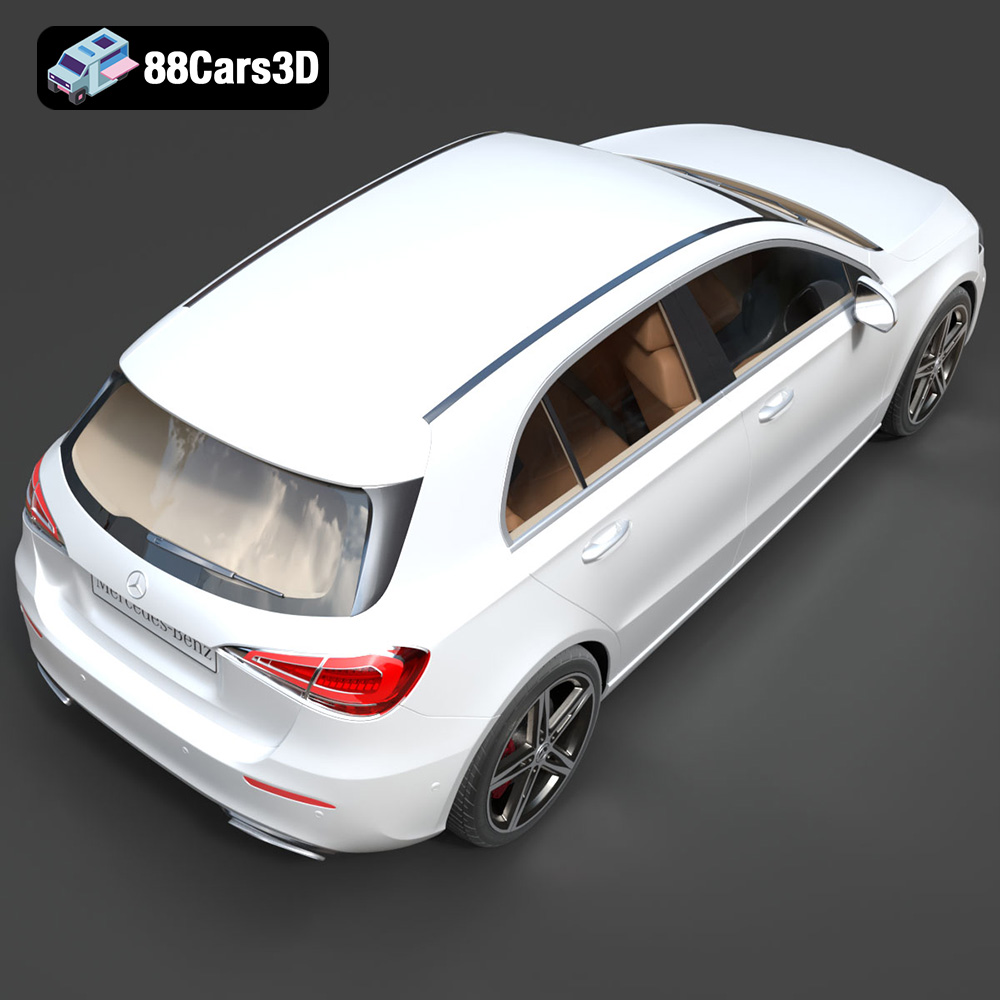
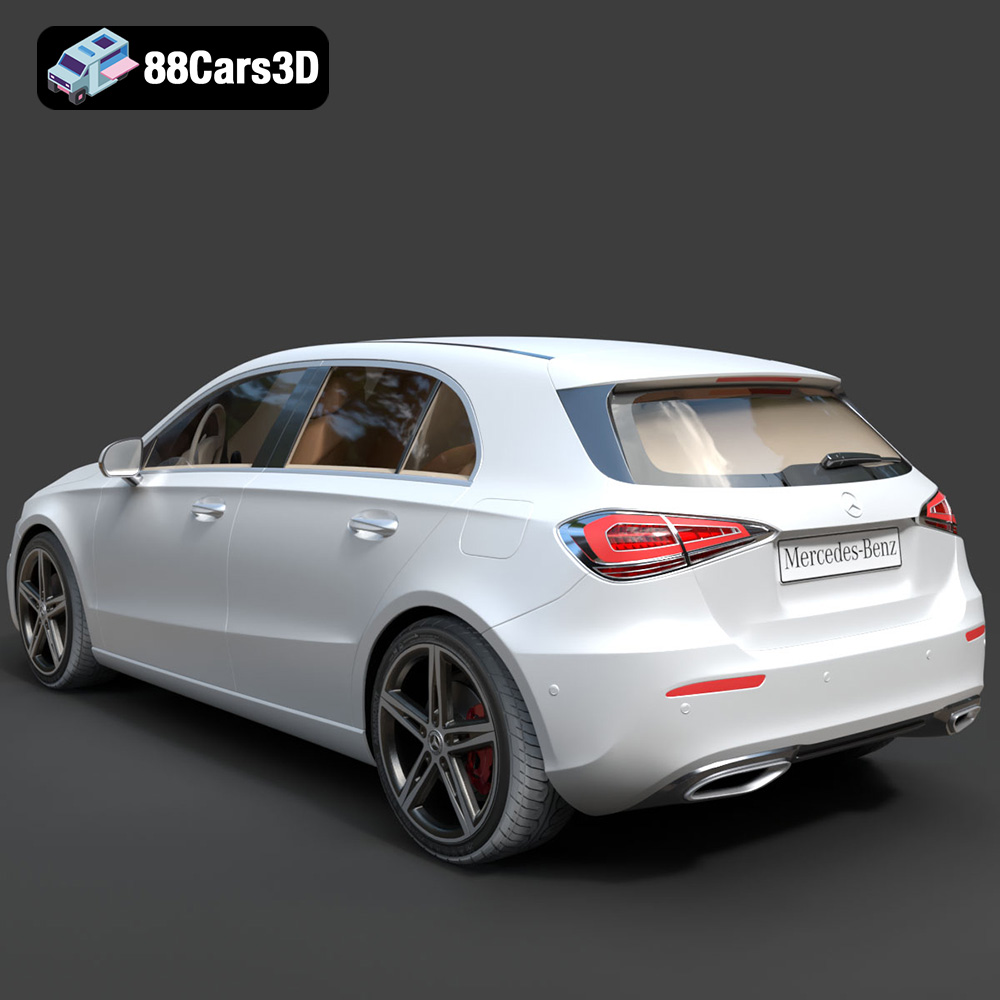
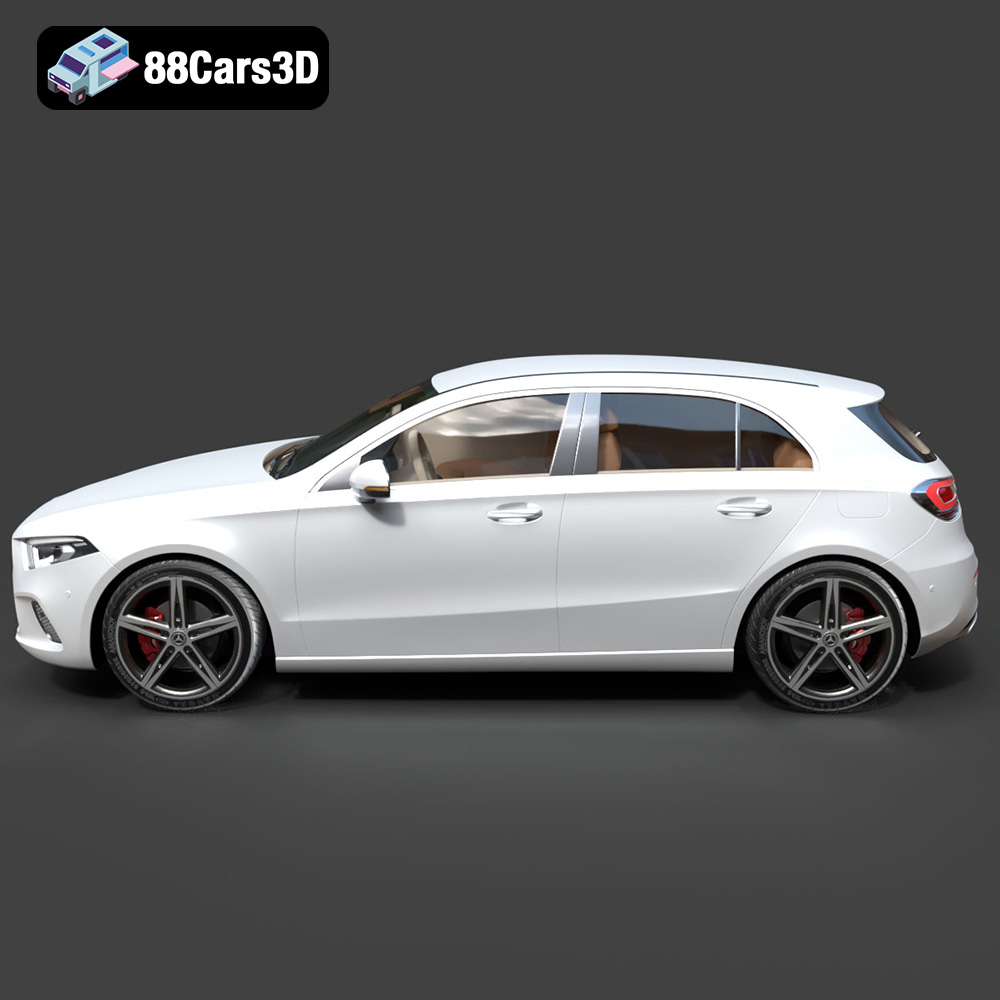
The exterior of any car model is its immediate visual statement. For the Mercedes Benz A H-08, this means replicating its aggressive front fascia, signature grille, and sleek aerodynamic lines with absolute accuracy. Details like the intricate LED headlight assemblies and signature taillight clusters are not just textures; they are often separate, meticulously modeled geometric elements designed to catch and reflect light realistically. The authentic multi-spoke alloy wheels, complete with high-resolution tire tread patterns, further enhance the realism. Even the precision-modeled dual exhaust system and accurately modeled suspension components speak to the depth of detail, ensuring that the model holds up under close scrutiny and dynamic camera angles in automotive rendering projects.
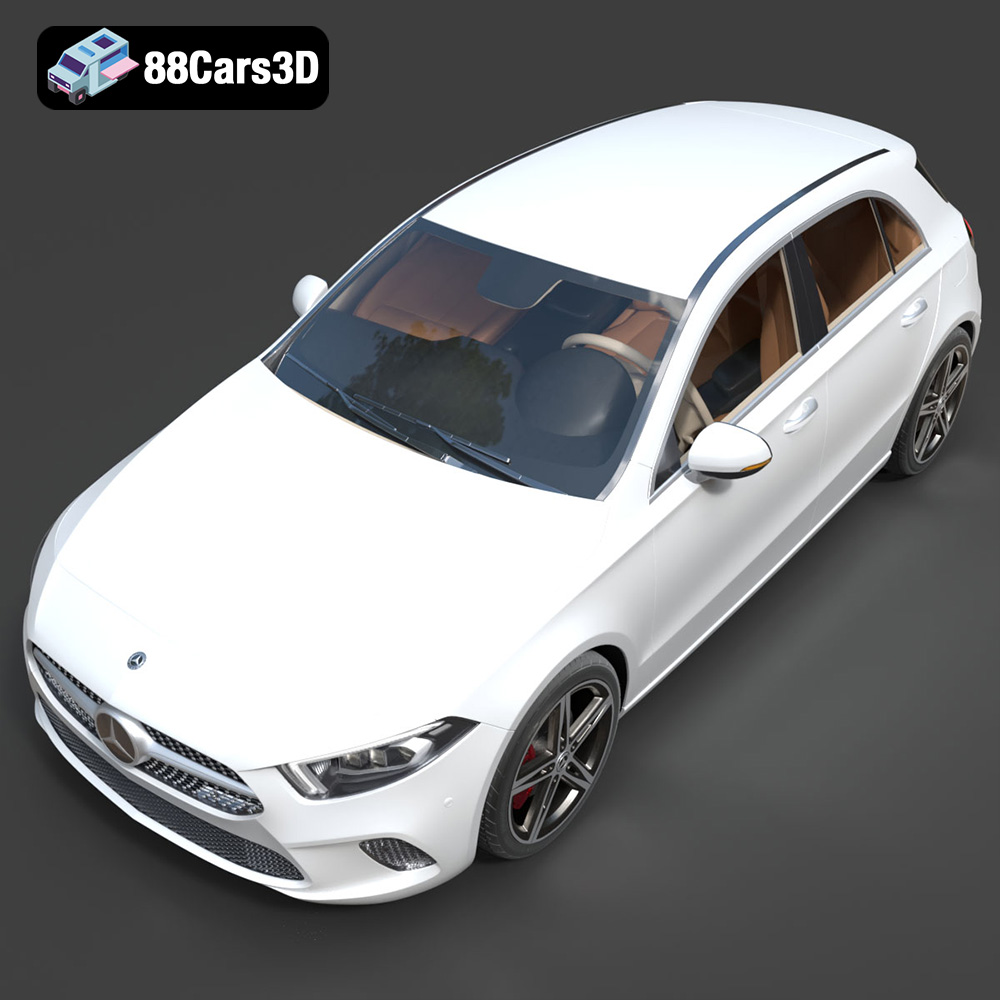
While often seen less in external renders, a detailed interior is crucial for applications like first-person game views, virtual showrooms, or close-up marketing materials. The Mercedes Benz A H-08 model boasts a luxurious ergonomic seating with accurate material textures, a multifunction steering wheel with a detailed center emblem, and a high-tech dual-screen digital instrument cluster and infotainment panel. These elements are not just visually appealing but are also optimized geometry, ideal for realistic first-person POV in gaming or for creating interactive configurators in AR/VR. The inclusion of accurate driver controls, pedals, and center console elements completes the immersive experience.
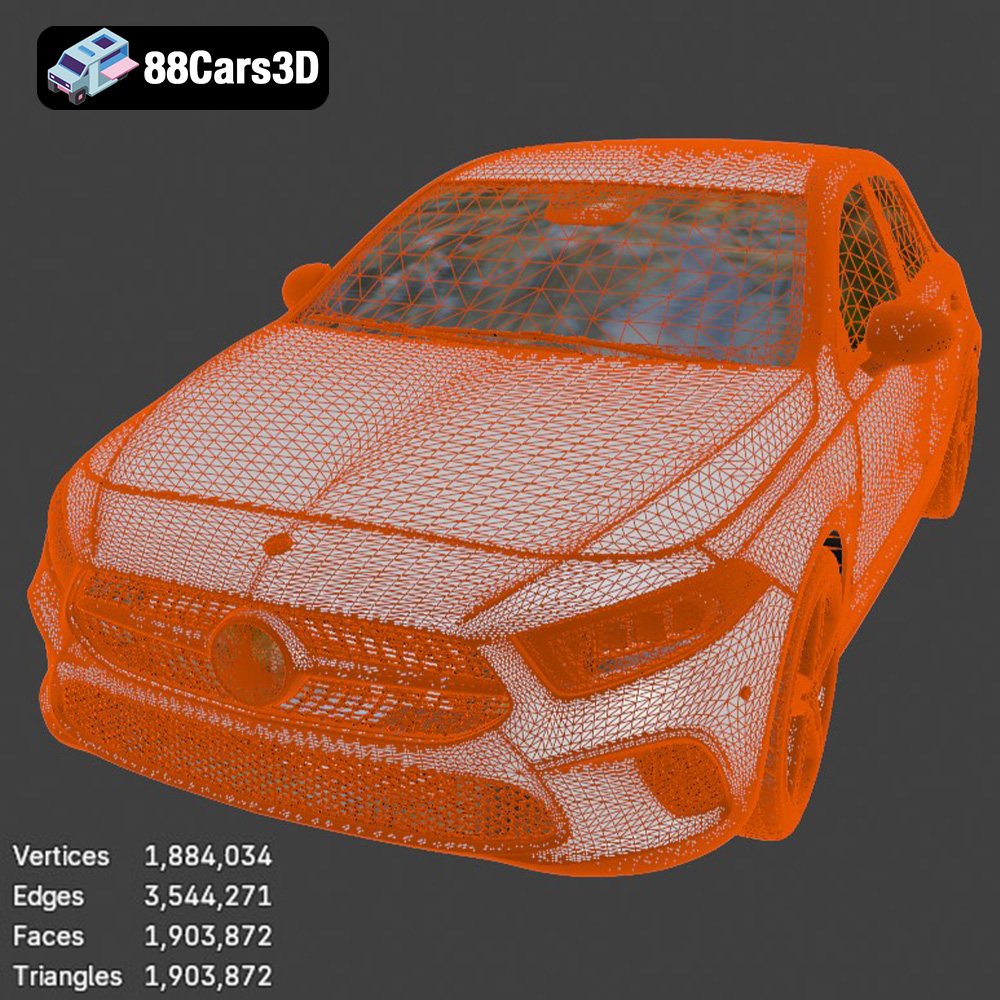
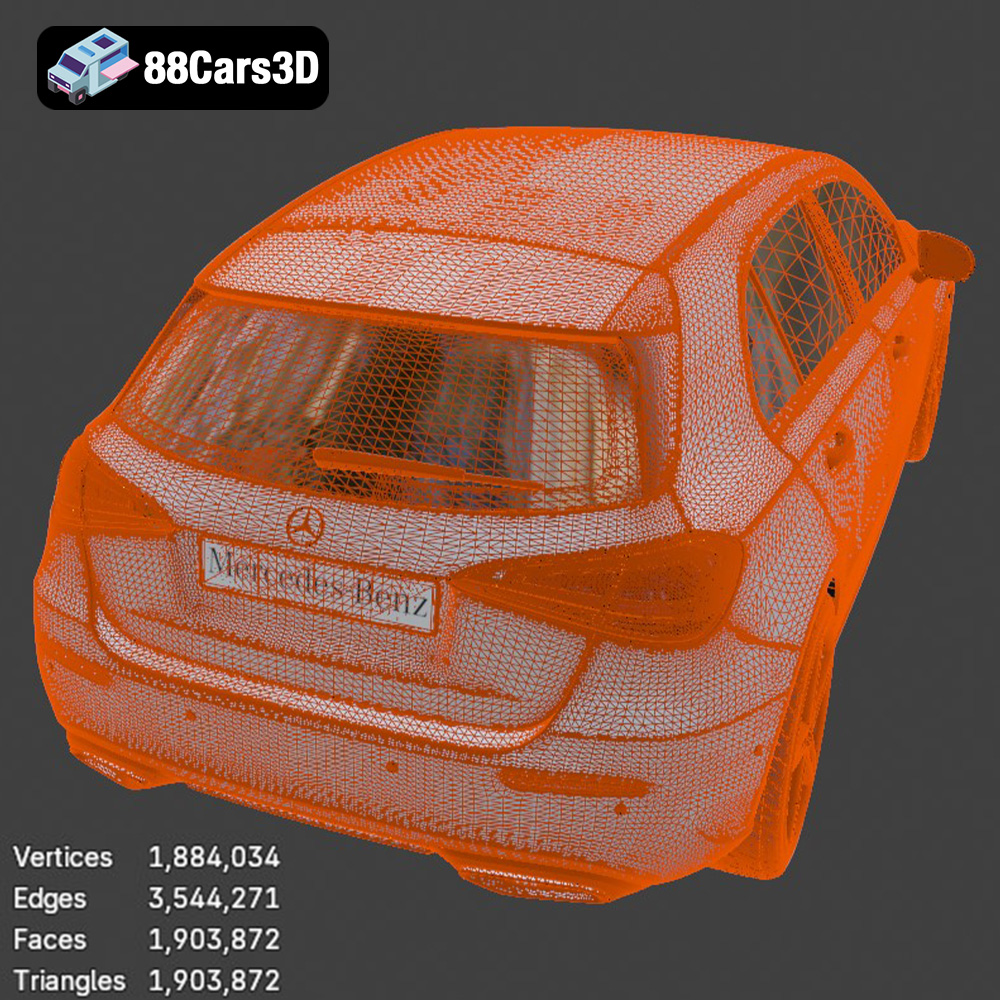
High poly counts can deliver incredible visual fidelity, but without proper optimization, they can cripple performance, especially in real-time engines. The Mercedes Benz A H-08 model strikes an impressive balance with its 1,903,872 triangle count. This is a game-ready and optimized polycount that delivers photorealistic visual realism without excessive overhead, making it perfectly suited for next-gen real-time engines like Unreal and Unity. Furthermore, real-world scale accuracy, based on actual vehicle chassis, ensures that the model integrates seamlessly into scenes. Proper pivot setups for steering, wheel rotation, and suspension travel are critical for animation, allowing for dynamic and believable vehicle movement without complex rigging setups from scratch. This technical consideration makes the model highly functional as a professional game asset.
The versatility of a high-quality 3D car model like the Mercedes Benz A H-08 extends across a multitude of industries, empowering creators to achieve stunning visuals and interactive experiences. Its robust design and varied file formats ensure it can be adapted to almost any digital project.
For game developers, the Mercedes Benz A H-08 is an invaluable game asset. Its optimized polycount and clean topology make it ideal for integration into open-world games, racing titles, and realistic simulators. The separate wheels, suspension, and steering components are a massive advantage, allowing developers to easily animate realistic vehicle physics and handling. Imagine racing this sleek hatchback through a bustling urban environment or showcasing it in a virtual garage in a high-fidelity simulator. The ‘game-ready’ nature and compatibility with Unreal Engine and Unity mean less time spent on optimization and more on crafting compelling gameplay experiences. For studios seeking premium 3D car models, assets like these from 88cars3d.com significantly accelerate production workflows.
In architectural visualization (arch-viz) and cinematic rendering, vehicles are often used to ground a scene in realism, providing scale, context, and a touch of luxury. The Mercedes Benz A H-08 model, with its exceptional detail and photorealistic potential, is perfect for enhancing brand campaigns, lifestyle scenes, and studio lighting setups. Placing this model in front of a modern building rendering instantly elevates the scene, making it more dynamic and relatable. Its accurate material definitions allow for stunning reflections and refractions, crucial for achieving that high-end, magazine-quality visual output that clients demand. The ability to easily change body colors and adjust material finishes further enhances its utility for diverse visualization projects.
Augmented Reality (AR) and Virtual Reality (VR) are revolutionizing how consumers interact with products. The Mercedes Benz A H-08 is perfectly suited for immersive virtual showrooms, configurators, and mobile AR experiences. Imagine a customer exploring the car’s interior in a VR headset, walking around it in AR on their driveway, or customizing its paint and wheels in real-time. The .glb format is particularly beneficial here, offering efficient loading and optimal performance for these interactive applications. This level of immersion transforms a simple product viewing into an engaging, memorable experience, providing a powerful marketing tool for automotive brands.
Beyond digital displays, the Mercedes Benz A H-08 model can transcend the screen to become a physical object. Convertible to .stl format, it caters to display-scale hobbyists and prototyping needs. The provided 3D print settings, recommending resin printing for fine details, specific layer heights, and support requirements, ensure successful physical reproductions. Whether it’s a 1:12 scale model for a collector’s shelf or a rapid prototype for design review, the accuracy of the digital model translates directly to the quality of the printed output, bridging the gap between virtual and tangible.
Integrating a high-quality 3D car model into professional workflows requires a strategic approach, leveraging the strengths of different software platforms. The Mercedes Benz A H-08 model’s comprehensive file format support makes it a flexible asset across various pipelines.
For artists working with 3ds Max, the native .max file provides the ultimate starting point. Users can open the complete scene, including V-Ray or Corona Renderer materials, and immediately begin setting up advanced lighting and rendering scenarios. The separated components (wheels, steering, suspension) mean artists can easily create complex animations, such as a car driving over uneven terrain or performing realistic turns. Leveraging 3ds Max’s robust modeling and animation tools, combined with its industry-leading render engines, allows for the creation of cinematic-quality automotive renders and animations, perfect for high-impact marketing campaigns.
The .fbx format is the preferred method for importing the Mercedes Benz A H-08 into Unreal Engine. Once imported, developers can leverage Unreal’s powerful PBR material system to recreate the car’s metallic paint, reflective glass, and interior textures with incredible realism. The “game-ready” optimization ensures smooth performance. Further steps might include setting up collision meshes, creating various Levels of Detail (LODs) to optimize performance at different distances, and integrating the model into a vehicle blueprint for realistic driving mechanics, sound, and interactive features. This allows for rapid prototyping and deployment of the car in real-time simulations, games, or architectural walkthroughs.
Blender users benefit immensely from the .blend file. This provides full access to the model’s geometry and materials within a familiar environment. Artists can take advantage of Blender’s powerful modeling tools to customize the vehicle further, perhaps adding unique body kits, spoilers, or even integrating it into a larger scene. Blender’s sculpting tools could be used for minor adjustments or to add wear and tear effects. For those focused on game development but starting in Blender, the .fbx export from Blender ensures the customized model transfers cleanly to game engines, maintaining all the necessary data for real-time performance. This flexibility allows for bespoke modifications without compromising the model’s inherent quality.
A truly versatile 3D model offers more than just static beauty; it provides a canvas for creativity and adaptability. The Mercedes Benz A H-08 model is designed with customization in mind, ensuring its longevity and utility in future projects.
The ability to easily change body colors, modify tire textures, and adjust material finishes (matte, gloss, metallic, carbon fiber) is invaluable. This versatility allows artists to quickly adapt the car to different brand aesthetics, seasonal campaigns, or client preferences without having to rework the core model. Utilizing PBR workflows ensures that these material changes react realistically to various lighting conditions, maintaining visual fidelity across diverse rendering environments. This level of control makes the model an agile asset for design iterations and creative exploration.
The separate components (wheels, suspension, steering) and proper pivot setups are critical for animation. This pre-configured readiness saves countless hours of rigging and setup, allowing animators to dive straight into creating dynamic sequences. Whether it’s a simple drive-by shot, a complex chase scene, or an interactive vehicle configurator demonstrating suspension travel, the Mercedes Benz A H-08 model is built to move. This not only enhances its value but also future-proofs it against evolving animation demands.
The landscape of 3D visualization and interactive media continues to expand at an astonishing rate, driving an ever-increasing need for high-quality, versatile 3D assets. Premium 3D car models are at the forefront of this demand, providing the detailed realism and technical flexibility required for success in diverse industries, from cutting-edge game development to sophisticated architectural visualization and immersive AR/VR experiences.
The Mercedes Benz A H-08 3D Model exemplifies what a professional-grade asset should be: meticulously detailed, technically optimized, and compatible with a wide array of software and platforms. Its comprehensive offering of file formats, including .blend, .fbx, .obj, .glb, .stl, .ply, .unreal, and .max, ensures that artists and developers have the right tool for every conceivable task. Whether you are aiming for photorealistic renders, smooth real-time performance, or even a physical 3D print, this model delivers. Investing in such a high-caliber asset from reputable sources like 88cars3d.com is not just a purchase; it’s an investment in efficiency, quality, and the boundless creative potential of your digital projects.
Experience the precision and modern luxury of the Mercedes Benz A H-08 with this exceptionally detailed 3D model. Capturing the iconic heritage and sleek aerodynamics of the renowned German marque, this model faithfully recreates the aggressive front fascia, prominent grille, and dynamic styling cues that make this class a standout. From its meticulously crafted exterior bodywork to the finely detailed lighting clusters, every curve and contour reflects the premium quality expected from Mercedes-Benz.
$83.50
.blend
.fbx
.glb
.hatchback
.max
.obj
.ply
.rendering
.stl
.unreal
a-class
car-3d-model
game asset
game-ready
high poly
luxury car
mercedes-benz
mercedes-benz-a
optimized
VR/AR