Get 20% OFF All Premium 3D & STL Models!

In the dynamic world of digital visualization, the demand for impeccably crafted 3D assets has never been higher. From breathtaking cinematic sequences and immersive virtual reality experiences to cutting-edge game development and precision architectural renders, high-quality 3D car models stand as a testament to both artistic skill and technical prowess. They are the cornerstone of authentic automotive rendering, providing the foundational realism that captivates audiences and conveys true luxury and performance. Whether you’re a seasoned game developer striving for next-gen realism, an architect integrating vehicles into a grand design, or an animator bringing dynamic scenes to life, the quality of your 3D models dictates the fidelity of your final output.
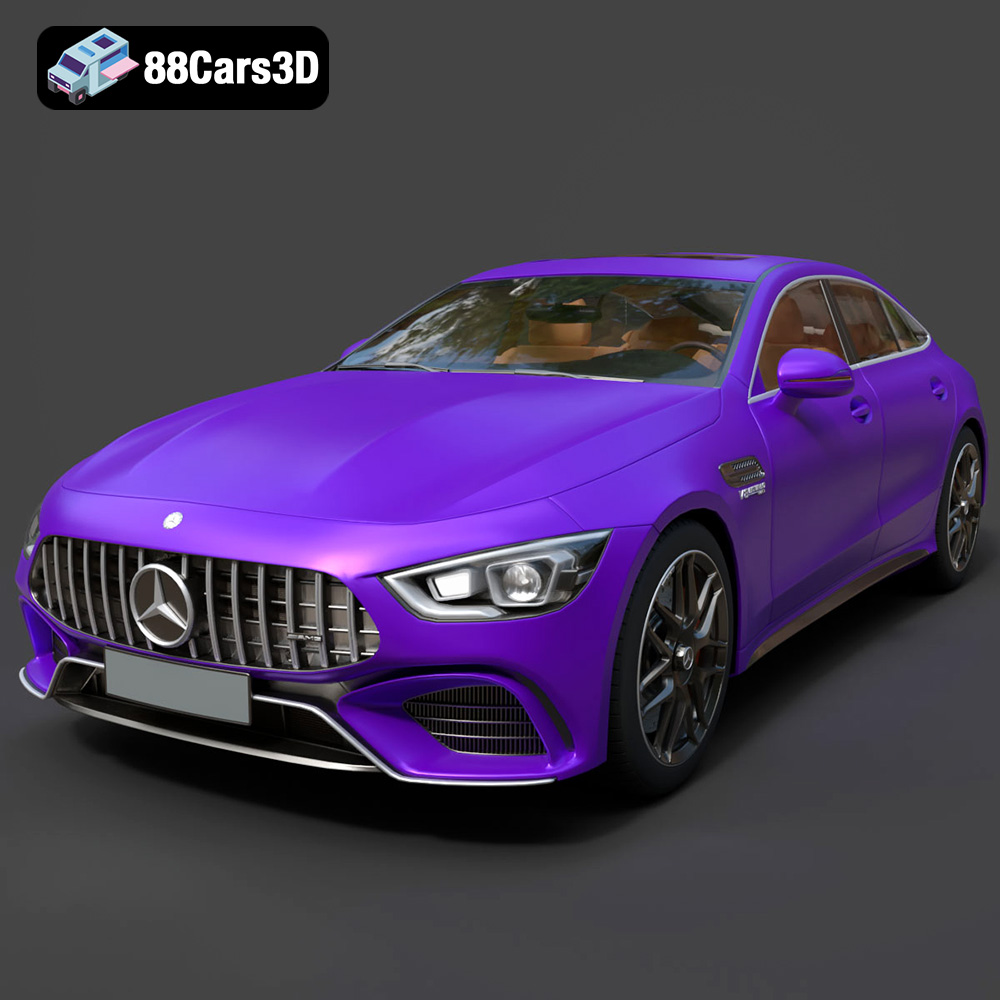
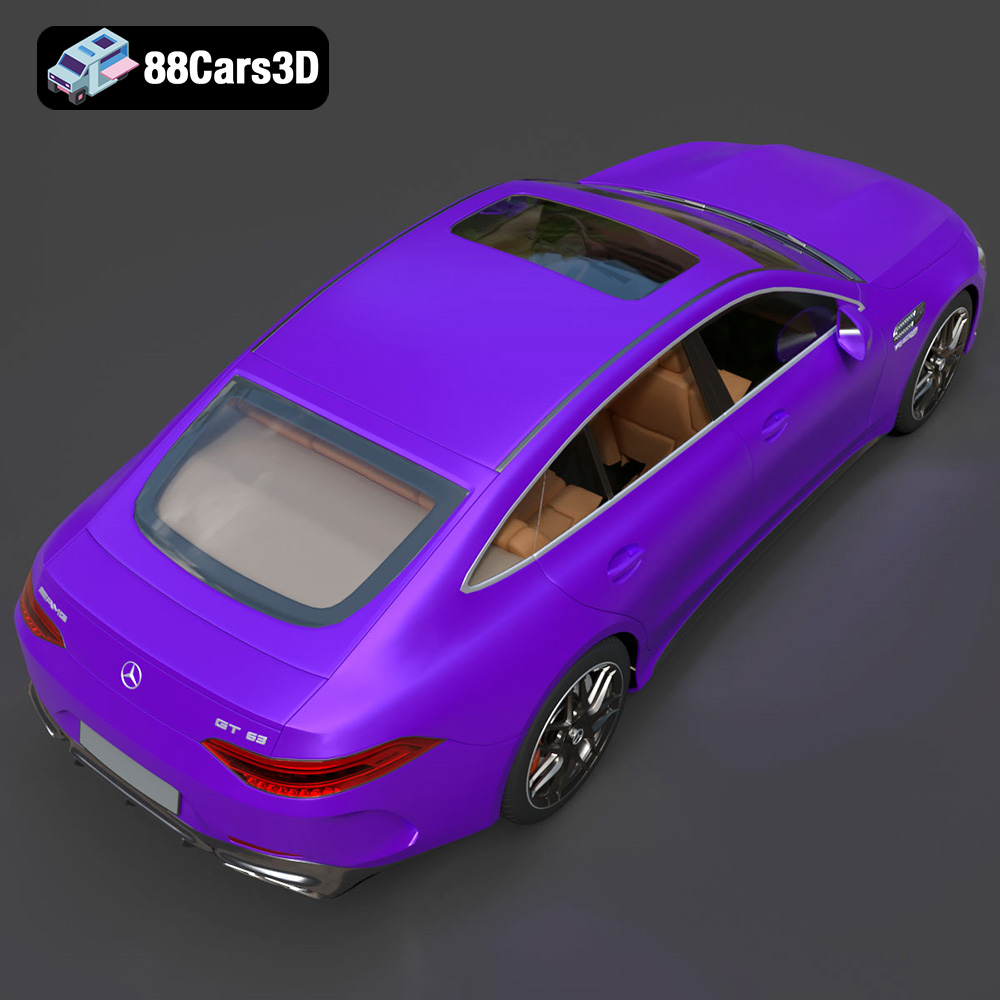
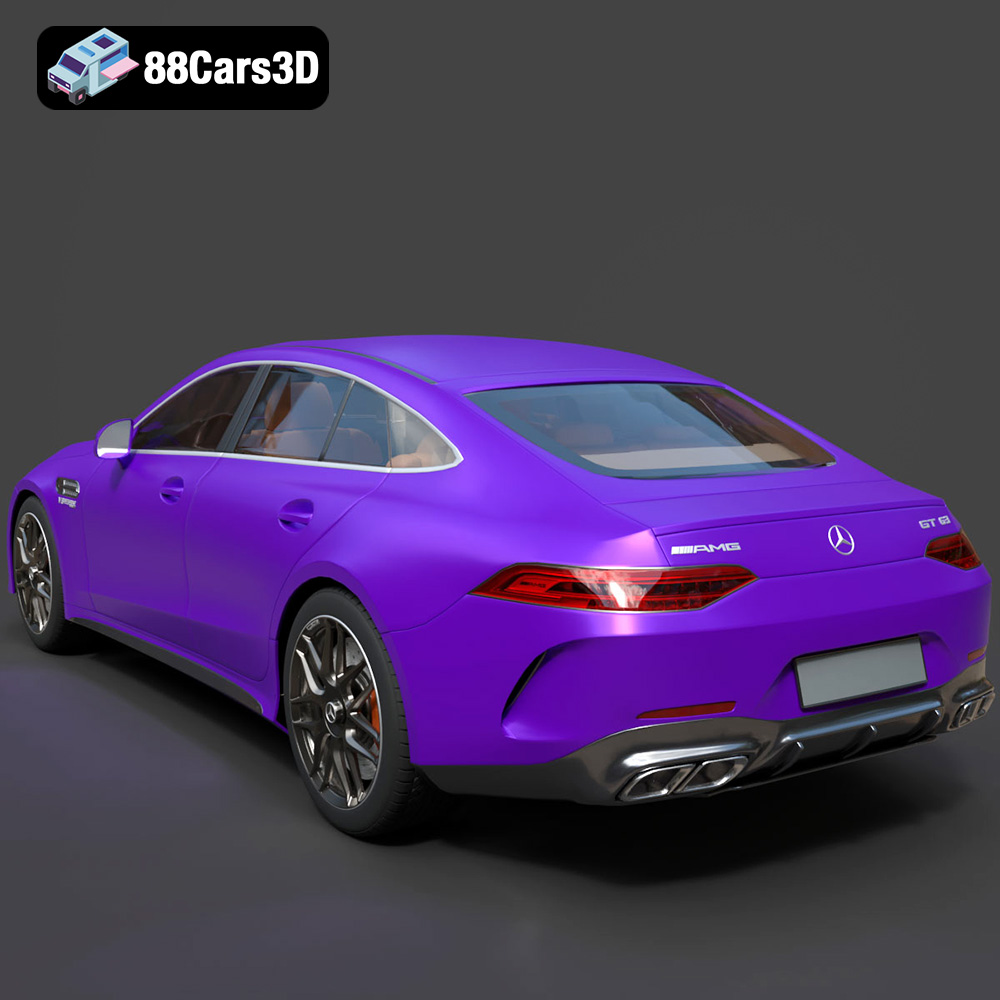
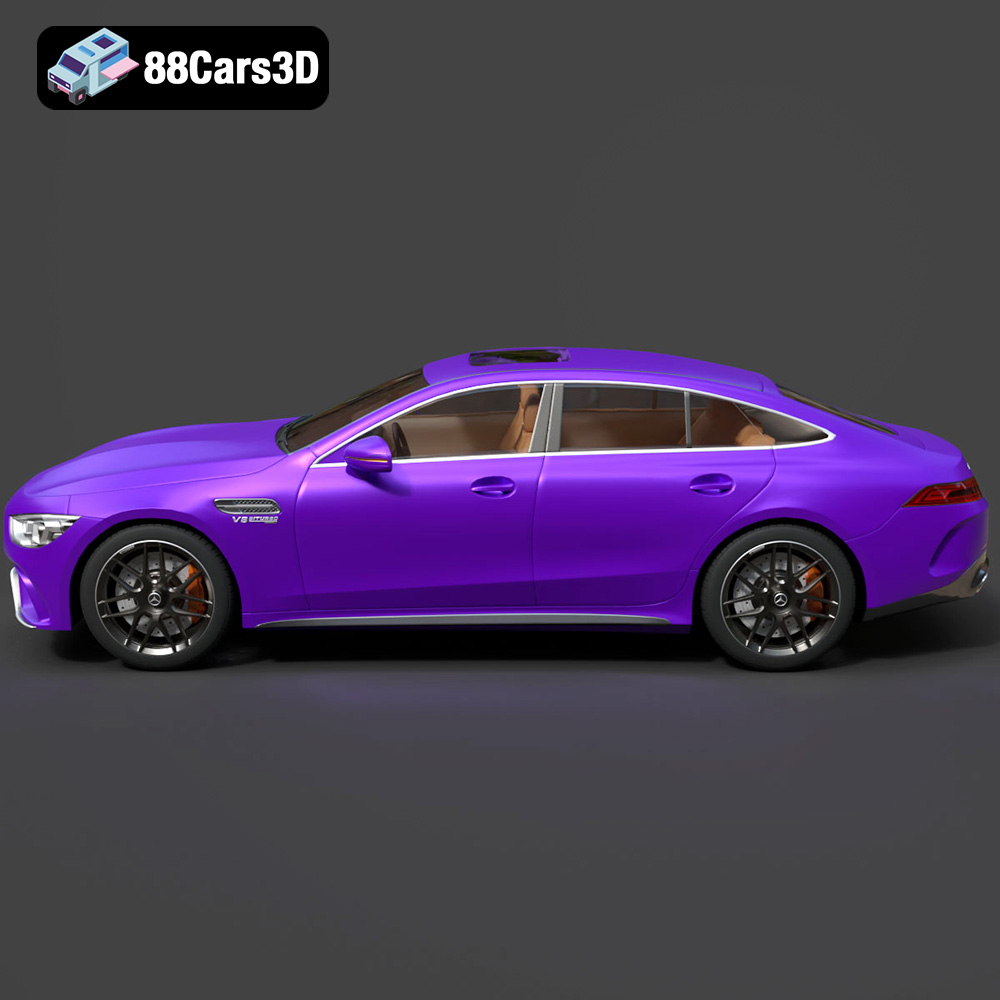
Today, we’re taking an in-depth look at what makes a premium 3D vehicle asset truly exceptional, exemplified by the stunning Mercedes-Benz AMG GT 63 3D model. This isn’t just a digital representation; it’s a meticulously engineered asset designed to meet the rigorous demands of professional production environments, offering an unparalleled blend of intricate detail and optimized performance. The journey from concept to a fully realized digital car is complex, involving countless hours of modeling, texturing, and optimization, all to ensure that every curve, every reflection, and every interior stitch contributes to a truly convincing digital experience.
The versatility and usability of any 3D model are heavily dependent on the file formats it supports. Different formats are optimized for various stages of the production pipeline, from initial modeling and animation to real-time engine integration and even physical production like 3D printing. Understanding these formats is crucial for selecting the right asset for your project and ensuring seamless interoperability across different software platforms. The Mercedes-Benz AMG GT 63 3D model from 88cars3d.com, for instance, offers a comprehensive suite of formats, catering to virtually every professional need.
The `.blend` file is Blender’s native format, containing an entire scene, including mesh data, materials, textures, lighting, cameras, animation data, and even physics simulations. For artists and studios primarily working in Blender, this format offers the most flexibility. It allows full editability of the model’s topology, UVs, and materials directly within the software, making it ideal for customization, rigging, and advanced animation setups. If you plan to extensively modify the model or leverage Blender’s powerful rendering engines like Cycles or Eevee, the `.blend` file is your go-to.
The Filmbox, or `.fbx`, format is arguably the most widely adopted interchange format in the 3D industry. Developed by Autodesk, it excels at transferring 3D data, including geometry, materials, textures, rigging, and animation, between various 3D applications such as 3ds Max, Maya, Cinema 4D, and critically, game engines like Unreal Engine and Unity. For game development, `.fbx` is indispensable due to its robust support for skeletal animations and its efficiency in handling complex scene data, making it an ideal choice for integrating high-fidelity game assets.
The Wavefront OBJ, or `.obj`, format is a venerable and widely supported format for transferring static 3D geometry and basic material information. It’s renowned for its simplicity and cross-software compatibility, making it a universal choice when you primarily need to move mesh data between different 3D applications. While `.obj` files typically don’t store animation or advanced material properties, they are excellent for raw mesh exchange and are often used as a fallback when other formats encounter compatibility issues.
The GL Transmission Format Binary, or `.glb`, is the binary version of glTF (Graphics Library Transmission Format). This format is rapidly gaining traction due to its optimization for efficient transmission and loading of 3D scenes and models in web browsers, augmented reality (AR), and virtual reality (VR) applications. `.glb` packs all necessary data – geometry, materials, textures, animations – into a single file, making it highly portable and ideal for real-time interactive experiences where file size and load times are critical.
The Stereolithography, or `.stl`, format is the de facto standard for 3D printing. It represents a 3D model as a series of connected triangles, defining only the surface geometry without color, texture, or other attributes. For hobbyists and professionals looking to bring the Mercedes-Benz AMG GT 63 3D model into the physical world, the `.stl` format is essential. It provides the necessary data for slicer software to generate print paths, enabling the creation of physical replicas with specific layer heights and infill settings.
The Polygon File Format, or `.ply`, is a relatively simple format for storing 3D data, often used in scientific and engineering applications, as well as for storing the results of 3D scanners. It can store various properties for each vertex and face, including color, transparency, and normal vectors. While not as common for general-purpose 3D asset exchange as `.fbx` or `.obj`, `.ply` offers precise mesh representation, making it valuable for CAD integration, computational analysis, or when working with highly detailed scan data.
The `.unreal` format, often referring to an asset specifically prepared or packaged for Unreal Engine, signifies a model that has undergone extensive optimization, material setup, and potentially even blueprinting within the Unreal ecosystem. While not a native file extension in the same vein as `.fbx`, its inclusion implies a highly curated asset designed for immediate deployment within Unreal Engine, often leveraging its advanced rendering capabilities and physics system without additional conversion or significant setup.
The `.max` file is the native project format for Autodesk 3ds Max, a leading software for 3D modeling, animation, and rendering. Similar to Blender’s `.blend`, a `.max` file encapsulates the entire scene, including all models, materials, textures, lighting, cameras, and animation data. For users working within the 3ds Max environment, this format provides full editability and allows access to the complete scene hierarchy, modifiers, and rendering setups, making it ideal for high-end automotive rendering and animation.
Creating a truly convincing 3D car model is a sophisticated blend of artistic intuition and rigorous technical execution. It goes far beyond simply tracing blueprints; it involves capturing the essence of a vehicle’s design language, understanding its engineering principles, and translating them into a digital form that looks, feels, and behaves authentically.
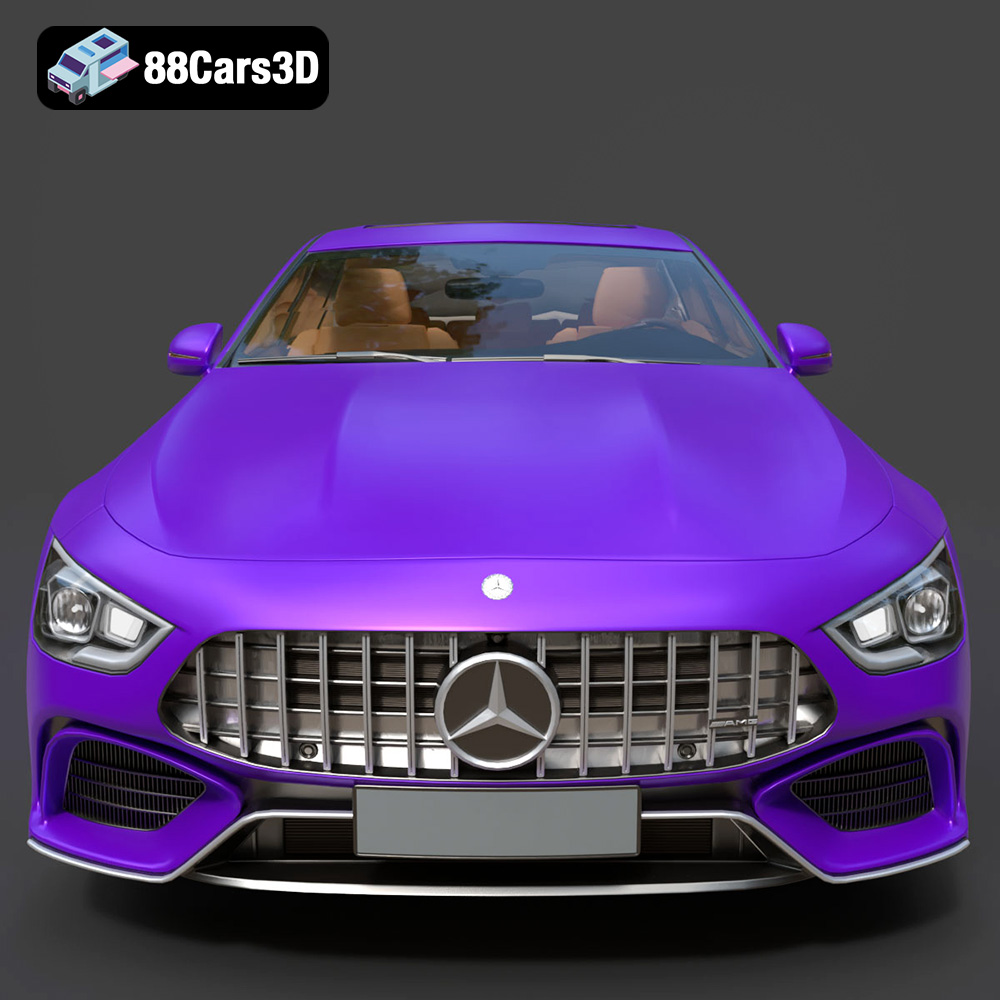
Automotive designers spend countless hours perfecting every curve, every vent, and every panel gap to create a distinct aesthetic. A high-quality 3D model must honor this by meticulously replicating these details. For a car like the Mercedes-Benz AMG GT 63, this means accurately modeling its aggressive aerodynamic styling, the iconic Panamericana grille, the distinct sweeping roofline, and the muscular rear haunches. These aren’t just arbitrary shapes; they are carefully sculpted elements that define the vehicle’s character and performance. The attention to detail extends to the intricate Multibeam LED headlights and ultra-slim taillights, which are as much functional components as they are artistic statements.
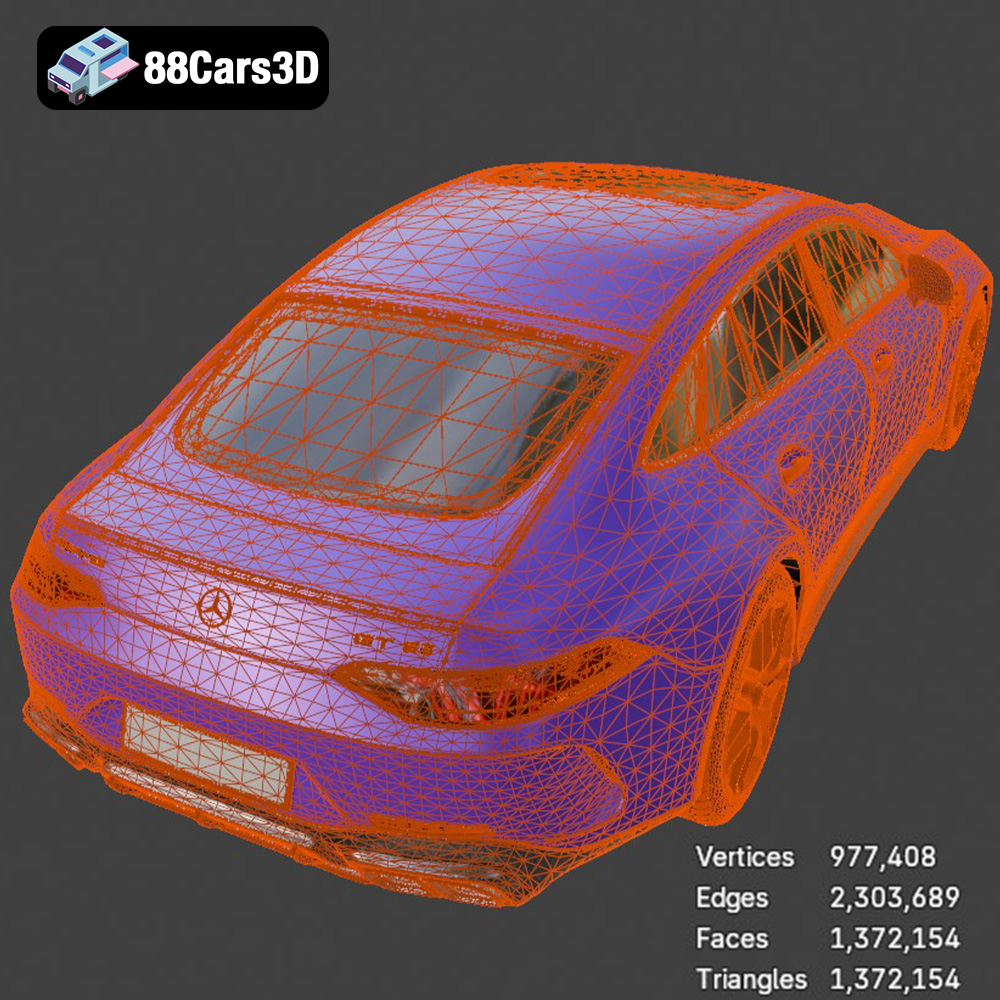
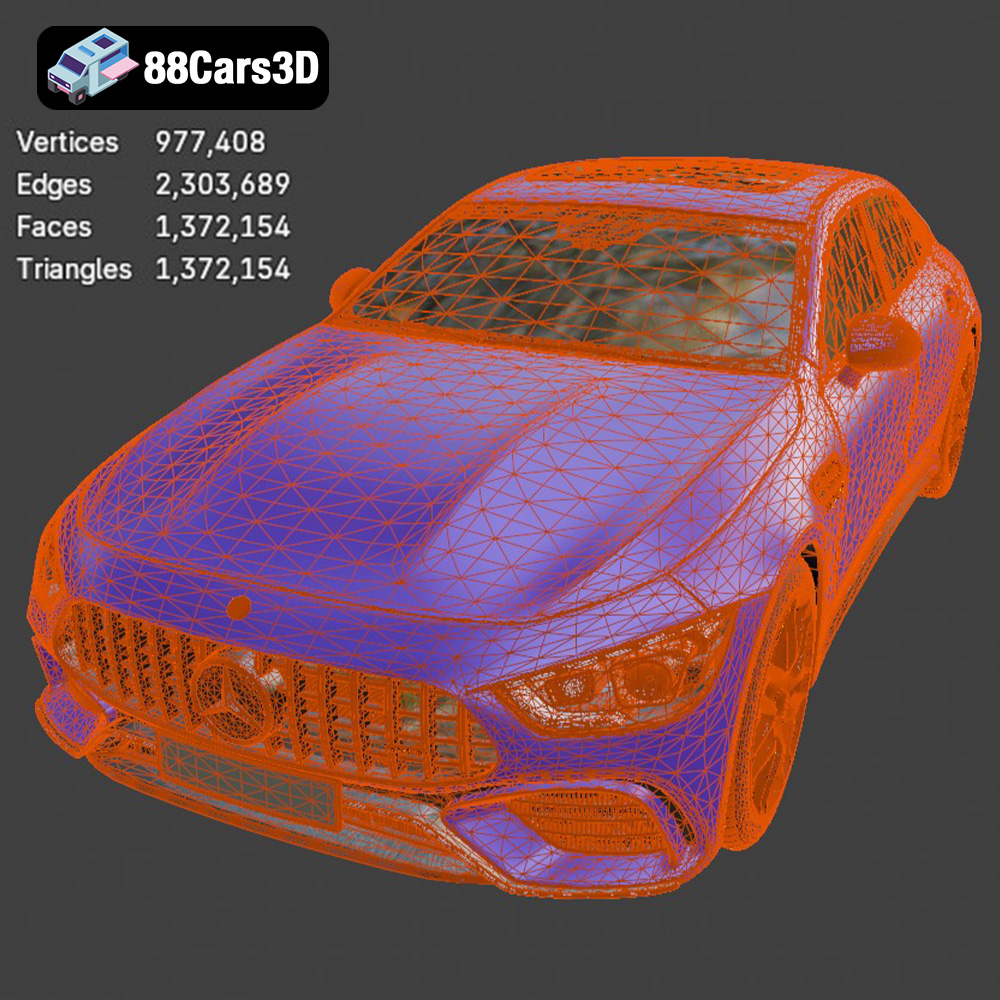
Underneath the beautiful surface lies the intricate mesh topology. This is where the science comes in. Clean, optimized topology with well-distributed polygons is crucial for smooth deformations during animation, accurate subdivision surfacing, and efficient real-time rendering. The Mercedes-Benz AMG GT 63 3D model boasts an exceptional 1,372,154 triangle count. This seemingly high number is, in fact, a carefully balanced figure that ensures ultra-high visual fidelity for close-up renders and cinematic shots, while still retaining the modularity and optimization needed for demanding real-time engines like Unreal and Unity. The mesh is structured to avoid unnecessary polygons, ensure efficient UV mapping, and prevent rendering artifacts.
The Mercedes-Benz AMG GT 63 3D model is a prime example of how technical specifications translate into tangible artistic and functional benefits across various applications. Every aspect, from its exterior features to its cockpit details, is engineered for superior digital performance.
The exterior of this model is a masterclass in replication. It goes beyond the obvious, detailing elements that are often overlooked in lesser models. The accurate frame geometry and dynamic proportions are based on the actual vehicle chassis, ensuring real-world scale accuracy. Visible engine block details and realistic cooling intakes add a layer of mechanical authenticity, particularly valuable for cutaway renders or virtual engine bay explorations. The aggressive rear diffuser featuring the signature AMG quad exhaust system isn’t just a texture; it’s a fully modeled component. High-fidelity AMG alloy wheels, wrapped in low-profile performance tires with visible cross-drilled brake rotors and accurate sport suspension details, are critical for dynamic shots and realistic physics simulations in games. Crucially, separate wheels, suspension, and steering components are provided, ready for complex animation setups.
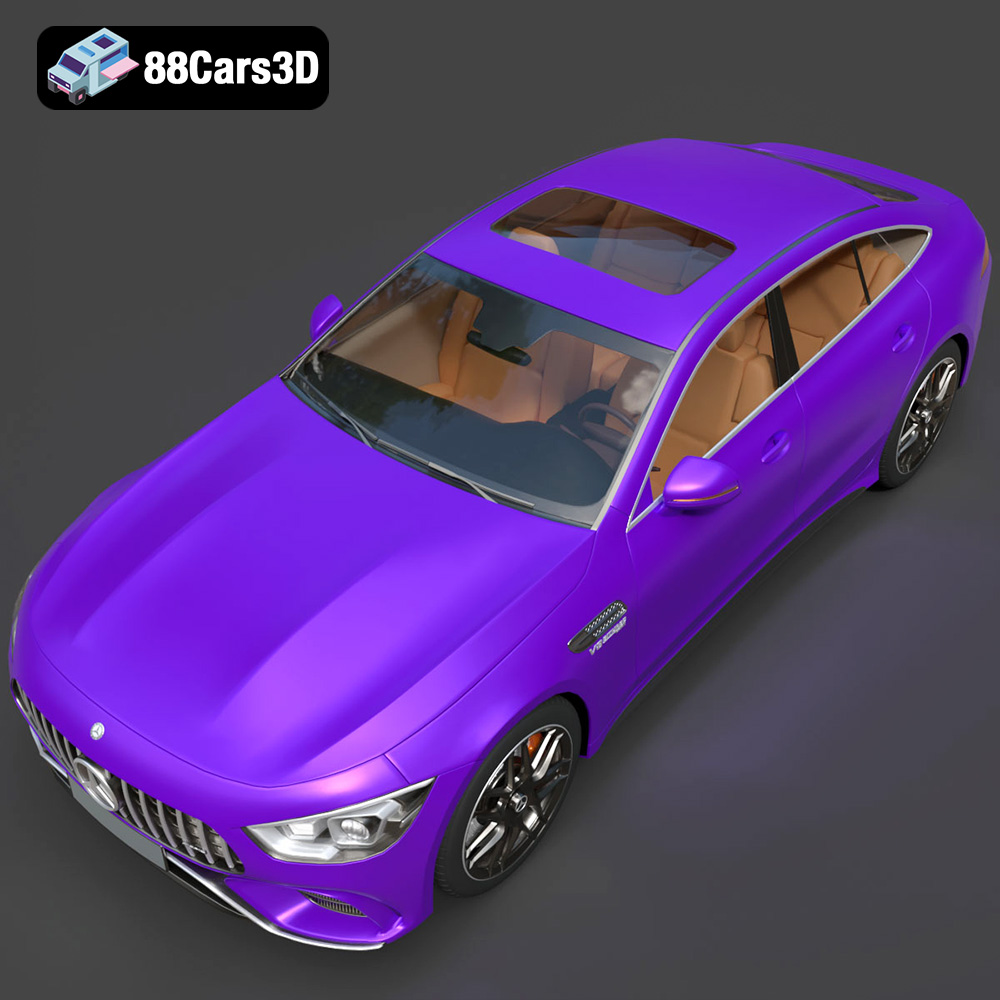
The interior of a vehicle is where a significant portion of user interaction and visual fidelity comes into play, especially for first-person perspective in games or interactive VR experiences. This AMG GT 63 model excels here with highly detailed AMG performance seats, complete with realistic stitching and bolstering. The signature flat-bottom AMG steering wheel with paddle shifters, accurate dual-screen MBUX digital instrument cluster, and the meticulously detailed center console with dynamic drive controls, gear selector, and climate vents, all contribute to an immersive cockpit experience. Optimized geometry ensures that even from a first-person POV, the details hold up without unnecessary performance overhead.
A high-quality 3D car model is not just about its visual appeal; it’s about its seamless integration into various professional workflows. The Mercedes-Benz AMG GT 63 model is designed with this versatility in mind, ready for deployment in leading industry software.
For game developers, the phrase “game-ready & optimized” is paramount. With its 1,372,154 triangle count, the AMG GT 63 model strikes a perfect balance, offering the visual realism expected in AAA racing games and open-world titles, while remaining optimized for real-time engine performance in Unreal Engine or Unity. Proper pivot setup for steering, wheel rotation, and suspension travel is critical for accurate vehicle physics and animation within game engines. Developers can import the `.fbx` or `.unreal` formats, apply the included materials, and immediately begin integrating the model into their game logic for driving mechanics, damage systems, and cinematic cutscenes. The balanced polycount prevents bogging down render budgets, allowing for more instances of the vehicle or more complex environments.
In the realm of cinematic animation and luxury lifestyle visualizations, precision and render quality are key. For artists using 3ds Max or Blender, the `.max` and `.blend` files respectively offer full editability, allowing for fine-tuning of materials, lighting, and camera angles. These formats provide access to the complete mesh and texture data, enabling artists to create stunning photorealistic renders. Imagine the Mercedes-Benz AMG GT 63 positioned against a dramatic architectural backdrop or speeding through a beautifully lit urban environment; the model’s detailed geometry and accurate materials make such high-fidelity renders achievable, perfect for brand campaigns or product showcases. The ability to customize body colors, adjust material finishes (matte, gloss, metallic), and adapt lighting allows for endless creative possibilities.
The visual fidelity of the model is greatly enhanced by its material and texture pipeline. The detailed product description implies a robust PBR (Physically Based Rendering) setup, which is standard for modern rendering and game engines. This means that materials like paint, glass, metal, and tire rubber react realistically to light, creating believable reflections and refractions. Customization options, such as changing body colors or modifying tire textures, are straightforward thanks to a well-organized material ID system and clean UV maps. This allows artists to adapt the model to specific brand guidelines or scene requirements with ease.
The utility of a meticulously crafted 3D car model extends far beyond traditional rendering. Its adaptability makes it invaluable across a spectrum of cutting-edge applications.
Augmented reality (AR) and virtual reality (VR) are transforming how consumers interact with products. The Mercedes-Benz AMG GT 63 3D model is perfect for immersive virtual showrooms or interactive configurators. Using formats like `.glb`, optimized for AR and VR, businesses can allow potential buyers to virtually walk around, explore the interior, and even customize the car in real-time. This provides an unparalleled level of engagement, enabling customers to experience the luxury and detail of the vehicle from the comfort of their home. Imagine an AR app where the AMG GT 63 appears in your driveway, perfectly scaled, allowing you to change its color or open its doors with a tap.
For enthusiasts, collectors, or even educational purposes, the ability to 3D print a physical replica of the digital model is a significant advantage. The inclusion of the `.stl` format makes this model convertible for 3D printing. With recommended settings like specific scales (1:12 / 1:18 / 1:24), layer heights, and support structures, hobbyists can bring this digital masterpiece into the tangible world. The detailed exterior and interior elements translate well into physical prints, especially with resin printing, allowing for display-scale models that capture the iconic design. Post-processing with sanding, primer, and authentic factory colors can result in stunning, high-quality physical models.
Beyond entertainment and visualization, high-fidelity 3D car models play a crucial role in professional simulation and training. Whether for driver training simulators, autonomous vehicle development, or engineering analysis, accurate vehicle models are essential. The real-world scale accuracy, proper pivot setup, and detailed suspension components of the AMG GT 63 model provide a robust foundation for realistic physics simulations, offering valuable insights and training opportunities in a safe, virtual environment.
In a crowded marketplace of digital assets, discerning professionals prioritize quality, versatility, and technical reliability. When sourcing 3D car models, especially for demanding projects, these factors are paramount. The Mercedes-Benz AMG GT 63 3D model exemplifies the highest standards available on platforms like 88cars3d.com.
A production-ready asset saves countless hours of optimization and refinement. Instead of struggling with poor topology, incorrect scale, or missing textures, artists and developers can integrate the model directly into their workflow, knowing it meets industry benchmarks. The detailed description of the Mercedes-Benz AMG GT 63 model highlights its “impeccable topology,” “real-world scale accuracy,” and “proper pivot setup,” all of which are hallmarks of a truly professional asset. These aren’t just features; they are assurances of efficiency and quality.
The provision of multiple file formats—from native `.blend` and `.max` files for full editability, to universal `.fbx` and `.obj` for broad compatibility, to specialized `.glb` for web/AR/VR, `.stl` for 3D printing, and `.unreal` for engine-specific optimization—means that this single asset can serve a multitude of purposes without requiring costly and time-consuming conversions. This versatility makes the Mercedes-Benz AMG GT 63 model a smart investment for any studio or individual working across different platforms and applications. 88cars3d.com understands the diverse needs of the modern 3D professional by offering such a wide array of options.
The world of 3D modeling is continually pushing the boundaries of realism and interactivity. High-quality 3D car models are central to this evolution, enabling creators to craft compelling visual narratives, build immersive digital worlds, and even translate digital designs into physical objects. The Mercedes-Benz AMG GT 63 3D model stands as a pinnacle of this craft, offering an extraordinary blend of visual fidelity, technical precision, and unparalleled versatility.
From its meticulous exterior details to its faithfully recreated interior, and its robust technical specifications tailored for both high-end rendering and real-time game engines, this model empowers professionals across various industries. Whether your goal is to produce stunning automotive rendering, develop the next generation of racing game assets, create captivating AR/VR experiences, or even embark on detailed 3D printing projects, this model provides the essential foundation. By leveraging assets like the Mercedes-Benz AMG GT 63 3D model, available on 88cars3d.com, creators can elevate their projects, streamline their workflows, and deliver digital experiences that truly resonate with their audience.
Experience the ultimate blend of high-performance engineering and luxury with the Mercedes-Benz AMG GT 63. Known for its aggressive aerodynamic styling, iconic Panamericana grille, and the blistering power of its bi-turbo V8 powertrain, this luxury sports coupe is a masterpiece of modern automotive design. The distinct sweeping roofline, muscular rear haunches, and signature quad-exhaust setup make it an instantly recognizable icon on any virtual road.
This premium 3D model boasts an exceptional 1,372,154 triangle count, ensuring ultra-high visual fidelity and precise surface continuity. Its impeccable topology is structured for close-up rendering and high-end automotive visualization while retaining the modularity needed for modern real-time engines. It is the perfect asset for demanding digital environments.
Perfect for AAA racing games, luxury lifestyle visualizations, architectural renders, and cinematic animations.
.blend, .fbx, .obj, .glb, .stl, .ply, .unreal, .max
Tags:
mercedes-benz, amg-gt-63, sports-car, luxury-car, high-performance, game-ready, low-poly, optimized, car-3d-model, game-asset, rendering, vr-ar, blend, fbx, obj, glb, stl, ply, unreal, max
$70.99
.blend
.fbx
.glb
.max
.obj
.ply
.rendering
.sports car
.stl
.unreal
amg-gt-63
car-3d-model
game asset
game-ready
high-performance
low-poly
luxury car
mercedes-benz
optimized
VR/AR