Get 20% OFF All Premium 3D & STL Models!

The digital realm has become an indispensable extension of the physical world, especially within the automotive industry. From concept design and engineering visualization to marketing campaigns and immersive gaming experiences, the demand for exceptionally detailed and accurate 3D car models has never been higher. These aren’t just mere representations; they are sophisticated digital assets that enable designers to innovate, developers to build realistic environments, and marketers to captivate audiences.
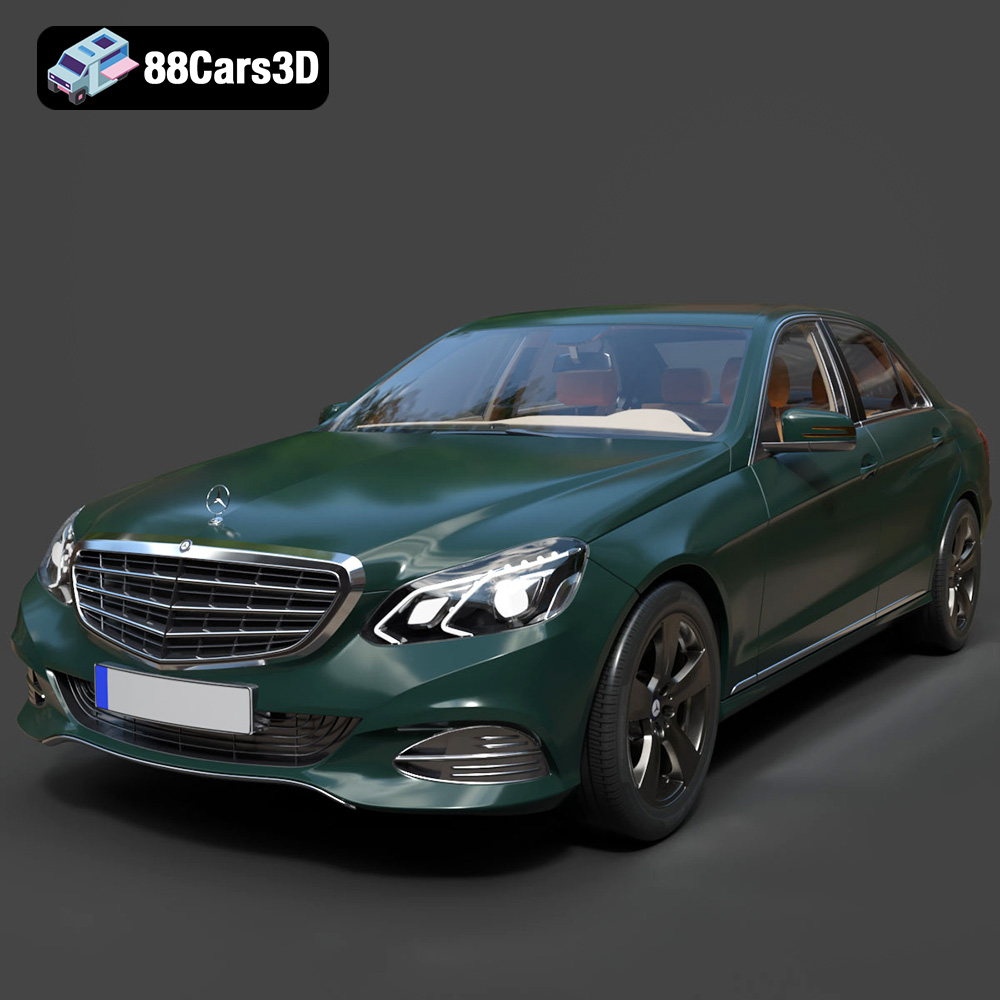
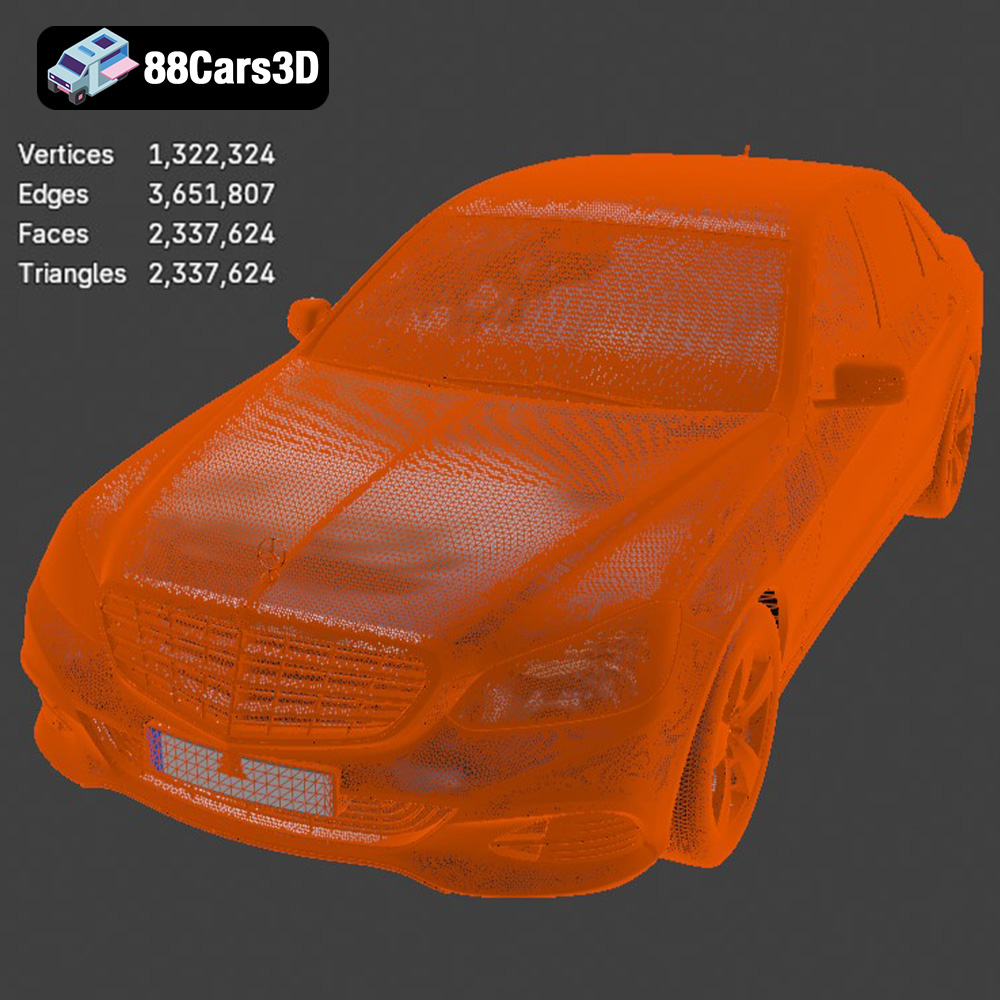
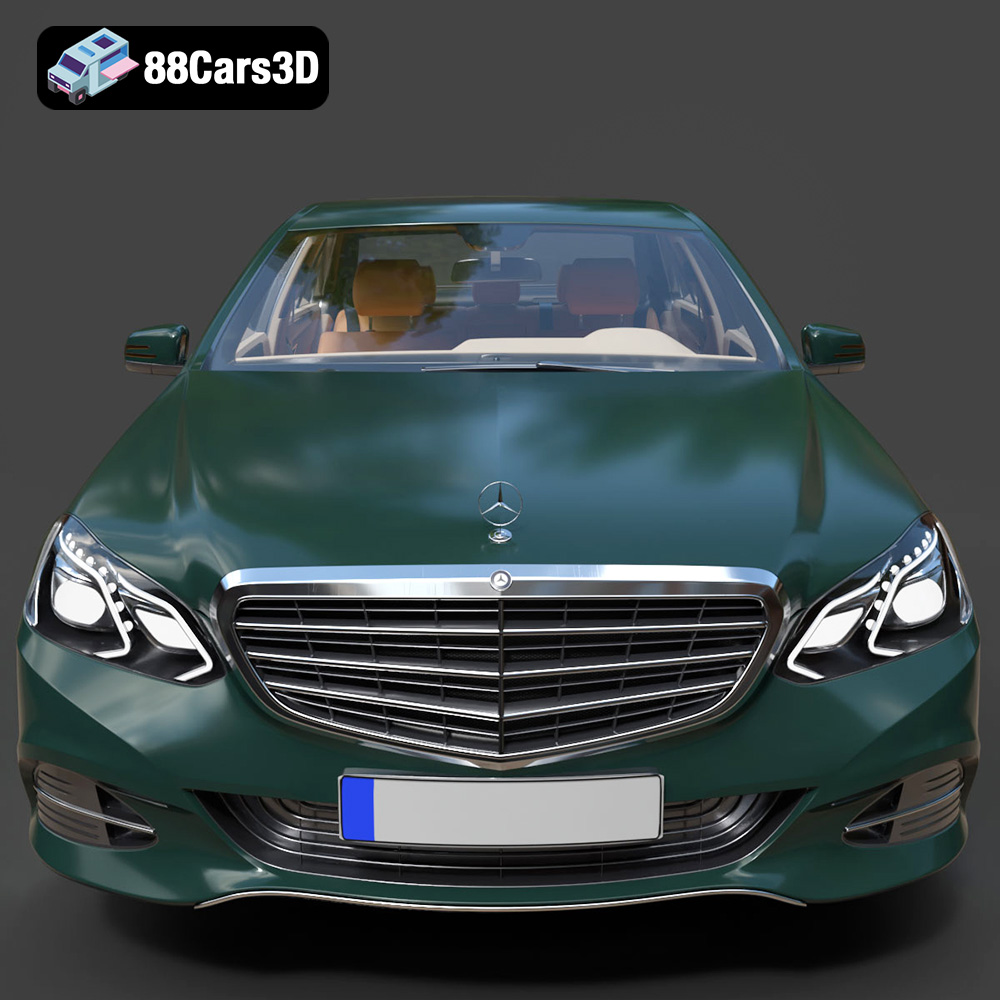
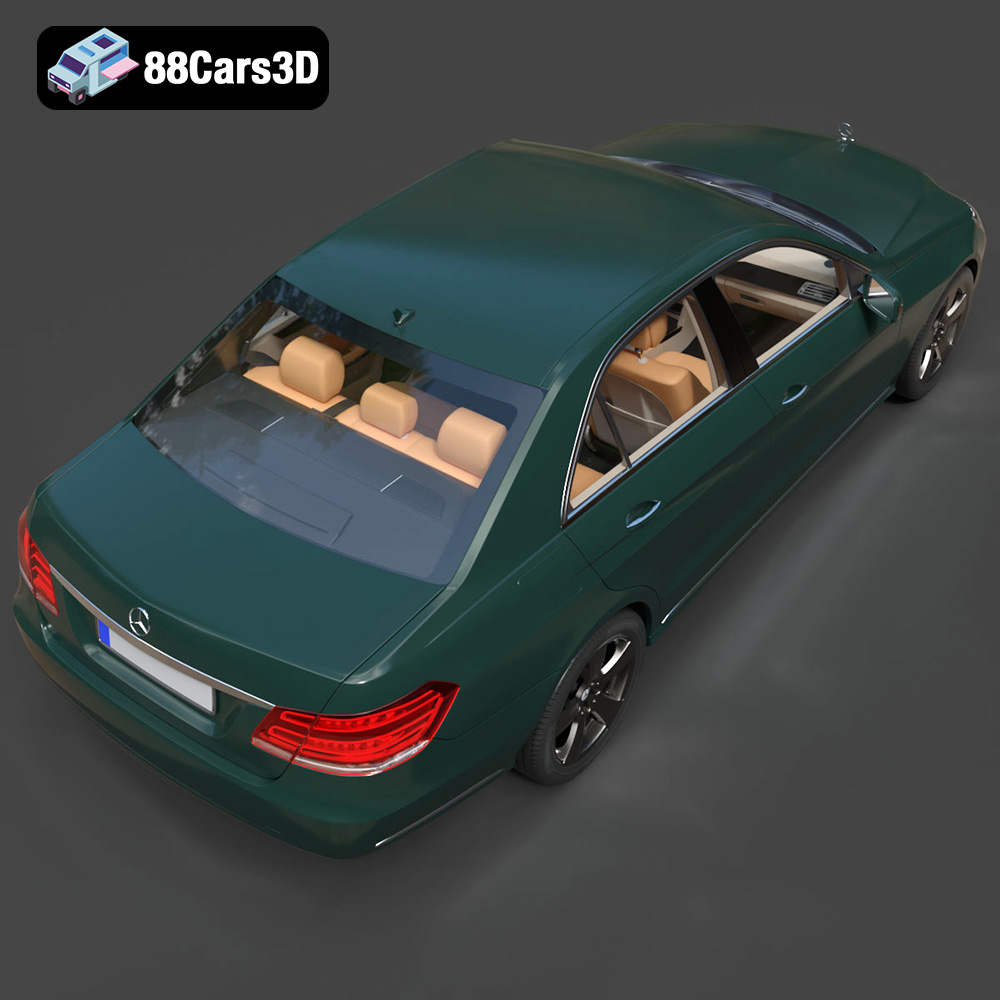
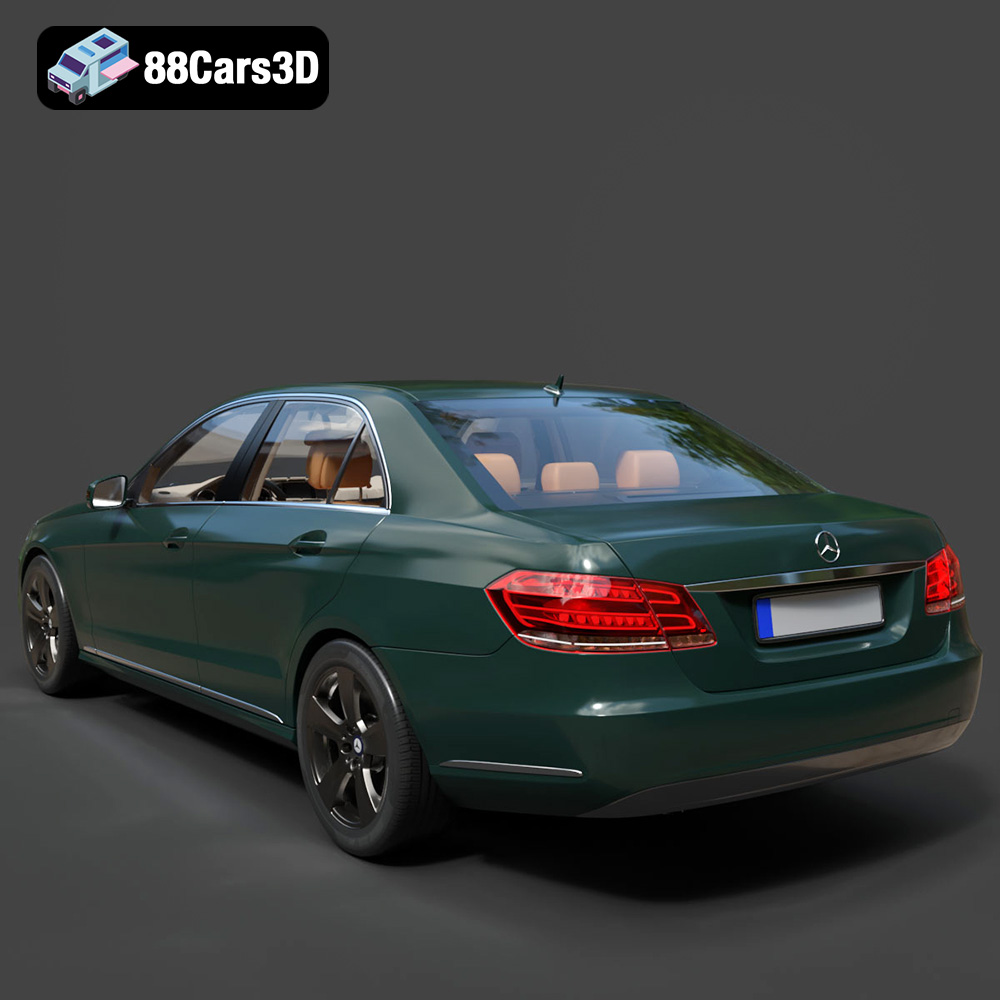
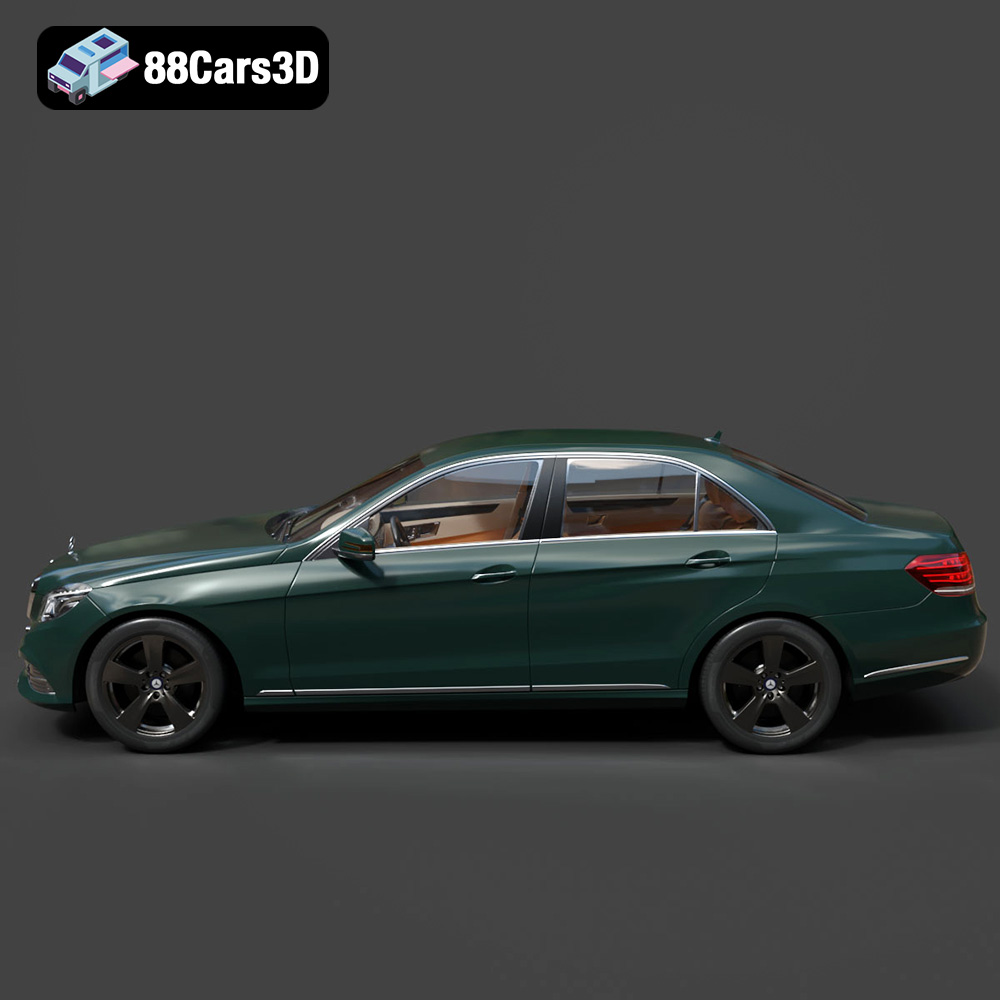
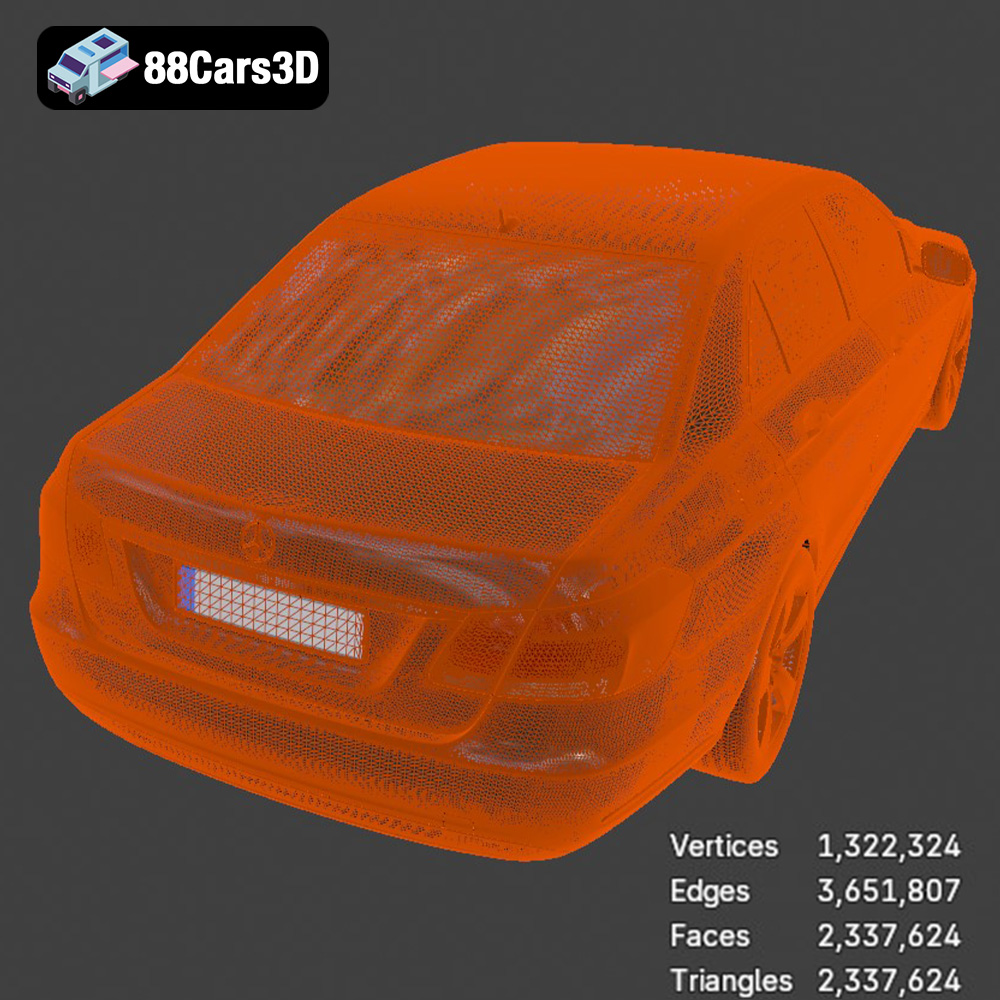
At the forefront of this digital revolution are assets like the Mercedes-Benz E13-08 3D Model, a stunning example of precision and artistic fidelity available on 88cars3d.com. This meticulously crafted model embodies the pinnacle of modern automotive design, capturing the essence of Mercedes-Benz’s iconic heritage intertwined with a visionary, forward-thinking aesthetic. Its sleek, aerodynamic silhouette, high-tech styling cues, and intricate details, from the signature front fascia to advanced LED lighting and sophisticated wheel design, are all faithfully recreated. Such a model is not just a visual treat; it’s a versatile tool engineered for peak performance across a spectrum of professional applications. With a comprehensive topology boasting 2,337,624 triangles, it is primed for next-generation rendering, high-end game engines, and immersive virtual reality environments, making it an ideal foundation for any serious project requiring unparalleled visual realism.
Creating a truly exceptional 3D car model is a delicate balance between artistic vision and rigorous technical execution. It requires an understanding of real-world physics, material properties, and design language, coupled with expertise in 3D software and optimization techniques. The goal is to produce a digital asset that not only looks convincing but also performs flawlessly within demanding professional pipelines.
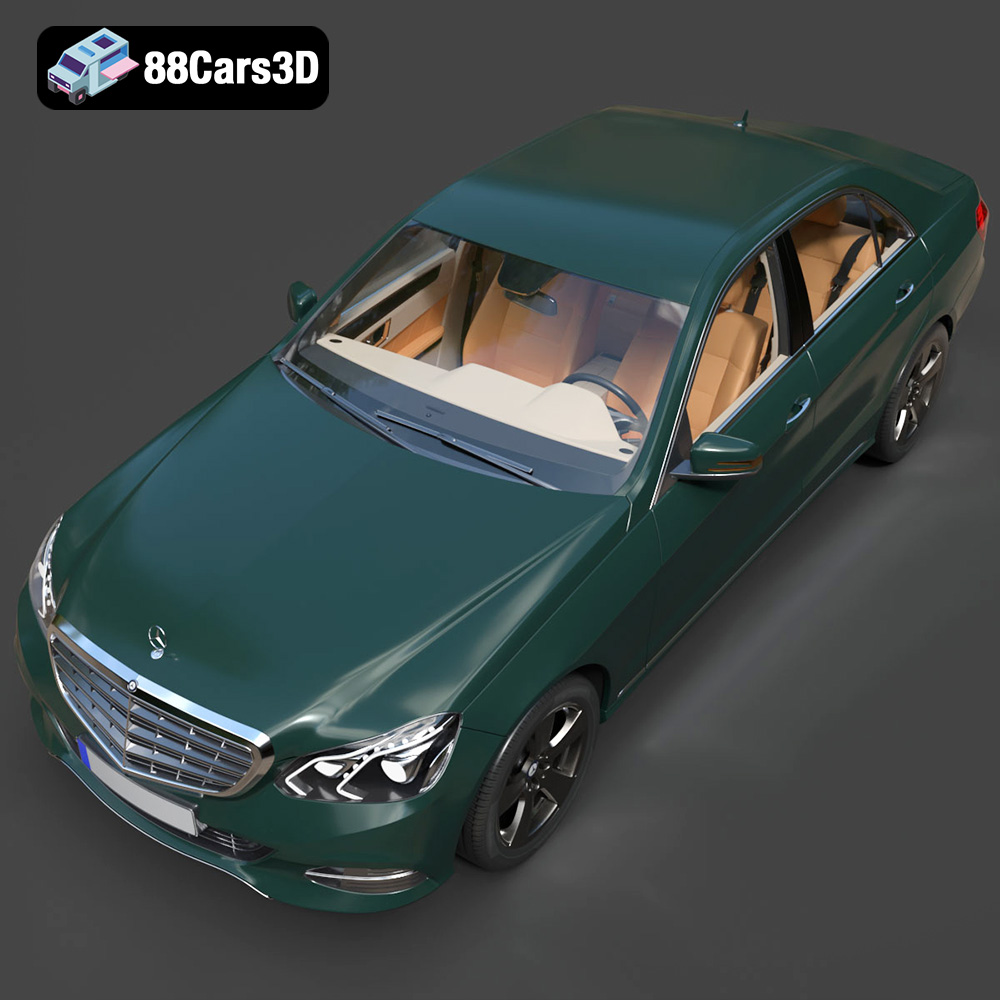
Visual realism begins with an unwavering commitment to detail. For a model like the Mercedes-Benz E13-08, this means going beyond broad strokes to accurately replicate every curve, every panel gap, and every minute component. The product description highlights advanced powertrain and chassis components, sleek integrated aerodynamic elements, and a detailed signature LED lighting setup. These are not merely decorative elements but integral parts of the vehicle’s design and functionality. Capturing these features precisely ensures that the model holds up under close inspection, crucial for cinematic shots or virtual reality experiences where users can literally walk around and inside the vehicle. The interior, with its premium luxury seating, futuristic steering wheel, and high-tech digital instrument cluster, further demonstrates this commitment, ensuring an authentic experience from every perspective.
Beyond aesthetic accuracy, the technical structure of a 3D model – its topology – is paramount. A clean, well-optimized mesh ensures smooth deformation, efficient rendering, and flexibility for further modifications. The Mercedes-Benz E13-08 boasts a robust topology of 2,337,624 triangles. While this might seem high, it strikes a perfect balance for next-gen real-time engines, providing cinematic realism without compromising performance in environments supporting advanced streaming technologies like Unreal Engine 5’s Nanite. This polygon count allows for breathtaking visual fidelity, ensuring smooth reflections and flawless close-up shots, which is critical for showcasing the vehicle’s luxurious finishes and intricate design elements. Furthermore, the model’s real-world scale accuracy and proper pivot setup for steering, wheel rotation, and suspension travel signify its readiness for complex animation and simulation tasks, making it a truly game-ready and optimized asset.
The versatility of a 3D car model, such as the Mercedes-Benz E13-08, is significantly enhanced by its availability in multiple file formats. Each format caters to specific software, engines, or end-use scenarios, offering unique advantages in terms of data preservation, compatibility, and optimization. Understanding these differences is crucial for professionals navigating the complex landscape of 3D production. The Mercedes-Benz E13-08, for instance, is offered in .blend, .fbx, .obj, .glb, .stl, .ply, .unreal, and .max formats, providing comprehensive coverage for virtually any project requirement.
The professional 3D pipeline often involves multiple software packages, necessitating formats that either maintain full editability within a specific program or act as reliable bridges between them.
* .blend (Blender): As Blender’s native file format, a .blend file offers a complete scene package. It includes not just the mesh but also materials, textures, lighting, cameras, animation data, and even physics simulations. For artists and studios primarily working in Blender, this format is ideal as it provides maximum flexibility for editing, rigging, animating, and rendering without any data loss or conversion issues. The Mercedes-Benz E13-08 in .blend format means a fully editable and render-ready scene within the Blender ecosystem.
* .max (3ds Max): Similar to .blend, .max is the native file format for Autodesk 3ds Max, a long-standing industry standard, especially in architectural visualization, product design, and cinematic animation. A .max file of the Mercedes-Benz E13-08 would contain all the scene data, modifiers, materials, and specific 3ds Max features, allowing for detailed manipulation and high-end rendering using engines like V-Ray or Corona. It’s perfect for users deeply integrated into the Autodesk environment.
* .fbx (Filmbox): Developed by Autodesk, FBX is arguably the most widely used interchange format in 3D graphics, particularly strong in game development and animation. It supports geometry, materials, textures, animations, bones, and blend shapes. Its strength lies in its ability to reliably transfer complex animated data between different 3D applications (like 3ds Max, Maya, Blender, Cinema 4D) and game engines (Unreal Engine, Unity). For a detailed model like the E13-08, .fbx is critical for integrating it into a real-time pipeline, ensuring that all transform data and basic material assignments are preserved.
* .obj (Wavefront OBJ): This is a universal geometry definition file format, highly compatible across almost all 3D software. An .obj file primarily stores geometric data (vertices, normals, texture coordinates, faces) and can reference external material (.mtl) files. While it doesn’t support animation or rigging, its simplicity and widespread support make it excellent for static mesh transfers, especially when you need a clean geometric base without complex scene data. The .obj version of the Mercedes-Benz E13-08 provides a robust geometric foundation for any 3D environment.
Specialized formats are essential for optimizing models for specific applications like interactive real-time experiences, web-based viewing, or physical manufacturing.
* .glb (GL Transmission Format Binary): GLB is the binary version of glTF (GL Transmission Format), designed for efficient transmission and loading of 3D scenes and models by web applications. It packages geometry, materials, textures, and animations into a single, self-contained file, making it ideal for AR, VR, and browser-based 3D viewers. For showcasing the Mercedes-Benz E13-08 in an online configurator or a mobile AR app, .glb offers an optimized, compact solution.
* .unreal (Unreal Engine): This isn’t a standard file extension for a mesh, but rather signifies an asset specifically prepared and potentially imported into an Unreal Engine project. It suggests the model comes optimized with Unreal-specific materials, collision meshes, LODs (Levels of Detail), and potentially Nanite-ready settings, making it plug-and-play for game developers using Unreal Engine. This level of optimization saves countless hours in game asset pipeline development.
* .stl (Stereolithography): STL is the de facto standard file format for 3D printing. It represents a 3D object as a collection of unconnected triangles. While it doesn’t store color or texture information, its simplicity makes it universally compatible with 3D printers and slicing software. The Mercedes-Benz E13-08 in .stl format means it’s ready for conversion into physical prototypes or hobbyist models, as detailed in its product description.
* .ply (Polygon File Format/Stanford Triangle Format): PLY is a polygon file format typically used to store 3D data from 3D scanners, CAD systems, or for precision mesh analysis. It can store a wider range of properties than .obj or .stl, including color, transparency, surface normals, texture coordinates, and reliability information for each polygon. While less common for general interchange, it’s valuable for applications requiring precise geometric data or complex data sets, offering an alternative for detailed analyses of the E13-08’s intricate design.
The availability of the Mercedes-Benz E13-08 in such a diverse array of formats ensures its utility across every stage of a modern digital production pipeline, catering to the specific needs of different software, platforms, and end-uses.
The true value of a high-quality 3D car model, particularly one as detailed as the Mercedes-Benz E13-08, lies in its seamless integration into diverse professional workflows. Its robust technical specifications and multi-format availability make it a cornerstone asset for creators across industries.
In the fiercely competitive world of game development, stunning visuals and smooth performance are non-negotiable. The Mercedes-Benz E13-08 is described as “Game-Ready & Optimized,” a critical distinction. With its 2,337,624 triangle count, it strikes an ideal balance, providing cinematic realism for next-gen racing titles, high-end open-world games, and simulators. For Unreal Engine 5, this means it’s primed to leverage technologies like Nanite, which efficiently handles massive polygon counts, allowing for unprecedented detail even in real-time environments. For Unity developers, its optimized mesh and potential for LODs (Levels of Detail) ensure it runs smoothly across various platforms. The separate wheels, suspension, and steering components, coupled with proper pivot setups, are invaluable for implementing realistic physics and animation, enabling developers to bring dynamic vehicle mechanics to life. This attention to detail makes it an exceptional game asset ready for high-octane action.
Beyond real-time interactivity, the Mercedes-Benz E13-08 excels in traditional rendering and visualization pipelines. Whether using 3ds Max with V-Ray or Corona, or Blender with Cycles or Eevee, the model’s high-fidelity geometry provides an impeccable foundation. Its detailed exterior features – from the aerodynamic frame to the advanced LED lighting – and intricate interior elements are designed to shine under studio lighting setups. For automotive rendering professionals, this means the ability to produce breathtaking brand campaigns, lifestyle scenes, and photorealistic product shots that are indistinguishable from real photography. The model’s comprehensive topology ensures smooth reflections across its sleek surfaces and allows for extreme close-up shots without any loss of detail, making it perfect for promotional materials or high-definition cinematics.
Augmented Reality (AR) and Virtual Reality (VR) are transforming how we interact with products, offering immersive showrooms and interactive configurators. The Mercedes-Benz E13-08 is explicitly designed for such applications, perfect for virtual showrooms, configurators, and mobile AR experiences. Its optimized geometry and real-world scale are crucial for creating convincing virtual environments. The availability of the model in .glb format makes it particularly suitable for web-based AR/VR applications, allowing users to experience the vehicle in their own space or customize it in real-time through a browser. Imagine a potential buyer exploring every angle of this concept vehicle, changing its body color, or examining its futuristic cockpit in a fully immersive VR setting – capabilities that the E13-08 model facilitates directly.
The technical foundation of any premium 3D asset is what truly separates it from generic models. The Mercedes-Benz E13-08 stands out due to its well-thought-out technical specifications and inherent optimization, ensuring it performs robustly across diverse applications.
The headline technical specification is its 2,337,624 triangle count. This substantial detail allows for the intricate design cues, sharp edges, and smooth curves characteristic of modern Mercedes-Benz vehicles. Crucially, this high fidelity is balanced with optimization for “next-gen real-time engines,” implying a clean, quad-dominant (or intelligently triangulated) mesh that minimizes artifacts and allows for efficient rendering. “Real-world scale accuracy” is fundamental for both realistic visualization and seamless integration into larger virtual environments, ensuring proper proportions when placed alongside other assets or within architectural scenes. Furthermore, the explicit mention of “separate wheels, suspension, and steering components for animation” underscores its readiness for dynamic simulations, driving games, or complex cinematic sequences where each part needs independent movement.
While specific material types and texture resolutions are not enumerated, the context of “high-end automotive visualizations” and “next-gen racing games” strongly implies the use of Physically Based Rendering (PBR) materials. This would mean meticulously crafted metallic, rough/smooth, clear coat, and normal maps to accurately represent the vehicle’s paintwork, glass, tires, and interior finishes. The product description’s mention of “customization options” like changing body colors, modifying tire textures, and adjusting material finishes (matte, gloss, metallic, carbon fiber) suggests that the model is either delivered with a flexible PBR shader setup or easily adaptable UV maps that facilitate such changes. Proper UV unwrapping is critical for applying high-resolution textures without distortion and for allowing artists to easily create variations or damage states.
A static model has its uses, but a dynamic, animatable model unlocks vastly more possibilities. The E13-08 is designed with this in mind, featuring “proper pivot setup for steering, wheel rotation, and suspension travel.” This is a significant advantage, as manually setting up pivots for complex automotive mechanics can be time-consuming and prone to error. With these pivots correctly established, animators can quickly rig the vehicle for driving simulations, camera tracking shots, or interactive demonstrations. The separated components also mean that advanced users can easily create custom rigs, introduce procedural animation, or integrate the model into a vehicle physics system within a game engine, ensuring that the E13-08 can perform as dynamically as it looks.
The technical excellence of the Mercedes-Benz E13-08 3D model translates directly into tangible benefits across several industries, addressing real-world challenges and enabling innovative solutions.
Before a physical car even rolls off the assembly line, its digital twin is already at work. High-fidelity 3D car models like the E13-08 are indispensable for pre-production marketing. Manufacturers can generate stunning visuals for advertisements, brochures, and online configurators long before a physical prototype exists. This allows for early market testing, investor presentations, and building anticipation. Case studies show that companies leverage such models to create cinematic trailers for new vehicle reveals, showcasing design philosophies and technological innovations. The ability to “change body colors,” “modify tire textures,” and “adjust material finishes” digitally provides unparalleled flexibility, allowing marketing teams to rapidly iterate on visual themes and showcase a wide range of customization options to potential customers.
The rise of e-commerce and remote engagement has pushed the automotive industry towards interactive digital experiences. Virtual showrooms and online configurators are now critical sales tools. The Mercedes-Benz E13-08, being optimized for AR/VR and provided in formats like .glb, is perfectly suited to be the centerpiece of such platforms. Users can rotate, zoom, open doors (if rigged for it, implied by component separation), and customize the vehicle in real-time, experiencing it in an immersive way that static images cannot replicate. This not only enhances the customer journey but also allows manufacturers to present an exhaustive array of options without the logistical costs of physical displays. The detailed interior features, including premium seating and digital instrument clusters, are crucial for a truly engaging virtual cockpit experience.
Beyond sales and marketing, highly accurate 3D car models play a vital role in education and professional training. Automotive design students can study the intricate engineering and aesthetic choices of a concept vehicle like the E13-08. Engineers can use these models in advanced simulation environments to test aerodynamic properties, crash dynamics (though the E13-08 is not specifically a crash model, its geometry could be a base), or driver assistance systems in a virtual space. For example, the detailed suspension and steering components could be integrated into a virtual prototype for analyzing handling characteristics. These simulations significantly reduce the need for expensive physical prototypes and accelerate the development cycle, pushing the boundaries of automotive innovation.
The journey of a 3D model doesn’t always end on a screen. For enthusiasts, designers, and even professionals needing tangible representations, 3D printing offers an exciting pathway. The Mercedes-Benz E13-08 3D model is specifically designed to be “Convertible to .stl format for display-scale hobbyists,” opening up a world of physical creation.
Transitioning a complex digital model to a physical object requires careful consideration of 3D printing parameters. The product description provides excellent guidance:
These guidelines, combined with the model’s clean topology and accurate geometry, streamline the preparation process, making it accessible even for those new to 3D printing detailed automotive subjects.
The act of 3D printing is often just the beginning. To truly transform a raw print into a museum-quality display piece, meticulous post-processing is essential. This includes:
The combination of a well-designed 3D model like the Mercedes-Benz E13-08 and careful post-processing can result in stunning physical replicas that are a testament to both digital artistry and hands-on craftsmanship.
In the rapidly evolving landscape of 3D visualization, high-fidelity 3D car models are no longer a luxury but a fundamental necessity. They serve as the cornerstone for innovation, driving advancements in automotive design, game development, cinematic rendering, and immersive AR/VR experiences. The Mercedes-Benz E13-08 3D model exemplifies this standard, offering an unparalleled blend of artistic detail and technical optimization.
Its meticulously crafted exterior and interior, robust 2,337,624 triangle topology, and game-ready optimization make it a versatile asset for a multitude of professional applications. Whether you’re integrating it into a next-gen racing simulator, rendering a photorealistic advertisement, creating an interactive virtual showroom, or even 3D printing a display model, the E13-08 provides the precision and flexibility required for top-tier results. Its availability across a comprehensive range of file formats – from .blend and .max for native software workflows to .fbx for universal interchange, .glb for web and AR, and .stl for 3D printing – ensures its adaptability to any project pipeline.
For professionals and enthusiasts alike seeking to elevate their automotive visualizations, the Mercedes-Benz E13-08 3D model from 88cars3d.com stands as an investment in quality, efficiency, and boundless creative potential. It’s more than just a model; it’s a gateway to realizing visions, pushing boundaries, and experiencing the future of automotive design, today.
Experience the future of luxury mobility with this meticulously crafted 3D model of the Mercedes-Benz E13-08. Showcasing the brand’s iconic heritage paired with forward-thinking design, this model captures the sleek, aerodynamic silhouette and high-tech styling cues of a modern concept vehicle. From the intricate details of its signature front fascia and advanced LED lighting systems to its sophisticated wheel design, every element has been faithfully recreated to deliver unparalleled visual realism. With a comprehensive topology of 2,337,624 triangles, this model offers breathtaking visual fidelity designed for next-generation rendering and high-end game engines. Whether utilized in cinematic animations, immersive virtual reality environments, or real-time configurators, the geometry ensures smooth reflections and flawless close-up shots. The model is fully optimized for professional pipelines, providing the perfect foundation for advanced materials and lighting setups.
$88.00
.blend
.fbx
.glb
.max
.obj
.ply
.rendering
.stl
.unreal
car-3d-model
concept-car
e13-08
electric-car
game asset
game-ready
mercedes-benz
optimized
VR/AR