Get 20% OFF All Premium 3D & STL Models!

In the dynamic world of digital content creation, the demand for photorealistic and performant 3D assets continues to surge. From blockbuster game titles and immersive virtual reality experiences to high-impact marketing campaigns and precision engineering visualizations, the quality of a 3D model can significantly impact the success of a project. Automotive rendering, in particular, stands at the forefront of this digital revolution, requiring an unparalleled level of detail and technical accuracy to truly capture the essence of a vehicle.
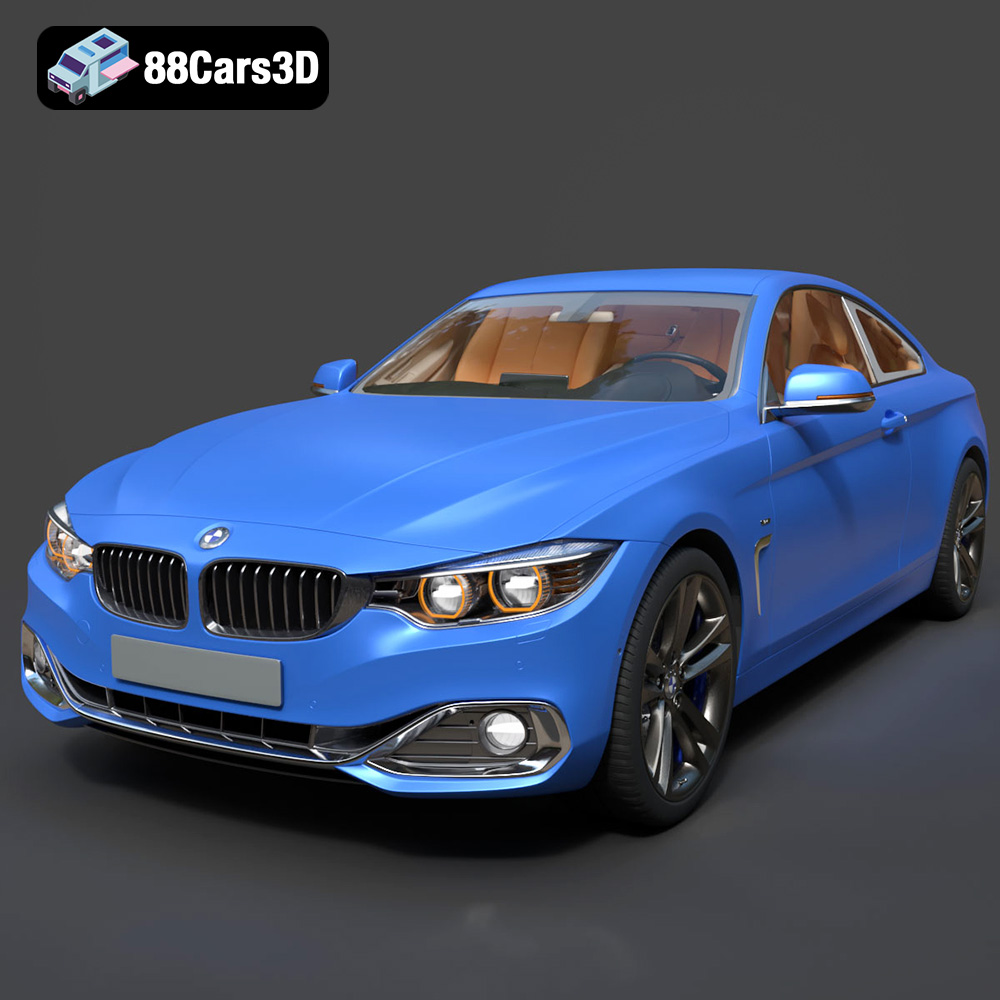
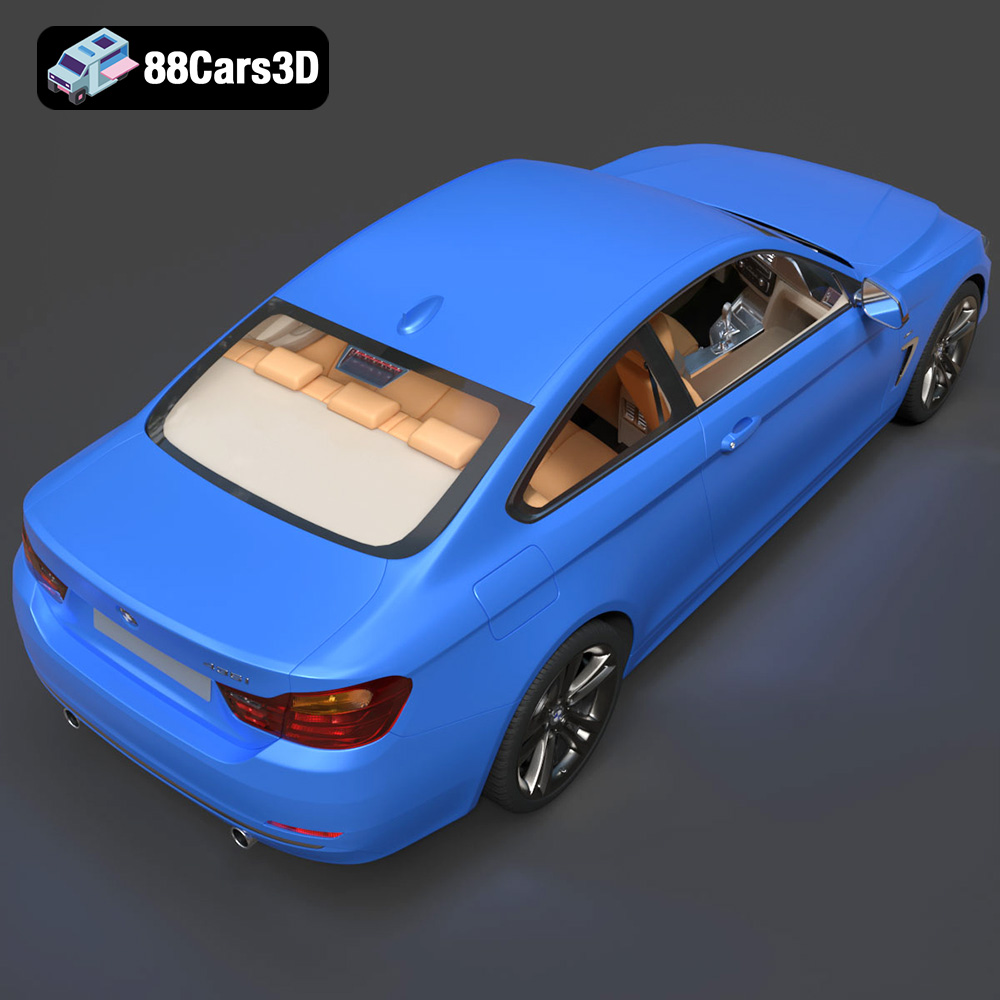
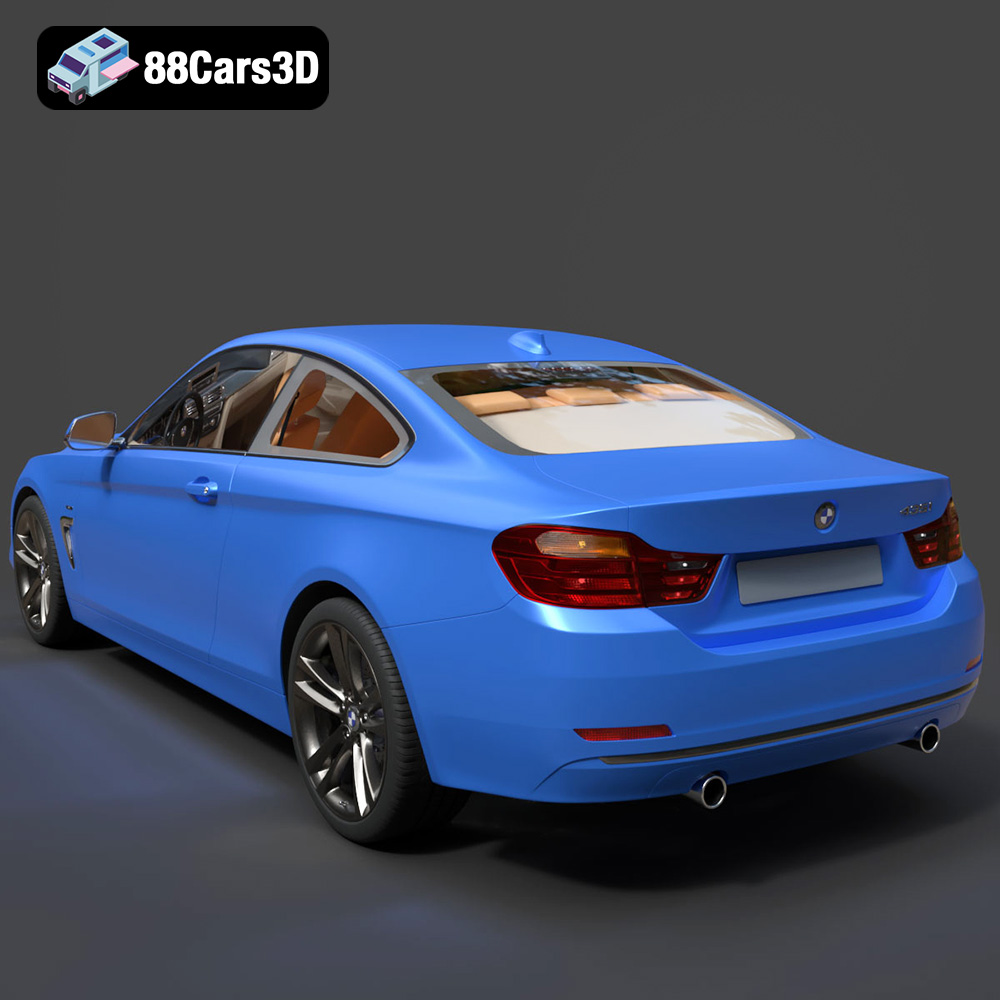
Today, we’re exploring the intricate landscape of professional 3D car models, focusing on the critical elements that define excellence in this specialized field. We’ll delve into the technical specifications, workflow considerations, and diverse applications that empower creators to push the boundaries of realism. As a prime example of what’s achievable, we’ll frequently reference the exquisite BMW 4 Series F32 Coupe 3D Model available on 88cars3d.com, a testament to meticulous craftsmanship and technical optimization, capturing the essence of modern Bavarian engineering with its iconic twin-kidney grilles, aggressive front fascia, and sweeping aerodynamic roofline.
Choosing the correct file format is a foundational decision in any 3D project, directly influencing compatibility, performance, and the scope of manipulation. For automotive 3D models, especially those as detailed as the BMW 4 Series F32 Coupe, understanding the nuances of each format is crucial. High-quality platforms like 88cars3d.com often provide a comprehensive suite of formats to cater to diverse professional needs.
The .blend format is the native file type for Blender, an incredibly powerful and popular open-source 3D creation suite. When you download a .blend file, you’re not just getting the mesh; you’re often receiving a fully editable Blender scene. This includes all materials (often set up with Physically Based Rendering – PBR shaders), textures, lighting setups, cameras, modifiers, and even animation data. For artists working primarily in Blender, this format offers the most flexibility, allowing for deep customization of the model’s appearance, rigging, and scene composition without any loss of data that can occur during format conversions. It’s ideal for those who want to integrate the model directly into a Blender-based production pipeline and take full advantage of Blender’s extensive toolset.
.fbx (Filmbox) is arguably the most widely adopted proprietary 3D file format for exchanging models and animation data between different software applications. Developed by Autodesk, it’s designed for maximum compatibility across a broad spectrum of 3D packages, including 3ds Max, Maya, Cinema 4D, and critically, game engines like Unreal Engine and Unity. An .fbx file can encapsulate geometry, materials (with texture references), animations, skeletal rigs, and even camera data. For game development and real-time pipelines, .fbx is often the go-to choice due to its robustness and consistent import/export capabilities, making it excellent for integrating assets like the BMW 4 Series F32 Coupe into a game environment.
The .obj (Wavefront OBJ) format is a universal standard renowned for its simplicity and wide cross-software compatibility. It primarily stores geometric data – vertices, normals, UV coordinates, and faces – and references external .mtl (material) files for material properties and textures. While it doesn’t support animation or rigging directly, its universal nature makes it an excellent choice for basic mesh transfer between virtually any 3D software. For scenarios where you need the pure geometry for sculpting, retopology, or foundational rendering setups, .obj remains a reliable and highly compatible option.
.glb (GL Transmission Format Binary) is an increasingly vital format, especially for modern interactive experiences. It’s the binary version of glTF, designed to be an efficient, single-file format that includes geometry, materials, textures, and animation data, making it incredibly easy to load and render quickly. Its key strength lies in its optimization for AR (Augmented Reality), VR (Virtual Reality), and browser-based display, such as web viewers and online configurators. For developers creating immersive virtual showrooms or mobile AR applications featuring vehicles like the BMW F32, .glb offers an unparalleled combination of visual quality and performance.
.stl (Stereolithography) is the de facto standard file format for 3D printing. It represents a 3D model as a collection of unconnected triangular facets, without any color, texture, or material information. While not suitable for rendering or animation, its widespread adoption by 3D printers and slicer software makes it indispensable for converting digital models into physical objects. The BMW 4 Series F32 Coupe model, for instance, can be converted to .stl, allowing hobbyists or designers to 3D print scaled replicas, requiring careful attention to print settings like recommended scale, layer height, and support structures.
The .ply (Polygon File Format, also known as Stanford Triangle Format) is another format for storing 3D data, particularly useful for scanned data, CAD applications, and scientific analysis. It can store a wider range of properties than .obj, including color per vertex, transparency, and sometimes even normal vectors, making it suitable for representing complex mesh data with high precision. While less common for general animation, it serves a niche for specific engineering or analytical workflows where rich mesh attribute data is paramount.
The .unreal designation often refers to assets that have been specifically prepared and packaged for direct import into Unreal Engine. This typically means the .fbx or source files have been meticulously optimized, checked for scale, material setups, LODs (Levels of Detail), and potentially even collision meshes, ensuring a smooth and efficient integration into the Unreal development pipeline. An “engine-ready” asset like the BMW F32 Coupe simplifies the workflow for game developers and real-time visualization artists, minimizing the time spent on asset preparation and maximizing time on scene composition and interaction.
Similar to .blend for Blender, .max is the native project file format for Autodesk 3ds Max. This format retains all the intricate details of a 3ds Max scene, including geometry, complex material networks, advanced lighting rigs (V-Ray, Corona, Arnold), animation keyframes, camera settings, and scene organization. For professionals deeply embedded in the 3ds Max ecosystem, the .max file provides the complete editable source, allowing for comprehensive manipulation, advanced rendering setups, and sophisticated animation workflows for architectural visualization, commercials, or cinematic sequences.
Each of these formats serves a distinct purpose, offering creators the flexibility to choose the best option for their specific project needs. When acquiring premium 3D car models like those from 88cars3d.com, the availability of multiple formats signifies a commitment to professional utility and broad compatibility.
Creating a truly high-fidelity 3D car model is a complex endeavor that marries artistic skill with rigorous technical precision. It goes far beyond simply mimicking shapes; it involves understanding automotive design principles, material sciences, and performance optimization for various digital environments. The BMW 4 Series F32 Coupe 3D model exemplifies this fusion.
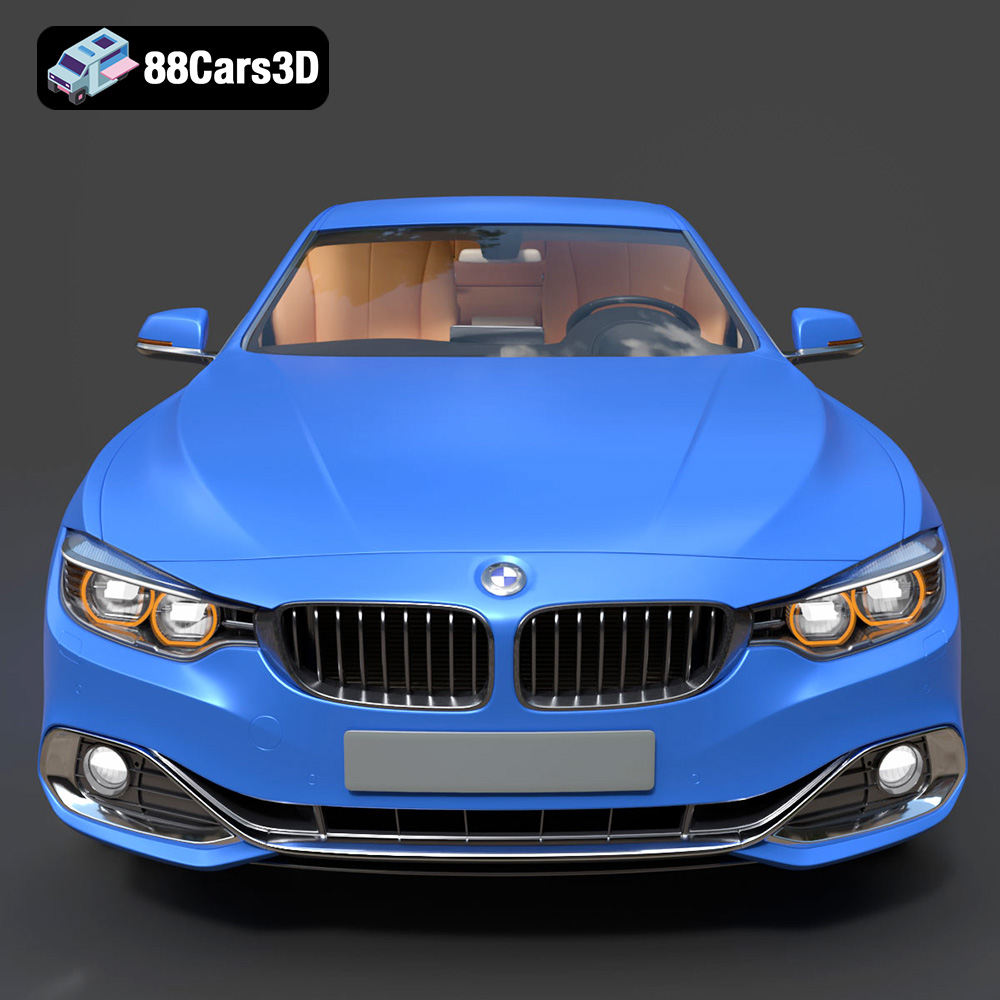
The foundation of any exceptional automotive 3D model lies in its accuracy. This involves meticulous attention to real-world scale, proportions, and every minute detail of the vehicle’s design. For the BMW 4 Series F32 Coupe, this means replicating the distinctive lines, the iconic kidney grilles, the aggressive front fascia, and the sweeping aerodynamic roofline with absolute precision. High-quality models are typically built using reference images, CAD data, or blueprints to ensure that every curve, panel gap, and vent aligns perfectly with the real-world counterpart. This level of accuracy is critical for applications where realism is paramount, such as brand campaigns, virtual showrooms, or film production.
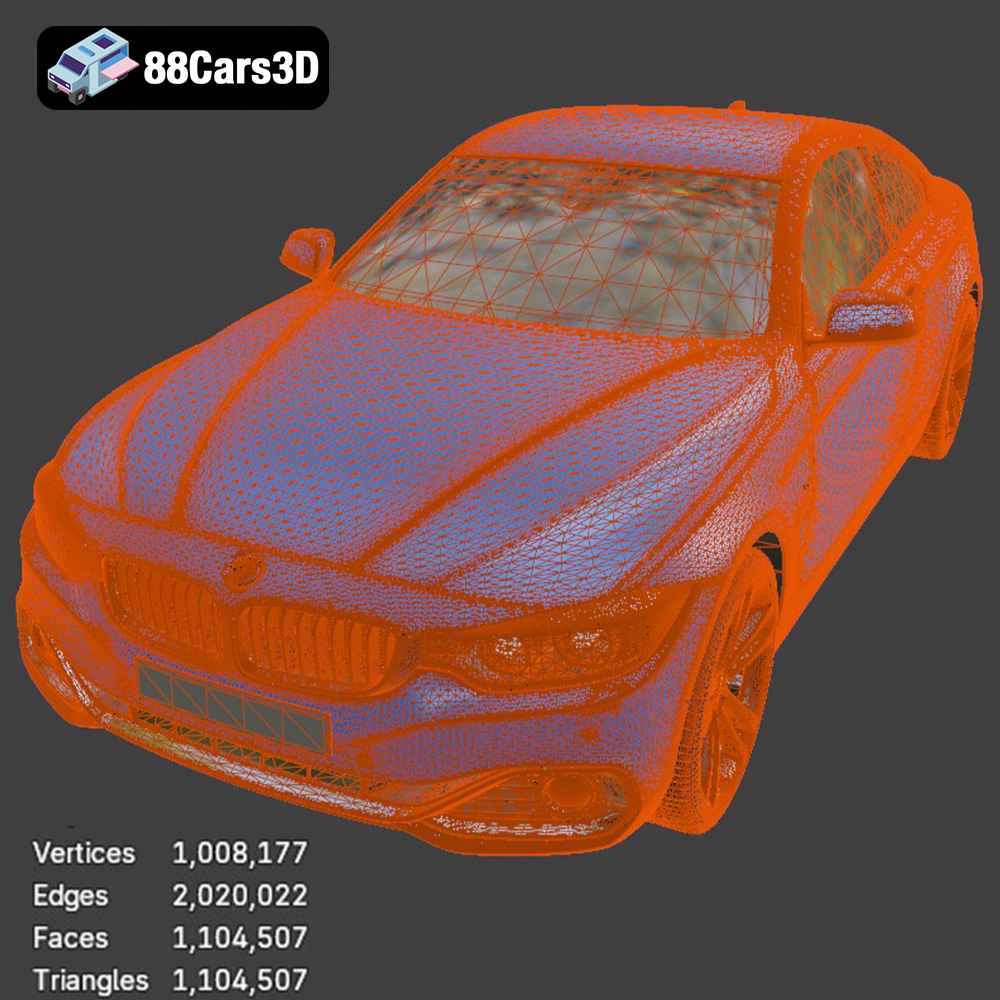
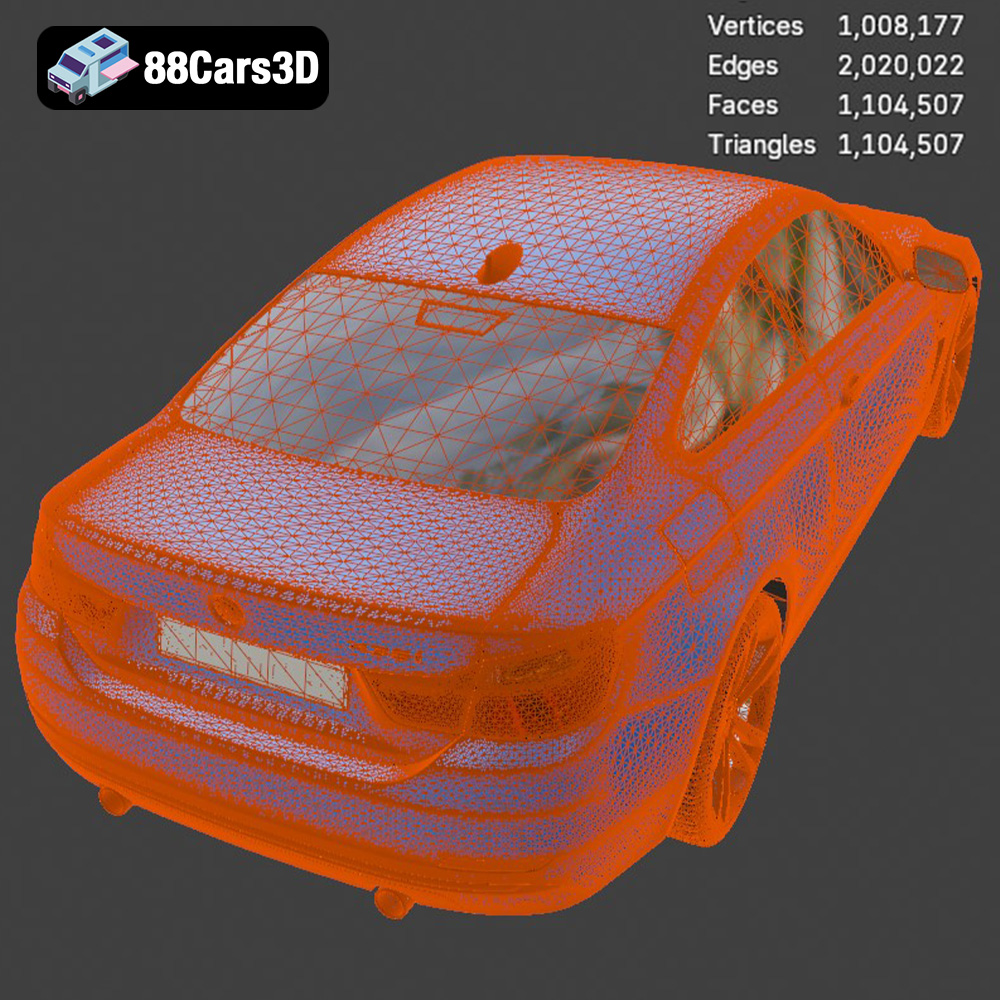
One of the most significant technical challenges in 3D modeling is striking the right balance between visual detail and performance efficiency. A model with an excessively high polycount can cripple real-time applications, while one that’s too low will lack realism in close-up renders. The BMW 4 Series F32 Coupe model achieves this delicate balance with a highly detailed 1,104,507 triangle count. This figure is significant: it provides exceptional visual fidelity for close-up renders, allowing the viewer to appreciate the fine details of the M-Sport style alloy wheels, textured performance tires, and intricate brake calipers. Simultaneously, this optimized topology remains efficient enough for modern high-end game engines like Unreal and Unity, making it a “game-ready” asset. This thoughtful optimization means the model can perform smoothly in a real-time environment without sacrificing the visual quality necessary for a premium experience.
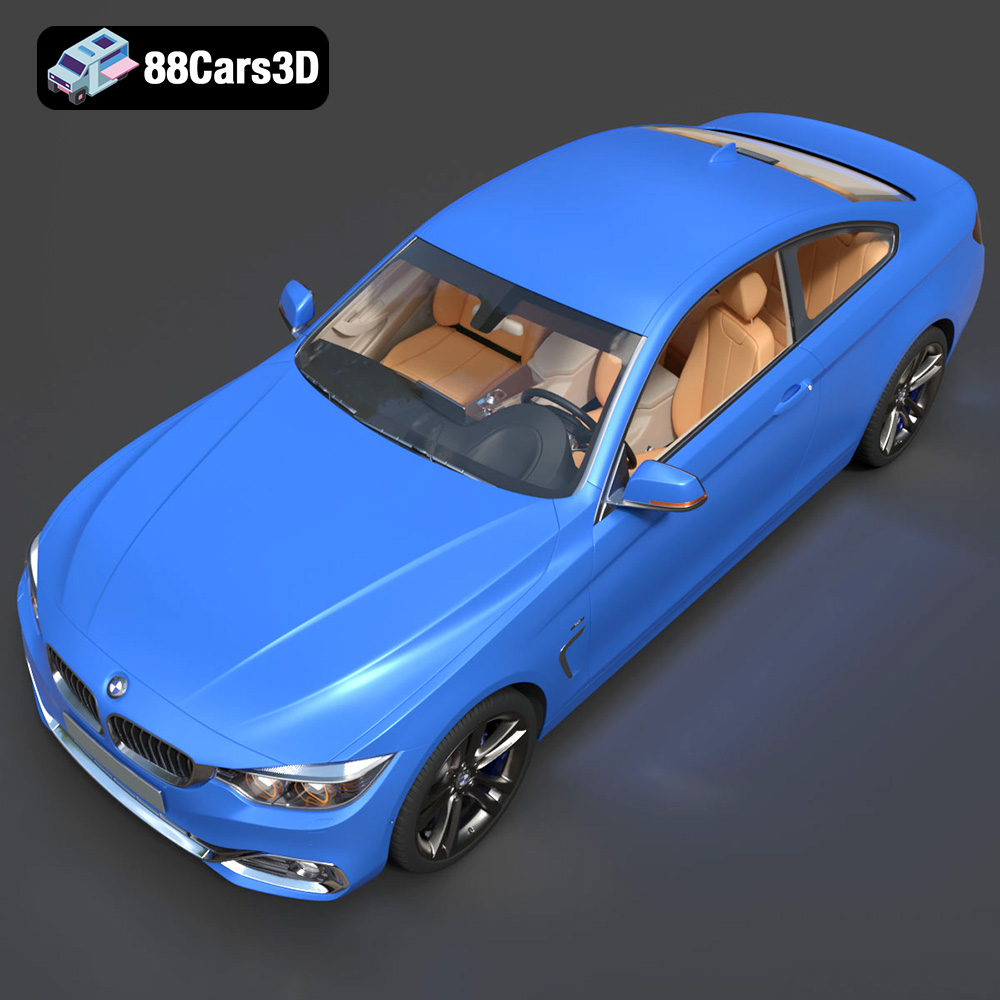
A truly comprehensive 3D car model extends its detailing to both the exterior and interior. For the BMW F32 Coupe, this includes accurate frame geometry and panel gaps, the dual exhaust system with polished tailpipes, and signature halo-style daytime running lights. But the realism doesn’t stop there. The interior is equally crucial, especially for first-person perspectives in games or immersive VR experiences. The F32 model boasts a meticulously recreated cockpit, featuring plush, anatomically correct sport bucket seats with detailed stitching, a three-spoke leather-wrapped sport steering wheel with multi-function buttons, and an accurate iDrive infotainment display. Details like the center console, aluminum or wood trim inserts, shifter, and foot pedals are all optimized for gaming, ensuring an immersive experience from every angle. This holistic approach ensures that the vehicle feels complete and authentic, whether viewed from outside or experienced from the driver’s seat.
The versatility of high-quality 3D car models like the BMW 4 Series F32 Coupe is immense, making them indispensable tools across a spectrum of professional applications. Their robust design and multi-format availability mean they can seamlessly integrate into various production pipelines.
For game developers, 3D car models are central to creating immersive racing titles, open-world environments, and sophisticated simulators. The BMW F32 Coupe model, with its “game-ready & optimized” 1,104,507 triangle count, is perfectly suited for this purpose. Its efficient topology ensures smooth performance in engines like Unreal Engine and Unity, crucial for maintaining high frame rates in dynamic scenarios. Moreover, features like “separate wheels, suspension, and steering components for animation” along with “proper pivot setup for steering, wheel rotation, and suspension travel” are vital. These technical attributes allow game developers to easily implement realistic vehicle physics and animations, from tire deformation to responsive steering and suspension compression over varied terrain. This kind of asset significantly reduces development time and boosts the realism of in-game vehicles.
Beyond games, photorealistic 3D car models are a cornerstone of architectural visualization (arch-viz) and high-end commercial rendering. Placing a meticulously detailed vehicle like the BMW F32 Coupe in an architectural scene instantly elevates its visual appeal, adding a sense of scale, lifestyle, and realism. These models are perfect for brand campaigns, lifestyle scenes, and studio lighting setups, where every reflection and shadow counts. Artists working in 3ds Max, Blender, or Maya can leverage the model’s high fidelity to create stunning marketing imagery, often utilizing advanced rendering engines like V-Ray, Corona, or Arnold to achieve cinematic quality. The model’s customizable options, such as changing body colors (e.g., Estoril Blue, Alpine White), adjusting material finishes (matte, gloss, metallic, carbon fiber), and adapting lighting, provide endless possibilities for creative expression.
The burgeoning fields of Augmented Reality (AR) and Virtual Reality (VR) present exciting new avenues for automotive 3D models. Virtual showrooms, interactive configurators, and mobile AR experiences are transforming how consumers engage with vehicles. The BMW F32 Coupe, optimized for AR/VR applications and available in formats like .glb, is an ideal asset for these platforms. Imagine a potential buyer exploring the car’s exterior in their driveway via AR or stepping into a virtual showroom to experience the plush interior and iDrive infotainment system in VR. The model’s optimized geometry and real-world scale accuracy ensure that these immersive experiences are both compelling and realistic, offering a powerful tool for marketing and sales.
Achieving truly professional results with a 3D car model involves more than just impressive geometry. It requires careful attention to the underlying technical structure that enables realistic materials, textures, and interactive animations.
Effective UV mapping is fundamental for applying textures correctly and efficiently to a 3D model. UVs (often represented as a 2D layout of the 3D model’s surface) dictate how an image texture wraps around the mesh. For a complex asset like the BMW F32 Coupe, clean, non-overlapping UVs are essential for seamless texture application, preventing distortions or seams. A professional 3D car model will typically come with a well-organized UV layout, enabling artists to easily apply high-resolution PBR (Physically Based Rendering) texture sets – including Albedo (color), Normal, Roughness, Metallic, and Ambient Occlusion maps – to accurately simulate paint finishes, tire treads, interior fabrics, and dashboard materials. This attention to detail ensures that the model looks consistent and realistic under various lighting conditions.
Modern rendering relies heavily on Physically Based Rendering (PBR) workflows, which aim to simulate how light interacts with surfaces in the real world. A high-quality 3D car model, such as those found on 88cars3d.com, will typically feature PBR-ready materials. This means the model’s surfaces are defined with properties that correspond to real-world physics, ensuring that reflections, refractions, and diffuse lighting behave naturally, regardless of the rendering environment. For the BMW F32 Coupe, this translates to accurately rendered metallic paint, the subtle sheen of leather seats, the reflectivity of glass, and the texture of rubber tires. The ability to “modify tire textures (track vs. street variants)” and “adjust material finishes (matte, gloss, metallic, carbon fiber)” speaks directly to the flexibility of PBR materials, allowing for versatile visual customization.
For many applications, especially game development and interactive visualizations, a static model isn’t enough. The ability to animate components of the vehicle is crucial. This is where rigging comes into play. A well-rigged 3D car model will have a hierarchical structure of bones or pivots that allow for realistic movement. The BMW 4 Series F32 Coupe 3D model boasts “separate wheels, suspension, and steering components for animation” and a “proper pivot setup for steering, wheel rotation, and suspension travel.” This means animators can effortlessly simulate steering wheel turns, individual wheel rotations, and realistic suspension compression over bumps. This level of preparation is invaluable for creating engaging cinematic sequences, dynamic gameplay, or interactive car configurators where users can explore the vehicle’s functional aspects.
While digital visualization is a primary use case, high-quality 3D car models also bridge the gap into the physical world through 3D printing. This application offers hobbyists, designers, and engineers the unique opportunity to hold a tangible representation of their digital assets.
The ability to convert a model to the .stl format is essential for 3D printing. This format simplifies the complex mesh into a series of triangles, which 3D printers understand. While the process itself is straightforward, ensuring the model is “watertight” (meaning it has no holes or gaps in its geometry) is critical for a successful print. For the BMW 4 Series F32 Coupe, which is “convertible to .stl format for display-scale hobbyists,” careful consideration of print settings is vital. Recommended scales (1:12, 1:18, 1:24) are provided to guide users toward an optimal balance of detail and printability. Resin printing is often recommended for fine details, such as the kidney grilles or intricate wheel spokes, ensuring a higher quality finish compared to FDM (Fused Deposition Modeling) printing.
3D printing a car model is just the first step in creating a physical replica. Post-processing is where the model truly comes to life. This typically involves sanding to smooth out layer lines, applying primer to create a uniform surface, and then painting with authentic factory colors, often incorporating metallic finishes to mimic the original vehicle’s luster. The BMW F32 Coupe’s description provides detailed 3D print settings, including layer height (0.04–0.12 mm), wall thickness (1.2–2.0 mm), infill (20–30%), and the necessity for supports for detailed parts like exhaust and mirrors. Guidance on print orientation (frame printed angled for structural integrity; wheels printed separately) helps ensure a strong, accurate physical model. This extensive information empowers both experienced and novice 3D printing enthusiasts to achieve impressive results, transforming a digital asset into a tangible showpiece.
The journey through the creation, optimization, and application of high-quality 3D car models reveals a multifaceted discipline demanding both artistic vision and technical mastery. From the foundational choice of file formats to the intricate balance of detail and performance, every aspect contributes to the ultimate realism and utility of a digital automotive asset.
For professionals in game development, architectural visualization, AR/VR, or even 3D printing, investing in meticulously crafted 3D car models is a strategic decision that pays dividends in quality, efficiency, and creative potential. The BMW 4 Series F32 Coupe 3D Model stands as a prime example of such excellence, embodying precision modeling, intelligent optimization, and comprehensive detailing for both exterior and interior elements. Its game-ready status, real-world accuracy, and wide format compatibility make it an invaluable asset for any serious digital project.
Whether you’re crafting the next generation of racing simulators, designing an immersive virtual showroom, or bringing a luxury car to life in a high-impact commercial, the quality of your 3D car models will define your success. By choosing premium assets from trusted sources like 88cars3d.com, you ensure that your projects are built on a foundation of digital perfection, allowing you to focus on innovation and captivating your audience with unparalleled realism.
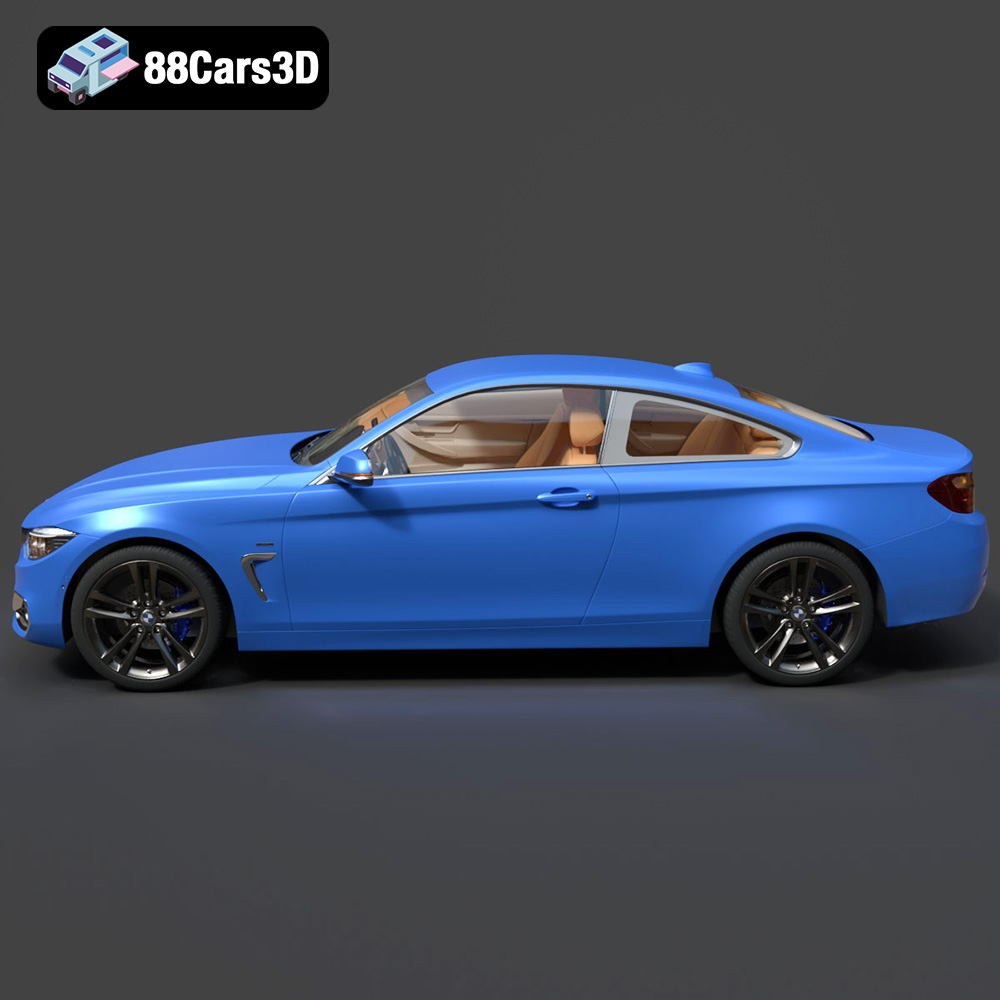
Experience the perfect blend of dynamic performance and elegant design with our BMW 4 Series F32 Coupe 3D model. Capturing the essence of modern Bavarian engineering, this model highlights the iconic twin-kidney grilles, aggressive front fascia, signature LED headlight clusters, and the sweeping, aerodynamic roofline that defines the F32 generation. Every curve and crease along its sculpted side profile has been meticulously recreated to reflect the vehicle’s athletic stance and luxurious heritage.
Boasting a highly detailed 1,104,507 triangle count, this 3D asset provides exceptional visual fidelity for close-up renders while maintaining an efficient topology suitable for modern high-end game engines. Whether utilized in next-gen racing games, immersive architectural visualization, or high-budget commercial animations, the model delivers unmatched realism and flexibility for creators demanding top-tier quality.
Perfect for urban racing games, luxury lifestyle visualizations, virtual showrooms, and high-end automotive rendering.
.blend, .fbx, .obj, .glb, .stl, .ply, .unreal, .max
Tags:
bmw, 4-series, f32-coupe, sports-coupe, luxury-car, car-3d-model, game-ready, high-poly, optimized, game-asset, rendering, vr-ar, blend, fbx, obj, glb, stl, ply, unreal, max
$64.00
.blend
.bmw
.fbx
.glb
.max
.obj
.ply
.rendering
.sports coupe
.stl
.unreal
4-series
car-3d-model
f32-coupe
game asset
game-ready
high poly
luxury car
optimized
VR/AR