Get 40% OFF All Premium 3D & STL Models!

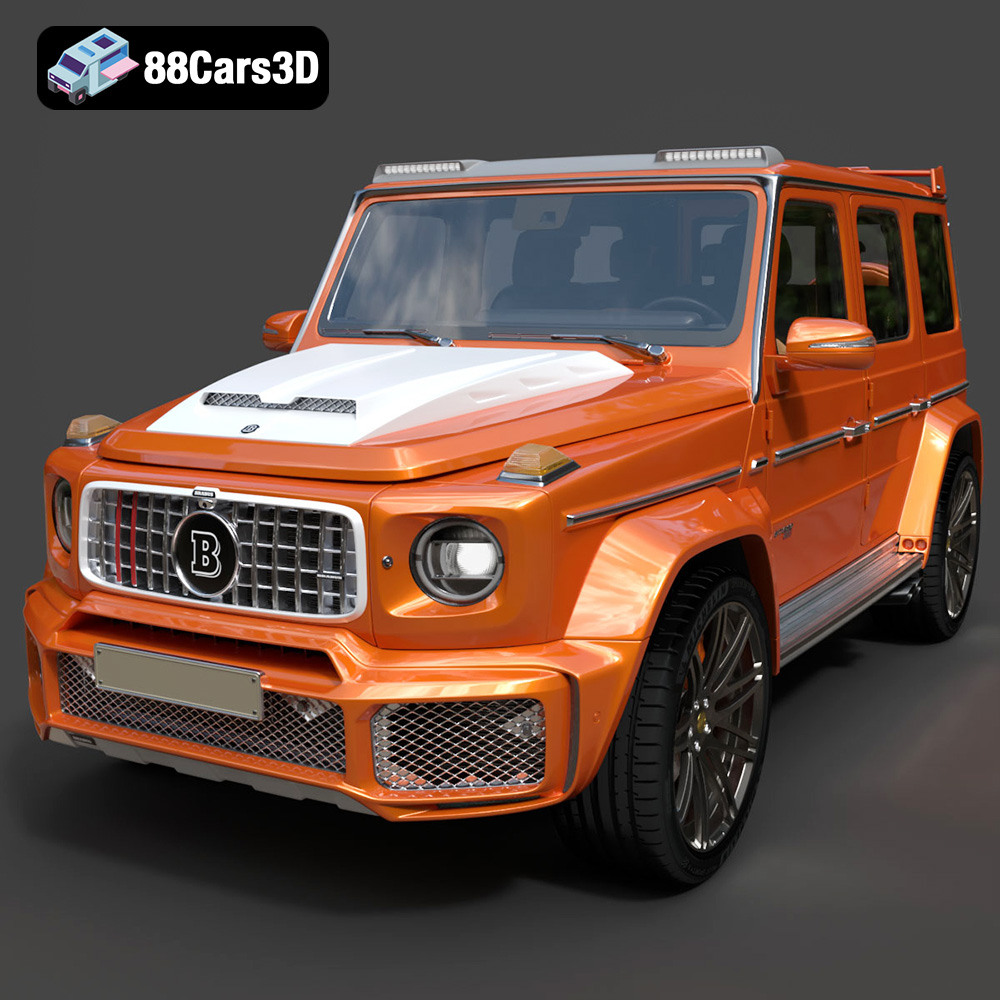
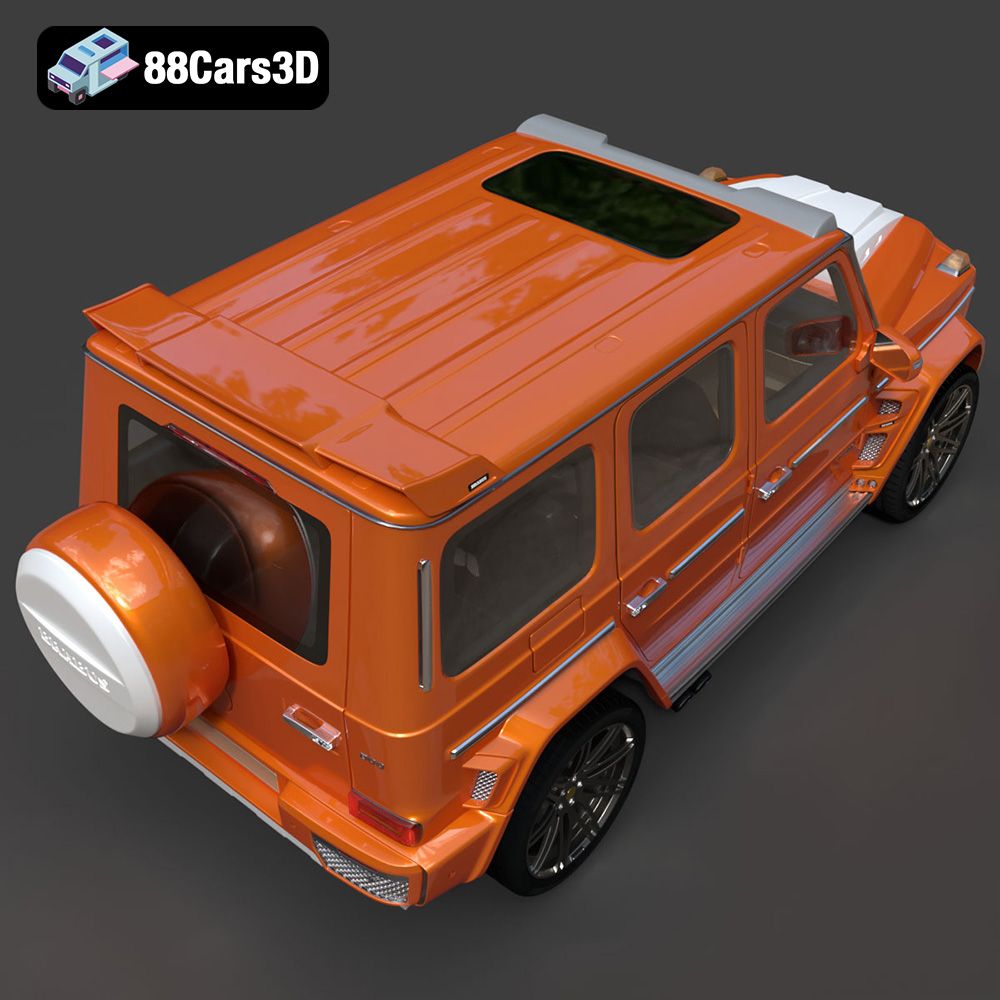
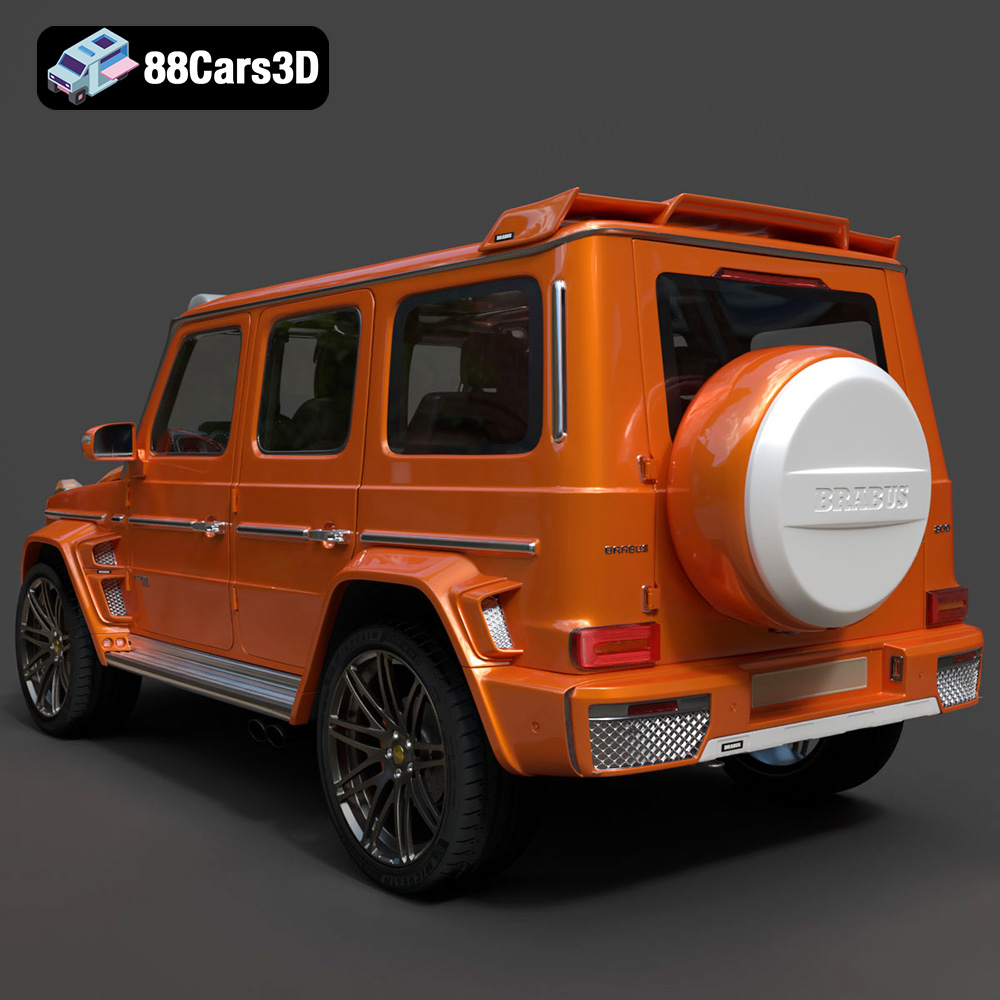
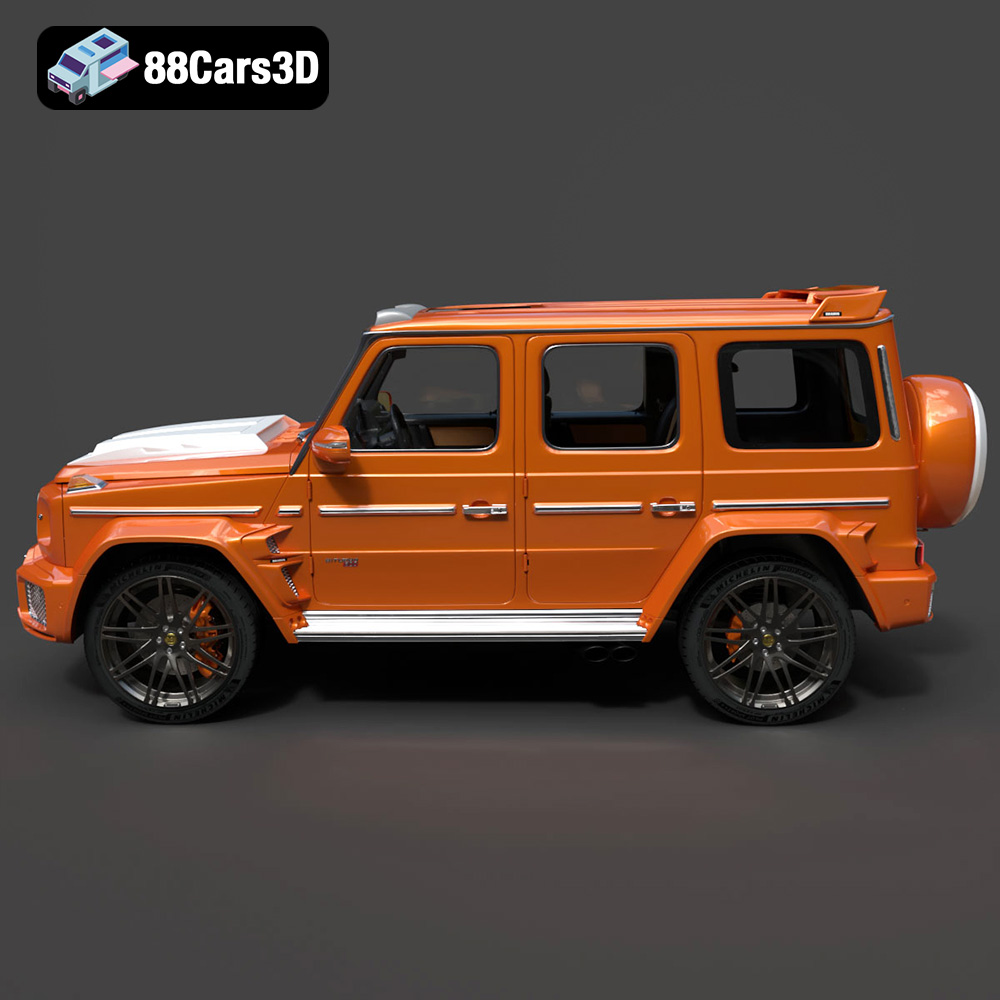
In the world of high-performance luxury, few vehicles command attention quite like the Brabus G 800. A beast born from the iconic Mercedes-Benz G-Class, the G 800 elevates its formidable foundation with an aggressive widebody kit, carbon fiber aesthetics, and a twin-turbo V8 that screams power. Its imposing stature and refined brutality make it a dream subject for any digital artist or developer looking to inject unparalleled realism and gravitas into their projects.
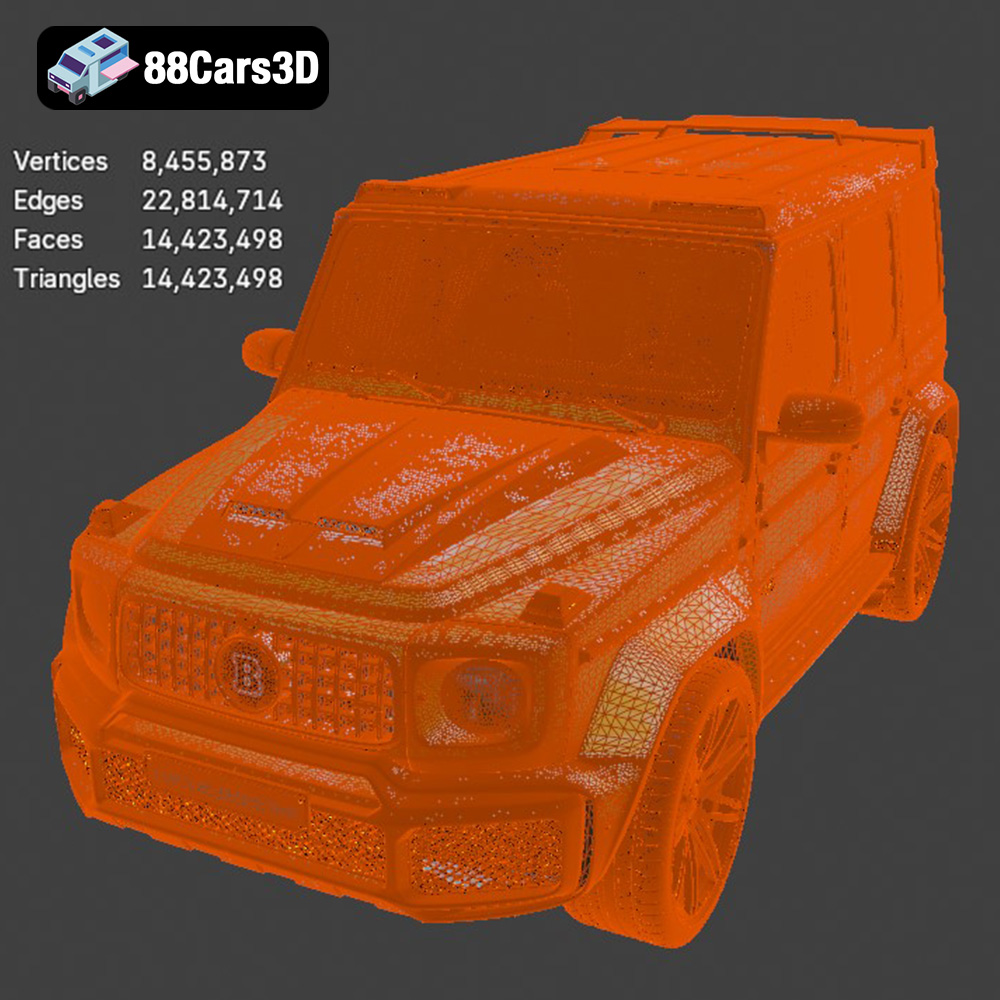
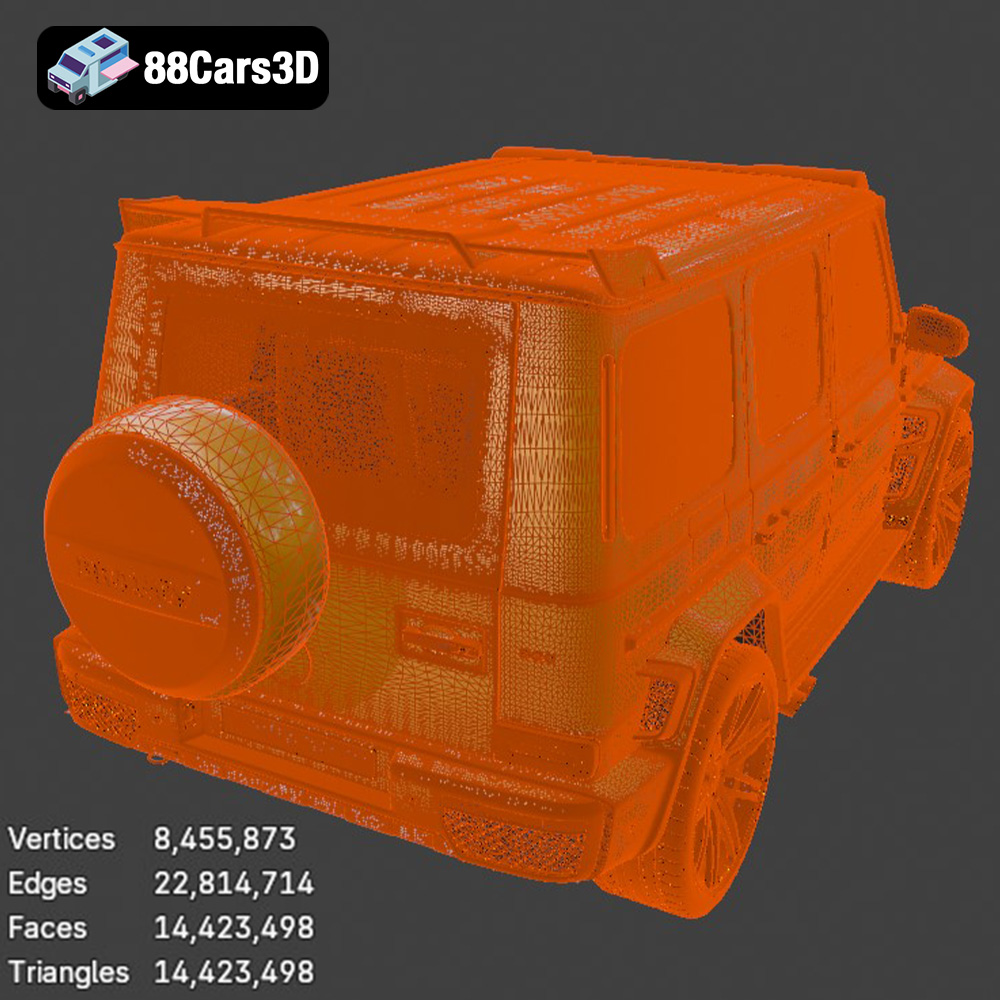
For professionals in automotive rendering, game development, architectural visualization, and immersive AR/VR experiences, capturing the essence of such a vehicle is paramount. This isn’t just about modeling a car; it’s about recreating an experience. That’s precisely where a meticulously crafted 3D car model of the Brabus G 800, such as the one available at 88cars3d.com, becomes an invaluable asset. Designed with an incredibly detailed topology of 14,423,498 triangles, this model provides the raw fidelity needed for truly breathtaking visuals, while maintaining a structure optimized for diverse high-end applications.
Throughout this comprehensive guide, we will delve into the technical intricacies of working with premium 3D models like the Brabus G 800, exploring essential file formats, advanced rendering techniques, game development optimizations, and innovative applications in AR/VR and 3D printing. We’ll uncover how such a powerful digital asset can transform your creative workflows and elevate the standard of your projects.
When acquiring a sophisticated 3D car model like the Brabus G 800, understanding the various file formats it comes in is crucial. Each format serves a specific purpose, offering unique advantages for different stages of a professional workflow. The Brabus G 800 3D model includes a comprehensive suite of formats, ensuring maximum compatibility and utility across a multitude of software and platforms.
The .blend format is the native file type for Blender, a powerful and increasingly popular open-source 3D creation suite. When you receive a .blend file, you’re getting a fully editable Blender scene. This means all the materials, textures, lighting, cameras, animations (if any), and scene organization are preserved. For artists and studios primarily working in Blender, this is often the most convenient format, allowing for direct manipulation of the mesh, node-based material adjustments, and immediate integration into existing Blender projects. It offers the highest degree of flexibility for customization and refinement within its native environment.
.fbx (Filmbox) is arguably the most widely used proprietary file format for 3D data exchange between different software applications and real-time engines like Unreal Engine and Unity. Developed by Autodesk, FBX supports geometry, materials, textures, rigging, skinning, and animations. Its strength lies in its ability to encapsulate complex scene data in a single file, making it ideal for transferring rigged car models with separate components (wheels, suspension, steering) between modeling software and game engines. For developers looking to integrate the Brabus G 800 into an interactive environment, .fbx is typically the go-to choice due to its robust support for animation data and hierarchical structures.
The .obj (Wavefront OBJ) format is a universal standard for storing 3D geometry data. It is highly compatible across almost all 3D software applications. An .obj file typically contains vertex positions, UV coordinates, normals, and face information, often accompanied by an associated .mtl (material library) file that defines basic material properties and texture maps. While .obj is excellent for raw geometry transfer and highly reliable for cross-software compatibility, it generally does not support advanced features like rigging, skinning, or animations. For foundational geometric integrity and widespread accessibility, .obj remains a steadfast choice.
.glb (GL Transmission Format Binary) is the binary version of glTF, a format specifically designed for efficient transmission and loading of 3D scenes and models by applications. It’s quickly becoming the standard for 3D models on the web, as well as in AR (Augmented Reality) and VR (Virtual Reality) environments. A .glb file packages all necessary assets—geometry, textures, materials, and animations—into a single file, reducing file size and improving loading times. For showcasing the Brabus G 800 in an interactive virtual showroom or an AR configurator on a mobile device, .glb is the most optimized and recommended format.
The .stl (Stereolithography) format is the de facto standard for 3D printing. It represents a 3D model as a series of connected triangles (a triangulated surface mesh) without color or texture information. While it simplifies the model, it provides the necessary geometric data for slicing software to generate toolpaths for 3D printers. The Brabus G 800 model, convertible to .stl, allows enthusiasts and professionals to bring the digital model into the physical world, creating display-scale replicas or prototypes, leveraging the model’s detailed geometry for tangible outputs.
.ply (Polygon File Format or Stanford Triangle Format) is another format for storing 3D data, particularly useful for high-resolution scanned data, CAD applications, and scientific analysis. It can store a variety of properties including color, transparency, surface normals, and texture coordinates. While less common for general purpose rendering than .fbx or .obj, .ply can be valuable for niche applications requiring precise mesh data or when working with point cloud data derived from real-world scans.
The .unreal format signifies an asset specifically prepared and often exported or packaged for direct use within Unreal Engine. This often implies optimized meshes, PBR materials configured for Unreal’s shading model, and potentially even blueprint integrations or specific asset naming conventions. Having a .unreal file for the Brabus G 800 streamlines the import and setup process significantly within Unreal Engine, allowing developers to jump straight into level design and interaction scripting without extensive material and mesh re-configuration.
Finally, the .max format is the native file type for Autodesk 3ds Max, a leading software for 3D modeling, animation, rendering, and visualization. Similar to .blend, a .max file contains the complete scene data, including all objects, modifiers, materials, lighting, cameras, and animation curves. For professionals deeply integrated into the Autodesk ecosystem, having the Brabus G 800 in .max format provides the ultimate flexibility for complex scene setup, animation rigging, advanced rendering with V-Ray or Corona, and seamless integration with other Autodesk products. It’s ideal for demanding architectural visualizations or cinematic animations where high fidelity and complex scene management are paramount.
The availability of these diverse formats ensures that the Brabus G 800 3D model from 88cars3d.com is not just a high-quality asset, but a highly adaptable one, ready for any professional pipeline.
Automotive rendering is an art form, blending technical precision with an aesthetic eye. When working with a premium 3D car model like the Brabus G 800, the goal is to create visuals so compelling they are indistinguishable from photography. This requires careful consideration of lighting, materials, and post-production techniques.
Effective lighting is the cornerstone of a convincing render. For the Brabus G 800, we’re dealing with a vehicle that demands a certain ambiance – be it the harsh glare of a desert sun or the subtle reflections of a luxury showroom. Professionals often start with High Dynamic Range Images (HDRIs) to provide realistic global illumination and reflections. An urban HDRI can place the G 800 on a bustling city street, while a studio HDRI offers controlled, professional lighting. Beyond HDRIs, strategic placement of physical light sources – area lights for soft illumination, spot lights for highlights, and rim lights to define contours – enhances the model’s presence. The Brabus G 800’s aggressive widebody and sharp lines thrive under lighting that emphasizes its muscular proportions, while its signature LED daytime running lights and smoked taillights can be activated to create dramatic visual interest, adding another layer of realism to the scene.
The Brabus G 800 is defined by its luxurious and performance-oriented materials. Replicating these in 3D requires a deep understanding of Physically Based Rendering (PBR) materials. The model’s detailed topology and UV mapping are crucial here. We need to accurately represent the intricate carbon fiber weave of its aerodynamic elements, the deep metallic sheen of its paintwork, the subtle texture of the high-performance tires wrapped around those massive Monoblock wheels, and especially the sumptuous quilted leather interior with its precise stitching. Each material requires careful calibration of properties like albedo (base color), roughness, metallicness, and normal maps to capture every nuance. Achieving photorealism means ensuring the reflections behave correctly, the light scatters authentically through glass, and the leather reacts believably to light, conveying both its texture and its soft, opulent feel. The fidelity of the Brabus G 800 model ensures that these material details are not lost, but rather, celebrated in the final render.
Even the most perfect raw render can be enhanced through post-production. This stage is where a render transforms into a cinematic masterpiece. Techniques such as color grading, vignette effects, depth of field to draw attention to specific details, and subtle chromatic aberration can add significant visual impact. For the Brabus G 800, imagine a shallow depth of field focusing on the intricate details of a Monoblock wheel or the carbon fiber accents on the steering wheel, blurring the background into a pleasing bokeh. Motion blur can convey speed in a dynamic shot, while atmospheric effects like volumetric fog or dust can add drama to an off-road scene. Integrating the Brabus G 800 into high-impact marketing visuals or promotional content requires this level of meticulous refinement, making the digital representation as captivating as the real vehicle.
Integrating a high-fidelity vehicle into a game engine presents a unique set of challenges, balancing visual quality with real-time performance. The Brabus G 800 3D model is designed with this balance in mind, making it an exceptional game asset for titles ranging from open-world adventures to racing simulators.
The Brabus G 800 model boasts 14,423,498 triangles, a figure that strikes a perfect balance for real-time engines like Unreal and Unity while maintaining high-end visual realism. For many game developers, a detailed base mesh like this is invaluable. It provides the foundation for generating multiple Levels of Detail (LODs), allowing the engine to dynamically swap lower-polygon versions of the model as the player moves further away, preserving frame rates without sacrificing visual quality up close. Beyond polycount, optimization involves efficient UV mapping for texture atlases, proper material instancing, and well-organized hierarchies. The “Game-Ready” nature of the Brabus G 800 model means it’s prepped for these pipelines, potentially including pre-configured PBR materials and organized scene structures, minimizing the setup time for developers and enabling them to focus on gameplay and environment design.
A static 3D car model is useful for renders, but a game asset needs to move convincingly. The Brabus G 800 model comes with a proper pivot setup for steering, wheel rotation, and suspension travel. This is critical for implementing realistic vehicle physics. In Unreal Engine, this would involve creating a Physics Asset, configuring suspension constraints, and setting up wheel colliders. The separate wheels, suspension, and steering components allow for accurate bone-based animation, enabling independent movement that mirrors real-world mechanics. Imagine driving the Brabus G 800 through a challenging off-road track in a simulator; the detailed suspension components moving realistically with every bump and dip adds immensely to the immersion. This level of granular control is what transforms a static model into a dynamic, interactive vehicle for gaming experiences.
For modern games, particularly those with first-person driving perspectives or vehicle customization options, the interior details are as crucial as the exterior. The Brabus G 800’s luxurious quilted leather seats, custom performance steering wheel with carbon fiber accents, high-resolution digital dual-screen instrument cluster, and detailed center console are all meticulously recreated. This optimized geometry for first-person POV is essential for delivering an immersive experience. Players can glance at the digital dashboard, see their hands on the paddle shifters, and feel truly “inside” the vehicle. This attention to cockpit features elevates the game asset from merely functional to genuinely experiential, a testament to the quality found in premium 3D car models available on platforms like 88cars3d.com.
The applications for a high-quality 3D model extend far beyond traditional rendering and gaming. The Brabus G 800 model is also perfectly suited for cutting-edge immersive technologies and tangible physical creations.
Augmented Reality (AR) and Virtual Reality (VR) are revolutionizing how consumers interact with products, especially high-value items like luxury vehicles. Imagine walking around the Brabus G 800 in a VR showroom, inspecting every detail as if it were physically present, or using an AR app on your phone to place the G 800 directly in your driveway. The included .glb format is tailor-made for these applications, offering optimized performance and single-file packaging for easy deployment across web, mobile, and VR headsets. Brands can leverage this for interactive configurators, allowing potential buyers to customize colors, wheels, and interior finishes in real-time, greatly enhancing the pre-purchase experience. The visual fidelity of the Brabus G 800 model ensures that these virtual and augmented experiences are stunningly realistic and highly engaging.
For enthusiasts, collectors, or even designers needing physical prototypes, 3D printing offers an exciting avenue. The Brabus G 800 3D model can be converted to the .stl format, making it ready for fabrication. The product description even provides specific 3D print settings, which is incredibly valuable: recommended scales (1:12, 1:18, 1:24), layer height (0.04–0.12 mm, with resin printing recommended for fine details), and structural advice like wall thickness, infill, and support placement for delicate parts like the exhaust and mirrors. The guidance on print orientation (frame angled for structural integrity, wheels printed separately) is crucial for a successful print. After printing, post-processing steps like sanding, priming, and applying authentic factory colors with metallic finishes can yield a stunning physical replica, demonstrating the true versatility of a well-engineered 3D model.
The true power of a professional-grade 3D car model lies in its seamless integration into established workflows and its adaptability to diverse project requirements. The Brabus G 800 model exemplifies this, offering unparalleled flexibility for creative professionals.
For artists deeply invested in either Autodesk 3ds Max or Blender, the availability of native .max and .blend files is a significant advantage. Instead of wrestling with import/export issues that can degrade data, you gain access to a fully editable scene. In 3ds Max, this means immediate access to modifiers, animation curves, and advanced V-Ray or Corona render setups. For Blender users, it translates to direct manipulation within the node editor for materials, leveraging powerful add-ons, and integrating the model into complex procedural scenes. This direct access allows for intricate rigging of doors, hood, and trunk for animation sequences, or detailed environmental reflections that react precisely to the car’s surfaces. The premium quality of the Brabus G 800 model ensures that every detail, from the engine block components to the upgraded suspension, remains intact and manipulable within these powerful software environments.
No two projects are identical, and the ability to customize a 3D asset is paramount. The Brabus G 800 3D model offers extensive customization options. Artists can easily change body colors, applying anything from authentic factory finishes to bespoke metallic or matte paints. Tire textures can be swapped between off-road and street variants to match the scene’s narrative. Material finishes, whether gloss, matte, or metallic, can be precisely adjusted to achieve the desired aesthetic. Furthermore, lighting can be adapted for different environments – a dramatic studio setup for a marketing shot versus realistic outdoor illumination for a lifestyle rendering. This level of adaptability ensures that the Brabus G 800 can be seamlessly integrated into diverse scenarios, from high-octane racing games to serene luxury advertisements, always looking its best.
In a fast-paced industry, time is money, and quality is king. Investing in a premium 3D car model like the Brabus G 800 from 88cars3d.com offers a significant return. It eliminates the arduous and time-consuming process of modeling a vehicle from scratch, which could take weeks or even months for a model of this complexity and detail. Instead, artists and developers can focus their expertise on scene creation, animation, rendering, and game logic. This not only accelerates project timelines but also ensures a consistent level of quality that would be challenging to achieve otherwise. 88cars3d.com specializes in providing high-quality 3D car models, ensuring that professionals have access to reliable, game-ready, and render-ready assets that meet the most demanding industry standards. It’s an investment in efficiency, quality, and the success of your creative endeavors.
The Brabus G 800 is more than just a luxury performance SUV; it’s a statement. And in the digital realm, a meticulously crafted 3D model of this automotive icon offers creators an unparalleled tool to make their own statements. From its stunning visual fidelity, boasting over 14 million triangles, to its comprehensive suite of file formats catering to every professional workflow, this model is designed for excellence. Whether you are aiming for photorealistic automotive rendering, optimizing game assets for real-time engines, developing immersive AR/VR experiences, or even fabricating physical replicas through 3D printing, the Brabus G 800 3D model provides the foundation for success.
The detailed exterior and interior features, coupled with the technical advantages of real-world scale and proper pivot setups, ensure that this asset is not just aesthetically pleasing but also functionally robust across various applications. By understanding the nuances of file formats and leveraging the model’s customization capabilities, artists and developers can integrate this powerhouse vehicle into their projects with confidence and creative freedom. Elevate your next project with a premium 3D car model that stands out. Explore the Brabus G 800 and a wide array of other high-quality 3D car models available at 88cars3d.com today.
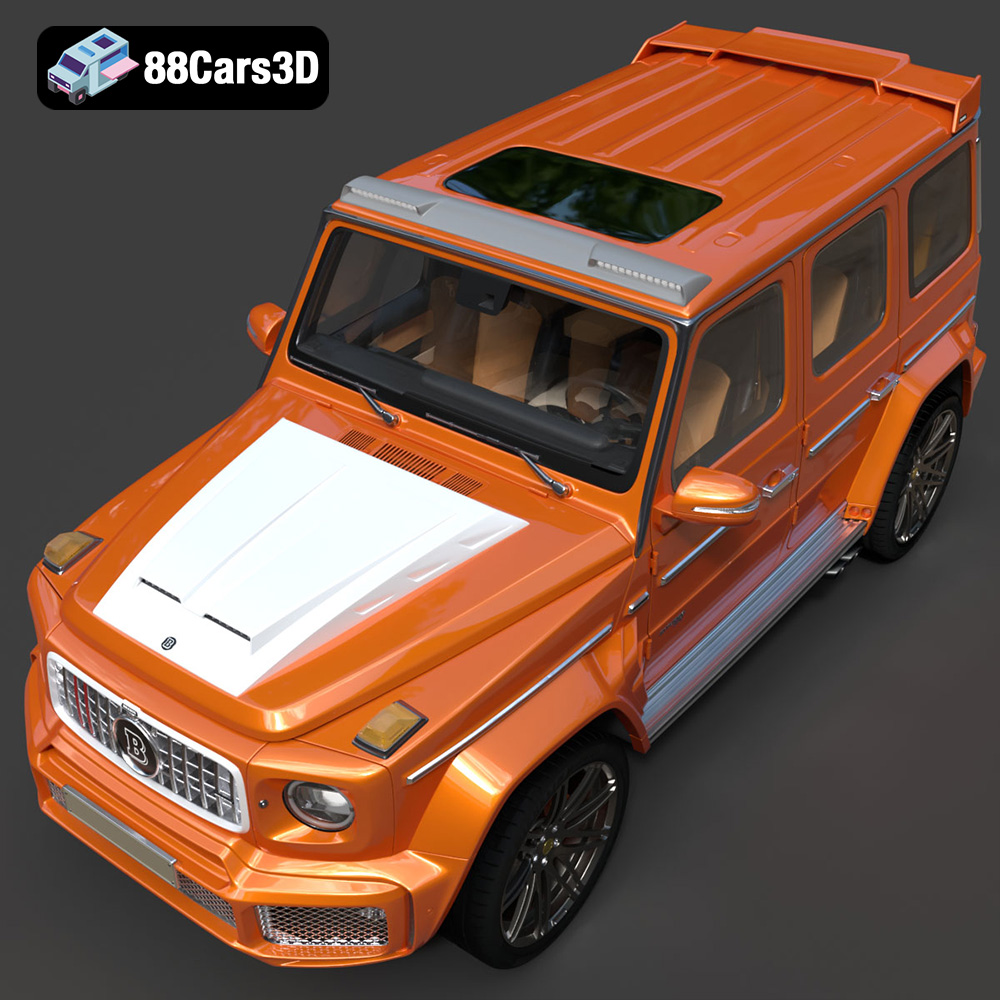
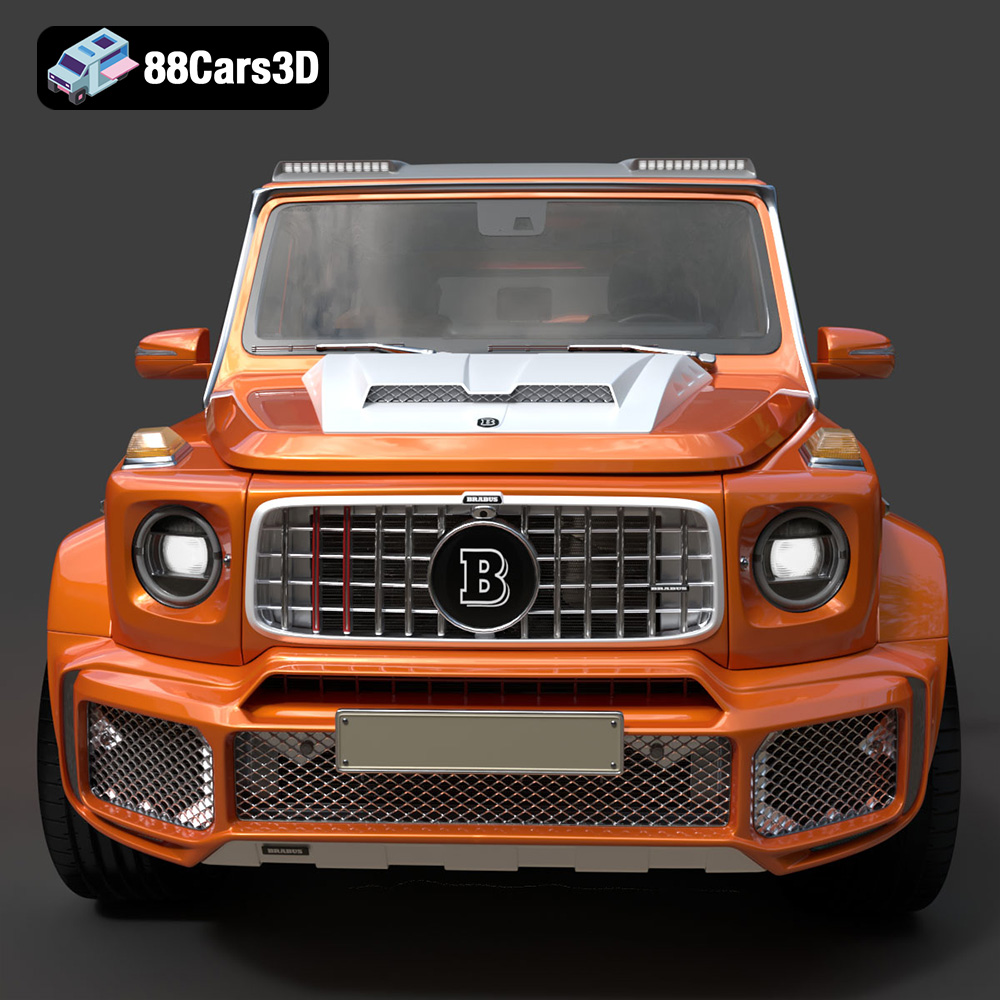
Experience the ultimate expression of luxury and raw power with the Brabus G 800. Based on the legendary G-Class, this masterpiece of automotive engineering features an aggressive widebody kit, signature carbon fiber aerodynamic elements, and iconic side-exit sports exhausts. Known for its imposing boxy stance and twin-turbo V8 powerplant, the G 800 blends off-road heritage with hypercar-level performance aesthetics. This premium 3D model boasts an incredibly detailed topology of 14,423,498 triangles, delivering unparalleled visual fidelity. Despite its high polygon count, the geometry is meticulously structured for high-end rendering, AAA game development, architectural visualization, and immersive AR/VR experiences. Every curve, carbon weave, and interior stitch has been faithfully recreated.
$90.00
.blend
.brabus
.fbx
.glb
.luxury suv
.max
.obj
.ply
.rendering
.stl
.unreal
car-3d-model
g-800
g-class
game asset
game-ready
off-road
SUV
VR/AR