Get 40% OFF All Premium 3D & STL Models!

In the fast-paced world of digital media, from cinematic renders to immersive game environments and cutting-edge virtual reality experiences, the demand for truly exceptional 3D car models has never been higher. Automotive design is an intricate blend of aesthetics and engineering, and to replicate this complexity digitally requires an equally meticulous approach. Professionals across various industries, including game development, architectural visualization, and product configurators, rely on assets that not only look stunning but also perform flawlessly across diverse platforms. This pursuit of digital perfection is where expertly crafted assets, like the Volkswagen ID5 3D Model, become indispensable tools.
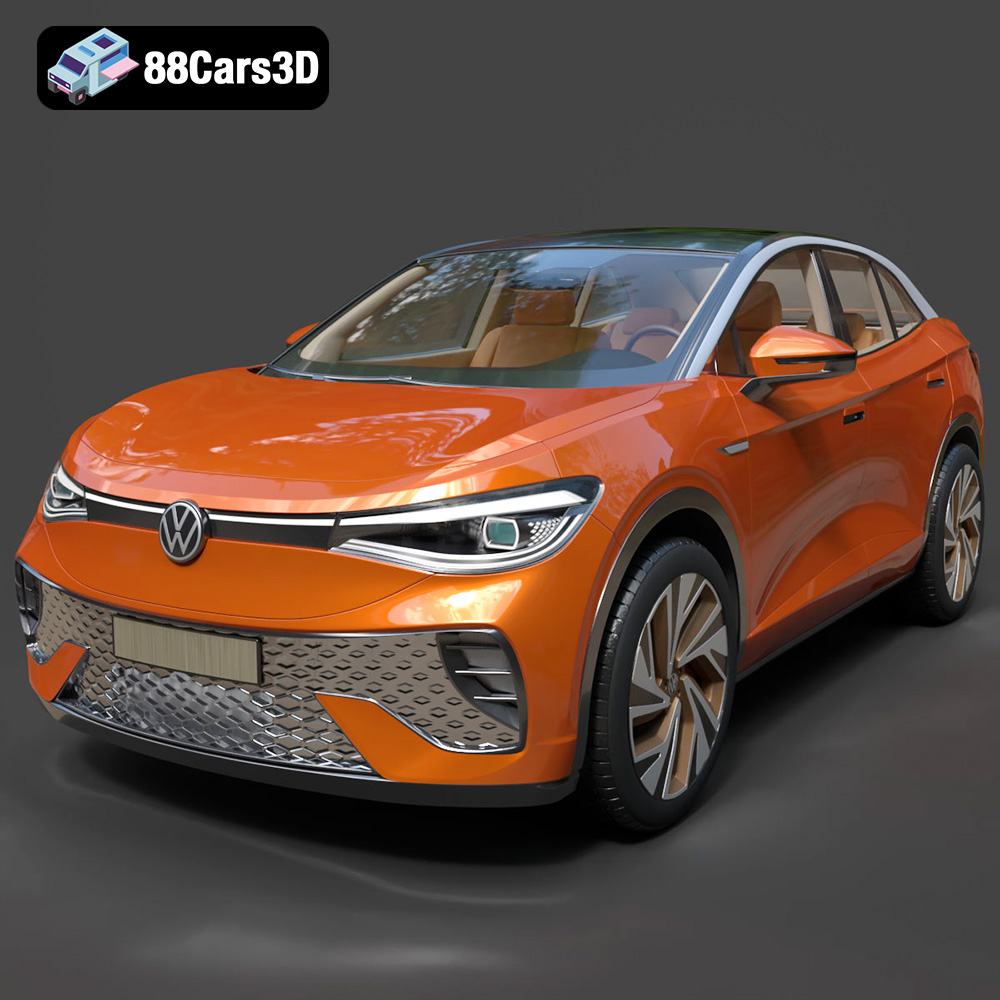
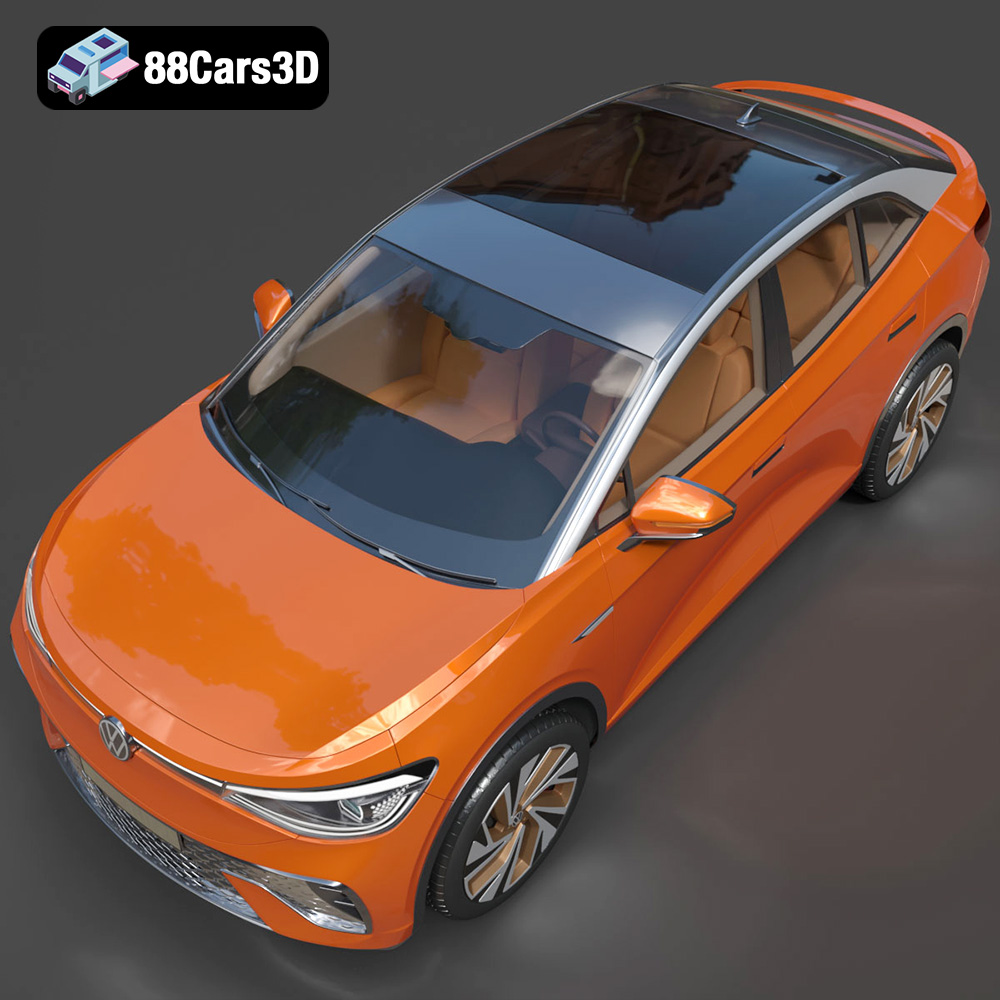
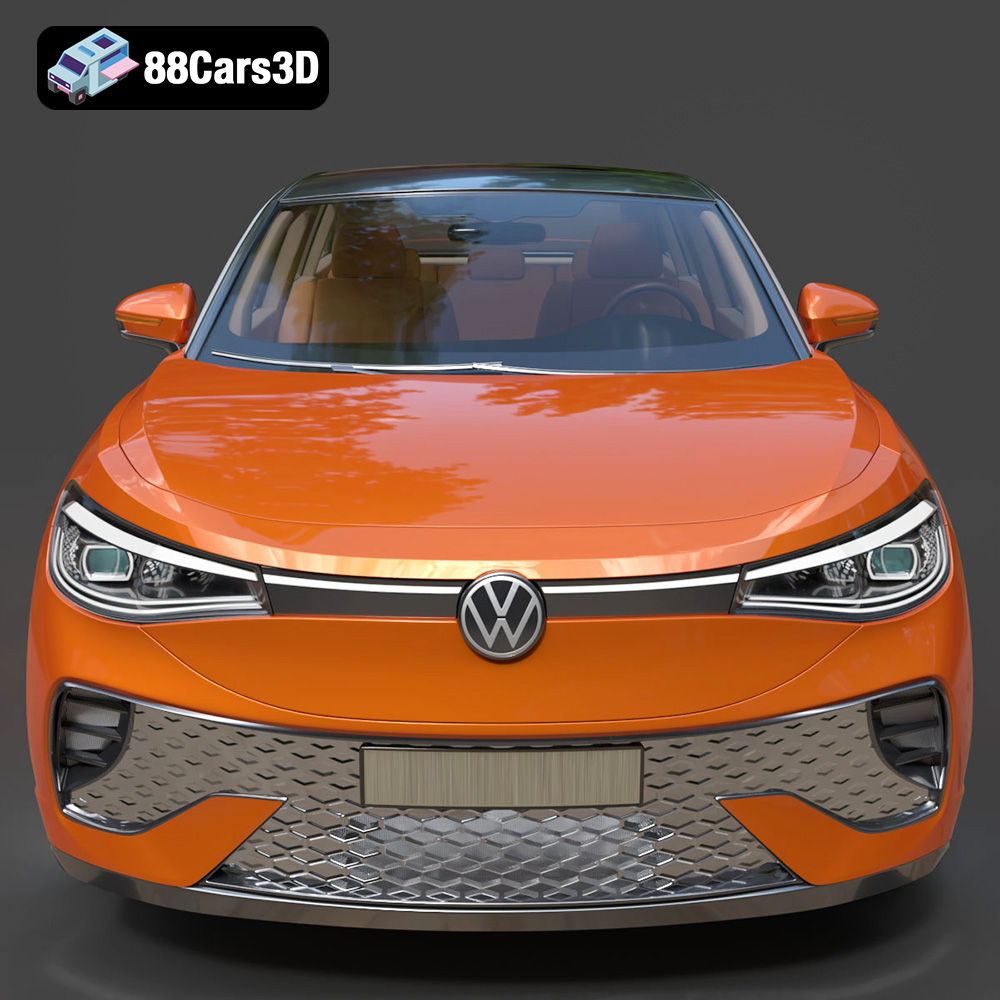
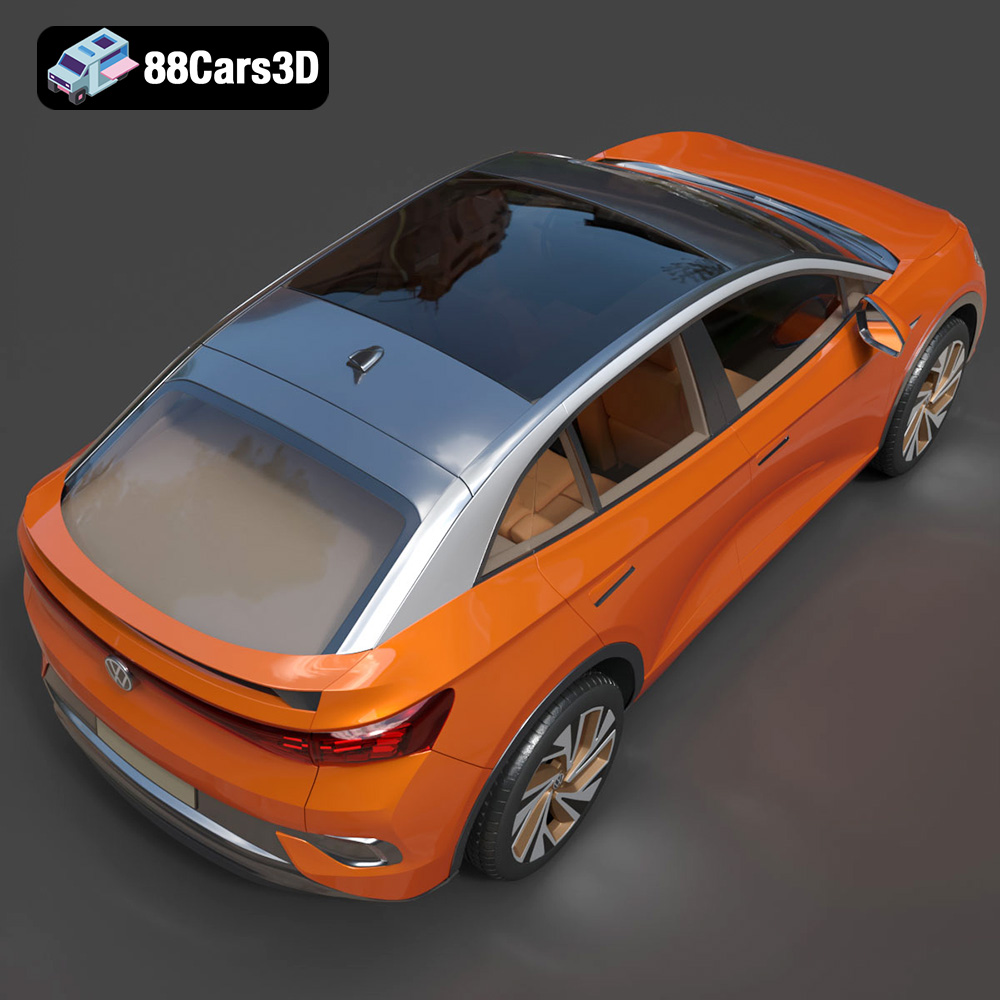
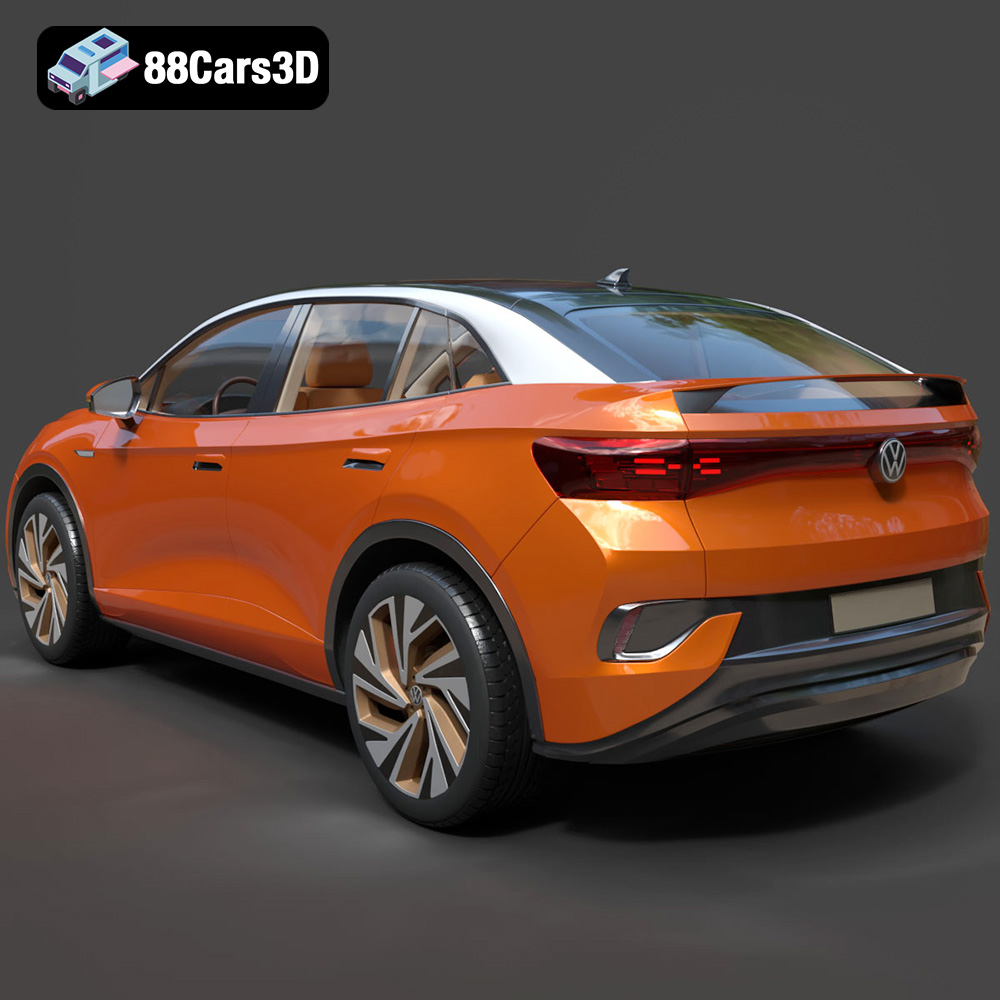
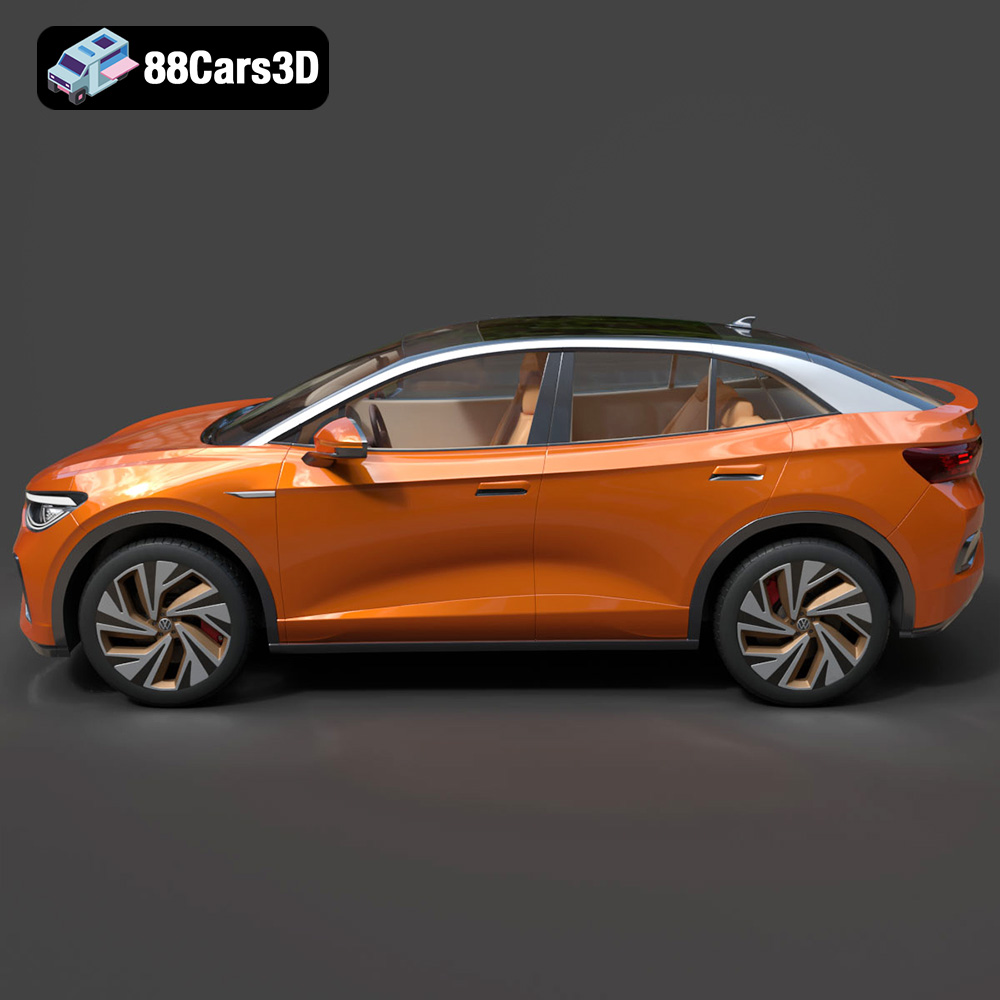
The Volkswagen ID5 represents the pinnacle of modern EV design, a compelling fusion of coupe aesthetics with SUV versatility. Capturing its distinctive sloping roofline, minimalist styling, futuristic LED matrix lighting signature, and aerodynamically optimized contours in a digital format requires precision. A high-quality 3D model allows designers and developers to integrate this iconic vehicle into their projects with unparalleled visual fidelity, transforming concepts into photorealistic realities or engaging interactive experiences. For those seeking top-tier 3D car models, 88cars3d.com offers a curated selection designed to meet the rigorous demands of professional workflows.
Navigating the diverse landscape of 3D software and engines necessitates a deep understanding of file formats. Each format serves a specific purpose, optimized for different stages of the 3D pipeline, from initial modeling to final rendering, real-time deployment, or even physical fabrication. The Volkswagen ID5 3D model, for instance, comes equipped with a comprehensive suite of formats, ensuring maximum compatibility and flexibility for any project.
The `.blend` format is native to Blender, a powerful open-source 3D creation suite. When you download a `.blend` file, you’re not just getting a model; you’re receiving a complete Blender scene. This typically includes the fully editable mesh geometry, materials, textures, lighting setups, cameras, and even animation data if present. For artists working primarily in Blender, this format offers the most flexibility for customization, allowing for direct modification of the topology, material properties, and scene composition without any data loss from conversion. It’s ideal for in-depth scene integration, rendering within Cycles or Eevee, and leveraging Blender’s robust toolset.
`.fbx` (Filmbox) is a proprietary file format owned by Autodesk, but it has become a de facto industry standard for 3D data interchange. It excels at transferring 3D models with animation, materials, and rigging information between different software applications like 3ds Max, Maya, Blender, and real-time engines such as Unreal Engine and Unity. Its strength lies in its ability to encapsulate complex scene data while maintaining relatively small file sizes. For the Volkswagen ID5 3D model, the `.fbx` format is especially valuable for game developers, providing an optimized asset ready for import into real-time pipelines, typically with baked textures and PBR materials.
The `.obj` (Wavefront OBJ) format is one of the oldest and most widely supported 3D file formats. It’s a simple, text-based format primarily used for transferring mesh geometry (vertices, normals, UV coordinates) and can reference external material files (`.mtl`). While it doesn’t support animation or rigging, its universal compatibility makes it an excellent choice for cross-software transfers where only the static geometry is needed. It’s a reliable fallback for ensuring your 3D car model can be opened and worked on in virtually any 3D application, making it highly valuable for general 3D visualization and static renders.
`.glb` (GLB File Format) is the binary version of glTF (GL Transmission Format), designed for efficient transmission and loading of 3D scenes and models by applications. It’s quickly becoming the standard for 3D content on the web, augmented reality (AR), and virtual reality (VR) platforms due to its compact size and single-file structure (embedding geometry, materials, textures, and animation). The Volkswagen ID5 3D model in `.glb` format is perfectly suited for interactive web viewers, immersive AR experiences on mobile devices, and VR showrooms, enabling rapid deployment and smooth performance.
The `.stl` (Stereolithography) format is almost exclusively used for 3D printing. It represents a 3D model as a series of connected triangles, describing only the surface geometry of an object without color, texture, or material information. While this simplifies the data, it ensures that 3D printers can accurately interpret the shape for fabrication. For hobbyists or professionals looking to create a physical replica of the Volkswagen ID5, the `.stl` format provides the necessary data, allowing for precise scaling and preparation for additive manufacturing processes.
`.ply` (Polygon File Format) is a format for storing graphical objects that has primarily been used for storing data from 3D scanners. It’s known for its ability to store various properties like color, transparency, and even normal vectors per vertex or face. While less common for general 3D model distribution than FBX or OBJ, it’s particularly useful in scientific, CAD, and engineering contexts where precision mesh data or point clouds are critical, often used for analysis or reverse engineering.
The `.unreal` format denotes an asset specifically optimized and configured for direct use within Unreal Engine. This often means the asset has already undergone various steps like collision setup, LOD (Level of Detail) generation, material instance creation, and proper pivot placement, making it truly “game-ready.” For the Volkswagen ID5 3D model, having a dedicated `.unreal` file streamlines the workflow for developers, drastically reducing the time spent on engine-specific setup and allowing for immediate integration into interactive experiences.
Similar to `.blend` for Blender, the `.max` format is native to Autodesk 3ds Max. It contains the complete 3ds Max scene, including all modeling data, modifiers, materials (V-Ray, Corona, Arnold), lighting, cameras, and animation. For users of 3ds Max, this format provides the highest level of control and editability, ideal for complex architectural visualization, sophisticated automotive rendering, and animation projects where the vehicle needs to be integrated into a larger, dynamically lit and animated scene.
Achieving true photorealism in 3D visualization is a delicate balance of artistic skill and technical precision. The Volkswagen ID5 3D model exemplifies this balance, meticulously engineered to replicate every nuance of the actual vehicle. Its technical specifications are not just numbers; they represent thoughtful optimization for diverse high-end applications.
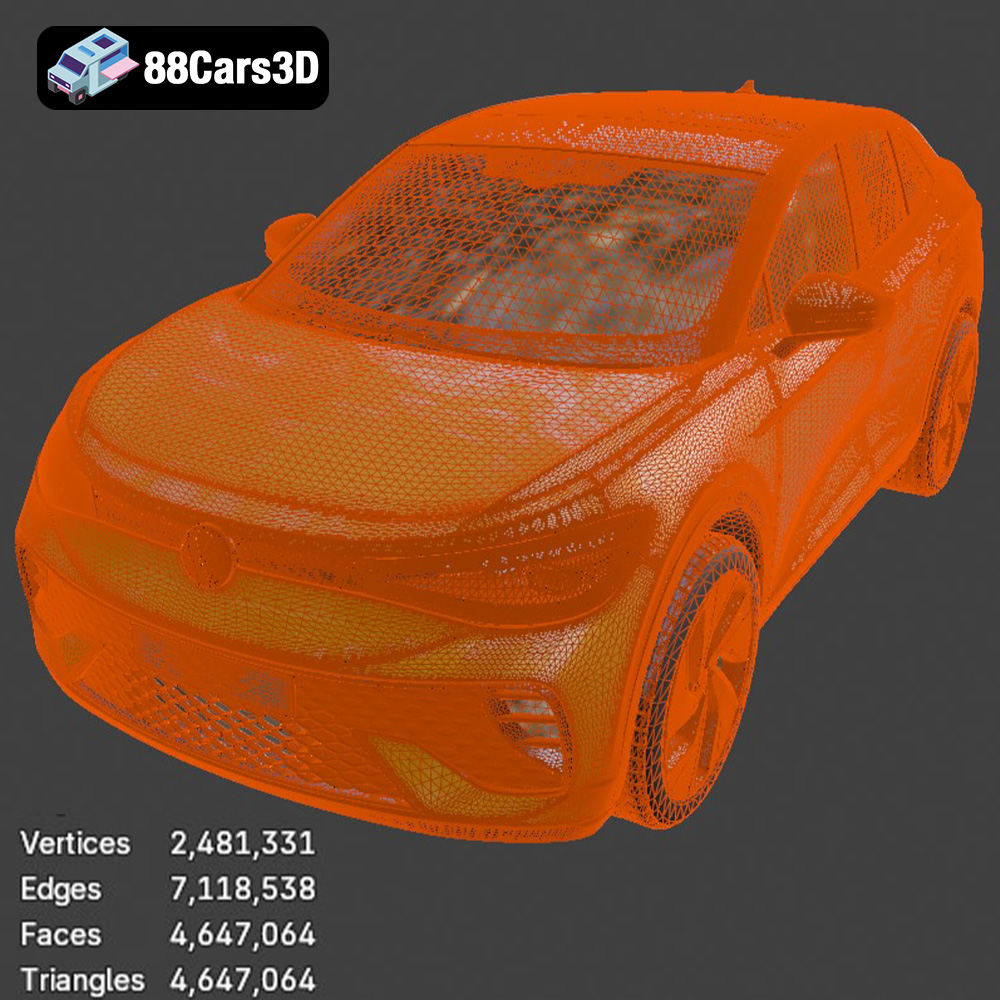
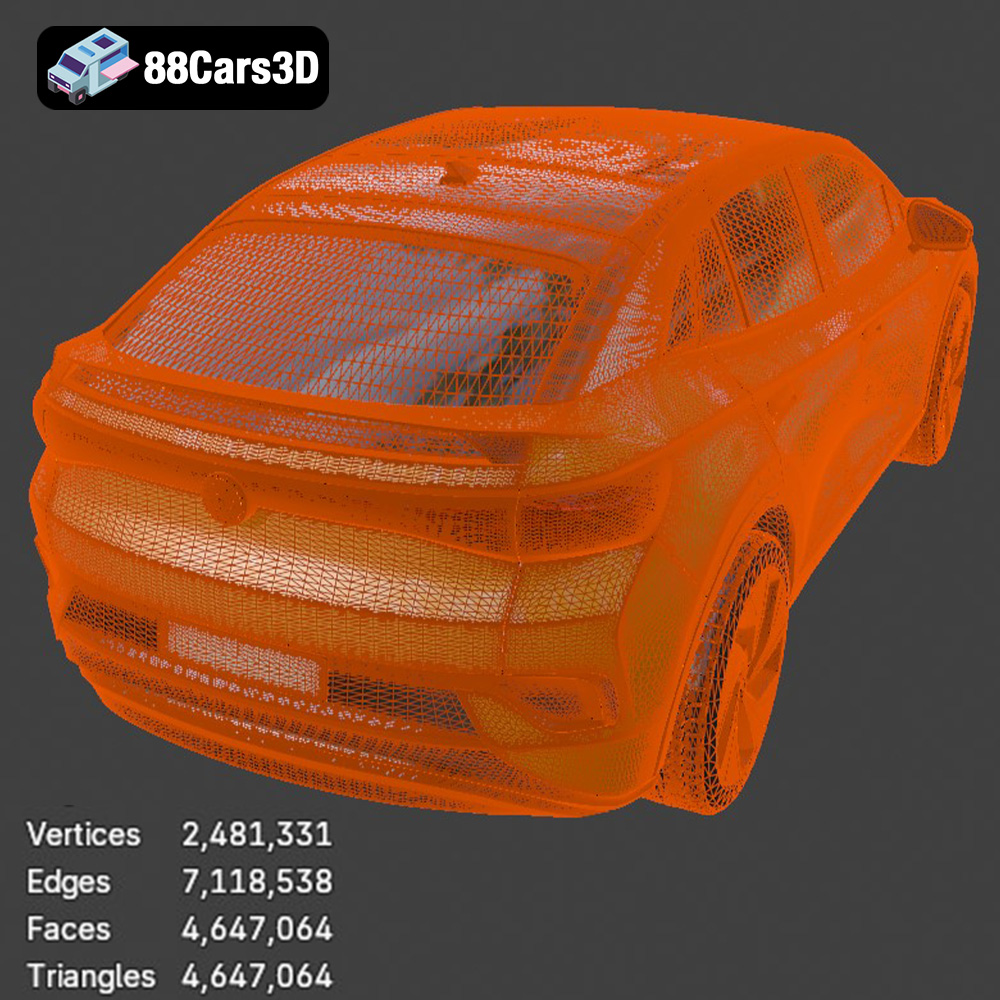
The core of any high-fidelity 3D model lies in its geometry. With a staggering 4,647,064 triangles, the Volkswagen ID5 3D model delivers unparalleled visual richness. This poly count is significant enough to capture the ID5’s distinctive sloping roofline, intricate panel gaps, aerodynamic contours, and detailed lighting signatures without sacrificing smooth curves or sharp edges. More importantly, the topology is meticulously crafted. This means that while the triangle count is high for realism, the underlying mesh flow (quads, if converted or derived from them) is clean and optimized. This clean topology is crucial for:
One of the foundational elements of a believable 3D asset is real-world scale accuracy. The Volkswagen ID5 3D model is built precisely to the dimensions of its real-world counterpart. This isn’t merely an aesthetic consideration; it’s a technical imperative for seamless integration into various professional scenarios:
Despite its high triangle count, the Volkswagen ID5 3D model is thoughtfully designed to be “game-ready.” This term signifies that the asset has undergone a process of optimization to ensure it performs efficiently within real-time engines like Unreal Engine and Unity, while still delivering high-end visual realism. The balance struck at 4,647,064 triangles is crucial here: it’s detailed enough for next-gen fidelity, yet structured to minimize draw calls and rendering overhead. Key advantages include:
The true value of a premium 3D asset like the Volkswagen ID5 3D model becomes apparent when it seamlessly integrates into professional workflows. Whether you’re building an immersive open-world game or creating a photorealistic marketing campaign, efficiency and quality are paramount.
Unreal Engine is a powerhouse for real-time visualization and game development, and the Volkswagen ID5 3D model is perfectly primed for it. Using the `.fbx` or the dedicated `.unreal` format, developers can expect a streamlined import process.
For high-end automotive rendering, 3ds Max remains an industry staple, often paired with render engines like V-Ray or Corona Renderer. The `.max` format provides the native project file, ensuring full access to all model data.
Blender’s growing popularity means the `.blend` file is a crucial inclusion. It offers a powerful, open-source alternative for high-quality visualization and game asset preparation.
The utility of a versatile 3D asset extends far beyond traditional screen-based rendering and game development. The Volkswagen ID5 3D model’s comprehensive file format support positions it perfectly for emerging technologies like Augmented Reality (AR), Virtual Reality (VR), and even physical fabrication through 3D printing.
AR and VR offer groundbreaking opportunities for showcasing automotive design, and the Volkswagen ID5 3D model is an ideal candidate for these immersive platforms.
For enthusiasts, collectors, or designers who need a tangible representation, the Volkswagen ID5 3D model provides the foundation for 3D printing. The `.stl` format, specifically designed for additive manufacturing, makes this possible.
A truly professional 3D model offers more than just static beauty; it provides a flexible foundation for boundless creativity. The Volkswagen ID5 3D model is engineered with customization in mind, empowering users to adapt it to a myriad of specific project requirements and artistic visions.
The ability to customize a 3D asset significantly extends its lifespan and value. The Volkswagen ID5 3D model supports extensive modifications:
The comprehensive detail and optimization of the Volkswagen ID5 3D model make it suitable for a broad spectrum of professional applications:
In any professional 3D pipeline, the quality of your assets directly impacts the quality of your final output and the efficiency of your workflow. Using a low-quality or poorly optimized 3D model can lead to countless hours of corrective work, visual artifacts, and compromised performance. This is why investing in premium assets from trusted sources like 88cars3d.com is a critical decision for serious artists and developers.
A high-fidelity asset, such as the Volkswagen ID5 3D model, saves invaluable production time. Instead of spending days or weeks modeling a complex vehicle from scratch, or fixing issues with a subpar model, professionals can immediately integrate a pre-made, expertly crafted asset. This allows teams to focus their resources on scene creation, animation, lighting, and interactive elements, rather than foundational modeling tasks.
Furthermore, consistency in quality across all assets elevates the overall standard of a project. When every element, including a crucial piece like an automotive model, meets stringent technical and artistic benchmarks, the final product is cohesive, professional, and visually stunning. Whether it’s for a high-stakes client presentation, a major game release, or an innovative AR application, the meticulous detail and optimization inherent in the Volkswagen ID5 3D model ensure that the end result is nothing short of exceptional.
The digital realm continues to expand, demanding increasingly sophisticated and realistic assets for diverse applications. From the intricate realism required for automotive rendering to the optimized performance essential for game assets and immersive AR/VR experiences, the foundational quality of a 3D model is paramount. The Volkswagen ID5 3D Model stands as a testament to this, offering an unparalleled level of detail, technical precision, and format versatility.
With its meticulously crafted geometry, accurate real-world scale, and thoughtful optimization for real-time engines, this model provides a robust solution for a wide range of professional workflows. Whether you are creating a cinematic visualization in 3ds Max, developing an interactive game with Unreal Engine, or even fabricating a physical replica through 3D printing, the Volkswagen ID5 3D model offers the flexibility and fidelity needed to bring your creative visions to life. It simplifies complex processes, enables seamless integration, and ultimately elevates the standard of your digital projects. For those seeking such premium 3D car models, explore the extensive collection available at 88cars3d.com to find the perfect assets for your next masterpiece.
The Volkswagen ID5 represents the pinnacle of modern EV design, blending the sleek aerodynamics of a coupe with the versatility of an SUV. This 3D model captures its distinctive sloping roofline, minimalist styling, futuristic LED matrix lighting signature, and aerodynamically optimized contours, perfectly reflecting Volkswagen’s innovative electric vehicle architecture.
With a highly detailed geometry featuring 4,647,064 triangles, this 3D model offers unparalleled visual fidelity. Its topology is meticulously crafted for high-end rendering, advanced game development, and photorealistic visualization, ensuring every curve and crease matches the real-world counterpart flawlessly while maintaining game-ready optimization.
Perfect for architectural visualization, high-end automotive configurators, cinematic animations, and next-gen virtual showrooms.
$90.00
.blend
.ev
.fbx
.glb
.id5
.max
.obj
.ply
.rendering
.stl
.unreal
.volkswagen
car-3d-model
coupe-suv
electric-suv
game asset
game-ready
high poly
optimized
VR/AR