Get 40% OFF All Premium 3D & STL Models!

In the dynamic world of 3D content creation, the demand for highly detailed, authentic, and versatile 3D models is constant. From groundbreaking video games to hyper-realistic automotive marketing campaigns and immersive virtual reality experiences, the foundational element is always a meticulously crafted asset. Capturing the essence of real-world vehicles in a digital format requires a deep understanding of geometry, materials, and optimization. This article delves into the intricate process of developing and deploying premium 3D vehicle assets, highlighting how a model like the Yamaha MT-09 Tracer exemplifies excellence in this domain. We’ll explore the technical nuances that elevate a simple mesh into a professional-grade asset, suitable for a myriad of applications.
When artists and developers seek to integrate a specific vehicle into their projects, they need more than just a visual representation; they require a robust, flexible, and technically sound foundation. The Yamaha MT-09 Tracer, a celebrated sport-touring motorcycle known for its thrilling performance and distinctive design, serves as an excellent case study. A high-quality 3D model of this machine isn’t just a static object; it’s a meticulously engineered digital twin, ready to be animated, rendered, or interacted with in real-time environments. Such precision-engineered 3D car models and motorcycle assets are exactly what 88cars3d.com specializes in providing, ensuring creators have access to the best tools for their vision.
The journey of any 3D model from conception to deployment involves a crucial choice: the file format. Each format is designed with specific use cases, software compatibilities, and technical advantages in mind. Understanding these distinctions is paramount for any professional working with 3D automotive rendering, game assets, or interactive visualization. The Yamaha MT-09 Tracer 3D model, for instance, comes in a comprehensive array of formats, ensuring its utility across virtually any project pipeline.
The .blend format is the native file type for Blender, the popular open-source 3D creation suite. When you download a .blend file, you’re getting the complete Blender scene, including all geometry, materials, textures, lighting, cameras, and even animation data. This format is ideal for artists who primarily work in Blender, offering full editability and access to the original scene setup. It allows for advanced customization, tweaking materials, adjusting modifiers, and integrating the model seamlessly into existing Blender projects. Its technical advantage lies in preserving all scene data, making it a powerful starting point for further artistic development.
.fbx (Filmbox) is arguably the most widely used proprietary 3D file format for exchanging 3D data between different software applications. Developed by Autodesk, FBX is excellent for transferring models, animations, rigs, and even PBR material setups across software like 3ds Max, Maya, Blender, and directly into game engines like Unreal Engine and Unity. For game assets, .fbx is often the go-to choice due to its robust support for animation and skeletal data, crucial for realistic vehicle movement. It’s a binary format, which can make it more efficient in terms of file size and parsing speed compared to text-based formats for complex scenes.
The .obj (Wavefront OBJ) format is a universal standard for 3D geometry. It’s an ASCII-based (text-based) format primarily known for storing vertex positions, UV coordinates, normals, and polygonal faces. While it doesn’t typically store animation or rigging data, its simplicity and widespread support make it incredibly versatile for basic model exchange across virtually any 3D software. It often comes with an accompanying .mtl file that defines material properties and links to texture maps. For projects where pure geometry transfer is needed, or as a reliable fallback, .obj remains an indispensable format.
.glb (GL Transmission Format Binary) is an increasingly important format, especially for real-time web applications, AR (Augmented Reality), and VR (Virtual Reality). It’s a binary version of the glTF (Graphics Library Transmission Format) specification, designed for efficient transmission and loading of 3D scenes and models. GLB bundles the entire 3D model, textures, and animations into a single file, making it highly optimized for performance-critical environments like mobile AR apps, web browsers (e.g., three.js, Babylon.js), and lightweight VR experiences. Its focus on runtime delivery makes it ideal for interactive showcases of models like the Yamaha MT-09 Tracer.
.stl (Stereolithography) is the de facto standard for 3D printing. This format represents a 3D model as a collection of unconnected triangular facets, without color, texture, or other CAD attributes. Its primary purpose is to define the surface geometry of a 3D object for manufacturing processes. While not suitable for rendering or animation, an .stl file is essential if the intention is to physically materialize the digital model. For hobbyists or product designers wanting to print a miniature Yamaha MT-09 Tracer, the .stl format is absolutely necessary, ensuring accurate translation from digital to physical form, as detailed in the product’s 3D print settings.
.ply (Polygon File Format, or Stanford Triangle Format) is another format that stores 3D data, often used for scanned data, CAD models, and scientific applications. It can store a wide range of properties, including color, transparency, surface normals, and even confidence values. While less common for general animation or game development compared to FBX, PLY is valued for its ability to represent complex geometric data accurately, often preferred in situations requiring precise mesh analysis or integration with CAD software.
The .unreal format, or more accurately, the specific asset packaging within the Unreal Engine, refers to models that have been fully imported, processed, and optimized within Unreal Engine itself. While not a standalone file format you download directly in the same way as FBX, its inclusion in the Yamaha MT-09 Tracer product offering implies that the model has been rigorously prepared and tested for seamless integration into Unreal projects. This means proper scaling, collision meshes, material setup, and often LODs (Levels of Detail) are already configured for optimal performance in real-time rendering environments, saving developers significant setup time.
Finally, the .max format is the native file type for Autodesk 3ds Max, a powerful 3D modeling, animation, and rendering software. Similar to .blend, a .max file contains the complete scene data, including geometry, materials, textures, lighting, cameras, animation, and scene settings specific to 3ds Max. It offers full editability and is indispensable for professionals who use 3ds Max as their primary DCC (Digital Content Creation) tool. Artists can leverage its extensive toolset for high-end automotive rendering, animation, and detailed asset preparation, making it a critical format for complex production pipelines.
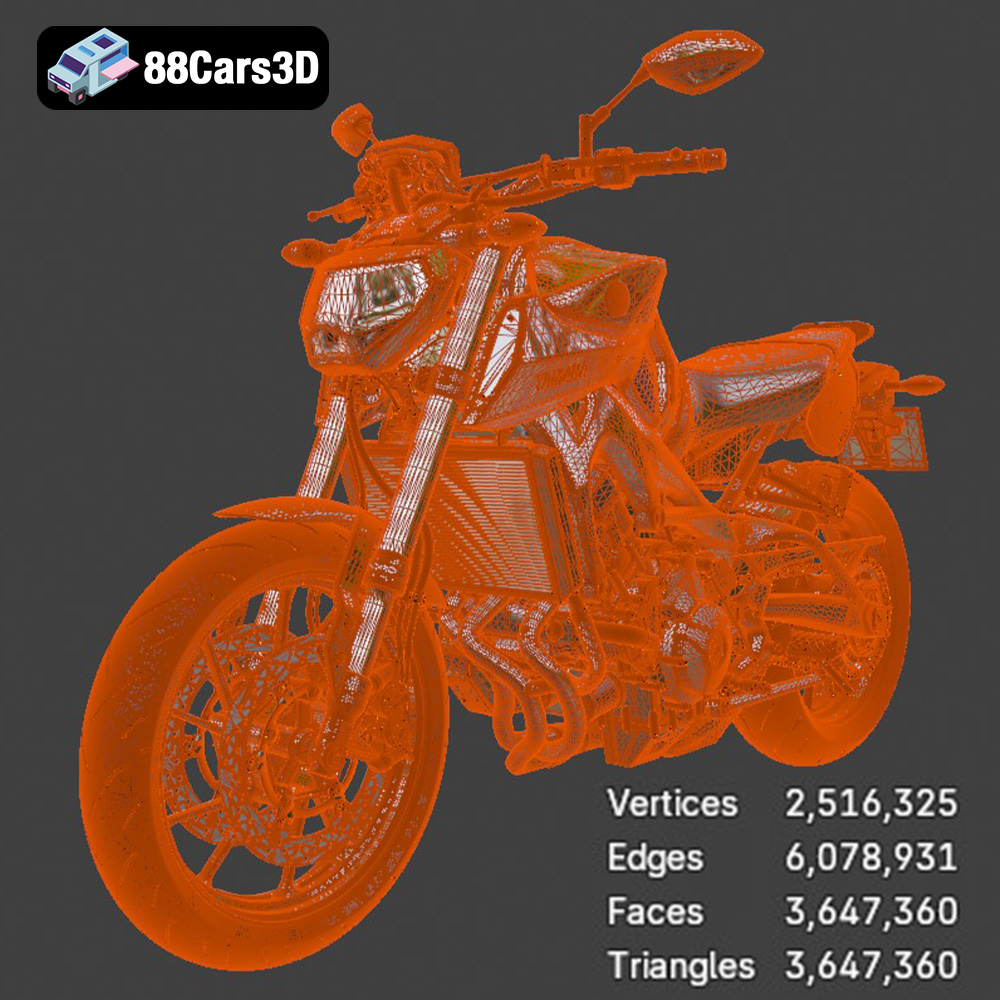
Creating a 3D model like the Yamaha MT-09 Tracer that boasts over 3.6 million triangles while remaining “game-ready” is a testament to sophisticated modeling and optimization techniques. It’s a delicate balance between visual fidelity and real-time performance. This level of detail ensures that whether it’s viewed up close in a cinematic sequence or integrated into a fast-paced game, the model retains its stunning realism without bogging down the engine.
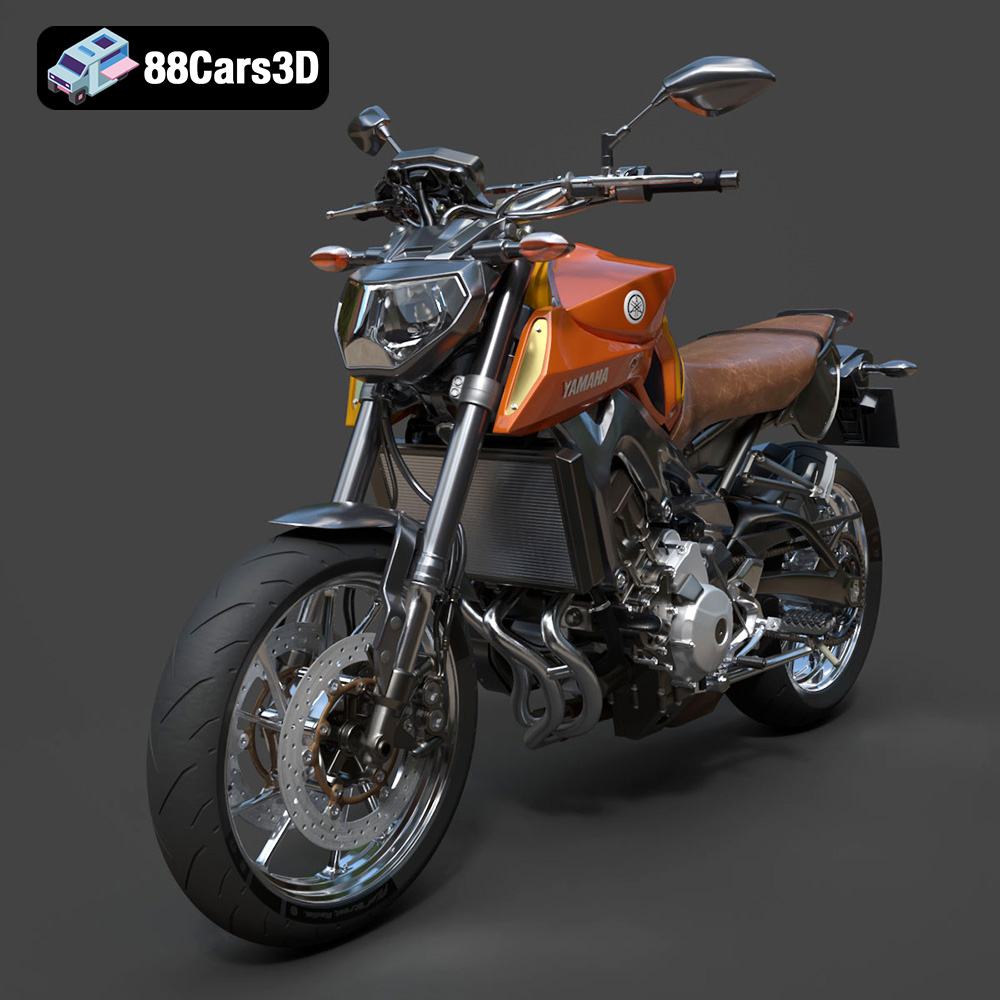
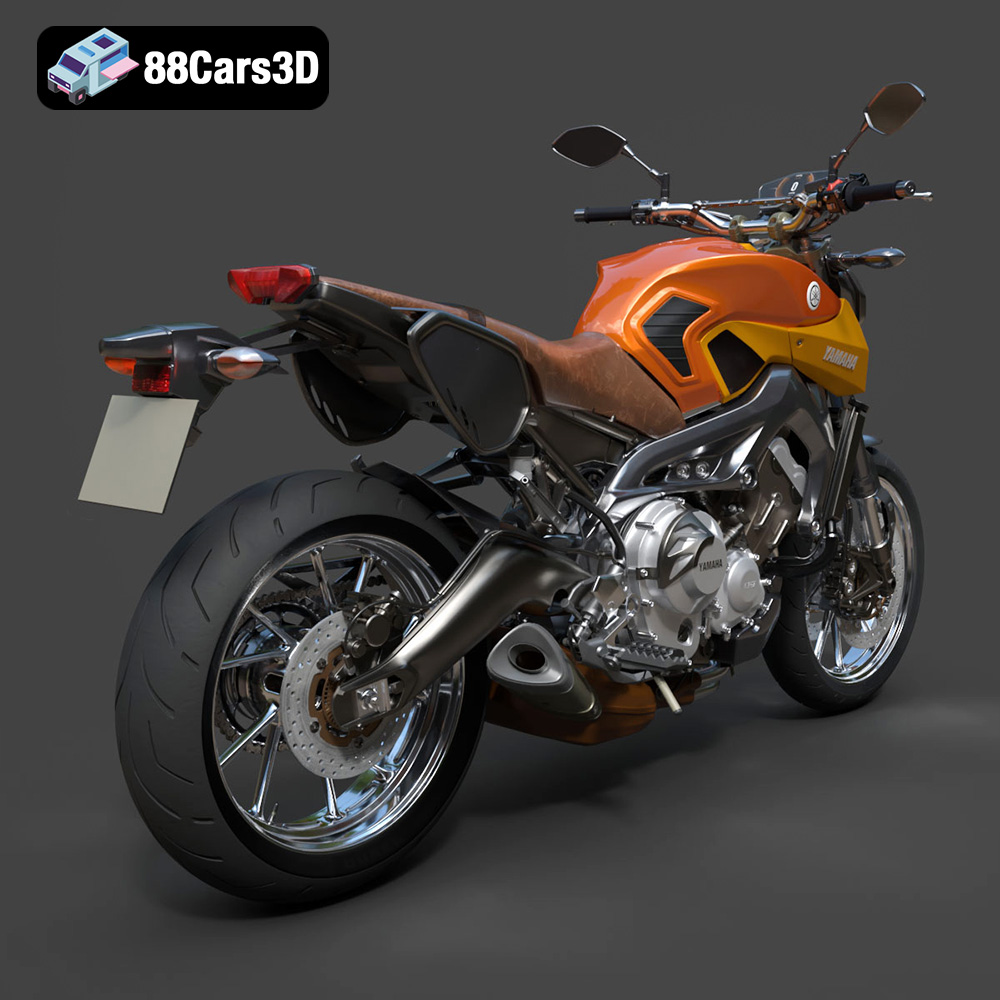
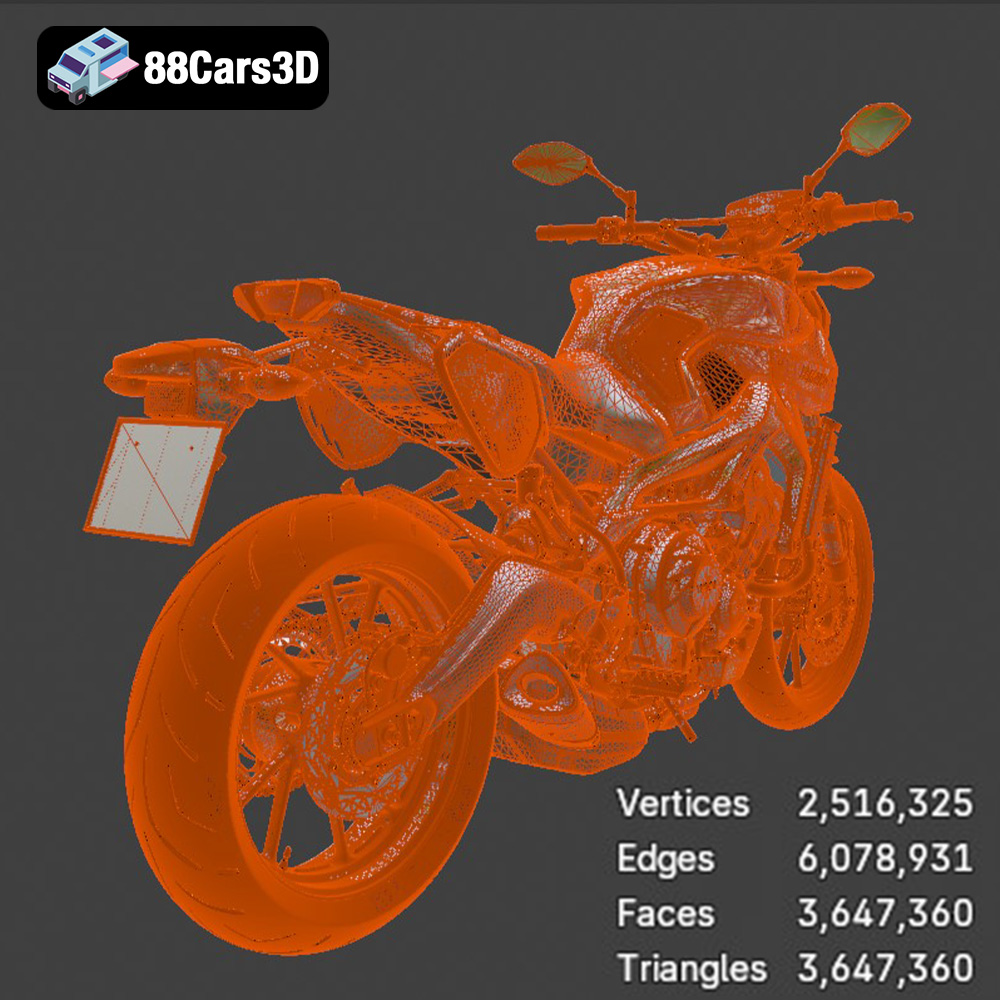
The foundation of any high-quality 3D model is its geometry and topology. For the Yamaha MT-09 Tracer 3D model, this involves recreating every curve, vent, and bolt with anatomical precision. This means carefully constructing the mesh with clean quads (where possible) and efficient triangulation, avoiding unnecessary complexity that would hinder performance. The “3,647,360 triangles” figure is a high count, typically reserved for hero assets that demand extreme detail, but its optimization ensures it’s manageable for modern real-time engines. Details like the intricate engine block, sculpted exhaust system, and multi-spoke alloy wheels are all products of careful mesh construction.
Beyond static beauty, a professional 3D vehicle model must be ready for motion. This means setting up proper pivot points for animated components. For the MT-09 Tracer, this includes the wheels for rotation, suspension components for realistic compression and extension, and steering mechanisms. The separate nature of these elements allows animators to quickly set up complex sequences, from a simple turn of the handlebars to a full-blown racing scenario. This “animation-ready” aspect is crucial for game development, where player interaction often involves dynamic vehicle behavior.
Visual fidelity isn’t just about poly count; it’s heavily reliant on materials and textures. A high-quality model will feature carefully unwrapped UVs (though not explicitly listed in the product description, it’s implied by “game-ready optimization”) and PBR (Physically Based Rendering) compatible textures. This allows for realistic light interaction, showcasing the difference between matte finishes, glossy paints, and metallic accents found on the MT-09 Tracer. The ability to customize body/tank colors, tire textures, and material finishes is a testament to a well-structured material setup, giving artists immense flexibility.
For artists focused on automotive rendering and visualization, a model like the Yamaha MT-09 Tracer offers an unparalleled foundation. Whether it’s for advertising, product showcases, or film sequences, the goal is often photorealism, and the right tools and workflows are essential to achieve it. The availability of native .max and .blend files means immediate compatibility with industry-standard rendering packages.
Using the provided .max file, 3ds Max artists can dive directly into advanced rendering workflows. With renderers like V-Ray or Corona, the MT-09 Tracer model can be placed into complex studio lighting setups or realistic outdoor environments. The detailed geometry allows for crisp reflections and refractions, highlighting the aerodynamic front fairing and the aggressive twin-eye LED headlights. Artists can manipulate the light sources, camera angles, and depth of field to create stunning cinematic automotive renderings. The model’s real-world scale accuracy ensures that lighting and environmental interactions behave predictably, contributing to photorealism.
Blender users benefit immensely from the .blend file, offering full control over the model in a powerful, open-source environment. With Blender’s Cycles renderer, artists can achieve incredibly realistic results, leveraging GPU acceleration for faster iterations. Alternatively, Eevee, Blender’s real-time renderer, can be used for quick previews or stylized renders. The detailed cockpit, including the digital LCD/TFT instrument cluster and accurate control details, can be brought to life with intricate material assignments and careful lighting, perfect for first-person POV renders or detailed close-ups.
Regardless of the primary rendering software, the final output often goes through a post-production phase. Render passes (such as diffuse, reflection, refraction, and Z-depth) from the 3D software can be composited in applications like Adobe Photoshop or After Effects. This allows artists to fine-tune colors, add atmospheric effects, motion blur, lens flares, and other cinematic touches. For the Yamaha MT-09 Tracer, this might involve enhancing the glow of the LED lights, adding road dust, or creating dynamic speed lines to convey motion, turning a static render into a compelling visual narrative.
The gaming, AR, and VR industries demand not only high visual quality but also exceptional performance. The “game-ready & optimized” nature of the Yamaha MT-09 Tracer 3D model, particularly its impressive 3,647,360 triangle count balanced for real-time engines, makes it an ideal candidate for immersive, interactive experiences. Its inclusion of the .unreal format (or optimized asset package) signifies its readiness for immediate deployment.
For game developers, the .fbx format is typically the bridge into Unreal Engine. The optimized geometry and proper pivot setups mean the model can be directly imported and quickly configured for vehicle physics. Imagine the MT-09 Tracer as a playable asset in an open-world racing game, navigating challenging terrains. The separate wheels, suspension, and steering components enable realistic suspension travel and dynamic handling, creating an authentic driving experience. The model’s detailed engine block and exhaust system add to the visual authenticity, even when viewed from a distance during high-speed chases.
The .glb format, along with Unreal Engine’s capabilities, positions the MT-09 Tracer perfectly for AR/VR applications. Picture a virtual motorcycle configurator where potential buyers can customize the MT-09 Tracer in real-time, changing colors, materials, and even adding accessories in a virtual showroom. For AR experiences, the lightweight .glb format allows the model to be superimposed onto the real world via a smartphone, letting users “park” the motorcycle in their driveway or office. The optimized geometry ensures smooth frame rates, critical for preventing motion sickness in VR and providing a fluid AR interaction.
Even with an optimized mesh, real-time performance often requires further tweaking. This might involve creating LODs (Levels of Detail) where lower-polygon versions of the model are automatically swapped in when the camera is further away. Using efficient material instancing and texture packing can also reduce draw calls and memory footprint. The “game-ready” claim for the Yamaha MT-09 Tracer implies that many of these optimizations have already been considered in its construction, offering a significant head start for developers.
The utility of a high-quality 3D model extends beyond digital screens. For enthusiasts, collectors, or product designers, the ability to 3D print a physical replica of the Yamaha MT-09 Tracer is an exciting prospect. The inclusion of the .stl format directly supports this application, providing the necessary data for physical fabrication.
While the .stl format simplifies the process, successful 3D printing often requires specific preparation. The product description provides excellent guidelines: recommended scales (1:12, 1:18, 1:24), layer height, wall thickness, infill, and crucially, support requirements. For intricate parts like the exhaust, mirrors, and handlebars, supports are essential to prevent structural collapse during printing. Resin printing (SLA/DLP) is often recommended for models with fine details like this, as it can achieve much higher resolution and smoother surfaces compared to filament-based FDM printers.
Complex models like a motorcycle are often printed in multiple parts to achieve higher detail and reduce the need for excessive supports. The print orientation guidance, such as printing the frame angled for structural integrity and wheels separately, is crucial for optimal results. Once printed, post-processing becomes key. This can involve carefully removing supports, sanding down rough edges, applying primers, and finally, painting. Achieving authentic factory colors with metallic finishes can transform a raw print into a stunning, display-quality miniature replica of the MT-09 Tracer.
Beyond hobbyist appeal, 3D printed models have practical applications. For automotive designers, printing a scale model can serve as a rapid prototyping tool, allowing for physical evaluation of design aesthetics and proportions before committing to full-scale production. In educational settings, a tangible model of a complex machine like the MT-09 Tracer can be an invaluable teaching aid, helping students understand engineering principles and vehicle architecture in a hands-on manner.
Investing in premium 3D models like those found on 88cars3d.com isn’t merely an expense; it’s a strategic decision that impacts project timelines, visual quality, and overall return on investment. The Yamaha MT-09 Tracer 3D model embodies the advantages of sourcing pre-made, high-fidelity assets rather than building from scratch.
Creating a model with over 3.6 million triangles from scratch, ensuring game-ready optimization, accurate real-world scale, proper pivot setups, and compatibility across eight different file formats, requires hundreds of hours of expert artist time. By purchasing a pre-made, production-ready asset, studios and individual artists can drastically reduce development cycles and labor costs. This allows teams to allocate resources to other critical areas of their project, whether it’s programming, level design, or advanced animation.
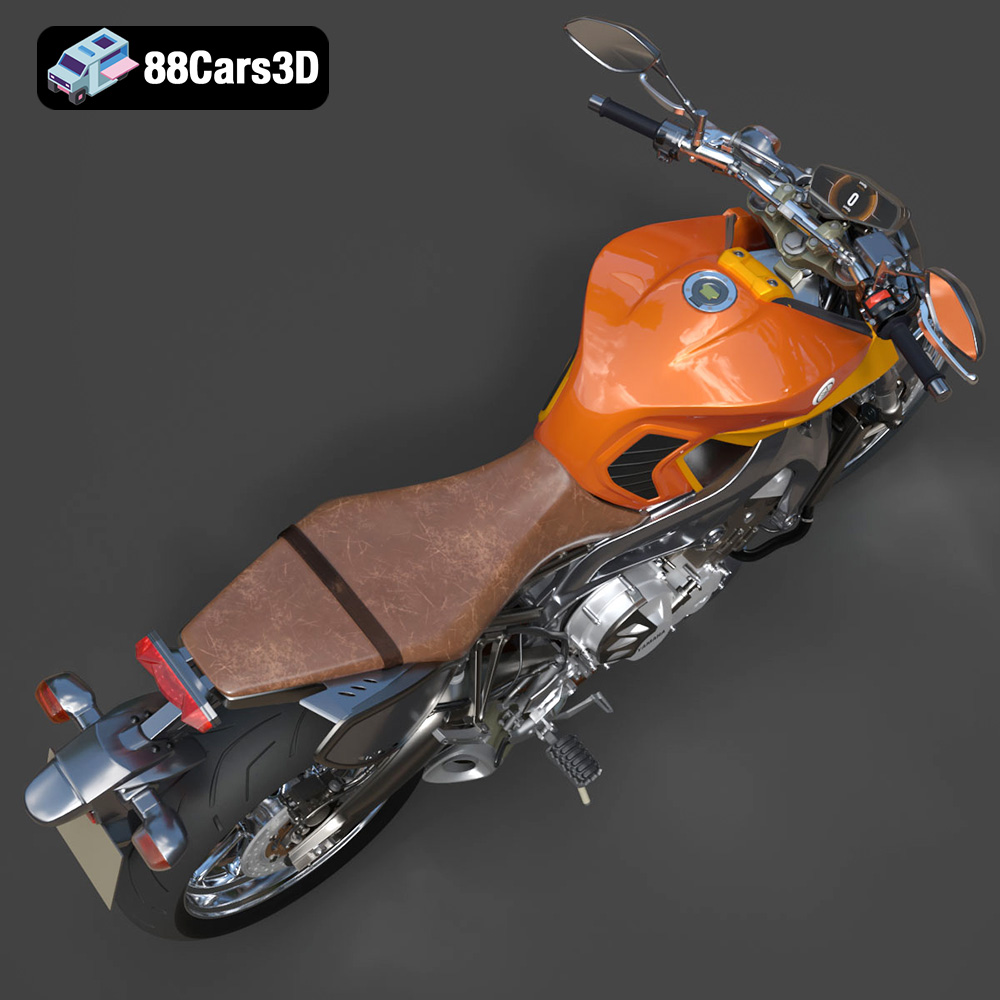
Professional projects demand visual excellence. A meticulously detailed model like the MT-09 Tracer ensures that every shot, every game frame, or every AR experience presents a consistent level of high quality. There’s no compromise on features like the accurate Yamaha MT-09 Tracer frame geometry, the detailed engine block, or the ergonomically contoured saddle. This level of detail translates directly into a more immersive and believable end product, whether it’s a blockbuster game or a high-profile advertising campaign. The immediate availability of such assets helps maintain a consistent artistic direction and quality benchmark.
The ultimate value of an asset like the Yamaha MT-09 Tracer 3D model lies in its adaptability. It’s not just for one project; it’s a multi-purpose tool. Its compatibility with major 3D software and real-time rendering engines, coupled with a diverse range of file formats (.blend, .fbx, .obj, .glb, .stl, .ply, .unreal, .max), means it can be deployed in game development, AR/VR, cinematic rendering, and even 3D printing. This versatility makes it an invaluable asset for agencies and studios working on diverse projects, maximizing its utility and extending its shelf life.
The journey of a 3D model, from intricate polygons to a rendered masterpiece or an interactive game asset, is a testament to the blend of technical skill and artistic vision. The Yamaha MT-09 Tracer 3D model exemplifies the pinnacle of modern 3D asset creation, offering an unparalleled level of detail, optimization, and versatility. Whether you are a game developer pushing the boundaries of realism, an automotive visualizer aiming for photorealistic marketing campaigns, or an AR/VR designer crafting immersive experiences, a robust and expertly prepared model is your most critical tool. Understanding the nuances of file formats, the principles of game-ready optimization, and the potential for real-time and physical applications empowers creators to unlock the full potential of these digital assets. For those seeking such exceptional quality, 88cars3d.com stands as a premier source for high-fidelity 3D car models and motorcycle assets that truly make a difference in professional productions.
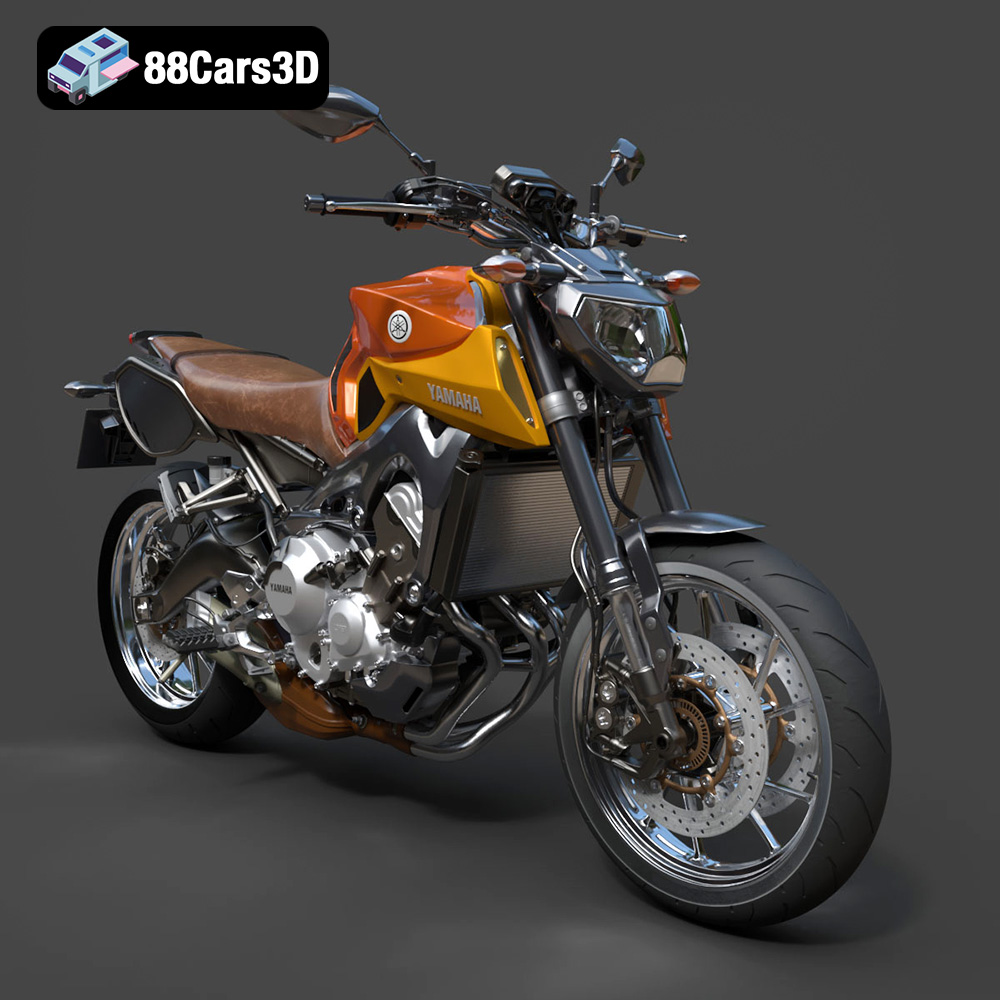
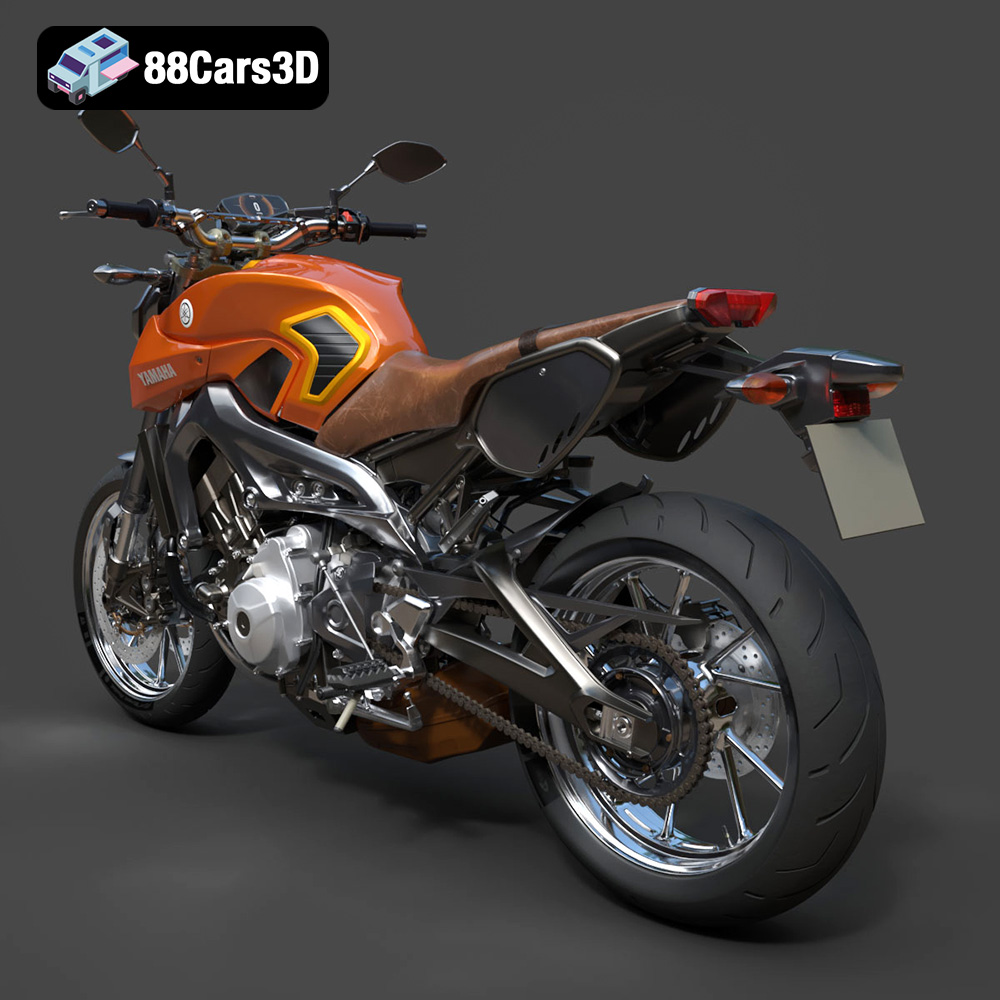
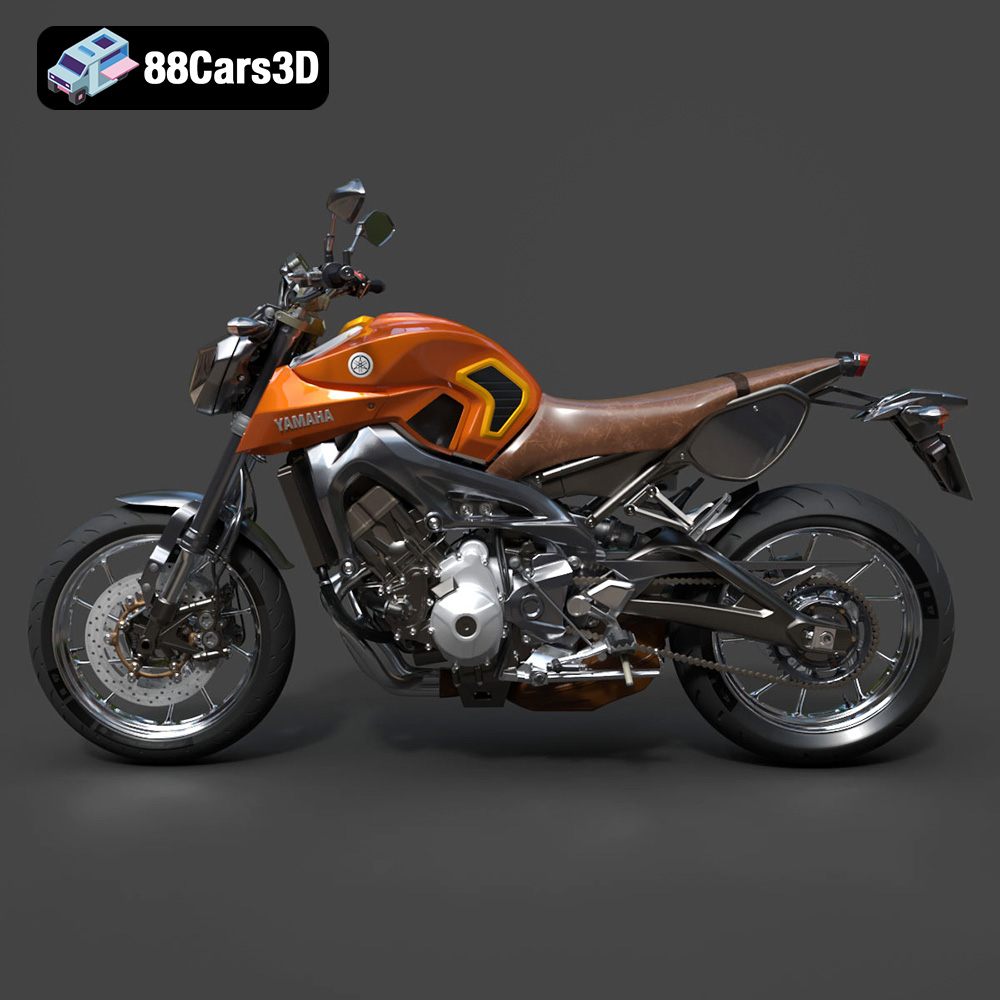
The Yamaha MT-09 Tracer is a celebrated sport-touring motorcycle that perfectly blends aggressive naked-bike performance with long-distance touring capabilities. Renowned for its thrilling crossplane CP3 inline-triple engine, distinctive twin-eye LED headlights, and aerodynamic front fairing, this machine is a modern icon of versatility and adrenaline. Every curve of its sculpted fuel tank and dynamic chassis has been faithfully recreated.
Featuring an incredibly detailed topology of 3,647,360 triangles, this 3D model delivers unparalleled visual fidelity. It offers meticulous game-ready optimization for a model of this caliber, ensuring seamless integration across various platforms. Its primary use cases include high-end game development, interactive AR/VR showroom experiences, top-tier automotive animation, and photorealistic visualization.
Perfect for cinematic automotive renderings, high-speed racing game environments, VR motorcycle configurators, and lifestyle studio lighting scenes.
$90.00
.blend
.fbx
.glb
.max
.motorcycle
.obj
.ply
.rendering
.stl
.unreal
.yamaha
game asset
game-ready
high poly
motorcycle-3d-model
mt-09-tracer
optimized
sport-touring
tracer-900
VR/AR