Get 20% OFF All Premium 3D & STL Models!

In the rapidly evolving landscape of digital media, the demand for breathtakingly realistic 3D content has never been higher. From immersive virtual reality experiences to cinematic game environments and cutting-edge architectural visualizations, high-quality 3D assets are the bedrock of compelling visual narratives. This is particularly true in the automotive sector, where precision and authenticity are paramount. Modern vehicles, with their complex designs and advanced engineering, require equally sophisticated digital representations.
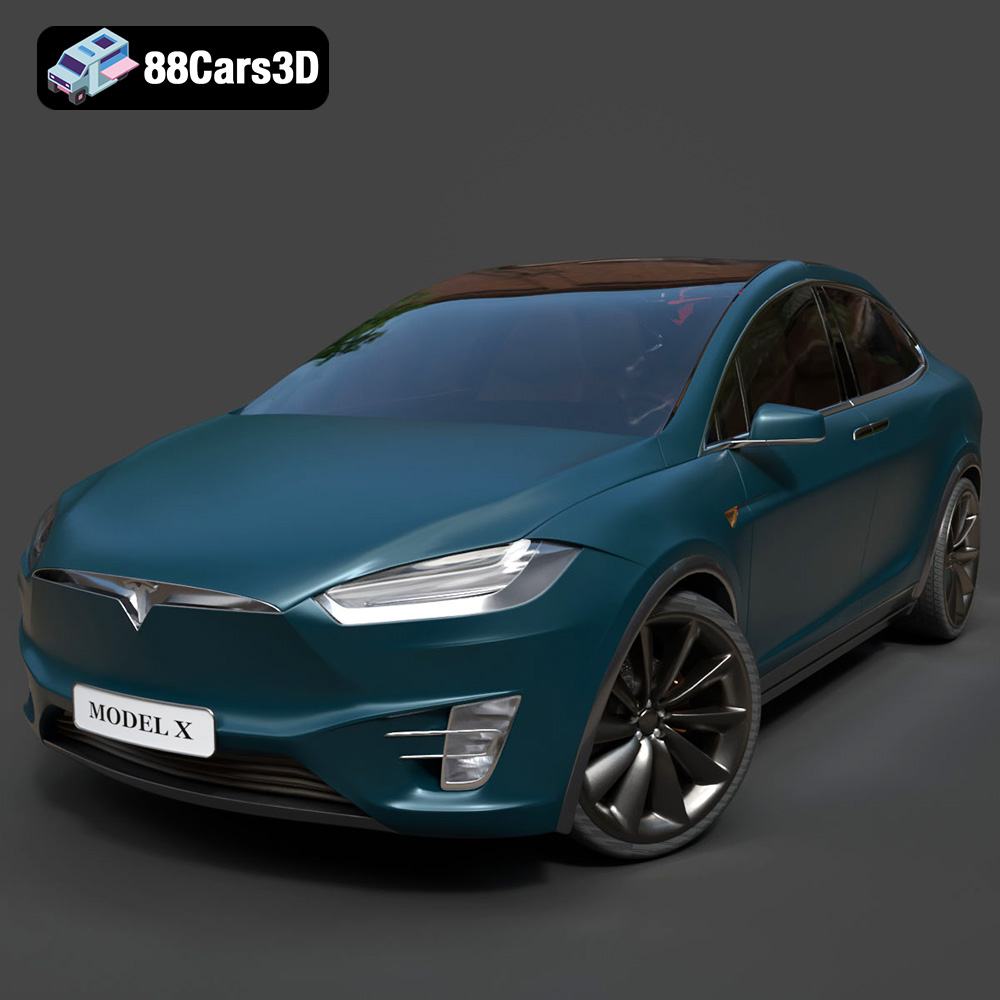
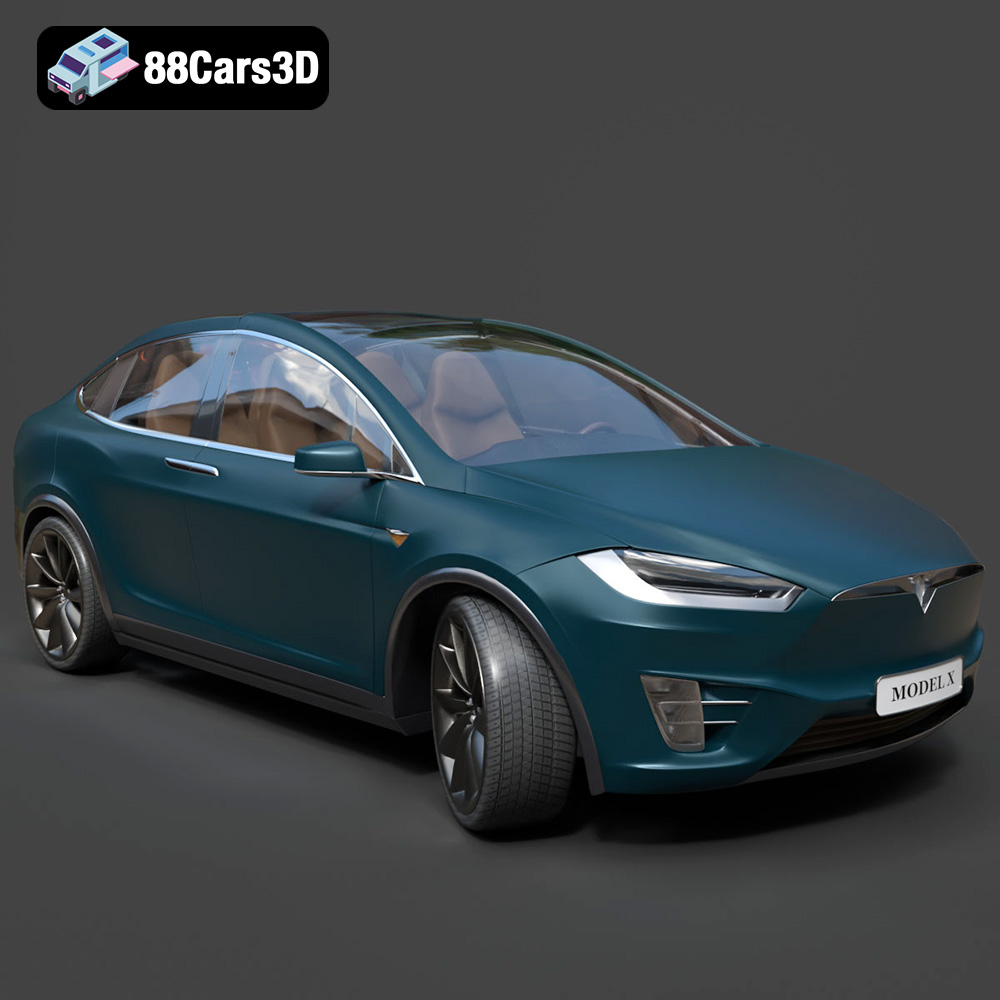
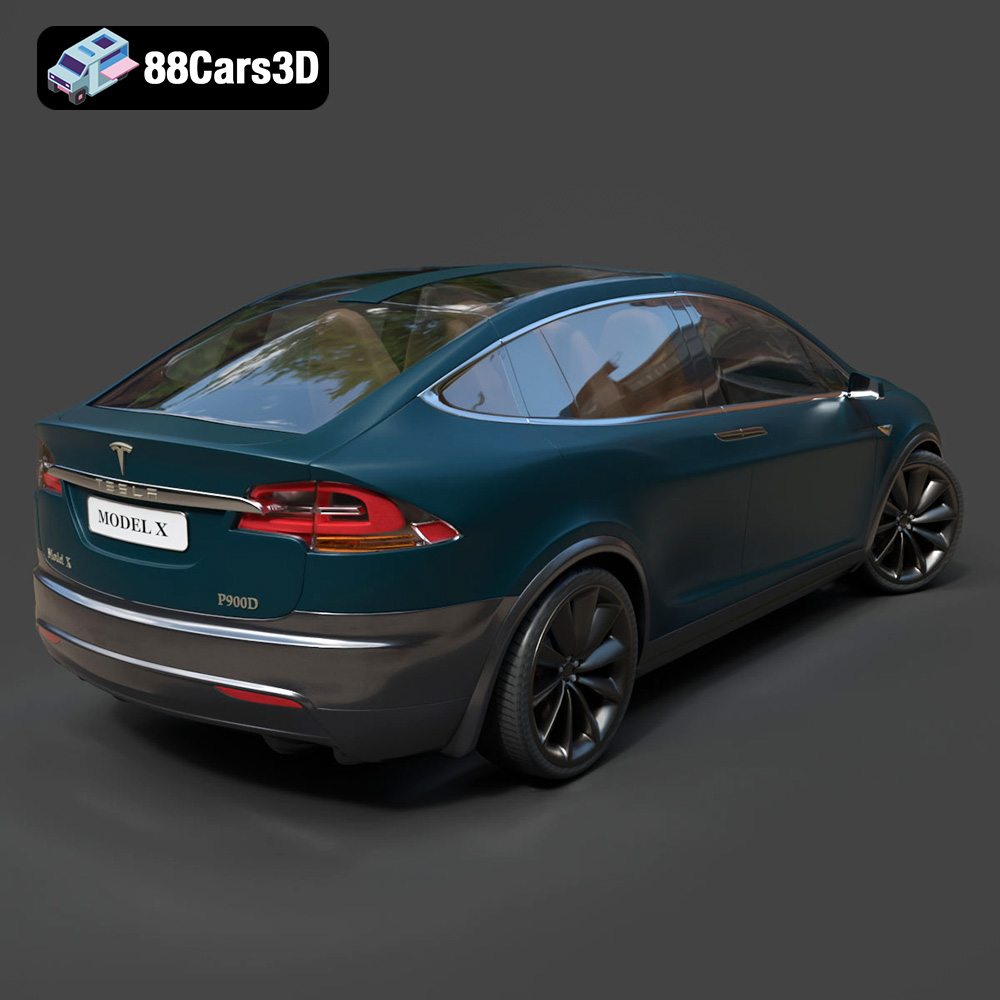
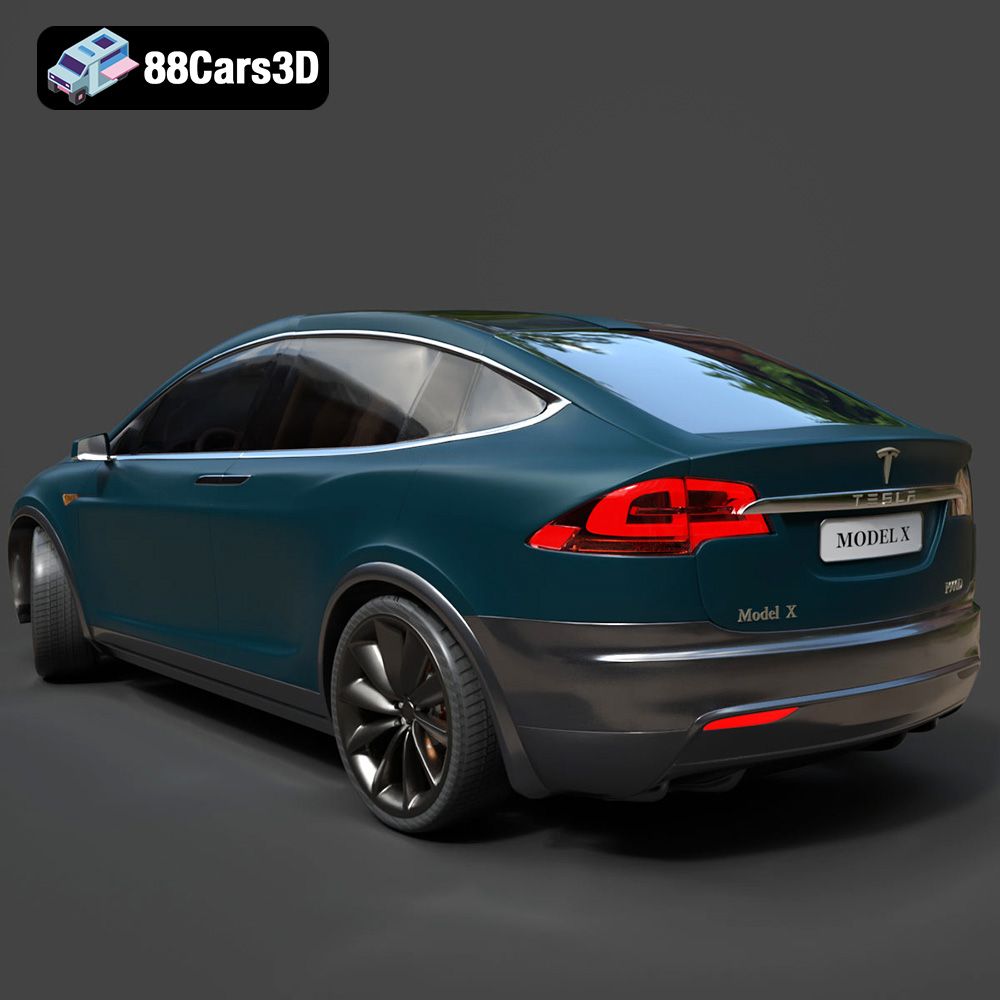
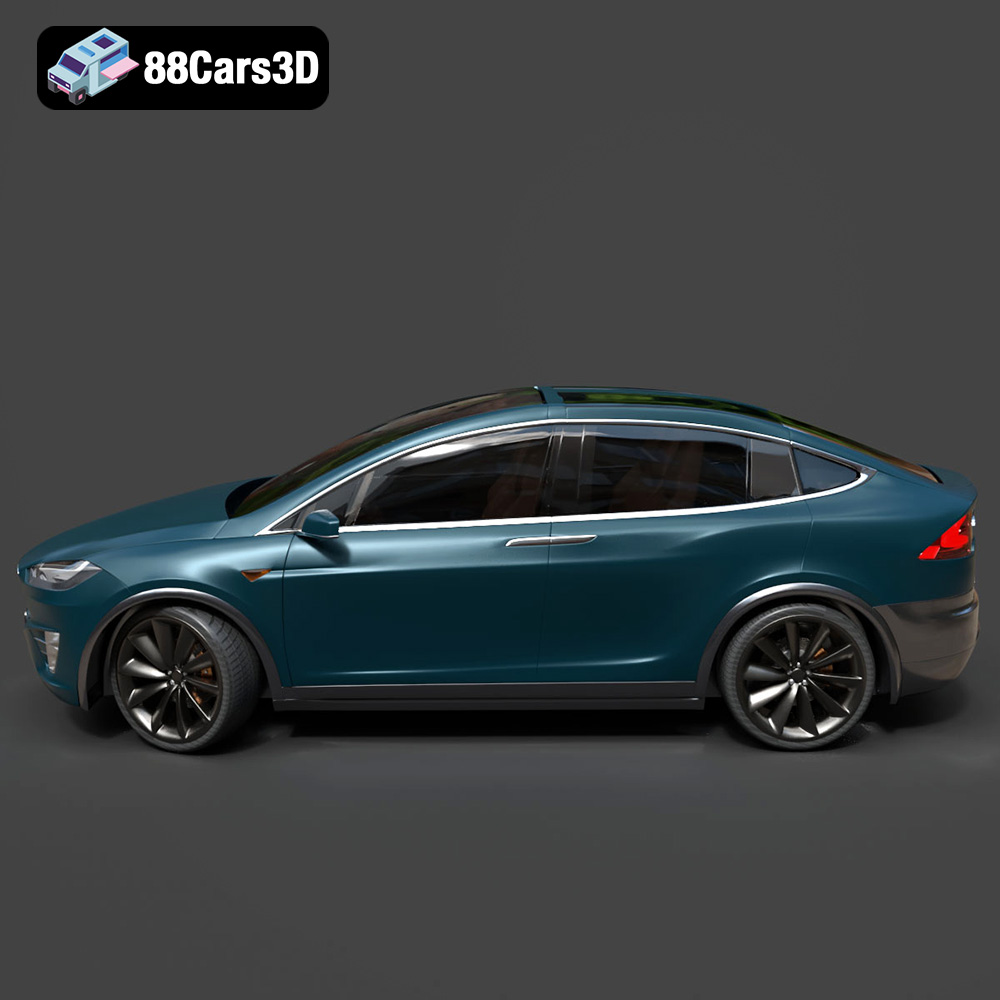
Electric vehicles, like the groundbreaking Tesla Model X, exemplify this challenge and opportunity. Known for its distinctive Falcon Wing doors, advanced technology, and sleek aesthetic, capturing the essence of such a vehicle in a 3D model demands meticulous attention to detail. This is where specialized platforms like 88cars3d.com become invaluable resources, offering a curated selection of premium 3D car models designed to meet the rigorous demands of professional production pipelines. One such exemplary asset is the Tesla Model X 3D Model, a versatile and meticulously crafted digital replica that serves as an essential tool for artists, developers, and designers across various industries.
The role of 3D car models has expanded dramatically beyond simple static renders. Today, these assets are dynamic components in interactive experiences, engineering simulations, and marketing campaigns, demanding a blend of aesthetic fidelity and technical optimization.
Before a single physical prototype is built, automotive designers rely heavily on 3D models to visualize, refine, and iterate on vehicle concepts. High-resolution models allow engineers and designers to scrutinize every curve, panel gap, and component placement. The ability to manipulate materials, lighting, and environmental contexts digitally significantly accelerates the design cycle, reduces costs, and facilitates more informed decision-making. The Tesla Model X, with its revolutionary design, likely underwent countless digital iterations before its final form, underscoring the importance of accurate 3D representations in the initial design phases.
The advent of augmented and virtual reality has transformed how consumers interact with products, especially high-value items like cars. Virtual showrooms, interactive configurators, and mobile AR apps allow potential buyers to explore vehicles in unprecedented detail, from changing paint colors and wheel options to opening doors and examining interior features, all from the comfort of their home. For these applications, optimized 3D car models like the Tesla Model X are crucial. They must render smoothly in real-time environments, maintaining visual quality without sacrificing performance, ensuring a fluid and engaging user experience.
Modern video games, particularly racing simulations and open-world titles, demand an extraordinary level of realism from their vehicle assets. Each car must not only look authentic but also integrate seamlessly into game engines, respond correctly to physics, and perform efficiently at high frame rates. This requires a careful balance between polygon count, texture resolution, and efficient UV mapping. Game assets like the Tesla Model X 3D Model are specifically engineered to meet these demands, offering detailed visuals that hold up in close-up gameplay while remaining optimized for real-time rendering, making it an ideal choice for developers seeking premium game assets.
The versatility of a 3D model is often determined by the range of file formats it supports. Different formats are optimized for specific software, workflows, and output types. Understanding these distinctions is crucial for selecting the right asset for your project and maximizing its utility. The Tesla Model X 3D Model, for instance, comes in a comprehensive suite of formats, catering to a wide array of professional needs. This broad support ensures that irrespective of your preferred software or end-use application, you have an appropriate, ready-to-use asset.
The .blend format is the native file type for Blender, a powerful open-source 3D creation suite. A .blend file typically includes the full scene data: geometry, materials, textures, lighting, cameras, animation data, and even physics simulations. For artists working in Blender, receiving a .blend file means having full access to the original project setup. This allows for complete customization, from modifying the topology and UVs to adjusting the shader nodes and rendering settings. It’s ideal for deep dives into an asset, learning from its construction, or integrating it into a Blender-centric pipeline where extensive modification is anticipated. For the Tesla Model X 3D Model, the .blend file would provide the most editable and flexible starting point for Blender users.
The .fbx (Filmbox) format is a proprietary file format owned by Autodesk, widely adopted as an industry standard for exchanging 3D data between various applications. It’s particularly favored in game development for its robust support of geometry, materials, textures, bones, skinning, and animation data. Engines like Unreal Engine and Unity have excellent .fbx importers, making it the go-to choice for importing complex animated characters, environments, and, of course, vehicles. Its binary nature makes it efficient for real-time applications. When working with the Tesla Model X 3D Model for a game, .fbx is likely the most efficient and compatible format to use, ensuring all components and pivot points transfer correctly.
The .obj (Wavefront OBJ) format is one of the oldest and most universally supported 3D file formats. It’s a simple, text-based format primarily used for exchanging geometry (vertices, normals, texture coordinates, and faces) between different 3D applications. While it doesn’t typically store animation or rigging data, its widespread compatibility makes it an excellent choice for basic mesh exchange when fidelity to geometry is the primary concern. Materials are usually referenced via a separate .mtl file. If you need to import the Tesla Model X 3D Model into a less common 3D application or simply need the raw mesh data, .obj is a reliable fallback.
The .glb (GL Transmission Format Binary) is the binary version of glTF, an open-standard format developed by the Khronos Group. It’s specifically designed for efficient transmission and loading of 3D scenes and models in real-time applications, especially on the web, AR, and VR platforms. A .glb file packages all necessary data (geometry, materials, textures, animations) into a single, self-contained binary file, making it incredibly easy to share and integrate. Its compact size and optimized structure make it perfect for mobile devices and web browsers, essential for immersive virtual showrooms or AR experiences featuring the Tesla Model X 3D Model.
The .stl (STereoLithography) format is the standard file type for 3D printing. It represents a 3D model as a series of connected triangles, essentially describing the surface geometry of an object without color, texture, or other attributes. Its simplicity makes it universally compatible with 3D printing software (slicers). While the Tesla Model X 3D Model is highly detailed for rendering, converting it to .stl allows hobbyists and professionals to fabricate physical replicas. For successful 3D printing, careful consideration of scale, wall thickness, and supports, as detailed in the product description, is paramount to ensure structural integrity and capture fine details.
The .ply (Polygon File Format, or Stanford Triangle Format) is another format that describes polygonal models, often used for storing 3D scanner data or meshes generated from CAD applications. It can store not only geometry but also color, transparency, normals, texture coordinates, and other data for each vertex or face. It’s less common for artistic exchange than .fbx or .obj but is a robust format for scientific, engineering, and data visualization applications where precise mesh information is critical. It provides an additional layer of data integrity for complex models like the Tesla Model X, suitable for detailed analysis or specific industrial applications.
While not a standalone file format in the traditional sense, a “.unreal” file or asset typically refers to a model specifically pre-packaged or optimized for direct import into Unreal Engine. This might involve an .fbx file pre-configured with specific material setups, collision meshes, LODs (Levels of Detail), and pivot points ready to be dropped into an Unreal project. It implies that the asset has undergone a dedicated pipeline pass for Unreal, ensuring maximum compatibility and performance within the engine. For the Tesla Model X 3D Model, an “unreal” package would significantly streamline integration for Unreal Engine developers, saving considerable setup time.
The .max format is the native file type for Autodesk 3ds Max, a leading software for 3D modeling, animation, rendering, and visualization. Similar to .blend for Blender, a .max file contains the complete scene, including geometry, modifiers, materials (V-Ray, Corona, Arnold), lighting, cameras, and animation data. This format offers the highest degree of editability and control for 3ds Max users, allowing them to dissect the model, understand its construction, and integrate it seamlessly into their existing 3ds Max projects. The Tesla Model X 3D Model’s .max file would be invaluable for those conducting high-end automotive rendering and complex animations within 3ds Max.
A truly professional 3D car model doesn’t just look good; it’s meticulously engineered beneath the surface. The Tesla Model X 3D Model exemplifies this balance, crafted for both aesthetic fidelity and optimal performance across diverse applications.
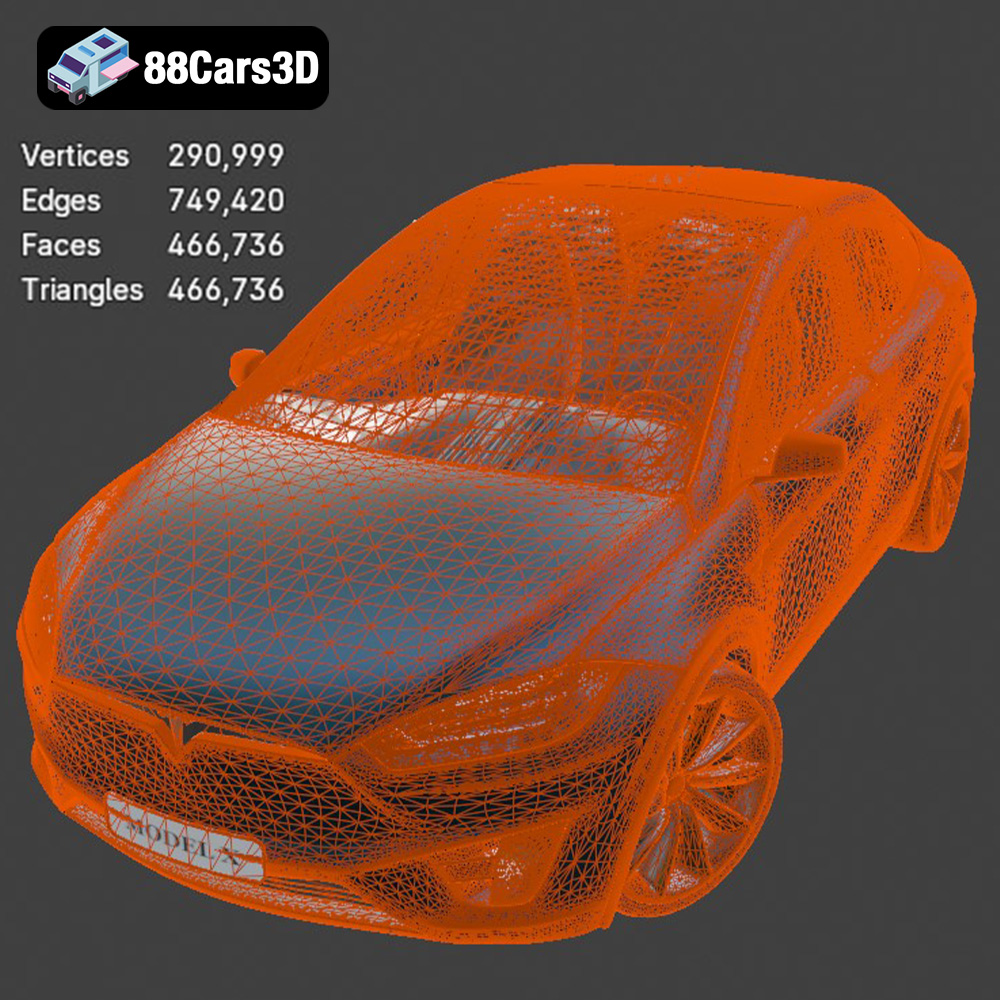
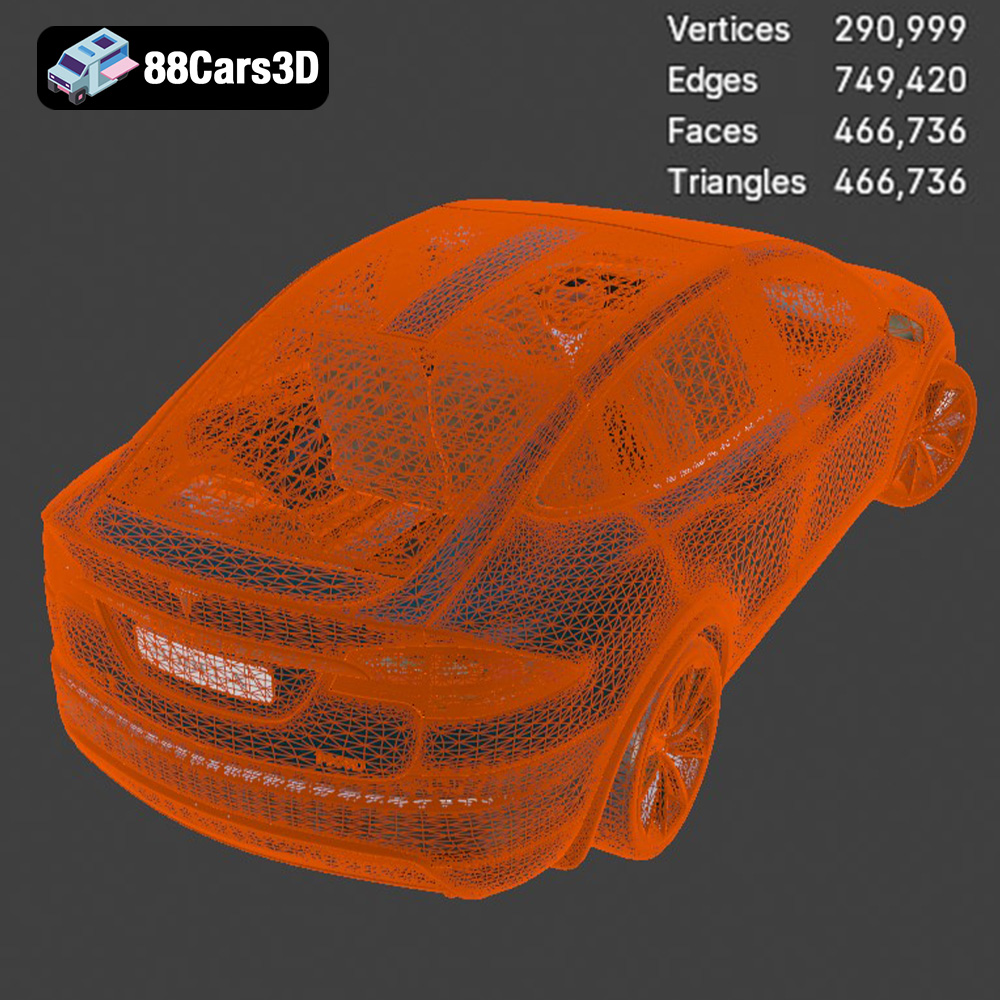
The reported 466,736 triangles for the Tesla Model X 3D Model represents a strategic polycount. It’s high enough to capture the nuanced curves and distinct design elements of the Model X – from its sleek aerodynamic profile to the intricate detailing of its headlights and taillight strip – ensuring it stands up to close-up renders and detailed scrutiny. Yet, it remains optimized enough to perform efficiently in real-time game engines like Unreal and Unity. This careful balance prevents the asset from being overly dense, which could lead to performance bottlenecks, while still delivering a premium visual experience. The geometry is clean and well-structured, crucial for proper shading and texturing.
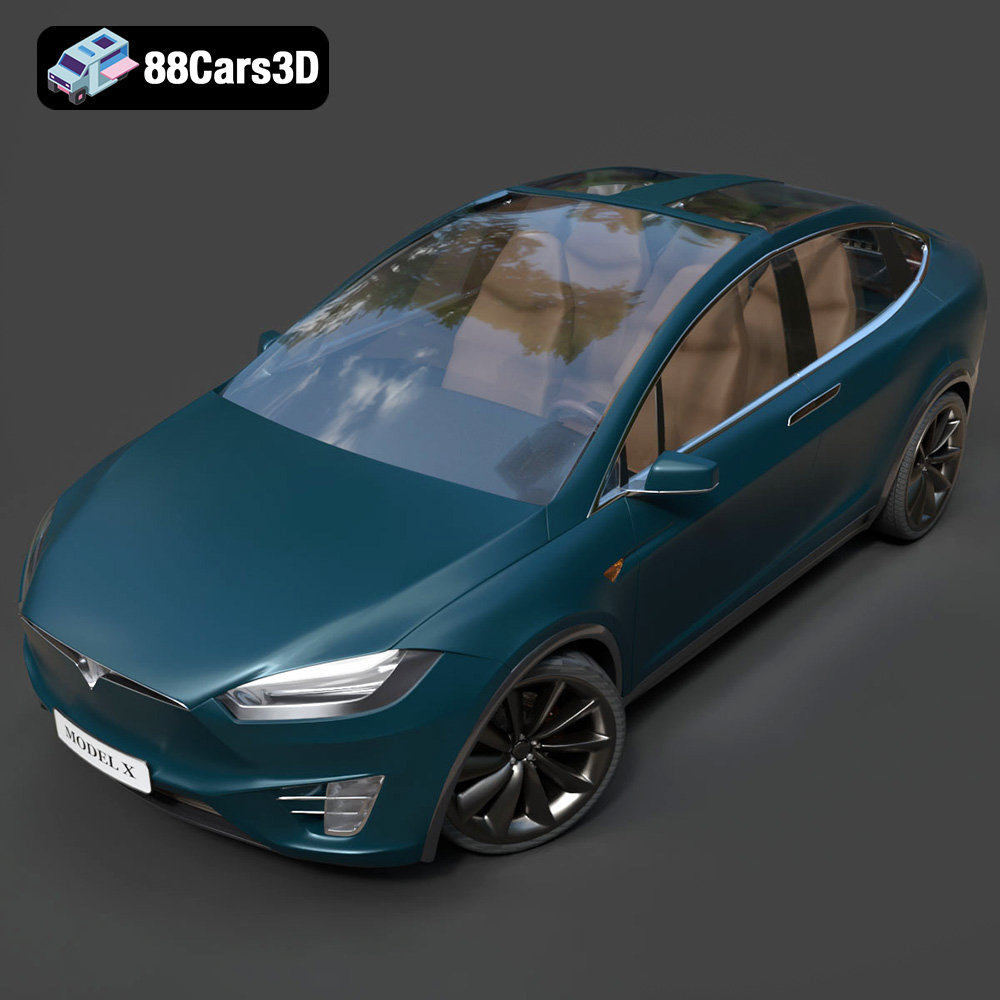
Authenticity is paramount for any automotive 3D model, and this Tesla Model X asset excels in mirroring its real-world counterpart. Externally, the distinctive Falcon Wing doors with articulated hinges are accurately modeled, ready for animation. Details extend to the high-detail aero wheels, brake calipers, rotors, and even the realistic adaptive air suspension components. Inside, the commitment to detail continues with premium vegan leather seat detailing, realistic stitching, the signature steering yoke, and the central 17-inch touchscreen infotainment display. This level of granular detail, including control stalks and pedals, ensures that the model is suitable even for first-person perspective views in games or immersive VR experiences.
Beyond static representation, the Model X 3D model is built with animation in mind. The wheels, suspension, and steering components are separated, allowing for independent movement and realistic articulation. Crucially, the model features a proper pivot setup for steering, wheel rotation, and suspension travel. This means animators can easily rig the vehicle for realistic driving sequences, dynamic camera movements, and interactive simulations without tedious manual adjustments to pivot points, saving significant production time and effort.
The true value of a versatile 3D asset lies in its seamless integration into various professional pipelines. The Tesla Model X 3D Model is designed to be a workhorse, supporting a multitude of creative and technical endeavors.
For artists focused on creating photorealistic visuals, the Tesla Model X 3D Model is an exceptional starting point for automotive rendering. In 3ds Max, the included .max file allows direct access to the scene, where artists can leverage powerful rendering engines like V-Ray, Corona Renderer, or Arnold. They can refine materials, set up studio lighting, add environmental elements, and create stunning marketing visuals or lifestyle imagery. Similarly, Blender users can utilize the .blend file to explore PBR material workflows with Cycles or Eevee, adding custom HDRIs for realistic reflections and global illumination. The clean geometry ensures smooth subdivisional surfaces and accurate light interaction, critical for achieving that coveted “showroom” finish.
Game developers will find the Tesla Model X 3D Model to be a highly efficient game asset. The optimized polycount of 466,736 triangles strikes an ideal balance for real-time engines. For Unreal Engine, the dedicated “.unreal” file or the robust .fbx format facilitates direct import. Developers can then apply engine-specific PBR materials, set up collision meshes, configure vehicle physics using tools like Chaos Vehicles, and even implement LODs (Levels of Detail) to ensure optimal performance across varying distances. In Unity, the .fbx file integrates smoothly, allowing for straightforward material assignments and physics setup. The accurate real-world scale and proper pivot points simplify the rigging process for interactive vehicle systems, whether for an open-world driving simulator or a futuristic racing title.
The model’s versatility extends to immersive and tangible applications. For AR/VR experiences, the .glb format is indispensable. Its compact, single-file structure makes it perfect for loading into virtual showrooms, interactive configurators, or mobile AR applications. Users can explore the Tesla Model X in a truly interactive 3D space, manipulating colors, opening doors, and examining interior details, providing an unparalleled pre-purchase experience. For physical production, the .stl format opens the door to 3D printing. Hobbyists and professionals can create display-scale replicas, using the provided print settings (e.g., recommended scale, layer height, infill, and support requirements) as a guide to achieve detailed and structurally sound physical models. Resin printing is specifically recommended for capturing the finer details of mirrors, wheels, and suspension components.
To truly appreciate the utility of a high-quality 3D asset, it helps to envision its practical applications in real-world scenarios. The Tesla Model X 3D Model offers a wealth of possibilities.
Imagine a luxury automotive brand launching a new electric SUV. Instead of expensive physical showrooms, they opt for an immersive virtual experience accessible globally. Using the Tesla Model X 3D Model, a development team builds a sophisticated VR environment where prospective buyers can “walk around” the vehicle, customize paint colors, wheel designs, and interior finishes in real-time. The model’s optimized geometry ensures smooth interaction and stunning visual fidelity, while its detailed interior allows for a convincing exploration of the cockpit, creating an engaging and informative pre-sales experience that leverages the power of 3D car models.
A game studio is developing a near-future open-world racing game set in a sprawling metropolitan area. They need a fleet of recognizable, high-performance electric vehicles. The Tesla Model X 3D Model, with its game-ready polycount and articulated components, becomes a perfect candidate. Developers import the .fbx file into Unreal Engine, set up custom physics and handling profiles, and integrate it into the game’s AI and player-driven vehicle systems. The accurate real-world scale ensures consistency with other in-game assets, and the detailed exterior allows for realistic damage models, contributing to an authentic and exhilarating driving experience.
An architectural firm is designing a cutting-edge smart home with an integrated electric vehicle charging station and a sleek, modern garage. To present a complete vision to their client, they need to populate the scene with a luxury EV. The Tesla Model X 3D Model, imported into 3ds Max or Blender, is rendered alongside the architectural elements. The ability to customize body colors (e.g., Pearl White Multi-Coat, Deep Blue Metallic) and material finishes allows the model to perfectly complement the proposed aesthetic of the home, adding a touch of contemporary luxury and realism to the visualization, making the final presentation much more compelling and relatable.
Beyond its inherent quality, the true long-term value of a 3D asset comes from its flexibility and adaptability across projects and future technologies.
A premium 3D model like the Tesla Model X offers extensive customization options. Artists can easily change body colors to match specific branding or mood, from classic Pearl White Multi-Coat to a striking Solid Black or Deep Blue Metallic. Material finishes can be adjusted between matte, gloss, or metallic, completely altering the vehicle’s character. Furthermore, adapting lighting setups for different environments – be it a sun-drenched street scene or a dramatic studio render – dramatically enhances the model’s visual impact. These capabilities ensure the asset remains relevant and adaptable for various creative requirements.
The inclusion of multiple file formats (.blend, .fbx, .obj, .glb, .stl, .ply, .unreal, .max) is a significant advantage. It future-proofs the investment in the Tesla Model X 3D Model, allowing it to be used in virtually any current or future 3D software and pipeline. This eliminates compatibility headaches and ensures that artists and developers are not locked into a single ecosystem. Whether you’re working on a high-fidelity cinematic, optimizing for a mobile AR experience, or preparing for 3D printing, having the right format readily available streamlines your workflow and expands your creative possibilities.
In the dynamic world of 3D content creation, the difference between a good project and a great one often hinges on the quality of its assets. For anything involving automotive design, visualization, or interactive experiences, investing in meticulously crafted 3D car models is not just an aesthetic choice, but a strategic one. The Tesla Model X 3D Model stands out as an exceptional example of an asset engineered for professional demands across the spectrum of digital production.
From its optimized geometry for real-time game assets to its intricate detailing for high-end automotive rendering and its adaptability for AR/VR and 3D printing, this model provides an unparalleled blend of versatility and fidelity. It empowers artists and developers to create compelling visual stories, immersive experiences, and realistic simulations with ease and confidence. For those seeking to elevate their projects with premium 3D content, platforms like 88cars3d.com offer the essential building blocks, ensuring that your digital visions can truly come to life with professional-grade assets.
This high-fidelity 3D model of the Tesla Model X features 466,736 triangles, delivering a premium level of detail suitable for close-up renders while maintaining an optimized topology for game engines. Meticulously crafted geometry ensures visual fidelity, making it highly versatile for game development, AR/VR configurators, high-end animation, and architectural visualization, including accurate Falcon-wing doors, detailed interior, and separated components for animation. Comes with various formats including .blend, .fbx, .obj, .glb, .stl, .ply, .unreal, and .max.
$39.99
.blend
.fbx
.glb
.max
.obj
.ply
.rendering
.stl
.tesla
.unreal
car-3d-model
electric-suv
game asset
game-ready
low-poly
luxury-ev
model-x
optimized
VR/AR