Get 20% OFF All Premium 3D & STL Models!

In today’s rapidly evolving digital landscape, the demand for realistic and impeccably detailed 3D assets is at an all-time high. From blockbuster video games and immersive virtual reality experiences to high-end architectural visualizations and cinematic advertising, the quality of a 3D model can make or break a project. Nowhere is this more evident than in the automotive sector, where precision, aesthetic appeal, and technical accuracy are paramount. The ability to visualize a vehicle with stunning realism, animate its intricate components, or even fabricate a physical prototype from a digital blueprint has revolutionized how cars are designed, marketed, and experienced.
At the heart of this revolution lies access to truly exceptional 3D car models. These aren’t just simple shapes; they are digital masterpieces, meticulously crafted to replicate every curve, every shadow, and every mechanical nuance of their real-world counterparts. Such models serve as the foundational building blocks for a vast array of creative and technical endeavors. Whether you’re a game developer striving for unparalleled realism in a racing simulator, an automotive engineer needing a visualization for a new concept, or a marketing professional crafting a breathtaking product launch, the right 3D model is indispensable.
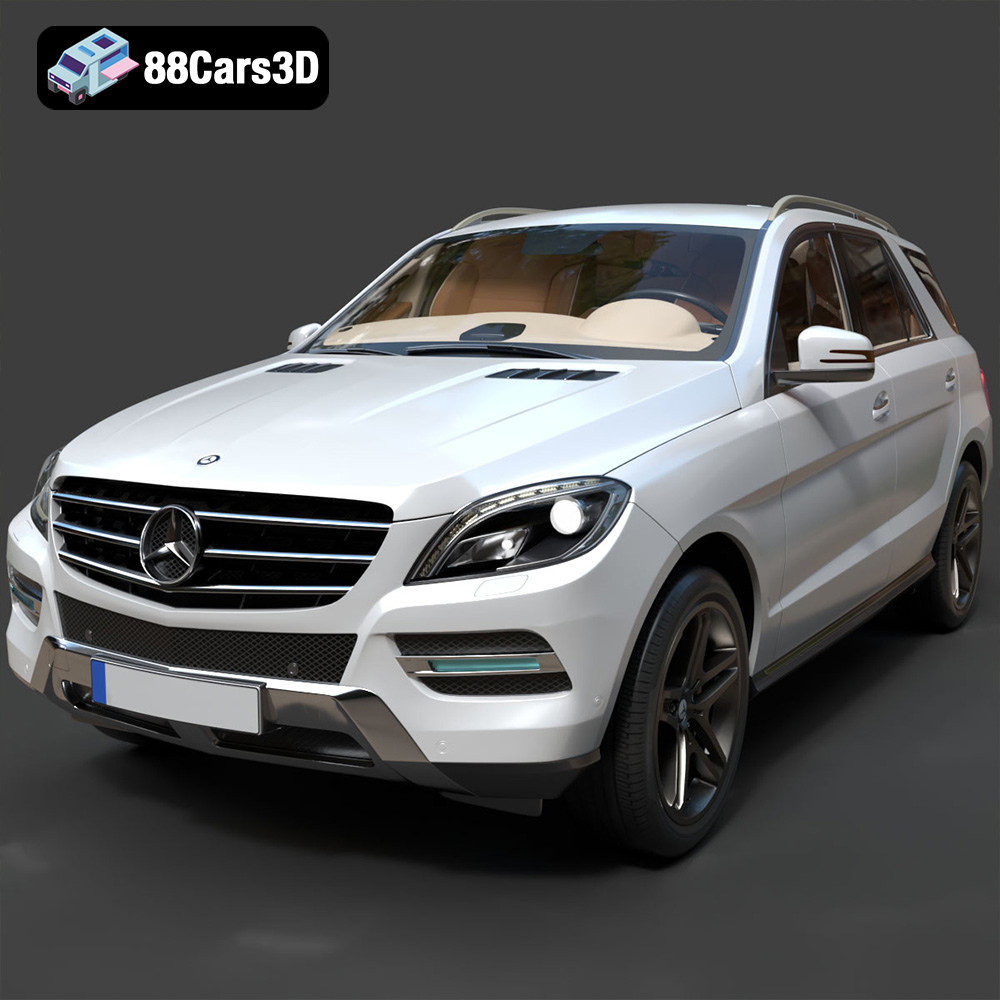
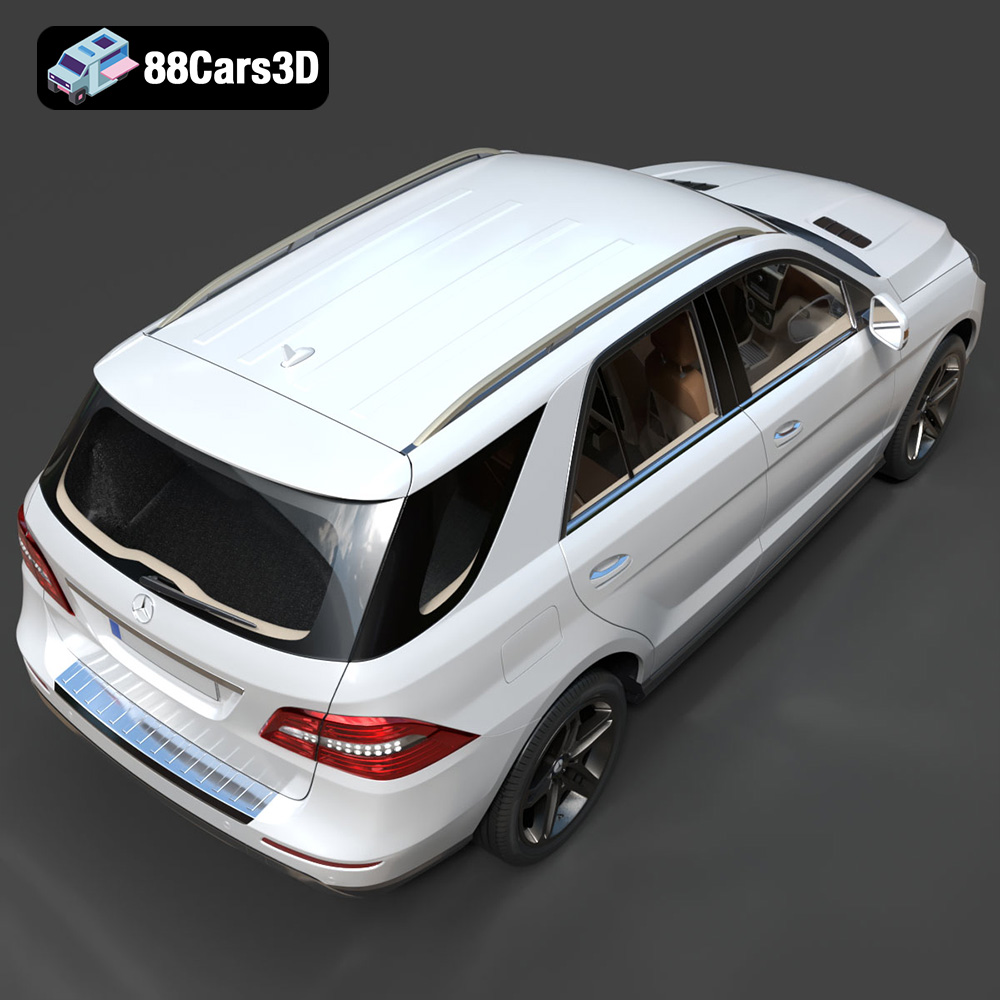
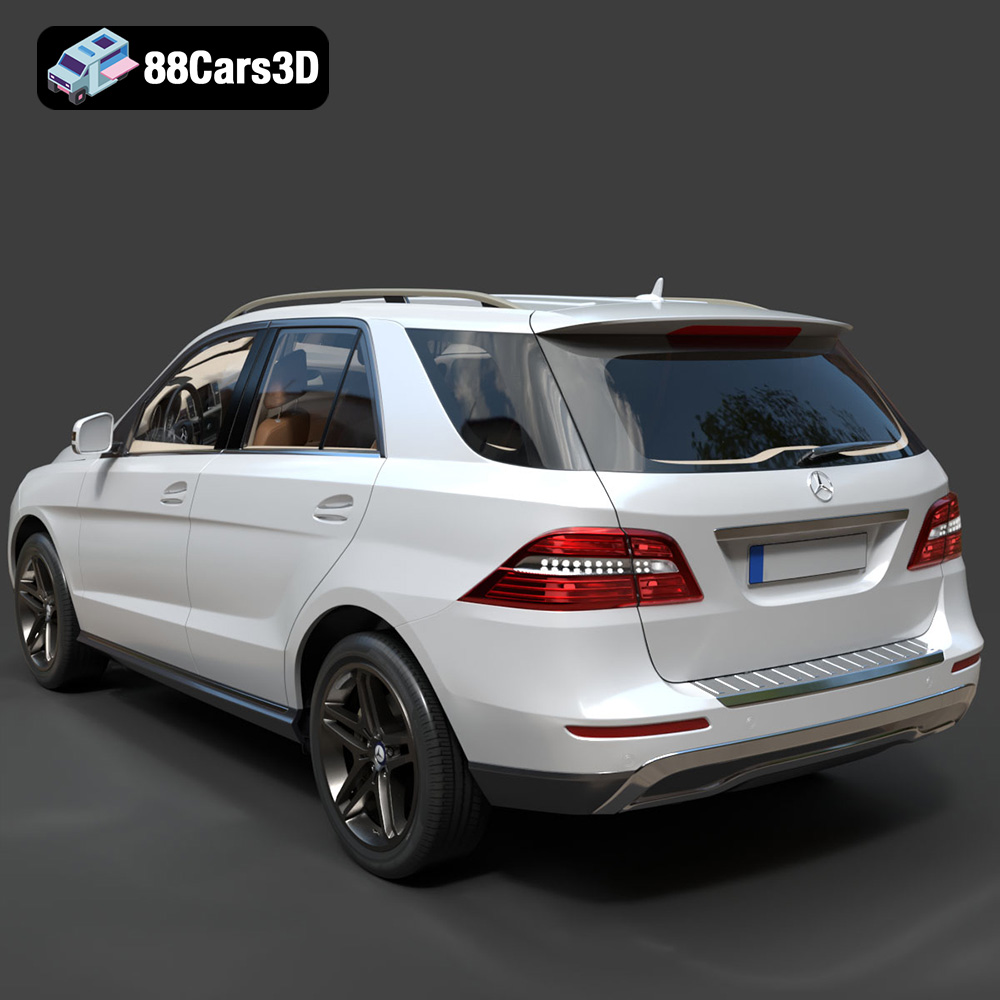
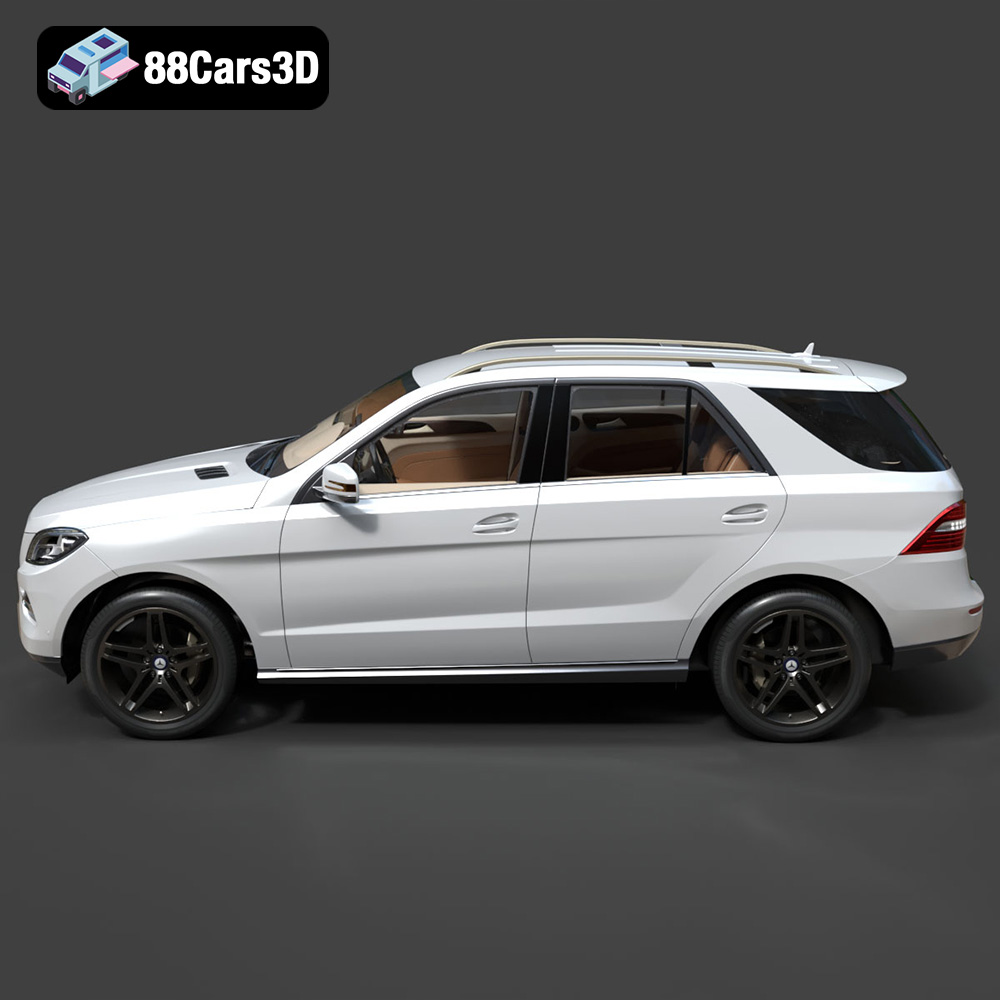
Take, for instance, a model that embodies both aggressive styling and engineering brilliance: the Mercedes-Benz AMG-08. This specific 3D model is a prime example of the kind of high-fidelity asset that empowers professionals across industries. Its comprehensive topology, intricate details, and versatile file formats make it an outstanding choice for anyone looking to push the boundaries of visual fidelity. Resources like 88cars3d.com specialize in providing these types of premium assets, ensuring that designers and developers have access to the best tools for their vision.
One of the most critical aspects of working with 3D models, especially complex automotive assets, is understanding the various file formats available. Each format serves a unique purpose, optimized for specific workflows, software compatibility, or end-use applications. Selecting the correct format ensures smooth integration, preserves data integrity, and maximizes efficiency in your project. The Mercedes-Benz AMG-08 3D model, for example, comes with a comprehensive suite of formats, catering to a wide range of professional needs.
The .blend format is native to Blender, the popular open-source 3D creation suite. When you receive a .blend file, you’re getting a fully editable Blender scene, complete with all its associated data: meshes, materials, textures, lighting, cameras, animations, rigging, and even modifiers. This is often the ideal starting point for artists who use Blender as their primary DCC (Digital Content Creation) tool. It allows for direct manipulation, modification, and customization of the model without any loss of information that might occur during export/import processes. For the AMG-08 model, a .blend file provides an excellent foundation for Blender users to tweak materials, adjust lighting, or integrate it into larger scenes with full control.
.fbx (Filmbox) is arguably one of the most widely used 3D file formats for data exchange between different software applications. Developed by Autodesk, it excels at transferring entire scenes, including geometry, materials, textures, animations, and skeletal data, with remarkable fidelity. It’s particularly ideal for real-time pipelines like Unreal Engine and Unity, making it a go-to format for game developers. Its robustness and widespread support ensure that complex models like the AMG-08 can be seamlessly moved from a modeling package to an engine, preserving pivots, hierarchies, and animation data crucial for interactive experiences.
The .obj (Wavefront OBJ) format is a venerable and universally recognized standard for geometric data. While it’s simpler than .fbx, primarily storing polygon mesh data (vertices, normals, UV coordinates, and faces) and referencing external material files (.mtl), its widespread support makes it an excellent choice for cross-software compatibility. Almost every 3D application can import and export .obj files. For the AMG-08, an .obj file guarantees that the core geometry is accessible to virtually any artist, regardless of their preferred software, though material setup may require manual re-linking or recreation.
.glb (GL Transmission Format Binary) is a relatively newer format, rapidly gaining traction, especially in AR (Augmented Reality), VR (Virtual Reality), and browser-based 3D applications. It’s an optimized, self-contained binary version of glTF, which can embed all necessary assets (geometry, materials, textures, animations) into a single file. This makes it incredibly efficient for web streaming and rapid loading in immersive environments. For showcasing the Mercedes-Benz AMG-08 in a virtual showroom or an interactive web configurator, the .glb format offers superior performance and ease of deployment.
The .stl (Stereolithography) format is the de facto standard for 3D printing. It represents a 3D model as a series of connected triangles, defining only the surface geometry of an object without color, texture, or other CAD data. While it’s not ideal for detailed rendering, its simplicity and ubiquity in the 3D printing world make it essential for physical prototyping or creating display models. The AMG-08’s .stl output is perfect for hobbyists or professionals looking to bring the digital car into the physical realm at various scales.
.ply (Polygon File Format, or Stanford Triangle Format) is another format for storing 3D data, particularly useful for scanned data, CAD, and scientific applications where precision and a robust description of mesh properties are important. It can store not just vertices and faces, but also color, normal vectors, and even properties like transparency. While less common in general animation or game development, its inclusion for the AMG-08 model signifies its suitability for more analytical or manufacturing-oriented pipelines.
The .unreal format, or more precisely, assets specifically prepared and optimized for Unreal Engine, implies that the model has gone beyond a simple FBX export. It suggests that materials are set up using Unreal’s physically based rendering (PBR) system, potentially with optimized texture atlases, LODs (Levels of Detail), and perhaps even blueprint functionality. This level of preparation drastically reduces setup time for developers using Unreal Engine, making the AMG-08 truly “engine-ready” for immediate integration into real-time environments.
Similar to .blend for Blender, the .max format is the native file type for Autodesk 3ds Max. It contains the complete 3ds Max scene, including geometry, modifiers, materials, lights, cameras, animation, and scene settings. For professionals who rely on 3ds Max for architectural visualization, animation, or detailed modeling, having the native .max file for the AMG-08 offers the highest degree of flexibility and control. It allows users to fully customize the model within the powerful 3ds Max environment, leveraging its extensive toolset for rendering with engines like V-Ray or Corona.
The Mercedes-Benz AMG-08 3D model is not merely a collection of polygons; it’s a meticulously engineered digital representation that showcases the zenith of 3D modeling precision. This asset stands as a testament to what high-fidelity 3D car models can achieve, perfectly balancing intricate detail with optimized performance across various applications.
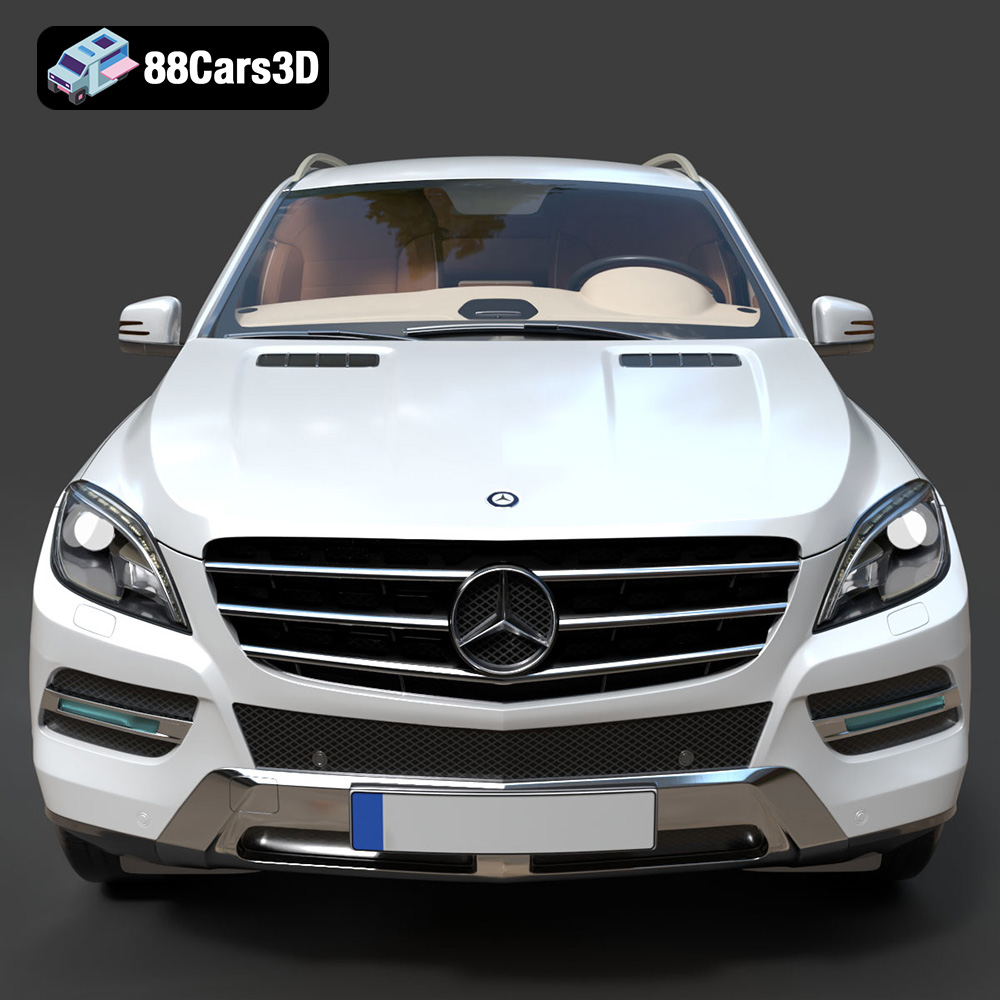
From the moment you inspect this model, its dedication to authenticity is immediately apparent. The sweeping aerodynamic lines, which are a hallmark of the AMG aesthetic, are faithfully recreated, conveying both speed and elegance. The signature Panamericana grille, a key visual identifier for modern AMGs, is modeled with striking accuracy, reflecting light in a way that truly mimics its real-world counterpart. Beyond the primary body, the muscular stance that defines the AMG heritage is perfectly translated into the digital realm, making it instantly recognizable and visually arresting. Every subtle curve, every panel gap, and every design language element has been carefully considered and implemented.
The level of detail extends far beyond the exterior shell. Pop the hood (digitally, of course) and you’ll find an intricately modeled bi-turbo V8 engine bay. This isn’t just a generic engine block; it features the signature handcrafted V8 architecture, complete with detailed components that would satisfy even the most discerning automotive enthusiast. The high-performance quad-exhaust system, finished with authentic carbon fiber surrounds, is another area where precision shines, ready to gleam under studio lights.
On the exterior, precision-modeled LED high-performance headlights and multi-piece taillights are not just textures; they are distinct geometric elements designed to illuminate and react realistically within a rendering engine. The authentic multi-spoke AMG alloy wheels, coupled with ultra-low-profile sport tires, are equally impressive, featuring intricate performance suspension details including massive brake calipers and cross-drilled rotors. Crucially for animation, separate components for wheels, suspension, and steering are included, allowing for realistic vehicle dynamics.
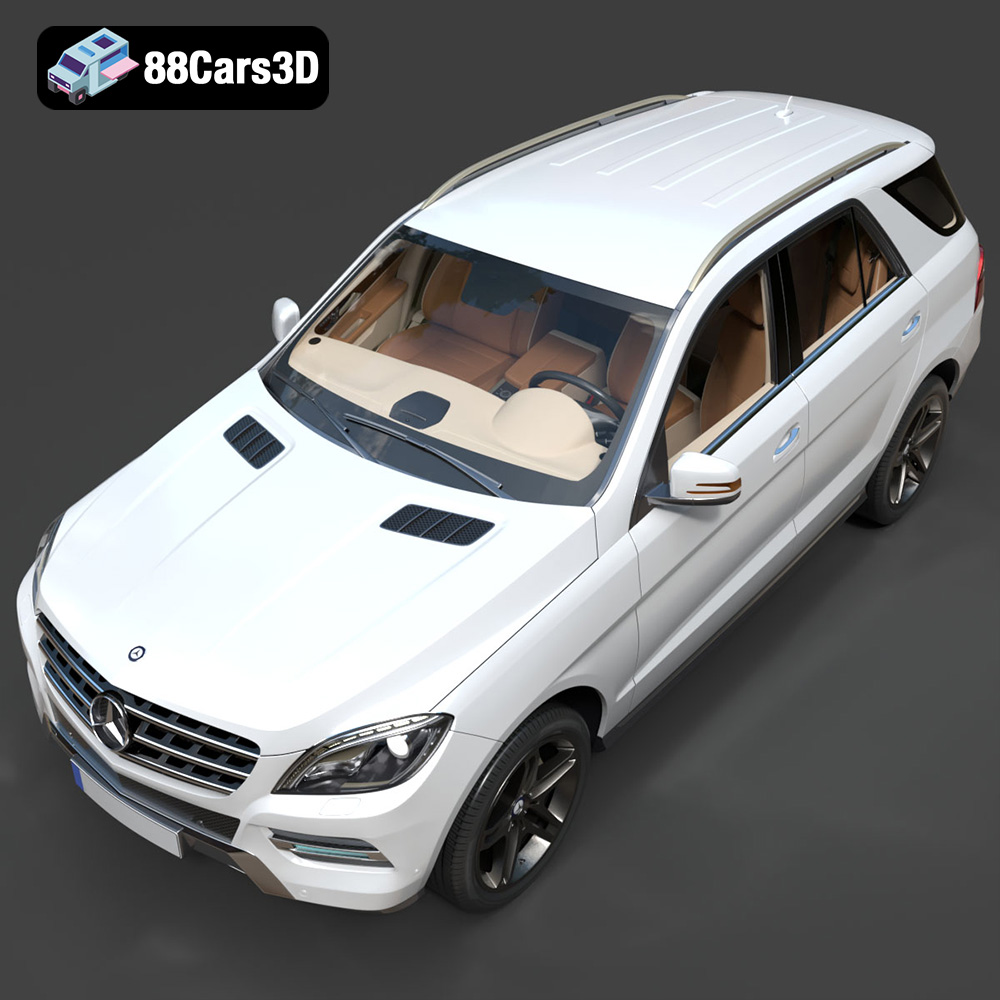
Stepping into the cockpit, the model continues to impress. Ergonomic AMG performance bucket seats feature detailed stitching and bolstering, providing a realistic interior view. The flat-bottom AMG steering wheel with paddle shifters and driver controls, along with a high-resolution digital dual-screen instrument cluster and infotainment system, immerse the viewer. The detailed center console, precise pedals, drive-mode selectors, and gear shifter all contribute to an optimized geometry perfect for first-person POV in gaming or virtual showrooms.
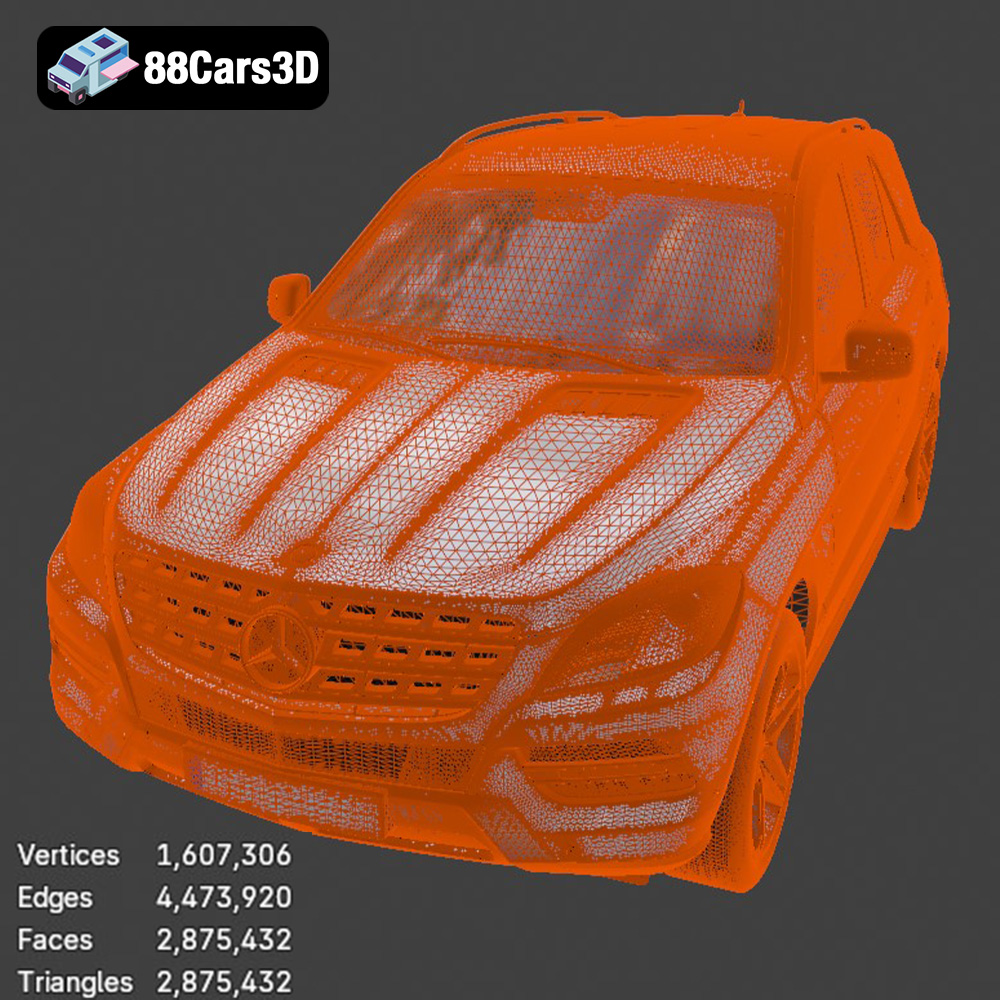
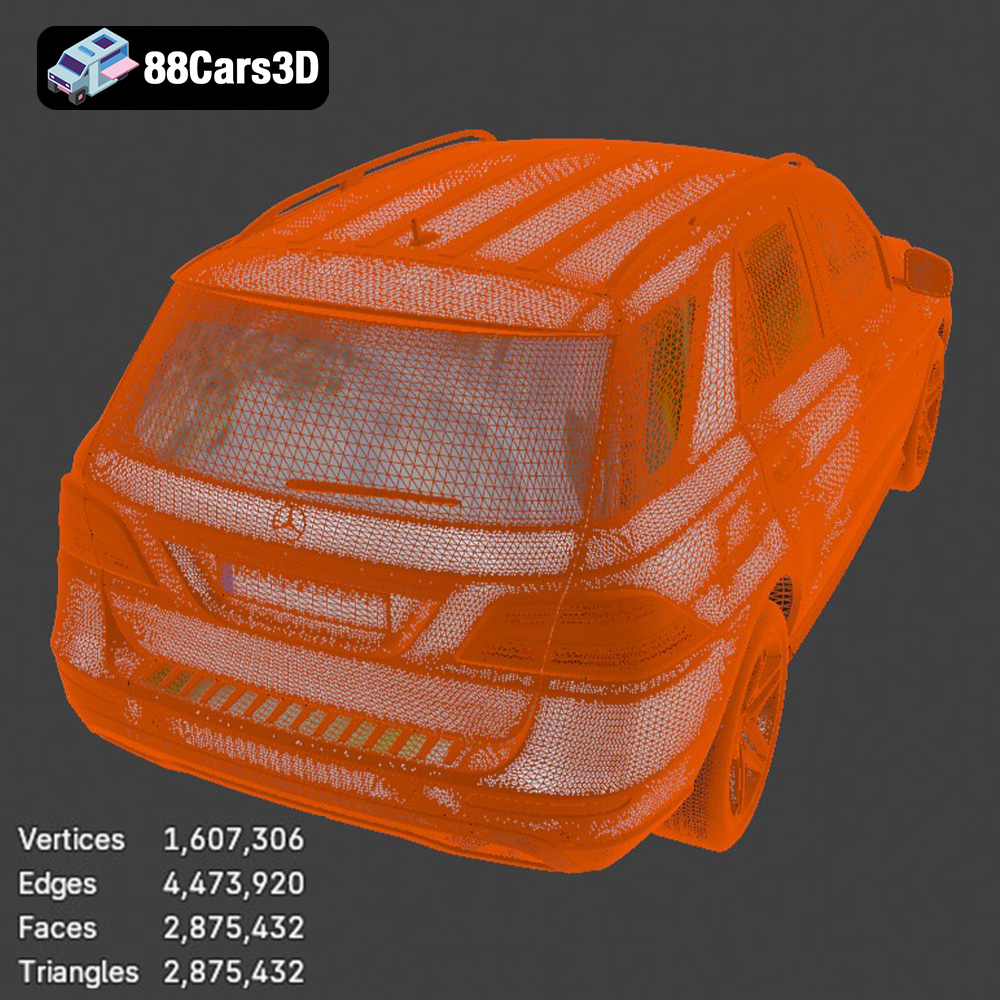
A significant technical advantage of the Mercedes-Benz AMG-08 3D model is its comprehensive topology of 2,875,432 triangles. This figure represents a sweet spot, offering uncompromising high-fidelity realism suitable for close-up studio renders, while maintaining a clean, structured mesh. This balance makes it “Game-Ready & Optimized,” a crucial attribute for real-time engines like Unreal and Unity. Despite its high detail, the model is built with a clean topology, ensuring that it remains manageable and efficient within game engines or complex animation pipelines. The real-world scale accuracy, based on actual vehicle chassis, further enhances its utility, providing a foundation for accurate simulations and visualizations. Furthermore, proper pivot setup for steering, wheel rotation, and suspension travel is included, simplifying the animation process significantly.
The versatility of the Mercedes-Benz AMG-08 3D model truly shines when integrated into professional workflows. Its comprehensive file format support and inherent quality make it a powerful asset for artists, designers, and developers using a range of industry-standard tools.
For those focused on creating stunning still images or cinematic animations, the .max and .blend files are invaluable. In applications like 3ds Max, artists can leverage powerful rendering engines such as V-Ray or Corona Renderer. The AMG-08 model’s clean topology and detailed components allow for easy material setup using PBR (Physically Based Rendering) principles. This involves assigning high-resolution textures for diffuse color, roughness, metallic, normal maps, and displacement to accurately simulate real-world surface properties. Lighting is critical; studio lighting setups, often using HDRIs (High Dynamic Range Images) and targeted area lights, can highlight the car’s intricate curves and reflective surfaces. Animating the separate wheels, suspension, and steering components provides the flexibility to create dynamic shots, showcasing the vehicle in motion or articulating its features for a product presentation.
Similarly, Blender users can import the .blend file and immediately begin setting up scenes with Cycles or Eevee. Blender’s powerful node-based material system allows for deep customization of paints, carbon fiber, and tire textures. The AMG-08’s detailed engine and interior can be brought to life with meticulous lighting, emphasizing the craftsmanship. Whether it’s a beauty shot for a virtual showroom or a dynamic sequence for a commercial, the model provides the necessary foundation for photorealistic results.
The “Game-Ready” nature of the Mercedes-Benz AMG-08 3D model is a significant advantage for real-time applications. Utilizing the .fbx or optimized .unreal files, developers can seamlessly import the model into Unreal Engine. Within Unreal, the emphasis shifts to optimizing performance while maintaining visual fidelity. The model’s 2.8 million triangles strike a balance, suitable for high-end racing games or interactive configurators where close-up views are common. Implementing material instances based on Unreal’s PBR workflow allows for efficient material customization—changing body colors, tire types, or interior accents without creating new materials for every variant. Developers can integrate the model with vehicle physics systems, utilizing its properly set pivots for wheels and suspension. Blueprints can be used to add interactivity, such as opening doors, controlling headlights, or cycling through customization options, creating an immersive experience for players or users. This level of optimization makes it a truly exceptional game asset.
The .glb format makes the AMG-08 ideal for AR/VR applications. In an AR experience, the model can be placed in a real-world environment via a smartphone or tablet, allowing users to walk around, inspect, and even “sit inside” the car. For VR showrooms, the model’s high fidelity creates an immersive environment where potential buyers or enthusiasts can explore every detail as if standing next to the actual vehicle. Optimization for these platforms typically involves careful texture management and ensuring the mesh remains efficient enough to maintain high frame rates without sacrificing visual quality. The ability to quickly deploy this model for AR/VR applications opens up new avenues for product showcases and interactive marketing.
The utility of a high-quality 3D car model like the Mercedes-Benz AMG-08 extends far beyond traditional screen-based rendering and game development. Its robust design and versatile file formats open doors to innovative applications in augmented reality, virtual reality, and even physical fabrication.
The Mercedes-Benz AMG-08 3D model is perfectly suited for crafting cutting-edge AR/VR experiences. Imagine a virtual showroom where potential buyers can explore the AMG-08 in full 3D, customize its color and trim, and even “step inside” to experience the meticulously detailed interior. Using the optimized .glb format, this model can be easily integrated into platforms like WebXR or dedicated AR/VR applications, offering unparalleled immersion. For example, a dealership could offer a mobile AR app where customers can project the AMG-08 onto their driveway, allowing them to visualize its size and presence in a real-world context. In a VR environment, users can freely walk around the car, open doors, and interact with the infotainment system, making the sales or educational process significantly more engaging than traditional brochures or websites. This elevates product configurators to an entirely new level, providing a dynamic and interactive preview of a personalized vehicle.
While often overlooked, the ability to convert a detailed 3D car model into a physical object via 3D printing is a powerful application. The inclusion of the .stl format for the AMG-08 makes this entirely feasible. Hobbyists, collectors, or design studios can leverage the model’s accurate geometry to produce display-scale replicas. The product description for the AMG-08 even provides specific 3D print settings, recommending scales like 1:12, 1:18, or 1:24, and suggesting resin printing for optimal detail capture. Details like a recommended layer height of 0.04–0.12 mm, wall thickness, infill, and crucial support requirements for delicate parts (exhaust, mirrors, steering wheel) are invaluable for achieving a successful print. The guidance on print orientation and post-processing, including sanding, primer, and authentic factory colors with metallic finishes, shows a clear understanding of the full pipeline from digital asset to tangible artifact. This bridges the gap between digital visualization and physical prototyping or collectible creation.
Beyond entertainment and direct consumer engagement, high-fidelity 3D car models play a critical role in professional design and visualization. Automotive designers can integrate the AMG-08 into larger scene visualizations—be it a new highway concept, an urban environment, or a futuristic cityscape. This allows them to assess the vehicle’s aesthetic presence within different contexts. Advertising agencies can use these models for brand campaigns, creating lifestyle scenes that are virtually impossible or prohibitively expensive to shoot in the real world. From photorealistic studio shots to dynamic action sequences, the control offered by a 3D model is unmatched. Furthermore, for design studios, such detailed models can serve as a benchmark or a starting point for exploring new design iterations, offering customization options like changing body colors, modifying tire textures, or adjusting material finishes to quickly visualize different concepts without physical prototypes.
The true value of a premium 3D car model like the Mercedes-Benz AMG-08 from 88cars3d.com lies not just in its visual appeal, but in its underlying technical structure and optimization. This technical edge ensures seamless integration and high performance across a multitude of professional applications.
The term “Game-Ready” is often misunderstood, but for the AMG-08 model, it signifies a careful balance. With 2,875,432 triangles, it’s certainly a high-poly model, but its optimization stems from a clean, structured mesh and a topology designed to minimize rendering overhead while maximizing visual fidelity. For next-gen racing games, this polycount allows for breathtaking close-up details without completely bogging down a modern game engine. The model is prepared to efficiently utilize techniques like instancing for materials, LODs (Levels of Detail) if further reduction is needed for distant views, and robust PBR texture sets that work seamlessly within Unreal or Unity. This thoughtful construction means developers spend less time fixing mesh errors or optimizing geometry and more time on gameplay and interactive elements.
Accuracy is paramount in automotive visualization. The Mercedes-Benz AMG-08 model is built to real-world scale, based on actual vehicle chassis dimensions. This precision is not just for visual correctness; it’s critical for simulations, architectural integrations, and consistent scaling across projects. Furthermore, the inclusion of proper pivot setups for steering, wheel rotation, and suspension travel is a huge time-saver for animators. Instead of manually adjusting pivots or creating complex hierarchies, animators can immediately begin keyframing or integrating the model with vehicle rigging systems. This attention to detail dramatically streamlines the animation pipeline for cinematic renders, game cutscenes, or interactive vehicle demonstrations.
A static 3D model, no matter how detailed, has limitations. The AMG-08 model, however, offers extensive customization options, unlocking immense creative potential. Artists can easily change body and tank colors, applying a spectrum of factory colors or developing custom finishes—from matte stealth to vibrant metallic flakes. Modifying tire textures to switch between track variants and street-legal profiles adds another layer of realism and narrative versatility. Adjusting material finishes on carbon fiber, chrome, or interior elements allows for fine-tuning the aesthetic to match specific brand guidelines or artistic visions. Moreover, the ability to adapt lighting for different environments, from a sun-drenched coastal road to a moody night-time cityscape, means the model can be dynamically integrated into any scene, reflecting changes in mood and realism.
The journey from a digital concept to a fully realized interactive experience or a stunning visual masterpiece is complex, demanding both artistic vision and technical prowess. At its core, the success of such endeavors often hinges on the quality and versatility of the 3D assets used. The Mercedes-Benz AMG-08 3D model exemplifies this principle, offering an unparalleled blend of meticulous detail, technical optimization, and broad compatibility that makes it an indispensable tool for professionals.
Whether you’re pushing the boundaries of photorealistic rendering, crafting the next generation of immersive game worlds, designing captivating AR/VR experiences, or even fabricating physical prototypes through 3D printing, this model provides the robust foundation required. Its extensive range of file formats—from the editable .blend and .max scenes to the interoperable .fbx, web-optimized .glb, and print-ready .stl—ensures it can be seamlessly integrated into virtually any professional pipeline. The careful balance between high polycount realism and game-ready optimization, coupled with its real-world accuracy and animation-friendly setup, positions it as a premier asset.
In a landscape where visual fidelity dictates engagement, investing in high-quality 3D car models is a strategic decision. The Mercedes-Benz AMG-08 3D model is more than just a digital file; it’s a gateway to limitless creative possibilities, empowering artists and developers to bring their most ambitious visions to life. For those seeking to elevate their projects with truly exceptional 3D car models, exploring the offerings at 88cars3d.com is a clear path forward.
The Mercedes-Benz AMG-08 stands as a testament to peak automotive engineering, combining aggressive styling with unparalleled performance. This 3D model faithfully captures the vehicle’s sweeping aerodynamic lines, signature Panamericana grille, and the sheer muscular stance that defines the AMG heritage. Every detail, from the intricately modeled bi-turbo V8 engine bay to the quad-exhaust system and striking carbon fiber accents, has been meticulously recreated to offer an authentic visual experience.
With a comprehensive topology of 2,875,432 triangles, this model delivers uncompromising high-fidelity realism suitable for close-up studio renders while maintaining a clean, structured mesh. It offers incredible visual fidelity, making it an outstanding asset for high-end game development, virtual reality showrooms, and cinematic animation.
Perfect for next-gen racing games, high-end automotive configurators, cinematic renders, and immersive virtual reality experiences.
.blend, .fbx, .obj, .glb, .stl, .ply, .unreal, .max
Tags:
mercedes-benz, amg-08, sports-car, high-performance, car-3d-model, game-ready, optimized, game-asset, rendering, vr-ar, blend, fbx, obj, glb, stl, ply, unreal, max
$90.00
.blend
.fbx
.glb
.max
.obj
.ply
.rendering
.sports car
.stl
.unreal
amg-08
car-3d-model
game asset
game-ready
high-performance
mercedes-benz
optimized
VR/AR