Get 20% OFF All Premium 3D & STL Models!

The allure of classic vehicles transcends generations, captivating enthusiasts with their timeless design and mechanical artistry. Recreating this intricate beauty in the digital realm presents a unique challenge, demanding not only artistic skill but also deep technical understanding. For professionals in game development, architectural visualization, cinematic production, or immersive AR/VR experiences, access to high-quality, optimized 3D car models is paramount. It’s about more than just aesthetics; it’s about performance, versatility, and precision.
Enter the Tiger Moth 3D Model, an exquisite digital recreation that perfectly embodies this blend of heritage and technical excellence. This isn’t just another asset; it’s a meticulously crafted piece of digital engineering, ready to elevate your projects from concept to stunning reality. Whether you’re aiming for photorealistic automotive rendering, integrating it into a fast-paced game, or bringing it to life in a virtual showroom, the Tiger Moth offers an unparalleled foundation for creative exploration.
In this comprehensive guide, we’ll delve into the technical specifications, workflow integrations, and diverse applications of such a sophisticated asset, demonstrating how a premium product like the Tiger Moth 3D Model, available at 88cars3d.com, can become a cornerstone of your digital pipeline.
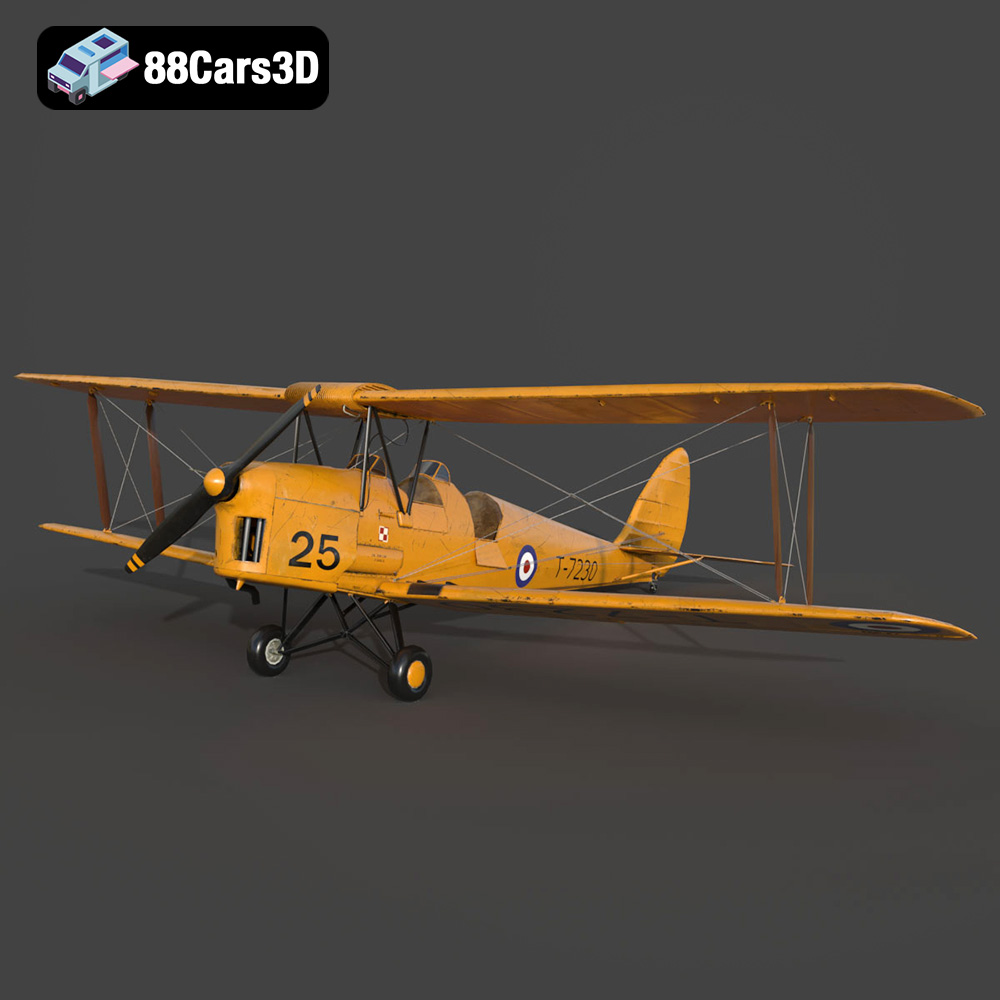
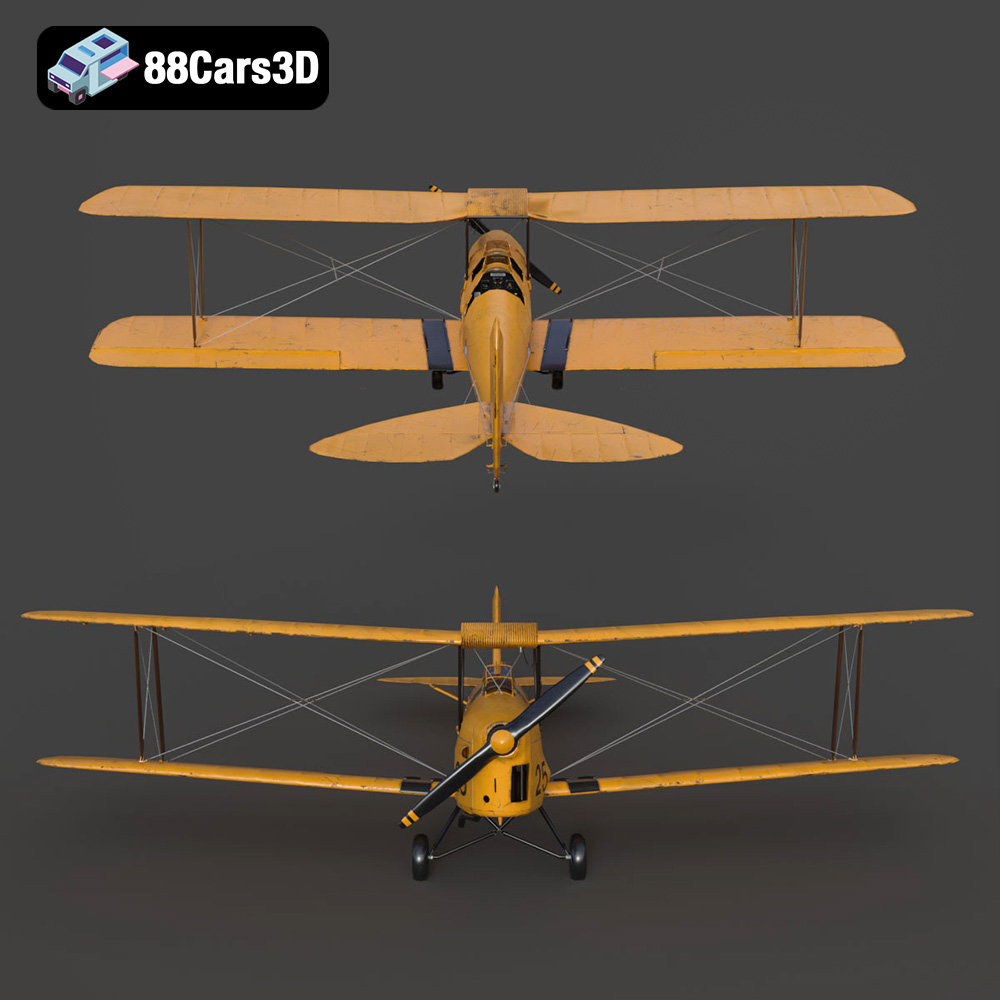
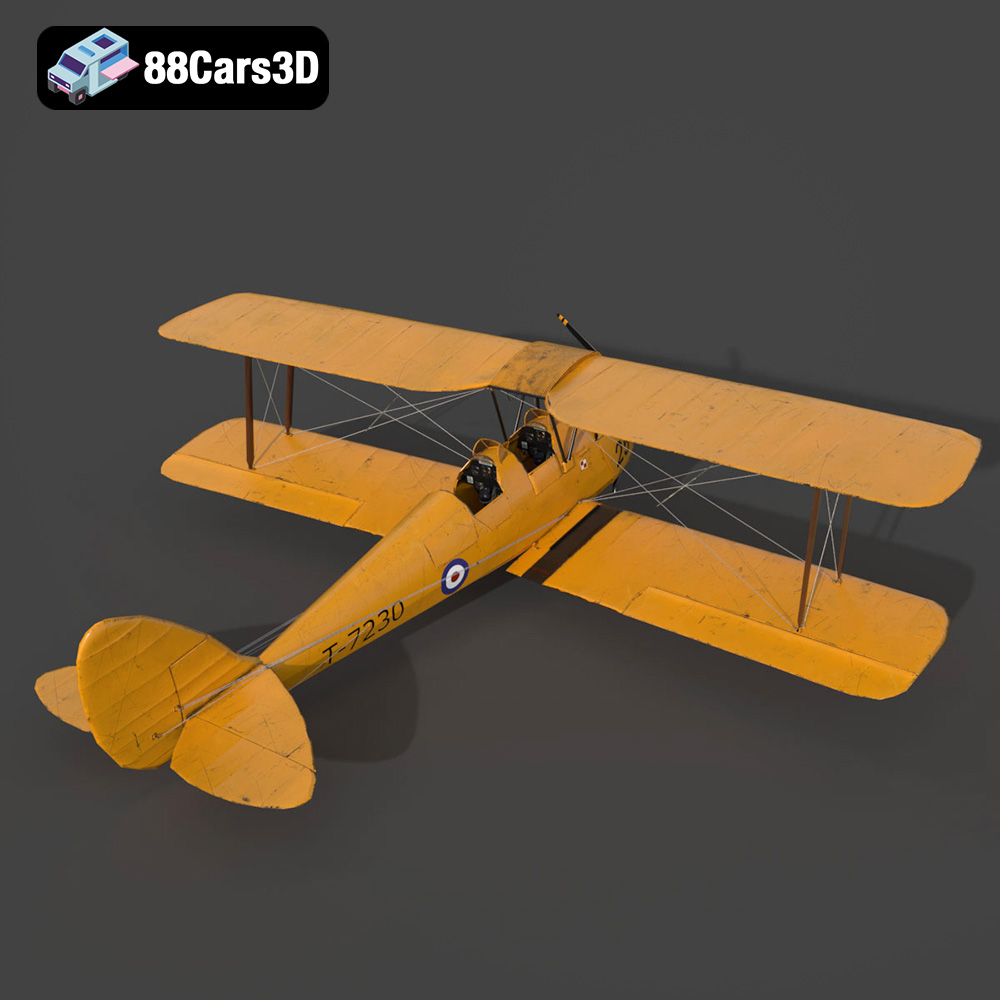
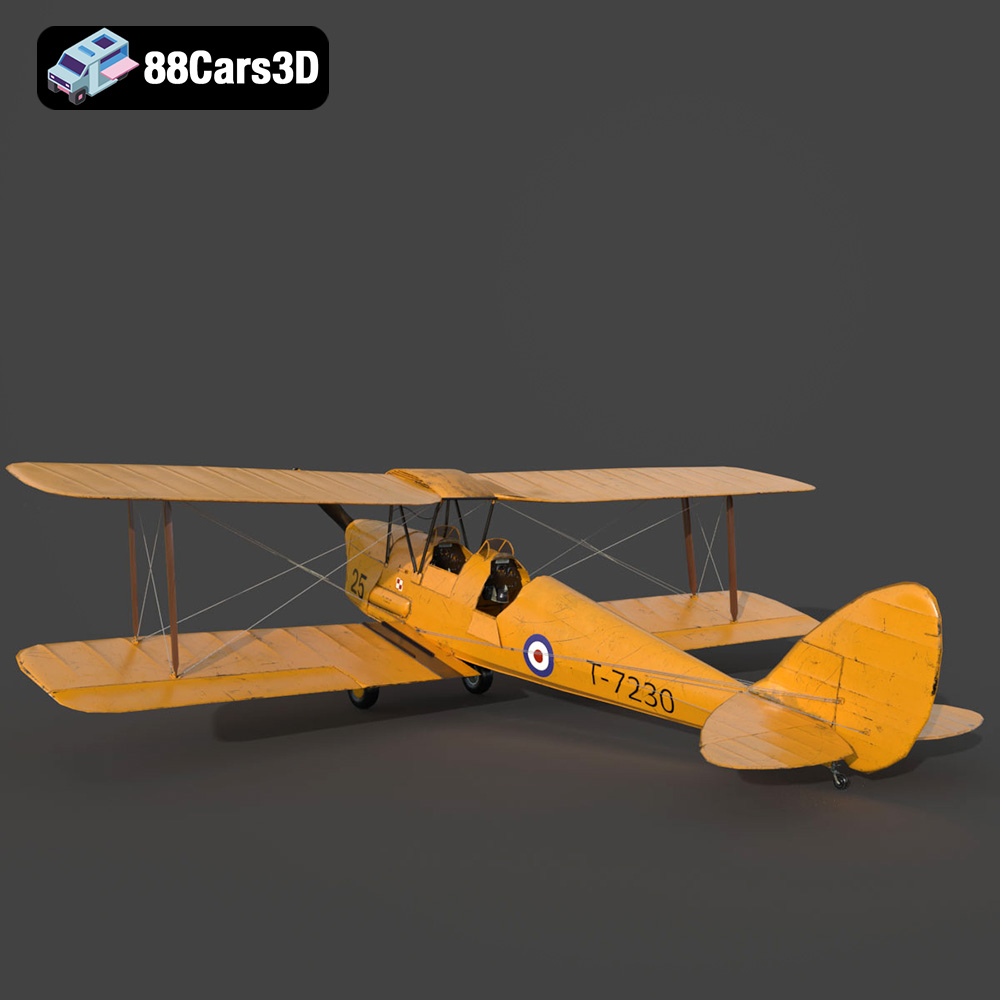
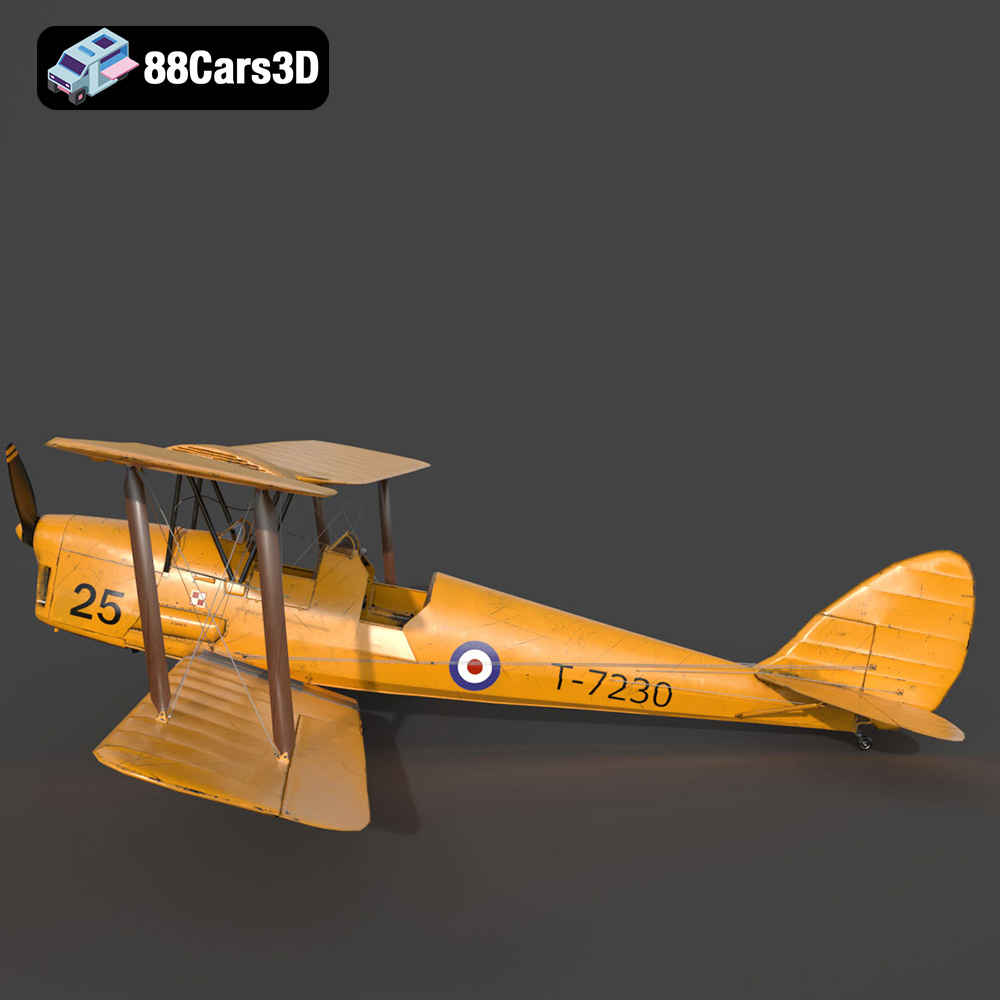
The Tiger Moth is a legendary vehicle, distinguished by its iconic vintage styling and exposed mechanical elements. Its digital counterpart captures this essence with remarkable fidelity. From the accurate frame geometry and proportions to the intricate detailing of the engine block and its exposed linkages, every element speaks to a profound respect for the original design. The distinctive exhaust system, period-accurate lighting, and classic wheel designs with historically precise tire details all contribute to an authentic representation that immediately conveys its unparalleled heritage.
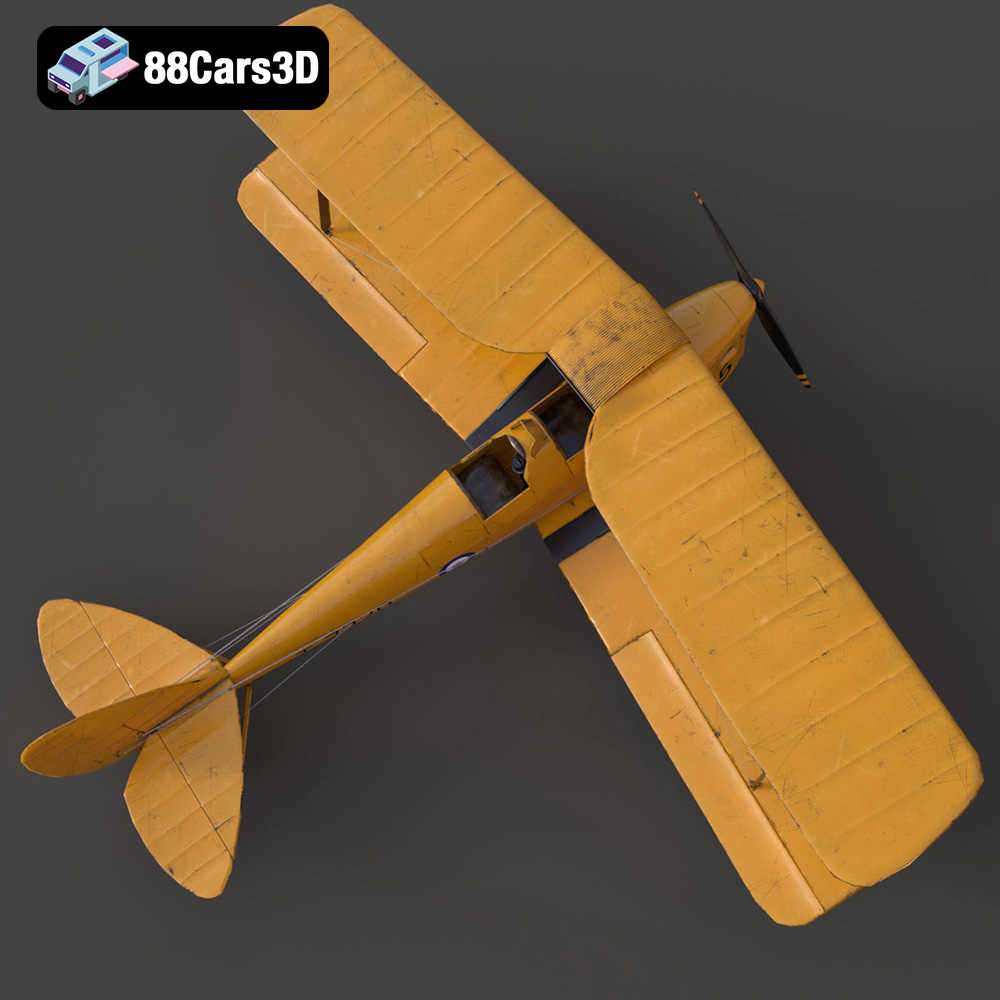
Beyond the exterior, the model extends its meticulous detail to the cockpit. Authentic vintage seat/saddle details with convincing leather texturing, classic handlebar/steering elements, and a finely crafted analog instrument cluster bring the interior to life. Period-accurate control details, including pedals, levers, and a shifter, ensure that even first-person perspectives in gaming are fully immersive and believable.
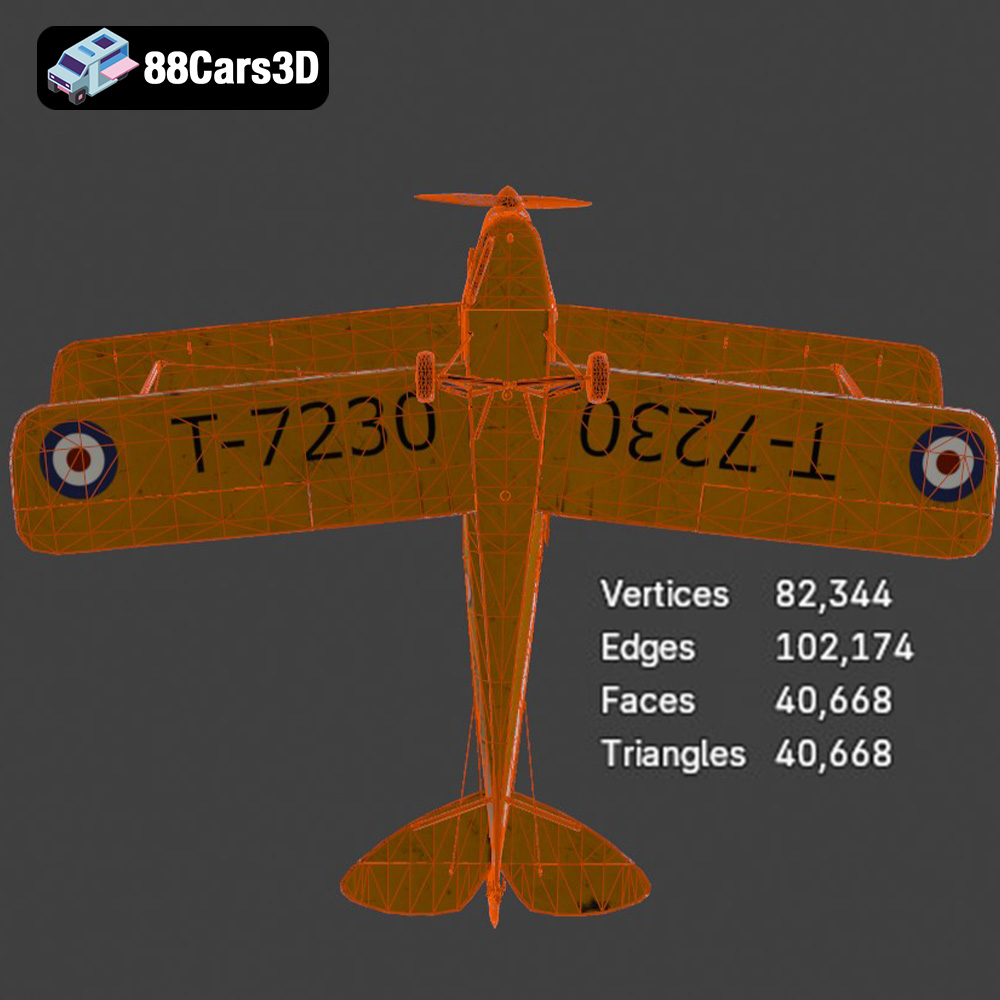
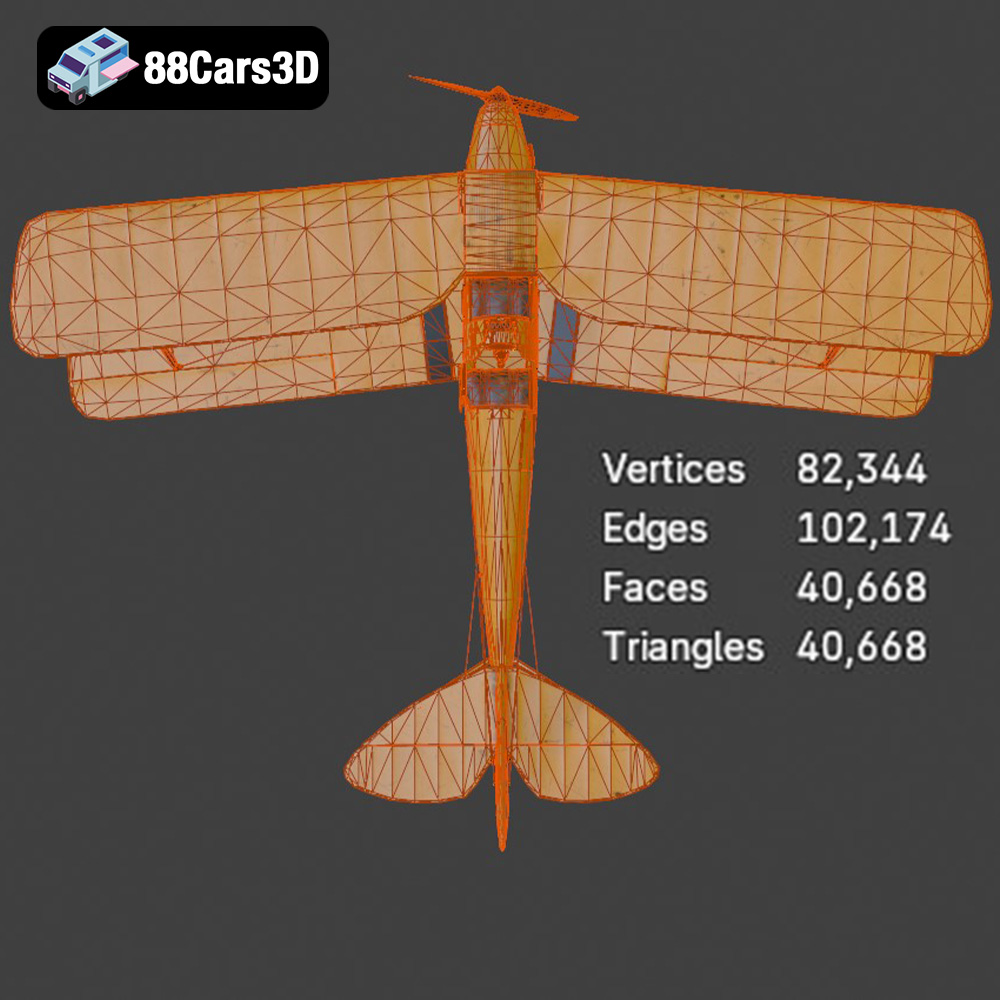
In the world of 3D, balancing visual fidelity with performance is a constant tightrope walk, especially for game assets and real-time applications. The Tiger Moth 3D Model excels here with an optimized topology of just 40,668 triangles. This polycount strikes a perfect balance, delivering superior game-ready performance for engines like Unreal and Unity without compromising on high-end visual realism. Such optimization is critical for maintaining smooth framerates in interactive experiences while still looking stunning in cinematic renders.
Technical advantages abound: the model boasts real-world scale accuracy, based on actual vehicle chassis specifications, ensuring seamless integration into any scene. Crucially, it features a proper pivot setup for steering, wheel rotation, and suspension travel. This attention to detail simplifies animation workflows significantly, allowing artists to quickly rig and animate realistic vehicle dynamics, making it an outstanding asset for game development, AR/VR experiences, animation, and high-end visualization.
The choice of file format for a 3D model is far more than a minor technicality; it dictates compatibility, workflow efficiency, and the fidelity of data transfer across different software and platforms. For a versatile asset like the Tiger Moth 3D Model, understanding each included format is crucial for maximizing its potential in your specific project. Each format serves distinct purposes, preserving different aspects of the model, from raw geometry to full scene setups and material definitions.
For game developers, efficiency and performance are paramount. The Tiger Moth 3D Model, with its optimized 40,668 triangles and included .fbx and .unreal formats, is perfectly tailored for real-time engines. Importing the .fbx is a straightforward process, allowing you to quickly set up materials using Unreal Engine’s physically based rendering (PBR) workflow. The model’s pre-configured pivot points for steering, wheel rotation, and suspension travel are invaluable, drastically reducing rigging time and enabling realistic vehicle physics with minimal effort.
Imagine building a classic vehicle racing title where players can customize their Tiger Moth, or an open-world historical environment where this iconic vehicle serves as a focal point. Its performance-optimized mesh ensures smooth framerates, even in densely populated scenes, making it an excellent game asset. The “game-ready” label isn’t just a claim; it’s a promise of ease of integration and robust performance within demanding interactive environments.
When photorealism is the goal, the native .max and .blend files offer unparalleled flexibility. Artists using 3ds Max can open the .max file and immediately access the full scene, enabling intricate material customization with advanced renderers like V-Ray or Corona. Similarly, Blender users benefit from the .blend file, offering direct access to the model’s structure, allowing for sophisticated material node setups in Cycles or Eevee.
The separate wheels, suspension, and steering components are a boon for animators, facilitating the creation of dynamic sequences – from static beauty shots with subtle suspension compression to full-blown cinematic drives. Combining the model with studio lighting setups and complex environments, artists can produce breathtaking automotive rendering visuals for advertising, product showcases, or high-end visualizations. The intricate details, from engine block to cockpit, truly shine under expert lighting and rendering techniques.
The burgeoning fields of Augmented Reality (AR) and Virtual Reality (VR) demand assets that are not only visually rich but also highly optimized for real-time, often mobile, platforms. The Tiger Moth 3D Model, with its .glb format, is a perfect fit. Imagine stepping into a virtual vintage car showroom where you can walk around and inspect every detail of the Tiger Moth, or an AR application that lets you place the model in your living room, scaling it to real-world proportions. Its optimized polycount ensures smooth interactivity without taxing mobile processors, making it ideal for creating engaging and immersive virtual experiences that go beyond passive viewing.
The digital world can also bridge to the physical. For collectors and hobbyists, the ability to 3D print a detailed replica of the Tiger Moth is an exciting prospect. The included .stl format makes this perfectly achievable. The product description offers comprehensive 3D print settings, recommending scales like 1:12, 1:18, or 1:24, and layer heights from 0.04 to 0.12 mm for fine detail (resin printing is highly recommended for best results). Specific instructions on wall thickness, infill, and support placement (especially for intricate parts like the exhaust and handlebars) ensure a successful print. Post-processing, including sanding, priming, and painting with “authentic factory colors with metallic finishes,” can transform the raw print into a stunning display piece, bringing the digital classic into the tangible world.
A truly versatile 3D model offers extensive customization, allowing artists to adapt it to diverse project requirements. The Tiger Moth 3D Model provides just that. Users can effortlessly change body and tank colors, applying anything from classic factory finishes to bespoke custom paints. Tire textures can be modified to reflect different scenarios, such as off-road variants or street-specific treads. Furthermore, adjusting material finishes – from matte and gloss to various metallic sheens – offers boundless creative freedom to fine-tune the vehicle’s appearance. This level of control ensures the Tiger Moth can seamlessly integrate into any artistic direction or brand aesthetic.
The pursuit of photorealism in automotive rendering is an intricate dance between geometry, textures, and lighting. The detailed foundation of the Tiger Moth, combined with its well-defined UVs (implied by the inclusion of various formats that support them), allows for the application of high-resolution PBR textures. By adapting lighting for different environments – be it a moody garage, a sunny open road, or a futuristic cityscape – artists can achieve dramatic and convincing results. The inherent quality and accurate proportions of the model are the bedrock upon which stunning, lifelike visuals are built, ensuring that the Tiger Moth always looks its best, no matter the context.
Consider a developer tasked with creating an interactive virtual museum experience highlighting significant vehicles throughout history. The Tiger Moth 3D Model becomes a centerpiece. Leveraging its .glb format, the museum provides a web-based VR tour, allowing users to virtually ‘walk’ around the model, examining the detailed engine block and classic interior from every angle. The optimized topology ensures a smooth, engaging experience on various devices, bringing history to life in an accessible and immersive way.
An indie game studio is developing a period-accurate racing game set in the 1920s. They need authentic, game-ready 3D car models that are easy to animate and perform well. The Tiger Moth is imported via its .fbx or .unreal asset directly into their game engine. The pre-set pivots for wheels and suspension allow their animators to quickly rig and create realistic driving physics. Its optimized polycount of 40,668 triangles ensures minimal performance impact, enabling them to populate their tracks with multiple vehicles without sacrificing framerate, contributing to a truly vintage and thrilling racing experience.
A high-end marketing agency is crafting a campaign for a luxury brand seeking to evoke a sense of heritage and craftsmanship. They require breathtaking visuals of a classic vehicle. The agency utilizes the Tiger Moth 3D Model’s .max or .blend file. Their 3ds Max or Blender artists leverage the model’s detailed geometry, applying custom metallic paints and high-resolution textures. They create a series of photorealistic renders and animations showcasing the Tiger Moth in a stunning studio environment, emphasizing its timeless design and engineering. The ability to animate separate components allows for dynamic camera movements and intricate mechanical showcases, resulting in a visually rich and persuasive advertisement.
The digital landscape is continuously evolving, and the demand for high-quality, versatile 3D car models has never been greater. Whether you’re an indie game developer, a seasoned visualization artist, an AR/VR innovator, or a hobbyist bringing digital models to life through 3D printing, the importance of a meticulously crafted asset cannot be overstated. The Tiger Moth 3D Model stands as a testament to this principle, offering a perfect blend of historical accuracy, aesthetic appeal, and technical optimization.
Its comprehensive package of file formats, from .blend and .max for native software excellence to .fbx and .glb for real-time and web-based applications, ensures maximum compatibility and workflow efficiency. With the Tiger Moth, you’re not just acquiring a model; you’re investing in a cornerstone asset that will empower your creative vision and elevate your projects to professional standards across automotive rendering and game development.
To explore the Tiger Moth 3D Model and a vast collection of other premium 3D car models, visit 88cars3d.com today and unlock the full potential of your digital creations.
Discover the exceptional engineering and timeless design of the Tiger Moth. This classic vehicle features unparalleled heritage, distinguished by its iconic vintage styling and exposed mechanical elements. Standout features include a highly detailed engine block, a distinctive exhaust system, and classic aesthetic cues that define its legendary status. This 3D model boasts an optimized topology of 40,668 triangles, delivering superior game-ready performance without compromising visual fidelity. Designed for versatility, it is an outstanding asset for game development, AR/VR experiences, animation, and high-end visualization. Perfect for classic vehicle simulators, historical cinematic animations, virtual vintage showrooms, and period-accurate gaming environments.
$16.99
.blend
.fbx
.glb
.max
.obj
.ply
.rendering
.stl
.unreal
car-3d-model
classic-vehicle
game asset
game-ready
low-poly
optimized
tiger-moth
vintage-3d-model
VR/AR