Get 20% OFF All Premium 3D & STL Models!

In the vast and ever-evolving landscape of digital content creation, the demand for exceptionally detailed and versatile 3D models continues to surge. From the adrenaline-pumping world of video games to the immersive realism of AR/VR industrial training, and the stunning visuals of automotive rendering, artists and developers constantly seek assets that embody both precision and performance. The cornerstone of any successful project in these fields is a foundation built upon high-quality 3D car models that accurately reflect their real-world counterparts while being optimized for diverse digital environments.
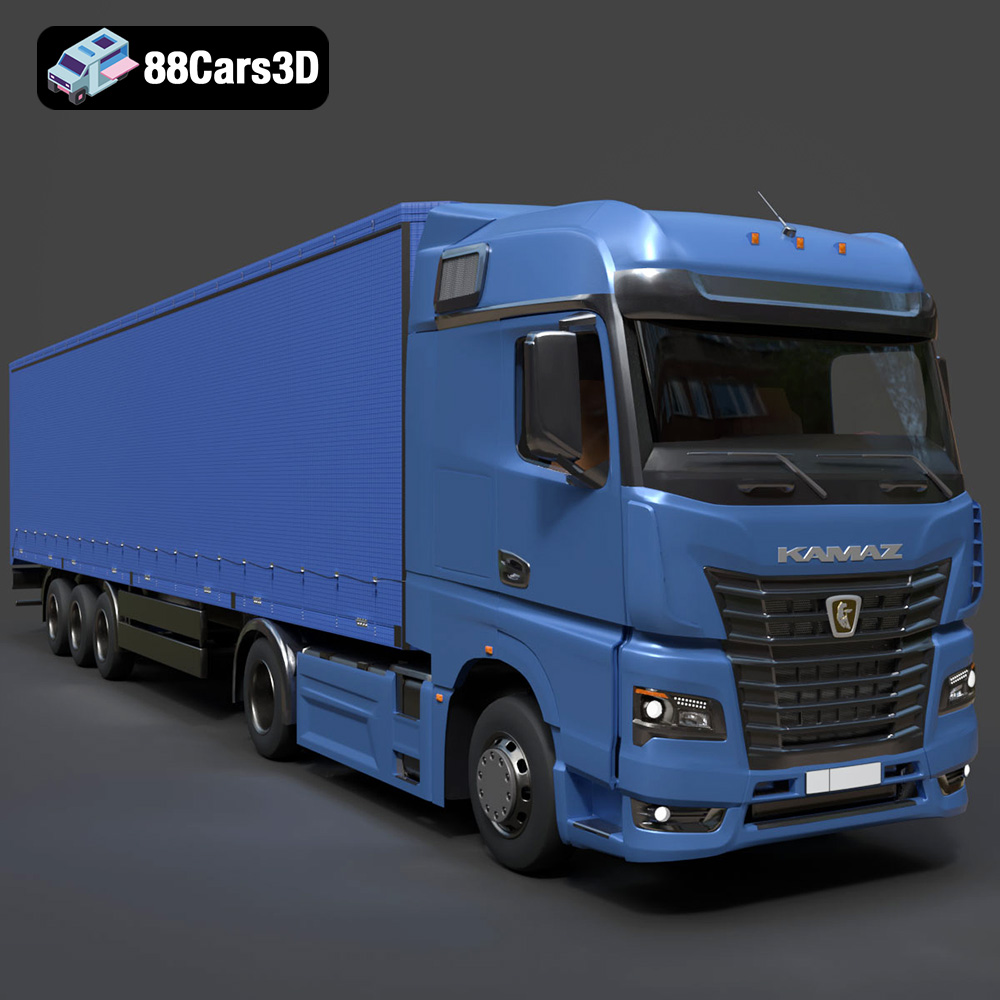
Imagine recreating the sheer power and rugged resilience of a heavy-duty off-road truck, designed to conquer the most unforgiving terrains. This isn’t just about aesthetics; it’s about engineering fidelity, intricate mechanics, and the nuanced details that bring a digital asset to life. A prime example of such an asset, perfectly blending visual excellence with technical readiness, is the KAMAZ 2014 3D Model. This remarkable model offers a comprehensive solution for professionals seeking an iconic, robust vehicle for their projects, demonstrating the paramount importance of expertly crafted 3D assets in modern digital production.
The journey of any 3D model, from its creation in a digital sculptor’s hands to its deployment in a game engine or a photorealistic render, is intrinsically linked to its file format. Understanding the nuances of these formats is crucial for seamless workflow integration, ensuring compatibility, and maximizing the utility of your purchased assets. When acquiring premium 3D car models like the KAMAZ 2014 from 88cars3d.com, you’ll often find a variety of formats included, each serving specific purposes.
The .blend file is the native project format for Blender, one of the most popular open-source 3D creation suites. When you download a .blend file, you’re getting the complete scene as the artist intended it within Blender. This includes not just the mesh geometry, but also materials, textures, lighting setups, cameras, animation data, modifiers, and even scene properties. It’s ideal for users who primarily work in Blender and require full editability and access to all scene elements for customization or further development. For the KAMAZ 2014, a .blend file allows artists to meticulously inspect the topology, adjust PBR materials, or adapt the model for specific Blender-centric rendering engines like Cycles or Eevee.
.fbx (Filmbox) is a proprietary file format developed by Autodesk, serving as a widely adopted interchange format in the 3D industry. Its strength lies in its ability to store not just geometry, but also animation, cameras, lights, and skeletal deformation data, making it invaluable for pipelines involving multiple software packages. It’s particularly favored for game development (Unreal Engine, Unity), animation, and visual effects, where assets need to move efficiently between modeling software (like 3ds Max or Maya) and real-time engines. For the KAMAZ 2014, the .fbx format ensures that the optimized mesh, proper pivot setups, and any included basic materials can be imported into a vast array of applications with minimal setup, providing a robust foundation for real-time environments.
The .obj (Wavefront OBJ) format is one of the oldest and most universally supported 3D file formats. It’s a simple, text-based format primarily used to store 3D geometry (vertices, normals, texture coordinates, and faces). While it can reference external material files (.mtl), it doesn’t embed animation or advanced scene data. Its strength is its broad compatibility across virtually all 3D software. If you need a clean mesh that can be opened anywhere, .obj is a reliable choice. For the KAMAZ 2014, the .obj version is excellent for applications where you need the pure geometric data to re-texture, sculpt, or use in software with unique material systems.
.glb (GL Transmission Format Binary) is the binary version of glTF, a royalty-free specification for the efficient transmission and loading of 3D scenes and models by applications. glb packages geometry, materials, and textures into a single, self-contained file, making it highly efficient for web-based 3D, augmented reality (AR), virtual reality (VR), and mobile applications. Its compact size and ease of integration make it perfect for displaying 3D models directly in browsers or mobile AR viewers. The KAMAZ 2014 in .glb format is therefore ideal for immersive industrial showrooms, mechanical configurators, and mobile AR experiences, allowing users to interact with a high-fidelity model on various devices.
.stl (Stereolithography) is the de facto standard file format for 3D printing and CAD software. It represents a 3D model as a series of connected triangles, describing only the surface geometry of an object without color, texture, or other CAD attributes. Its simplicity makes it universally compatible with 3D printers and slicing software. When preparing the KAMAZ 2014 for physical output, the .stl format is essential, allowing hobbyists and diorama builders to bring the digital model into the tangible world. Considerations like scale, wall thickness, and support structures become paramount with this format.
The .ply (Polygon File Format or Stanford Triangle Format) is another format used to store 3D data, particularly from 3D scanners. It can store a wider range of data than .obj or .stl, including color, transparency, and sometimes even confidence values for scanned points. While less common for general asset distribution, it’s often used in scientific computing, CAD, and precise geometric analysis. For the KAMAZ 2014, its inclusion suggests the model’s robustness and potential for technical or engineering-focused applications where precise mesh data might be processed or analyzed.
The .unreal format typically refers to an asset or a package designed specifically for direct import or use within the Unreal Engine ecosystem. While often an optimized .fbx packaged with Unreal-specific material setups and LODs, its designation implies it’s ready to drop into an Unreal project with minimal setup. This format leverages Unreal’s advanced rendering capabilities and PBR workflow, making the KAMAZ 2014 truly “game-ready.” It means the model has likely been tested and configured to perform efficiently within the engine, with proper material assignments and collision meshes where applicable.
Similar to .blend for Blender, .max is the native project file for Autodesk 3ds Max, a leading software for 3D modeling, animation, and rendering in architectural visualization, product design, and game development. A .max file contains the complete 3ds Max scene, including all geometry, materials, textures, lights, cameras, animations, and scene settings. It offers the highest level of editability and allows users to leverage 3ds Max’s powerful modeling and rendering tools. For the KAMAZ 2014, the .max file provides direct access to the source data within a professional production environment, enabling complex animations, studio rendering setups, and detailed customizations.
The provision of such a comprehensive array of formats for the KAMAZ 2014 3D model underscores its versatility and the commitment of 88cars3d.com to professional users across various disciplines.
Creating a high-fidelity 3D car model is a meticulous blend of artistic skill and technical precision. It’s not merely about replicating shapes; it’s about capturing the essence of a vehicle, from its iconic silhouette to the subtle nuances of its surface reflections. For a heavy-duty workhorse like the KAMAZ 2014, this means translating its rugged durability and functional aesthetics into a digital form that resonates with realism.
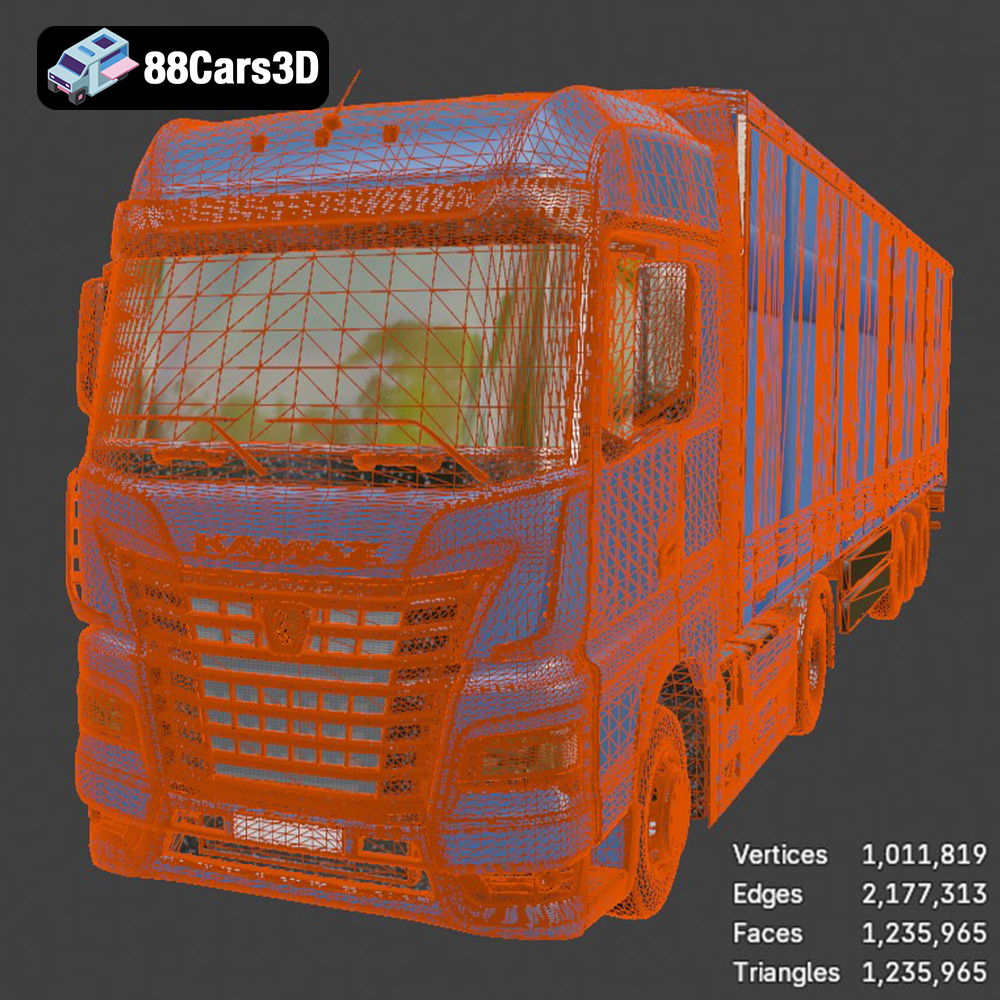
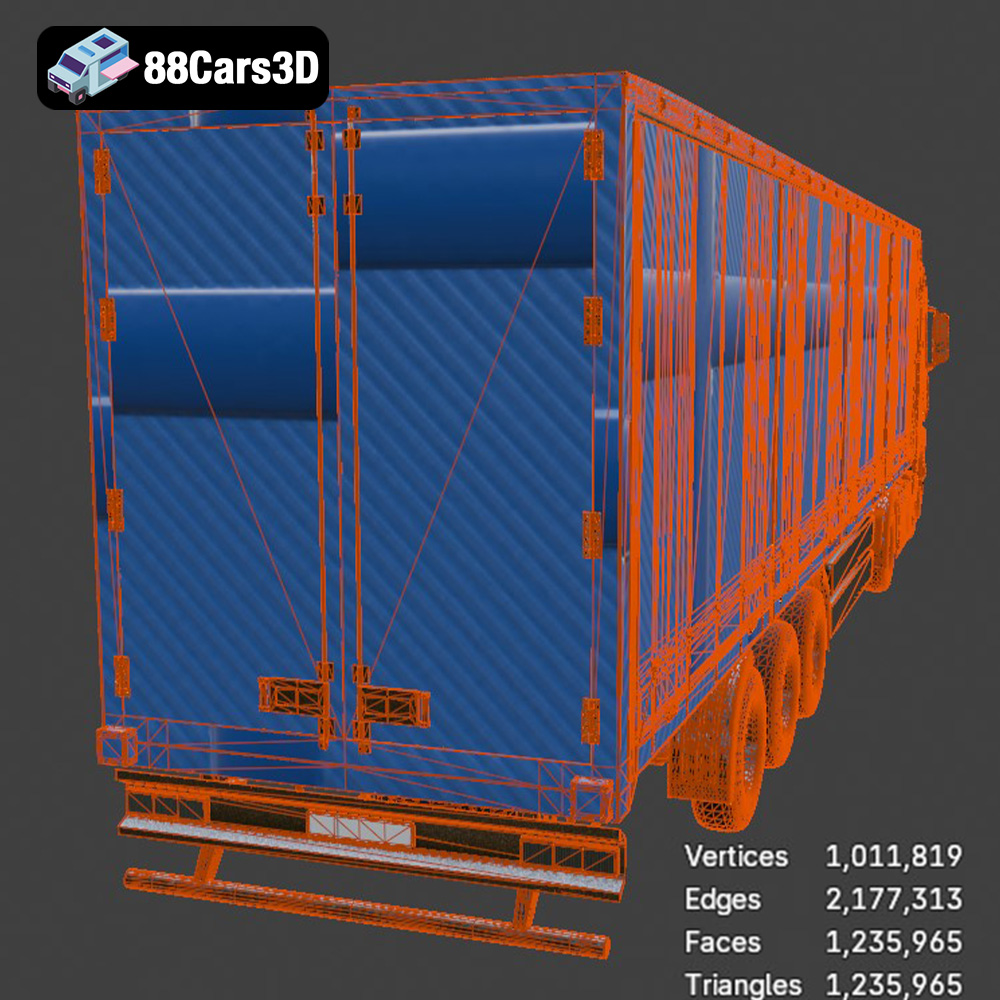
One of the first considerations in high-fidelity modeling is the poly count – the number of polygons (triangles or quads) that make up the 3D mesh. A higher poly count generally means more detail, smoother curves, and sharper edges, but it also demands more computational resources. The KAMAZ 2014 3D model, boasting an impressive 1,235,965 triangles, strikes an excellent balance. This figure represents “extraordinary high-end visual fidelity” while remaining “structured for demanding digital environments.” For a heavy truck with intricate components like a diesel engine block, complex suspension, and a detailed cab, this poly count allows for rich detail without becoming excessively heavy for modern real-time engines.
A high-poly mesh is only half the story; materials and textures define how light interacts with the surface, giving it perceived texture, color, and reflectivity. Modern 3D rendering heavily relies on Physically Based Rendering (PBR) workflows, which simulate how light behaves in the real world.
The KAMAZ 2014 3D Model isn’t just a generic truck; it’s a digital homage to a renowned vehicle, meticulously crafted to represent its real-world counterpart. This attention to detail is what sets premium 3D car models apart and makes them indispensable for professional projects.
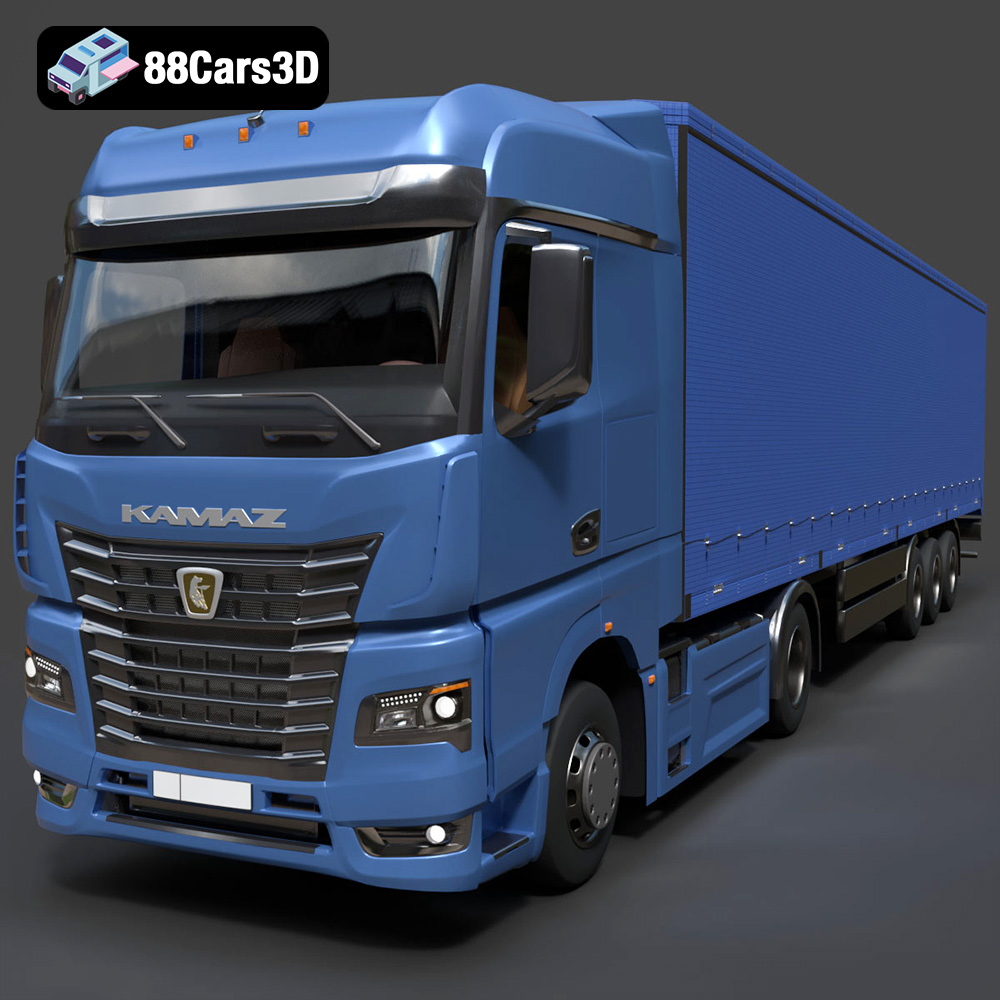
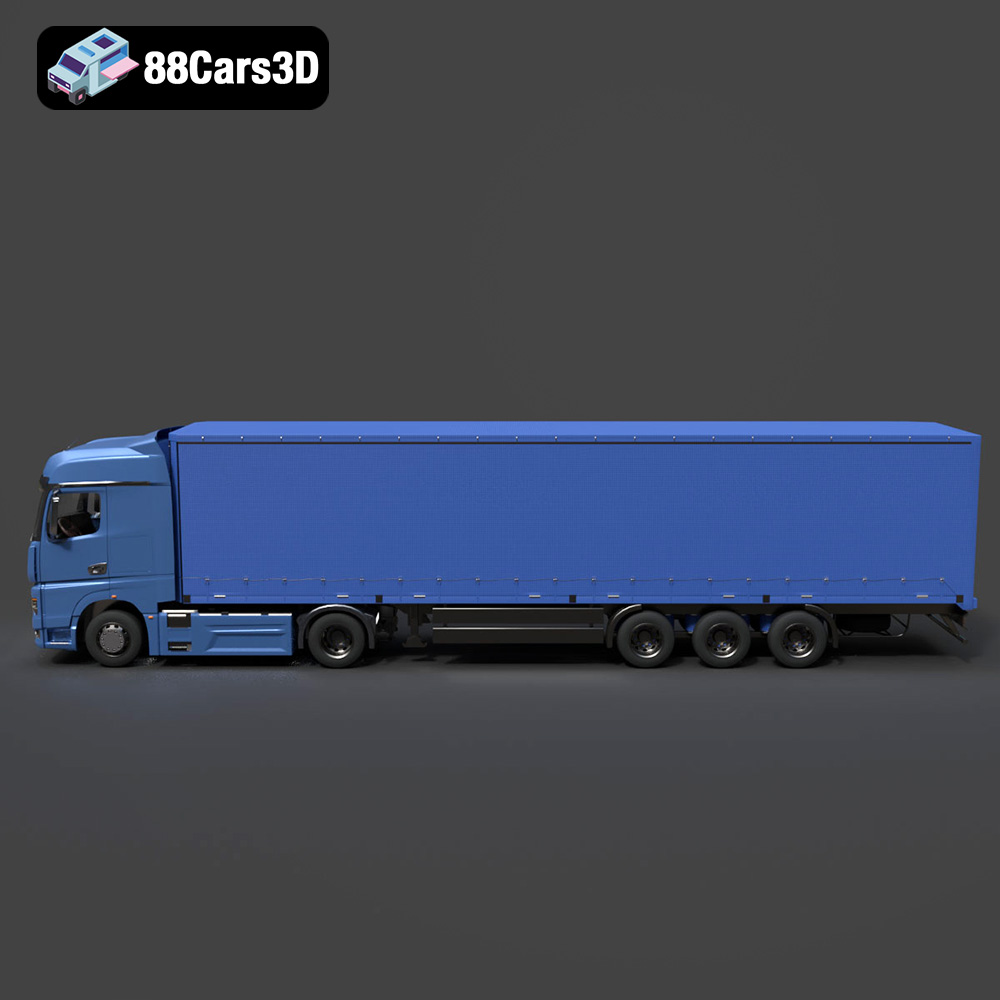
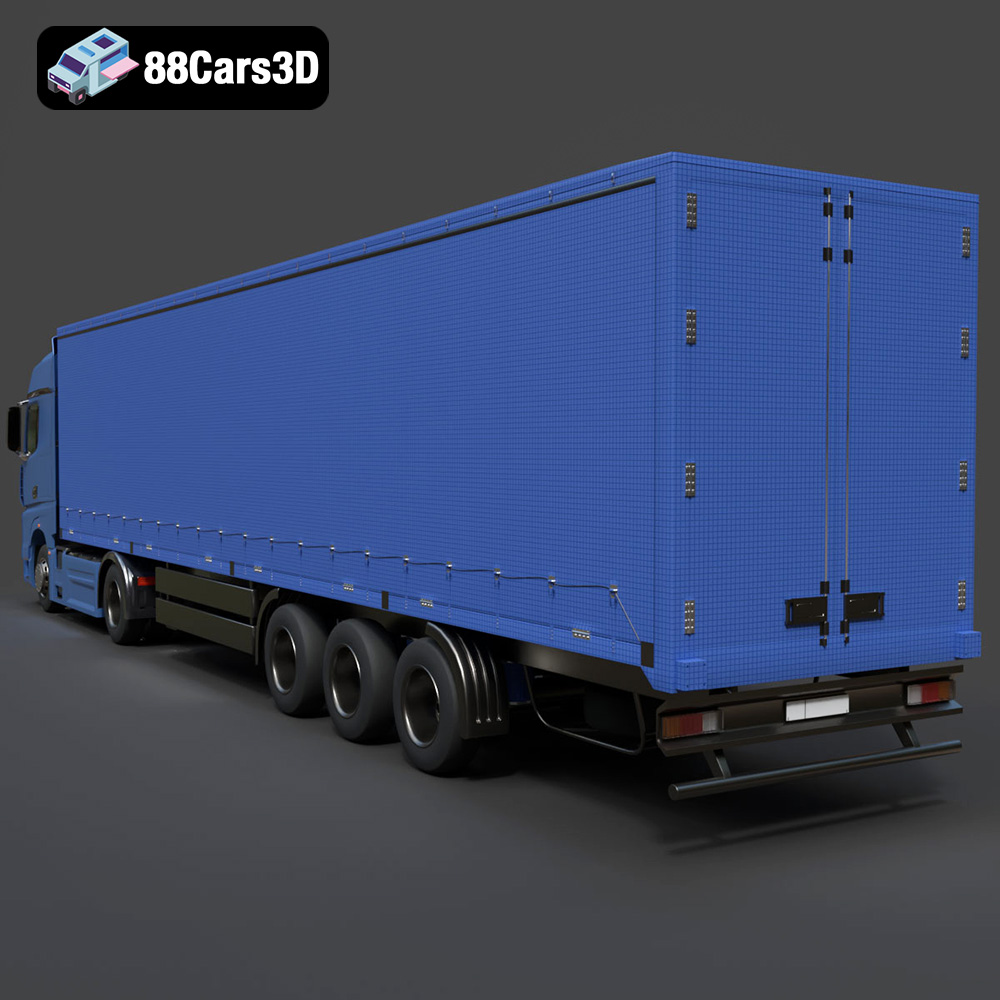
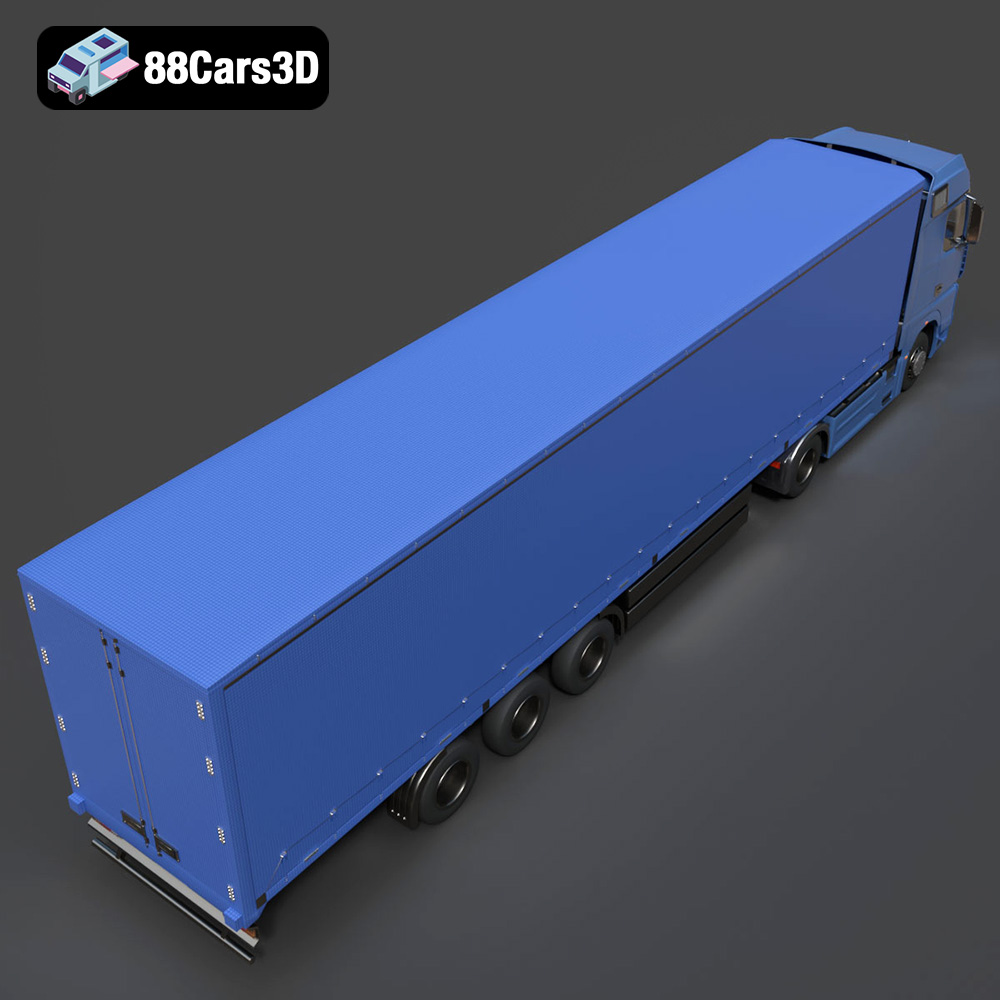
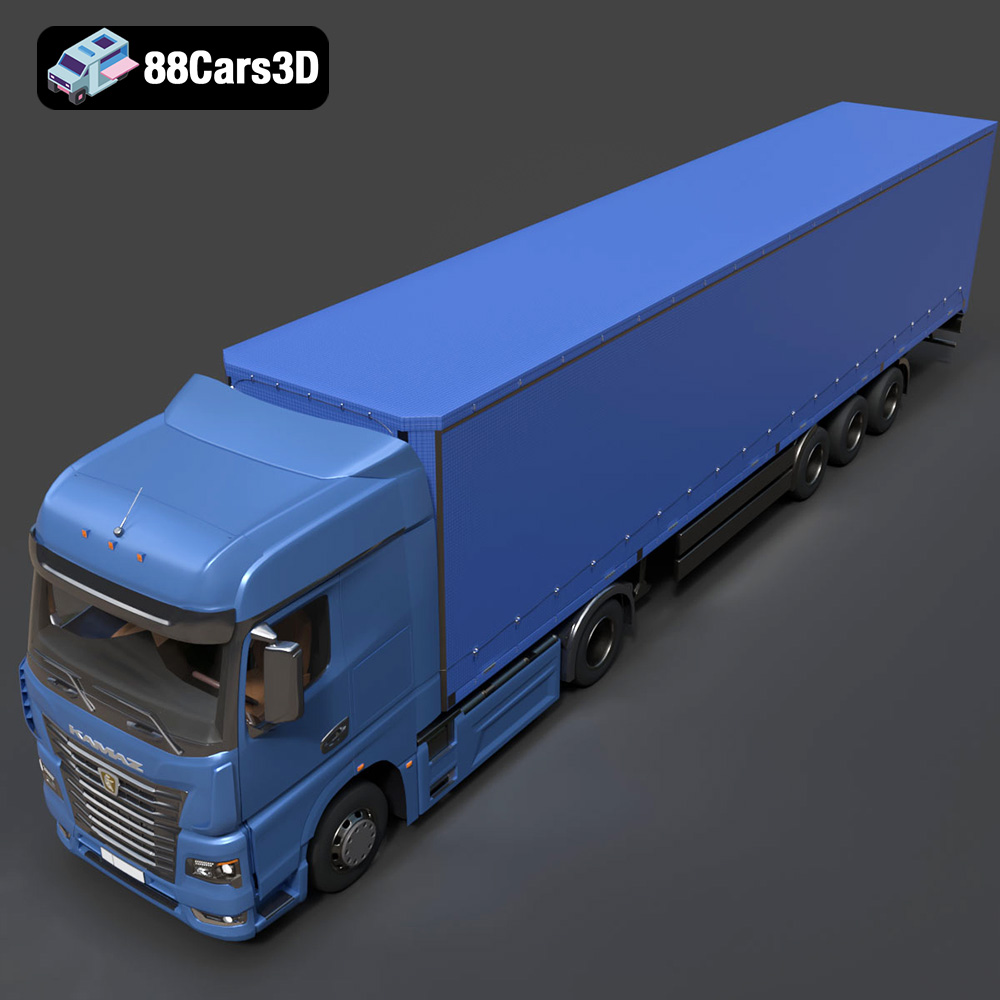
The exterior of the KAMAZ 2014 model captures the rugged essence of the original vehicle with remarkable accuracy. Every element, from the utilitarian cab to the formidable chassis, has been painstakingly recreated.
The interior of a vehicle model is often overlooked, but for immersive experiences like AR/VR or driving simulators, it’s paramount. The KAMAZ 2014 model doesn’t disappoint, offering a fully realized cockpit.
Beyond visual appeal, the KAMAZ 2014 3D model shines in its technical specifications, designed for professional workflows.
The true value of a versatile 3D asset like the KAMAZ 2014 lies in its ability to seamlessly integrate into various professional pipelines. Thanks to its multiple file formats and optimized structure, it’s a powerhouse for diverse applications.
For game developers, the KAMAZ 2014 is an exceptional asset for creating engaging experiences. Its “game-ready” optimization is a key selling point.
Augmented Reality (AR) and Virtual Reality (VR) applications demand highly optimized and visually appealing models to create truly immersive experiences. The KAMAZ 2014 excels in this arena.
For artists focused on photorealistic rendering and visualization, the KAMAZ 2014 provides a robust foundation for stunning imagery, perfect for marketing campaigns, product showcases, and artistic compositions.
The versatility of the KAMAZ 2014 3D Model extends beyond digital screens into the physical realm, thanks to the inclusion of the .stl format, making it suitable for 3D printing.
3D printing allows hobbyists, model makers, and diorama builders to bring the digital design into the physical world. The .stl file format, specifically designed for additive manufacturing, ensures compatibility with most 3D printers and slicing software.
Printing complex models like a heavy-duty truck often requires careful planning.
A truly professional 3D car model offers not just high fidelity but also the flexibility for customization. The KAMAZ 2014 3D Model is designed with this versatility in mind, allowing artists to tailor it to their specific project needs.
The modular nature and clean material separation of the KAMAZ model enable extensive visual customization.
Beyond aesthetics, the model’s technical setup supports functional enhancements.
The journey of creating compelling digital experiences is deeply rooted in the quality of the assets employed. High-fidelity 3D car models are not just visual elements; they are engineering feats, optimized for performance, and designed for boundless creativity. The KAMAZ 2014 3D Model stands as a testament to this philosophy, offering an unparalleled combination of rugged authenticity, technical precision, and format versatility.
Whether you’re developing a cutting-edge game, designing immersive AR/VR training modules, producing cinematic automotive rendering, or even embarking on a 3D printing project, this model provides the robust foundation you need. Its comprehensive file formats – from .blend and .max for native editing, to .fbx and .unreal for game engines, .glb for web/AR, and .stl for 3D printing – ensure it fits seamlessly into any professional workflow. Explore the power of premium 3D assets and elevate your projects to new heights. Discover the KAMAZ 2014 and a world of other exceptional 3D car models available now at 88cars3d.com.
The KAMAZ 2014 is a testament to rugged durability and extreme off-road capability, representing the pinnacle of heavy-duty engineering. Renowned globally for its unyielding chassis and dominance in grueling conditions, this truck features an iconic utilitarian cab, a massive diesel engine block, and a reinforced suspension system designed to conquer the harshest terrains. From its robust front grille to its heavy-duty exhaust and payload structures, every styling cue screams power and resilience. This premium 3D model boasts an impressive 1,235,965 triangles, offering extraordinary high-end visual fidelity while remaining structured for demanding digital environments. Whether you are developing a next-generation trucking simulator, creating immersive AR/VR industrial training modules, or producing cinematic animations, this model delivers unparalleled detail and optimized topology.
$67.50
.blend
.fbx
.glb
.kamaz
.max
.obj
.ply
.rendering
.stl
.unreal
commercial-vehicle
game asset
game-ready
heavy-truck
kamaz-2014
off-road-truck
optimized
truck-3d-model
VR/AR