Get 20% OFF All Premium 3D & STL Models!

Few vehicles have captivated the global imagination quite like the Volkswagen Beetle. Its distinctive, friendly silhouette, coupled with a rich history spanning decades, has cemented its status as an enduring cultural icon. From its humble origins to its final production, the Beetle has consistently represented more than just transportation; it embodies a spirit of charm, reliability, and unmistakable design. For digital artists, game developers, architects, and visualization specialists, recreating such a legendary vehicle is not merely a task of modeling; it’s an act of preserving a legacy within the digital realm.
Today, the demand for high-quality 3D car models that accurately capture the essence of these automotive legends is at an all-time high. Whether for a nostalgic game environment, a photorealistic advertising campaign, an immersive AR/VR experience, or even a detailed 3D print, precision and fidelity are paramount. This is where a meticulously crafted asset like the Volkswagen Beetle 3D Model truly shines. Available for download on 88cars3d.com, this model offers an exceptional balance of detail and optimization, making it an invaluable tool for a wide array of professional applications. It’s a game-ready, render-ready asset designed to integrate seamlessly into diverse creative pipelines, ensuring that the timeless appeal of the Beetle is perfectly translated into your digital projects.
The success of any 3D project often hinges on choosing the right file format for the task at hand. The Volkswagen Beetle 3D Model comes with an extensive array of file types, each optimized for specific applications and workflows. Understanding their nuances is crucial for any professional working with 3D car models.
The .blend file is Blender’s native format, offering a fully editable scene. This means not just the mesh, but also materials, textures, lighting setups, cameras, animation data, and even modifiers are preserved. For Blender users, this is the most flexible format, allowing for direct manipulation, material adjustments, or scene repurposing without loss of data. It’s ideal for those who wish to delve deep into the model’s construction, understand its PBR material setup within Blender’s Cycles or Eevee render engines, or animate its components directly within the software.
.fbx (Filmbox) is arguably the most widely used proprietary file format for 3D model interchange, particularly in game development (Unreal Engine, Unity) and cinematic pipelines. It supports not only mesh data but also materials, textures, rigging, and animation. When importing the Volkswagen Beetle 3D Model as .fbx, developers benefit from its robust ability to transfer complex scene data efficiently. It’s perfect for real-time environments where performance and precise animation transfer are critical, ensuring that the separate wheels, suspension, and steering components retain their pivot information for dynamic interactions.
The .obj (Wavefront OBJ) format is a universal standard, highly compatible across almost all 3D software. It primarily stores geometric data (vertices, normals, texture coordinates) and references external material files (.mtl). While it doesn’t store rigging or animation data, its simplicity makes it incredibly robust for mesh transfer. For artists needing just the raw geometry of the Volkswagen Beetle 3D Model for sculpting, re-topologizing, or applying custom materials in a different software package, .obj is an excellent choice due to its broad support and reliability.
.glb (GLB Transmission Format) is the binary version of glTF (GL Transmission Format), designed for efficient transmission and loading of 3D scenes and models on the web and in AR/VR applications. It’s an “all-in-one” file, embedding textures and other assets directly within the single file. This makes it incredibly lightweight and performant for real-time browser-based experiences or mobile AR applications. The Volkswagen Beetle 3D Model in .glb format is ideal for virtual showrooms, online configurators, or augmented reality experiences where quick loading and broad compatibility are key.
The .stl (Stereolithography) format is the de-facto standard for 3D printing. It represents a 3D model as a collection of unconnected triangular facets, defining only the surface geometry. It contains no color, texture, or material information. For hobbyists or professionals looking to physically manifest the Volkswagen Beetle 3D Model, the .stl file is essential. While it requires careful consideration of scale, wall thickness, and support structures, this format allows for tangible creation, transforming the digital asset into a physical collectible or prototype.
.ply (Polygon File Format) is another common format for storing 3D data, particularly useful for high-resolution 3D scan data or precision mesh models often used in CAD or scientific analysis. It can store various properties beyond just geometry, such as color, transparency, and even material properties per vertex or face. While less common for general-purpose rendering, its inclusion ensures that the Volkswagen Beetle 3D Model can cater to specialized workflows requiring high-fidelity data capture or precise reverse engineering applications.
The .unreal file implies an asset specifically packaged and optimized for direct import into Unreal Engine. This often means pre-configured materials, proper scale, collision meshes, and potentially even basic LODs (Levels of Detail) or Blueprint setups. For Unreal developers, this format significantly streamlines the integration process, reducing setup time and ensuring optimal performance within the engine, allowing for immediate deployment of the Beetle into interactive scenes or games.
Finally, the .max file is the native project format for Autodesk 3ds Max. Similar to .blend, it contains the complete scene, including geometry, materials, lighting, cameras, and animation. For professionals working within the 3ds Max ecosystem, this file offers the highest level of flexibility for animation, complex rendering setups with renderers like V-Ray or Corona, and full access to modifiers and object hierarchies. It’s the ideal choice for creating cinematic renders or intricate animation sequences of the Volkswagen Beetle 3D Model.
High-quality automotive rendering demands not only a powerful software suite but also a meticulously detailed 3D car model. The Volkswagen Beetle 3D Model provides the perfect foundation, designed for photorealistic results across various rendering engines.
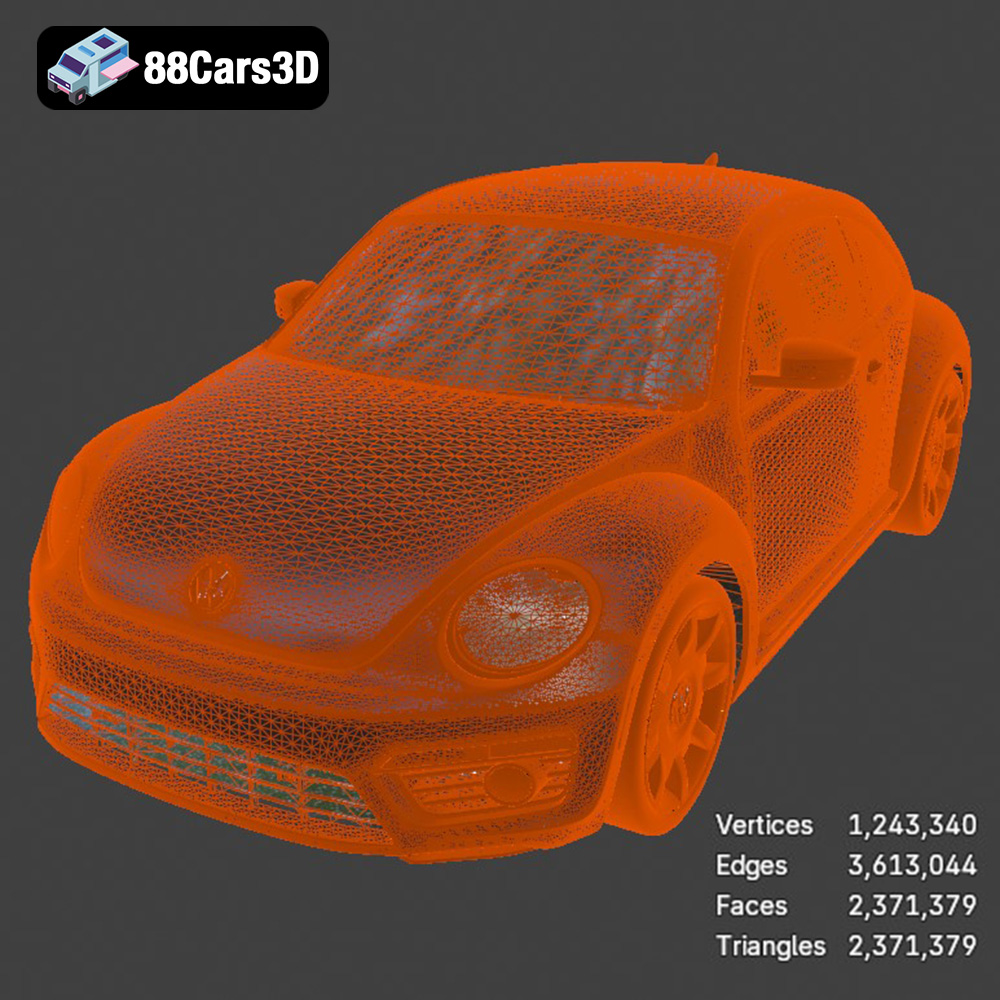
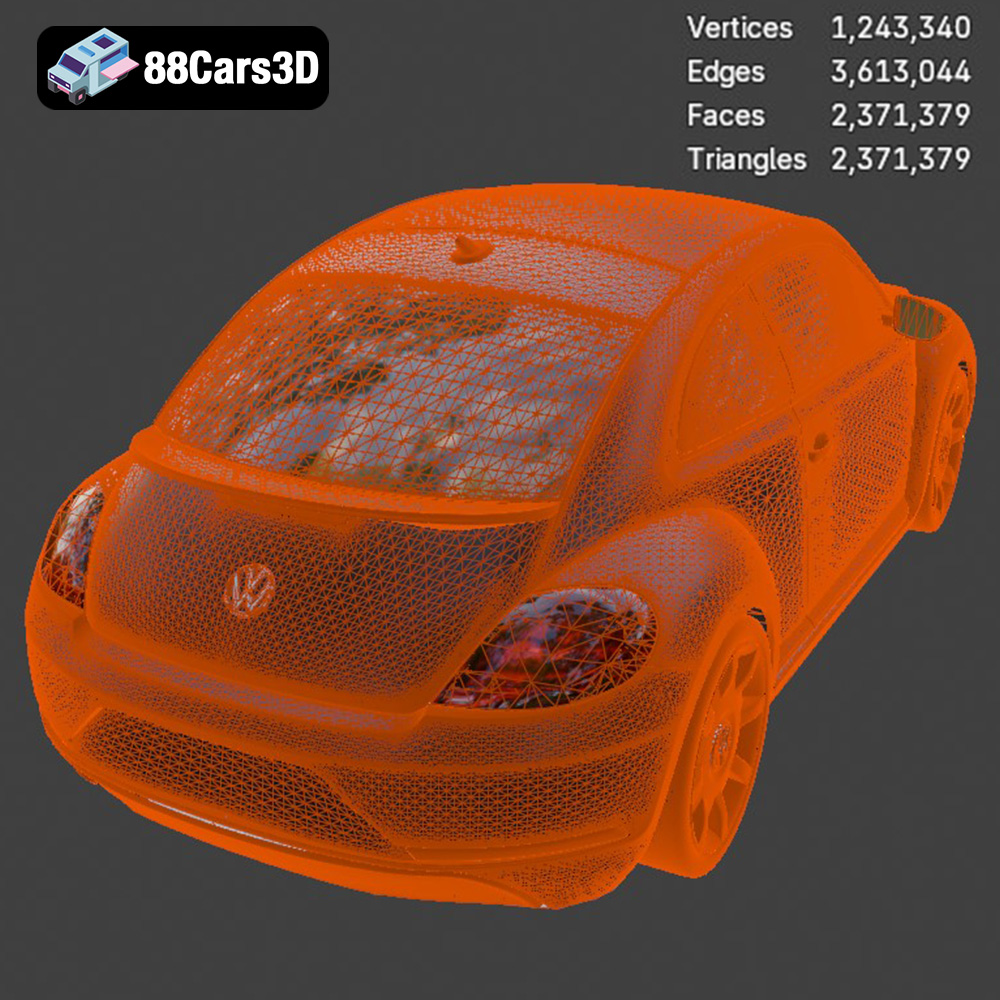
Achieving realism begins with materials. In 3ds Max, using Physical Material or V-Ray materials is key. The Beetle model’s organized topology with 2,371,379 triangles ensures smooth reflections and accurate light interaction. For a metallic car paint, you’d typically layer a base color, a metallic flake map, and a clear coat. The base body color can be easily changed, as mentioned in the customization options, allowing artists to explore various factory colors or custom finishes. Similarly, in Blender, PBR (Physically Based Rendering) workflows with Principled BSDF shader are essential. Inputting high-resolution texture maps for diffuse, roughness, metallic, and normal channels for surfaces like paint, chrome, rubber, and glass will bring the model to life. The model’s clean UVs (implied by “high-end rendering”) facilitate straightforward texture application, avoiding stretching or distortion.
Lighting is the soul of any render. For automotive visualization, HDRI (High Dynamic Range Image) environments are crucial for realistic reflections and ambient light. Pairing an HDRI with a few targeted area lights can simulate a studio setup, highlighting the Beetle’s iconic curves. For instance, a softbox light above and slightly in front can emphasize the sweeping fenders, while a rim light from behind can define the silhouette. Considerations for bounce light, global illumination, and caustics (for glass elements) further enhance realism. The ability to adapt lighting for different environments, as suggested in the model’s customization options, empowers artists to place the Beetle in anything from a sun-drenched beach scene to a moody, urban setting, all while ensuring its surfaces react authentically to light.
The Volkswagen Beetle 3D Model is not just static; it’s built for animation. With separate wheels, suspension, and steering components, along with proper pivot setups, animators can create dynamic sequences. In 3ds Max or Blender, simple parenting and rotation constraints can simulate steering and wheel spin. A more advanced setup might involve rigging the suspension with bones and constraints to allow for realistic compression and rebound. This level of detail is invaluable for commercials, cinematic cutscenes, or even interactive configurators, demonstrating the vehicle’s movement and mechanical integrity. The accurate frame geometry and detailed engine block representation also allow for compelling close-ups or cutaway animations, showcasing the engineering beneath the classic shell.
In the world of game development, balancing visual fidelity with performance is a constant challenge. The Volkswagen Beetle 3D Model is specifically designed as a game-ready asset, optimizing for real-time engines like Unreal and Unity without compromising on detail.
With 2,371,379 triangles, the Volkswagen Beetle 3D Model strikes a perfect balance. While considered high-poly for some older real-time applications, modern game engines and hardware can handle this level of detail for hero assets. This polycount ensures that the car looks stunning even in close-up shots within a game or VR experience. For open-world games or racing titles, the model might be used as a primary vehicle, with careful consideration for LODs (Levels of Detail) to manage performance at varying distances. The model’s optimized geometry ensures that it can be dropped into an Unreal or Unity scene, ready to perform efficiently without extensive modification, directly supporting its use as a premium game asset.
Integrating the .fbx or .unreal format of the Volkswagen Beetle 3D Model into game engines involves several steps. In Unreal Engine, this includes importing the mesh, setting up PBR materials using instances to allow for easy color changes (e.g., body/tank colors), and creating a physics asset for realistic vehicle dynamics. The proper pivot setup for steering and wheel rotation simplifies the animation blueprint creation, enabling developers to quickly implement driving mechanics. Similarly, in Unity, importing the FBX, assigning appropriate materials, and adding vehicle components like wheel colliders and a Rigidbody allows for interactive gameplay. The optimized geometry for first-person POV in gaming ensures that interior details, such as the classic speedometer and pedals, are crisp and immersive for the player.
Beyond technical integration, the Volkswagen Beetle 3D Model allows developers to create truly immersive driving experiences. Imagine an open-world game set in the 60s or 70s, where players can cruise around in a faithfully recreated classic Beetle. The detailed retro-styled interior, from the iconic minimalist dashboard to the precise control details, enhances player immersion. Developers can leverage the customization options to change tire textures, offering off-road vs. street variants, further expanding gameplay possibilities and visual diversity. This high level of detail, combined with game-ready optimization, makes the Beetle an ideal choice for racing simulators, urban exploration games, or even educational applications showcasing automotive history.
The versatility of the Volkswagen Beetle 3D Model extends far beyond traditional rendering, making it a valuable asset for emerging technologies like Augmented Reality, Virtual Reality, and 3D printing.
The .glb format, included with the Volkswagen Beetle 3D Model, is a game-changer for AR/VR applications. Its optimized nature ensures fast loading times and smooth performance in mobile AR experiences or complex VR showrooms. Imagine a potential car buyer using their phone to place a virtual Beetle in their driveway, able to walk around it, change its color, and even peek inside – all in real-time. For VR, the detailed interior allows for fully immersive cockpit experiences, perfect for virtual car shows or historical automotive tours. The model’s real-world scale accuracy is critical here, providing a believable presence within the virtual or augmented environment, enhancing user engagement and offering innovative marketing solutions.
The inclusion of an .stl file with the Volkswagen Beetle 3D Model opens up the exciting world of 3D printing. While digital renders are powerful, holding a physical manifestation of a digital asset is a unique experience. For hobbyists, collectors, or even educational purposes, printing a scaled-down Beetle offers a tangible connection to the iconic design. The provided 3D print settings are invaluable: recommended scales (1:12, 1:18, 1:24), layer height suggestions for resin printing, and precise wall thickness, infill, and support requirements. The advice on print orientation (frame angled, wheels separately) and post-processing (sanding, primer, authentic colors) demonstrates a deep understanding of the practical challenges, ensuring a high-quality physical model. This capability makes the Volkswagen Beetle 3D Model exceptionally appealing for anyone looking to bridge the gap between digital and physical creation.
What truly sets a premium 3D car model apart is its meticulous attention to detail, both inside and out. The Volkswagen Beetle 3D Model exemplifies this, capturing every nuance that makes the iconic car so recognizable and beloved.
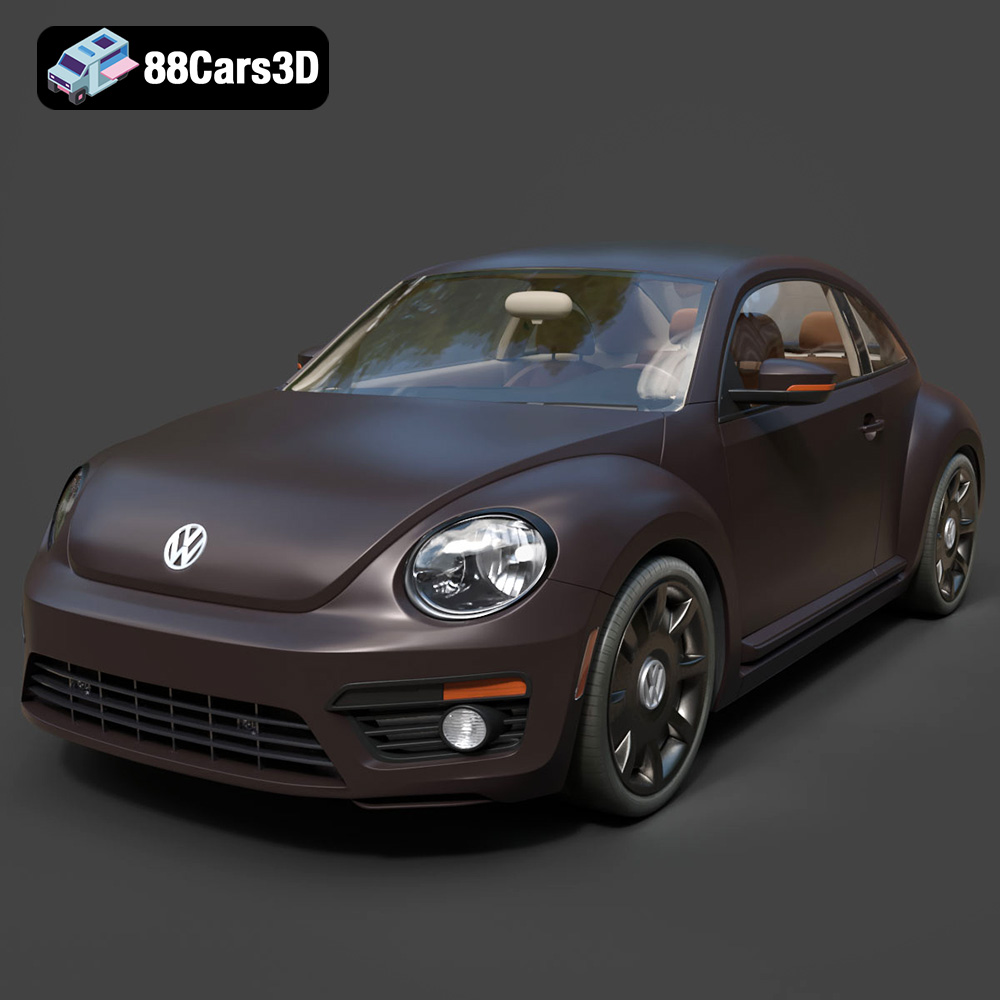
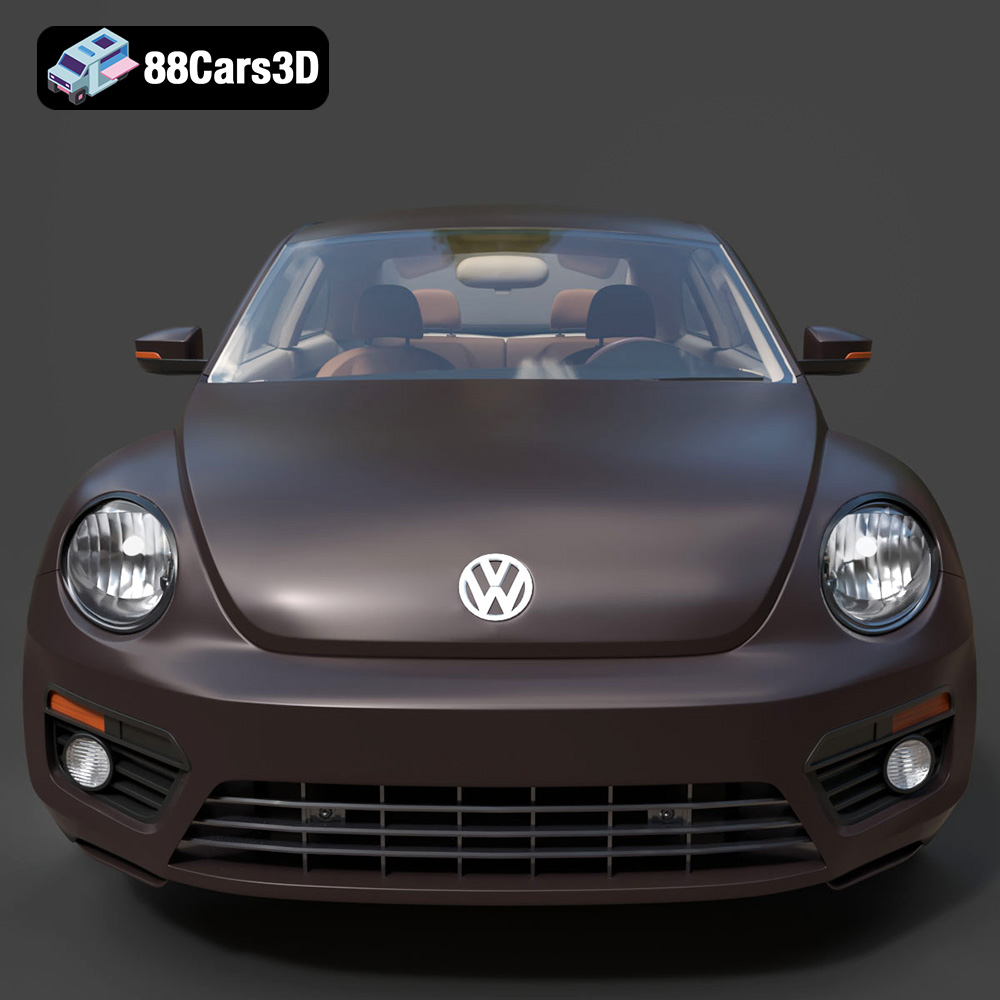
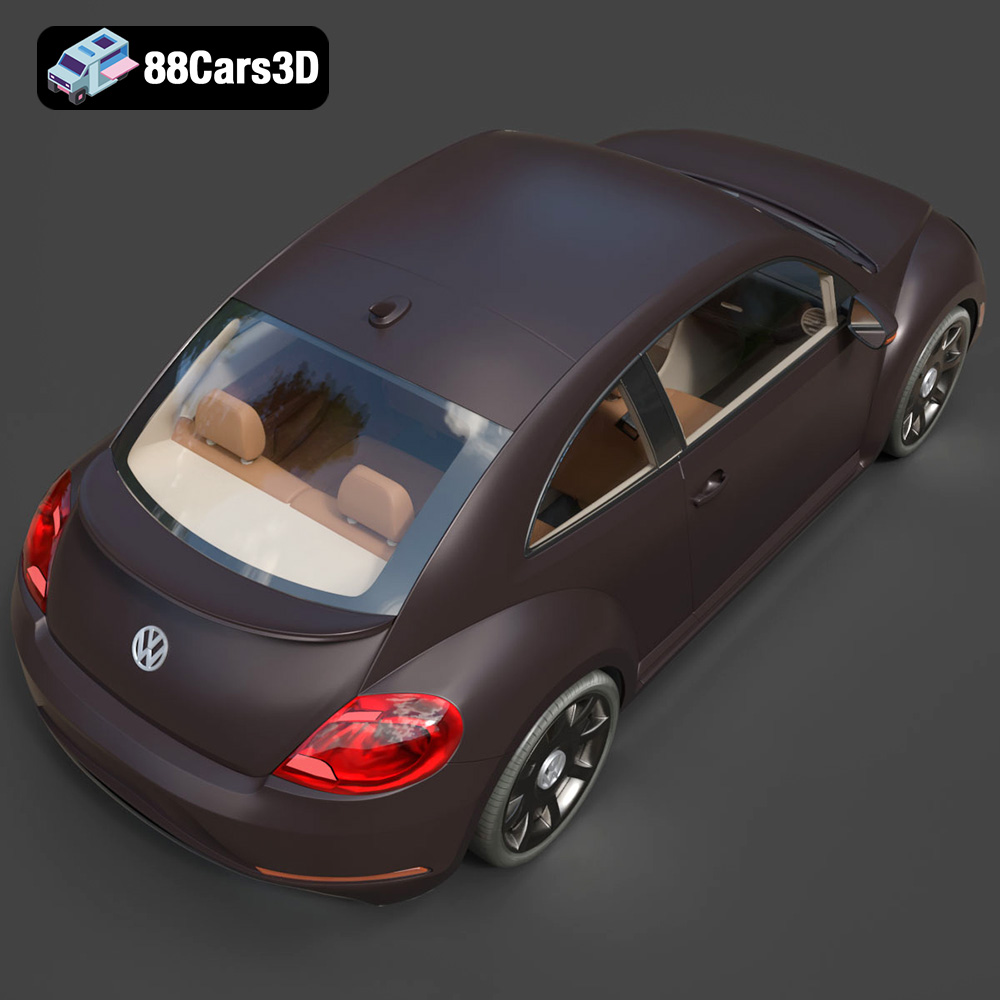
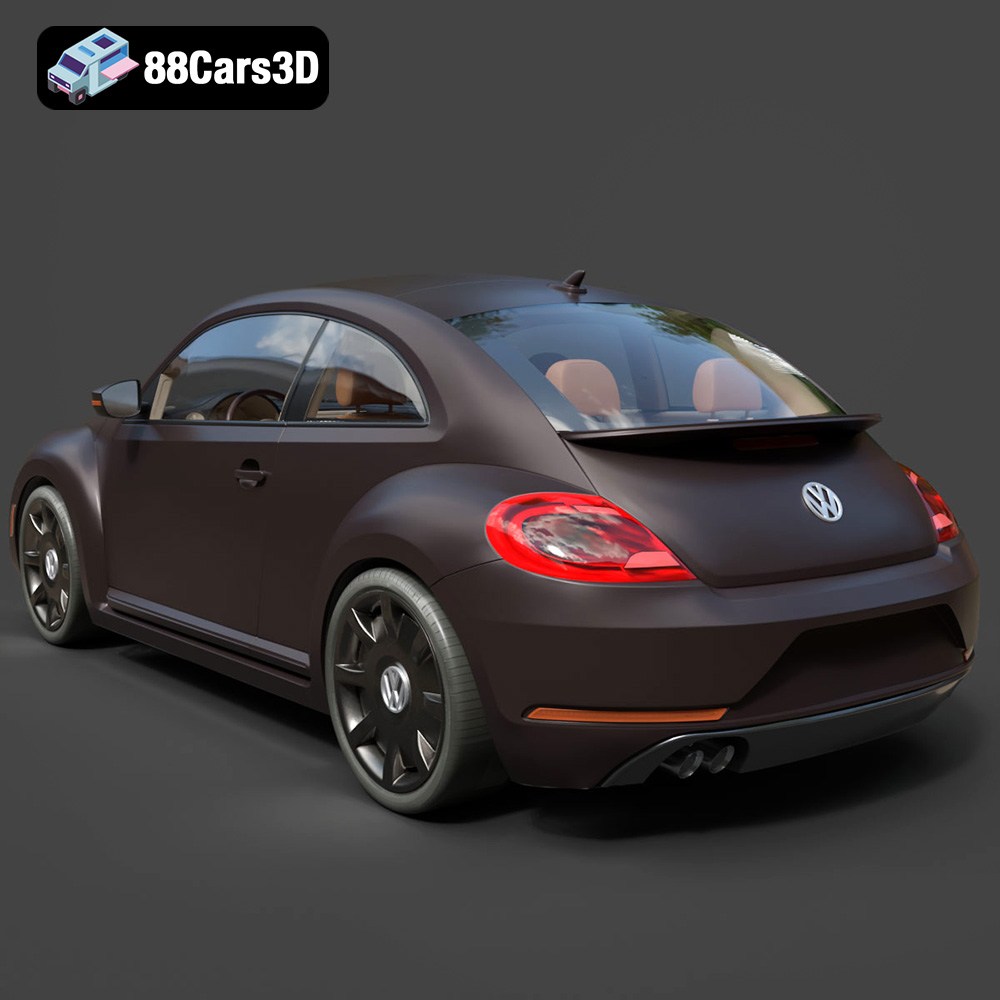
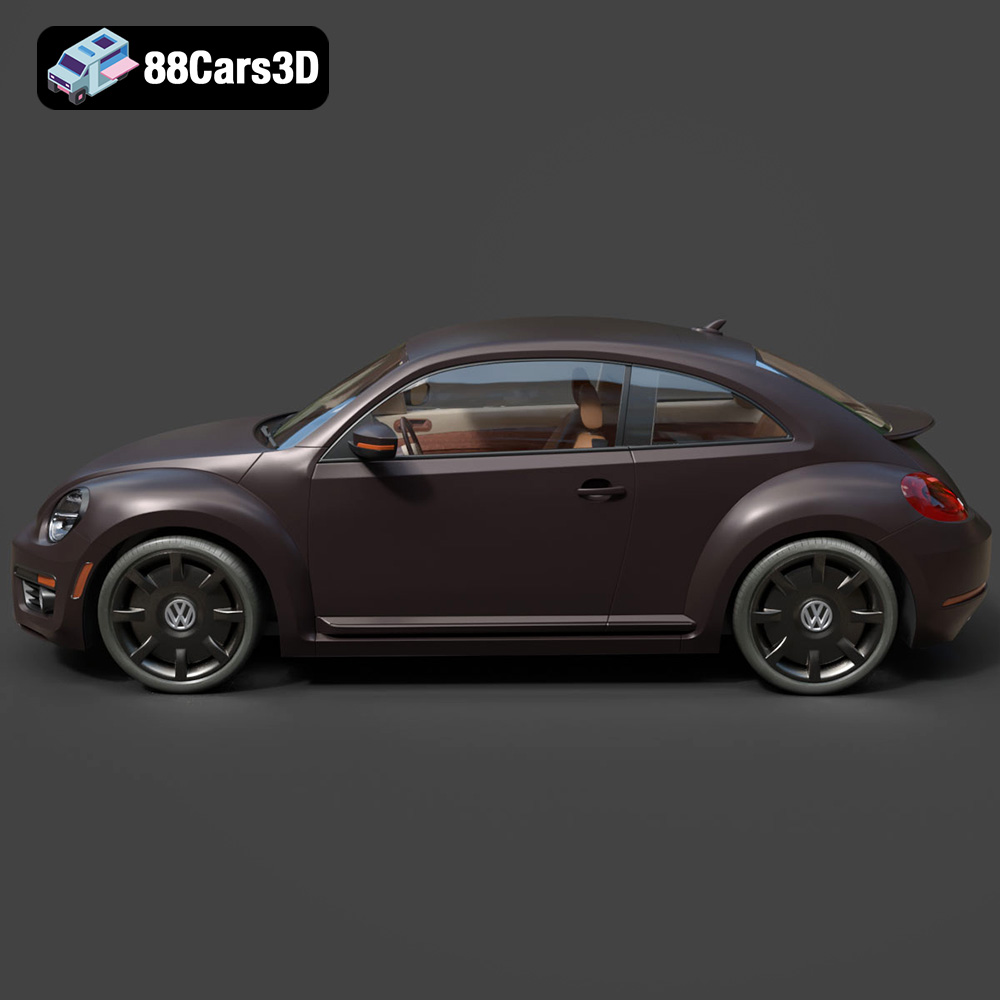
The exterior of this Volkswagen Beetle 3D Model is a testament to accurate craftsmanship. From the sweeping proportions and classic round headlights to the distinct exhaust system and retro-inspired wheel arches, every element has been faithfully recreated. The detailed engine block representation, though often hidden, adds to the model’s integrity and realism for close-up renders or exploded views. Furthermore, the period-correct wheel and tire details with detailed hubcaps, combined with faithfully recreated suspension, demonstrate a commitment to historical accuracy. This level of detail is crucial for projects where visual authenticity is paramount, such as historical documentaries, museum exhibits, or high-end automotive advertisements. The model on 88cars3d.com ensures that every angle reflects the Beetle’s undeniable charm.
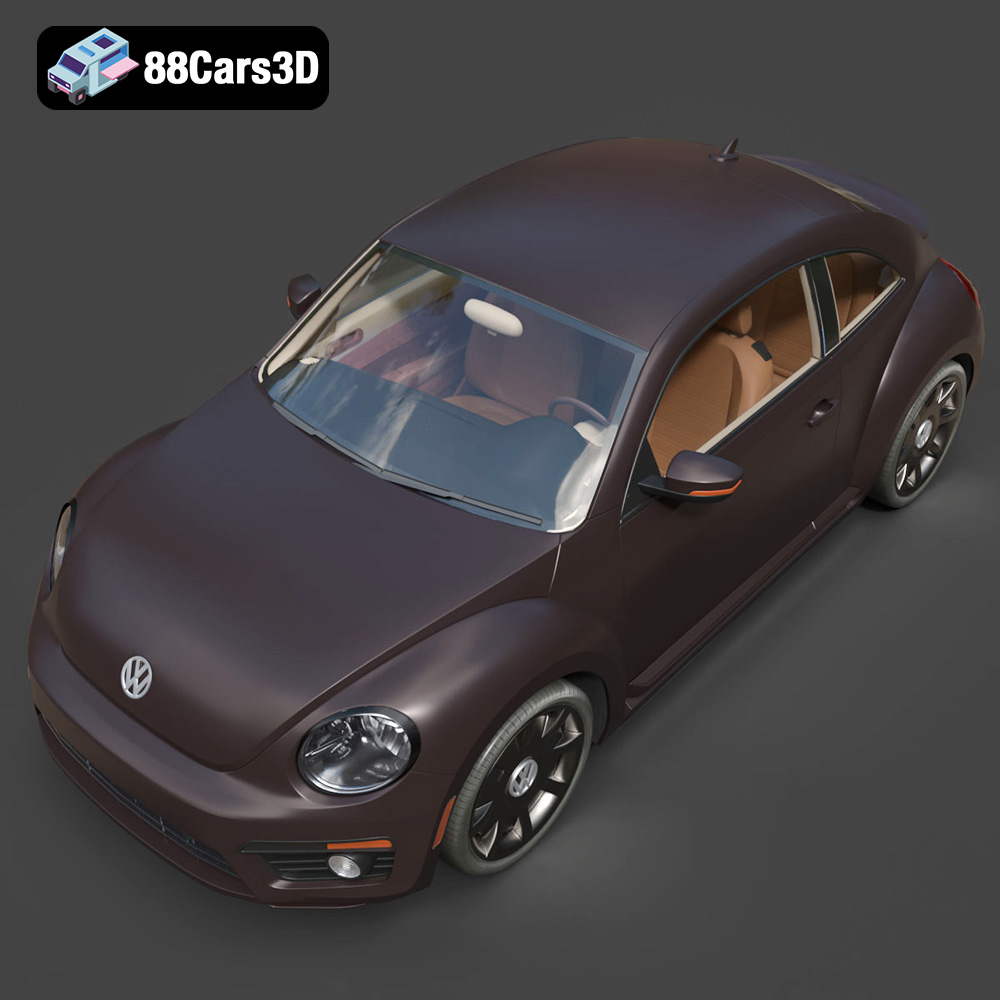
Stepping inside the virtual cockpit of the Volkswagen Beetle 3D Model reveals an equally impressive level of detail. The retro-styled front and rear seats, the iconic minimalist dashboard, and the classic steering wheel transport the viewer back in time. Accurate instrument cluster details, including the central speedometer, are not merely textures but modeled elements, enhancing realism. Precise control details, such as pedals, levers, and the shifter, are all present, making the interior suitable for first-person POV in gaming or interactive walkthroughs. This comprehensive interior modeling makes the Beetle a versatile asset for a range of applications, from architectural visualizations featuring classic cars to virtual reality experiences that allow users to sit inside and explore this automotive legend.
A truly versatile 3D car model offers more than just fidelity; it provides the flexibility for artists to adapt it to their specific creative vision. The Volkswagen Beetle 3D Model excels in this regard, offering several customization options.
The ability to easily change body and tank colors is a significant advantage. Whether replicating an authentic factory color from a specific production year or experimenting with custom, contemporary finishes, artists have full control. This can be achieved through material instances in game engines or by adjusting base color parameters in render software. Furthermore, modifying material finishes – from matte and gloss to metallic – allows for nuanced aesthetic changes, perfectly suiting the Beetle to different contexts, be it a gritty street scene or a pristine showroom render. This adaptability ensures the model remains relevant across diverse client briefs and artistic styles.
Beyond color, the model’s flexibility extends to environmental adaptation. Modifying tire textures, for instance, allows for quick conversion between a sleek street variant and a rugged off-road version, expanding the model’s utility for different game genres or lifestyle rendering scenes. Adjusting lighting, as mentioned previously, is also a powerful customization tool, enabling artists to dramatically alter the mood and context of the scene without altering the model geometry. This comprehensive range of customization options empowers creators to treat the Volkswagen Beetle 3D Model not just as a static asset, but as a dynamic component that can be molded to fit almost any narrative or visual requirement, ensuring maximum creative freedom for professional projects.
The Volkswagen Beetle is more than just a car; it’s a cultural phenomenon, a symbol of freedom, and an enduring design marvel. Translating such an iconic vehicle into the digital realm requires immense skill, technical precision, and an understanding of diverse creative needs. The Volkswagen Beetle 3D Model available on 88cars3d.com embodies all these qualities, offering a robust, game-ready, and render-ready asset for a multitude of professional applications.
From its impressive 2,371,379 triangle topology that ensures photorealism to its inclusion of various optimized file formats like .blend, .fbx, .obj, .glb, .stl, .ply, .unreal, and .max, this model is built for versatility. It empowers artists, developers, and designers to craft stunning automotive renderings, build immersive game environments, create captivating AR/VR experiences, or even produce tangible 3D prints. The meticulous detailing of both the exterior and interior, coupled with extensive customization options, makes it an unparalleled resource for anyone seeking a top-tier 3D car model. For professionals aiming to integrate an automotive icon into their next project with uncompromising quality and flexibility, the Volkswagen Beetle 3D Model from 88cars3d.com stands as an essential addition to their digital toolkit.
The Volkswagen Beetle is an automotive icon, globally recognized for its unmistakable curved silhouette, rich heritage, and enduring cultural impact. Characterized by its sweeping fenders, classic round headlights, and charming styling cues, the Beetle stands out as a timeless symbol of automotive design. Every element, from the signature front fascia to the distinct exhaust system and retro-inspired wheel arches, has been meticulously recreated to capture the true essence of this beloved vehicle. This premium 3D model boasts an impressive topology with 2,371,379 triangles, ensuring maximum visual fidelity and photorealism while maintaining a structure carefully organized for high-end rendering and advanced real-time applications. Whether utilized for game development, immersive AR/VR experiences, high-quality cinematic animation, or photorealistic automotive visualization, this model delivers unparalleled detail and performance. Perfect for retro-themed video games, virtual automotive showrooms, lifestyle rendering scenes, and cinematic animations.
$88.50
.beetle
.blend
.fbx
.glb
.max
.obj
.ply
.rendering
.stl
.unreal
.volkswagen
car-3d-model
classic-car
compact-car
game asset
game-ready
high poly
optimized
VR/AR