Get 20% OFF All Premium 3D & STL Models!

In the rapidly evolving landscape of digital creation, high-quality 3D car models are no longer just aesthetic enhancements; they are fundamental assets driving innovation across numerous industries. From crafting hyper-realistic automotive renders that captivate audiences, to developing immersive game environments, virtual reality experiences, and precision engineering visualizations, the demand for meticulously detailed and optimized vehicle models is paramount. These digital assets serve as the backbone for bringing concepts to life, enabling designers, artists, and developers to push boundaries and achieve unparalleled levels of realism and functionality.
Whether you’re an independent game developer aiming for authentic vehicle behavior, an architectural visualization studio needing realistic urban transport, or an automotive designer conceptualizing the next generation of vehicles, the foundation of your success lies in the quality of your 3D models. The ability to access versatile, game-ready, and render-optimized models saves invaluable time and resources, allowing creators to focus on artistic direction and technical implementation rather than building complex assets from scratch. This article delves into the technical intricacies and professional workflows that leverage these vital assets, showcasing how a product like the GAZelle Next 3D Model from 88cars3d.com exemplifies the pinnacle of detail and utility, providing an indispensable tool for a vast array of digital projects.
The world of 3D modeling relies heavily on a multitude of file formats, each designed with specific purposes, compatibilities, and optimizations in mind. Understanding which format to use for a particular stage of your workflow is crucial for efficiency, data integrity, and achieving your desired output. The GAZelle Next 3D Model, available at 88cars3d.com, thoughtfully includes a comprehensive suite of these formats, ensuring maximum flexibility for any professional pipeline.
The .blend format is Blender’s native file type, offering a complete and editable scene. When you download the GAZelle Next model in .blend, you’re getting not just the mesh, but also all materials, textures, lighting setups, cameras, animation data, and even physics simulations encapsulated within a single file. This is ideal for artists who primarily work in Blender, providing full access to modify every aspect of the model, from topology adjustments to material tweaks using Blender’s powerful node-based shader editor. It ensures maximum creative freedom for advanced customization and integration into complex Blender projects.
Autodesk’s .fbx (Filmbox) format has become the de facto industry standard for 3D model interchange, particularly between different software applications and for game development. It’s incredibly versatile, supporting geometry, materials, textures, animations, and skeletal data. The GAZelle Next model in .fbx is perfect for importing into real-time engines like Unreal Engine and Unity, as well as other DCC (Digital Content Creation) software like 3ds Max, Maya, or Cinema 4D. Its robustness in preserving hierarchical data and animation makes it an indispensable format for asset pipelines.
The .obj (Wavefront Object) format is one of the oldest and most widely supported 3D file formats. While it primarily focuses on storing geometry (vertices, normals, UV coordinates, and faces), it can also reference external material (.mtl) files for basic material properties. The GAZelle Next as an .obj is excellent for cross-software compatibility, ensuring that almost any 3D application can open and interpret the model’s core mesh data. It’s often used when you need a clean mesh for sculpting, retopology, or when material complexity is handled separately.
.glb (GL Transmission Format Binary) is an increasingly popular format optimized for efficient transmission and loading of 3D scenes and models in AR, VR, and web environments. It’s a binary version of .glTF, embedding all assets (geometry, materials, textures, animations) into a single, compact file. For the GAZelle Next, a .glb file is perfect for showcasing the model in a web-based 3D viewer, integrating it into augmented reality apps on mobile devices, or for lightweight virtual reality experiences where performance is critical.
The .stl (STereoLithography) format is the standard file type for 3D printing. It represents a 3D model as a series of connected triangles (a triangulated surface mesh) without color, texture, or other CAD attributes. When preparing the GAZelle Next for physical replication, the .stl file provides the necessary geometry for slicing software to generate toolpaths for 3D printers. Its simplicity ensures compatibility across a wide range of desktop and industrial 3D printers, making the GAZelle Next model accessible for hobbyists and professionals looking to create physical prototypes or scale models.
The .ply (Polygon File Format) is another format for storing 3D data, particularly useful for scanned data, CAD applications, and scientific analysis. It can store a wider range of properties than .obj or .stl, including color, transparency, and often more complex data per vertex or face. For the GAZelle Next, a .ply file might be chosen for precise measurement, reverse engineering workflows, or when detailed surface attribute data needs to be preserved for specialized analysis or high-fidelity visualization.
The .unreal format, often referring to a prepared asset or package directly compatible with Unreal Engine’s content browser, indicates an asset that has been specifically optimized and structured for the engine. While not a standalone file format in the same way as .fbx, having a .unreal version of the GAZelle Next means it likely includes proper material setup, collision meshes, LODs (Levels of Detail), and potentially even Blueprints, saving significant time for Unreal Engine developers in the import and setup process. This is invaluable for immediate integration into game projects or real-time architectural visualizations.
Autodesk’s .max file is the native project format for 3ds Max, a leading software for 3D modeling, animation, and rendering. Similar to .blend, a .max file of the GAZelle Next contains the entire scene data, including geometry, materials, textures, lighting, cameras, and animation keyframes. This format is crucial for users of 3ds Max, allowing for deep editing, re-rigging, complex animation sequences, and advanced rendering setups using engines like V-Ray or Corona. It provides the highest level of detail and editability for professionals working within the 3ds Max ecosystem.
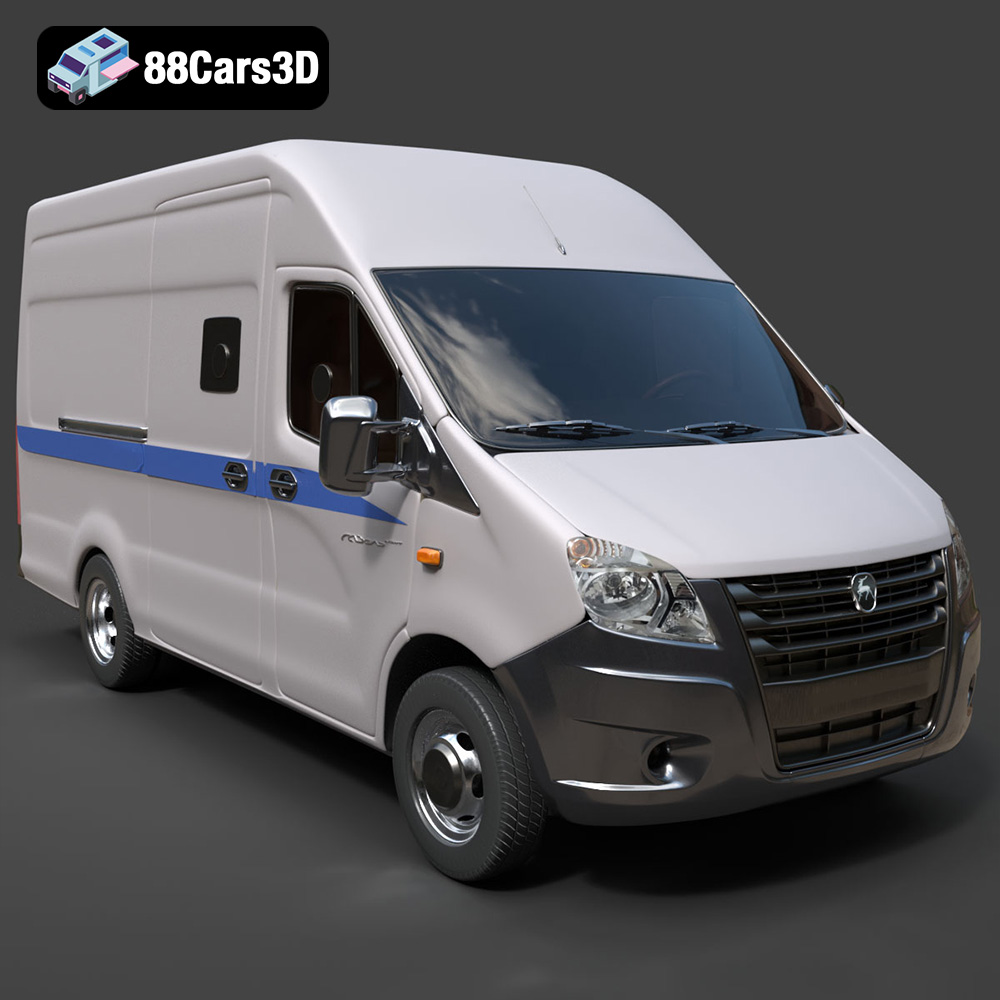
The GAZelle Next is a workhorse in the commercial vehicle sector, and its 3D counterpart needs to embody that same robust utility. The GAZelle Next 3D Model available at 88cars3d.com goes beyond a simple visual representation, offering a meticulously crafted digital asset that caters to the demanding technical requirements of modern 3D pipelines. Its design philosophy prioritizes both stunning visual fidelity and optimization, making it suitable for a wide range of applications from high-end cinematic rendering to real-time game environments.
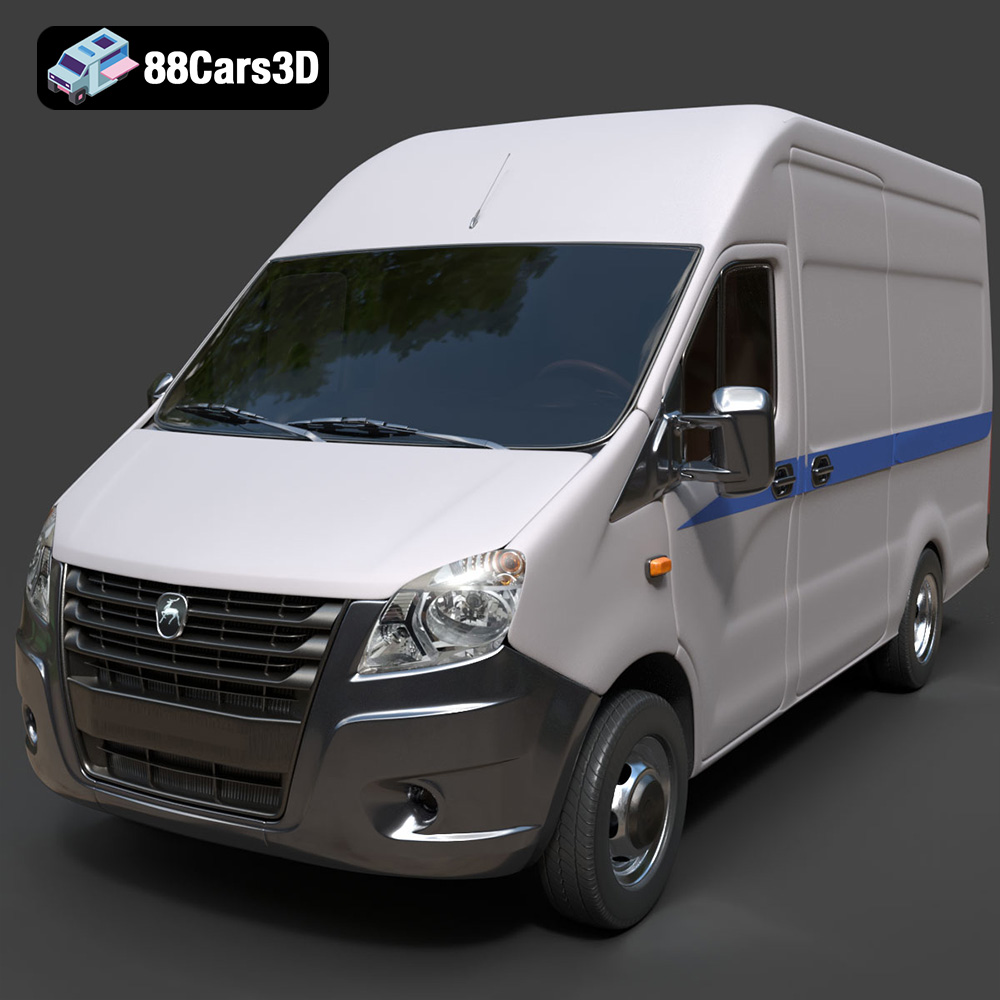
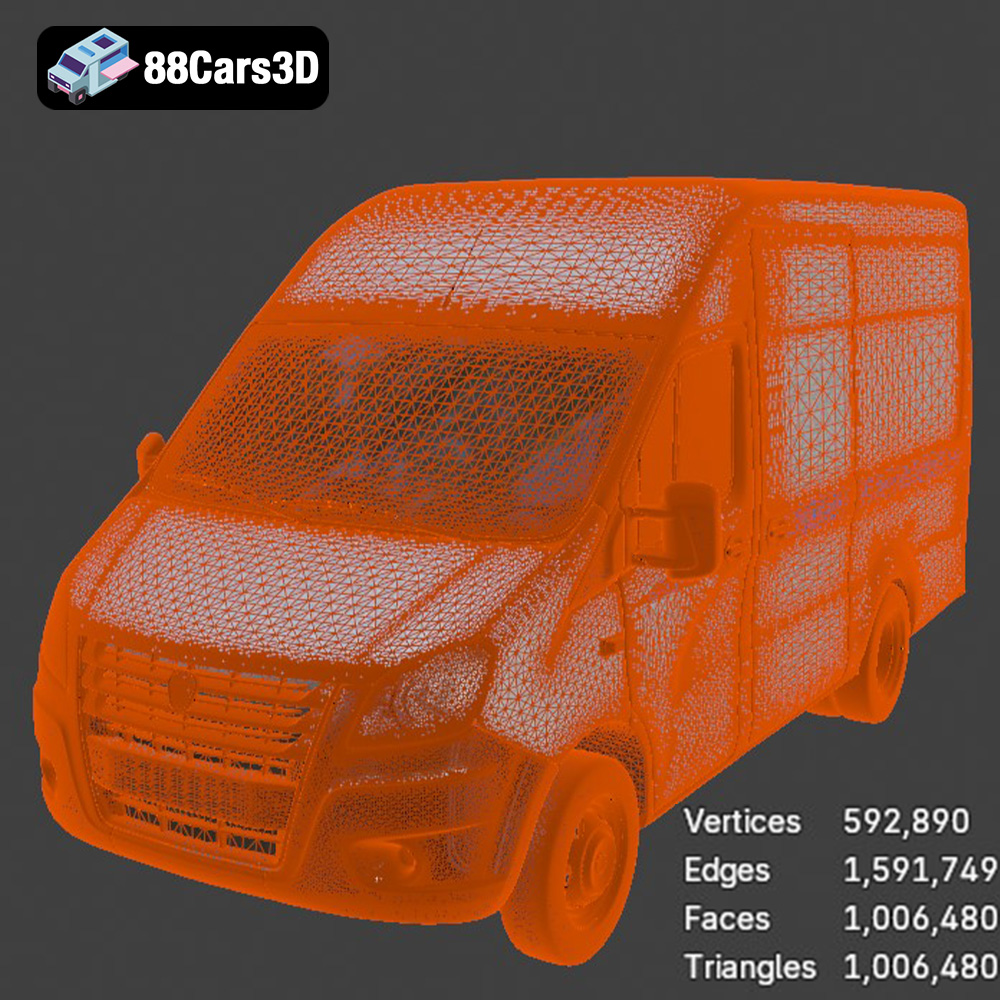
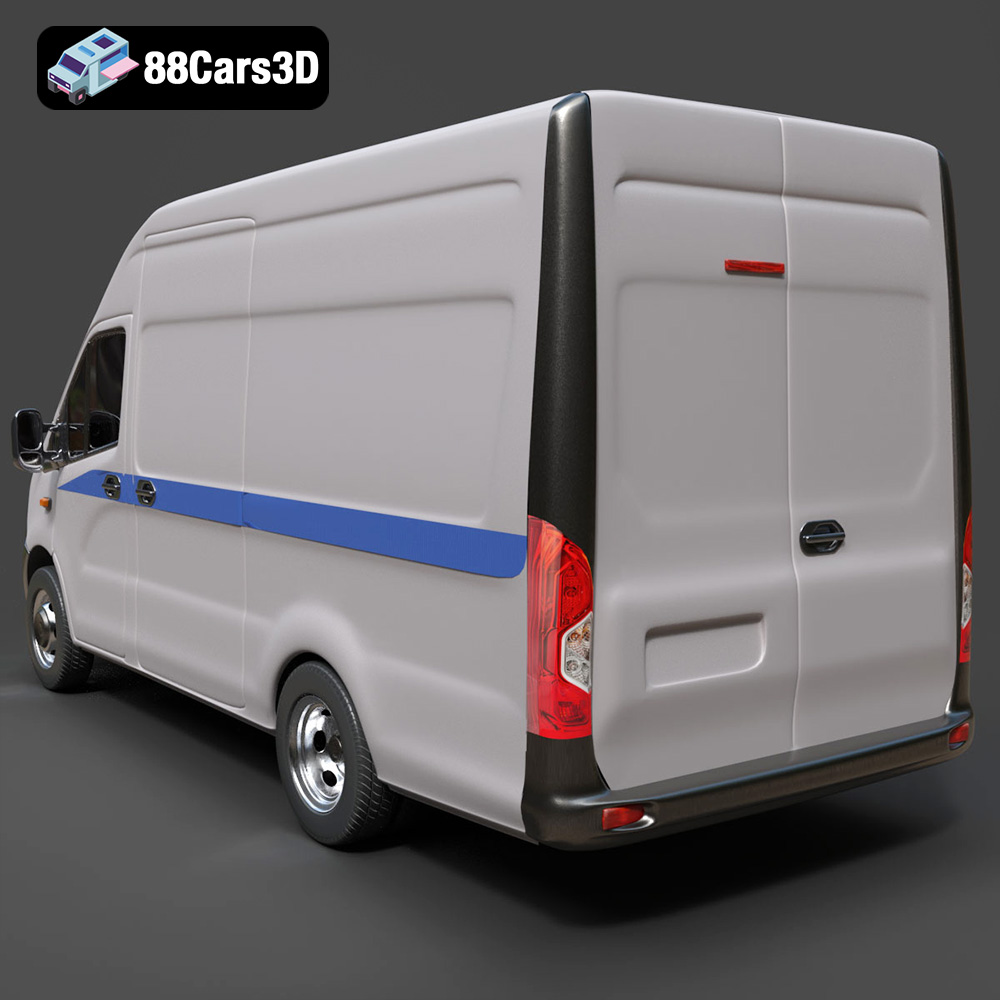
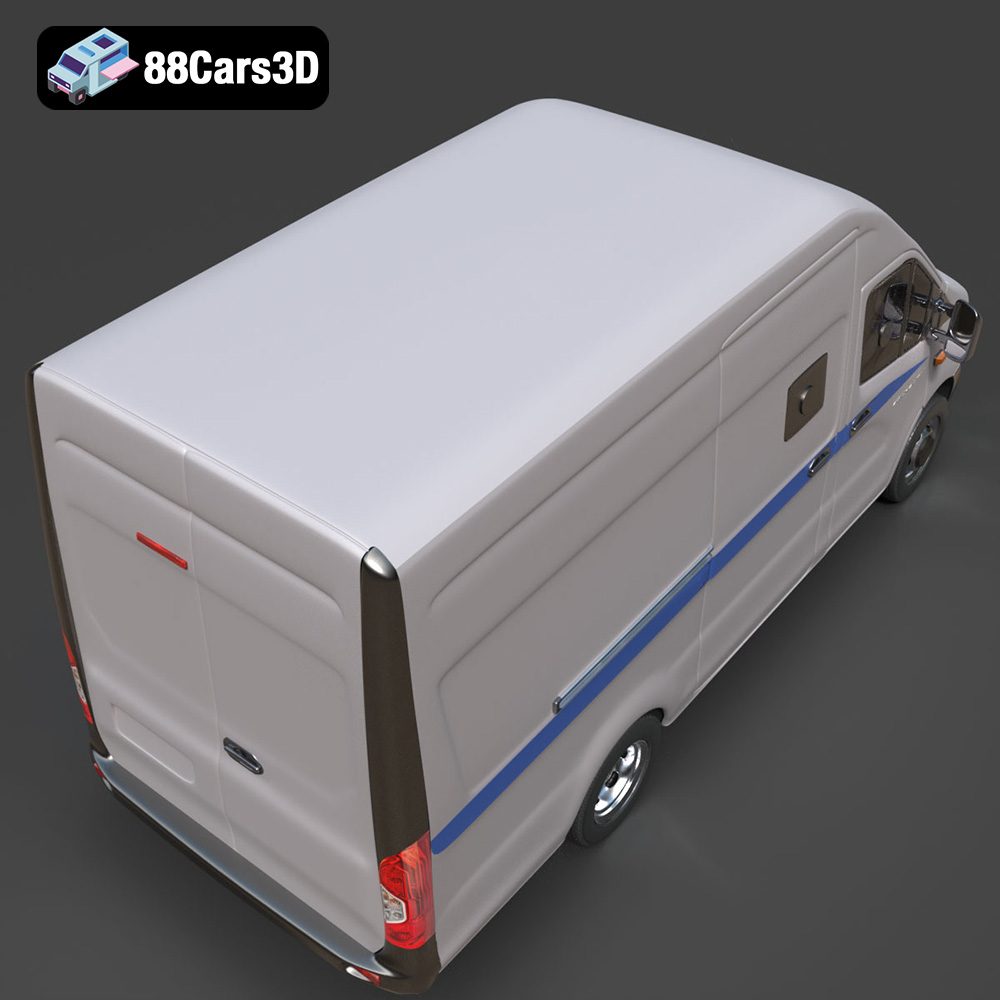
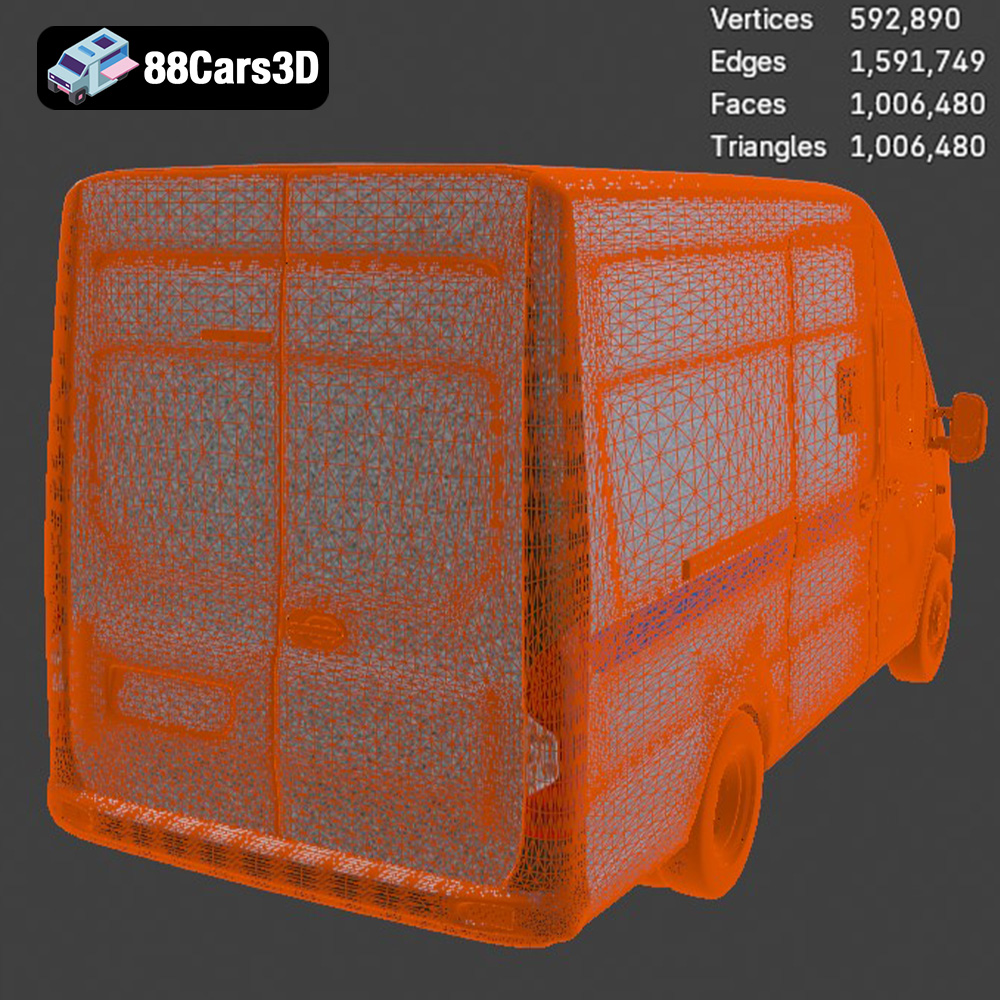
Capturing the essence of a commercial vehicle like the GAZelle Next requires an acute attention to detail, especially concerning its utilitarian and robust design features. This 3D model boasts an impressive topology of 1,006,480 triangles, a figure that strikes a critical balance. It’s high enough to convey every nuanced curve and sharp edge of the vehicle’s aerodynamic front cabin, the aggressive lines of its signature grille, and the intricate structure of its commercial framework. Yet, it remains optimized enough to perform efficiently in real-time engines. The model meticulously replicates the GAZelle Next chassis geometry, ensuring accurate commercial proportions that are vital for realistic simulations and visualizations. Furthermore, details such as the robust cooling system layout, authentic commercial exhaust system routing, and realistic lighting setups—including headlights, taillights, and clearance indicators—are faithfully recreated. The detailed commercial wheels, complete with accurate heavy-duty tire tread patterns, and rugged leaf spring suspension detailing contribute significantly to both visual realism and the potential for realistic payload simulation and animation. Crucially, separate components for wheels, doors, suspension, and steering ensure full animation readiness, allowing for dynamic interactions in games or compelling presentations in animations.
Beyond the exterior, the interior of a vehicle 3D model is often the gateway to truly immersive experiences, especially in simulations or first-person gaming perspectives. The GAZelle Next model does not disappoint, offering an accurately modeled commercial driver and passenger cockpit. From the detailed steering wheel and functional column setup to the authentic instrument cluster and modern dashboard design, every element has been carefully crafted. Precise control elements, including pedals, the gear shifter, and utility switches, are all present and accounted for. This level of interior fidelity is paramount for applications like driving simulators, where the user directly interacts with the environment, or for virtual showrooms where clients can explore every angle of the vehicle from a first-person perspective. The optimized geometry ensures that even with these interior details, the model maintains its game-ready status, providing a seamless and high-performance experience.
The demands of modern 3D applications, particularly in game development and real-time visualization, are incredibly stringent. Assets must not only look stunning but also perform flawlessly without taxing system resources. The GAZelle Next 3D Model has been engineered with this critical balance in mind, making it a highly valuable asset for professionals. Its technical specifications are a testament to its versatility, ready to be deployed across a spectrum of platforms and engines.
With a meticulously managed polycount of 1,006,480 triangles, the GAZelle Next 3D Model is inherently game-ready. This specific triangle count represents a careful equilibrium, providing enough geometric detail for high-end visual realism demanded by current-generation titles, while remaining optimized for efficient rendering within real-time engines. For developers utilizing Unreal Engine, the inclusion of a dedicated .unreal file ensures a streamlined workflow, often implying pre-configured materials, LODs (Levels of Detail), and potentially collision meshes, minimizing setup time. Similarly, the .fbx format guarantees robust compatibility with Unity and other game engines, allowing for straightforward import and immediate integration. Artists can leverage the model’s proper pivot setup for crucial animations such as steering, wheel rotation, and realistic suspension travel, enhancing the authenticity of vehicle physics and interaction within game worlds or training simulators. This makes the GAZelle Next an ideal asset for open-world games requiring detailed vehicle fleets, racing titles, or complex logistics simulators where performance is as crucial as visual fidelity.
Beyond the demands of game development, the GAZelle Next model excels in high-fidelity rendering and immersive AR/VR experiences. For architectural visualization, where vehicles add context and realism to urban scenes, the model’s detailed textures and accurate geometry ensure it holds up under close scrutiny and various lighting conditions. In the realm of AR/VR, the .glb format emerges as a key advantage. This highly optimized, single-file format is perfectly suited for delivering the GAZelle Next into immersive virtual showrooms, where clients can interact with a 1:1 scale digital twin, or into mobile AR applications. Its efficiency ensures smooth performance on a variety of devices, making it perfect for interactive product configurators or virtual training modules where realistic commercial vehicles are essential. The model’s real-world scale accuracy, based on actual vehicle chassis dimensions, guarantees that it will integrate seamlessly into any scene requiring precise spatial representation, reinforcing its value for engineering visualization and industrial design reviews.
A truly valuable 3D asset is one that not only looks good but also provides the flexibility for artists and developers to adapt it to their specific creative vision and technical requirements. The GAZelle Next 3D Model offers this profound versatility, making it a cornerstone for diverse professional applications and enabling extensive customization to match any project’s unique aesthetic.
Consider the growing demand for highly realistic logistics simulators. Companies need to train drivers, plan routes, and visualize fleet operations in a digital twin environment. The GAZelle Next 3D Model, with its accurate commercial proportions, detailed cockpit, and functional components, is an ideal asset for such applications. Its optimized polycount allows for multiple instances of the vehicle to operate simultaneously within a complex urban environment, maintaining high frame rates. Developers can animate its separate wheels, suspension, and steering components to simulate realistic driving dynamics and payload impacts. Furthermore, in urban environment scenes for architectural visualizations or film pre-visualization, the GAZelle Next can effortlessly populate streets, adding a layer of authenticity and daily life. Its robust design makes it a believable presence in industrial districts, loading docks, or busy cityscapes, enhancing the overall realism of the digital world.
The true power of a high-quality 3D model often lies in its adaptability. The GAZelle Next 3D Model is built with customization in mind. Artists can effortlessly change body/tank colors, allowing for representation of various factory utility colors, specific fleet finishes, or custom brand liveries. This is particularly useful for commercial branding campaigns or virtual configurators. The ability to modify tire textures opens up possibilities for different driving conditions, whether it’s showing off rugged off-road variants for construction sites or sleek street variants for urban delivery. Adjusting material finishes—from matte utility paints to glossy showroom-ready metallic finishes—allows the model to fit into any scene aesthetic. Moreover, the flexibility to adapt lighting for different environments means the vehicle can convincingly appear under bright daylight, moody evening glows, or stark studio lighting setups, ensuring it always looks its best. These customization options significantly extend the lifespan and utility of the asset, making it a cost-effective solution for multiple projects without the need to create new models from scratch.
The digital realm often inspires tangible creations, and 3D printing offers an exciting bridge between virtual models and physical objects. The GAZelle Next 3D Model provides a robust foundation for this transition, offering an excellent opportunity for hobbyists, educators, and professionals to bring this versatile commercial vehicle into the real world. The inclusion of the .stl format specifically caters to this application, making the journey from screen to desk surprisingly accessible.
To achieve the best results when 3D printing the GAZelle Next, careful consideration of printing parameters is essential. Recommended scales typically range from 1:12, 1:18, or 1:24, allowing for a substantial yet manageable model size that retains detail. For achieving the finer nuances of the vehicle’s design, such as the grille, intricate interior components, and the robust suspension, resin printing is highly recommended over FDM (Fused Deposition Modeling). Resin printers can achieve significantly finer layer heights, often between 0.04–0.12 mm, which translates to smoother surfaces and sharper details. Wall thickness should generally be between 1.2–2.0 mm to ensure structural integrity without making the model excessively heavy or material-intensive. An infill of 20–30% provides a good balance between strength and material consumption. Due to the model’s complex geometry, particularly for parts like the exhaust system, mirrors, and handlebars, supports will be required during the printing process to prevent sagging or deformation. Strategic print orientation is also key: printing the frame angled can enhance structural integrity, while wheels are best printed separately to capture their distinct tread patterns cleanly.
Once the printing process is complete, post-processing is where the model truly comes to life. Initial steps often involve careful removal of supports and any necessary sanding to smooth out layer lines or support marks. Applying a high-quality primer is crucial; it not only prepares the surface for paint but also helps to reveal any remaining imperfections that need addressing. For painting, using authentic factory colors with metallic finishes will elevate the model’s realism. Model paints designed for automotive scales are ideal, allowing for accurate color matching and subtle metallic flake effects. Attention to detail in painting, such as masking off windows, tires, and lights, will result in a clean and professional appearance. The goal is to replicate the utilitarian yet modern aesthetic of the GAZelle Next, creating a display-worthy replica that embodies the quality of the original 3D asset.
In the dynamic landscape of digital creation, the value of high-quality 3D car models cannot be overstated. They are the essential building blocks for immersive games, stunning visualizations, intricate simulations, and even tangible 3D prints. As we’ve explored with the GAZelle Next 3D Model, a well-crafted asset transcends mere aesthetics, offering a blend of detailed fidelity, technical optimization, and broad compatibility that empowers professionals across various industries.
From its robust exterior geometry and meticulously recreated interior to its game-ready polycount and diverse file format support, the GAZelle Next model stands as a testament to the meticulous craftsmanship available today. Whether you are an automotive rendering specialist, a game developer crafting expansive worlds, an AR/VR innovator, or a 3D printing enthusiast, this model provides an unparalleled foundation for your projects. Its versatility ensures seamless integration into major software platforms like Blender and 3ds Max, and real-time engines such as Unreal and Unity, facilitating efficient and high-impact workflows.
Investing in premium 3D car models like the GAZelle Next from 88cars3d.com is not just about acquiring an asset; it’s about acquiring a powerful tool that accelerates your creative process, elevates your project quality, and delivers exceptional results, reinforcing the essential role these digital masterpieces play in driving the future of design and development.
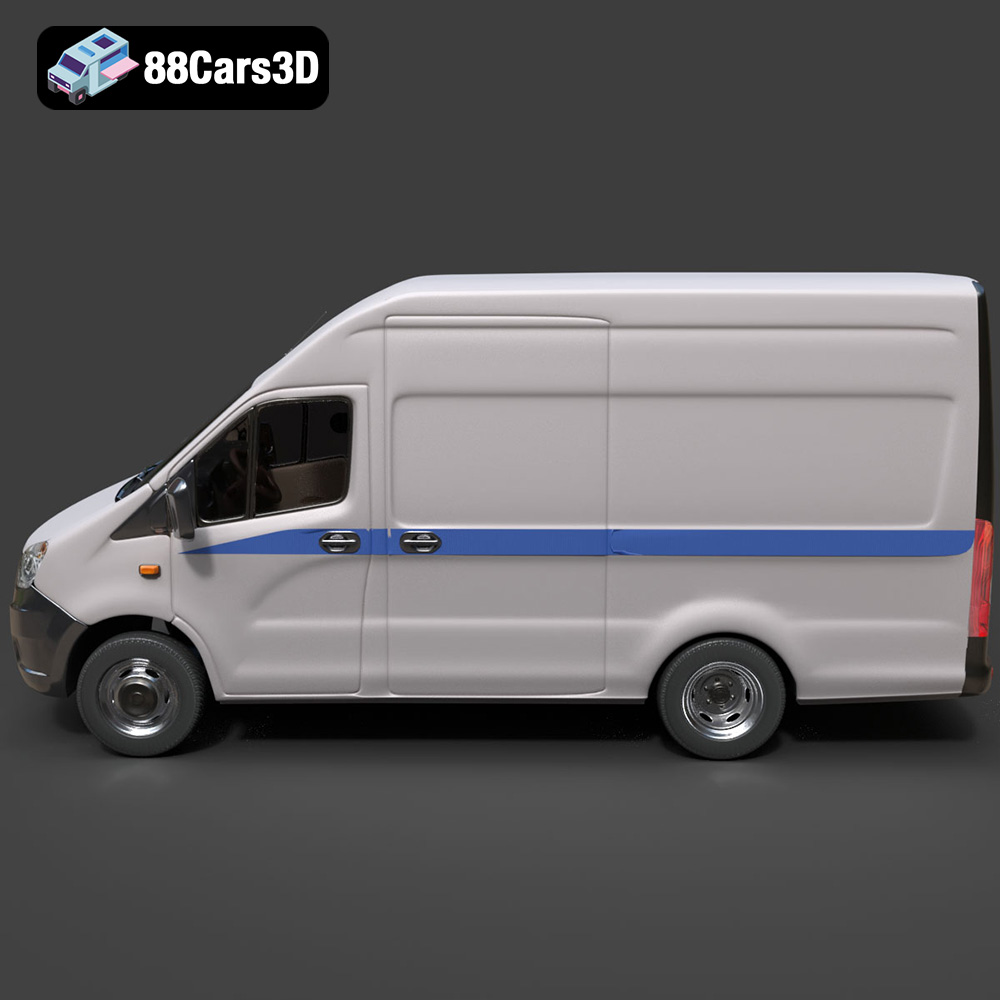
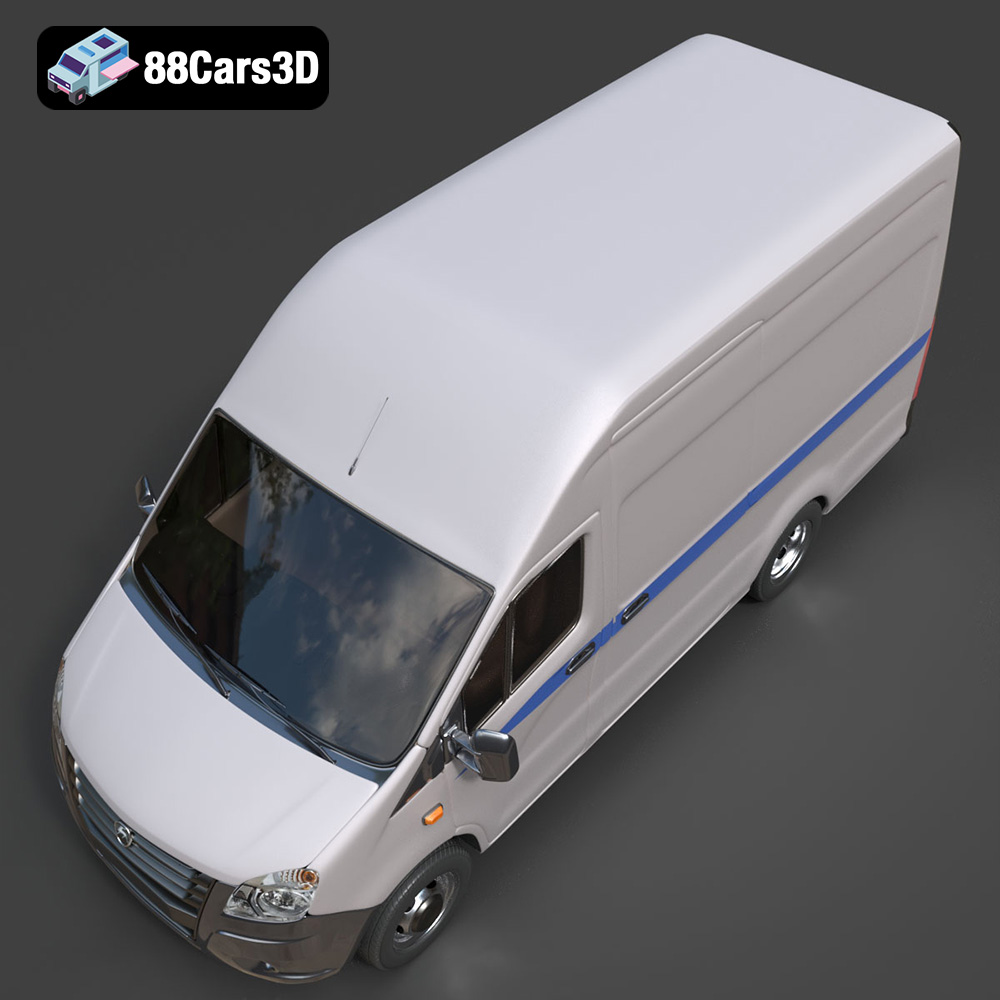
Experience the versatility and robust design of the GAZelle Next, a renowned light commercial vehicle celebrated for its durability and modern utility. This highly detailed 3D model perfectly captures the distinct aesthetic of the GAZelle Next, featuring its aerodynamic front cabin, striking halogen headlights, signature grille, and rugged commercial framework that makes it a staple in modern logistics.
Crafted with a meticulous topology of 1,006,480 triangles, this 3D model delivers incredible visual fidelity while remaining optimized for high-end rendering and real-time applications. Whether you are developing a logistics simulator, integrating commercial vehicles into an open-world game, or creating photorealistic architectural visualizations, this asset provides unparalleled realism and texture depth.
Perfect for urban environment scenes, driving simulators, virtual showrooms, and commercial fleet visualizations.
.blend, .fbx, .obj, .glb, .stl, .ply, .unreal, .max
Tags:
gazelle, next, van, truck, commercial-vehicle, game-ready, optimized, car-3d-model, game-asset, rendering, vr-ar, blend, fbx, obj, glb, stl, ply, unreal, max
$61.50
.blend
.fbx
.gazelle
.glb
.max
.next
.obj
.ply
.rendering
.stl
.truck
.unreal
.van
car-3d-model
commercial-vehicle
game asset
game-ready
optimized
VR/AR