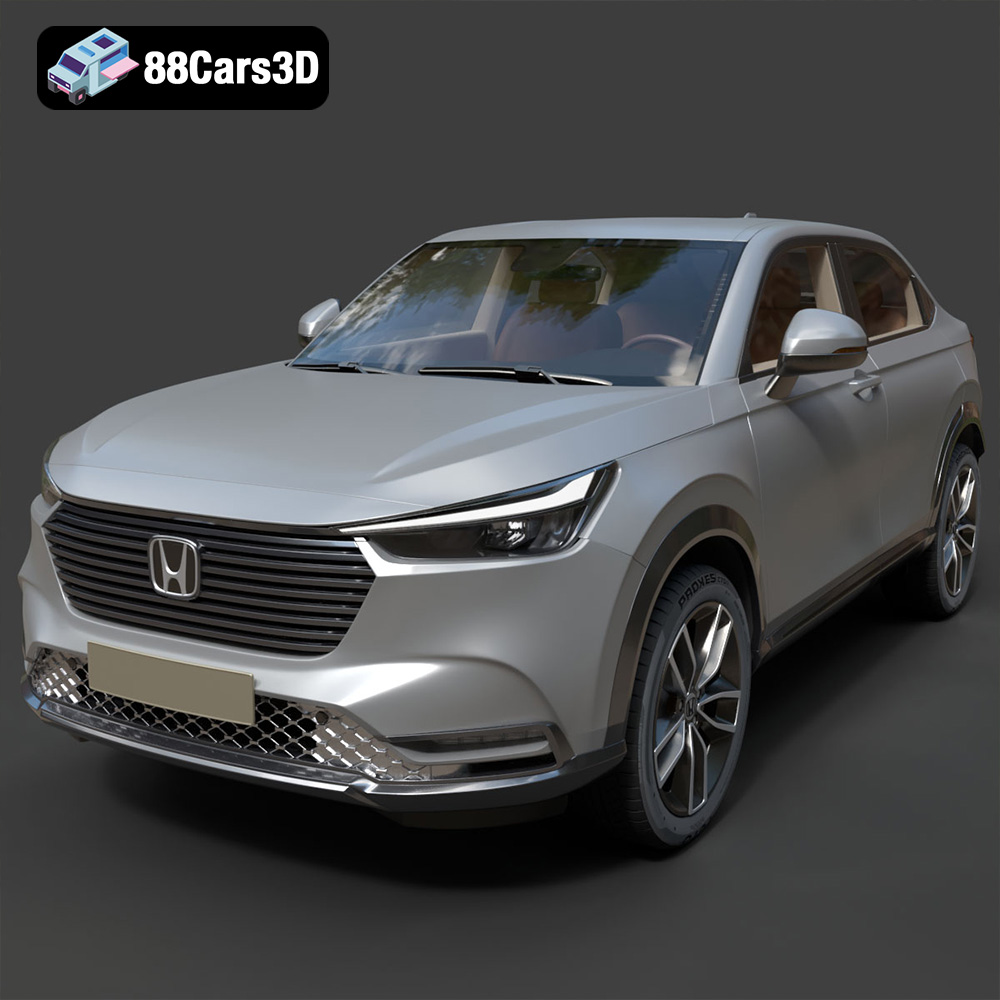
Get 20% OFF All Premium 3D & STL Models!

In the rapidly evolving landscape of digital visualization, the demand for exceptionally detailed and versatile 3D car models has never been higher. From the shimmering streets of an open-world video game to the precise blueprints of an architectural visualization, these digital assets form the backbone of compelling visual narratives. They bridge the gap between imagination and reality, offering creators unparalleled control over every facet of a vehicle’s appearance and performance within a virtual environment. The quality of these assets directly impacts the realism, immersion, and overall professionalism of any project, making the choice of source critically important for designers, developers, and artists alike.
The journey from concept to a photorealistic digital representation requires not just artistic skill, but a deep understanding of technical specifications, file formats, and software pipelines. This blog post will explore the intricate world of high-quality 3D car models, focusing on their significance across various industries and how a meticulously crafted asset, such as the Honda HR-V 3D Model available on 88cars3d.com, exemplifies the pinnacle of digital automotive craftsmanship. We’ll delve into the technical underpinnings that make such models indispensable, examine their integration into professional workflows, and highlight their diverse applications, from game development to virtual reality showrooms.
At the heart of any successful digital project involving vehicles lies the quality of its 3D models. Poorly constructed models can break immersion, hinder performance, and ultimately detract from the overall user experience. Conversely, high-fidelity 3D car models elevate a project, lending an air of authenticity and professionalism that captivates audiences. These aren’t just pretty pictures; they are complex data structures designed to perform efficiently across a multitude of platforms and rendering engines.
For automotive brands and marketing agencies, high-quality 3D car models are game-changers. They allow for the creation of stunning visuals long before a physical prototype exists, enabling designers to iterate rapidly and present concepts with breathtaking realism. Imagine a new model launch where customers can explore every angle of a vehicle, customize its colors and features, or even “drive” it in a virtual environment – all rendered with photographic precision. These models are crucial for commercials, interactive configurators, and press materials, ensuring consistent brand representation and showcasing design intent without the logistical complexities and costs associated with traditional photography or videography.
In the realm of video games, especially open-world titles, racing simulators, and immersive role-playing games, the realism of vehicles is paramount. Gamers expect environments and assets that react convincingly to light, physics, and interactions. A well-optimized 3D car model, such as the Honda HR-V, provides the detailed geometry, proper UV mapping, and optimized material setups necessary for seamless integration into real-time engines like Unreal Engine and Unity. This ensures not only visual fidelity but also efficient performance, crucial for maintaining high frame rates and a smooth gameplay experience across diverse hardware configurations. From intricate cockpits to dynamic suspension systems, every detail contributes to the player’s immersion.
The utility of premium 3D car models extends beyond traditional screens into emerging technologies like Augmented Reality (AR) and Virtual Reality (VR), and even physical fabrication through 3D printing. In AR/VR, these models create immersive experiences, whether it’s a virtual showroom where potential buyers can “sit” inside a car or a training simulation for automotive technicians. The challenge here is balancing visual quality with performance for head-mounted displays, making optimized assets critical. For 3D printing, models need to be watertight, manifold, and scaled correctly to translate from digital mesh to physical object. The Honda HR-V 3D model, with its distinct file formats, caters to all these specialized applications, demonstrating its inherent versatility.
The world of 3D modeling is rich with various file formats, each designed to serve specific purposes and software environments. Understanding these formats is crucial for professionals to ensure compatibility, preserve data integrity, and optimize assets for their intended use. The Honda HR-V 3D Model comes bundled with a comprehensive array of formats, making it incredibly versatile for diverse workflows.
The inclusion of such a diverse range of formats for the Honda HR-V 3D Model highlights its adaptability, catering to virtually any professional pipeline, from high-end cinematic rendering to real-time interactive experiences and even physical fabrication.
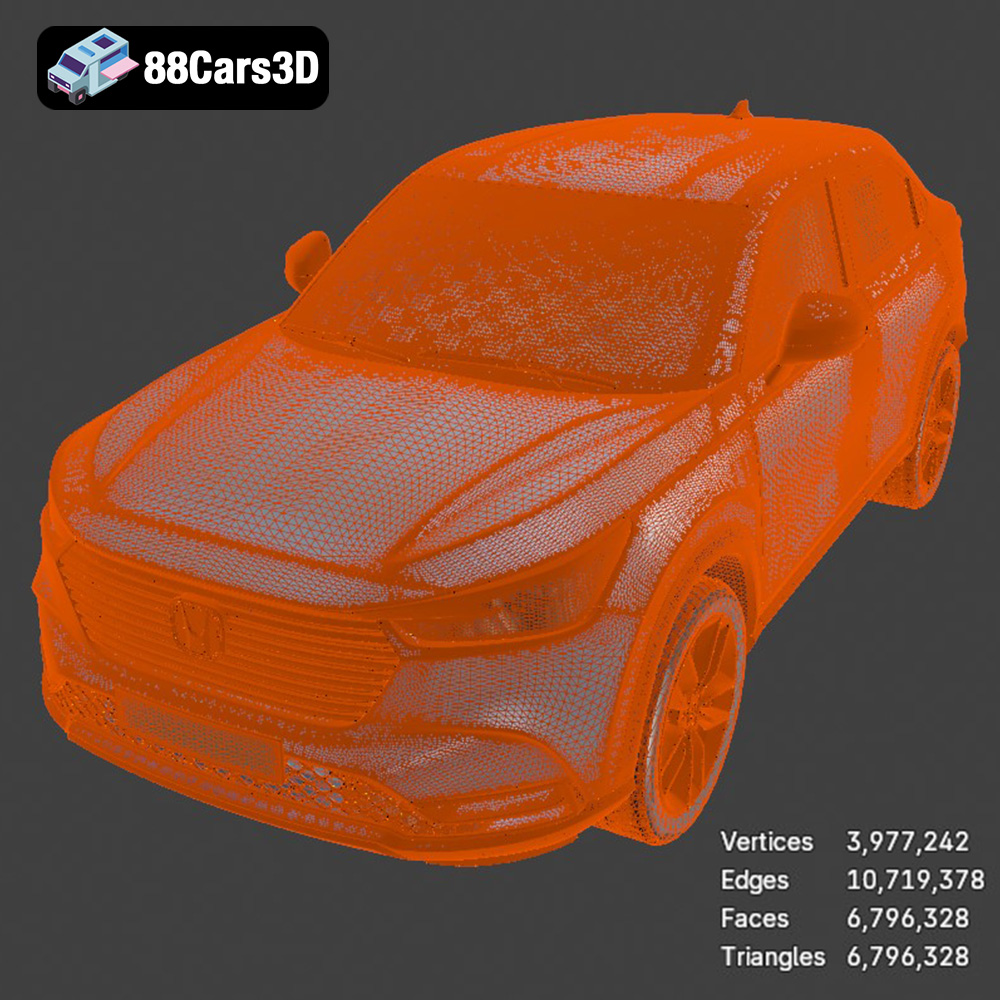
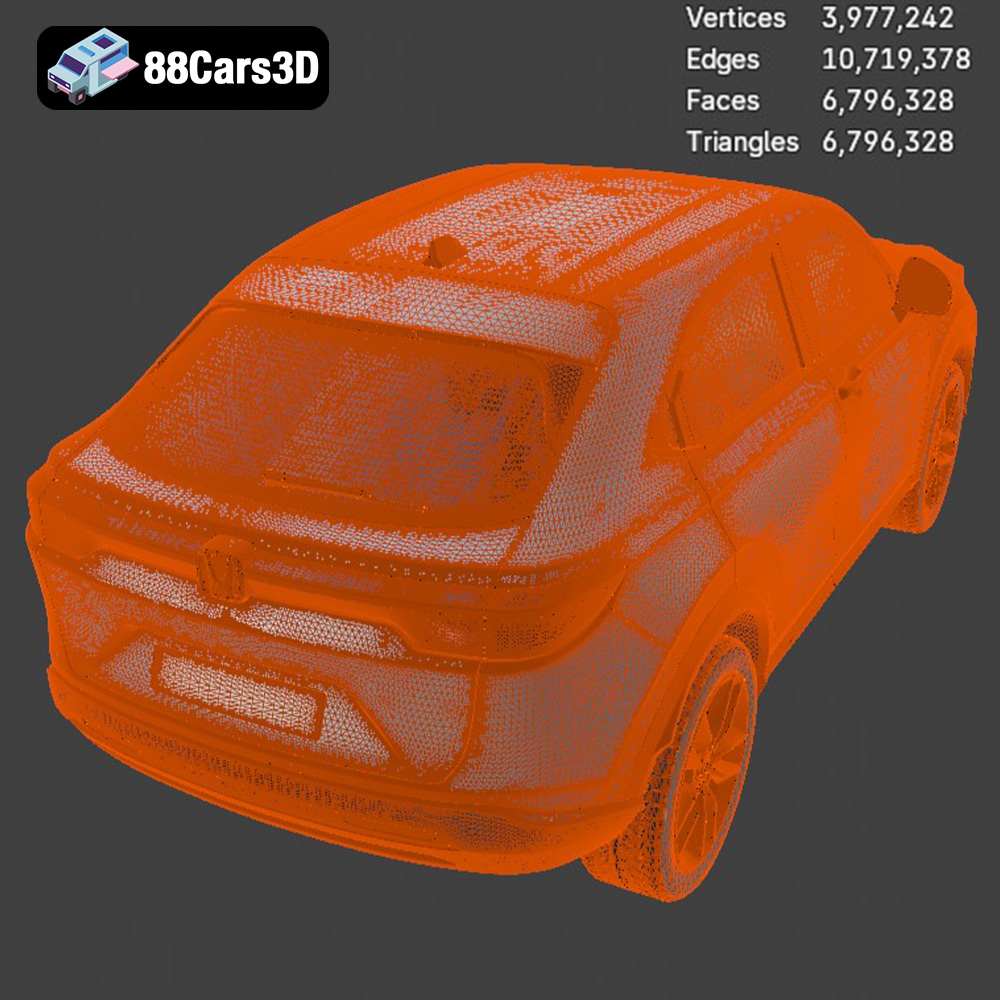
The Honda HR-V 3D Model from 88cars3d.com is a testament to meticulous craftsmanship, engineered to meet the demanding standards of professional digital artists and developers. Its high polygon count of 6,796,328 triangles isn’t arbitrary; it’s a deliberate choice to achieve unparalleled visual fidelity while maintaining a structured topology suitable for various applications.
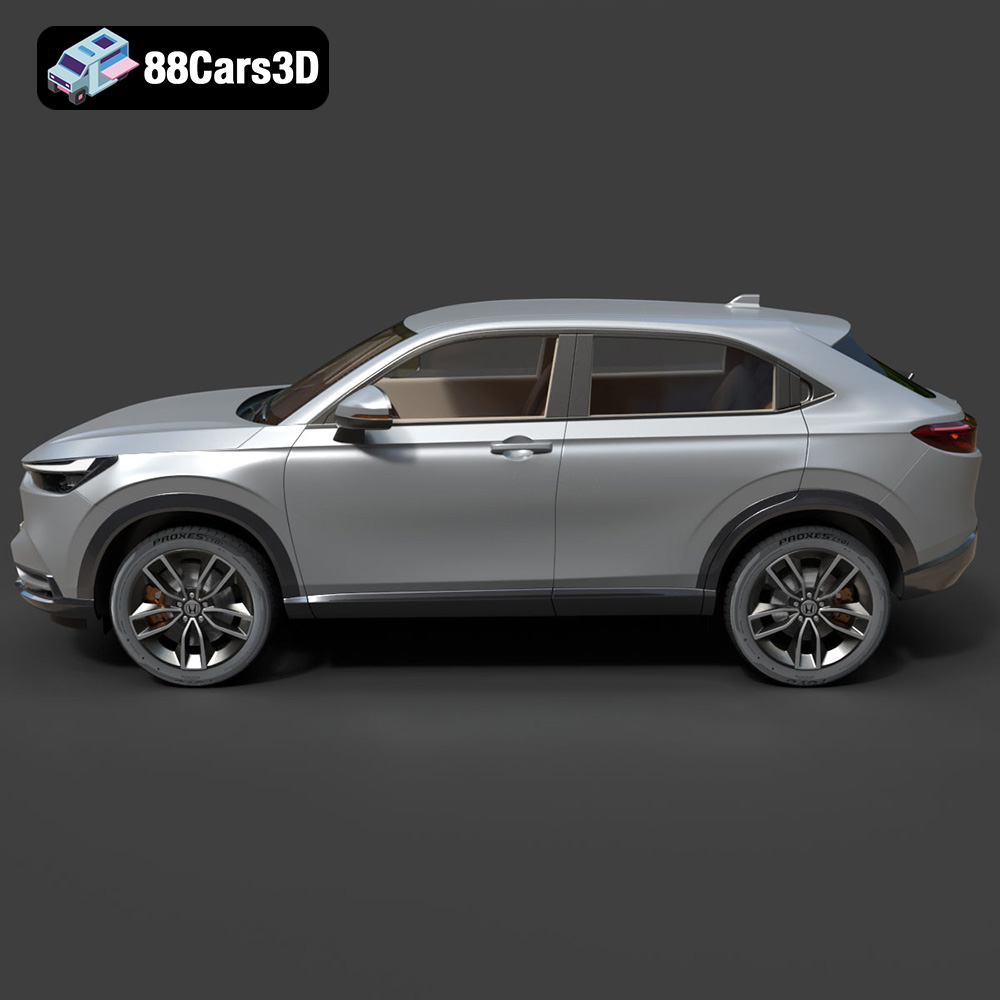
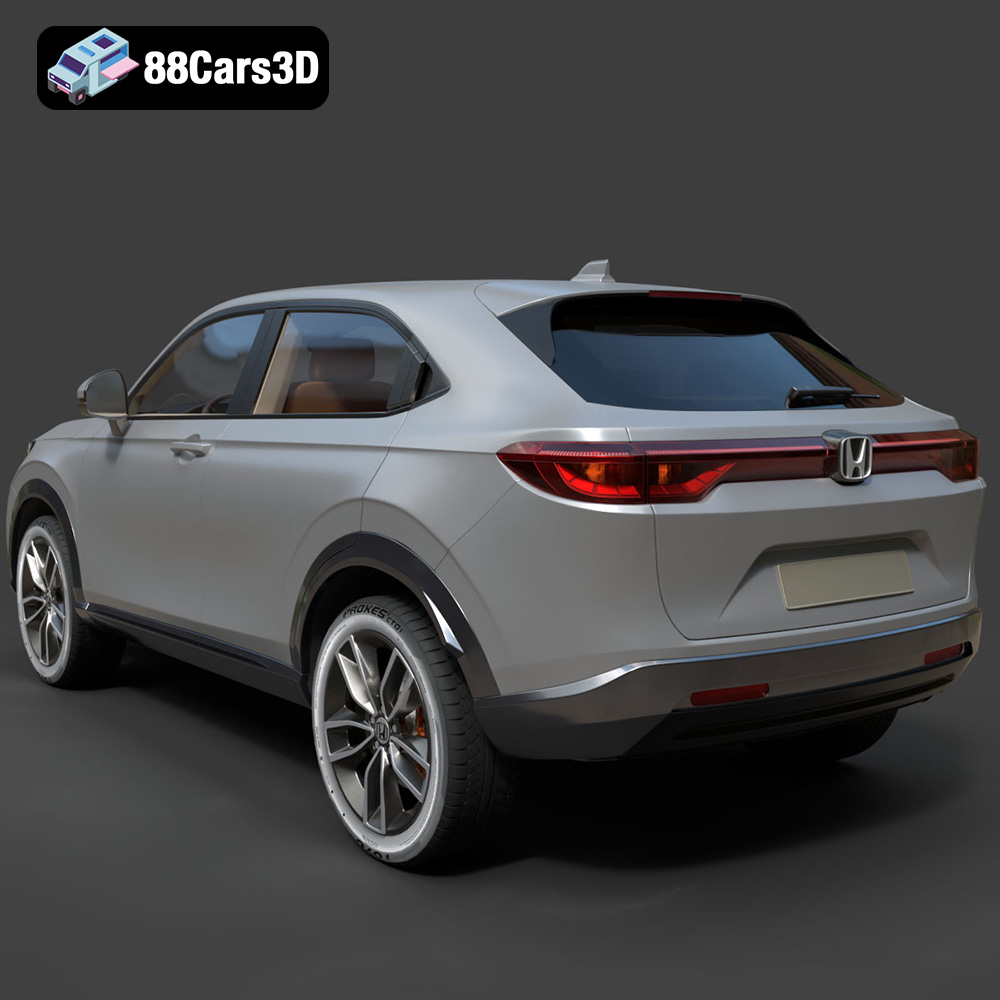
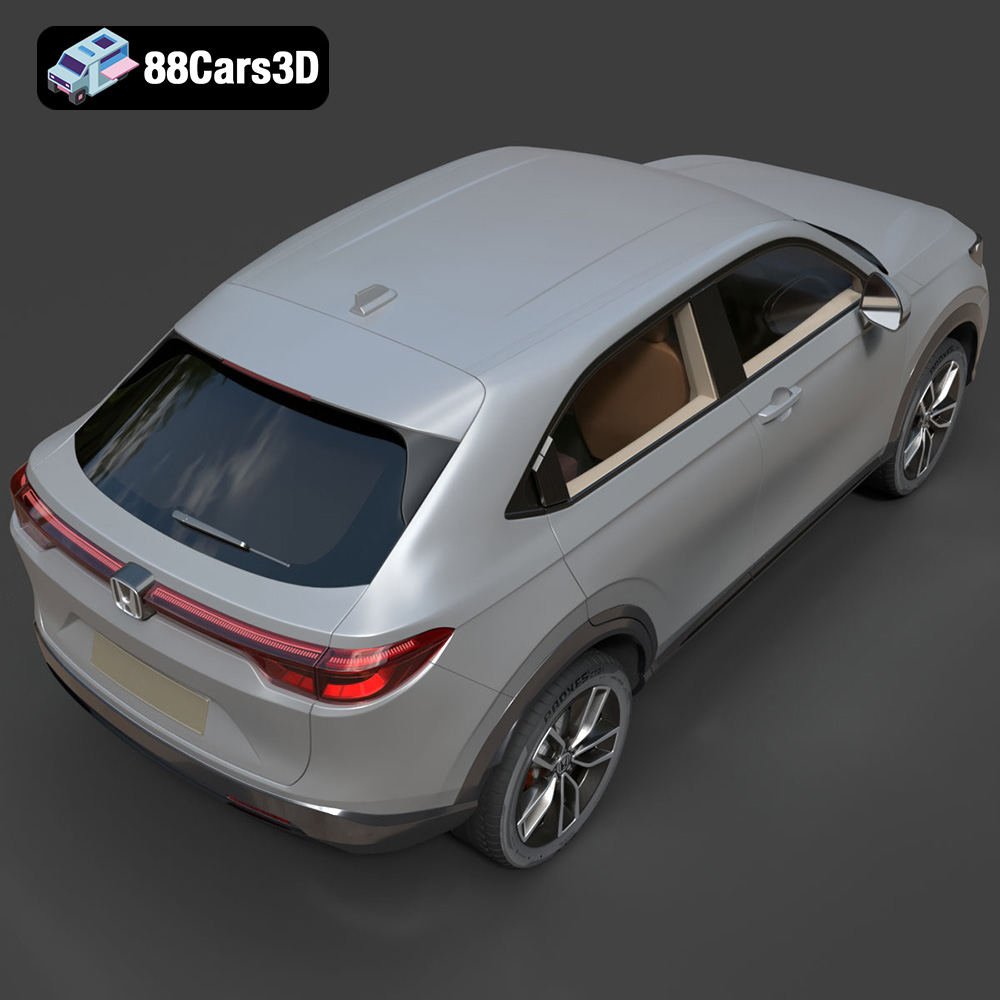
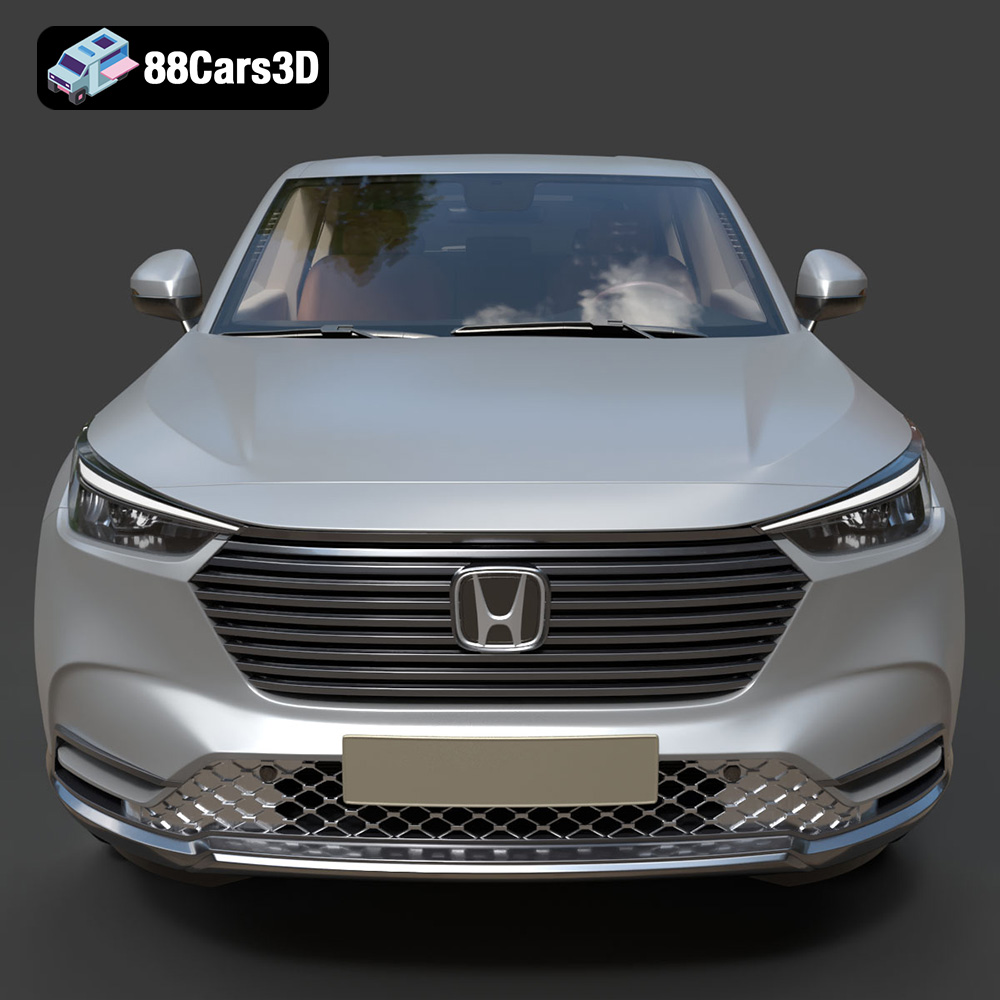
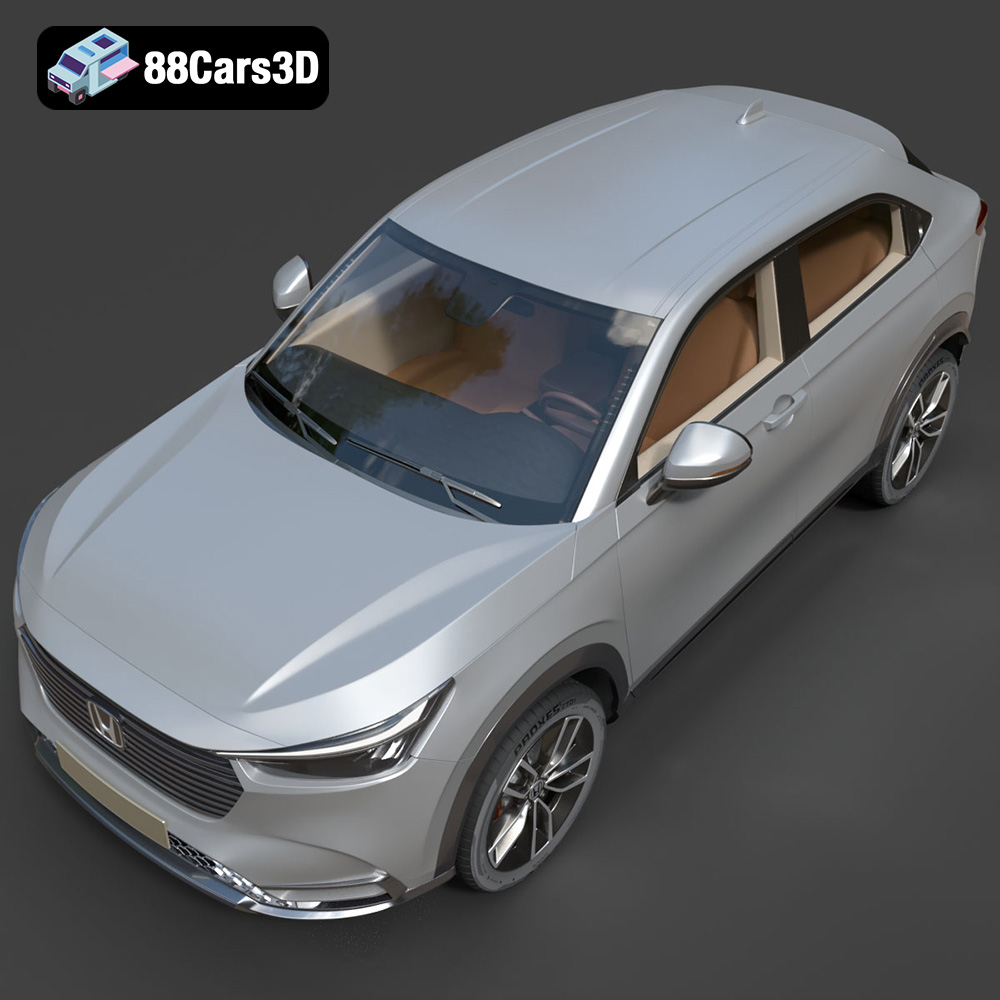
The exterior of this 3D model is a masterclass in accurate replication. Every curve of the HR-V’s distinctive bold front grille, the elegant sweep of its roofline, and the intricate detailing of its sleek LED headlight assemblies are faithfully recreated. This level of detail extends to:
The quality extends seamlessly into the cockpit, offering a highly detailed interior experience crucial for first-person perspective in games or VR applications. Every element contributes to a sense of immersion:
The model’s “Game-Ready & Optimized” status signifies a thoughtful balance between visual fidelity and performance efficiency. With 6,796,328 triangles, it delivers stunning realism without becoming overly burdensome for modern real-time engines. Key technical advantages include:
The true value of a high-quality 3D car model like the Honda HR-V lies in its seamless integration into various professional workflows. From generating stunning marketing visuals to building immersive game worlds, the right asset can significantly accelerate production and elevate the final output.
For artists focusing on high-end rendering for commercials, product visualization, or architectural visualization, the native .max and .blend formats offer unparalleled flexibility. In 3ds Max, professionals can leverage powerful renderers like V-Ray or Corona to achieve photorealistic lighting and materials. The Honda HR-V model’s detailed topology allows for intricate reflections and refractions on its sleek body panels, while its precise interior ensures every button and screen catches the light just right. Artists can:
Blender users benefit from similar flexibility within their native environment, harnessing Eevee for real-time visualization or Cycles for physically accurate path tracing. The fully editable .blend file allows artists to delve deep into the model’s structure, adding custom decals, modifying geometry, or optimizing it further for specific project requirements.
Game developers working with Unreal Engine or Unity will find the Honda HR-V 3D Model a robust foundation for their projects. The provided .fbx and .unreal (for Unreal Engine) formats are optimized for real-time performance. When importing into Unreal Engine, for example, the asset can be directly configured with Unreal’s PBR material system, utilizing provided textures (if any, typically implied with “materials configured”) and setting up collision meshes. Developers can:
The “game-ready” nature means less time spent on optimization and more time on game logic and level design, a significant advantage for tight production schedules. The detailed interior also makes it ideal for first-person driving sequences or cinematic camera angles within the game.
For AR/VR experiences, the .glb format is particularly valuable. Its compact nature and optimization for web-based and mobile platforms make it ideal for virtual showrooms or interactive configurators. Developers can quickly integrate the HR-V into AR apps where users can place the virtual car in their driveway or explore its interior in a VR headset. The balance of detail and performance ensures a smooth, immersive experience without lag.
When it comes to 3D printing, the .stl format facilitates the creation of physical models. The product description provides excellent recommendations for print settings, emphasizing the need for resin printing for fine details and proper support structures. This allows for the creation of scale models for display, prototyping, or even as collectible items. The model’s inherent detail ensures that even at smaller scales (1:12, 1:18, 1:24), intricate features like tire treads and interior components are preserved, ready for post-processing like sanding, priming, and painting with authentic factory colors.
The versatility of a premium 3D car model like the Honda HR-V allows it to shine across a spectrum of professional applications, demonstrating its adaptability and value.
Imagine a new HR-V marketing campaign where the car is depicted navigating a bustling city street at dawn, the reflections dancing across its polished surface. With this 3D model, directors can create cinematic sequences that are impossible or prohibitively expensive to film in the real world. Dynamic camera angles, impossible stunts, or fantastical environments become achievable, all while maintaining absolute control over every visual element. Brands can launch global campaigns with consistent visuals without the need for multiple physical cars or extensive location shoots. The Honda HR-V 3D model provides the fidelity needed for these high-stakes, visual-heavy productions.
The automotive industry is rapidly adopting virtual showrooms and online configurators to enhance the customer experience. With the Honda HR-V 3D model, a potential buyer could not only view the car from every angle but also interact with it. They could open doors, explore the interior in VR, change paint colors, switch wheel designs, and even see how different accessories look, all in real-time. This level of immersion and customization transforms the buying journey, providing a powerful tool for dealerships and manufacturers. The model’s real-world scale and accurate geometry are critical for these applications, ensuring that the virtual experience closely mirrors reality.
For game developers, the HR-V 3D model can populate urban environments in open-world games, serve as a driveable vehicle in a racing title, or become a key asset in a police pursuit simulator. Its optimized geometry and pivot setups simplify integration, allowing developers to focus on gameplay. In a driving simulator, the detailed suspension and interior elements contribute significantly to the sense of realism, making the virtual driving experience more authentic and engaging for players. The model’s robustness means it can stand up to close-up cutscenes and intense gameplay without sacrificing visual quality.
Investing in a high-quality 3D car model isn’t just about immediate project needs; it’s about future-proofing your creative assets. The inherent flexibility and technical design of models like the Honda HR-V ensure they remain valuable for years to come, adaptable to evolving technologies and creative demands.
Creative projects often require iterations and adjustments based on client feedback, market trends, or new design directives. The Honda HR-V 3D model’s structure allows for extensive customization without compromising its core quality. Whether it’s adjusting tire textures for different terrain types (street vs. all-weather variants), applying custom paint jobs beyond factory colors, or even integrating unique branding elements, the model offers the freedom to adapt. This means a single high-quality asset can serve multiple purposes across different campaigns or game updates, maximizing its return on investment.
As hardware capabilities and rendering technologies advance, so do the expectations for visual fidelity. A well-constructed 3D model is designed with scalability in mind. Its organized topology and separate components make it easier to optimize further if needed – for example, generating additional Levels of Detail (LODs) for specific real-time applications or creating simplified versions for mobile platforms. This foresight ensures that the asset remains relevant and performs optimally across a wide range of devices and platforms, extending its usable lifespan significantly. The ability to modify lighting setups for varying environments, from day to night or indoor to outdoor, further demonstrates its scalable nature in rendering scenarios.
The journey through the intricate world of high-fidelity 3D car models reveals a landscape where technical precision meets artistic vision. From the meticulous detailing of exteriors and interiors to the careful consideration of file formats and workflow compatibility, every aspect contributes to the creation of truly immersive and professional digital experiences. Assets like the Honda HR-V 3D Model stand as prime examples of this commitment to excellence, providing an indispensable tool for game developers, automotive designers, AR/VR creators, and visualization artists.
By offering a robust polygon count, real-world scale accuracy, and compatibility with a diverse array of software and engines through multiple file formats, this model empowers creators to push the boundaries of realism and interactivity. Whether it’s for an automotive commercial demanding photorealistic renders, an open-world game requiring optimized assets, or a virtual showroom providing an immersive customer journey, the Honda HR-V 3D Model delivers the quality and flexibility needed to succeed. For professionals seeking top-tier 3D car models that seamlessly integrate into demanding pipelines, exploring the offerings at 88cars3d.com is a definitive step towards achieving unparalleled digital realism and creative freedom.
The Honda HR-V stands as a benchmark in the compact crossover SUV segment, combining sporty styling, remarkable versatility, and efficient performance. This highly detailed 3D model captures its modern aesthetic, featuring the distinctive bold front grille, sweeping roofline, and sleek LED headlight assemblies that define its contemporary urban appeal. Boasting a highly detailed topology of 6,796,328 triangles, this model delivers unparalleled visual fidelity while remaining structured for optimal use in high-end game development, virtual reality showrooms, and cinematic animation. Its meticulous detailing ensures it holds up perfectly under close-up shots and high-resolution rendering. Perfect for urban street scenes, automotive commercials, virtual showrooms, and architectural visualization.
$90.00
.blend
.crossover
.fbx
.glb
.honda
.max
.obj
.ply
.rendering
.stl
.unreal
car-3d-model
compact-suv
game asset
game-ready
hr-v
optimized
SUV
VR/AR