Get 20% OFF All Premium 3D & STL Models!

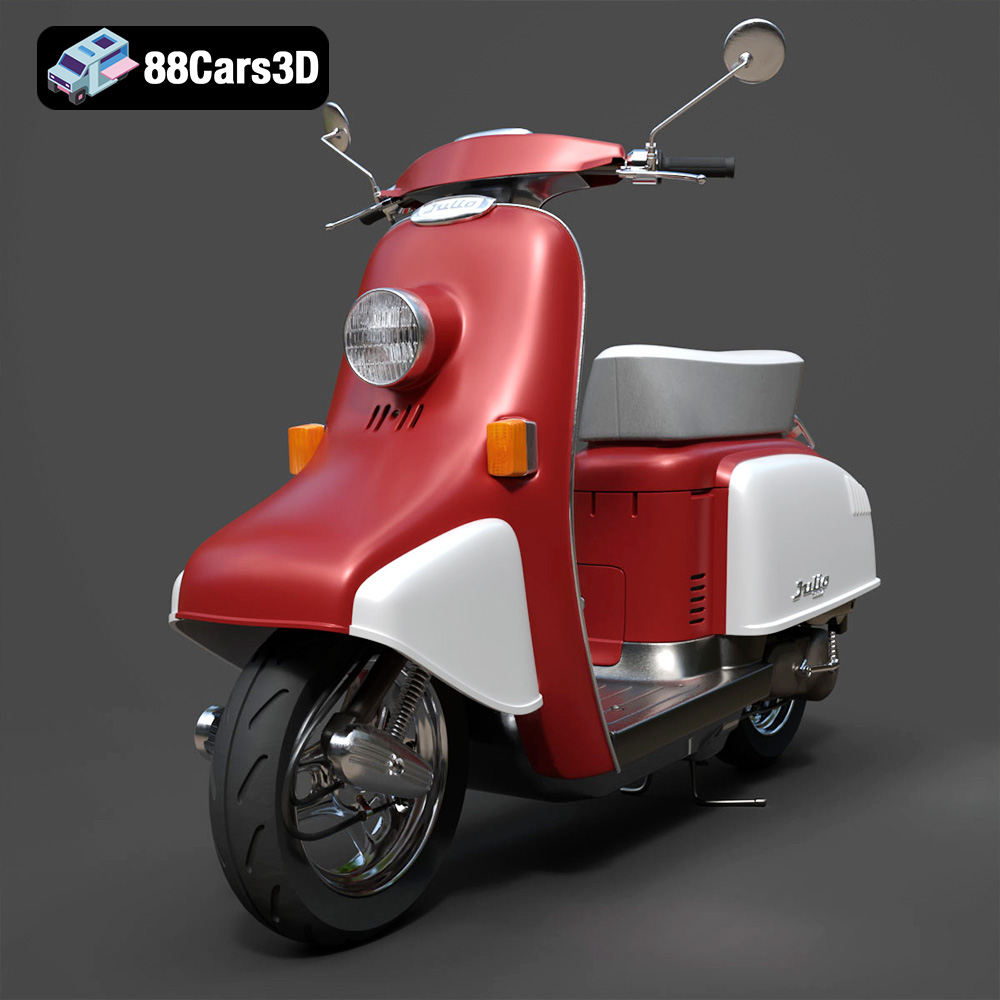
In the dynamic world of 3D visualization, where imagination meets cutting-edge technology, the demand for highly detailed and versatile 3D car models has never been greater. From high-octane racing games to photorealistic architectural visualizations and immersive virtual reality experiences, a well-crafted automotive asset can be the cornerstone of a successful project. Today, we delve into a prime example of such an asset: the Julio PS-08 3D model, a futuristic concept vehicle that pushes the boundaries of digital automotive design.
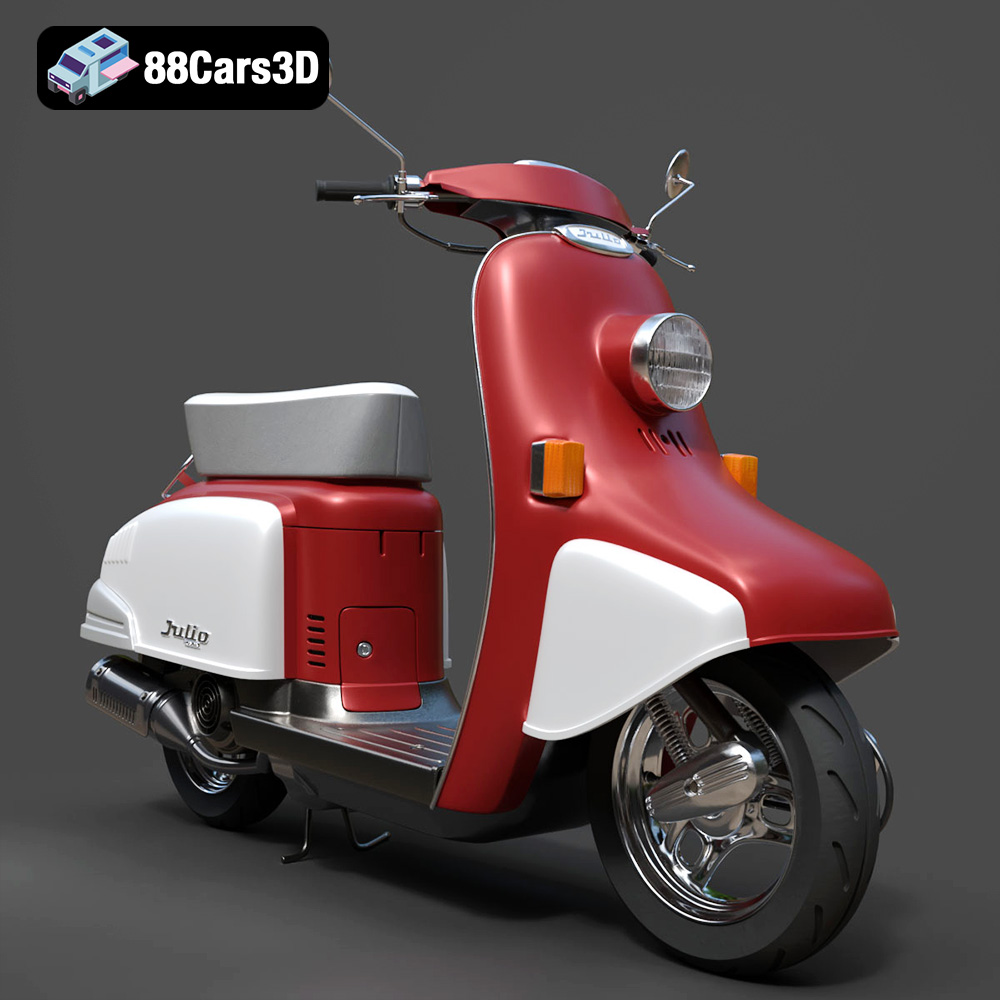
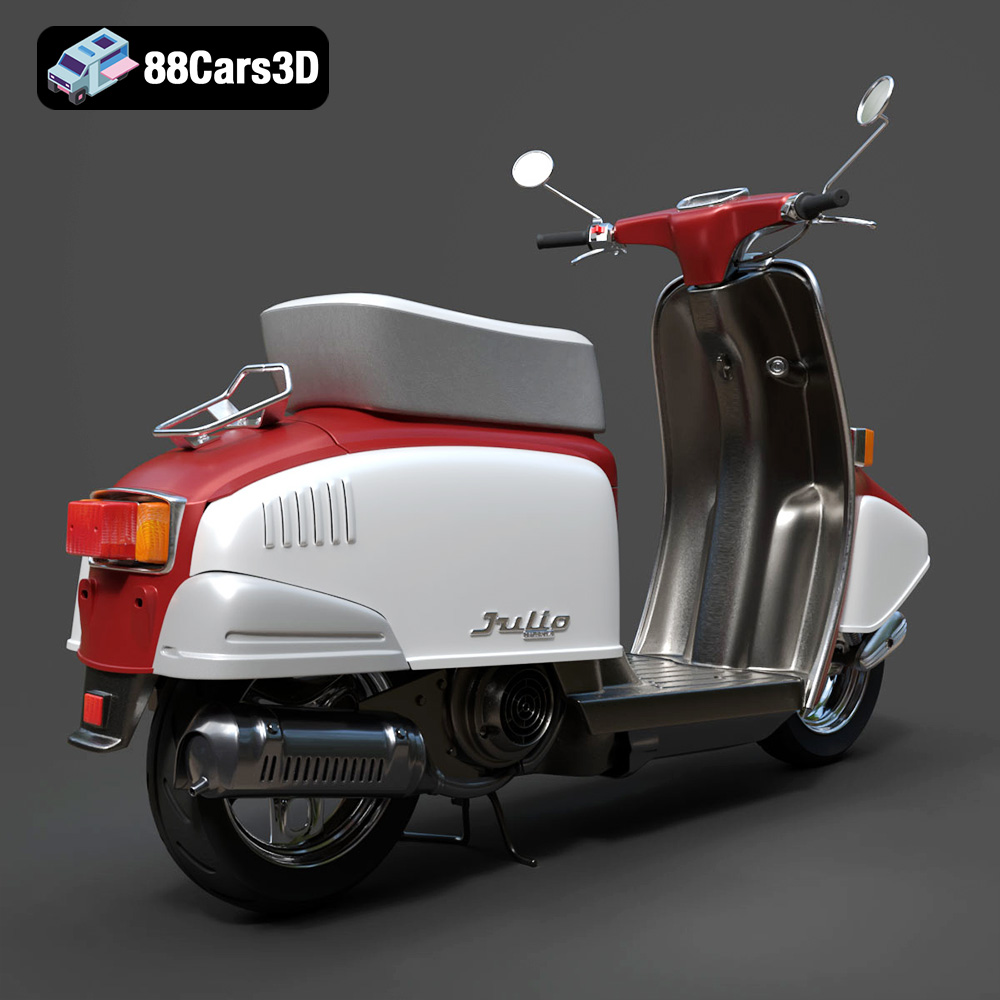
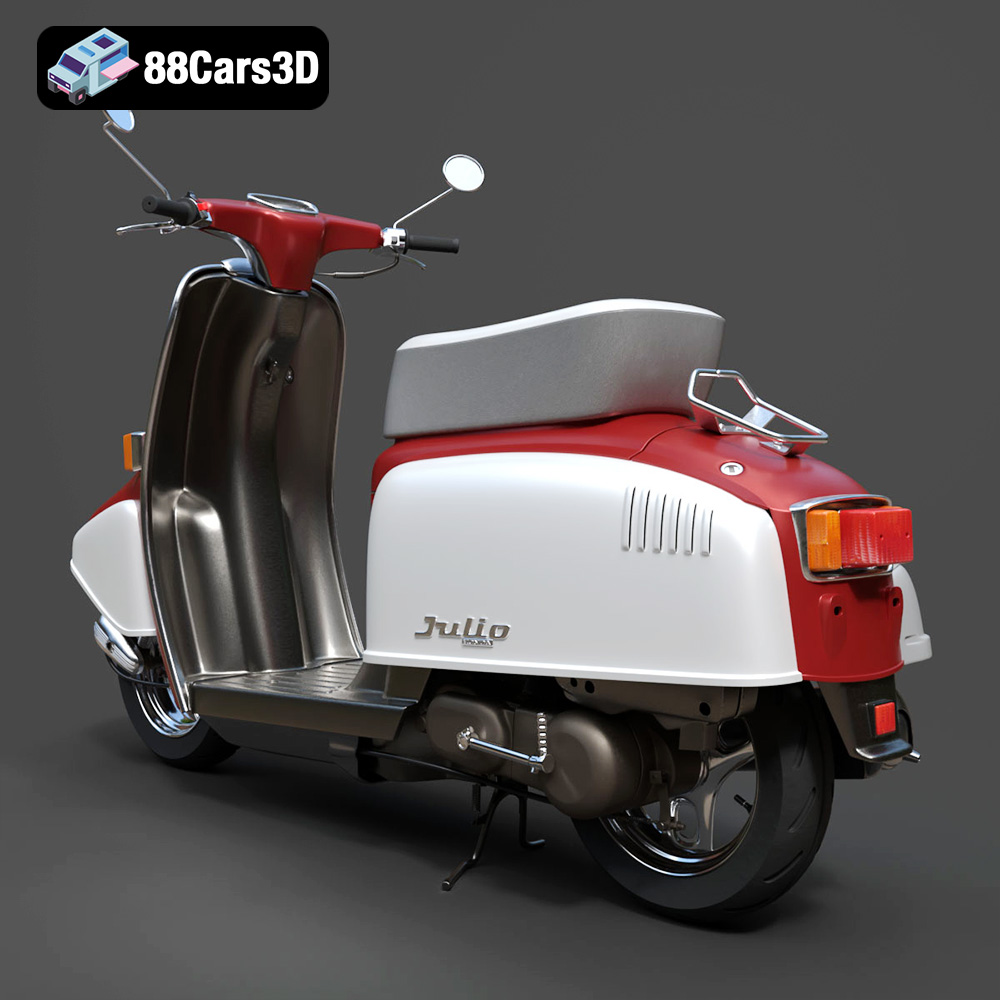
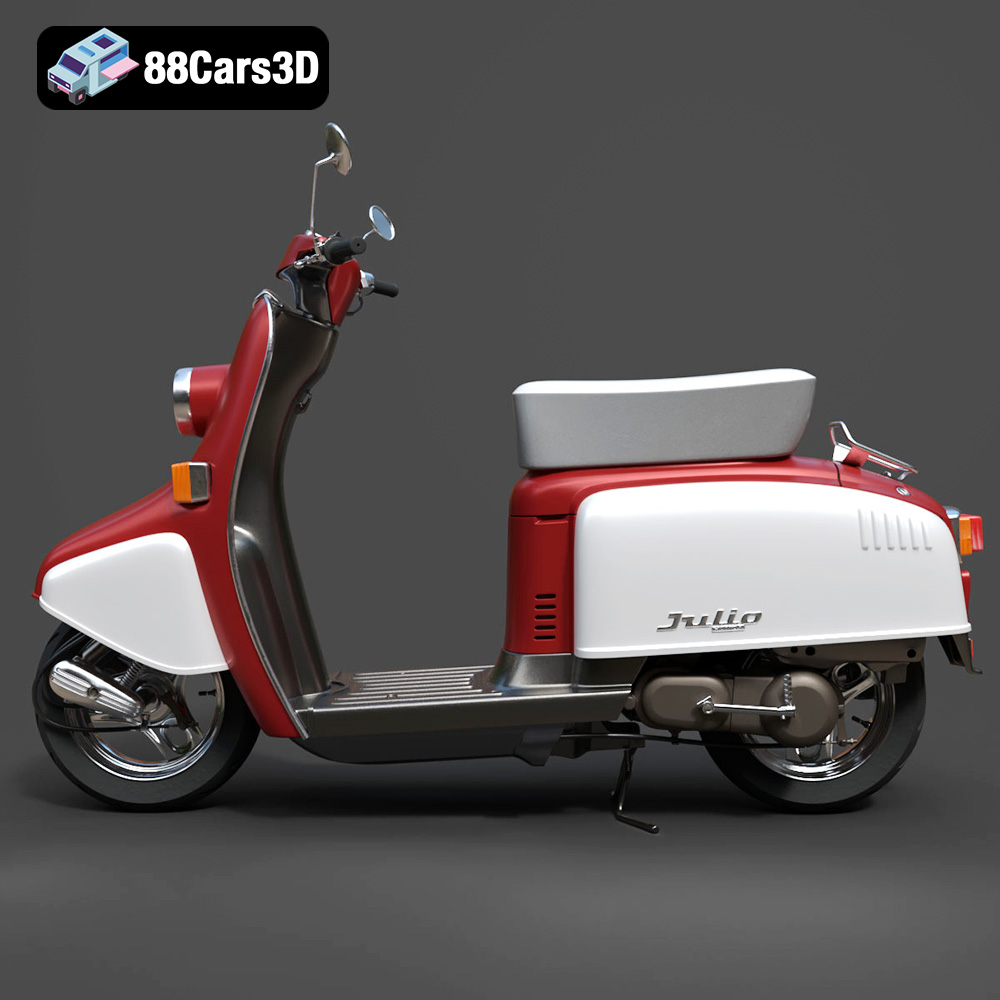
The Julio PS-08 stands as a striking testament to visionary engineering and aggressive aesthetics. It’s not just a car; it’s a statement, featuring sweeping aerodynamic curves, a pronounced aggressive stance, and an intricate powertrain that speaks volumes about its performance intent. This model transcends mere transportation, embodying a true masterpiece of modern conceptual design. For professionals seeking top-tier 3D car models, assets like the Julio PS-08 from marketplaces like 88cars3d.com represent a significant leap forward in quality and utility.
The beauty of a concept vehicle like the Julio PS-08 lies in its ability to inspire and challenge conventional design paradigms. In the digital realm, this translates into an opportunity to explore complex forms, unique lighting cues, and advanced material definitions without the constraints of physical manufacturing. The detailed geometry, from its LED-style headlights to its custom futuristic wheel design, demonstrates a meticulous approach to bringing a radical vision to life. This attention to detail is crucial for projects that demand absolute visual fidelity, whether it’s for a cinematic sequence or a marketing campaign.
Imagine sci-fi cityscapes where the Julio PS-08 glides silently through neon-lit streets, or high-tech virtual showrooms where potential customers can explore every angle of this machine. Its design is inherently forward-thinking, making it an ideal candidate for projects set in speculative futures or cutting-edge brand campaigns. The model’s intricate custom exhaust system and complex aerodynamic suspension underscore its high-performance styling, while the optimized geometry ensures it’s not just a static display piece but a functional asset ready for action in a wide array of digital environments.
When acquiring 3D car models, understanding the nuances of different file formats is paramount. Each format serves specific purposes, offering varying degrees of editability, compatibility, and optimization for different applications. The Julio PS-08 model comes with an impressive suite of formats, ensuring its adaptability across virtually any professional workflow. Let’s break down these essential file types.
The availability of such a diverse array of formats for the Julio PS-08 underscores its versatility and readiness for any project pipeline, making it a truly future-proof investment for any professional.
The true value of a premium 3D car model lies in its meticulous construction and technical fidelity. The Julio PS-08 is a masterclass in this regard, boasting specifications that cater to the most demanding visualization projects while maintaining an eye for performance optimization. Its detailed topology and thoughtful structure are key to its exceptional visual fidelity.
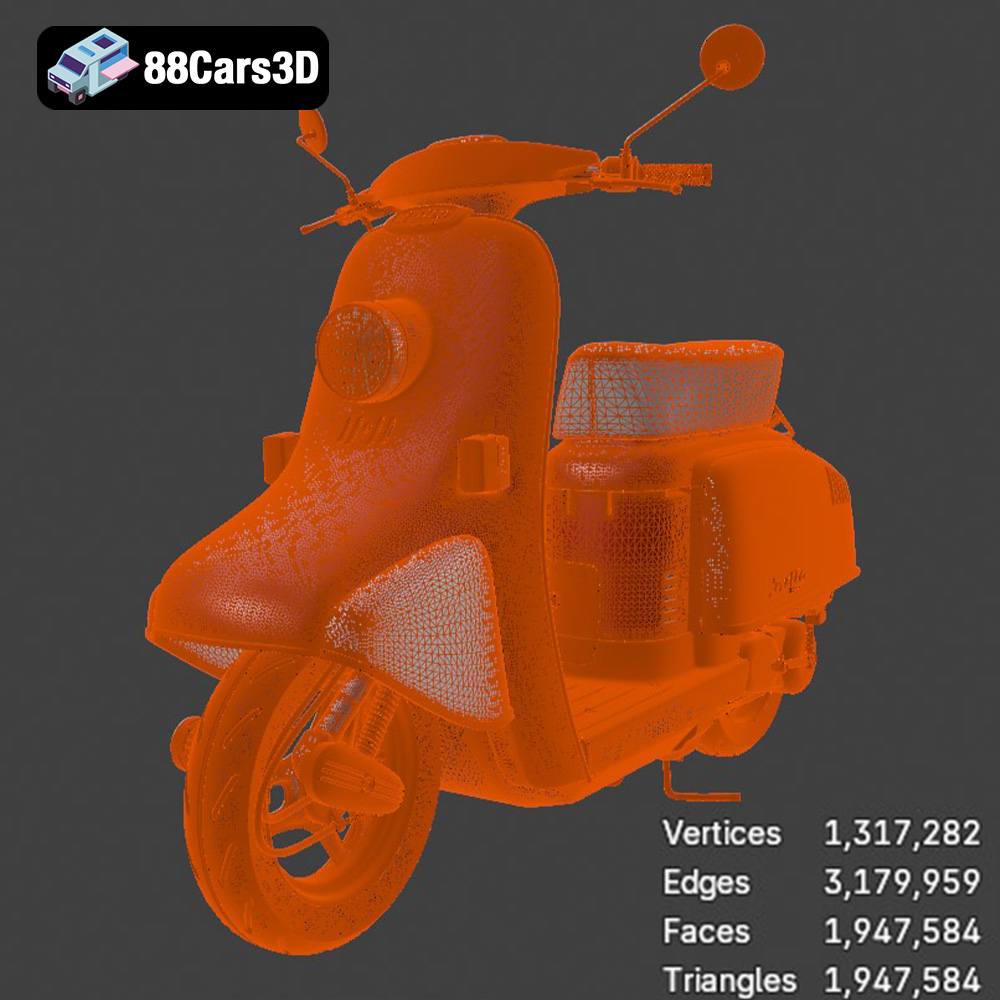
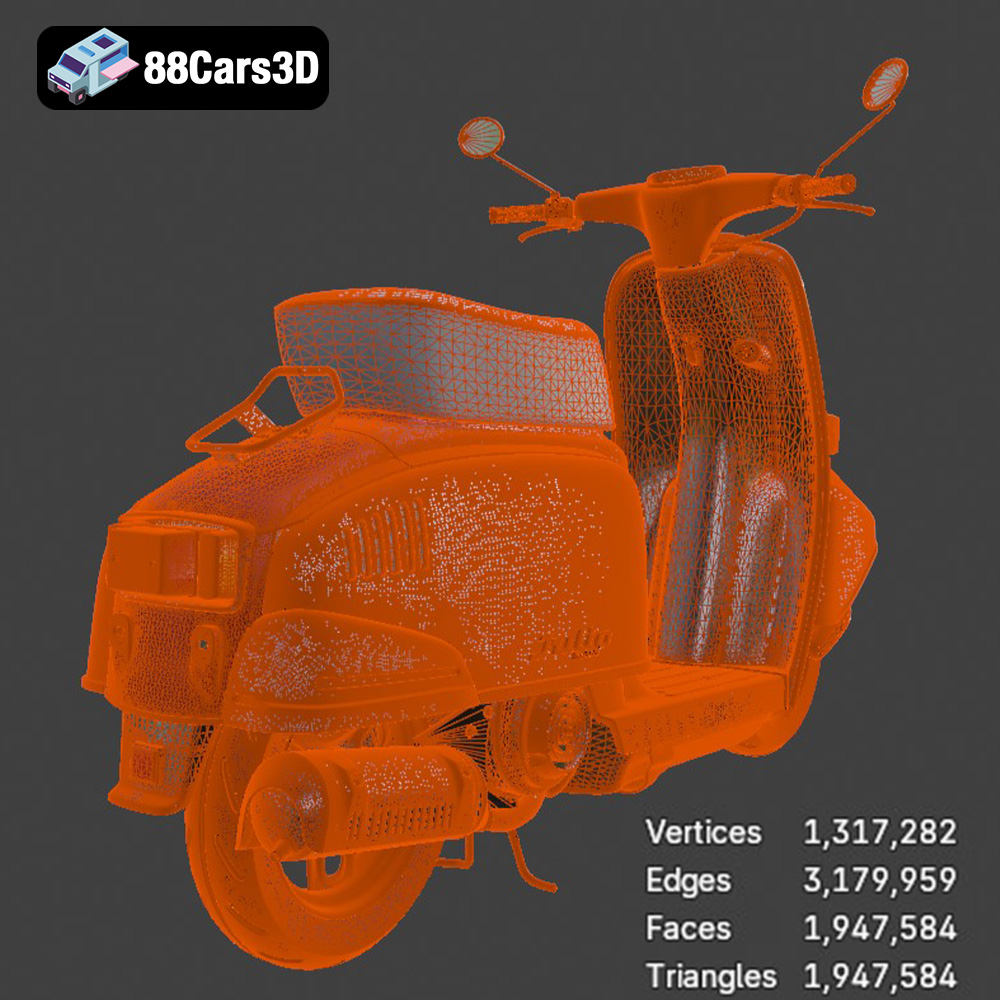
With a highly detailed topology of 1,947,584 triangles, the Julio PS-08 strikes an impressive balance. This polygon count is substantial enough to deliver exceptional visual realism, making it perfect for high-end rendering and detailed close-ups where every curve and edge must be pristine. Yet, this geometry is also thoughtfully structured to ensure compatibility with modern real-time engines. This means artists don’t have to sacrifice detail for performance; the model is inherently built for both, allowing for stunning cinematics and fluid gameplay simultaneously. This careful polycount management is a hallmark of truly professional 3D car models.
The geometry isn’t just about raw numbers; it’s about the quality of the mesh. Clean topology, proper edge flow, and optimized UV layouts (implied by “game-ready”) are critical for seamless texturing, deformation, and rendering without artifacts. The Julio PS-08 excels here, offering a robust foundation for further artistic refinement.
Every aspect of the Julio PS-08 has been crafted with an uncompromising eye for detail. On the exterior, accurate frame geometry and futuristic proportions are complemented by a detailed high-performance powertrain and engine components. The intricate custom exhaust system with stylized tailpipes, advanced LED-style lighting, and custom futuristic wheels with highly detailed tire treads all contribute to its aggressive, high-tech persona. Even the complex aerodynamic suspension and undercarriage details are meticulously modeled, ensuring realism from every angle, including those rarely seen.
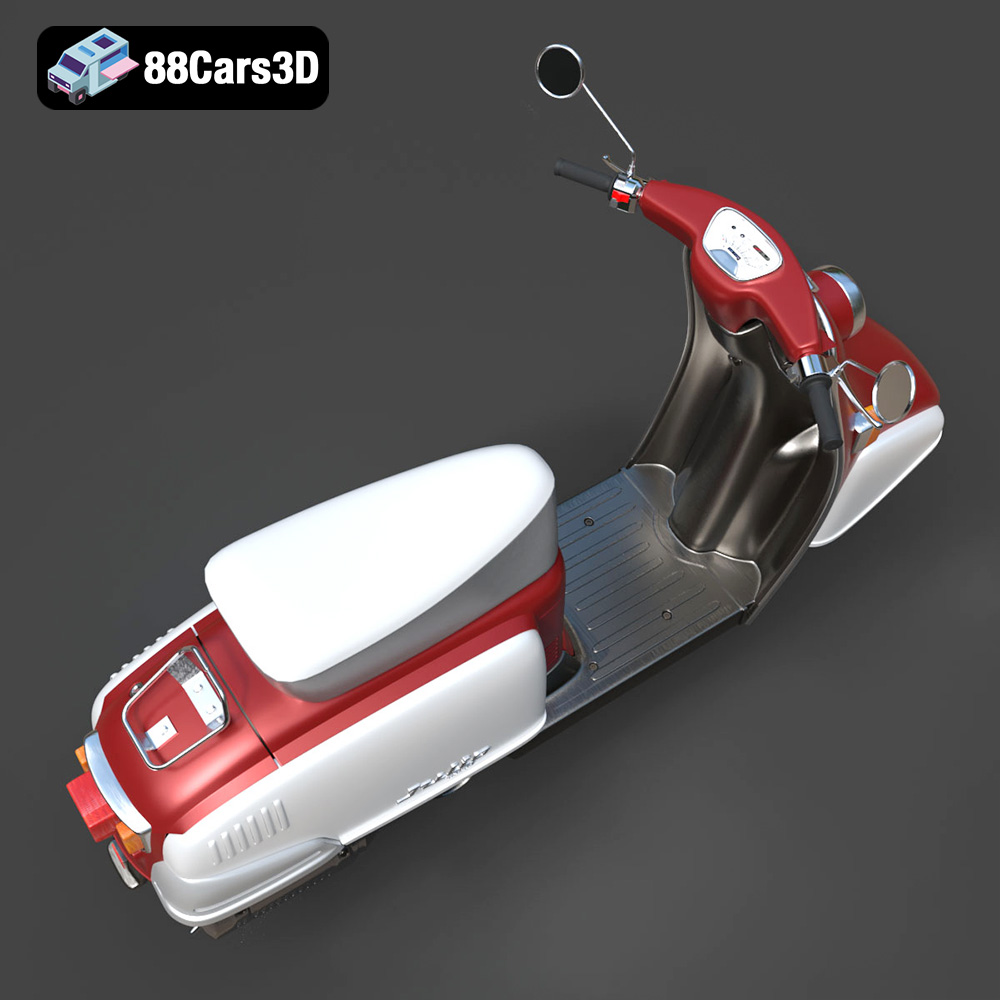
The interior is equally impressive. It features ergonomic bucket-style racing seats with detailed stitching, a futuristic steering yoke, and interactive steering details. A high-tech digital instrument cluster and central telemetry displays add to the sci-fi aesthetic, while intricate control details like metallic pedals and shift mechanisms ensure an immersive experience. Crucially for game development, the interior geometry is optimized for first-person POV, allowing for seamless integration into racing simulators or open-world games where the player occupies the cockpit.
Beyond static beauty, the Julio PS-08 is engineered for dynamic performance. Real-world scale accuracy, based on actual vehicle chassis principles, ensures that the model feels grounded and believable. Crucially, it features a proper pivot setup for steering, wheel rotation, and suspension travel. This means the model is ready for animation right out of the box, saving animators significant time on rigging. The separate wheels, suspension, and steering components allow for independent control, enabling realistic driving simulations, dynamic cutscenes, and engaging interactive experiences.
In the fast-paced world of game development and real-time visualization, efficiency and visual quality must go hand-in-hand. The Julio PS-08 is explicitly designed to excel in this demanding environment, balancing high-end aesthetics with practical performance considerations.
The listed 1,947,584 triangles for the Julio PS-08 is an astute choice for a game-ready asset. While it might seem high compared to older game models, modern engines and hardware can comfortably handle this level of detail, especially for hero vehicles or close-up shots. This polycount strikes a perfect balance, offering the visual realism expected in AAA titles or high-fidelity simulators without bogging down the rendering pipeline. This optimization means less time spent reducing polygons and more time on creative implementation, making it an outstanding asset for game development.
For scenarios where even higher optimization is needed, such as for background vehicles or mobile AR, developers can leverage tools within game engines to generate LODs (Levels of Detail), dynamically reducing the polycount as the object moves further from the camera. This flexibility ensures the Julio PS-08 can be utilized across a spectrum of performance requirements.
The inclusion of .fbx and .unreal file formats directly addresses the needs of game developers working with industry-leading engines. The .fbx format is the go-to for importing complex 3D car models into both Unreal Engine and Unity, preserving geometry, materials, and crucial animation pivot points. For Unreal Engine users, the dedicated “.unreal” asset implies a model pre-configured with the engine’s specifics in mind – potentially including collision meshes, material instances, and even basic blueprint setups. This significantly accelerates the integration process, allowing developers to immediately focus on gameplay mechanics or cinematic sequences.
Within these engines, the Julio PS-08’s real-world scale and proper pivot setups are invaluable. Animating wheel rotation, steering, and suspension becomes a straightforward task, ensuring realistic vehicle dynamics. Its thoughtful geometry also supports efficient lightmap UV generation for static lighting, and clean material separation allows for easy PBR (Physically Based Rendering) setup, resulting in breathtaking reflections and physically accurate shading.
A truly “game-ready” asset is more than just a pretty model; it’s a foundation for interactivity. The Julio PS-08’s design, with its separate animated components and optimized interior for first-person POV, makes it a powerful asset for racing titles, open-world adventures, and vehicle simulators. Imagine incorporating this futuristic vehicle into a game where players can drive, customize, and explore. The meticulous detailing of the cockpit and exterior ensures that the player experience is immersive and visually captivating, reinforcing the value of high-quality game assets like those found on 88cars3d.com.
The versatility of the Julio PS-08 extends far beyond traditional screen-based rendering and game development, opening doors to cutting-edge applications in augmented reality, virtual reality, and physical prototyping.
Augmented Reality (AR) and Virtual Reality (VR) are transforming how we interact with digital content, offering immersive experiences that blur the lines between the digital and physical. The Julio PS-08, with its optimized geometry and support for .glb format, is perfectly poised for these applications. Developers can create virtual showrooms where customers can walk around, inspect, and even customize the car in a VR environment. For AR, the model can be projected onto a real-world surface via a smartphone or tablet, allowing users to place the futuristic vehicle in their driveway or office, scaled accurately. The efficiency of the .glb format ensures quick loading times and smooth performance on mobile devices, which is critical for accessible AR/VR experiences.
Imagine a mobile AR app where you can explore the Julio PS-08 in real-time, changing its body color or tire textures with a tap. This level of interactivity and immersion is invaluable for marketing, product configurators, and educational tools, showcasing the full potential of advanced 3D car models.
The inclusion of the .stl format, alongside detailed 3D print settings, opens up an exciting avenue for bringing the Julio PS-08 into the physical world. 3D printing allows designers, hobbyists, and manufacturers to create tangible prototypes or display models. The recommended scale (1:12 / 1:18 / 1:24) suggests a size suitable for desktop display, while the advice for resin printing highlights the model’s fine details, such as the intricate exhaust and wheel designs.
Printing this model requires careful consideration, as outlined by the specified layer height, wall thickness, infill, and support requirements. Post-processing, including sanding, priming, and painting with authentic factory colors and metallic finishes, transforms a raw print into a stunning miniature replica. This capability not only satisfies the enthusiast market but also serves professionals looking for rapid prototyping or physical models for presentations, demonstrating the Julio PS-08’s versatility across digital and physical mediums.
For brand campaigns, lifestyle scenes, and studio lighting setups, the Julio PS-08 excels as a high-fidelity rendering asset. Its detailed geometry and thoughtful material separation allow for breathtaking photorealistic renders. Using renderers like V-Ray, Corona, or Cycles within 3ds Max or Blender, artists can craft stunning images and animations that showcase the vehicle’s sweeping curves and futuristic appeal under various lighting conditions – from dramatic studio spotlights to natural outdoor environments. The ability to modify body colors, tire textures, and material finishes (matte, gloss, metallic) provides endless creative freedom for marketing agencies and automotive visualization studios to generate bespoke content for their clients.
The true mark of a high-quality 3D asset lies in its seamless integration into existing professional workflows. The Julio PS-08 is designed with this principle in mind, offering multiple pathways for artists and developers to leverage its capabilities effectively.
The provision of both .max and .blend files ensures that users of the two most prevalent automotive visualization and game development Digital Content Creation (DCC) tools can jump straight into production. For 3ds Max users, the .max file provides full access to the scene, enabling complex animation, advanced material setup, and integration with powerful rendering engines. Similarly, Blender artists benefit from the native .blend file, which allows for effortless manipulation, rendering with Cycles or Eevee, and leveraging Blender’s robust suite of modeling and animation tools. This dual-platform support means less time spent on conversion and more time on creative execution.
Regardless of the chosen DCC, the Julio PS-08’s clean topology and proper pivot setups simplify tasks like rigging, animating, and unwrapping for custom textures. Its real-world scale also ensures that it fits perfectly into scenes without manual resizing, maintaining a consistent sense of realism across projects.
Achieving photorealistic automotive rendering is an art form, and the Julio PS-08 provides an exceptional canvas. Its detailed geometry and separated components allow for the application of advanced PBR materials, which accurately simulate how light interacts with different surfaces. Artists can experiment with metallic flakes in the paint, subtle reflections on the glass, and intricate tire tread textures to push the boundaries of realism. The model’s complex lighting details, including LED-style headlights, are ready for custom light setups, whether it’s emissive materials in a game engine or volumetric lighting effects in a cinematic render. This level of detail empowers artists to create compelling visualizations that truly stand out.
For studios and large teams, efficient asset management is critical. Providing multiple file formats for the Julio PS-08 streamlines this process. A common workflow might involve a lead artist working with the .max or .blend file for primary development, while exporting .fbx versions for game engine integration or .glb for web-based previews. The availability of diverse formats from 88cars3d.com significantly reduces the overhead associated with converting and preparing assets for different stages of a pipeline, allowing teams to focus on their core tasks without compatibility headaches.
Investing in high-quality 3D car models like the Julio PS-08 isn’t just about immediate project needs; it’s about future-proofing your asset library and maximizing creative potential. The model’s inherent flexibility allows for extensive customization and adaptability.
The listed customization options—changing body/tank colors, modifying tire textures, adjusting material finishes, and adapting lighting—are more than just superficial tweaks. They represent deep control over the model’s aesthetic and functional presentation. For a game developer, this means easily creating different variants of the vehicle for players to unlock or customize. For an architectural visualizer, it allows the car to seamlessly match the mood and color palette of a proposed building design. The ability to switch between matte, gloss, or metallic finishes can dramatically alter the vehicle’s character, from a stealthy racer to a luxurious cruiser. This level of control ensures the Julio PS-08 can be precisely tailored to fit any specific artistic direction or project requirement.
Digital projects rarely remain static. Requirements change, new technologies emerge, and creative visions evolve. A highly adaptable asset like the Julio PS-08 is invaluable in such dynamic environments. Its thoughtfully structured geometry means it can be easily modified without breaking the mesh. If a project requires a slightly different body kit, custom spoilers, or alternative interior elements, the model provides a clean base for such modifications. Furthermore, its compatibility with both traditional rendering and real-time engines ensures that if a project pivots from pre-rendered cinematics to an interactive real-time experience, the asset can transition smoothly, saving significant redevelopment time and cost.
Ultimately, the Julio PS-08 represents a smart investment for any professional in 3D modeling, game development, or visualization. Its blend of high fidelity, technical optimization, and multi-format support ensures its relevance across a broad spectrum of current and future applications. By choosing such a meticulously crafted asset, available on platforms like 88cars3d.com, you acquire not just a 3D model, but a versatile tool that enhances creative freedom, streamlines workflows, and delivers stunning results for years to come.
The Julio PS-08 is more than just a futuristic concept car; it’s a testament to the pinnacle of modern 3D automotive modeling. From its aggressively styled exterior and intricately detailed cockpit to its thoughtfully optimized geometry and extensive file format support, every aspect of this model has been crafted for professional-grade applications. Whether you’re developing the next generation of racing games, creating immersive AR/VR experiences, rendering breathtaking cinematic visualizations, or even bringing a digital design to life through 3D printing, the Julio PS-08 offers unparalleled fidelity and versatility.
Its comprehensive technical specifications, including its balanced polycount for real-time performance and high-end rendering, along with its game-ready pivots and real-world scale, make it an exceptional choice for any demanding project. The inclusion of diverse formats such as .blend, .fbx, .obj, .glb, .stl, .ply, .unreal, and .max ensures seamless integration into virtually any professional pipeline, empowering artists and developers with maximum flexibility. For those seeking top-tier 3D car models that blend cutting-edge design with robust technical execution, the Julio PS-08 available on 88cars3d.com stands as an exemplary asset, ready to accelerate your creative vision into the future.
The Julio PS-08 is a striking representation of cutting-edge automotive design, blending aggressive futuristic aesthetics with high-performance styling. This unique model features sweeping aerodynamic curves, a pronounced aggressive stance, and an intricate exhaust and powertrain setup that highlights its visionary engineering. With its distinct lighting cues and precision-crafted chassis, it stands out as a true masterpiece of modern transportation concepts. Boasting a highly detailed topology of 1,947,584 triangles, this 3D model delivers exceptional visual fidelity tailored for high-end rendering and detailed close-ups. Despite its impressive polygon count, the geometry is thoughtfully structured to ensure compatibility with modern real-time engines, making it an outstanding asset for game development, immersive AR/VR experiences, and high-resolution animation projects.
$83.99
.blend
.fbx
.glb
.max
.obj
.ply
.rendering
.stl
.unreal
car-3d-model
concept-car
futuristic-vehicle
game asset
game-ready
high poly
julio
optimized
ps-08
sci-fi
VR/AR