Get 20% OFF All Premium 3D & STL Models!

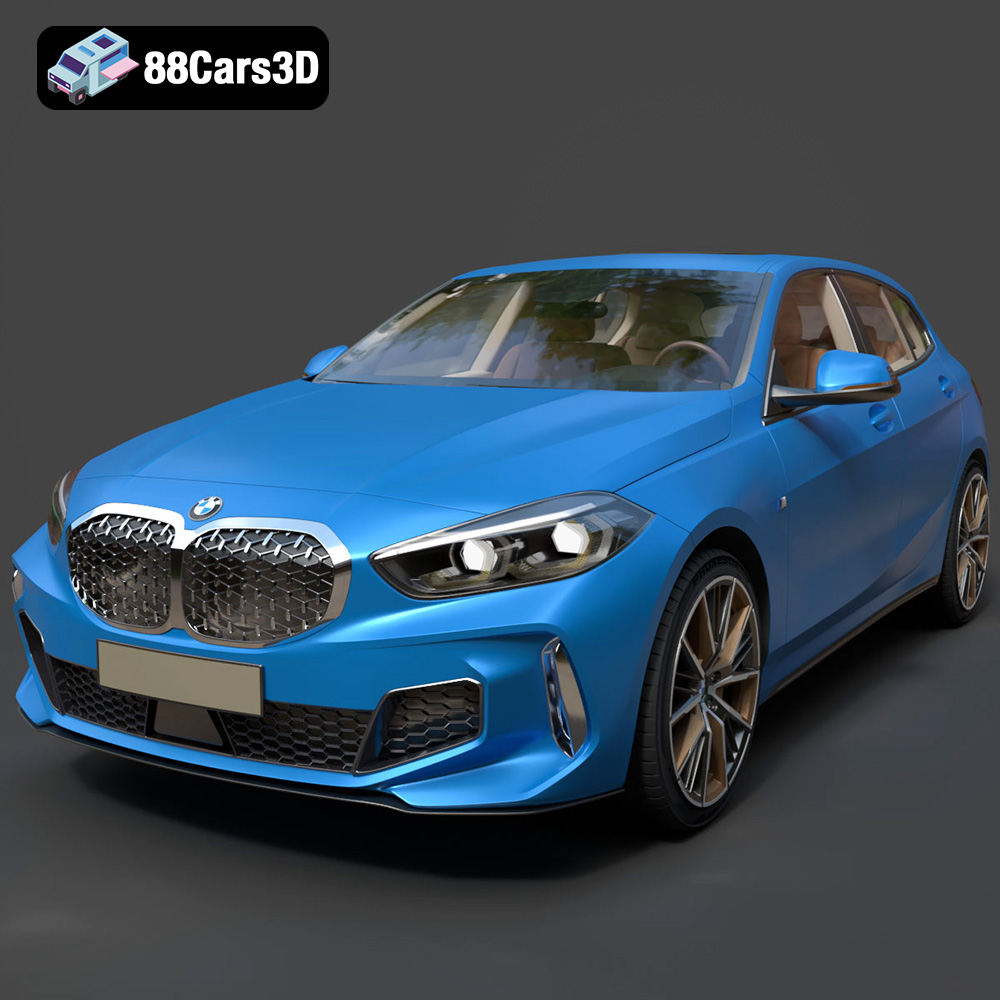
In the rapidly evolving landscape of digital creation, the demand for hyper-realistic and functionally robust 3D assets has never been higher. From the cinematic spectacle of blockbuster video games to the immersive experiences of virtual reality showrooms, and the precision required for automotive design visualization, a high-quality 3D model forms the backbone of success. At the heart of this digital transformation lies the exquisite detail and engineering prowess captured in virtual vehicles. Imagine showcasing the aggressive M-Sport styling, the sleek dynamic bodylines, or the intricate cockpit of a performance hot-hatch like the BMW M135i, all rendered with breathtaking fidelity.
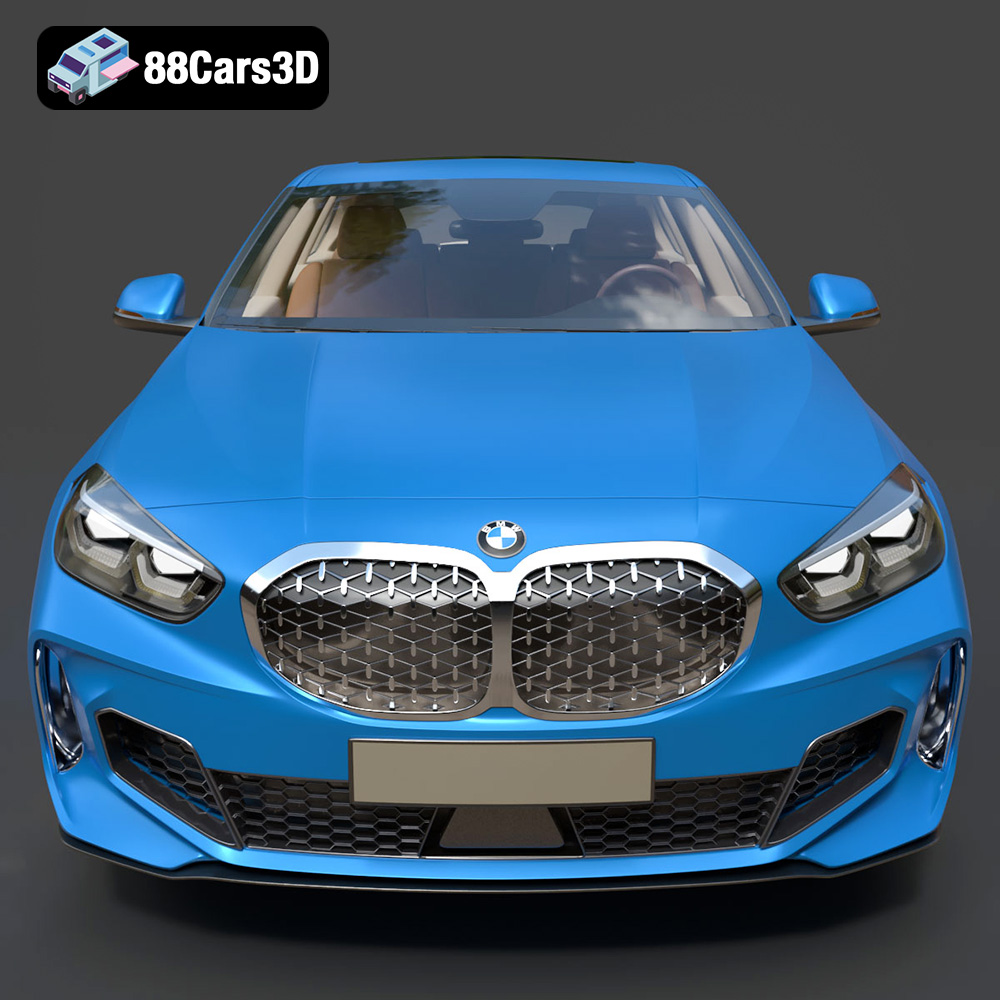
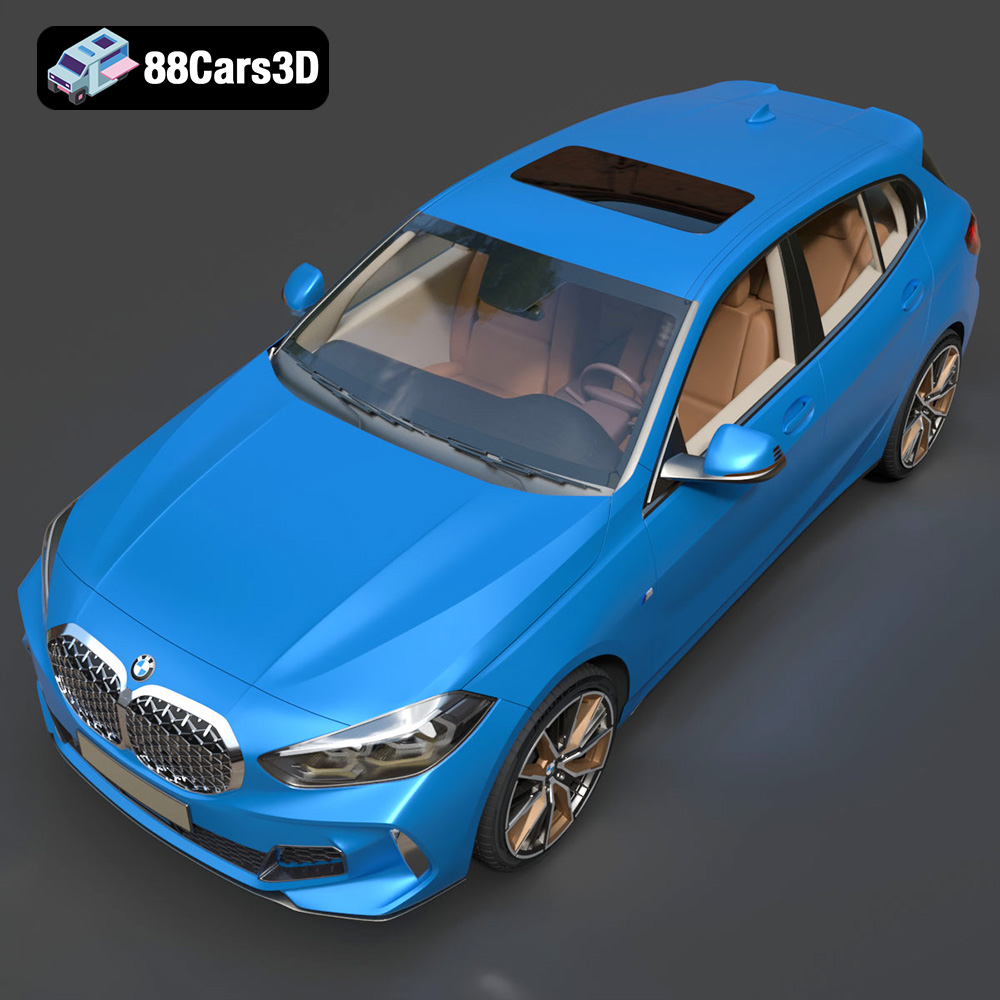
This is where specialized resources become invaluable. Platforms like 88cars3d.com provide access to premium, meticulously crafted 3D car models designed to meet the rigorous demands of professional artists and developers. Today, we’re diving deep into an exceptional example: the BMW M135i 3D Model. This particular asset exemplifies the pinnacle of digital automotive craftsmanship, offering a powerful toolset for anyone serious about elevating their projects. Its intricate geometry, optimized topology, and extensive file format support make it a versatile asset for everything from high-end rendering to real-time game development, and even detailed 3D printing.
Creating a truly outstanding 3D car model is a delicate balance of artistic vision and technical precision. It’s not just about replicating a vehicle’s appearance, but capturing its essence, its mechanical integrity, and ensuring it performs flawlessly across diverse digital environments. The BMW M135i, with its distinct aerodynamic front fascia, signature bold kidney grilles, and sporty dual exhaust, presents a formidable challenge that requires a deep understanding of automotive design and 3D modeling principles.
A premium 3D car model acts as a direct bridge between the physical and virtual worlds. For the BMW M135i, this means replicating every curve, every vent, and every reflection point with meticulous accuracy. Artists spend countless hours studying blueprints, photographs, and even physical vehicles to ensure that the digital counterpart is indistinguishable from its real-world inspiration. This attention to detail extends beyond the exterior to the interior, where elements like M-Sport bucket seats, the ergonomic multi-function steering wheel, and the high-resolution digital instrument cluster are faithfully recreated. The goal is to provide an immersive experience, whether a user is virtually test-driving the car in a simulator or exploring its design in a VR showroom.
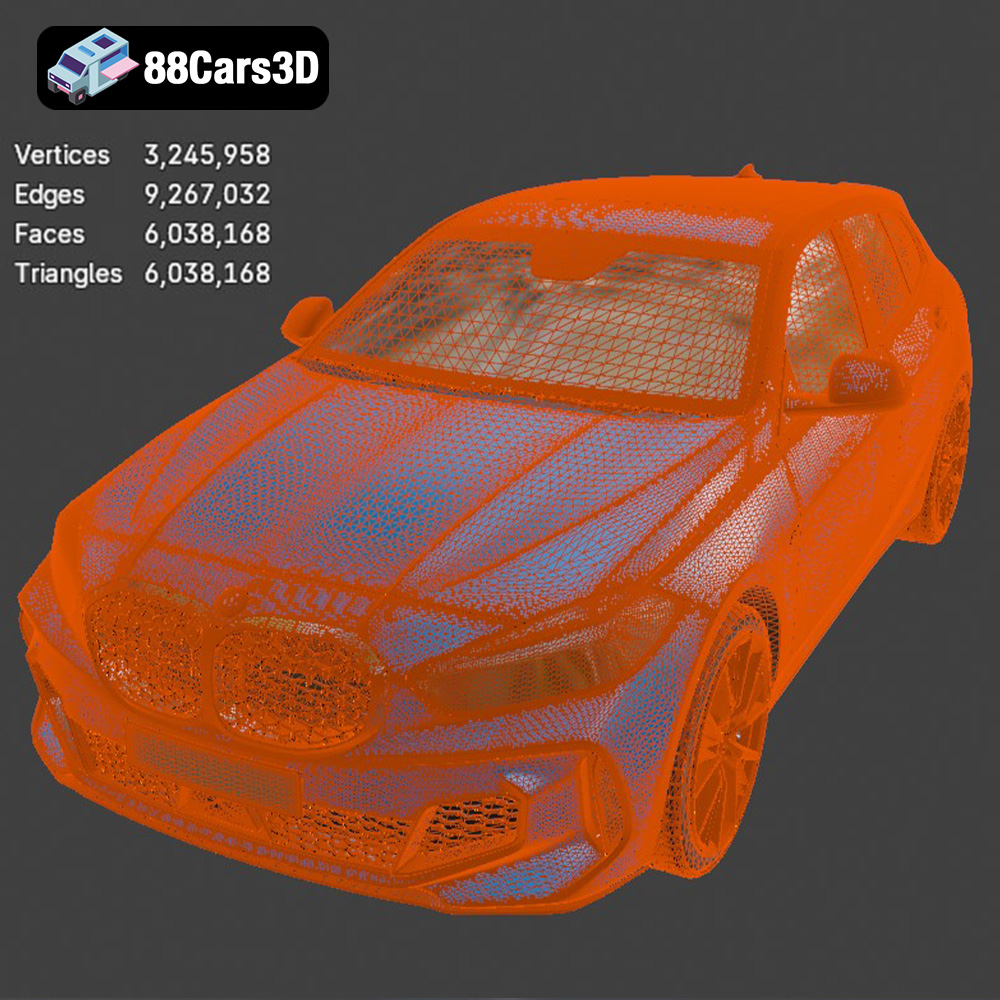
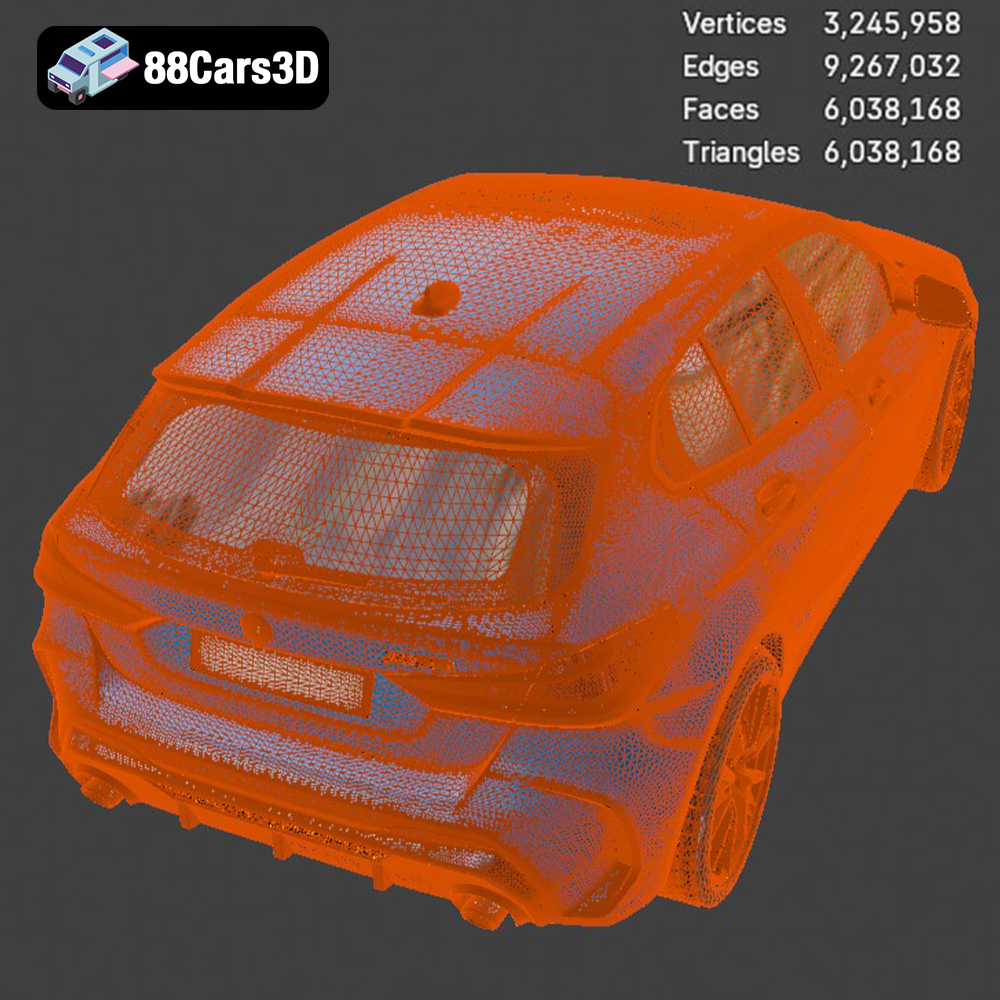
Beyond visual accuracy, the underlying structure of a 3D model – its topology and polycount – is paramount. A model with clean, optimized topology is easier to UV map, texture, rig for animation, and renders more efficiently. The BMW M135i 3D Model boasts an intricate 6,038,168 triangle count. While this might seem high, it represents a careful balance, delivering breathtaking visual fidelity suitable for high-end rendering and visualization, while remaining structurally optimized for demanding real-time engines like Unreal and Unity. This “game-ready” optimization ensures that the model can be integrated into interactive experiences without significant performance bottlenecks, a crucial factor for game assets and AR/VR applications where frame rate is king.
The versatility of a 3D car model is often defined by the range of file formats it supports. Different formats serve different purposes, offering varying levels of compatibility, optimization, and feature retention across software and platforms. The BMW M135i 3D Model from 88cars3d.com is exemplary in its broad support, including .blend, .fbx, .obj, .glb, .stl, .ply, .unreal, and .max. Understanding when and why to use each format is crucial for any professional workflow.
The .blend format is native to Blender, a powerful open-source 3D creation suite. When you receive a model in .blend format, it’s typically a complete scene file, including the mesh, materials, textures, lighting, camera setups, and even animations. This makes it ideal for users who work primarily in Blender, offering maximum editability and full access to the original artist’s setup. For the BMW M135i, this means you can dive straight into modifying textures, adjusting geometry, or setting up custom renders within Blender’s Cycles or Eevee engines.
.fbx (Filmbox) is one of the most widely adopted proprietary file formats for 3D data exchange, especially prevalent in game development. It efficiently stores 3D models, animation data, cameras, and lights, making it the go-to choice for importing assets into game engines like Unreal Engine and Unity. Its strength lies in its ability to transfer complex scene data while maintaining rigging, skinning, and animation information. For the BMW M135i, the .fbx version is perfect for direct import into game projects, ensuring pivots and hierarchical structures (like separate wheels and suspension for animation) are preserved.
The .obj (Wavefront OBJ) format is a universal standard for storing 3D geometry. It’s a simple, text-based format that is highly compatible across virtually all 3D software applications. While it doesn’t typically store animation or rigging data, it’s excellent for transferring static mesh data, including vertex positions, UV coordinates, normals, and material groups. If you need to bring the BMW M135i into a niche renderer or a less common 3D package, .obj will almost always be supported, ensuring foundational compatibility.
.glb (GLB, or binary glTF) is the binary version of the glTF (GL Transmission Format) specification, designed for efficient transmission and loading of 3D scenes and models in web and real-time applications. It packages the model, textures, and animations into a single file, making it incredibly easy to integrate into AR/VR experiences, web viewers, and mobile applications. Its efficiency and small file size make it perfect for quickly deploying the BMW M135i into immersive virtual showrooms or mobile AR experiences where performance and download speed are critical.
The .stl (Stereolithography) format is the standard file type used for 3D printing. It represents a 3D model as a series of connected triangles, describing only the surface geometry of an object without color or texture information. For hobbyists or professionals looking to create a physical replica of the BMW M135i, the .stl version is the essential starting point. It allows for direct input into slicer software, preparing the model for additive manufacturing, whether on resin or FDM printers.
.ply (Polygon File Format, or Stanford Triangle Format) is another format for storing 3D data, particularly useful for scanned data, CAD, and scientific analysis. Like .obj, it defines geometry, but can also store a wider range of properties for each vertex and face, such as color, transparency, surface normals, and texture coordinates. While less common for general asset exchange, its precision and extensibility make it valuable for specific engineering or analytical workflows involving the BMW M135i, offering a robust representation of its mesh data.
The inclusion of an .unreal file (often a .uasset file or a pre-packaged Unreal project) signifies a model that has been specifically prepared and optimized for Unreal Engine. This often means textures are correctly linked, materials are set up with PBR (Physically Based Rendering) values, and the asset is organized within Unreal’s content browser structure. For the BMW M135i, an .unreal file provides a seamless, drag-and-drop experience, saving developers significant time in asset integration and ensuring optimal performance within the engine.
The .max format is the native file type for Autodesk 3ds Max, a leading software for 3D modeling, animation, and rendering. Similar to .blend for Blender users, the .max file provides a complete 3ds Max scene. This allows artists who primarily use 3ds Max to fully access and manipulate the original model, its materials, lighting, and animation setups. For rendering high-quality visualizations of the BMW M135i using V-Ray, Corona, or Arnold, the .max file offers the ultimate flexibility and control, allowing for complex scene setups and photorealistic output.
The true value of a premium 3D asset like the BMW M135i 3D Model lies in its adaptability. Crafted with versatility in mind, it’s engineered to perform optimally across a spectrum of professional applications, from high-octane racing simulations to elegant brand presentations.
For game developers, performance and visual fidelity are often competing priorities. The BMW M135i 3D Model strikes a perfect balance with its 6,038,168 triangle count. This “Game-Ready & Optimized” classification ensures that while the model retains stunning visual realism, it is also efficient enough for real-time engines like Unreal and Unity. The meticulous detailing extends to the interior, making it suitable for first-person POV in racing games or open-world titles. Crucially, it features a proper pivot setup for steering, wheel rotation, and suspension travel, which is indispensable for implementing realistic vehicle physics and animation within game engines. Imagine a racing simulator where every turn of the wheel and every suspension compression is accurately reflected, enhancing player immersion significantly.
In the realm of architectural visualization and automotive rendering, realism is paramount. Marketing campaigns, configurators, and lifestyle scenes demand models that can withstand intense scrutiny under studio lighting. The BMW M135i model excels here with its accurate frame geometry, detailed engine block styling, precision-modeled LED headlights, and M-Sport alloy wheels. These intricate details, combined with high-quality textures and materials, enable artists to create stunning, photorealistic images that are virtually indistinguishable from photographs. Whether it’s showcasing the car in a sleek urban environment or a pristine studio setting, this 3D model provides the foundation for breathtaking visual narratives, making it an invaluable asset for agencies and automotive brands.
Augmented Reality (AR) and Virtual Reality (VR) are transforming how consumers interact with products. Virtual showrooms, interactive configurators, and mobile AR experiences require 3D models that are not only high-fidelity but also performant on various devices. The optimized geometry of the BMW M135i 3D Model, along with its support for formats like .glb, makes it ideal for these immersive applications. Imagine a customer exploring the car’s exterior and interior in a VR headset, changing colors and inspecting details as if they were standing next to the real vehicle. Or an AR app allowing users to virtually “place” the car in their driveway. The model’s premium topology ensures a smooth, responsive experience without compromising visual quality.
Beyond digital displays, the physical manifestation of a 3D model through 3D printing offers unique opportunities for display-scale hobbyists and professionals alike. The BMW M135i model is convertible to .stl format, opening doors for creating tangible replicas. For optimal results, specific settings are recommended: scales like 1:12, 1:18, or 1:24 are perfect for capturing detail. Resin printing is often recommended for fine features like the exhaust or small interior components, with layer heights between 0.04–0.12 mm. Walls should be 1.2–2.0 mm thick, and infill at 20–30%. Supports are essential for overhangs and delicate parts. Post-processing involving sanding, priming, and painting with authentic factory colors and metallic finishes can yield a stunning physical model that mirrors its digital counterpart.
Achieving photorealistic automotive rendering requires more than just a great model; it demands skilled application within powerful 3D software. The BMW M135i 3D Model provides an excellent starting point, especially with its included native .max and .blend files, catering to two of the industry’s most popular rendering platforms.
For users of Autodesk 3ds Max, the included .max file is a treasure trove. It typically comes pre-setup, allowing artists to immediately leverage advanced rendering techniques with engines like V-Ray or Corona Renderer. The focus shifts to finessing materials and lighting. This involves setting up realistic car paint shaders with multiple clear coats, metallic flakes, and reflection layers. Tire materials require complex displacement and normal maps for realistic treads, while interior elements benefit from detailed fabric shaders and emissive materials for screens. High Dynamic Range Images (HDRIs) are crucial for realistic environment lighting and reflections, often combined with targeted studio lights to highlight specific body contours and details. Camera angles, depth of field, and motion blur (for dynamic shots) are then fine-tuned to achieve the desired cinematic quality for the BMW M135i.
Blender users will find the .blend file equally accommodating. Its powerful Cycles and Eevee render engines offer immense possibilities. Cycles, being a physically based renderer, is perfect for achieving photorealistic results, mirroring the advanced material setups seen in 3ds Max but using Blender’s node-based material system. This allows for intricate control over every aspect of the BMW M135i’s surfaces, from the clear coat of the body to the intricate stitching on the M-Sport seats. Eevee, Blender’s real-time renderer, is excellent for quick previews, animations, and even game development mock-ups. Environment lighting, often driven by HDRIs, plays a crucial role in reflecting realistic surroundings on the car’s reflective surfaces. Furthermore, the separate wheels, suspension, and steering components of the BMW M135i make it ideal for setting up complex animations within Blender, whether it’s a simple turntable animation or a dynamic driving sequence.
Unreal Engine stands as a titan in real-time visualization and game development, offering unparalleled tools for creating interactive, high-fidelity experiences. Integrating a sophisticated 3D car model like the BMW M135i requires a structured approach to maximize its potential within the engine.
The journey begins with importing the .fbx or the dedicated .unreal asset into your project. The .fbx format is robust, retaining crucial data such as pivots and hierarchical structures. Once imported, the raw mesh needs to be adorned with materials. Unreal Engine’s Physically Based Rendering (PBR) workflow demands high-quality textures (albedo, normal, roughness, metallic, ambient occlusion) that accurately represent the surfaces of the BMW M135i. Creating material instances from a master material allows for efficient customization and optimization. Collision meshes are vital for accurate physics interactions in games or simulations, often generated automatically by Unreal or custom-modeled for precision. The proper pivot setup for components like wheels and suspension, as mentioned in the product’s technical specifications, dramatically simplifies the rigging and animation process within Unreal’s Blueprint system.
Unreal Engine’s visual scripting system, Blueprint, unlocks immense interactivity. For the BMW M135i, this means creating a vehicle Blueprint that connects the model to Unreal’s physics engine, enabling realistic driving dynamics. The separate components – wheels, suspension, and steering – are crucial for setting up a functional vehicle rig. Beyond basic movement, Blueprint allows for advanced customization options. Imagine allowing users to dynamically change body colors from a palette of factory options, switch between different tire textures (e.g., street vs. track variants), or adjust material finishes from matte to gloss or metallic, all in real-time. Lighting adaptation for different environments – cycling through day, night, or various studio setups – can also be controlled via Blueprint, enhancing the model’s utility for virtual showrooms and configurators. The engine-ready nature of the BMW M135i ensures that these complex interactions can be implemented efficiently, delivering a polished and engaging user experience.
A high-quality 3D asset is an investment. Its true value isn’t just in its initial fidelity but in its capacity for adaptation and long-term utility across evolving projects. The BMW M135i 3D Model is designed with this longevity in mind, offering extensive customization options that empower creators to tailor it to their specific visions.
The ability to customize a 3D model is a cornerstone of professional workflow. For the BMW M135i, this extends to changing body colors, allowing artists to select from authentic factory hues or experiment with bespoke custom finishes. Modifying tire textures offers versatility, enabling the vehicle to be seamlessly integrated into different scenarios – from urban street scenes with performance street tires to more rugged environments with off-road variants (should a creative project demand it). Adjusting material finishes, such as switching between matte, gloss, or metallic looks, can dramatically alter the car’s aesthetic and mood. Furthermore, adapting lighting for different environments is crucial for context, allowing the model to shine in everything from a sun-drenched outdoor scene to a dramatically lit studio setup. This granular control ensures that the BMW M135i can be a chameleon, adapting to the diverse demands of any project.
Investing in a meticulously detailed and optimized 3D car model like the BMW M135i from 88cars3d.com ensures that your digital assets remain relevant and useful for years to come. High-quality topology and comprehensive file format support mean the model is future-proof, easily transferable to new software versions, and adaptable to emerging technologies like advanced real-time rendering or new AR/VR platforms. Such assets significantly streamline production pipelines, allowing artists and developers to focus on creativity rather than starting from scratch. Whether you’re building the next generation racing simulator, a captivating automotive configurator, or stunning marketing visuals, an asset of this caliber reduces development time, enhances visual quality, and ultimately provides a superior foundation for any creative endeavor. The detailed engineering and meticulous recreation ensure that the virtual BMW M135i stands as a testament to both modern automotive design and cutting-edge 3D modeling.
The digital realm is increasingly demanding assets that marry breathtaking realism with technical efficiency. The BMW M135i 3D Model stands as a prime example of how these two critical aspects can converge to create an indispensable tool for professionals. From its intricate 6,038,168 triangle count, meticulously capturing every contour and reflection, to its versatile file format support for .blend, .fbx, .obj, .glb, .stl, .ply, .unreal, and .max, this model is a powerhouse designed for diverse applications.
Whether you are a game developer striving for immersive realism in a racing simulator, an automotive designer visualizing a future concept, an AR/VR creator building an interactive showroom, or a marketing professional crafting a compelling brand campaign, this BMW M135i 3D Model offers unparalleled fidelity and flexibility. Its game-ready optimization, real-world scale, and detailed interior/exterior features ensure it performs flawlessly across various platforms and software. For those seeking top-tier 3D car models that truly elevate their projects, exploring the comprehensive range available at 88cars3d.com is a step towards achieving truly exceptional results. Invest in quality assets, and empower your creative vision to drive innovation.
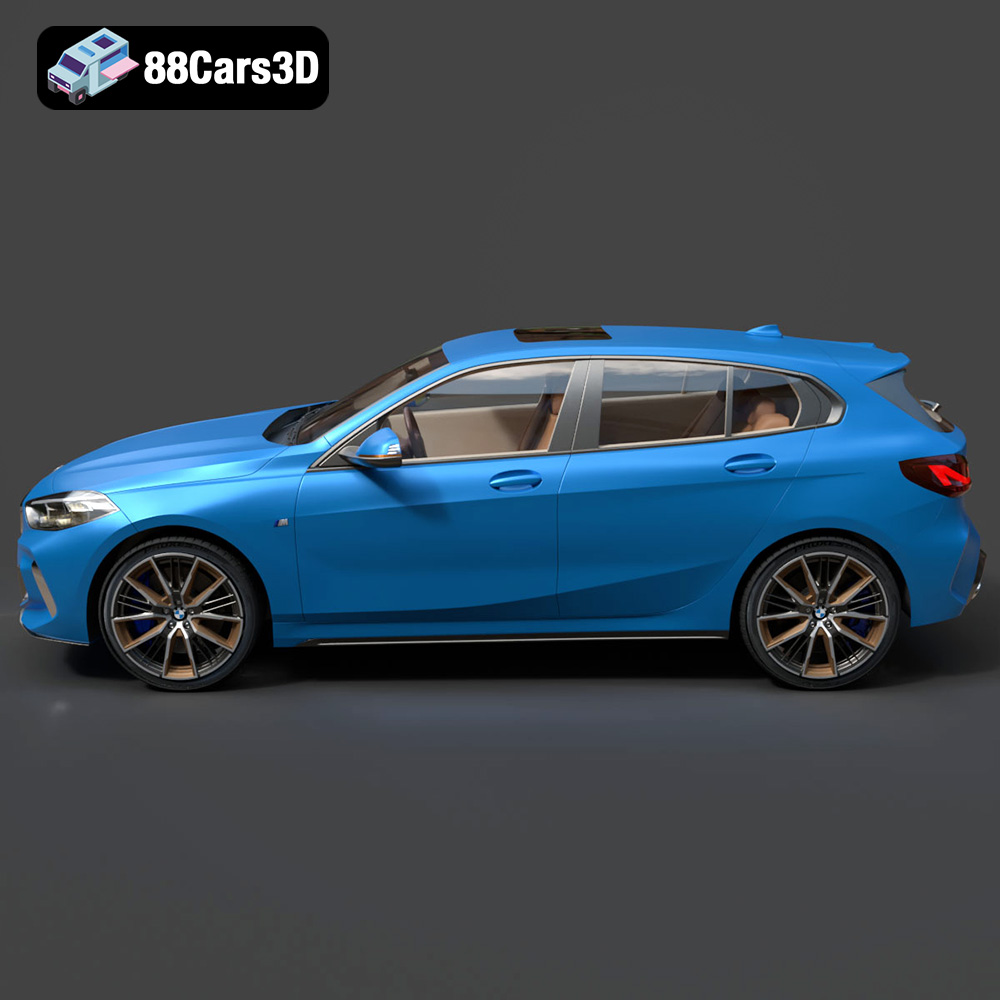
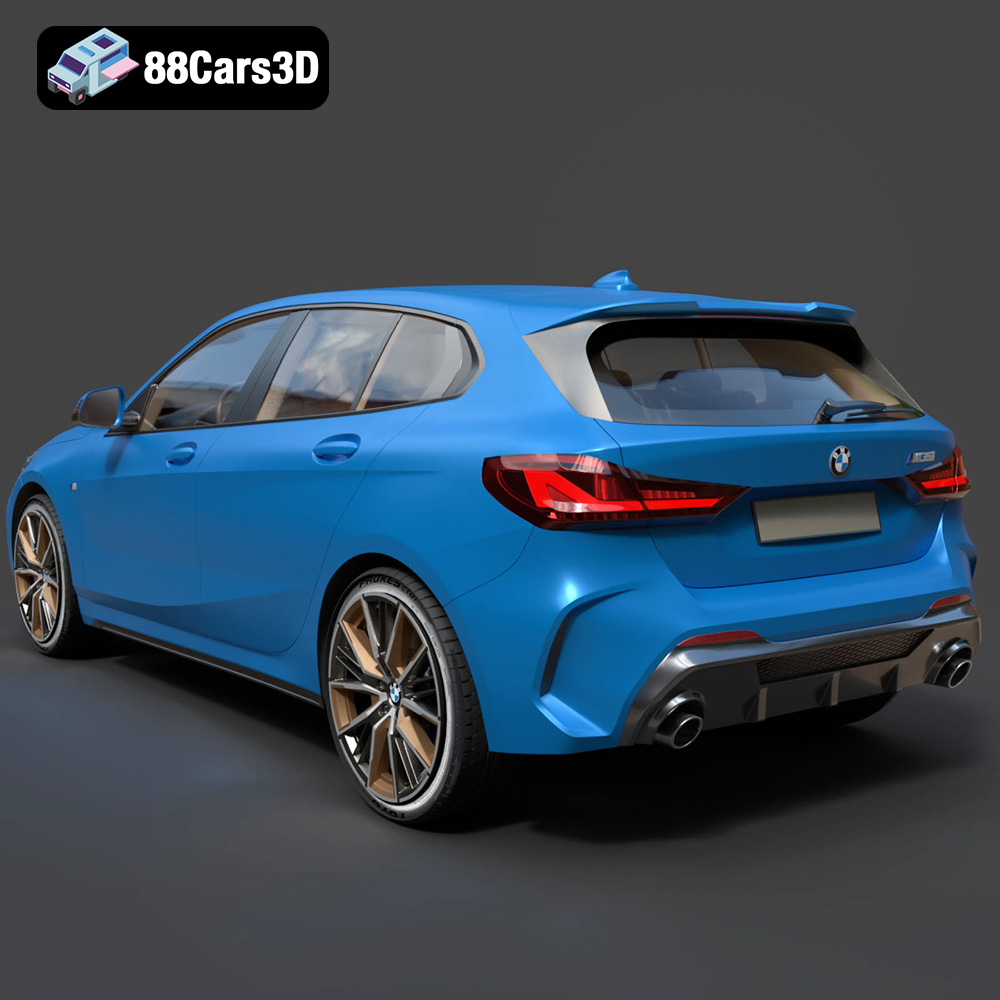
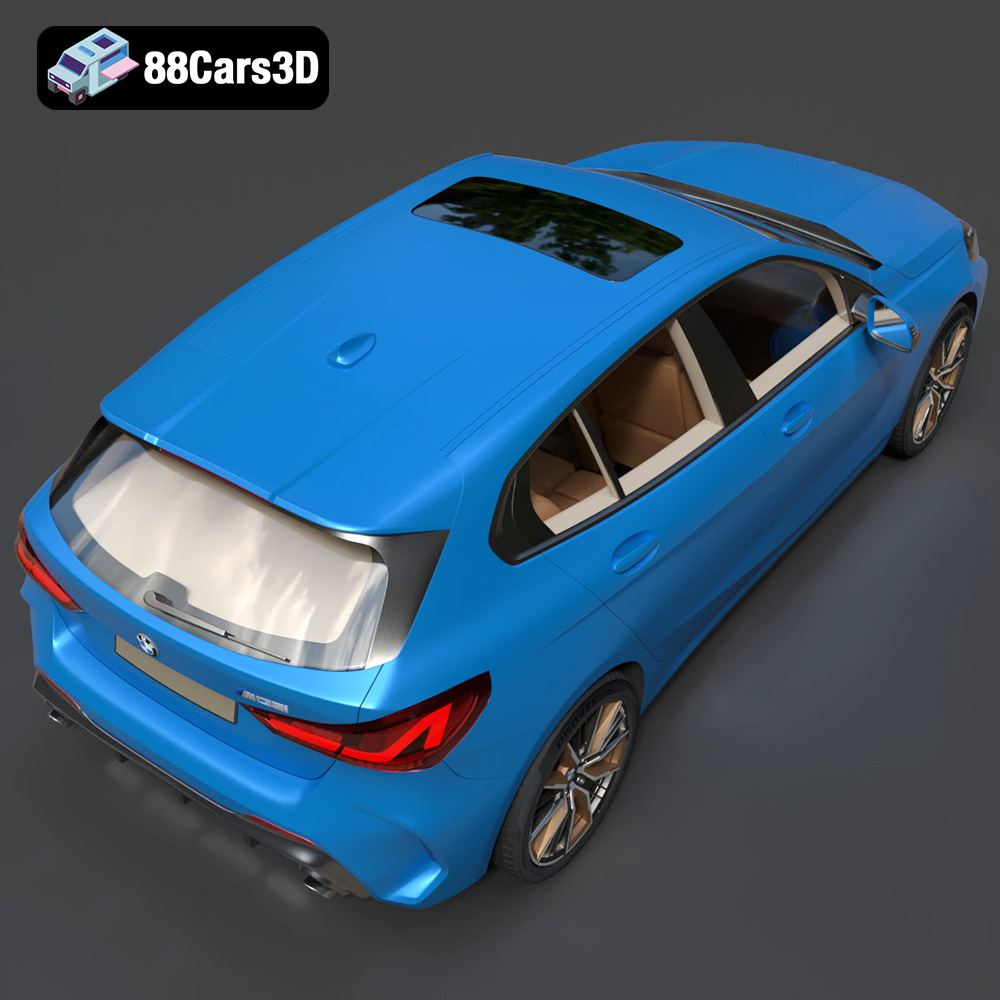
The BMW M135i represents the pinnacle of modern hot-hatch performance, combining aggressive M-Sport styling with renowned Bavarian engineering. This premium compact sports car stands out with its distinct aerodynamic front fascia, signature bold kidney grilles, dual exhaust tailpipes, and sleek, dynamic bodylines that scream performance. This exceptional 3D model boasts an intricate 6,038,168 triangle count, delivering breathtaking visual fidelity and premium topology. Meticulously detailed to capture every contour and reflection, it provides unparalleled realism while remaining structurally optimized for high-end rendering, virtual reality showrooms, automotive visualization, and AAA game development. Perfect for automotive configurators, racing simulators, urban lifestyle visualizations, and high-fidelity brand marketing campaigns.
$90.00
.blend
.bmw
.fbx
.glb
.hatchback
.hot-hatch
.m135i
.max
.obj
.ply
.rendering
.sports car
.stl
.unreal
car-3d-model
game asset
game-ready
low-poly
optimized
VR/AR