Get 20% OFF All Premium 3D & STL Models!

In the dynamic world of digital content creation, the pursuit of realism and technical excellence defines the cutting edge. From immersive video games to breathtaking cinematic visualizations and interactive AR/VR experiences, the quality of 3D assets is paramount. Nowhere is this more evident than in the automotive sector, where precision and aesthetic fidelity are not just desirable, but essential. As designers and developers push the boundaries of what’s possible, the demand for highly detailed, optimized, and versatile 3D car models continues to soar.
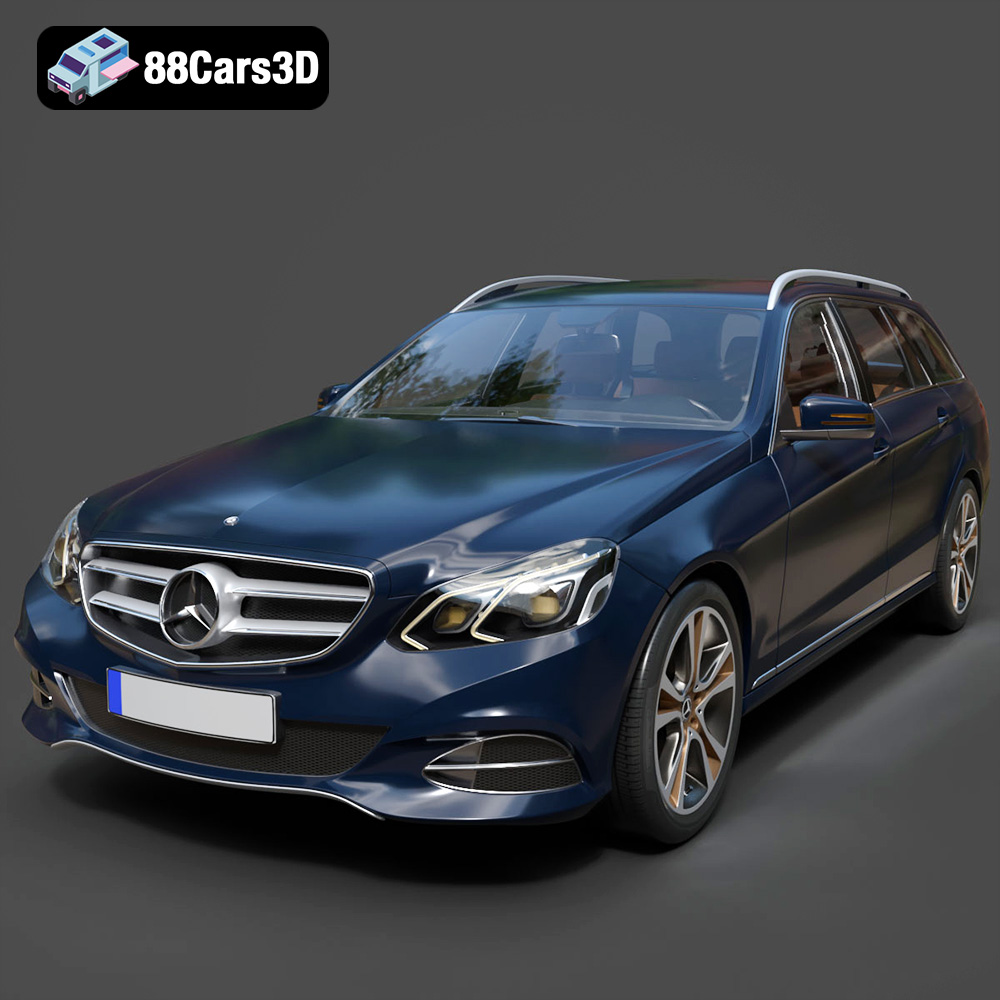
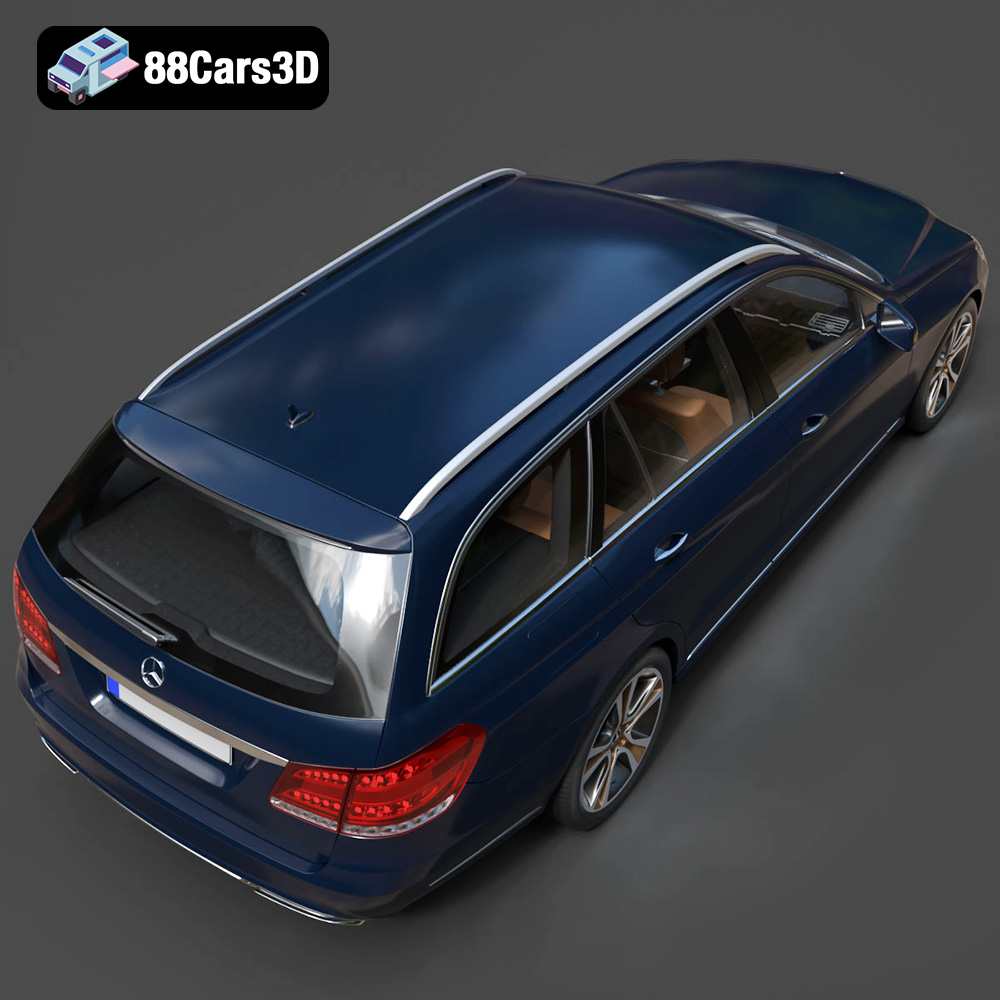
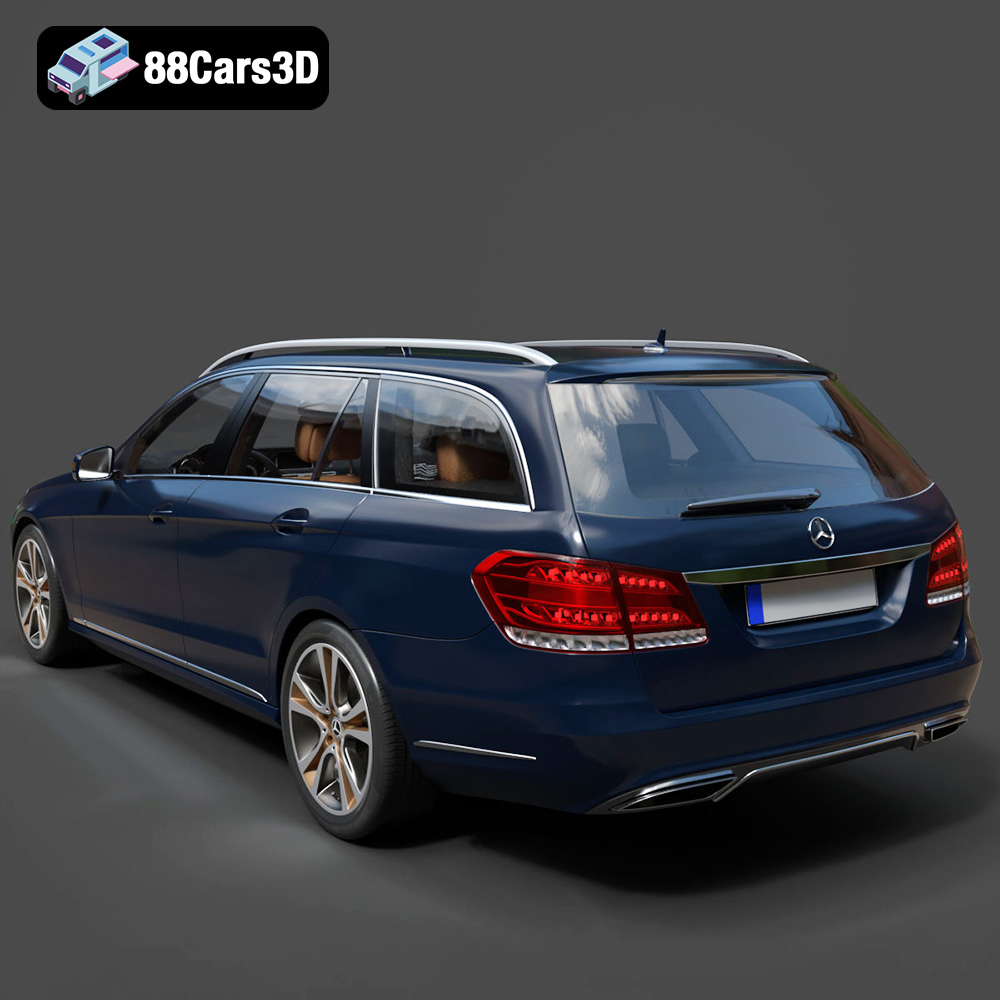
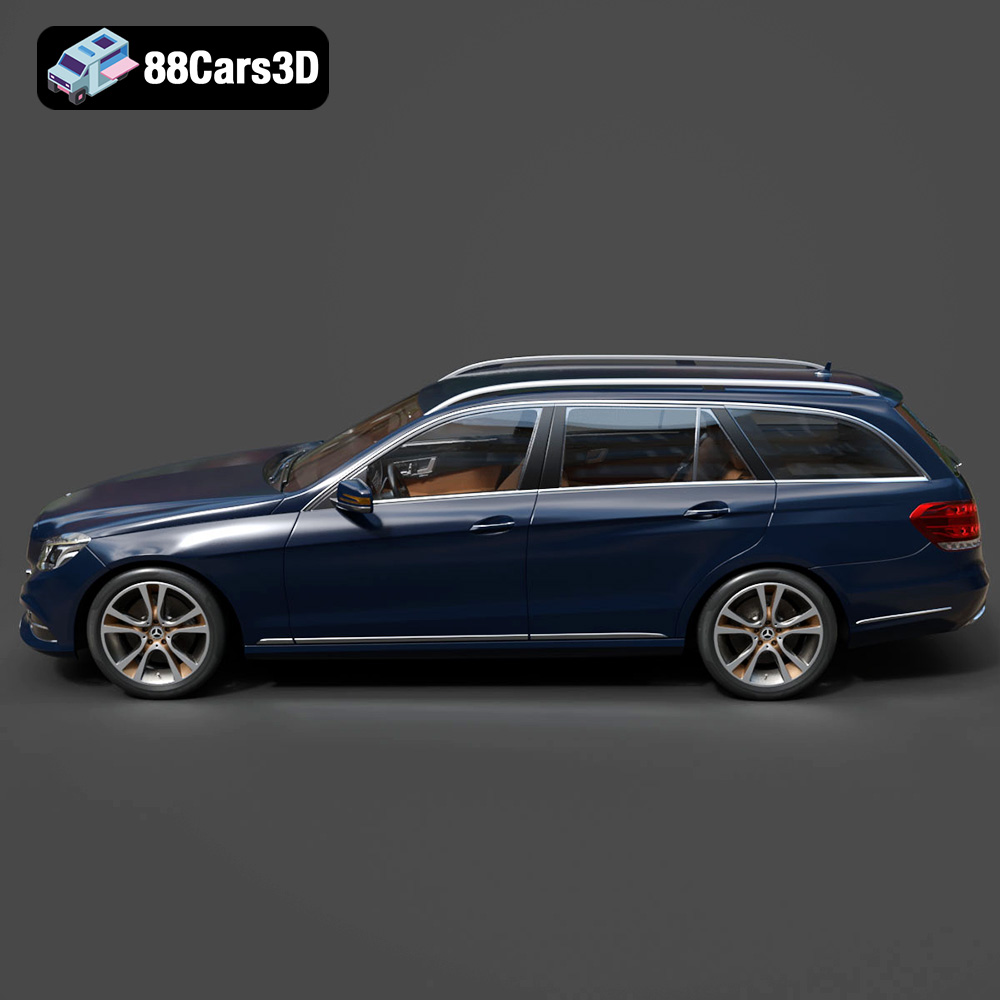
Today, we delve into the sophisticated realm of digital automotive design, exploring how meticulously crafted models serve as the backbone for diverse applications. We’ll examine the technical intricacies, workflow considerations, and the boundless creative potential unlocked by premium assets. Our journey will center around a remarkable example of digital engineering: the Mercedes-Benz ET3-08 3D model. This stunning concept vehicle, with its sweeping lines and futuristic aesthetic, stands as a testament to what high-quality 3D car models can achieve, offering unparalleled visual fidelity and performance across a spectrum of professional endeavors.
The foundation of any successful 3D project lies in choosing the correct file format. Each format serves a specific purpose, offering unique advantages for different stages of development, software compatibility, and final deployment. Understanding these nuances is crucial for professionals seeking to maximize efficiency and achieve optimal results with their 3D car models, such as the versatile Mercedes-Benz ET3-08 available on 88cars3d.com. Let’s break down the most common and important formats:
The .blend format is the native file type for Blender, a powerful open-source 3D creation suite. A .blend file typically encapsulates an entire Blender scene, including the 3D model geometry, materials, textures, lighting, cameras, animation data, and even physics simulations. Its primary advantage is retaining full editability within Blender, allowing artists to modify every aspect of the model, from adjusting polygons to tweaking shader nodes or refining animation curves. For models like the Mercedes-Benz ET3-08, having a native .blend file means artists can seamlessly integrate it into their Blender-based pipelines, leveraging Blender’s robust sculpting, texturing, and rendering capabilities (e.g., Cycles or Eevee) for further customization or scene composition.
.fbx (Filmbox) is arguably the most widely adopted proprietary 3D file format for transferring models between different software applications. Developed by Autodesk, FBX excels at preserving a wide range of data, including geometry, materials, textures, animations, skinning, and even camera and light information. Its strong support across major 3D packages (like 3ds Max, Maya, Blender, Cinema 4D) and, critically, game engines (Unreal Engine, Unity), makes it the go-to choice for game development and real-time visualization pipelines. For a high-performance asset like the Mercedes-Benz ET3-08, the .fbx format ensures that all critical components – the detailed chassis, separate wheels, suspension, and steering – can be imported into an engine with their pivots and hierarchy intact, ready for animation and physics simulations.
The .obj (Wavefront OBJ) format is a universal standard for 3D geometry. It is highly compatible across almost all 3D software due to its open specification and relative simplicity. An OBJ file primarily stores vertex positions, UV coordinates, normals, and polygon faces. Material definitions are typically referenced in a separate .mtl (material template library) file, which lists basic material properties and texture maps. While .obj does not support animation, rigging, or scene information, its widespread support makes it an excellent choice for basic model transfer, especially when detailed material definitions or animation data are not a primary concern or will be re-created in the target application. It’s a reliable fallback for ensuring cross-software compatibility for the Mercedes-Benz ET3-08’s core geometry.
.glb (GL Transmission Format Binary) is the binary version of glTF (GL Transmission Format), designed for efficient transmission and loading of 3D scenes and models by engines and applications. It’s quickly becoming the standard for 3D content on the web, in augmented reality (AR), and virtual reality (VR) environments due to its compact size, fast loading times, and support for physically based rendering (PBR) materials, animations, and scene hierarchy. A single .glb file bundles the model’s geometry, textures, and animation into one self-contained package. This format is ideal for showcasing the Mercedes-Benz ET3-08 in interactive web configurators, social media AR filters, or lightweight VR experiences, providing rich visuals with minimal overhead.
The .stl (STereoLithography) format is the ubiquitous standard for 3D printing. Unlike other formats, .stl represents a 3D model as a series of connected triangles, describing only the surface geometry without color, texture, or material information. It’s a pure mesh format focused solely on defining the external shape of an object for manufacturing. For 3D printing the Mercedes-Benz ET3-08, the .stl file will translate its digital form into a physical object layer by layer. The precise geometry and suggested print settings (scale, layer height, supports) provided with such a model are crucial for a successful physical output.
The .ply (Polygon File Format, or Stanford Triangle Format) is another format used to store 3D data, particularly from 3D scanners. It can store not only the geometry (vertices, faces) but also additional attributes like color, transparency, normals, texture coordinates, and even reliability information for each polygon. While less common for general 3D asset exchange than FBX or OBJ, .ply is valuable in scientific, engineering, and CAD applications where precise mesh data with additional per-vertex or per-face attributes is required. For the Mercedes-Benz ET3-08, a .ply file might be useful in reverse engineering workflows or for detailed analysis of its aerodynamic surfaces.
The .unreal format, or more accurately, the way models are packaged for Unreal Engine, signifies an asset specifically optimized and prepared for direct import and use within the engine. This isn’t a single file type but rather an indication that the model has been rigorously tested and configured to leverage Unreal Engine’s features, such as proper material setup (often PBR materials), collision meshes, LODs (Levels of Detail), and potentially Nanite compatibility for Unreal Engine 5. An .unreal designation for the Mercedes-Benz ET3-08 means it’s ready to drop into a game project, virtual production, or architectural visualization scene, requiring minimal additional setup to achieve its intended high-fidelity look and performance.
The .max format is the native file type for Autodesk 3ds Max, a leading software for 3D modeling, animation, rendering, and compositing. Similar to .blend, a .max file contains the entire scene data, including geometry, materials, textures, lighting, cameras, modifiers, and animation. Having a .max file for the Mercedes-Benz ET3-08 offers the highest degree of flexibility for 3ds Max users, allowing full access to the model’s construction, enabling complex animation setups, precise material adjustments using V-Ray or Corona renderers, and integration into advanced studio rendering pipelines. It’s invaluable for professional studios reliant on 3ds Max for high-end cinematic automotive rendering.
The Mercedes-Benz ET3-08 3D model is more than just an aesthetic marvel; it’s a versatile digital asset designed for integration into various high-stakes professional workflows. Its meticulous construction and optimized specifications ensure it performs exceptionally whether for cutting-edge game development, high-end rendering, or immersive AR/VR experiences. The thoughtfulness in its design, down to the last polygon, caters to the rigorous demands of industry specialists.
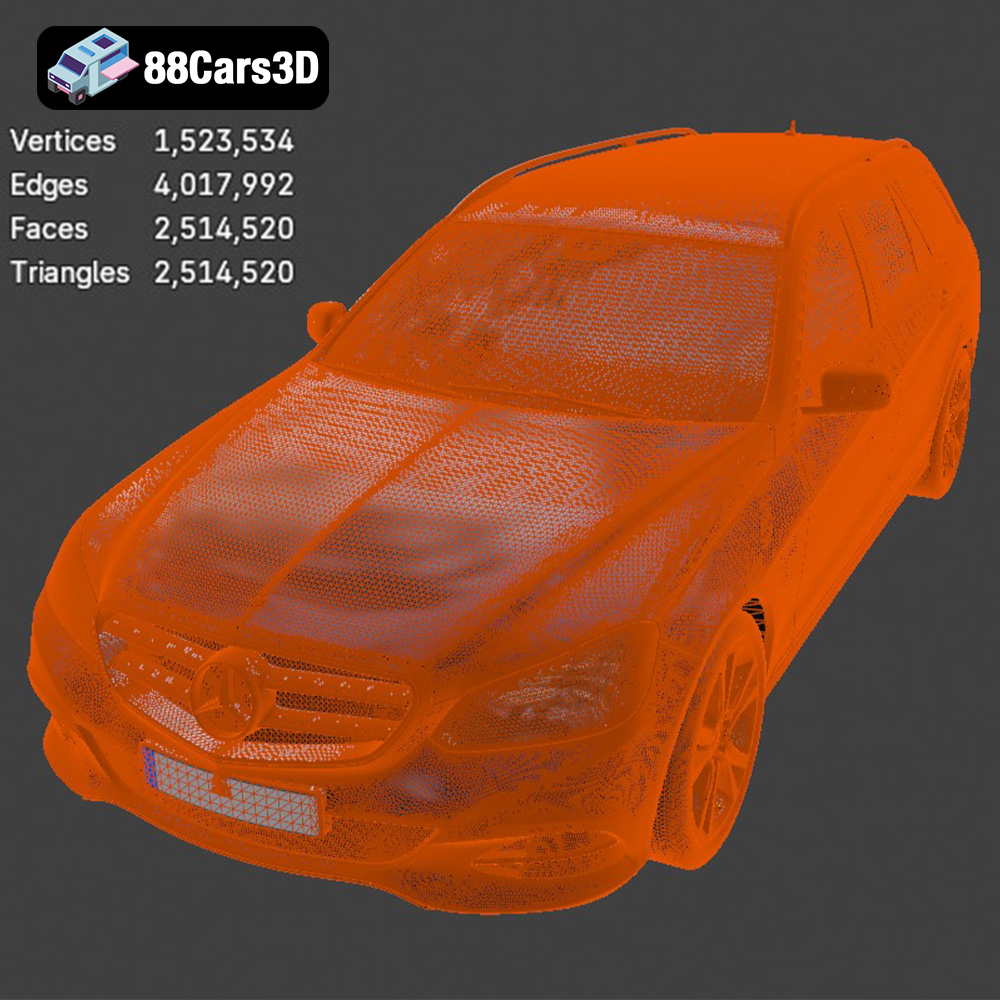
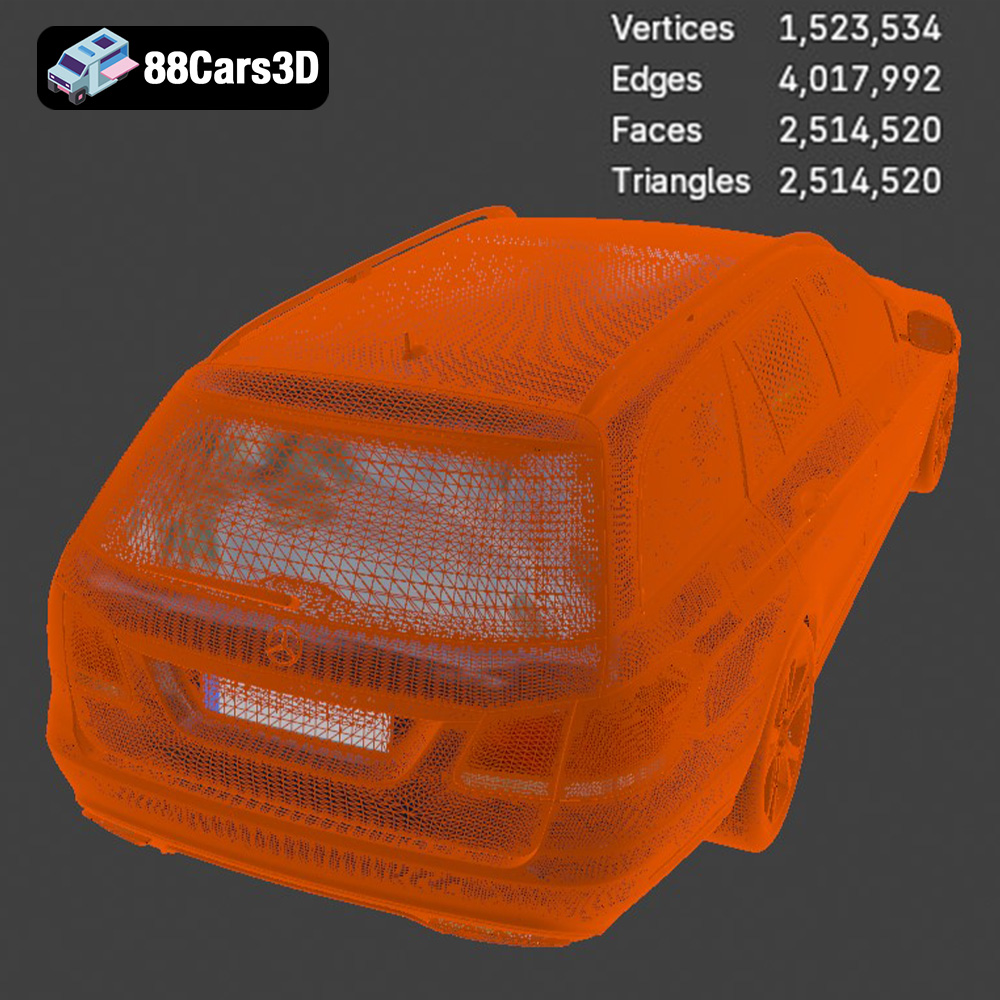
With a geometry consisting of 2,514,520 triangles, the ET3-08 model achieves uncompromising visual fidelity. This level of detail is crucial for close-up renders and cinematic shots where every curve and surface reflection matters. For automotive rendering specialists, this means less time spent on subdivision surfaces and more focus on lighting and material refinement. The “Accurate Mercedes-Benz ET3-08 frame geometry and futuristic proportions” combined with “Precision-modeled futuristic suspension geometry” ensures that even the most discerning eye will find the model true to its concept. This high polycount, while significant, is still “Game-Ready & Optimized” for modern real-time engines like Unreal Engine 5, which can leverage technologies such as Nanite to efficiently render millions of triangles without performance bottlenecks, making it suitable for both static renders and dynamic gameplay.
A static model, no matter how beautiful, often falls short in dynamic simulations. The ET3-08 addresses this by featuring “Separate wheels, suspension, and steering components for animation.” This means that the model comes pre-rigged, or at least with the foundational elements ready for a rig, to simulate realistic driving mechanics. The “Proper pivot setup for steering, wheel rotation, and suspension travel” is a significant advantage. This saves countless hours for animators and game developers who would otherwise have to manually isolate and define pivot points for each moving part. Whether it’s for a racing game where precise suspension movement is key or a cinematic sequence showcasing the car in motion, this pre-configured modularity drastically streamlines the animation pipeline.
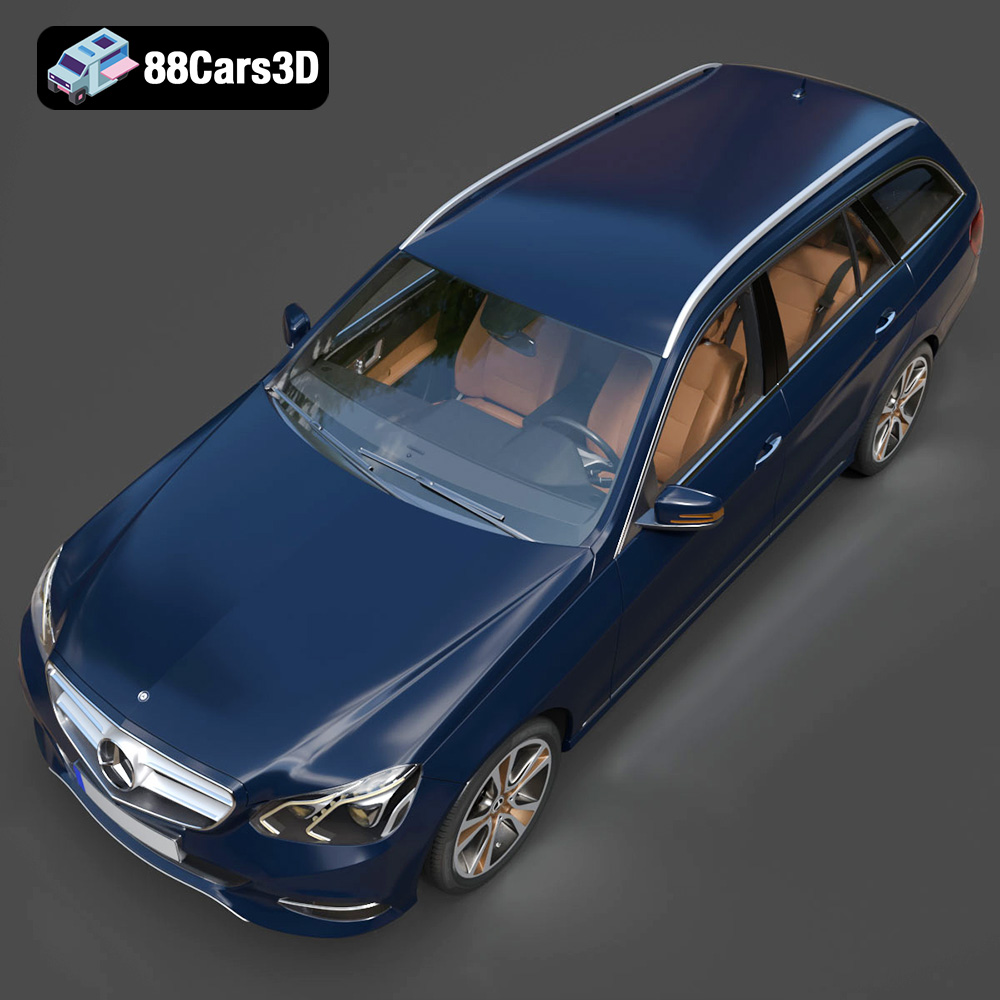
The attention to detail extends beyond the exterior. The “Ergonomic futuristic bucket seats with detailed texturing,” “High-tech steering yoke and advanced driving controls,” and “Digital holographic instrument cluster and infotainment screens” all contribute to an immersive experience. For game developers working on first-person driving perspectives, the “Optimized geometry for first-person POV in gaming” ensures that the interior holds up to scrutiny. This level of internal detail is critical for creating compelling virtual showrooms in AR/VR or for interactive experiences where users might explore the vehicle’s cockpit. The integration of “Advanced LED light strips and illuminated branding elements” further enhances its futuristic appeal, making it a standout asset in any digital environment.
High-quality 3D car models like the Mercedes-Benz ET3-08 are indispensable tools for professional rendering and visualization. They form the core of captivating marketing campaigns, breathtaking product showcases, and detailed design reviews. Achieving photorealistic results demands not only an excellent model but also a deep understanding of rendering principles and software capabilities.
When it comes to creating stunning, photorealistic images of the Mercedes-Benz ET3-08, software like 3ds Max and Blender stand out as industry leaders. Using the provided .max or .blend files, artists gain full access to the model’s intricate geometry and can leverage powerful render engines like V-Ray, Corona Renderer (3ds Max), or Cycles (Blender). The model’s “2,514,520 Triangles” provides ample geometric detail to capture subtle reflections and highlights that are crucial for automotive realism. Artists can experiment with various studio lighting setups, HDRI environments, and advanced material shaders to perfectly mimic real-world paint finishes (metallic flakes, clear coat reflections), tire rubber, and glass refractions. The separated components (wheels, suspension) allow for dynamic poses, simulating motion blur or a slight lean during cornering, adding to the realism. For rendering and visualization, the Mercedes-Benz ET3-08 is truly an excellent foundation.
The Mercedes-Benz ET3-08 is perfectly suited for “brand campaigns, lifestyle scenes, and studio lighting setups.” Its futuristic design and high fidelity lend themselves naturally to cinematic sequences that tell a story. Imagine a sleek commercial showcasing the ET3-08 gliding through a neon-lit metropolis, its “Advanced LED light strips” illuminating the path, or a dramatic reveal of its “Integrated aerodynamic diffusers and active aero elements.” Professional animators can utilize the model’s pre-configured pivots for wheels and steering to create dynamic camera moves and engaging narratives. The robust polycount ensures that even in slow-motion, extreme close-up shots, the model maintains its visual integrity, avoiding the low-poly artifacts that can break immersion in high-end productions. This model from 88cars3d.com provides the raw fidelity needed for the most demanding visual storytelling.
The demands of real-time applications are distinct from those of offline rendering. Game engines and AR/VR platforms require models that are not only visually striking but also incredibly performant. The Mercedes-Benz ET3-08 has been meticulously engineered to excel in these environments, balancing visual realism with optimization.
The description highlights the ET3-08 as “Game-Ready & Optimized” for engines like Unreal Engine and Unity. Its triangle count, while high, “strikes a perfect balance” for modern engines. In Unreal Engine 5, specifically, this model is poised to leverage Nanite, a virtualized micropolygon geometry system that can ingest and render incredibly dense meshes with high efficiency. This means developers can deploy the ET3-08 with its full geometric detail without manually creating complex LODs (Levels of Detail), allowing for cinematic quality within gameplay. For Unity, careful material setup using Universal Render Pipeline (URP) or High Definition Render Pipeline (HDRP) will ensure PBR accuracy and visual consistency. The included .fbx and .unreal files are critical for seamless integration, ensuring that “proper pivot setup for steering, wheel rotation, and suspension travel” translates directly into engine physics and animation systems, making it “ideal for open-world games, racing titles, and simulators.”
Augmented Reality (AR) and Virtual Reality (VR) represent the next frontier for automotive visualization, and the ET3-08 is perfectly equipped for this. Its optimized geometry and attention to interior detail, including “Ergonomic futuristic bucket seats” and a “Digital holographic instrument cluster,” make it “perfect for immersive virtual showrooms, configurators, and mobile AR experiences.” The availability of the .glb format is particularly beneficial here, as it’s designed for efficient transmission and loading in web-based AR/VR viewers. Imagine a potential customer exploring the ET3-08 in their driveway via an AR app, or stepping into a virtual showroom to interact with its “High-tech steering yoke” and “Advanced driving controls.” The model’s real-world scale accuracy is also crucial for maintaining a sense of presence and believability in these immersive digital spaces.
The utility of high-quality 3D car models extends beyond digital screens, bridging the gap into the physical world through 3D printing. The Mercedes-Benz ET3-08 offers this tangible connection, allowing enthusiasts and professionals to bring the futuristic concept into reality.
The inclusion of the .stl format is key for 3D printing, enabling the Mercedes-Benz ET3-08 to be transformed from digital data into a physical object. While .stl files represent geometry as a series of triangles, the quality of the original high-poly model ensures that the printed version retains intricate details. The recommended scales (1:12, 1:18, 1:24) are popular for display models, hobbyists, and collectors, offering a balance between size and detail. For hobbyists, having a model that is “Convertible to .stl format for display-scale hobbyists” is a significant advantage, allowing them to own a physical representation of this cutting-edge design.
Successful 3D printing hinges on appropriate print settings. The product description provides excellent guidance: “Layer height: 0.04–0.12 mm (Resin printing recommended for fine details)” points towards achieving smooth surfaces and capturing the ET3-08’s sleek lines. Resin printers (SLA/DLP) are indeed superior for fine details compared to FDM printers. “Wall thickness: 1.2–2.0 mm” ensures structural integrity, while “Infill: 20–30%” provides internal strength without excessive material use. The note on “Supports: Required for detailed parts like mirrors, diffusers, and aerodynamic wings” is crucial, as complex overhangs need temporary structures to prevent print failures. Furthermore, the advice on “Print orientation: Frame printed angled for structural integrity; wheels printed separately” demonstrates a practical understanding of 3D printing mechanics, ensuring stronger, cleaner prints. Post-processing steps like sanding, priming, and painting with “authentic factory colors with metallic finishes” are essential to bring the model to life with a high-end, production-ready aesthetic.
A truly professional 3D model doesn’t just look good; it’s also highly adaptable. The Mercedes-Benz ET3-08 offers extensive customization options, empowering artists and developers to tailor the model to their specific project requirements, ensuring unique visual outcomes and maximum flexibility.
The ability to customize materials and aesthetics is paramount. The ET3-08 allows users to “Change body/tank colors (e.g., factory colors, custom finishes),” offering endless possibilities for branding, personal preference, or matching specific scene requirements. This could involve applying a vibrant racing livery, a luxurious matte finish, or a classic metallic gleam. Furthermore, the option to “Adjust material finishes (matte, gloss, metallic)” provides granular control over how light interacts with the car’s surfaces, influencing reflections and overall visual impact. This flexibility is invaluable for creating realistic variations for different game environments, product configurators, or cinematic moods. Beyond the paint, the capacity to “Modify tire textures (off-road vs. street variants)” further enhances versatility, allowing the ET3-08 to appear ready for a futuristic rally or a sleek urban cruise.
Lighting is the soul of any render or real-time scene. The ability to “Adapt lighting for different environments” with the Mercedes-Benz ET3-08 ensures that the model always looks its best, whether bathed in the harsh sunlight of a desert race, the soft glow of a virtual showroom, or the dramatic chiaroscuro of a sci-fi cityscape. High-quality 3D car models are designed to react realistically to various lighting conditions, and the ET3-08’s detailed surfaces and precise geometry are ideal for showcasing complex reflections and refractions. This adaptability makes it a powerful asset for any project requiring dynamic visual storytelling, allowing artists to seamlessly integrate it into diverse settings without compromising its visual integrity or the intended mood.
The journey through the technical landscape of 3D automotive design reveals a clear truth: high-quality 3D car models are not just assets; they are foundational elements driving innovation across industries. From game development and immersive AR/VR experiences to photorealistic rendering and even tangible 3D prints, the demand for precision, optimization, and versatility is constant. The Mercedes-Benz ET3-08 3D model perfectly encapsulates these requirements, offering a meticulously crafted concept vehicle ready to be deployed in the most demanding professional workflows.
Its rich geometry, animation-ready components, and comprehensive file format support ensure that whether you’re building a next-generation racing game, producing a cinematic advertisement, or creating an interactive virtual showroom, the ET3-08 delivers unparalleled realism and performance. Models of this caliber save countless hours in production, allowing artists and developers to focus on creativity rather than foundational asset creation. For those seeking to elevate their projects with truly exceptional 3D car models, resources like 88cars3d.com provide access to a curated selection of premium assets, ensuring your digital visions are brought to life with maximum impact and technical prowess.
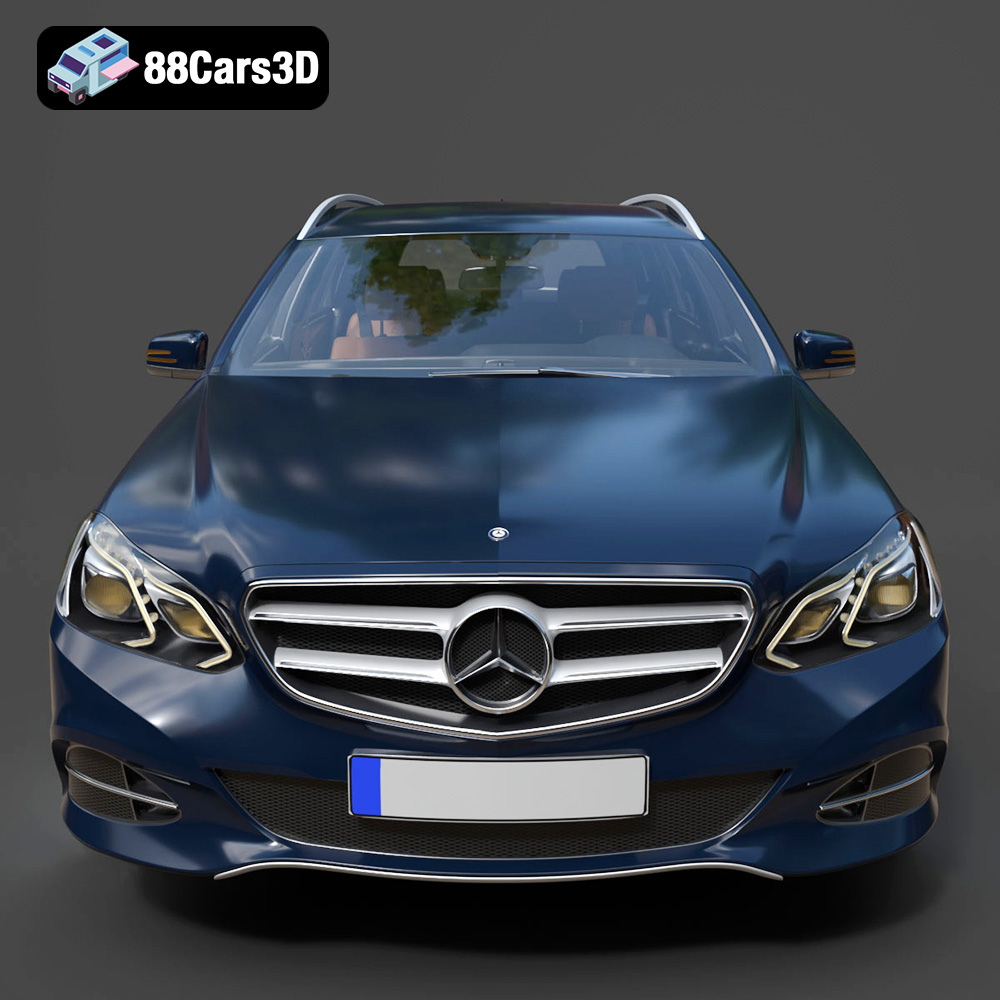
Experience the future of automotive design with the Mercedes-Benz ET3-08. This breathtaking concept vehicle embodies the pinnacle of aerodynamic efficiency and futuristic styling. Characterized by its sweeping, continuous lines, advanced lighting signatures, and state-of-the-art electric powertrain aesthetics, the ET3-08 is a true marvel of digital engineering. Its striking exterior features advanced aerodynamic wheels, aggressive diffusers, and iconic Mercedes-Benz luxury cues reimagined for tomorrow.
$49
.blend
.fbx
.glb
.max
.obj
.ply
.rendering
.stl
.unreal
car-3d-model
concept-car
et3-08
futuristic-car
game asset
game-ready
high poly
mercedes-benz
optimized
VR/AR