Get 20% OFF All Premium 3D & STL Models!

The roar of a V8 engine, the gleam of chrome, and the unmistakable silhouette of a classic muscle car – these are the elements that ignite passion in automotive enthusiasts worldwide. Among these legends, the 1969 Ford Mustang Mach 1 stands as an undisputed titan, a symbol of American power, speed, and timeless design. In the digital realm, recreating such an icon demands not just artistic skill but also meticulous technical precision. Whether you’re a game developer crafting the next racing sensation, an architect integrating realistic vehicles into visualizations, or a film studio demanding cinematic realism, the quality of your 3D assets is paramount. This is where truly exceptional 3D car models like the Ford Mustang Mach 1 1969 3D model from 88cars3d.com become indispensable. This article will delve deep into the technical intricacies, diverse applications, and advanced workflows associated with harnessing such a high-fidelity digital asset, ensuring your projects stand out with unparalleled authenticity.
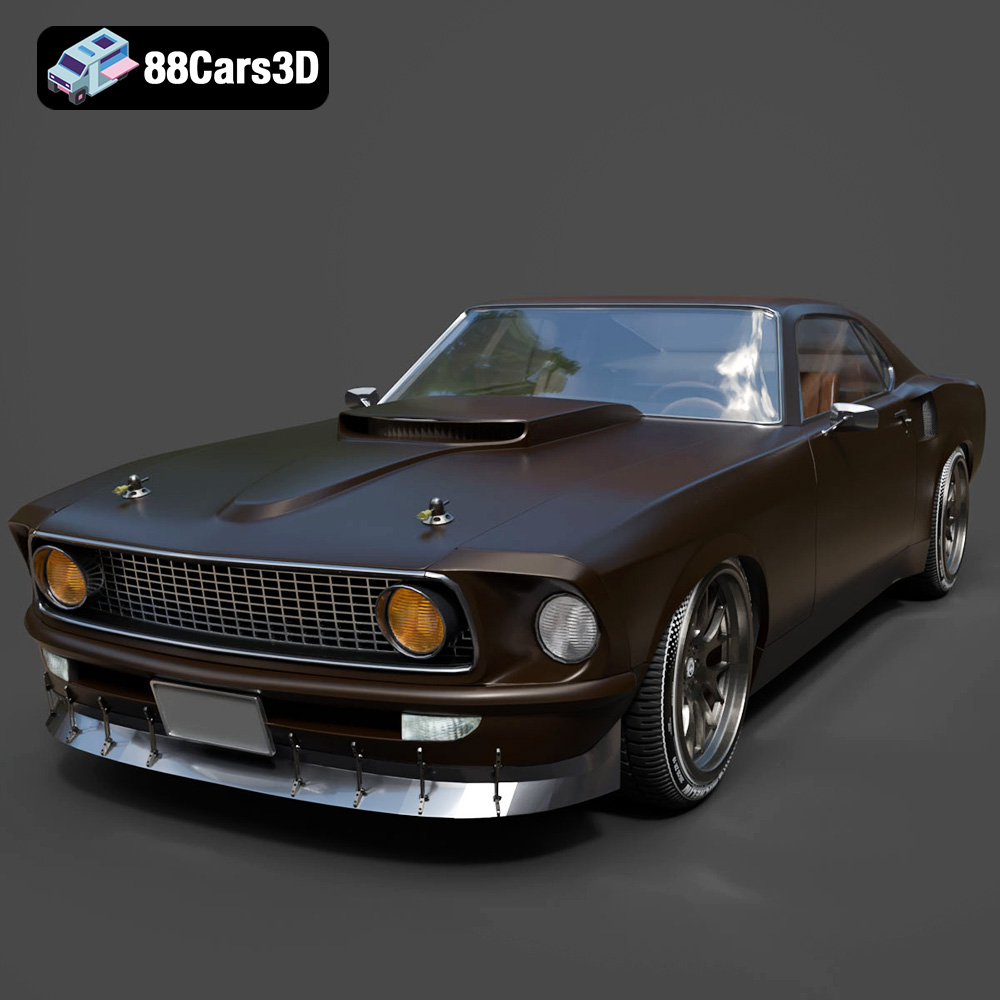
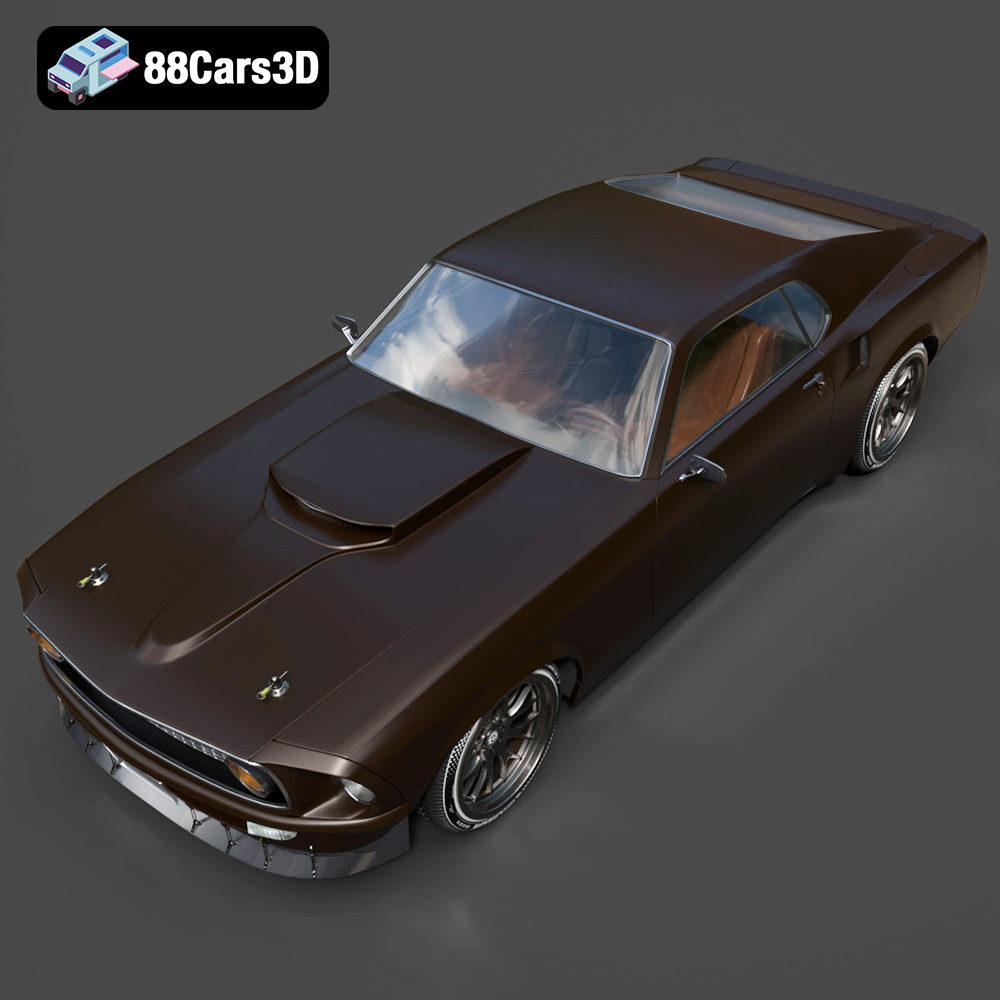
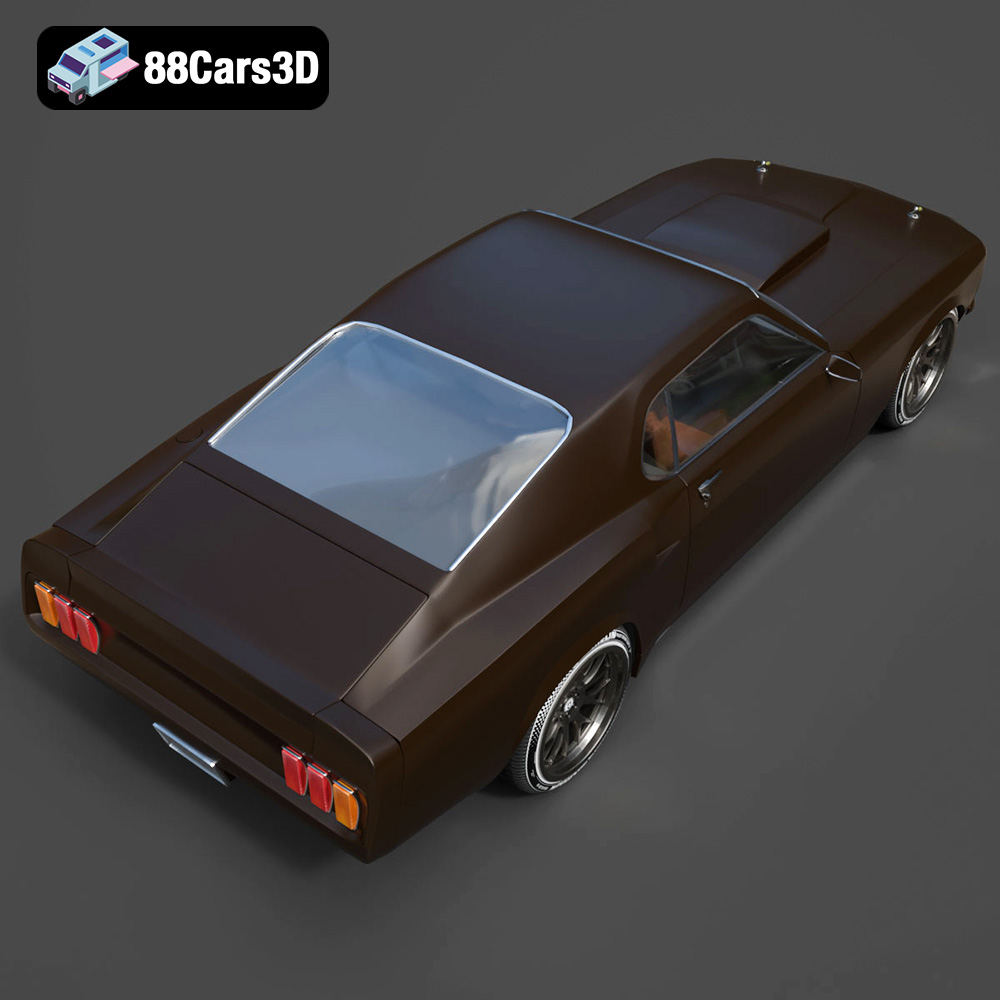
The year 1969 marked a pivotal moment for the Ford Mustang. The Mach 1 variant was introduced as a performance-oriented package, instantly captivating drivers with its aggressive sportsroof styling, potent engine options, and a distinct aesthetic that screamed raw power. It wasn’t just a car; it was a cultural phenomenon, embodying the spirit of an era defined by speed, rebellion, and iconic design. From its matte black hood with a functional scoop to its rear window louvers and prominent rear spoiler, every detail contributed to its legendary status.
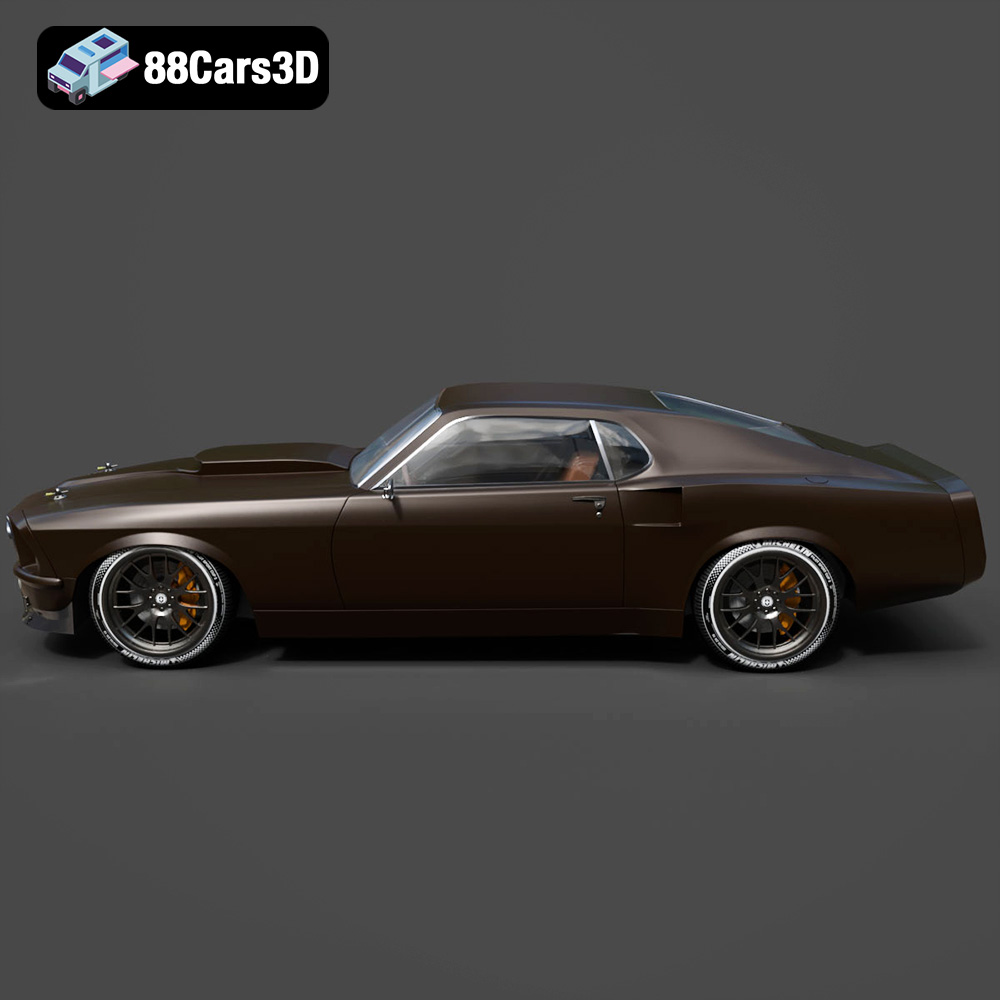
Translating such a revered piece of automotive history into a 3D model is a monumental task. It requires an unwavering commitment to accuracy, from the precise curvature of the fastback body to the intricate details of the Magnum 500 wheels. The 88cars3d.com Ford Mustang Mach 1 1969 3D model meticulously recreates these elements, ensuring that every angle and proportion aligns with the real-world counterpart. This attention to detail isn’t merely aesthetic; it’s fundamental for projects where authenticity is non-negotiable, whether it’s for historical accuracy in a documentary or for an immersive virtual reality experience where discrepancies would immediately break immersion. The model serves as a digital time capsule, preserving the legacy of this muscle car for future generations in an interactive and versatile format.
The world of 3D modeling relies on a diverse ecosystem of file formats, each optimized for specific purposes, software compatibility, and industry pipelines. Understanding these formats is crucial for any professional working with 3D car models, as the choice of format can significantly impact workflow efficiency, model fidelity, and final output. The Ford Mustang Mach 1 1969 3D model, recognizing this necessity, offers a comprehensive suite of formats to cater to virtually any professional need.
By providing this comprehensive range of formats, the 88cars3d.com Ford Mustang Mach 1 1969 3D model ensures maximum compatibility and utility, enabling professionals to integrate this exceptional automotive asset into virtually any project pipeline.
The true value of a premium 3D car model lies not just in its visual appeal but in its underlying technical craftsmanship. The Ford Mustang Mach 1 1969 3D model from 88cars3d.com exemplifies this, engineered to meet the stringent demands of professional production pipelines.
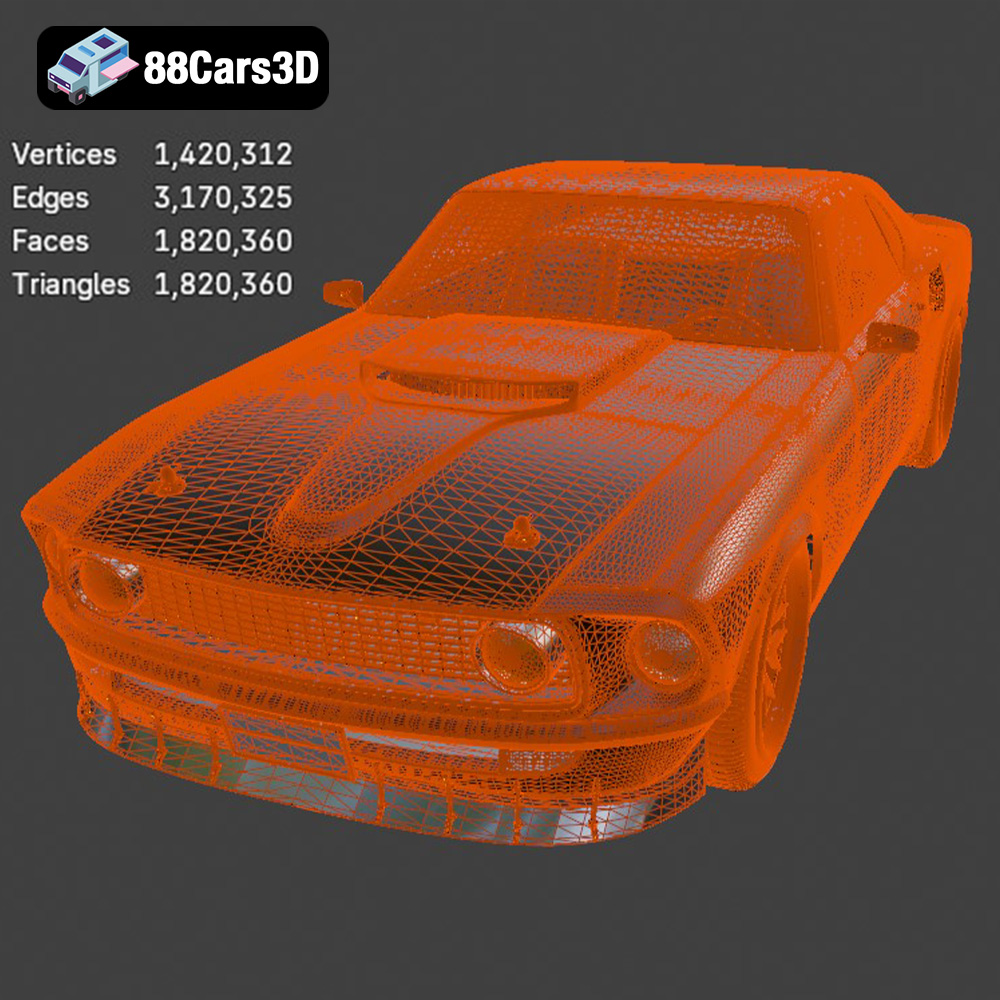
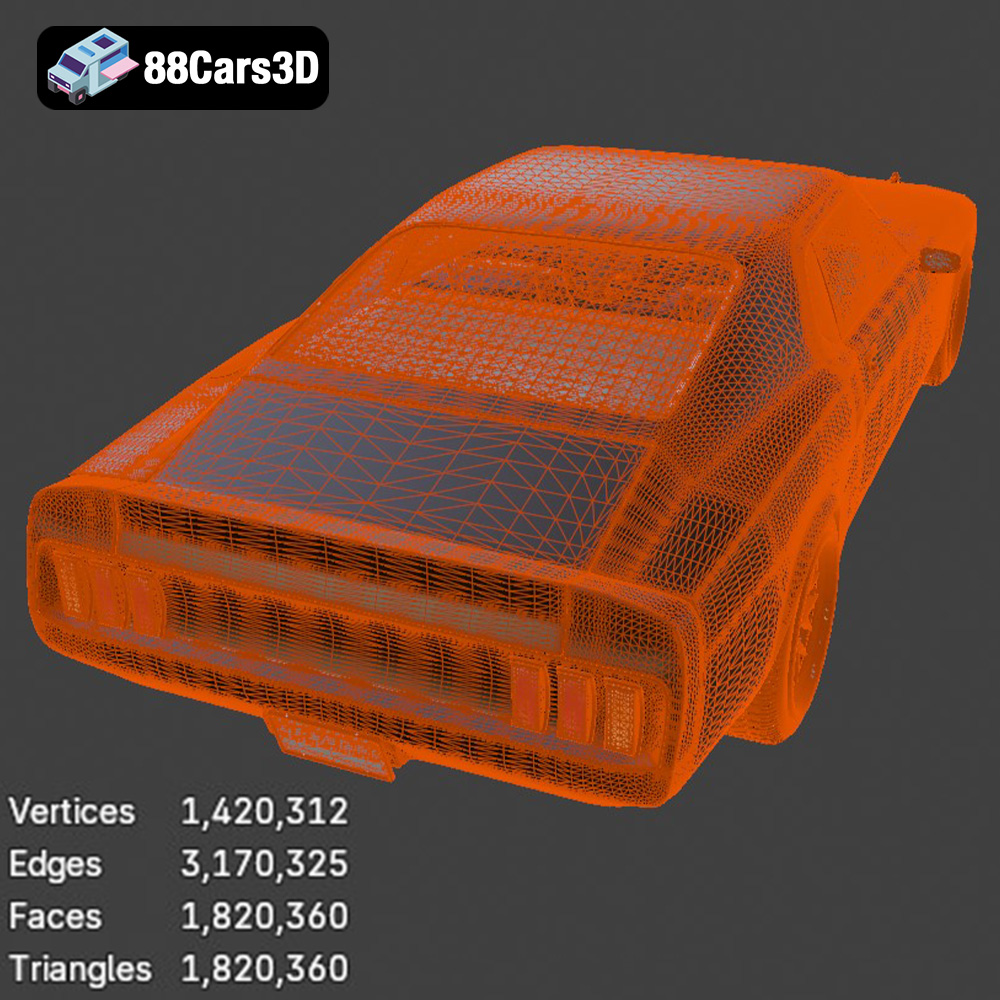
One of the most critical aspects of any realistic 3D vehicle model is its adherence to real-world scale. This model is built with precise dimensions, ensuring it integrates seamlessly into architectural visualizations, game environments, or cinematic scenes without requiring tedious scaling adjustments. The topology boasts 1,820,360 triangles, a carefully chosen polycount that strikes an optimal balance. This density allows for incredibly detailed and smooth surfaces, capturing the iconic curves and sharp lines of the Mach 1 with high fidelity, while remaining optimized enough for real-time engines like Unreal and Unity. This isn’t just a high-poly sculpt; it’s a meticulously structured mesh designed for both performance and visual realism.
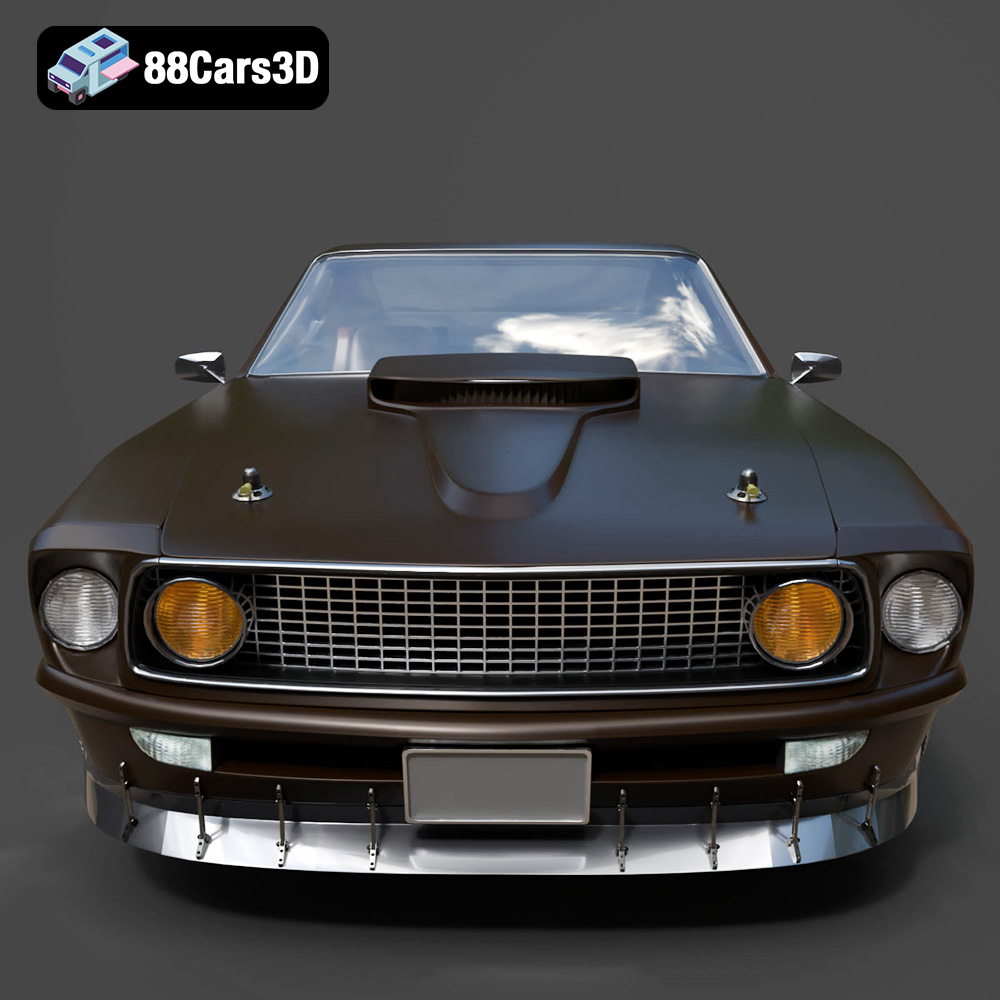
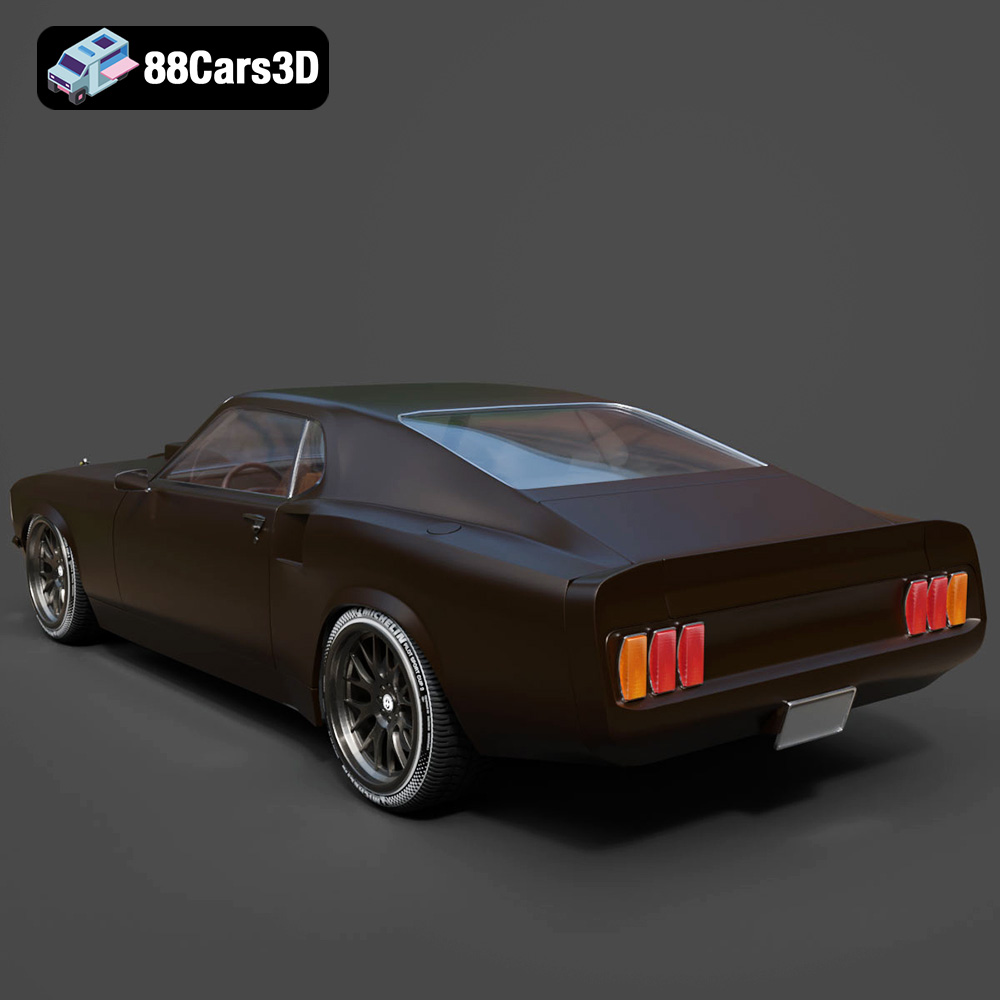
The level of detail extends beyond the stunning exterior. The model features an accurately rendered V8 engine block and engine bay components, a crucial detail for close-up shots or even under-the-hood inspections in a virtual configurator. The classic quad headlamp setup and signature tri-bar taillights are precisely modeled, alongside the authentic dual exhaust system with chrome-tipped tailpipes. The period-correct Magnum 500 style wheels and muscular tires further enhance its authenticity. Below the surface, the undercarriage and classic leaf-spring suspension details are also present, adding depth and realism often overlooked in lesser models.
Inside the cockpit, the attention to detail is equally impressive. High-back bucket seats with classic vinyl upholstery styling, an authentic wood-grain trimmed three-spoke steering wheel, and a detailed multi-dial instrument cluster create an immersive experience. Accurate control details, including pedals, levers, and the classic T-bar shifter, are included, making it perfect for first-person POV in gaming and VR applications. Furthermore, components like wheels, suspension, and steering are separated with proper pivot setups, enabling realistic animation of steering, wheel rotation, and suspension travel – a vital feature for dynamic simulations and interactive experiences.
The versatility of a high-quality 3D car model like the 88cars3d.com Ford Mustang Mach 1 1969 is immense, spanning a broad spectrum of professional applications. Its detailed design and optimized structure make it an invaluable asset across various digital industries.
For game developers, the pursuit of realism is constant. This 3D Mustang Mach 1 model is “game-ready,” meaning it’s designed to perform efficiently within real-time engines without sacrificing visual quality. Its optimized polycount allows for smooth frame rates in demanding racing titles, open-world adventures, or realistic driving simulators. Imagine a classic car racing game where players can truly feel the essence of the Mach 1, or an open-world environment where this iconic muscle car adds unparalleled authenticity to the digital landscape. Beyond traditional gaming, the model excels in AR/VR applications. Virtual showrooms can offer users a chance to interact with the Mach 1 in a fully immersive environment, rotating it, peering into its detailed interior, or even “driving” it in a simulated space. This level of interaction is vital for creating memorable and engaging virtual experiences.
In the realm of rendering and visualization, photorealism is the ultimate goal. The detailed textures and accurate geometry of this 3D car model make it an excellent candidate for high-end rendering. Automotive brands can utilize it for compelling marketing campaigns, showcasing the Mach 1 in pristine studio lighting setups or dynamic lifestyle scenes. Architectural visualization artists can integrate the car into realistic streetscapes, adding a touch of classic American flair to their building renders. Whether it’s for print advertisements, digital media, or cinematic sequences, the model provides the foundation for stunning visuals that capture the imagination and convey a powerful brand message. The ability to customize body colors, adjust material finishes (matte, gloss, metallic), and adapt lighting further enhances its utility for diverse visualization projects.
Integrating a complex 3D car model like the Ford Mustang Mach 1 1969 into a professional workflow requires a nuanced understanding of various 3D software and real-time engines. The asset’s comprehensive file format support simplifies this process considerably.
For artists and studios utilizing Blender, the `.blend` file offers a complete and editable scene. Upon opening, users will find the Mach 1 fully assembled, often with basic materials and UV maps pre-applied. The workflow typically involves:
Similarly, for 3ds Max users, the `.max` file provides an equally comprehensive starting point. The workflow in 3ds Max would involve:
Both Blender and 3ds Max allow for extensive customization, from changing tire textures to modifying lighting setups for different environmental effects.
The true power of a game-ready asset shines when integrated into real-time engines like Unreal Engine. The `.fbx` format is ideal here, ensuring that the mesh, UVs, materials (which will need to be re-created or re-linked within Unreal), and most importantly, the skeletal hierarchy and pivot points, are transferred accurately. If an `.unreal` specific file is provided, this often means much of the setup is already handled. The workflow in Unreal Engine typically involves:
By following these advanced workflows, professionals can leverage the 88cars3d.com Mustang Mach 1 model to its full potential, creating stunning visuals and interactive experiences across a range of digital platforms.
While digital applications are vast, the desire to hold a tangible representation of such an iconic vehicle remains strong. The Ford Mustang Mach 1 1969 3D model’s inclusion of the `.stl` format opens up the exciting possibility of 3D printing, transforming the digital asset into a physical collectible or display piece.
3D printing requires specific considerations to ensure a successful output. The model’s topology, while optimized for digital rendering, needs to be robust for physical fabrication. The `.stl` file provides the triangulated mesh ready for slicing software. Key recommendations for printing this model include:
The ability to print this model adds another dimension to its utility, catering to hobbyists, collectors, and automotive enthusiasts who appreciate both the digital and physical forms of this classic American muscle car.
The 1969 Ford Mustang Mach 1 remains an enduring symbol of automotive excellence, and its digital counterpart, the Ford Mustang Mach 1 1969 3D model from 88cars3d.com, is a testament to meticulous digital craftsmanship. From its precise geometry and meticulously recreated interior to its comprehensive file format support, this model is designed to empower professionals across game development, architectural visualization, cinematic rendering, and even 3D printing. It represents not just a static asset, but a versatile tool capable of elevating the realism and quality of any project. By understanding the technical specifications, file formats, and advanced workflows detailed in this article, artists and developers can fully leverage the power of this iconic 3D car model, bringing the legendary spirit of the Mach 1 to life in their own digital creations. For those seeking unparalleled quality and authenticity in their 3D car models, 88cars3d.com stands as a premier destination.
The 1969 Ford Mustang Mach 1 stands as a defining pillar of American muscle car heritage. This legendary fastback is celebrated for its aggressive stance, signature sportsroof styling, and high-performance V8 pedigree. Our 3D model meticulously captures its iconic visual elements, from the menacing front grille and quad headlights to the muscular rear haunches, distinctive hood scoop, and classic dual exhaust system.
Boasting a highly detailed topology of 1,820,360 triangles, this 3D model is crafted for maximum visual fidelity while maintaining optimized structures for modern rendering engines. It is designed to deliver photorealistic results for high-end rendering, game development, cinematic animation, and interactive AR/VR applications.
Perfect for virtual showrooms, classic car racing games, architectural visualizations, and automotive brand campaigns.
.blend, .fbx, .obj, .glb, .stl, .ply, .unreal, .max
Tags:
ford, mustang-mach-1, 1969, muscle-car, classic-car, game-ready, optimized, car-3d-model, game-asset, rendering, vr-ar, blend, fbx, obj, glb, stl, ply, unreal, max
$82.50
.1969
.blend
.fbx
.ford
.glb
.max
.obj
.ply
.rendering
.stl
.unreal
car-3d-model
classic-car
game asset
game-ready
muscle-car
mustang-mach-1
optimized
VR/AR